A buyer opens your case study, sees "revenue grew 300% in 30 days," and quietly closes the tab. Not because the story is boring, but because it sounds too clean. The most damaging case study mistakes are the ones that make real results hard to believe, and they are surprisingly easy to commit. This article shows which ones to avoid, how to repair them, and how to present the corrected proof in a polished format using Flipbooks AI.
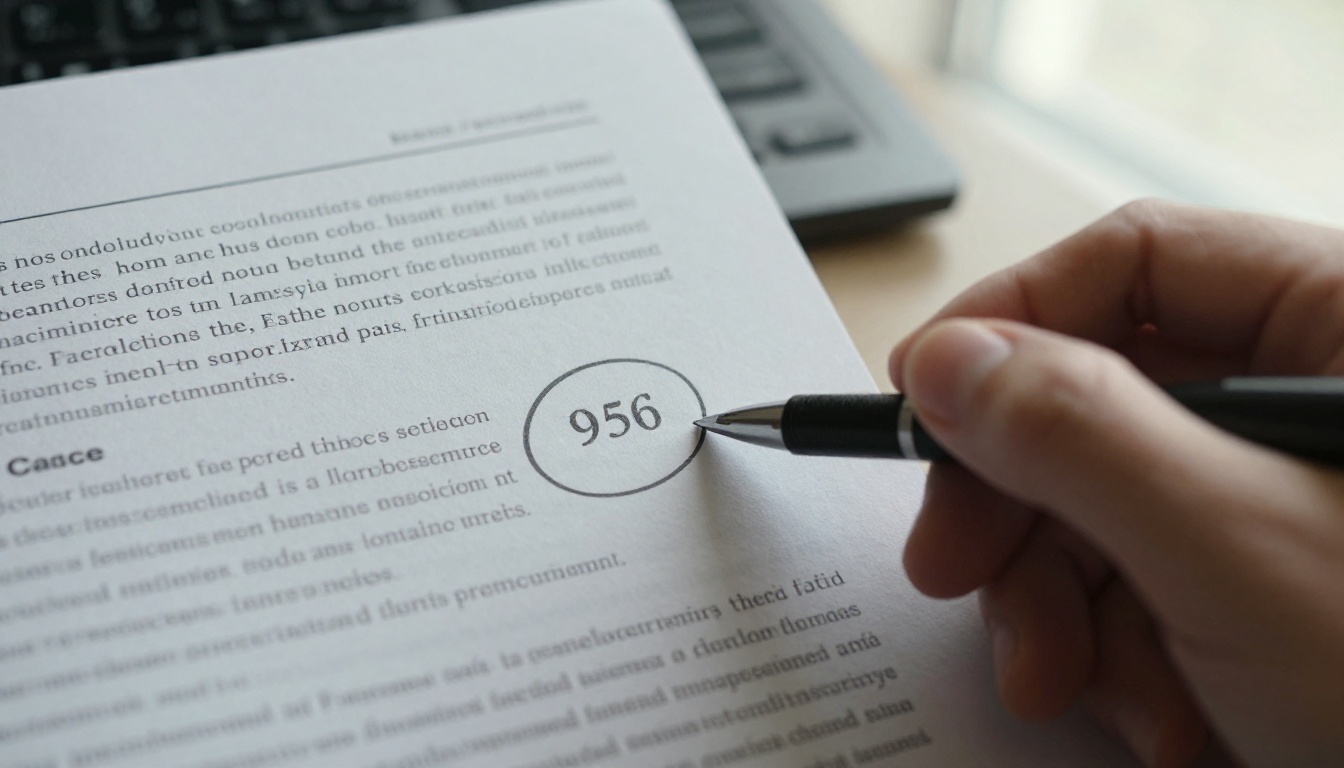
Why Buyers Distrust Case Studies
Prospects have read hundreds of success stories. Most follow the same arc: a struggling company, a miracle product, a spectacular number. Readers have learned to discount that arc automatically.
Credibility is a pattern-recognition game. When your case study matches the pattern of marketing fiction, readers treat it as fiction, even if every word is true.
💡 Pro tip: Assume your reader is skeptical by default. Write the case study as if a careful analyst will check each claim, because someone usually does.
What Skeptical Readers Look For
- Numbers with no starting point or timeframe
- Quotes that sound like press releases
- No mention of anything that went wrong
- A customer who is never named and never verifiable
- Results that arrive too fast to be plausible
Each of these is a trust leak. Fixing them costs little compared with the deals they quietly kill.
Mistake 1: Suspiciously Round Numbers
"We increased conversions by 200%." "Saved 50% on costs." Real data is messy. Real outcomes land on 187% or 47.6%, not on tidy multiples of ten.
Round numbers are not always false, but they signal rounding for effect. Precision suggests measurement.
How to Fix It
- Report the actual figure, including decimals when relevant
- Show the baseline and the end value, not only the percentage
- Name the measurement tool and the date range
| Weak Version | Credible Version |
|---|
| Sales grew 200% | Monthly sales rose from $41,300 to $122,900 between March and August |
| Cut costs by half | Print and shipping spend fell from $8,420 to $4,610 per quarter |
| Doubled leads | Qualified leads went from 63 to 131 per month (CRM export, Q2 vs Q3) |

Mistake 2: Percentages Without a Baseline
A 500% improvement from two leads to twelve is not impressive. A 12% improvement on a million visitors is. A percentage without its base tells the reader nothing, and skeptics know it.
Always pair a relative change with an absolute one. Give the reader both so they can judge scale on their own.
The Baseline Checklist
- State where the customer started
- State where they ended
- State the period between the two
- State what else changed during that period
That last point matters most. If the customer also hired two salespeople and launched a new price list, say so. Honest context makes the headline number more believable, not less.
Mistake 3: Hiding the Customer's Identity
"A leading retailer in the Midwest saw impressive growth." Nobody can verify a leading retailer. Anonymous case studies read like invented ones.
Sometimes anonymity is unavoidable. Contracts and privacy rules are real. When that happens, replace the missing name with other verifiable details.
Ways to Add Credibility Without a Name
- Company size, industry and region, stated precisely
- A named contact with a title and a LinkedIn profile, if permitted
- A short video or audio clip of the customer speaking
- A third-party review site profile that matches the story
⚠️ Warning: Never invent a composite customer and present it as a real one. If a story is illustrative, label it as illustrative. Readers forgive hypotheticals. They never forgive disguised fiction.

Mistake 4: Polished Quotes That Sound Written
"This solution revolutionized our workflow and exceeded all expectations." No customer talks like that. When a quote reads like ad copy, readers assume marketing wrote it, and they are usually right.
Real people use specifics, hesitations and small complaints. A quote like "The first week was rough because our team kept exporting the wrong file, but by week three nobody missed the old process" is far more convincing than a paragraph of praise.
Quote Rules That Build Trust
- Keep the original phrasing, even if it is slightly imperfect
- Include a concrete detail, such as a number, a date or a task
- Allow one honest reservation
- Attribute the quote with a full name and role
Mistake 5: No Mention of What Went Wrong
Every real project has friction. A case study with zero obstacles looks edited. A story with one honest challenge looks real.
Add a short section on what was hard. It does not need to be dramatic. Delays, a confusing first draft or a team that resisted change are all believable and relatable.
| Obstacle Type | Example | Why It Builds Trust |
|---|
| Timeline | Rollout took six weeks, not two | Shows realistic expectations |
| People | Two managers resisted the new process | Mirrors the reader's own team |
| Technical | Old PDFs needed reformatting | Proves the author did the work |
| Budget | A second round of edits added cost | Signals transparency |

Mistake 6: Results That Arrive Too Fast
"Within 48 hours, revenue tripled." Speed is a classic red flag. Most meaningful business outcomes take weeks or months to appear, and readers know it.
If your result really was fast, show the mechanism. Explain what happened in hour one, day two and week one. If it was slow, say so with pride. A six-month result with a clear trail is worth more than a miracle with none.
A Simple Timeline Format
- Week 0: Starting point and goals
- Week 2: First measurable change
- Week 6: Mid-point results and adjustments
- Week 12: Final numbers and remaining gaps
Mistake 7: Claiming Causation Without Evidence
"After switching to our product, sales rose." Maybe. Or maybe it was the holiday season. Correlation dressed as causation is one of the fastest ways to lose an informed reader.
You can rarely prove causation perfectly, but you can show effort toward it.
Ways to Strengthen the Causal Claim
- Compare against a control group, a prior year or a similar location
- Isolate the channel that changed, such as one campaign or one region
- Mention other factors and explain why they do not account for the result
- Use cautious language: "contributed to" instead of "caused"
✅ Best practice: One sentence admitting what you cannot prove makes every other sentence more believable.

Mistake 8: Cherry-Picked Metrics
Showing only the best metric is tempting. A case study that reports a 40% traffic rise but stays silent about flat sales invites suspicion. Readers wonder what else the data says.
Present the main metric, then two supporting metrics, and include at least one that did not move. This shows you are reporting, not selling.
| Metric | Result | Honest Note |
|---|
| Page views | +40% | Strong growth from search |
| Lead form submissions | +12% | Slower than traffic |
| Closed deals | Flat | Sales cycle is 90 days, results pending |
Mistake 9: Design That Undercuts the Story
Even honest content can look dishonest. A cluttered layout, blurry stock photos and giant bolded numbers all feel like a sales pitch. Presentation shapes how much readers trust what they read.
Strong case studies use real photos, clean charts with labeled axes and white space. They let the facts carry the weight.
Design Choices That Support Credibility
- Real customer photos instead of stock models
- Charts with visible baselines and sources
- Short paragraphs and consistent typography
- Source notes at the bottom of each data page

How to Rebuild Your Case Study as a Flipbook
A well-structured case study deserves a format that feels professional. A static PDF attachment often gets ignored or never opened. An interactive flipbook looks like a published document and works on any phone. If you want to turn your corrected draft into one, here is a simple workflow.
Step-by-Step Tutorial
- Create a free account at Flipbooks AI.
- Export your case study as a PDF from your design or word processing tool.
- Upload the file using the PDF to Flipbook Converter. The page-turning version appears within moments.
- Apply your logo, brand colors and page effects so the document matches your company.
- Add customer video or audio clips directly inside the pages, which supports the "verifiable customer" rule from earlier.
- Choose how to share: a direct link, an embed on your website, or a password-protected version for a single prospect.
- Switch on analytics to see which pages prospects read, if your plan supports it. Compare plans here.
💡 Pro tip: Send a password-protected version to a specific prospect, then check analytics to see whether they reached the results page. That tells you what to say on your follow-up call.
Which Tool Fits Which Format
Features that matter here include no watermarks, mobile-responsive reading, password protection, offline downloads and custom branding. Unlimited flipbooks come with the Standard plan and above, while analytics and lead generation belong to the Professional plan.

A Before and After Rewrite
Here is a realistic example of how fixing these mistakes changes a single paragraph.
Before: "A leading company increased sales by 300% in just 30 days after adopting our revolutionary platform, calling it a total game of difference."
After: "Harbor Street Furniture, a 14-person retailer in Ohio, grew online orders from 212 to 389 per month between April and September. The team also launched a new price list in June, so we estimate roughly half of the lift came from the catalog. The first month was slow because product photos needed reshooting. Owner Dana Whitfield said, 'I expected nothing in week two, and I was right. Week eight was a different story.'"
The second version is longer, less flashy and far more believable. It names the company, gives a baseline, admits a confounding change, mentions a delay and uses a quote that sounds like a person.
Pre-Publish Checklist
- Every number has a baseline, a period and a source
- At least one challenge is described honestly
- The customer is named or verifiable by other means
- Quotes keep their original voice
- Claims of cause use careful wording
- Charts show axes and units
- A reviewer outside marketing has read it
Common Questions About Case Study Credibility
Should I Include Negative Results?
Yes, when they are relevant. One flat or declining metric next to several strong ones makes the strong ones credible.
What If the Customer Refuses to Share Numbers?
Ask for ranges or relative comparisons they are comfortable with, such as "more than doubled" with a stated period. Vague but honest beats precise but invented.
How Long Should a Case Study Be?
Long enough to hold the baseline, the process, the obstacles and the results. For most B2B stories, that means four to eight pages. A flipbook handles that length easily and keeps readers moving.
Can Old Case Studies Still Work?
They can, if you refresh them. Add a "where they are now" update with current figures. Seeing results hold up over time is one of the strongest trust signals available.

Ready to Publish Proof People Trust?
Believable proof is specific, balanced and easy to verify. Drop the round numbers, add the baseline, admit the friction and let the customer speak in their own voice. Then present the finished story in a format that looks as credible as it reads.
Ready to publish yours? Get started for free on Flipbooks AI, browse all flipbook tools and templates, or compare pricing plans to pick what fits your team.



