Most case studies fail for one boring reason: they read like a press release about you, when the buyer wants a story about someone like them. The fix is a simple three part structure. Show the problem, show what changed, show the numbers. If you want to publish the finished story as a page-turning interactive document, Flipbooks AI turns a plain PDF into a shareable flipbook in minutes, but first you need a story worth publishing. This article gives you the exact case study template, the questions to ask, and examples you can copy.

Why Problem, Fix and Proof Works
Buyers do not read case studies to admire your product. They read them to answer one private question: will this work for a company like mine? The Problem, Fix and Proof format answers it in the order a skeptical mind needs.
The three part logic
Each part has one job:
- Problem: makes the reader nod. They recognize their own situation.
- Fix: shows the decision and the steps, so the result feels earned rather than lucky.
- Proof: gives numbers, quotes and dates that survive a skeptical read.
Skip any one of them and the story weakens. A story with no problem has no stakes. A story with no fix reads like magic. A story with no proof is simply an opinion.
Where it beats the classic format
Traditional case studies often follow "Challenge, Solution, Results". That is close, but the labels are vague and invite vague writing. "Problem" forces a concrete pain. "Fix" forces concrete actions. "Proof" forces evidence.
| Element | Classic format | Problem, Fix and Proof |
|---|
| Opening | Company background | The cost of the problem |
| Middle | Product features | Decisions and steps taken |
| Ending | General benefits | Numbers, dates, a named quote |
| Reader feeling | "Nice company" | "That is my situation" |
| Typical length | 3 to 5 pages | 1 to 2 pages |
💡 Pro tip: If a section could appear in any customer's case study without edits, it is too generic. Rewrite it with one detail only this customer could supply.
The Full Case Study Template
Here is the outline you can copy into any document. Fill every bracket before you publish.

Headline formula
Use the result in the headline. The reader should know the outcome before scrolling.
Formula: How [Customer] [achieved result] in [timeframe] after [fixing problem]
Example: How a Family Bakery Cut Order Errors by 62% in 8 Weeks After Replacing Phone Orders
Section one: the Problem
Write 120 to 200 words. Include:
- Who the customer is, in one sentence (industry, size, location).
- What was breaking, described in plain language.
- What it cost, in money, hours or lost customers.
- What they tried before, and why it did not hold.
⚠️ Warning: Do not blame the customer's previous vendor by name. State the limitation, not the villain.
Section two: the Fix
Write 200 to 300 words. Include:
- Why they chose you, in their own words if possible.
- The steps, in order, with dates or week numbers.
- Obstacles that appeared and how they were handled.
- Who did what, so the reader sees the effort required.
Section three: the Proof
Write 100 to 200 words plus a results table. Include:
- Three numbers: one financial, one time based, one quality based.
- A quote from a named person with a job title.
- A before and after comparison, ideally in a table.
- What comes next, so the story feels alive.
The fill-in outline at a glance
| Section | Words | Must contain | Common mistake |
|---|
| Headline | 12 to 18 | Result and timeframe | Starting with your brand |
| Problem | 120 to 200 | Cost of the pain | Describing the company history |
| Fix | 200 to 300 | Steps and dates | Listing features |
| Proof | 100 to 200 | Three numbers and a quote | Rounded, unverifiable claims |
| Call to action | 20 to 40 | One next step | Three competing buttons |
How to Interview the Customer
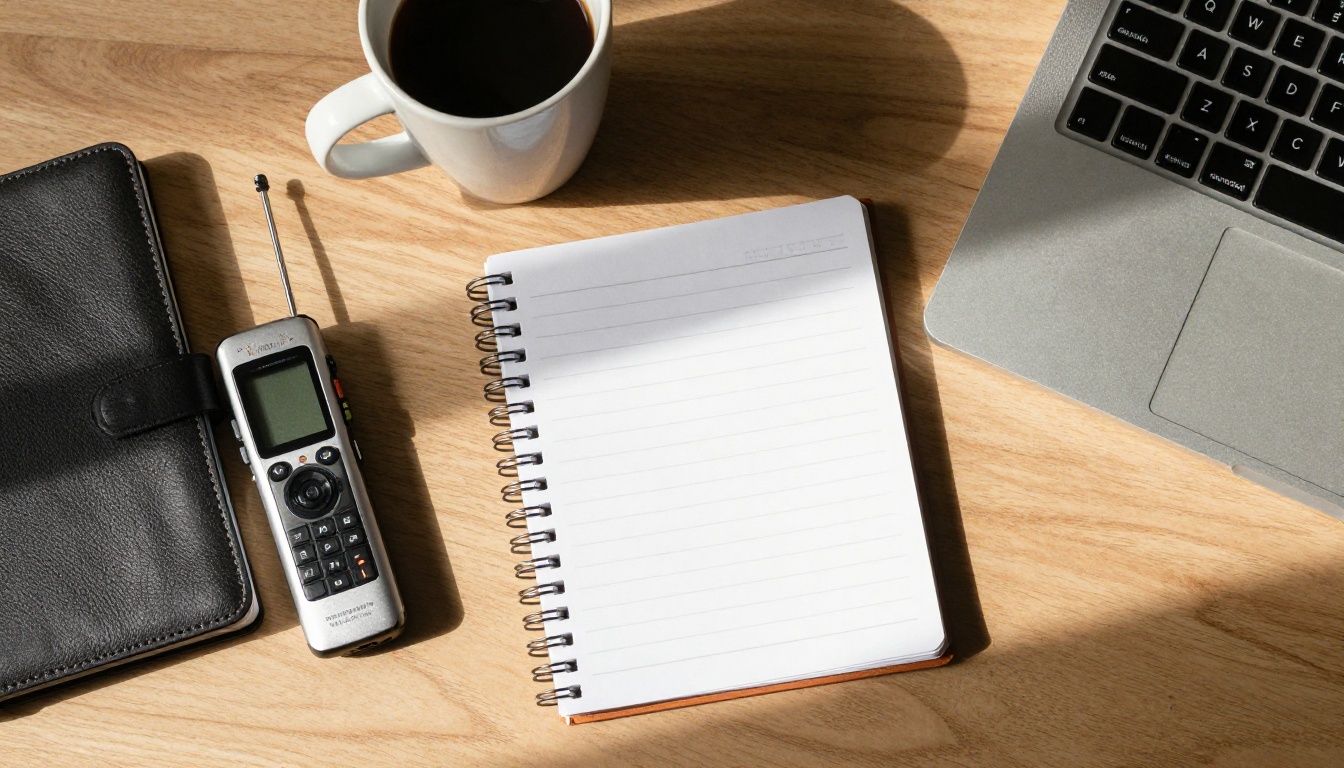
The template is only as good as the raw material. A twenty minute call with the right questions gives you everything. Record it, with permission.
Questions for the Problem
- "What was happening the week you started looking for a solution?"
- "What was it costing you, even roughly?"
- "What had you already tried?"
- "Who inside the company felt the pain most?"
Questions for the Fix
- "Why did you pick us over the alternatives?"
- "What worried you before you signed?"
- "Walk me through the first thirty days."
- "What almost went wrong?"
Questions for the Proof
- "What number would you point to as the clearest win?"
- "Can I quote you on that, with your name and title?"
- "What would you tell someone in your position today?"
✅ Best practice: Ask for numbers in the first five minutes, while the customer is warm. Many people forget exact figures later, and a vague "a lot better" cannot be published.
Getting approval without friction
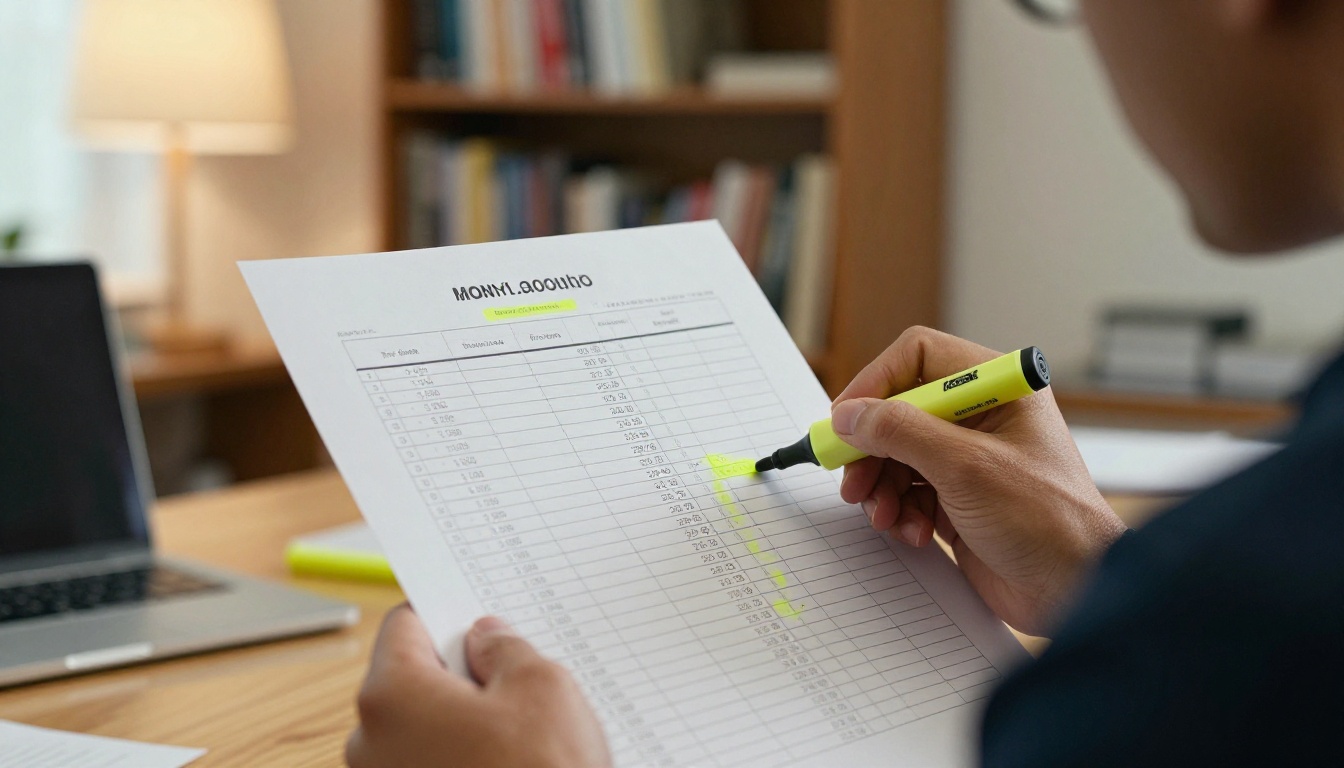
Send a short draft within 48 hours. Highlight every number and quote so the customer can confirm them quickly. Customers approve faster when they see only what needs checking. Keep a written record of the sign off.
Three Examples You Can Copy
Real structure beats theory. Here are three short sketches, each built on the same format.

Example one: local retail
Problem: A home goods shop mailed a printed catalog twice a year. Printing cost $4,100 per run and prices were outdated within weeks.
Fix: They moved the catalog into a digital version, updated prices weekly and shared one link by email and social. A Digital Catalog Maker handled the conversion from their existing PDF.
Proof: Print costs fell to zero, email click rate rose from 1.8% to 5.4%, and the owner reported fewer pricing disputes at checkout.
Example two: B2B services
Problem: A consulting firm sent 40 page proposals as email attachments. Prospects rarely opened them and the firm had no idea who read what.
Fix: They published proposals as password protected flipbooks and tracked views with analytics on the Professional plan.
Proof: Proposal open rate went from an estimated 35% to 81%, follow up calls became more targeted, and win rate climbed from 22% to 31% over a quarter.
Example three: hospitality
Problem: A boutique hotel's brochure lived in a drawer and the website listed outdated room rates.
Fix: The team used the Hotel Brochure Designer to build a mobile friendly brochure, embedded it on the booking page and linked it from confirmation emails.
Proof: Direct bookings rose 14% in one season and front desk questions about amenities dropped noticeably.
| Example | Problem cost | Fix duration | Headline result |
|---|
| Local retail | $4,100 per print run | 3 weeks | Click rate up 3x |
| B2B services | Unread proposals | 2 weeks | Win rate 22% to 31% |
| Hospitality | Outdated brochure | 4 weeks | Direct bookings up 14% |
Writing the Proof That People Believe
Proof is where most case studies collapse. Vague superlatives destroy trust faster than silence does.
Numbers that carry weight
Prefer specific, bounded claims:
- Good: "Support tickets fell from 310 to 188 per month between March and June."
- Weak: "Support tickets dropped dramatically."
- Good: "Onboarding time went from 11 days to 4."
- Weak: "Onboarding is much faster."
Always state the timeframe and the baseline. A percentage with no baseline is easy to doubt.
Quotes that sound human
Edit quotes lightly for length, never for meaning. A good proof quote contains a feeling and a fact: "We stopped dreading month end. The report that took two days now takes an afternoon."
Before and after tables
A simple table lets skimmers absorb the whole result in five seconds.
| Metric | Before | After | Change |
|---|
| Order errors per month | 48 | 18 | Down 62% |
| Time to produce report | 16 hours | 4 hours | Down 75% |
| Email click rate | 1.8% | 5.4% | Up 3x |
| Cost per campaign | $4,100 | $0 | Down 100% |
💡 Pro tip: Put your strongest number in the headline, again in the first line of the Proof section and a third time in the call to action. Repetition helps skimmers.
Content wins the argument, but layout decides whether anyone reads it.

One page or long form
Use a one page version for sales emails and a two page version for your website and proposals. Both should use the same three sections, only the depth changes.
Video and audio add trust
A thirty second customer clip beside the quote makes the proof feel real. Embedded video and audio work well inside a flipbook, so the story plays without sending the reader elsewhere.

Choosing where to publish
| Format | Best for | Tracking | Effort |
|---|
| PDF attachment | Quick email replies | None | Low |
| Website page | Search traffic | Page analytics | Medium |
| Interactive flipbook | Sales follow up and proposals | Views and leads (Professional) | Low |
| Slide deck | Live meetings | Limited | Medium |
How to Create a Case Study Flipbook
Once your draft is approved, publishing takes minutes. This is how to turn it into an interactive document with Flipbooks AI.

Step by step
- Start an account. Go to Flipbooks AI and create an account. You can begin without a card.
- Upload your PDF. Export your case study as a PDF from your design or writing tool, then drop it in. The PDF to Flipbook Converter turns each page into a turnable page automatically.
- Customize the look. Add your logo, pick brand colors, choose a page flip effect and place images, video or audio where the story needs them. There are no watermarks, ever.
- Pick sharing options. Copy a direct link for emails, grab an embed code to embed the flipbook on your website, or add password protection for confidential client work.
- Switch on tracking. On the Professional plan you get analytics and lead generation, so you see who read the proof section and can capture contact details. Offline downloads are available for readers who want a copy.
✅ Best practice: Create one flipbook per customer, then bundle several into a single sales presentation using the Sales Presentation tool.
Screenshot ideas for your own story
- The customer's dashboard before the change
- The same dashboard after
- A photo of the team on site
- A chart of the headline metric
Mobile responsive design means these images stay sharp on a phone, where many buyers will open the link.
Common Mistakes to Avoid
Even with a solid template, a few habits quietly hurt results.

Starting with your company
Open with the customer's problem, not your founding story. Nobody cares yet.
Hiding the hard parts
An obstacle that was handled well builds more trust than a flawless tale. Mention the delay, the budget limit or the failed first attempt.
Using unverifiable claims
If you cannot show the source of a number, soften the claim or cut it. One doubtful figure can taint the rest.
Offering too many next steps
End with a single action: book a call, request a quote or view pricing. Three buttons produce zero clicks.
| Mistake | Why it hurts | Better move |
|---|
| Vague results | Sounds invented | Use baselines and dates |
| No named quote | Feels fake | Name, title, company |
| Feature dump | Reader loses the story | Tie each feature to a step |
| Long intro | Skimmers leave | Open on the cost of the problem |
Your Next Case Study
Pick your happiest customer this week, book a twenty minute call and use the three question lists above. Draft in the Problem, Fix and Proof order, check every number with the customer and publish.
Ready to publish yours? Get started for free on Flipbooks AI, browse all flipbook tools to find the right fit, or compare pricing plans to choose one with analytics and lead generation.



