Catalogs never went away. They changed shape. Marketers who treat 2027 as a "print versus digital" fight are missing the real story: the best results come from teams that mix both, measure everything, and stop guessing. If you publish product catalogs, tools like Flipbooks AI make the digital half of that mix fast and cheap to run.
This article pulls together the catalog marketing statistics that matter for 2027, explains what the numbers mean in practice, and shows how to turn them into a working plan. A quick note on data: figures below are typical ranges reported by industry surveys and marketing associations, not guarantees. Always benchmark against your own list and your own sales data.
The Big Picture for 2027
Three forces shape catalog marketing this year:
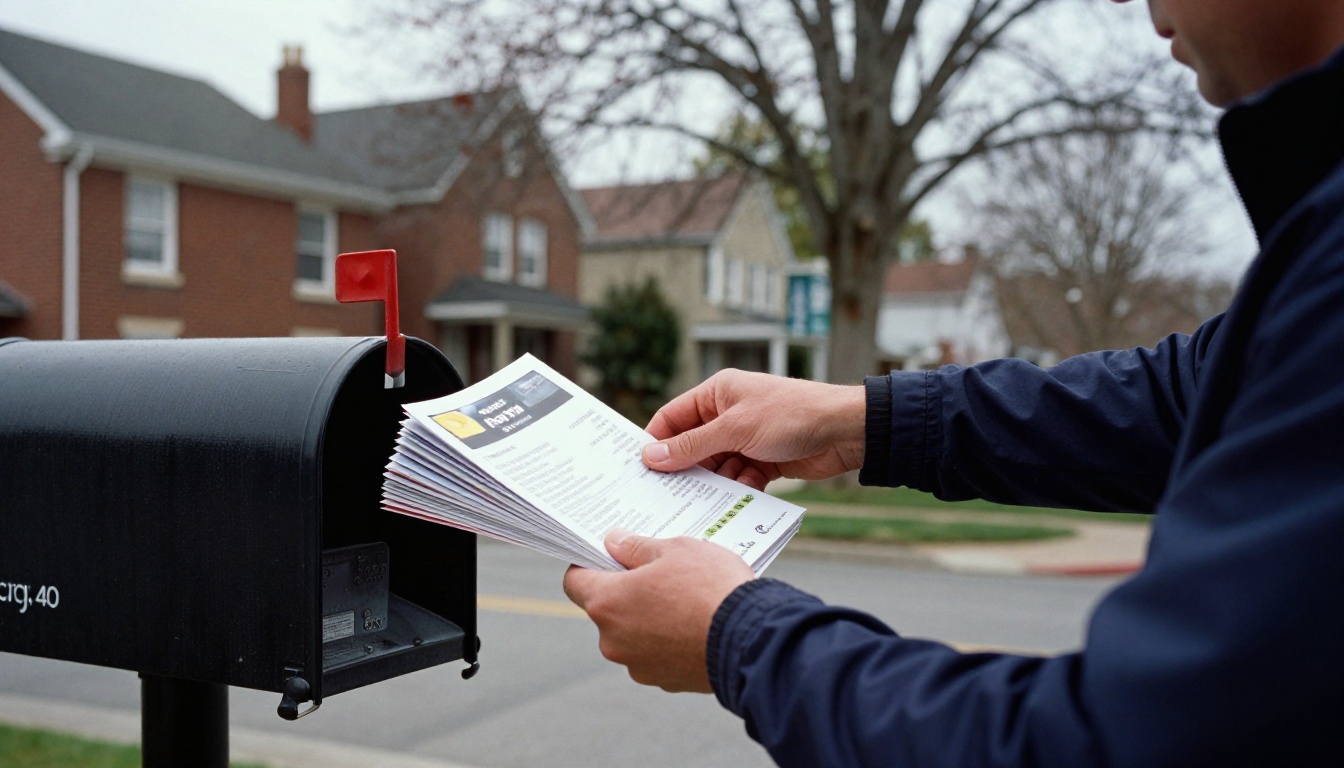
- Inbox fatigue. Email and social feeds are crowded, so a physical piece in the mailbox now stands out more than it did a decade ago.
- Rising paper and postage costs. Print is pricier per piece, which pushes marketers to mail fewer, better-targeted catalogs.
- Mobile-first shopping. Most browsing starts on a phone, so a catalog that only exists on paper loses the moment of intent.
The result is a hybrid model. Print builds attention and trust. Digital captures the click, the lead and the data. Each channel covers the weakness of the other.
💡 Pro tip: Stop asking "print or digital?" Start asking "which customer gets which format, and when?"
Print Catalog Statistics
Printed catalogs remain a strong performer for the right audience. Here is how the common benchmarks look.
| Metric | Typical Range | What It Tells You |
|---|
| Response rate (house list) | 4% to 9% | Existing customers respond far better than cold lists |
| Response rate (prospect list) | 0.5% to 1.5% | Prospecting is a long game and needs patience |
| Cost per catalog (print and mail) | $0.60 to $2.50 | Page count, paper and postage drive most of the spread |
| Average order value uplift | 10% to 30% | Browsing a physical book encourages bigger baskets |
| Share of recipients who visit the website after | 40% to 60% | Print often sends buyers online, not just to the phone |
Why Paper Still Works
People spend more time with a physical catalog than with a typical email. They leave it on the coffee table, flip through it twice, and show it to a partner. That slow, shared browsing is hard to replicate on a screen.
The Hidden Cost of Print
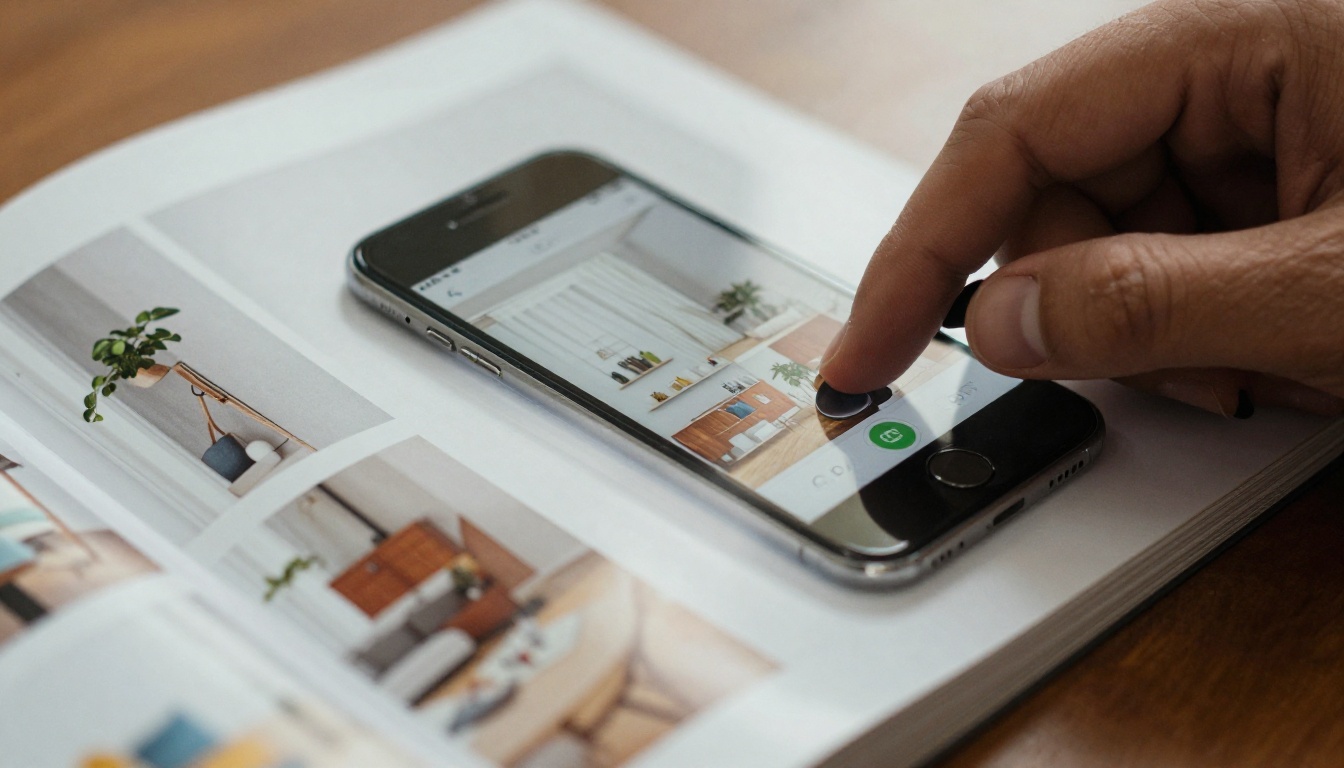
Print has real downsides. You cannot edit a page after it ships. You cannot see which page a reader lingered on. Returns and waste add up, and a catalog with outdated prices can hurt trust. That is why many brands now use print as the hook and digital as the engine.
Digital Catalog Statistics
Digital catalogs include PDF downloads, web-based flipbooks and shoppable pages. They trade the tactile feel for speed, reach and measurement.
| Metric | Typical Range | What It Tells You |
|---|
| Cost per catalog (publish and host) | Near zero per view | Cost is mostly design time and a platform fee |
| Click-through from email to catalog | 2% to 6% | A clear preview image lifts clicks noticeably |
| Average time on a flipbook | 2 to 5 minutes | Page-turn formats hold attention longer than plain PDFs |
| Mobile share of catalog views | 55% to 70% | Mobile layout is no longer optional |
| Update turnaround | Minutes | Fix a price or swap a hero product instantly |
Where Digital Wins
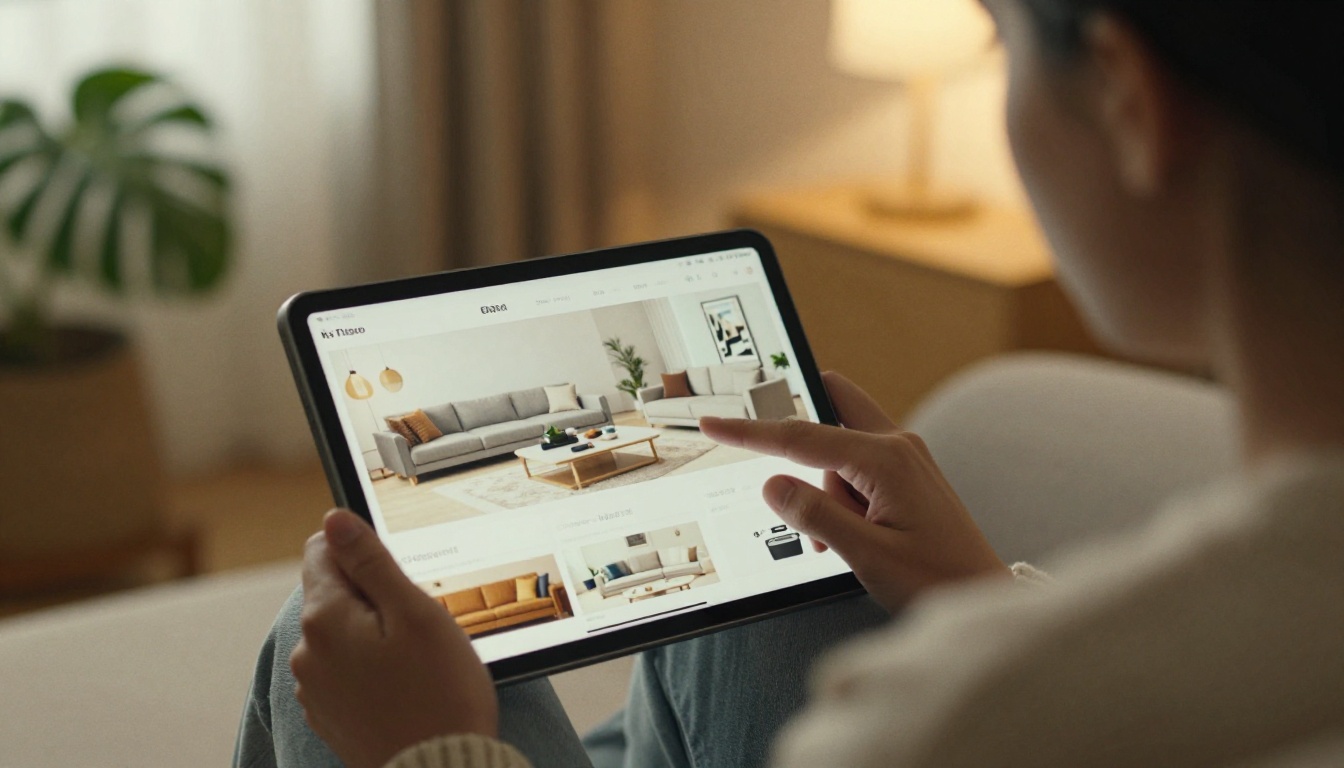
Digital shines on three fronts: speed (publish a seasonal update in an afternoon), data (page-level views, clicks and drop-off) and cost (no postage). If you want to see how simple it is, try the PDF to Flipbook Converter with a catalog you already have.
Where Digital Struggles
A digital catalog does not arrive on its own. Someone has to find the link. Open rates, spam filters and ad costs all sit between you and the reader. A well-built flipbook with no traffic is just a nice file.
Hybrid Catalog Statistics
Hybrid programs combine a printed piece with a digital layer: a QR code, a short link, or a matching online flipbook. Reports from direct marketing groups consistently show hybrid setups outperforming either channel alone.
| Approach | Typical Response Lift vs Print Only | Typical Cost Change |
|---|
| Print plus QR code to a digital catalog | 15% to 35% | Small increase |
| Print plus follow-up email with flipbook link | 20% to 40% | Small increase |
| Print to top customers, digital to everyone else | Similar response, lower spend | 30% to 50% lower |
The QR Code Effect
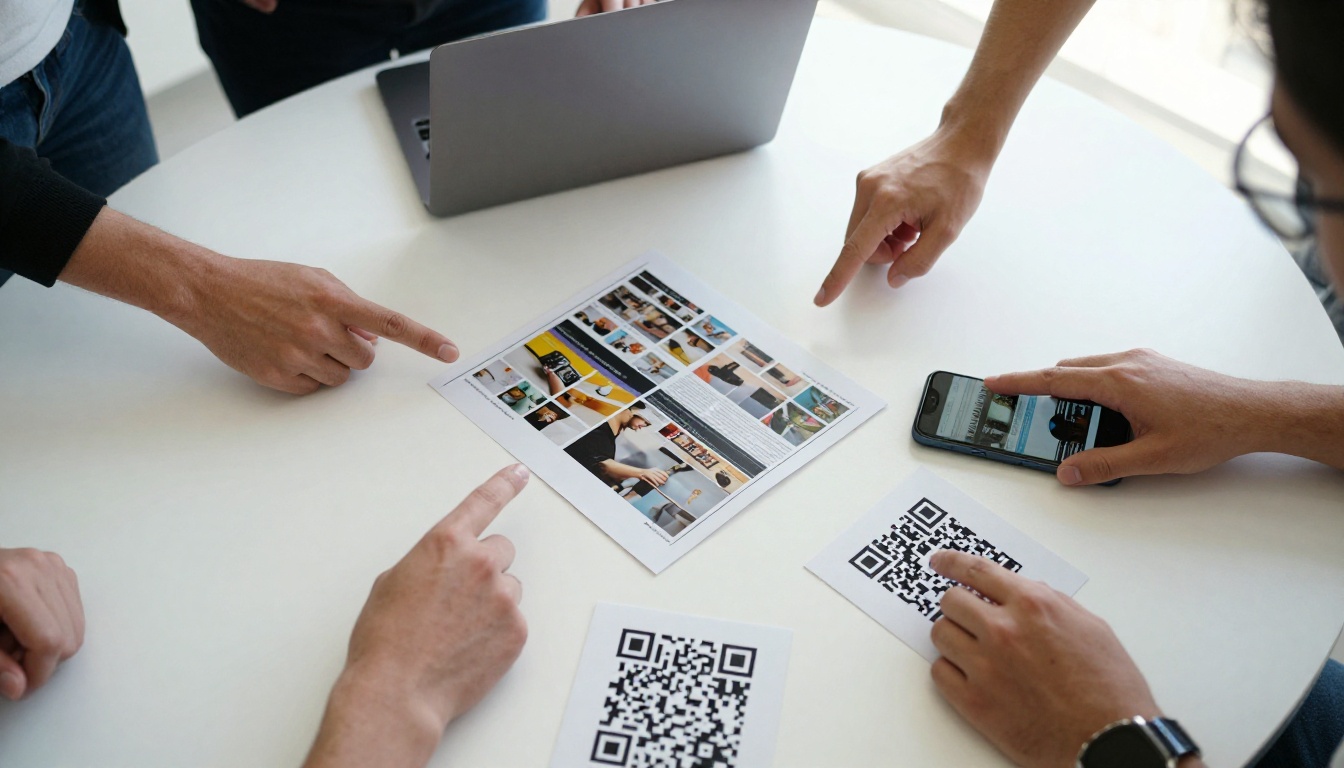
QR codes lost their awkward reputation once phones scanned them natively. A code on the cover that opens the online version gives readers a way to share the catalog, save it, and tap straight to a product. It also gives you a trackable signal that print used to lack.
✅ Best practice: Use a unique short link or code per mailing segment. Then you can compare print response by list, not just overall.
Channel Comparison at a Glance
Here is a side-by-side view you can share with your team.
| Factor | Print | Digital | Hybrid |
|---|
| Cost per reader | High | Very low | Medium |
| Speed to update | Slow | Instant | Medium |
| Measurement | Weak | Strong | Strong |
| Emotional impact | Strong | Medium | Strong |
| Best for | Loyal customers, high-ticket items | Large lists, frequent changes | Most growing brands |
What Buyers Actually Do
Statistics about channels only matter if they match how people shop. Across studies, a few patterns repeat:
- Shoppers use several channels per purchase. A typical path: see a printed catalog, search the product on a phone, compare prices, then buy online or in store.
- Younger buyers respond to print more than expected. Many report that physical mail feels more personal than a promotional email.
- Older buyers are comfortable online. Assuming they only want paper is an outdated habit.
- Gift buyers love browsing. Seasonal catalogs drive gift-giving research long before checkout.

A Real-World Scenario
A boutique clothing shop mails a 24-page lookbook to its best 1,500 customers each season and sends the same catalog as a flipbook to its full email list of 15,000. The print group converts at roughly 7%, the email group at about 1.5%. The print group costs more per head, but both groups feed the same online store, and the shop can see which pages got the most views. That is hybrid in action.

ROI Benchmarks to Plan Around
Return on investment varies widely, but you can set sensible targets.
| Program Type | Typical Revenue per $1 Spent | Break-Even Condition |
|---|
| Print to house list | $3 to $7 | Repeat customers with solid order values |
| Print to prospects | $0.80 to $2 | Strong offer and good list quality |
| Digital catalog by email | $8 to $30 | Healthy list and clear calls to action |
| Hybrid program | $5 to $12 | Both layers tracked and tied together |
Digital looks cheaper because it is cheaper, but it only works with an audience you already own or can reach affordably. Print is often the tool that grows that audience in the first place.
⚠️ Warning: Do not compare channel ROI without attributing sales properly. A print catalog that drives a web order will look like a web win if you only track last-click.
How to Build a Digital Catalog With Flipbooks AI
If your catalog already exists as a PDF, you can make the digital layer in minutes. Here is a simple walkthrough.
- Create your account. Sign up on Flipbooks AI and open your dashboard.
- Upload your PDF. Drop in the catalog file. The platform converts each page into a page-turning flipbook automatically.
- Apply your branding. Set colors, add your logo, and pick page effects so the flipbook matches your print version.
- Add multimedia. Embed product videos or audio where they add value. Keep it light so pages load fast on mobile.
- Choose sharing options. Copy the direct link, grab the embed code for your website, or add password protection for wholesale catalogs.
- Track results. On the Professional plan, use analytics and lead generation to see which pages get attention. Check the pricing plans to compare options.
Flipbooks AI never adds watermarks, and the Standard plan and above allow unlimited flipbooks, which suits brands that publish seasonal editions. For specific formats, see the Product Catalog, Fashion Catalog and Digital Catalog Maker tools.

Design Details That Lift Results
- Put your best sellers on the first three spreads.
- Use one clear call to action per page.
- Keep print and digital page numbers identical so phone support is easy.
- Add a short link or QR code on every print cover.
Common Mistakes to Avoid
- Mailing to the whole list. Segment by recency and spend. Your top 20% usually deserves print.
- Skipping the digital twin. Every printed catalog should have an online version ready on day one.
- Ignoring the mobile view. Test the flipbook on a mid-range phone before launch.
- No tracking plan. Assign codes, links or landing pages before printing, not after.
- Letting prices go stale. A digital catalog can be fixed in minutes, so use that advantage.

A Simple 2027 Catalog Plan
Use this framework as a starting point.
| Customer Segment | Format | Frequency | Goal |
|---|
| Top customers | Printed catalog with QR code | 2 to 4 times a year | Repeat orders, bigger baskets |
| Active buyers | Email with flipbook link | Monthly or seasonal | Keep products in view |
| Lapsed buyers | Short print mailer or postcard | Once or twice a year | Win-back |
| Prospects | Digital catalog via ads and search | Always on | Build the list |
| Wholesale accounts | Password-protected flipbook | When prices change | Fast, private updates |

Even the packing table counts. A printed catalog tucked into each parcel costs pennies and reaches someone who has just bought from you, which is one of the warmest moments in the customer journey. Pair it with a QR code to the digital edition and you get a free second touchpoint.
Metrics Worth Tracking
Whatever mix you choose, measure these:
- Response rate by segment (orders divided by catalogs sent)
- Revenue per catalog and cost per order
- Web visits from QR codes and short links
- Page-level views for the digital version
- Repeat purchase rate within 90 days
- Lead capture rate from gated or password-protected flipbooks
Ready to Build Your Mix?
The numbers point in one direction: print wins attention, digital wins efficiency, and hybrid wins revenue. Start small. Pick one segment, mail one print piece with a QR code, publish the matching flipbook, and compare results after the season.
Get started for free on Flipbooks AI and turn your existing PDF into a shareable digital catalog today. Browse all flipbook tools to find the right template, or compare pricing plans to pick what fits your catalog program.



