Open your last postage invoice and look at the line that says "per piece." Now multiply it by your whole mailing list, then by every drop you send in a year. That number is why so many catalog marketers feel squeezed. Rates go up on a regular schedule, paper is not getting cheaper, and every extra page adds weight. The good news is that you have more control than it feels like. A mix of smarter list work, lighter formats, tighter mail rules and a digital edition built with Flipbooks AI can pull the cost of each order down without killing response.
This article walks through where the money actually goes, which levers move the number fastest, and how to build a plan you can test in one season.
Why Postage Keeps Climbing
Postal services run on fixed networks: trucks, sorting plants, carriers on foot. Those costs rise with fuel, labor and equipment, and mail volume has been shrinking for years, so the same network is paid for by fewer pieces. Rate increases follow. Heavy, glossy, oversized mail takes the brunt because it costs more to handle.
For a cataloger, three things compound each other:
- Rates rise on a predictable cycle, often more than once a year.
- Paper and printing costs swing with supply and energy prices.
- Response rates on cold mail are flat or falling, so cost per order creeps up even if nothing else changes.
💡 Treat postage as a variable you manage, not a fixed tax. Every ounce, every address and every drop date is a decision you control.
The Weight Problem
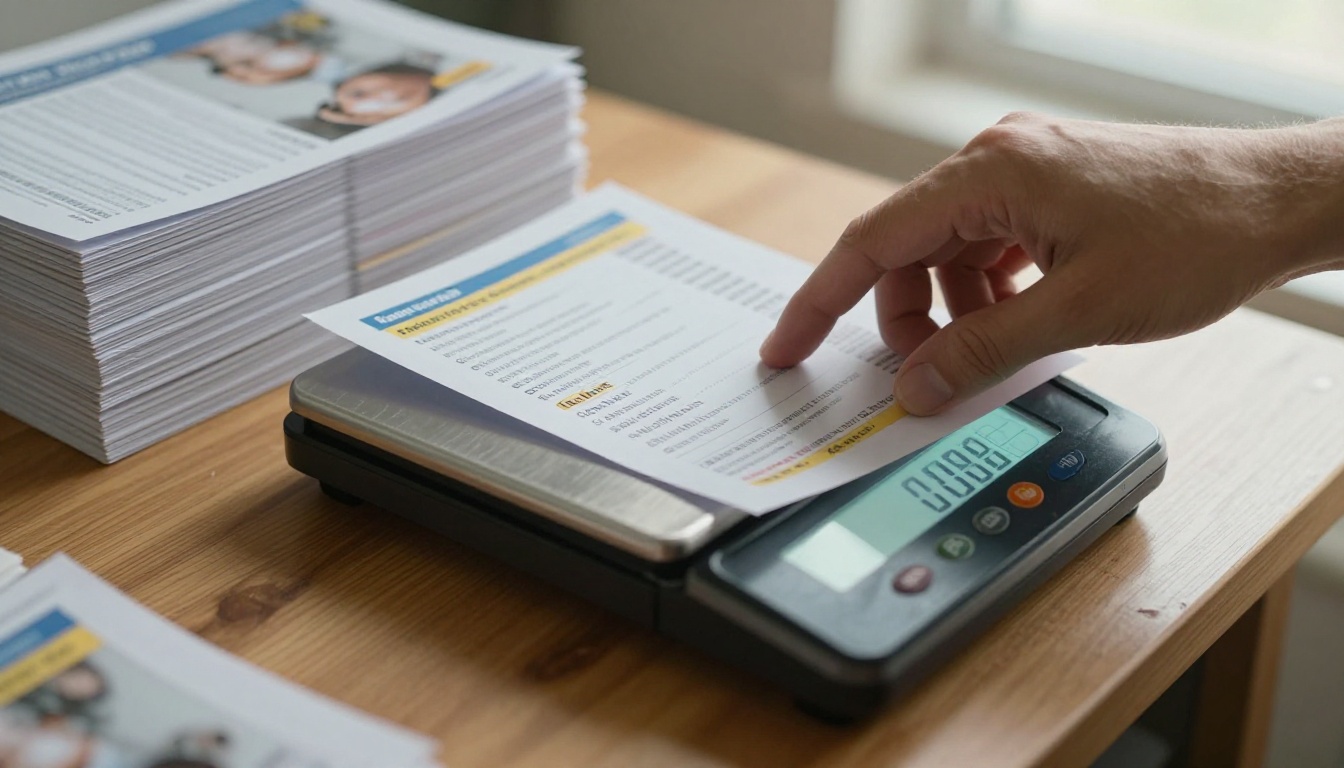
Postage for letters and flats is priced by weight and shape. A 64 page, heavy stock catalog can cost several times more to mail than a slim 24 page one. Drop a few ounces and you can fall into a cheaper tier across the whole mailing.
The Hidden Costs Beyond Stamps
Postage is the headline, but the total includes printing, list rental, data processing, addressing, freight to the post office and returned mail. Many teams only track postage and miss the other lines.
Where Your Mailing Budget Really Goes
Before you cut anything, break the cost of one catalog drop into its parts. The figures below are illustrative for a mid size drop. Replace them with your own invoices.
| Cost Line | Typical Share of Total | Can You Cut It? |
|---|
| Postage | 35% to 50% | Yes, through weight, format, presort and list size |
| Printing and paper | 25% to 35% | Yes, through page count, stock and run size |
| List rental and data | 5% to 12% | Yes, through better segmentation |
| Creative and production | 5% to 10% | Partly, by reusing content digitally |
| Freight and handling | 2% to 5% | Yes, through consolidated drops |
Postage plus printing usually account for most of the budget, and both respond to the same lever: send fewer, lighter pieces to better people.
Cut Weight Before Anything Else
Weight is the fastest lever because it hits postage and paper at once.

Trim Page Count Smartly
Catalog pages come in groups, and the printer's press layout often favors multiples of four, eight or sixteen. Going from 64 to 48 pages may save more than a straight page count suggests. Review your last book and flag the weakest spreads by sales per page. Cut the bottom performers first.
Switch Paper Stock
Lighter coated stock cuts weight with little visible change. Test a 10% to 15% lower basis weight on the inside pages while keeping a sturdier cover. Ask your printer for a physical dummy so you can weigh it before you commit.
Resize the Format
A smaller trim size can move you into a cheaper postal shape. Many catalogers have moved to compact books, postcard style mailers and slim "teaser" editions.
| Format | Relative Postage | Best For |
|---|
| Large, heavy flat catalog | Highest | Loyal buyers with high order value |
| Standard 48 page catalog | High | Broad seasonal mailings |
| Compact digest size | Medium | Mid value customers, reactivation |
| Postcard with QR code | Lowest | Prospects and lapsed buyers |
Clean and Shrink the Mailing List
Every name on the list costs you printing and postage whether or not they ever buy. The cheapest piece of mail is the one you do not send to someone who was never going to order.

Score Customers by Value
Use recency, frequency and spend to rank buyers. Send the full catalog to your top tier, a slim edition to the middle and a digital invitation to the bottom.
Suppress the Dead Weight
- Remove names with no purchase in 24 to 36 months, after one last reactivation attempt.
- Run address correction before every drop so you do not pay for undeliverable mail.
- Merge duplicate households so one family does not get three books.
- Honor opt outs fast. They save money and protect your reputation.
Test, Do Not Guess
Hold out a random group from each drop, then compare their orders over the next 60 to 90 days. If the held out group buys almost as much as the mailed group, you were paying postage for orders that would have happened anyway.
⚠️ Never cut a segment based on gut feeling alone. A holdout test costs almost nothing and tells you exactly what the mail is worth.
Use Postal Discounts You May Be Missing
Postal services reward mail that is easy to sort. Ask your printer or mail house which of these apply to your volume:
- Presorting by delivery route or ZIP.
- Address quality discounts from clean, standardized data.
- Drop shipping closer to the destination to skip long transport.
- Mailing on lighter days or in off peak windows when offered.
- Co-mailing, where your catalog rides with other catalogs to share sorting costs.
- Seasonal or promotional programs that offer rate credits for new mail technology.
✅ Book a short call with a mail house each quarter. Rules and discounts change, and a single missed program can cost thousands over a year.
Move Part of the Reach to Digital
Printing a catalog for everyone is the most expensive way to show products. A digital edition costs almost nothing per reader, and it never has a postage line.
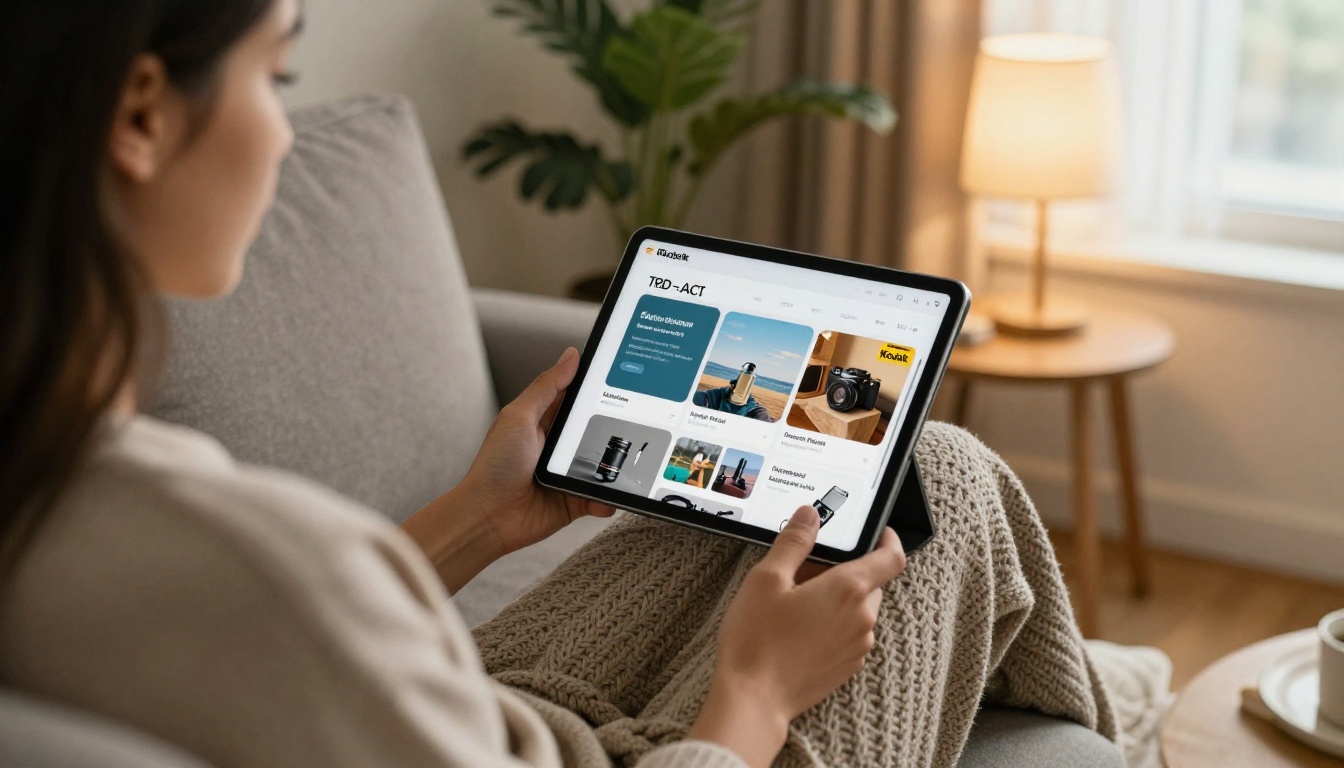
Why Flipbooks Beat Plain PDFs
A PDF is heavy to download and awkward on a phone. A flipbook keeps the page turning feel customers know from print, loads quickly and works on any screen. You can add clickable product links, video and audio, and see which pages get read.
What a Digital Edition Gives You
- Zero postage for every reader you move off paper.
- Instant updates when a price or stock level changes.
- Page level data showing what your audience actually looks at.
- Easy sharing by email, social links or an embedded page on your website.
| Feature | Printed Catalog | Digital Flipbook |
|---|
| Cost per reader | Printing plus postage | Near zero |
| Update after publishing | Impossible | Instant |
| Reader tracking | Only through codes | Page views and clicks (see pricing) |
| Reach | Limited by list size | Unlimited sharing |
| Tactile appeal | High | Medium |
How to Turn Your Catalog Into a Flipbook
If you already have a print ready PDF, you are most of the way there. Here is the quick process using Flipbooks AI:
- Create an account at flipbooksai.com/account.
- Upload your PDF with the PDF to Flipbook Converter. Pages convert into a page turning book in moments.
- Brand it by choosing your colors, logo and page effects. Pick a clean cover so it looks like the print edition.
- Add interactivity such as product links, embedded video and audio. Use the Digital Catalog Maker or the Product Catalog tool to set up shoppable pages.
- Choose sharing options: a direct link, an embed on your website or password protection for wholesale buyers.
- Track results with analytics and lead capture on the Professional plan, and allow offline downloads for buyers on the road.
There are no watermarks on your flipbooks, and every one is mobile responsive. If you sell fashion, furniture or other visual lines, try the Fashion Catalog or Furniture Catalog tools.
💡 Put a short URL and QR code on every printed postcard. Customers scan, flip through the full catalog and order, and you paid for a postcard, not a 64 page book.
Build a Hybrid Print and Digital Plan
You do not have to pick one channel. The best results usually come from letting each channel do what it does best.

A Simple Three Tier Model
| Segment | What They Receive | Goal |
|---|
| Top buyers | Full printed catalog plus digital link | Protect your best revenue |
| Mid value buyers | Slim print edition or postcard with QR code | Keep them buying at lower cost |
| Prospects and lapsed | Email with flipbook link, one postcard to the best | Test interest before spending on paper |
Example in Practice
A home goods cataloger mails 100,000 books per season. After scoring customers, they send the full catalog to the top 30,000, a compact edition to 30,000 and move 40,000 names to a flipbook email series. Even before counting printing savings, they cut the heaviest postage tier by 70% and gain click data on the other 40,000.
Sequence Your Contacts
- Email the flipbook first.
- Mail a postcard to those who opened but did not buy.
- Send the full print book only to those who respond or rank in your top tier.
This order keeps paper for people who have shown real interest.

Common Mistakes to Avoid
- Cutting too fast. Dropping all print at once can hurt sales from loyal buyers who still prefer paper. Phase changes in over two or three seasons.
- Ignoring the offer. A lighter catalog with a weak offer will underperform. Keep your best promotion front and center.
- Skipping the test. Without a holdout group you cannot tell whether savings cost you orders.
- Forgetting the digital edition. A flipbook nobody knows about saves nothing. Promote it in every email, on your website and on printed pieces.
- Not tracking cost per order. Postage savings only matter if the cost to win an order falls.
Track the Numbers That Matter
Measure each drop with the same short list of metrics:
| Metric | How to Calculate | Why It Matters |
|---|
| Cost per piece | Total drop cost divided by pieces mailed | Shows direct savings |
| Cost per order | Total drop cost divided by orders | The true efficiency number |
| Revenue per piece | Sales divided by pieces mailed | Reveals segment quality |
| Digital opens and reads | Flipbook views and page level data | Shows low cost interest |
| Holdout lift | Mailed orders minus holdout orders | Proves what the mail earned |
✅ Review these numbers after every drop and write down one change for the next one. Small gains repeat.
A 90 Day Action Plan
Days 1 to 30: Measure. Pull your last two invoices, break costs into lines and weigh your catalog. Score your list by recent buyers.
Days 31 to 60: Test. Request a lighter paper dummy. Set up a holdout group. Convert your PDF into a flipbook and send it to a small segment.
Days 61 to 90: Roll out. Apply postal discounts with your mail house, launch the three tier model on one drop and compare results against the old approach.

Cut Costs and Keep Orders Coming
Postage will probably keep rising, but your cost per order does not have to. Trim weight, shrink your list to the people who buy, claim every postal discount and move casual readers to a digital edition. A small boutique and a national brand can both use the same plan, just at different scale.
Ready to try it? Create your free account on Flipbooks AI and turn your catalog PDF into a flipbook today. Browse the full set of flipbook tools to find the right template, or compare pricing plans to see which one fits your volume and analytics needs.



