An HR manager gets a dozen wellness vendor pitches a quarter, and most of them end up in the same place: a folder nobody opens again. The ones that get a "yes" share a pattern. They answer budget questions on page one, show real participation numbers, and make enrollment feel like a two-minute task. If you want your proposal to land, the brochure is where that pattern lives. And when you publish it as an interactive flipbook with Flipbooks AI, HR can open it on a phone between meetings, forward it to finance, and see exactly where you stand.
This article walks through what HR teams actually look for, how to structure each page, which numbers to include, and how to build the whole thing step by step.
What HR Teams Really Want
Wellness vendors tend to write for employees. HR reads for something else: risk, cost, compliance, and effort. Before a single photo goes in, picture the person holding the brochure. They have to defend your program to a CFO, a legal team, and a skeptical department head.
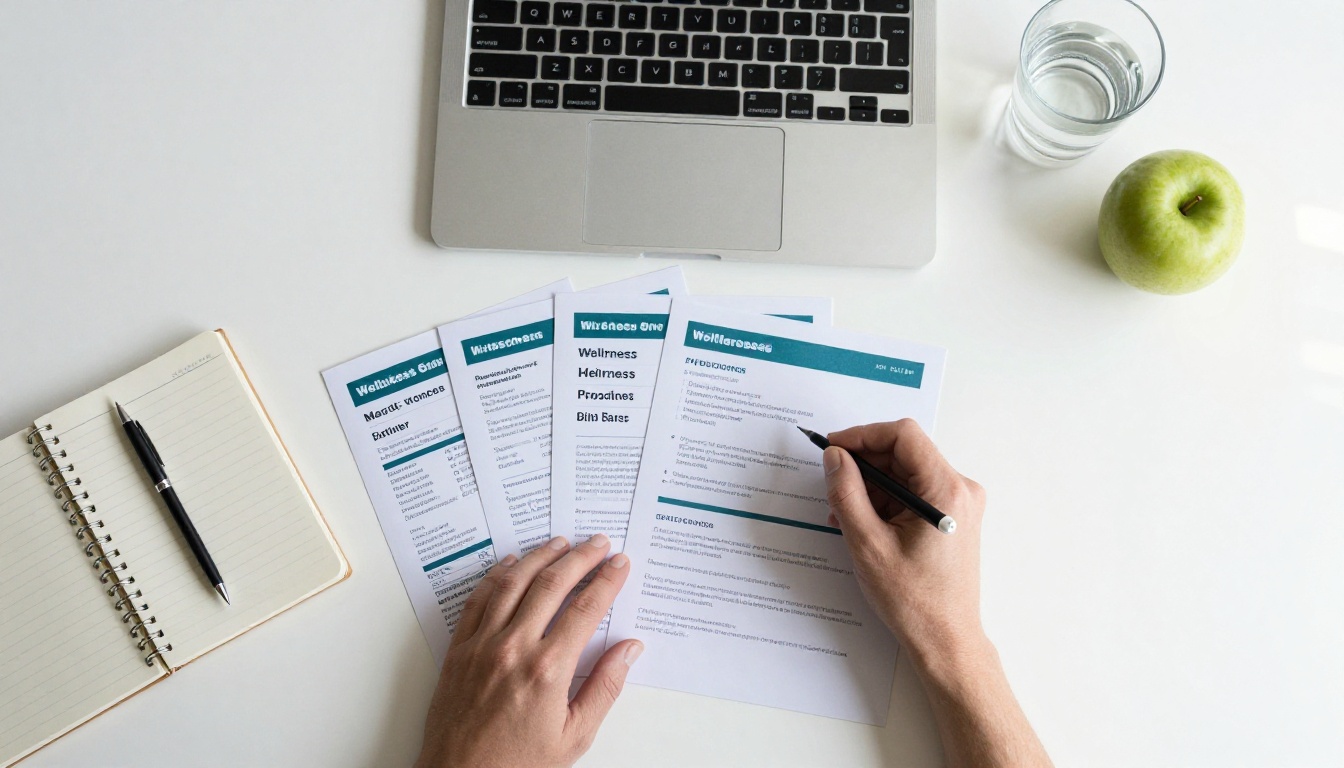
Here is what usually sits behind a decision:
- Budget clarity. A per-employee monthly cost, with no hidden setup fees.
- Proof. Participation rates, retention data, or a short case from a similar company size.
- Low admin load. Who runs enrollment, who answers questions, how long onboarding takes.
- Privacy. How health data is stored, and who can see it.
- Flexibility. Remote staff, shift workers, and different age groups all need a path in.
💡 Pro tip: Write the first page as if it were the only page HR reads. Cost, outcome, and next step should all fit above the fold.
The Questions Behind the Questions
When HR asks "Is this popular?", they mean "Will I look bad if nobody shows up?" When they ask "Is it expensive?", they mean "Can I justify this at the next budget review?" Answer both directly. Use plain numbers, short sentences, and one clear call to action.
Who Else Reads Your Brochure
Your first reader is rarely your last. HR forwards the brochure to finance, to the legal contact, and sometimes to the CEO's assistant. Each of them skims for something different, so build clear signposts: a cost summary for finance, a privacy section for legal, and a one-line outcome statement for leadership.
The Anatomy of a Winning Brochure
A strong wellness brochure runs eight to twelve pages. Anything longer stops being a brochure and becomes a report. Anything shorter usually skips the proof.
| Page | Purpose | What HR checks |
|---|
| 1. Cover and promise | One outcome in one sentence | Does it match our goals? |
| 2. The problem | Absenteeism, stress, turnover figures | Are the numbers credible? |
| 3. Program overview | Pillars: movement, nutrition, mental health | Is it balanced? |
| 4. What employees get | Weekly calendar, sample activities | Will people use it? |
| 5. Pricing | Per-head cost and tiers | Can I defend this? |
| 6. Results | Participation and satisfaction data | Is there proof? |
| 7. Privacy and compliance | Data handling, consent | Any legal risk? |
| 8. Enrollment steps | Three steps maximum | How much work for me? |
Open With the Outcome
Skip the company history. Lead with a result such as "Cut sick days by 12 percent in the first two quarters" if you have the data, or a clear, honest goal if you don't. HR trusts a modest claim with evidence more than a bold claim with none.
Show People, Not Stock Smiles
Photographs matter more than most vendors admit. Real employees in real offices, doing real activities, make the program feel achievable. Overly polished imagery reads as marketing and lowers trust.

Pricing Pages That Pass Finance
Finance does not read prose. They scan tables. Put your tiers in a clear grid and let them compare in seconds.
| Tier | Monthly cost per employee | Included | Best for |
|---|
| Starter | $8 | Online classes, nutrition tips, monthly webinar | Teams under 50 |
| Standard | $15 | Starter plus coaching sessions, fitness challenges | Teams of 50 to 250 |
| Premium | $26 | Standard plus on-site events, mental health support | Teams over 250 |
A few rules for pricing sections:
- Show the total annual cost for a typical team size, not only the unit price.
- State what is not included. It prevents awkward surprises later.
- Offer a pilot. A 90-day trial lowers the risk of saying yes.
- Mention any discounts for annual payment in one line.
⚠️ Warning: Never hide setup or onboarding fees in fine print. HR will find them, and trust disappears instantly.
Add a Simple Return Estimate
Include a small box that estimates return. For example: "A 200-person company that reduces absenteeism by two days per employee per year saves roughly 400 working days." Let HR plug in their own wage assumptions. You are giving them the argument they will use internally.
Content Pillars That Work
Programs that survive past year one usually mix three or four pillars rather than betting on one. Here is how the most common ones compare.
| Pillar | Typical activities | Employee appeal | Effort for HR |
|---|
| Movement | Lunchtime yoga, walking groups, step challenges | High | Low |
| Nutrition | Healthy snacks, cooking demos, dietitian Q&A | Medium | Medium |
| Mental health | Mindfulness sessions, counseling access | High | Medium |
| Financial wellness | Budgeting workshops, retirement basics | Medium | Low |
Movement Gets People In the Door
Physical activity is the easiest first step. A lunchtime class costs little and gives people a reason to meet colleagues outside their usual teams.

Nutrition That Fits Real Schedules
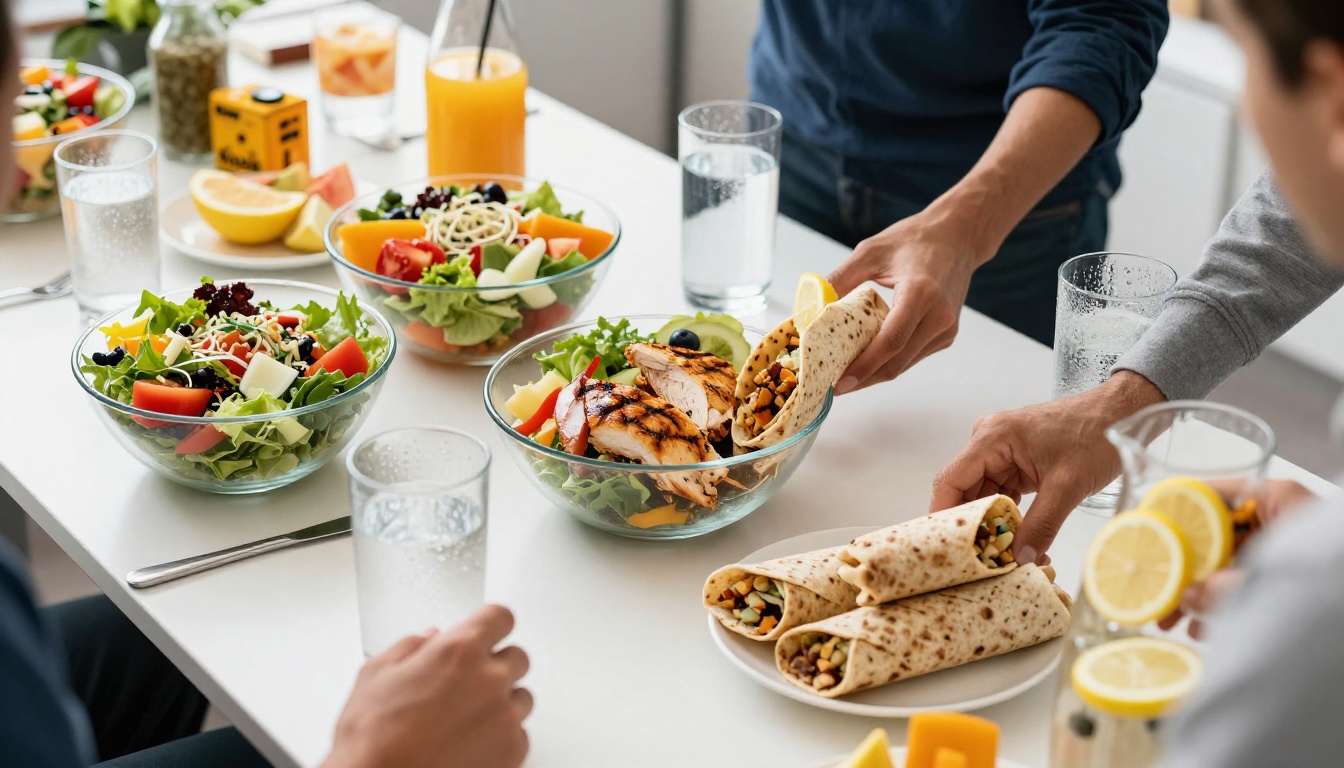
Few people have time for elaborate meal plans. Practical ideas win: a shared fruit bowl, a weekly healthy lunch, or a ten-minute video on packing a better lunchbox.
Mental Health Without the Stigma
Frame mental health as energy and focus, not illness. Quiet rooms, guided breathing sessions, and confidential support lines all fit. Describe them in neutral, human language.

Printed brochures still have a place on a reception desk or at a benefits fair. But the proposal stage is where digital wins, because HR needs to forward, search, and revisit it.
| Feature | Printed PDF attachment | Interactive flipbook |
|---|
| Opens on mobile | Often awkward | Yes, responsive |
| Page-turn feel | None | Realistic page effect |
| Embedded video | No | Yes |
| Tracking opens | No | Yes, with analytics |
| Password protection | Manual | Built in |
| Updates after sending | Resend a new file | Update the same link |
That last row matters. When pricing changes after a sent proposal, a flipbook link stays the same while the content updates. No one is left reading an outdated file.
Why HR Prefers a Link
A link is easier to forward than a 20 MB attachment. It also avoids spam filters that block large files, and it lets you see whether anyone actually opened the proposal.

How to Create a Wellness Brochure Flipbook
You can build this in an afternoon. Here is the process with Flipbooks AI, using a PDF you already have or one you design in any layout tool.
Step 1: Prepare Your PDF
Design your eight to twelve pages in your favorite layout tool and export a PDF. Use high-resolution photos and keep body text at 11 points or larger so it reads cleanly on a phone.
Step 2: Upload and Convert
Create your account on Flipbooks AI, then upload the file. The PDF to Flipbook Converter turns it into a page-turning flipbook in moments. For a brochure layout, the Brochure Flipbook Maker is the closest fit, and the Online Brochure Designer helps if you want to build pages directly.
Step 3: Customize the Look
Add your brand colors, your logo, and a background that suits the program. Choose a page-turn effect that feels calm rather than flashy. Wellness brochures benefit from soft, natural palettes such as sage, cream, and warm wood tones.
Step 4: Add Multimedia
Embed a short welcome video from your lead coach, or a 30-second audio clip describing the weekly schedule. No watermarks appear on your flipbooks, so the result looks like your own brand from the first page.
Step 5: Choose Sharing Options
You have three practical choices:
- Direct link: Paste it into your proposal email.
- Embed code: Place it on your company website with the Embed Flipbook on Website tool.
- Password protection: Protect pricing for a specific client so only they can read it.
Step 6: Measure and Follow Up
On the Professional plan, analytics show how many people opened the flipbook and which pages held their attention. Lead generation forms can capture contact details from readers who want a call. You can also let HR download an offline copy for internal review. See the pricing plans for what each tier includes.
✅ Best practice: Send the link, then check analytics after two days. If readers stall on the pricing page, simplify it and update the same link.
A Real-World Scenario
Picture a wellness provider pitching a 180-person logistics company. The first version of the proposal was a 28-page PDF. It got no reply. The provider rebuilt it as a ten-page flipbook with a cost summary on page two, a short video from the coach, and a three-step enrollment page.
Within a week, the HR lead had forwarded the link to finance and the operations director. Analytics showed three separate readers who spent the most time on the pricing and privacy pages. The provider used that insight to follow up with a short call focused on those exact questions, and the pilot was approved.

The story is simple, but it shows a pattern: shorter, clearer, trackable beats long and generic every time.
Proof Points That Persuade
HR cannot argue for your program without evidence. Collect these before you design the results page:
- Participation rate. Even an early pilot number is better than none.
- Satisfaction score. A simple 1 to 5 survey average.
- A short quote. One sentence from an employee at a similar company.
- Outcome data. Reduced sick days, lower turnover, or improved survey scores.
- Third-party credentials. Certifications for coaches and instructors.
Show the Dashboard
If you track participation in a report, include a screenshot or chart. HR teams love seeing the same kind of dashboard they will receive after launch.

For longer-form results, a polished Corporate Report Maker output can serve as a companion document to the brochure, and a Sales Presentation flipbook works well for live pitches.
Common Mistakes to Avoid
Even good programs lose deals because of avoidable errors. Watch for these:
- Too much text. If a page needs more than 120 words, split it.
- Vague promises. "Better wellbeing" means nothing. "Two guided sessions per week" does.
- No enrollment path. If HR cannot see how to start, they will not start.
- Ignoring remote staff. Include on-demand content for people who never visit the office.
- Stale data. Old statistics damage credibility. Update the numbers each quarter.
Make It Easy to Say Yes
End every brochure with a single, specific next step: a 20-minute call, a 90-day pilot, or a sign-up link. Offer one option, not five. Decision fatigue kills proposals faster than high prices do.

Quick Checklist Before You Send
| Check | Done when |
|---|
| Outcome on page one | One sentence, one number |
| Pricing table | Tiers and annual total visible |
| Privacy section | Data handling stated plainly |
| Photos | Real people, consistent style |
| Enrollment steps | Three steps or fewer |
| Mobile test | Reads cleanly on a phone |
| Sharing link | Working, password set if needed |
Ready to Build Yours?
A wellness proposal wins when it respects the reader's time and answers their hardest questions early. Build the brochure, publish it as a flipbook, and let the analytics guide your follow-up.
Ready to create your first flipbook? Get started for free on Flipbooks AI. Browse all available tools and templates to find the best fit for your proposal, or compare pricing plans to choose what works for your team. If you are ready to publish with analytics and lead capture, upgrade your plan and send your next proposal as a flipbook HR will actually open.



