If you run a farm or ranch and you're still handing out paper brochures at the county fair or emailing flat PDFs to your customers, you're leaving real money on the table. Today's buyers, whether they're looking for a CSA subscription, a grass-fed beef supplier, or a weekend agritourism experience, want to browse beautifully formatted, interactive content on their phones and laptops. That's exactly where Flipbooks AI comes in.
A farm flipbook turns your existing PDF brochure, catalog, or newsletter into a page-turning digital publication that works on every device, loads instantly from a link, and can be embedded directly on your farm website. No app downloads, no printing costs, no wasted paper. Just a polished, shareable piece of marketing that works around the clock.
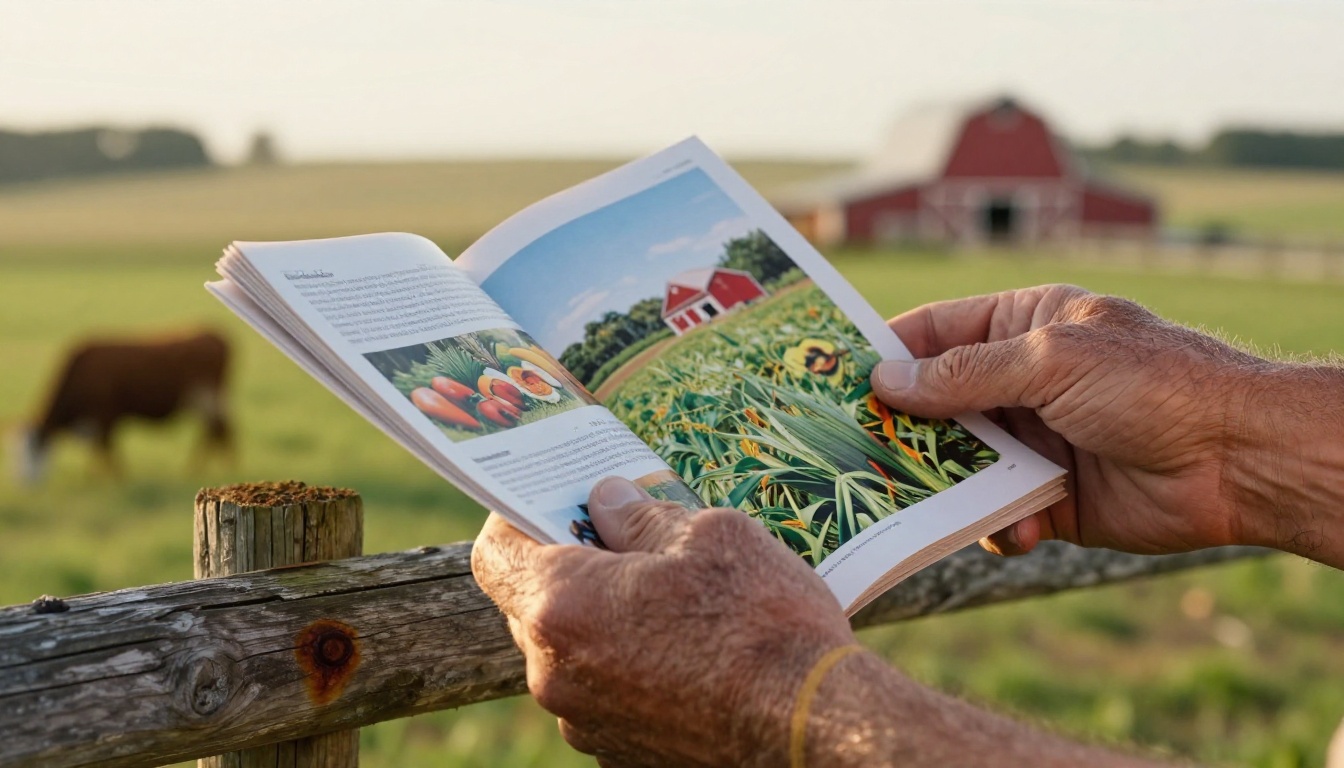
Why Farms Are Getting Left Behind Digitally
The agricultural sector has been slow to adopt digital marketing tools, and that gap is costing independent farms and ranches customers. When a family searches online for "pick-your-own apples near me" or "grass-fed beef subscription box," they're not picking up a phone book. They're clicking links, scanning social posts, and visiting websites. If your farm doesn't have professional-looking digital materials waiting for them, you lose to whoever does.
Print Brochures Are Expensive and Disposable
A professionally printed tri-fold brochure costs anywhere from $0.50 to $2.00 per unit at reasonable quantities. You print a few hundred, hand them out at an event, and most end up in the recycling bin within a week. The information goes stale, you can't update it, and there's no way to track whether anyone actually read it.
Digital flipbooks solve every one of those problems. Update them instantly, share them with a single link, and see exactly how many people viewed each page.
Buyers Research Online Before They Call
A farm marketing survey found that over 70% of consumers research local food sources online before making a purchase or farm visit. That means your online presence, including how professional and engaging your digital materials look, determines whether someone drives out to your property or clicks past to your competitor.
💡 Pro Tip: A well-designed farm flipbook shared on your Facebook page or Instagram bio can reach hundreds of potential customers at zero cost beyond the initial creation.
What a Farm Flipbook Actually Does For You
Before diving into the how-to, it's worth being specific about the business cases. A flipbook isn't just a fancy PDF. It's an interactive, shareable, brandable digital publication that opens real revenue channels for agricultural businesses.
Showcase Products and Seasonal Offerings
Whether you sell pastured pork, heirloom vegetables, raw honey, or wool from your sheep flock, a product catalog flipbook lets you present every item with photos, descriptions, and pricing in a format that buyers actually enjoy reading. Think of it like your farm's own digital catalog, something a buyer can flip through on a Sunday afternoon while planning their week's shopping.
This is especially powerful for farms that sell through multiple channels: direct-to-consumer, wholesale to restaurants, or at farmers markets. One flipbook can serve all three audiences simultaneously.
Promote Agritourism and On-Farm Events
If your farm hosts pick-your-own days, harvest festivals, educational tours, wedding venue bookings, or cooking classes, a farm event brochure is a natural fit. You can embed it on your website, share it in email newsletters, and post it to social media. Potential visitors see a professional, visually rich presentation of what you offer, which builds confidence before they book.
✅ Best Practice: Update your agritourism flipbook each season with fresh photos and current pricing. Digital updates take minutes, not days, and never require a reprint.
Keep CSA Members and Subscribers Informed
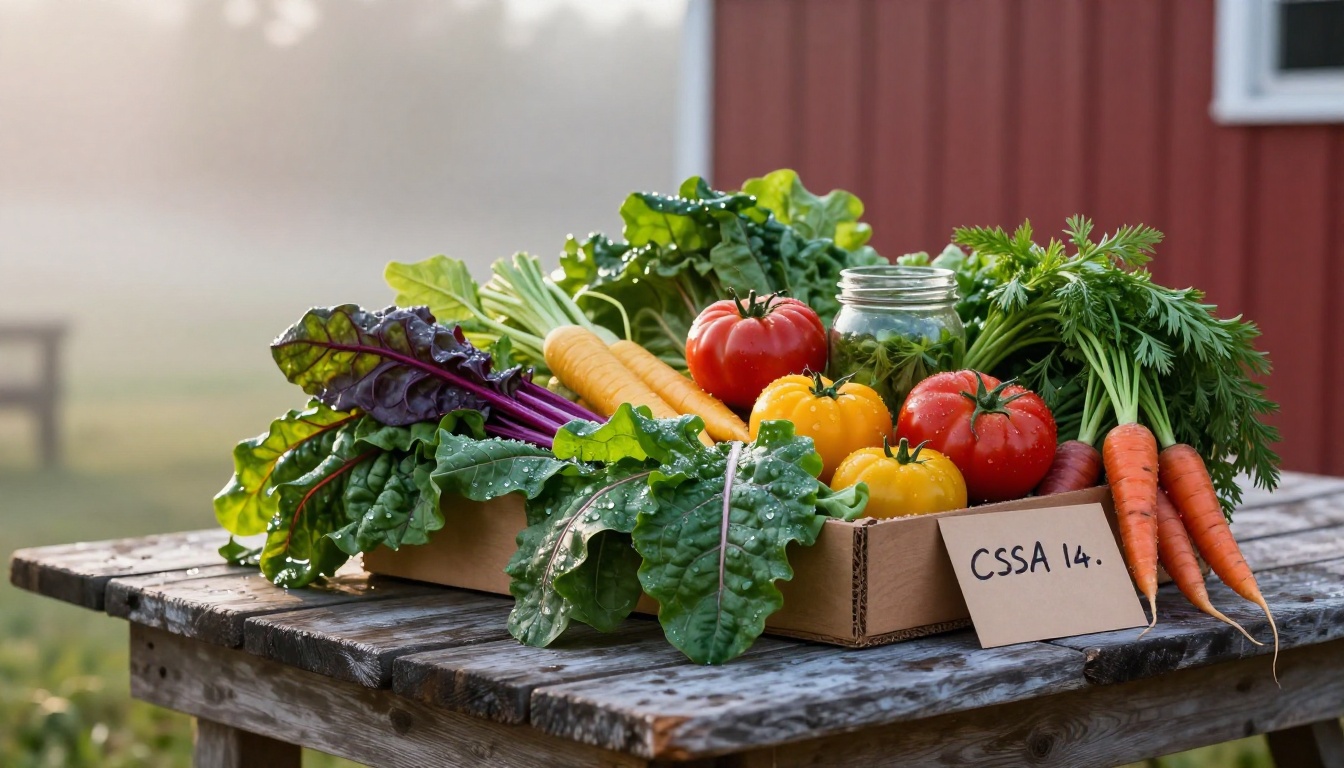
Community-supported agriculture operations thrive on member loyalty. A farm newsletter flipbook keeps your subscriber base informed, entertained, and connected to your operation between deliveries. Seasonal growing updates, recipe ideas, farm news, and staff introductions all belong in a beautifully designed digital newsletter that doesn't get buried in a text-heavy email.
5 Flipbook Types That Work for Agricultural Businesses
Not every farm needs the same type of flipbook. Here's a breakdown of the most effective formats and who they work best for:
| Flipbook Type | Best For | Content to Include | Sharing Method |
|---|
| Product Catalog | Farms selling direct or wholesale | Photos, prices, seasonal availability, ordering info | Website embed, email, social media |
| Farm Newsletter | CSA operations, loyal customer bases | Growing updates, recipes, farm news, member spotlights | Email list, website, private link |
| Event Brochure | Agritourism, farm weddings, harvest festivals | Schedule, activities, pricing, booking info | Social media, event listings, QR codes |
| Ranch Listing Brochure | Ranch real estate, land sales, property tours | Property photos, acreage, water rights, infrastructure | Email to prospects, realtor sharing |
| Annual Farm Report | Farming co-ops, community-supported operations | Yield data, financials, sustainability goals, member impact | Stakeholder email, website archive |
Each of these can be built through Flipbooks AI in a matter of minutes once your PDF is ready. The platform handles the page-turning interface, mobile responsiveness, and shareable link generation automatically.
How to Create a Farm Flipbook on Flipbooks AI
Creating your first flipbook for your farm or ranch takes less time than you might expect. Here's the full process from start to published link.
Step 1: Prepare Your PDF
The starting point for any flipbook is a PDF document. If you already have a farm brochure, catalog, newsletter, or event program in PDF format, you're ready to go. If you're starting from scratch, design your document in Canva, Adobe InDesign, Microsoft Word, or Google Slides, then export as a PDF.
What to include in your farm PDF:
- High-resolution photos of your farm, livestock, or produce
- Clear pricing and product descriptions
- Contact information and ordering details
- A branded front page with your farm name and logo
- A strong final page with a clear call to action
⚠️ Note: Higher-resolution PDFs produce sharper flipbooks. Aim for at least 150 DPI in your source file, with 300 DPI preferred for product catalogs with food photography.
Step 2: Upload and Convert
Create an account on Flipbooks AI, then upload your PDF directly from your computer. The platform's conversion engine processes your file and generates the interactive flipbook with realistic page-turn animations in seconds.
The PDF to Flipbook Converter supports documents of any length, from a two-page farm flyer to a 60-page annual report. No software installation required.
Step 3: Brand It Your Way
Once converted, you can customize the flipbook to match your farm's identity:
- Upload your logo to display prominently in the flipbook viewer
- Set your brand colors for the toolbar and interface elements
- Add a custom background behind the pages
- Enable page-flip sound effects for an authentic reading experience
- Add multimedia: embed farm tour videos or audio introductions inside the pages
This is where a farm flipbook starts to feel like a premium publication rather than just a PDF with animations.
Step 4: Configure Sharing and Privacy
Decide how you want your flipbook distributed:
- Public link: Anyone with the URL can view it, ideal for product catalogs and event programs
- Password protected: Perfect for member-only farm newsletters or confidential wholesale pricing sheets
- Website embed: Use the embed code to place the flipbook directly on your farm website or landing page
The Embed Flipbook on Website tool makes integration straightforward, even for farm websites built on WordPress, Squarespace, or Wix.
Step 5: Share and Promote
Copy your shareable link and distribute it through your existing channels:
- Post to your farm's Facebook and Instagram pages
- Include in your email newsletter as the primary call to action
- Add a QR code version to printed materials at farmers markets
- Share in local farming Facebook groups and community boards
- Pin it to the top of your Google Business Profile
💡 Pro Tip: Add the flipbook link to your Instagram bio and update it seasonally. It's one of the highest-converting placements for farm businesses on social media because it lets followers browse your full catalog without leaving the app.
Real Farm Scenarios That Show the Value
Sometimes the best way to see the value is to look at specific situations.
The Cattle Ranch Going Direct-to-Consumer
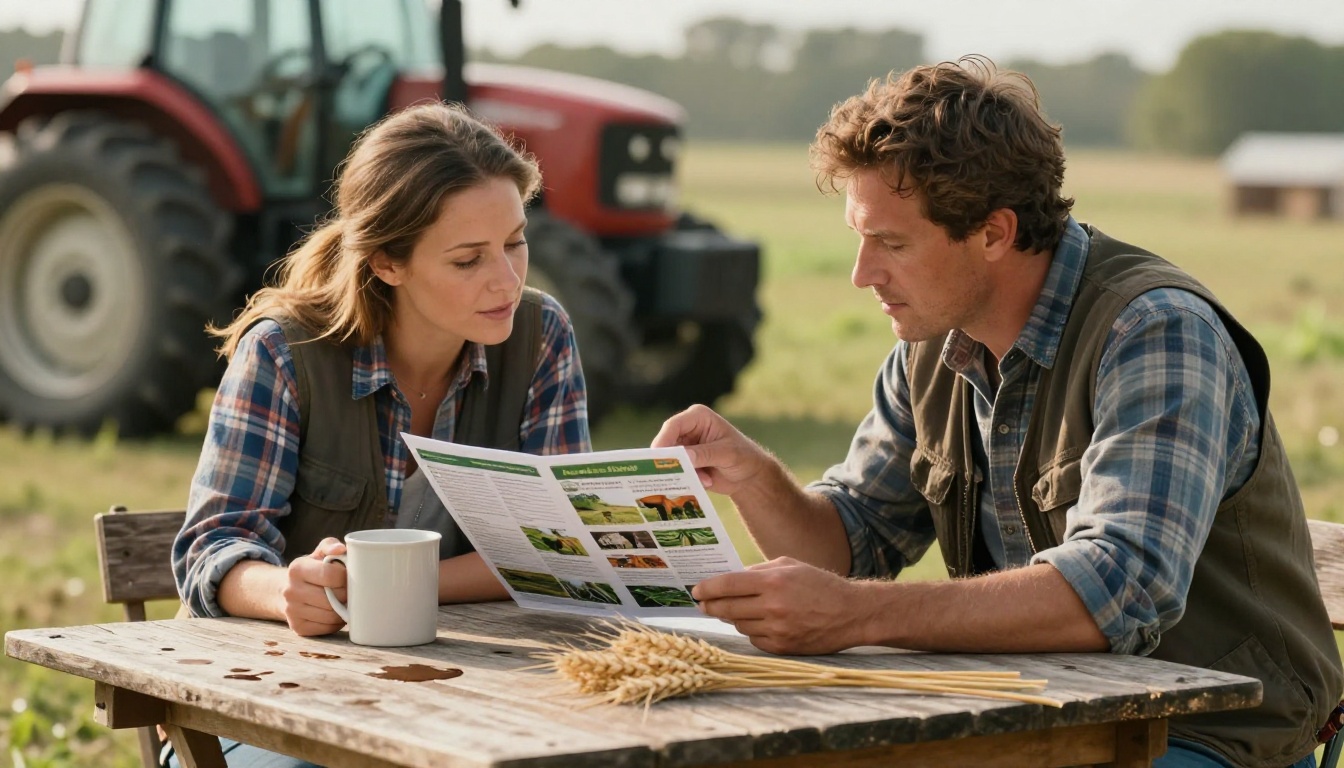
A family-owned cattle ranch in Texas runs a direct-to-consumer grass-fed beef operation. They have a price list and product sheet they've been emailing as a flat PDF for years. By converting it into a flipbook using the Digital Price List Generator, they now share a link on social media that potential customers can browse on their phones. The catalog shows every cut with pricing, weights, and descriptions in a visually compelling format. Orders increased because customers can actually see what they're buying before they pick up the phone.
The Vegetable CSA Struggling With Member Retention
A 30-acre certified organic vegetable farm runs a 150-member CSA program. Every month, they send a newsletter PDF to members with growing updates, what's in the box that week, and recipe suggestions. Switching to a flipbook newsletter format means members get a link in their email that opens to a beautifully formatted, page-turning publication instead of a flat attachment. Member engagement with the newsletter tripled because people actually read it rather than saving the PDF "for later" and forgetting about it.
The Agritourism Orchard Needing More Event Bookings
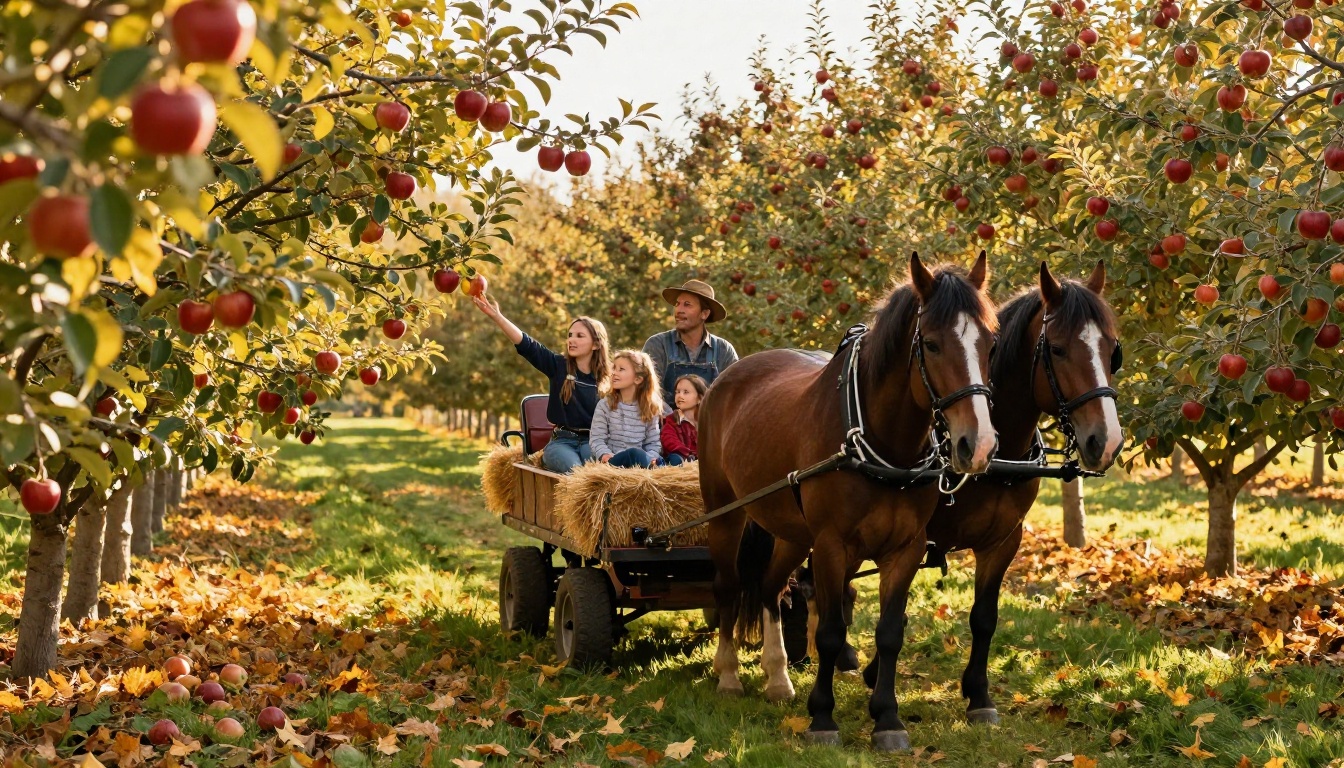
An apple orchard in the Midwest that hosts pick-your-own days, fall festivals, and private events needed a shareable brochure to send potential event hosts. Using the Online Brochure Designer, they built a polished event brochure with pricing, photos, capacity information, and testimonials. They share it as a link in email replies to inquiries, and it instantly establishes professionalism that a plain text email cannot match. Booking conversion from initial inquiry improved significantly because prospective clients had something beautiful to show their families before committing.
Flipbooks AI Plan Options for Farms
Choosing the right plan depends on how many flipbooks you need and which features matter most to your operation. Here's how the options compare:
| Feature | Starter | Standard | Professional |
|---|
| Watermarks | None | None | None |
| Number of Flipbooks | Limited | Unlimited | Unlimited |
| Password Protection | No | Yes | Yes |
| Custom Branding | No | Yes | Yes |
| Analytics | No | Basic | Detailed |
| Lead Generation Forms | No | No | Yes |
| Offline Downloads | No | No | Yes |
| Embed on Website | Yes | Yes | Yes |
| Video Embedding | No | Yes | Yes |
| Mobile-Responsive | Yes | Yes | Yes |
For most small farms and ranches, the Standard plan covers everything needed: unlimited flipbooks, custom branding, password protection for private materials, and website embedding. Operations that want to track how many people view their catalog or capture leads directly from their flipbook should look at the Professional plan, available at flipbooksai.com/pricing.
💡 Pro Tip: The analytics feature in the Professional plan shows you exactly which pages of your farm catalog viewers spend the most time on. That's invaluable for knowing which products generate the most interest, even before anyone contacts you directly.
Tips That Make a Farm Flipbook Stand Out
Building the flipbook is just the beginning. These practical tips will make yours more effective from day one.
Photography makes or breaks your flipbook. Farm flipbooks live and die by the quality of their images. Invest in even a single hour with a local photographer to get professional shots of your land, livestock, and products. Natural light in the early morning or late afternoon produces the most appealing results, with the kind of warm tones that make food and landscapes look their absolute best.
Make your front page count. The first page of your flipbook is your first impression. It should have your farm name, a compelling headline, and your best photograph front and center. Think of it the way you'd think of a magazine cover at a newsstand.
Create seasonal versions. Rather than building one catch-all flipbook, consider a spring planting catalog, a summer harvest edition, and a fall and winter newsletter. Seasonal content stays relevant and gives your audience a reason to return regularly.
Put a clear action on the final page. Whether it's "Order online at yourfarm.com," "Call us to book a farm tour," or "Join our CSA waitlist," the last page should tell readers exactly what to do next. Don't leave them flipping back to find your contact information.
Always test on a phone before sharing. The majority of your audience will view your flipbook on a smartphone. Flipbooks AI produces mobile-responsive flipbooks by design, but always preview yours on a phone before posting the link publicly to catch any layout issues in your source PDF.
How Flipbooks Compare to Other Farm Marketing Options
It helps to see how flipbooks stack up against the other digital tools farms typically use:
| Tool | Best Use | Interactivity | Cost | Update Speed |
|---|
| Farm Flipbook | Catalogs, brochures, newsletters | High (page turns, links, video) | Low | Instant |
| Flat PDF | Document archiving | None | Free | Requires full redesign |
| Farm Website | General online presence | Medium | Medium to High | Moderate effort |
| Social Media Post | One-time promotions | Low | Free | Instant |
| Printed Brochure | Events, trade shows | None | High per unit | Requires full reprint |
| Email Newsletter | Subscriber updates | Low | Low | Moderate effort |
Flipbooks occupy a unique position in the mix. They're as polished as a printed catalog, as shareable as a social media post, as updateable as a website page, and significantly cheaper than any printed alternative. For small farm operations with limited marketing budgets, that combination is hard to beat.
What to Build First
If you're new to digital flipbooks and not sure where to start, pick the format that solves your most pressing marketing problem right now.
- Struggling to convert inquiries into sales? Start with a product catalog flipbook that shows every item with photos and pricing.
- Running an agritourism operation that needs more bookings? Build an event brochure and start sharing it on social media immediately.
- Growing a CSA membership base? Launch a seasonal newsletter flipbook to keep existing members engaged and give prospects something compelling to read.
- Selling land or ranch property? A polished land listing brochure shared digitally reaches far more qualified buyers than a printed mailer or a text-heavy email.
Check out all flipbook tools to find a category that matches your specific use case. There are options built for product catalogs, brochures, newsletters, event programs, annual reports, and more, all designed to take a PDF and turn it into something buyers actually want to read.
Ready to build your first farm flipbook? Get started for free on Flipbooks AI and have your digital catalog live within the hour. For operations that want detailed analytics, lead generation, and offline downloads, compare plans and pricing to find the right fit for your farm or ranch.



