Your streetwear brand is a visual language. Every hoodie drop, every lookbook shoot, every curated collection tells a story, and that story deserves a format that actually does it justice. Static PDFs get ignored. Instagram posts vanish in hours. But a digital flipbook stays, travels, converts, and positions your brand as a serious player in the fashion space. Flipbooks AI makes it possible to build one in minutes, without a designer or a developer on retainer.
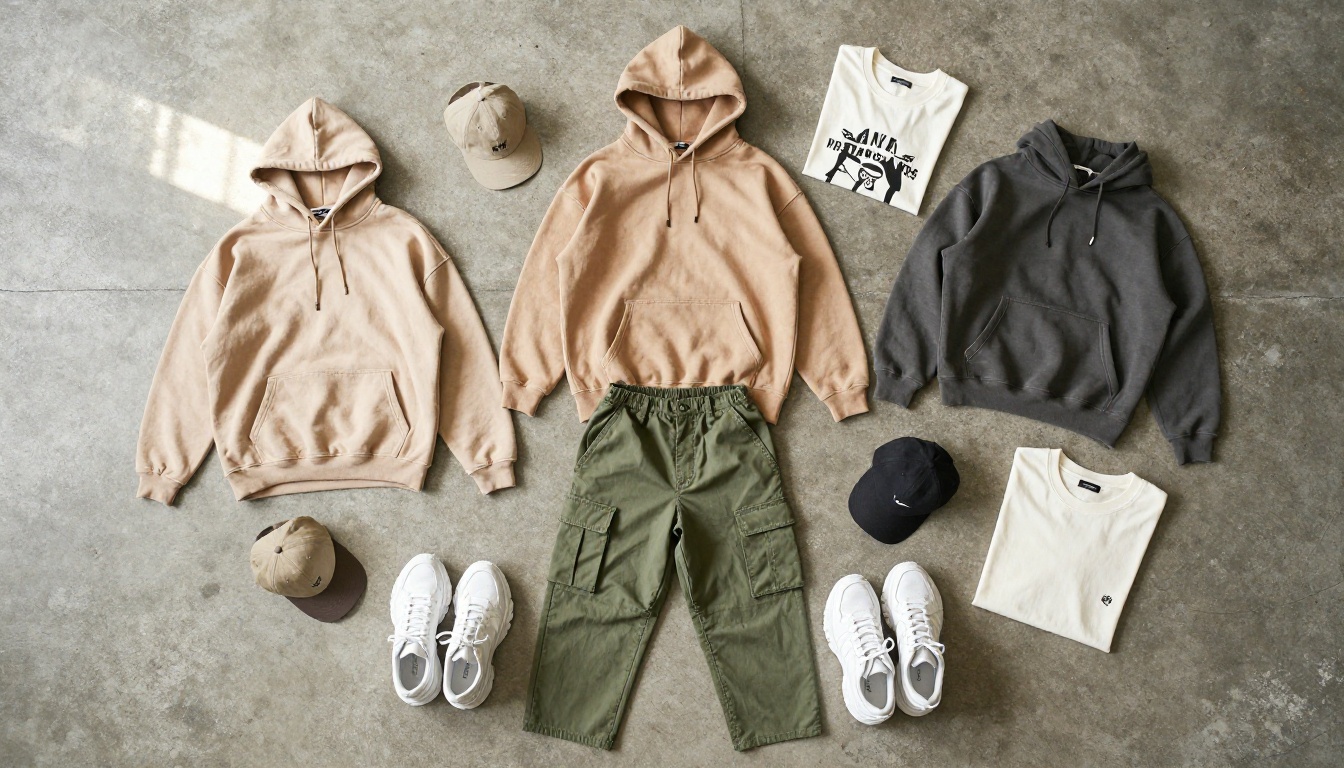
PDFs Don't Travel Well
You spend weeks on a collection. A full-day shoot. Editing sessions that stretch into midnight. And then you send it out as a PDF attachment that half your audience can't open on mobile, the other half ignores, and nobody shares. That's not a distribution problem. That's a format problem.
Digital lookbooks and flipbooks change the equation completely. They open in any browser, load on any device, and feel like a premium experience from the first page. They're shareable with a single link. They're embeddable on your website. And they look nothing like the static, lifeless documents that get buried in inboxes.
For streetwear brands specifically, the visual impact of a page-turning digital catalog creates the same dopamine hit as flipping through a print magazine. That tactile sensation, even in digital form, signals to the viewer that what they're looking at is worth their attention.

The Attention Economy Favors Interactive Content
The data is clear: interactive content generates twice the engagement of passive content. A flipbook isn't just a document. It's an experience. Readers spend more time on each page. They share it more. They remember it longer. For a streetwear brand trying to cut through noise without a seven-figure marketing budget, that difference in attention is everything.
💡 Pro tip: Brands that publish a new digital lookbook each season build a content archive that keeps driving traffic long after the drop. Each flipbook is a permanent, indexable asset.
What Goes Into a Streetwear Flipbook
The Core Pages Your Brand Needs
A well-built streetwear flipbook isn't just photos slapped into pages. It's a structured visual narrative. Here's what every brand should include:
- Cover spread: A single hero image that captures the collection's mood, shot with intention
- Brand intro page: Two to three sentences on who you are. Short. Confident. No fluff.
- Collection overview: Flat lays or editorial shots showing the full range, color palette, and silhouettes
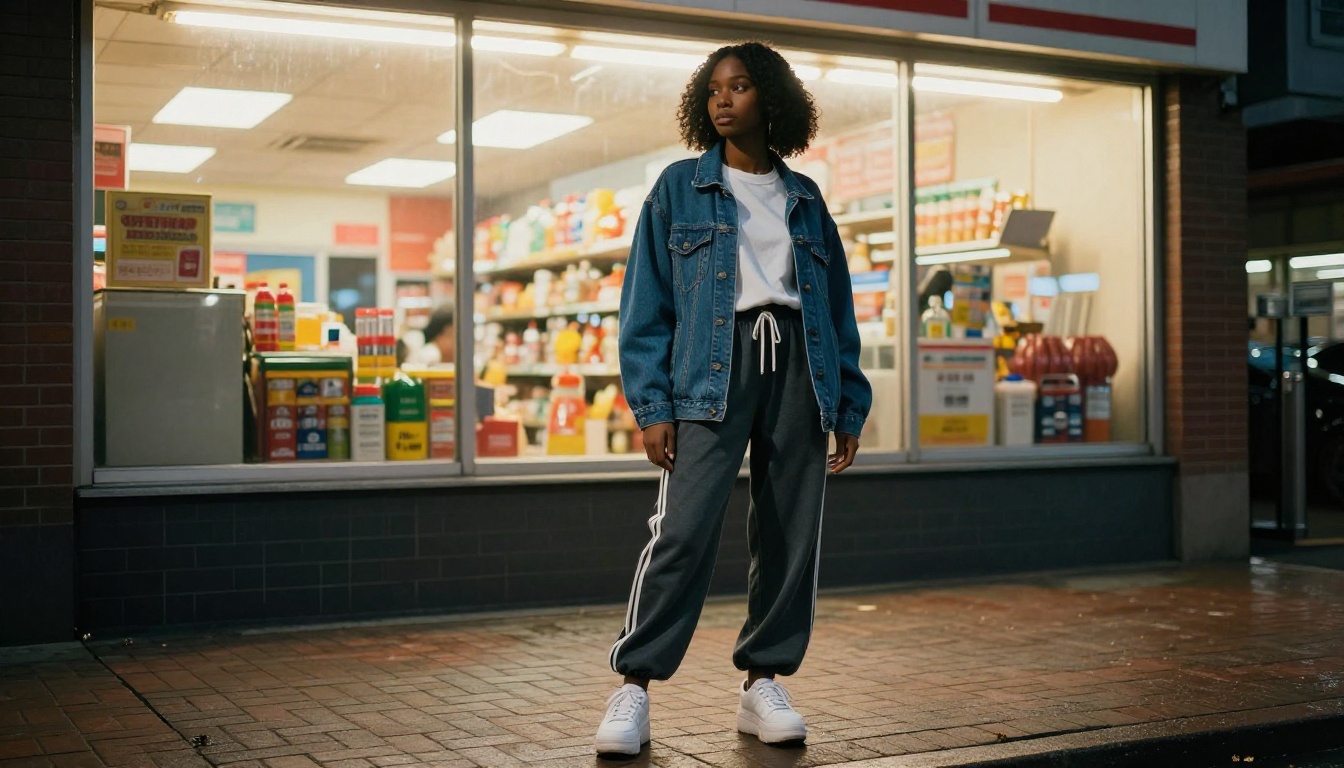
- Lookbook spreads: Model photography in real environments, not studio sets
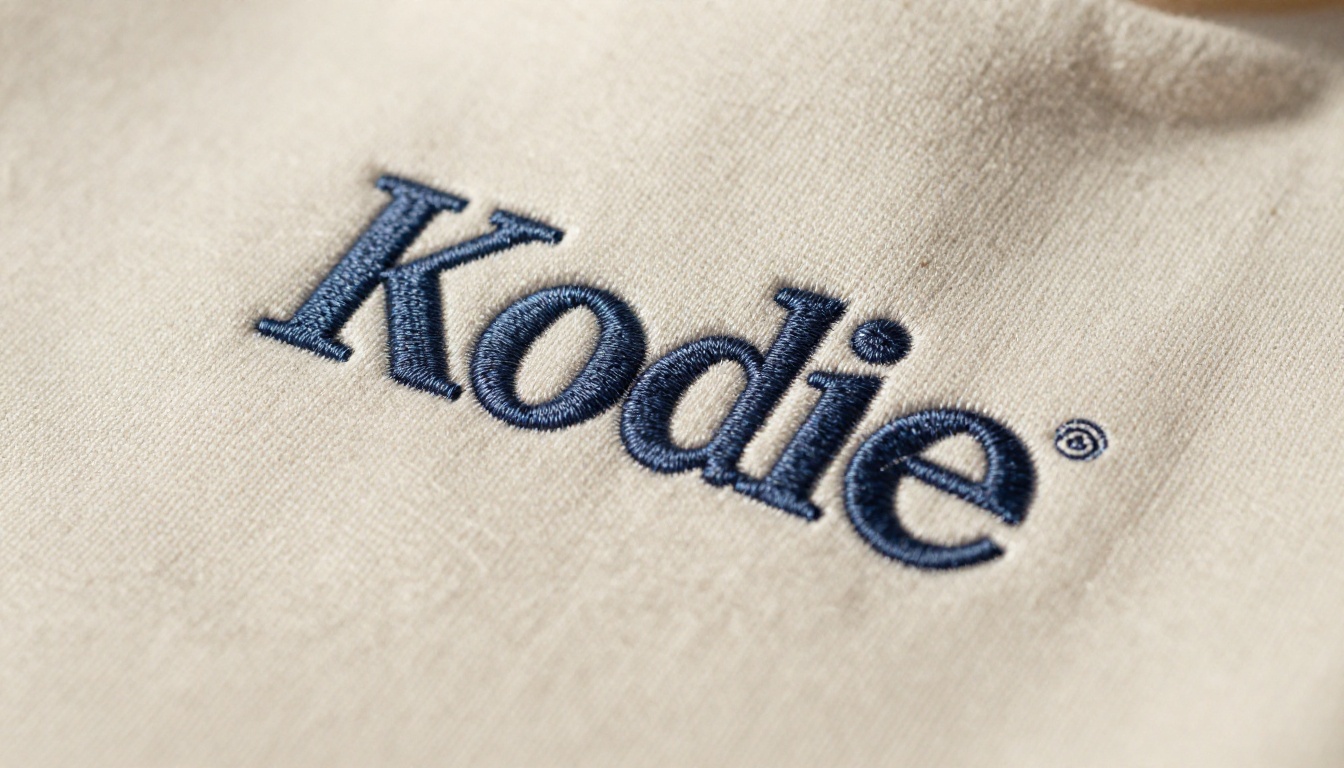
- Detail shots: Close-ups of stitching, fabric, hardware, tags. This is where quality speaks.
- Size and fit reference: A simple table showing fits across your key silhouettes
- Where to buy: Links to your store, stockists, or DM-to-order options
- Next drop teaser: A single image or color block hinting at what's coming
Formats That Work for Different Drops
Not every collection needs the same flipbook structure. Here's how to match the format to the release:
| Drop Type | Flipbook Format | Page Count | Key Elements |
|---|
| Full seasonal collection | Editorial lookbook | 20-30 pages | Model shoots, flat lays, story copy |
| Limited drop or collab | Hype-focused zine style | 8-12 pages | Bold visuals, minimal text, urgency |
| Brand intro / press kit | Structured catalog | 12-18 pages | Brand story, product range, stockist info |
| Exclusive capsule | Luxury minimal | 6-10 pages | Single-product focus, premium photography |
| Restock or sale campaign | Price-forward catalog | 10-15 pages | Clear pricing, product codes, CTA links |
How to Create a Flipbook for Your Streetwear Brand with Flipbooks AI
This is where the process becomes simple. Flipbooks AI converts your existing PDF lookbook into an interactive, page-turning digital flipbook in seconds. No code. No designer fees. No learning curve.
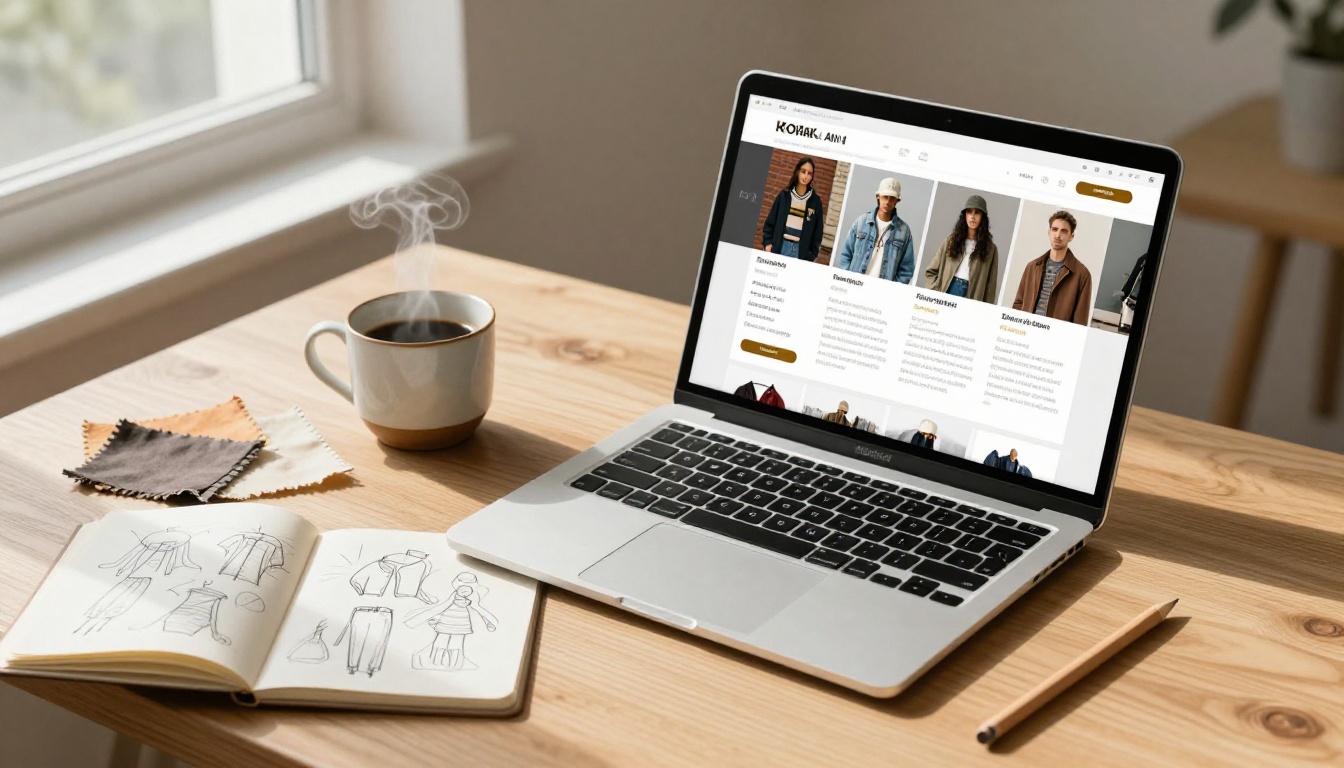
Step 1: Prepare Your PDF
Before you upload, get your PDF right. Use any design tool you already work with: Canva, Adobe InDesign, Photoshop, or even Figma. Export at minimum 300 DPI for print-quality sharpness in digital. Make sure:
- All fonts are embedded
- Images are high resolution, not compressed
- Page dimensions are consistent throughout
- Your brand colors are exact (use hex codes, not approximations)
Step 2: Upload and Convert
Create your account on Flipbooks AI, then drag and drop your PDF directly into the uploader. The platform converts it automatically. Most lookbooks process in under 60 seconds, regardless of page count. The conversion preserves your typography, color accuracy, and image quality exactly as designed.
Step 3: Brand It Completely
This is where Flipbooks AI separates from basic PDF viewers. Inside the editor, you can:
- Set a custom domain or use your brand's subdomain
- Match the UI to your brand palette: background color, player controls, page borders
- Add a brand logo to the flipbook viewer
- Control page flip animations: classic paper flip, fade, or slide transitions
- Embed multimedia: videos, audio tracks, product links with clickable hotspots
✅ Best practice: Add clickable product links directly on each item in the lookbook pages. When a viewer clicks a jacket, they go straight to the product page. This turns your flipbook into a sales tool, not just a brand asset.
Step 4: Choose Your Sharing Strategy
Once your flipbook is live, you have multiple ways to distribute it:
Direct Link: Share a clean URL across all channels. Works anywhere, opens in any browser.
Embed Code: Drop your flipbook directly into your website or Shopify store using a single code snippet. The Interactive Lookbook Designer tool makes this especially clean for fashion brands.
Password Protection: For pre-release drops, set a password. Share it only with press, buyers, or your top-tier customers before the public launch.
QR Code: Print it on packaging, hang tags, or in-store signage. Customers scan and land directly in your digital lookbook.
Step 5: Track What Actually Works
With the Professional plan on Flipbooks AI, you get full analytics on your flipbook. This means:
- Total views and unique visitors
- Time spent on each page (identify where readers drop off)
- Click-through rates on embedded product links
- Lead generation forms to capture emails directly inside the flipbook
For streetwear brands, page-level analytics are gold. If readers spend 45 seconds on your graphic tee spread and 4 seconds on your accessories page, you now know where to focus your next shoot budget.
💡 Pro insight: Use the lead capture feature to build your email list directly from the flipbook. Offer early access to the next drop in exchange for an email. This converts passive viewers into owned audience.
Check the available pricing plans to compare what's included at each tier.
Flipbooks AI Plans: What Your Brand Actually Needs
| Feature | Starter | Standard | Professional |
|---|
| Flipbooks created | 3 | Unlimited | Unlimited |
| No watermark | ✅ | ✅ | ✅ |
| Custom branding | ❌ | ✅ | ✅ |
| Password protection | ❌ | ✅ | ✅ |
| Analytics | ❌ | ❌ | ✅ |
| Lead generation forms | ❌ | ❌ | ✅ |
| Offline downloads | ❌ | ✅ | ✅ |
| Embed on website | ✅ | ✅ | ✅ |
| Video and audio embeds | ❌ | ✅ | ✅ |
For most streetwear brands launching their first few collections, Standard covers everything needed to look professional and distribute effectively. Once you're running consistent drops and want data, Professional pays for itself quickly.
Using Your Flipbook Across Every Channel
Social Media
Don't just post the link. Post a screenshot of a high-impact spread as a teaser, then add the link in bio. On Instagram Stories, use the link sticker to drive direct traffic. On Twitter and LinkedIn, paste the URL directly in the post as a preview. Tease specific pages: "Page 7 hits different. Link in bio."
Press and Wholesale Outreach
When pitching stockists or sending press lookbooks, a flipbook link replaces a 40MB PDF attachment. It loads instantly. It looks more professional. And you can track whether they actually opened it with analytics. Include the flipbook link in your press kit alongside line sheets. The Lookbook Flipbook Builder is built specifically for this use case.
Your Own Website
Embed the flipbook on your homepage during a drop period. This keeps visitors engaged longer, reduces bounce rate, and gives search engines a signal that your content holds attention. Use the Embed Flipbook on Website tool for the cleanest integration.
Email Campaigns
Embed a static screenshot of the flipbook cover in your email, linked directly to the flipbook URL. Subject lines like "The [Collection Name] Lookbook Is Live" consistently outperform standard product announcement emails in open and click rates.
⚠️ Watch out: Never attach PDFs to mass email campaigns. Large attachments trigger spam filters and tank your deliverability. A flipbook link is always the right call.
Common Mistakes That Hurt Your Flipbook Quality
Low-Resolution Photography
A flipbook magnifies your photography quality, for better or worse. If your images were shot on a phone in bad light, they'll look worse at full-page size. Before building your next lookbook, invest in a single good shoot day. Natural light, a solid photographer, real environments. That investment pays across every channel.
Too Much Text on Every Page
Streetwear buyers are visual. If your flipbook has paragraphs of copy on every page, you're misreading your audience. Keep text to product names, brief descriptions (one to two sentences max), and price points if relevant. Let the photography carry the story.
No Clear Next Step
Every flipbook needs a call to action on the final spread. A QR code linking to your store. A clickable "Shop Now" button. An Instagram handle. A drop date for the next collection. Give the reader somewhere to go after the last page.
Inconsistent Visual Identity
If page 3 is warm-toned editorial photography and page 8 is a bright white studio shot with completely different color grading, the flipbook feels unpolished. Build your lookbook in a consistent visual language: one lighting style, one editing tone, one color palette throughout.
Comparing Flipbook Distribution Methods
| Distribution Method | Custom Branding | Analytics | Embeddable | Mobile-Ready | Shareable Link |
|---|
| Flipbooks AI flipbook | ✅ | ✅ | ✅ | ✅ | ✅ |
| Generic PDF viewer | ❌ | ❌ | Limited | Partial | ❌ |
| Social media posts | Partial | Partial | ❌ | ✅ | ✅ |
| Email PDF attachment | ❌ | ❌ | ❌ | Poor | ❌ |
| Printed lookbook | ✅ | ❌ | ❌ | N/A | ❌ |
The case for a dedicated flipbook platform over generic options is clear when you look at what actually matters for brand distribution. A purpose-built platform gives you all five capabilities in a single workflow.
Building a Flipbook Habit Into Your Drop Cycle
The brands that win long-term aren't the ones that create one good lookbook. They're the ones that treat the digital lookbook as a standard part of every release. Here's a simple framework:
- 6 weeks before drop: Plan the lookbook structure. Identify the narrative arc.
- 4 weeks before: Shoot day. Flat lays, editorial photography, detail shots.
- 3 weeks before: Edit and design the PDF in your preferred tool.
- 2 weeks before: Upload to Flipbooks AI, apply brand settings, add product links.
- 1 week before: Share with press and buyers under password protection.
- Drop day: Remove password, distribute the link across all channels simultaneously.
- Post-drop: Review analytics. Note which pages drove the most clicks and time.
This cycle compounds. Each collection's flipbook adds to your brand's digital presence. Each one gets indexed. Each one drives traffic back to your store for months or years after the initial drop date.
The Real Value: Brand Perception
Here's what nobody talks about when discussing digital lookbooks: the perception shift that happens when a buyer, journalist, or stockist opens a well-made flipbook versus receiving a PDF attachment.
A flipbook says: This brand invests in presentation. They're serious. They're ready.
A PDF says: Here's a file. Hope it works on your device.
That difference in first impression is worth more than the cost of any subscription plan. In a market where streetwear brands are launching daily, the ones that present with polish are the ones that get taken seriously faster, picked up by press sooner, and secured in stockists without the back-and-forth.
Your collection is already good. A digital flipbook makes sure the world sees it that way.
Ready to build yours? Get started for free on Flipbooks AI and have your first lookbook live today. Browse all available flipbook tools to find the right fit for your brand format. When you're ready to scale with analytics and lead capture, check the pricing plans to choose what fits your drop cycle best.



