Running a driving school in 2027 means competing for students who expect everything digital. They book lessons on their phones, watch road theory videos on YouTube, and look up traffic rules on their tablets between sessions. Handing them a photocopied black-and-white student handbook feels outdated the moment it leaves your hands. Flipbooks AI gives you a better option: turn every document your school produces into a polished, interactive flipbook that students actually open, share, and return to.
The payoff is immediate. Lower printing costs, zero "I lost my handbook" excuses, and a professional image that puts your school ahead of every competitor still stapling laminated sheets together. This article walks through exactly what kinds of flipbooks your school needs, how to create them in minutes, and why students respond to digital materials in ways paper never achieved.
Why Driving Schools Still Rely on Paper
Most driving schools haven't changed their materials workflow in years. They design a document in Word or Canva, send it to the printer, and distribute physical copies to every new student. It works, until it doesn't.
The Real Cost of Printed Materials
A standard student handbook for a driving school runs 20 to 40 pages. Add an enrollment brochure, a vehicle inspection checklist, a road rules reference sheet, and a theory test prep booklet, and you're looking at 80 to 120 printed pages per student. At commercial print rates, that's $8 to $15 per student before you factor in binding or lamination.
For a school enrolling 200 students a year, that's a $1,600 to $3,000 annual printing budget, and that's before any content updates. Change a regulation, update a phone number, or add a new course, and you're reprinting everything. The waste in time alone makes the case for going digital.
| Cost Factor | Paper Materials | Digital Flipbooks |
|---|
| Print cost per student | $8 to $15 | $0 |
| Update cost | Reprint everything | Edit and republish instantly |
| Distribution method | Physical handout only | Link, embed, or QR code |
| Student access | One copy, easy to lose | Any device, any time |
| Version control | Manual reprint cycles | Single URL, always current |
| Environmental impact | Paper and ink waste | Zero |
What Students Actually Expect
Students enrolling in driving schools today are digital natives. They expect their theory materials to be searchable, their checklists to be on their phones, and their enrollment process to happen without printing a single form. Schools that meet this expectation build stronger first impressions, see better engagement with course materials, and report fewer students showing up to lessons unprepared.
The gap between what students expect and what most driving schools deliver is a real competitive opportunity. Schools that close that gap first win the enrollment battle.
What a Digital Flipbook Does for Your School
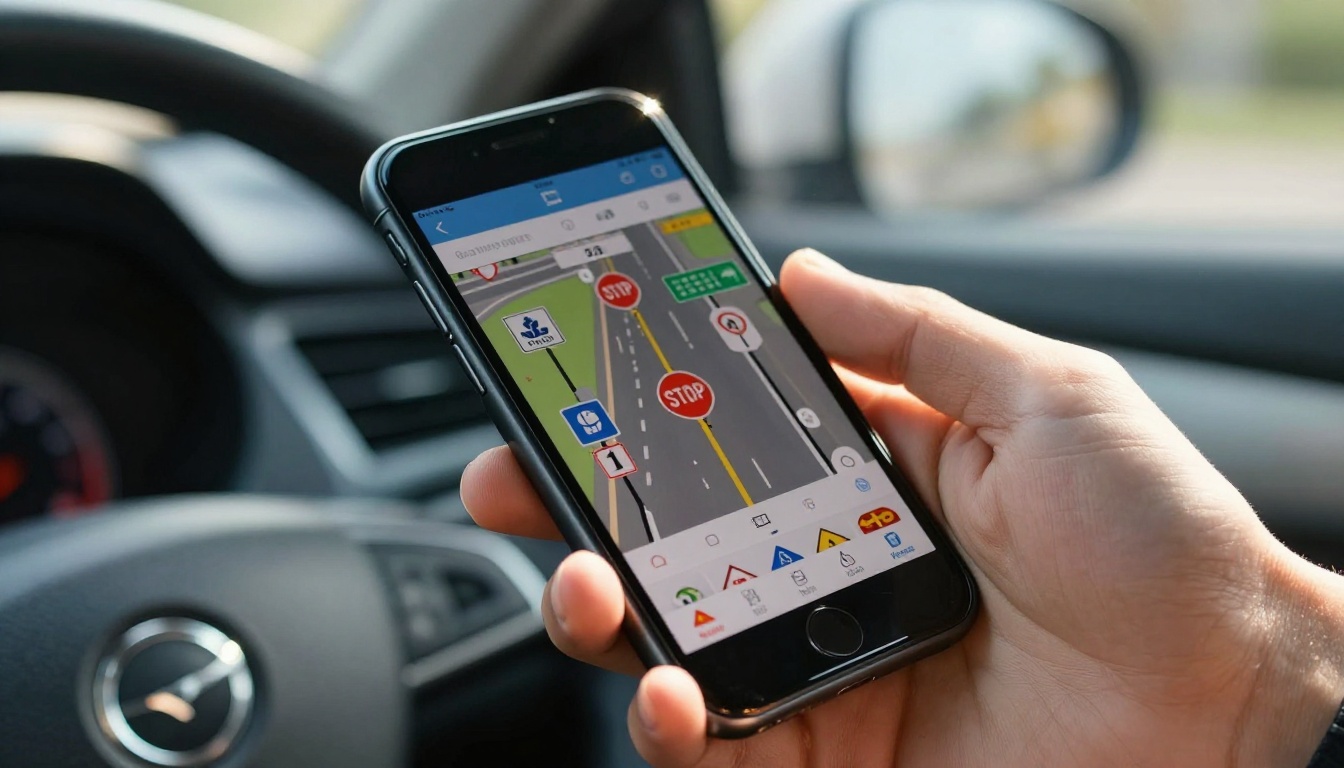
A digital flipbook takes your existing PDFs and converts them into page-turning interactive documents that work on every device: phones, tablets, laptops, and desktops. Students get a realistic reading experience with smooth page animations, clickable links, and embedded media. You get a shareable URL, an embed code for your website, and full analytics on who opened what and for how long.
For driving schools specifically, this means:
- Theory handbooks students can read on their phones while waiting for a lesson to start
- Enrollment brochures you can share via WhatsApp, email, or social media without any file size limits
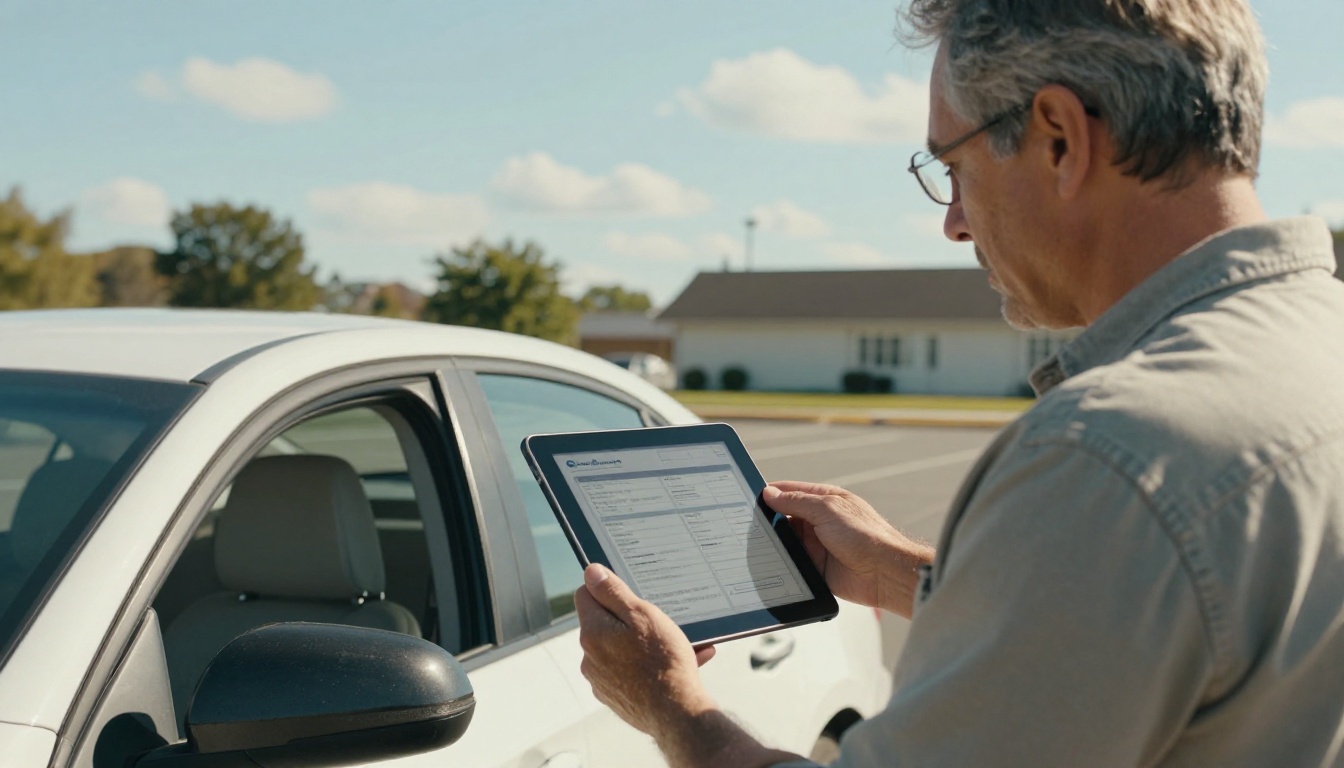
- Vehicle inspection checklists instructors can pull up on a tablet right at the car
- Road rules references students can search by keyword instead of flipping through 30 printed pages
- Instructor manuals distributed to staff without ever printing or couriering a single copy
💡 A single flipbook link sent via WhatsApp reaches a student faster than any physical handout. Students are far more likely to open a link they received on their phone than to find and read a booklet they took home after the first lesson.
The format also respects students' time. If a student wants to quickly check the rule on roundabout right-of-way before a lesson, they open the link and search the term. That takes ten seconds in a digital flipbook. In a physical handbook, they're flipping through pages hoping the index is useful.
The 5 Flipbooks Every Driving School Needs
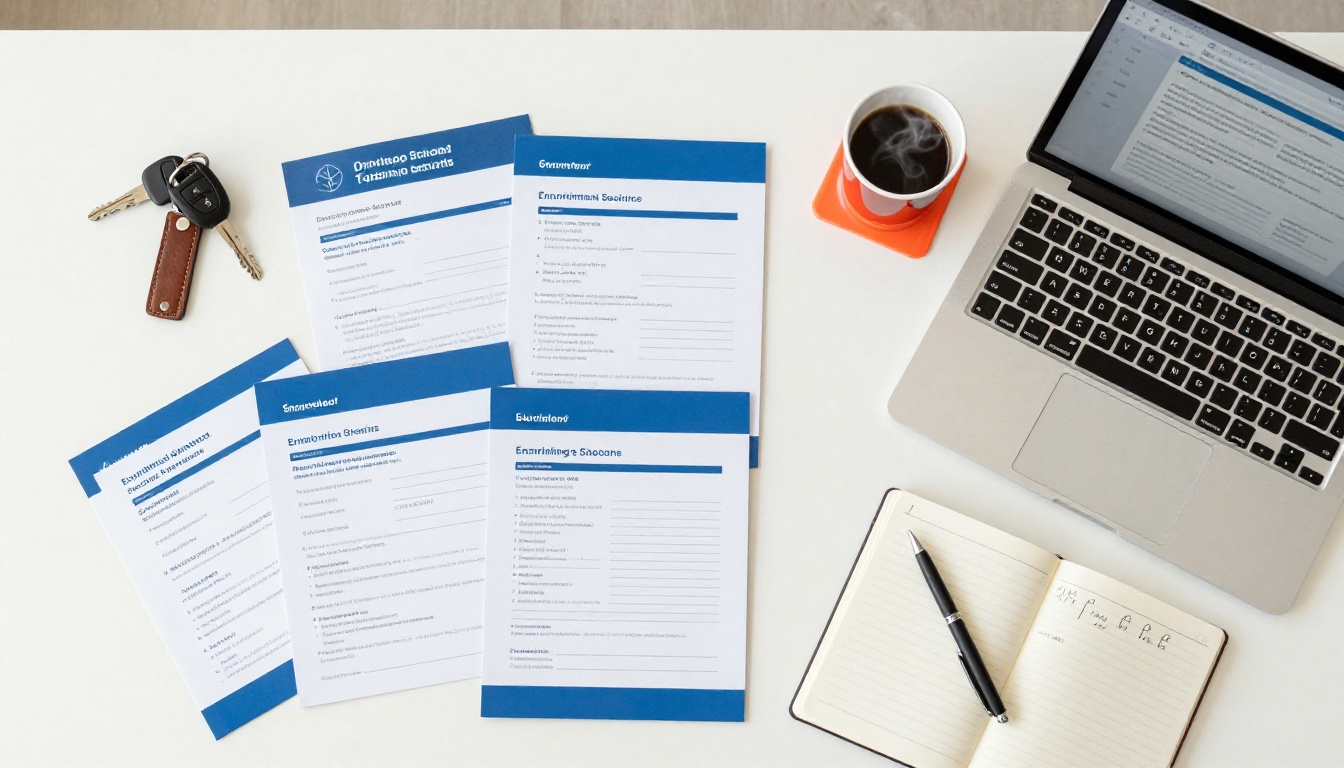
Not all driving school materials serve the same purpose. Some need to be persuasive and beautiful. Others need to be functional and instantly accessible. Here's what every school should prioritize converting first:
Student Theory Handbook
This is the document students need most and lose most often. It covers road rules, traffic signs, speed limits, right-of-way rules, and hazard perception scenarios. As a flipbook, students can search for specific topics, bookmark pages they want to revisit, and return to any section the night before their theory test. The "I left it at home" excuse disappears permanently.
Enrollment Brochure
Your enrollment brochure is often a prospective student's first real interaction with your school's brand. A static PDF attached to an email doesn't do it justice. A flipbook with a polished cover, smooth page transitions, your course fees presented clearly in tables, and your contact information embedded as clickable links makes a far stronger impression and drives more inquiries. The Online Brochure Designer tool is built exactly for this kind of professional output.
Vehicle Inspection Checklist
Every pre-drive check is an opportunity to build good habits early. A digital checklist that instructors and students can pull up on a tablet or phone at the car is cleaner and more professional than a paper sheet on the dashboard. It also signals that your school operates with a system, which builds student confidence from the very first lesson.
Road Rules Reference
Road regulations change. Speed limits get updated, new roundabout rules come in, and local variations differ by region. A digital flipbook you can update in seconds means your students always have the current version automatically. You update once, every link in existence updates instantly. No recalls, no reprints.
Instructor Training Manual
New instructors need consistent onboarding. A digital training manual distributed as a flipbook means every instructor gets the same information, formatted the same way, accessible whenever they need to review a procedure or policy. The Training Manual Flipbook tool is purpose-built for this use case, with layouts designed for instructional content and procedural documentation.
How to Create a Flipbook for Your Driving School

Creating a professional flipbook for your driving school takes less time than printing and binding a physical copy. Here's the exact process from design to sharing:
Step 1: Design Your PDF
Start with any design tool you already use: Canva, Adobe InDesign, Google Slides, or Microsoft Word. Design your document as you normally would, paying attention to:
- Clear headings and section dividers so students can navigate easily
- High-quality images and road diagrams that reproduce well on screen
- Your school's logo, brand colors, and contact details on the cover
- Readable font sizes (minimum 12pt for body text) so mobile reading is comfortable
Export the finished document as a PDF. That's the only file you need for the next step.
Step 2: Upload and Convert
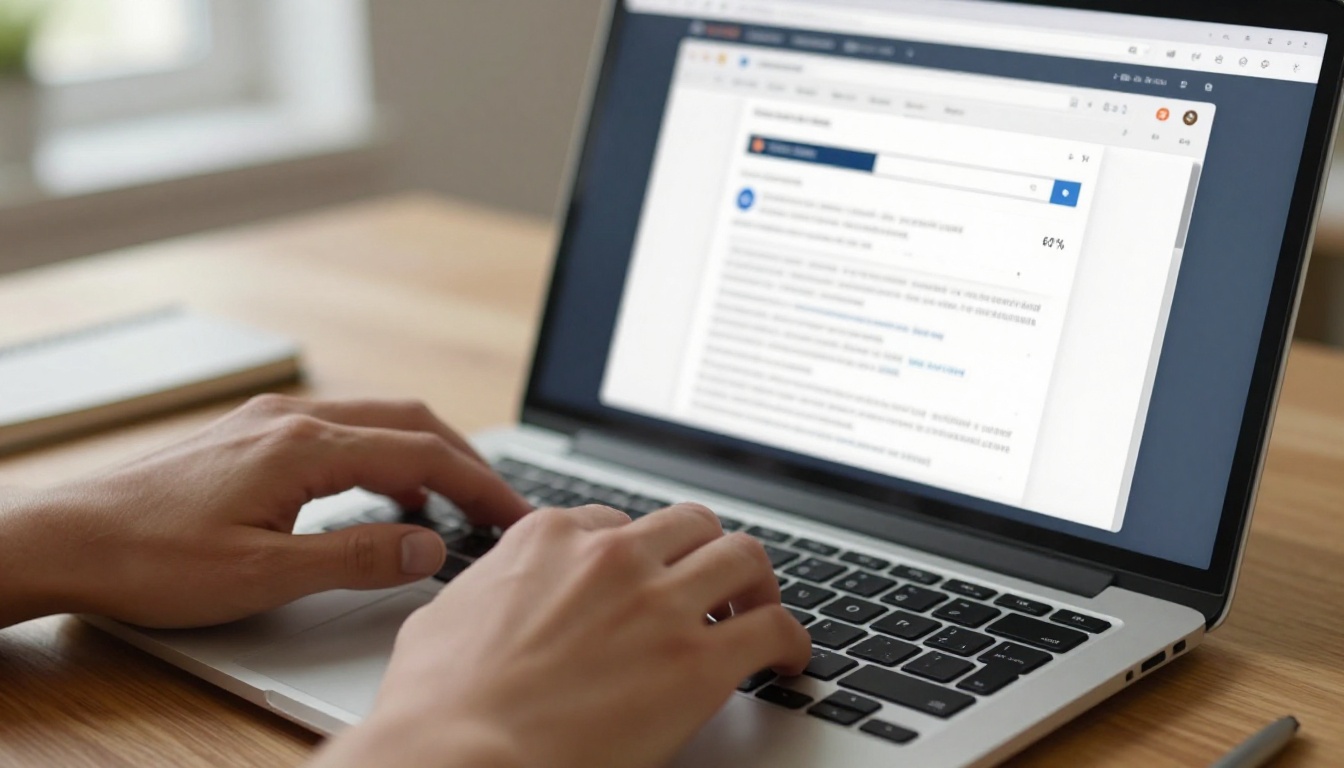
Go to Flipbooks AI and create your account. Once inside, click the upload button and drag your PDF into the interface. The PDF to Flipbook Converter handles the conversion automatically: your pages become a smooth, page-turning digital publication in seconds. No technical knowledge required, no settings to configure.
✅ If your PDF looks good on screen, your flipbook will too. The converter preserves all your formatting, images, and layout exactly as designed.
Step 3: Brand It Your Way
Once converted, customize the presentation. Change the background color to match your school's palette, add your logo to the interface, adjust the page flip animation style, and set a custom URL that reflects your school's name. For materials you want to restrict, like instructor manuals or exam prep documents, enable password protection so only authorized users can access them.
Step 4: Share With Students
When the flipbook is ready, you have several distribution options:
- Direct link: Copy and share instantly via WhatsApp, email, or SMS in your welcome message
- Embed code: Paste into your school website so students read the handbook directly on your site without downloading anything
- QR code: Print on a welcome card or reception poster so students scan and access digital materials immediately on arrival
- Password protection: For private exam prep content or instructor-only documentation, restrict access with a code you share separately
💡 Embed your enrollment brochure directly on your homepage. Prospective students who can flip through your materials without downloading a file are significantly more likely to stay on the page and make contact.
Features That Matter Most for Driving Schools

Not every flipbook platform offers the same set of tools. Here's what driving schools should specifically look for, and how Flipbooks AI delivers on each:
| Feature | Why It Matters for Driving Schools | Available on Flipbooks AI |
|---|
| Mobile-responsive design | Students view materials on phones between lessons | Yes, all plans |
| Password protection | Lock exam prep and instructor manuals | Yes, Standard and above |
| No watermarks | Professional presentation to students and parents | Yes, all paid plans |
| Embed on website | Showcase brochures and enrollment info on your site | Yes, all plans |
| Analytics | See which pages students actually read and how long | Yes, Professional plan |
| Lead generation forms | Capture enrollment inquiries from inside the flipbook | Yes, Professional plan |
| Offline downloads | Students read handbooks without internet connection | Yes, Professional plan |
| Unlimited flipbooks | One for every course, document, and material type | Yes, Standard and above |
| Custom branding | Your logo, colors, and URL throughout | Yes, Standard and above |
⚠️ Free flipbook platforms often watermark your documents with their own branding. That's the last thing you want on a professional enrollment brochure or a student handbook. Always verify plan details before committing to any platform.
Flipbooks AI Plan Comparison
Choosing the right plan depends on how many students you have and what features your school needs day-to-day. Here's a straightforward breakdown:
| Plan | Best For | Standout Features | Pricing |
|---|
| Starter | Solo instructors testing the platform | Basic flipbooks, limited publications | Free |
| Standard | Small driving schools, 1 to 3 instructors | Unlimited flipbooks, no watermarks, custom branding, password protection, embed anywhere | Affordable monthly |
| Professional | Growing schools with multiple instructors and courses | Everything in Standard, plus detailed analytics, lead generation forms, offline downloads | See current pricing |
For most driving schools, the Standard plan covers everything needed for day-to-day operations. The Professional plan makes sense when you want to track which pages students spend the most time on, or when you want a lead capture form embedded inside your enrollment brochure to collect inquiries automatically without students having to find a separate contact page.
💡 The Professional plan's analytics can show you exactly which pages of your theory handbook students read most closely. If everyone skips a section, that's a signal your content there needs reworking. Data like that used to require surveys. Now it's automatic.
Real-World Use Cases for Driving Schools
Driving schools across different markets are finding creative ways to use digital flipbooks beyond the obvious handbook replacement. Here are the scenarios that consistently deliver the most value:
Theory Test Prep Materials
One of the highest-value use cases is organized exam preparation. A well-structured theory test prep flipbook covers all the categories students are tested on, with embedded diagrams, mock question layouts, and road sign quizzes organized clearly by chapter. Students access it on their phones on public transport or at home the night before the test. The Course Material Publisher is specifically built for educational content of this type, with layouts designed to make information scannable and easy to retain.
Instructor Onboarding
When hiring a new instructor, consistency matters from day one. A standard onboarding flipbook covering school policies, lesson structures, communication protocols, emergency procedures, and grading standards means every instructor starts from the same foundation. Updates roll out instantly when any procedure changes, with no printing, no re-distribution, and no risk that some instructors have the old version.
Seasonal Enrollment Campaigns
At peak enrollment times like September or January, a fresh digital brochure shared across social media and via email campaigns can meaningfully boost inquiries. Unlike a static PDF, a flipbook loads instantly on mobile, looks beautiful without downloading, and can include a clickable contact button on every spread. Prospective students who flip through your course offerings without friction are far more likely to take the next step.
How Students Access Their Materials

The access model is what genuinely changes student behavior over time. When materials live at a URL students can bookmark, they reference them far more consistently than physical copies they've invariably misplaced by week two. Here's how access typically works in practice once a school has made the switch:
- Student enrolls and receives a welcome email or WhatsApp message containing their flipbook links
- Links go directly to their student handbook and theory prep flipbook, no login required
- Students bookmark the links on their phones during the onboarding process
- Before each lesson, they can review the relevant section in under two minutes
- After a lesson, instructors send a link to the specific page in the handbook covering that session's focus area
This creates a continuous learning loop that paper materials simply can't replicate. There's no "I'll read it later" because the link is always there, always current, and always two taps away on the device already in their pocket.
What Sets a Professional Driving School Apart
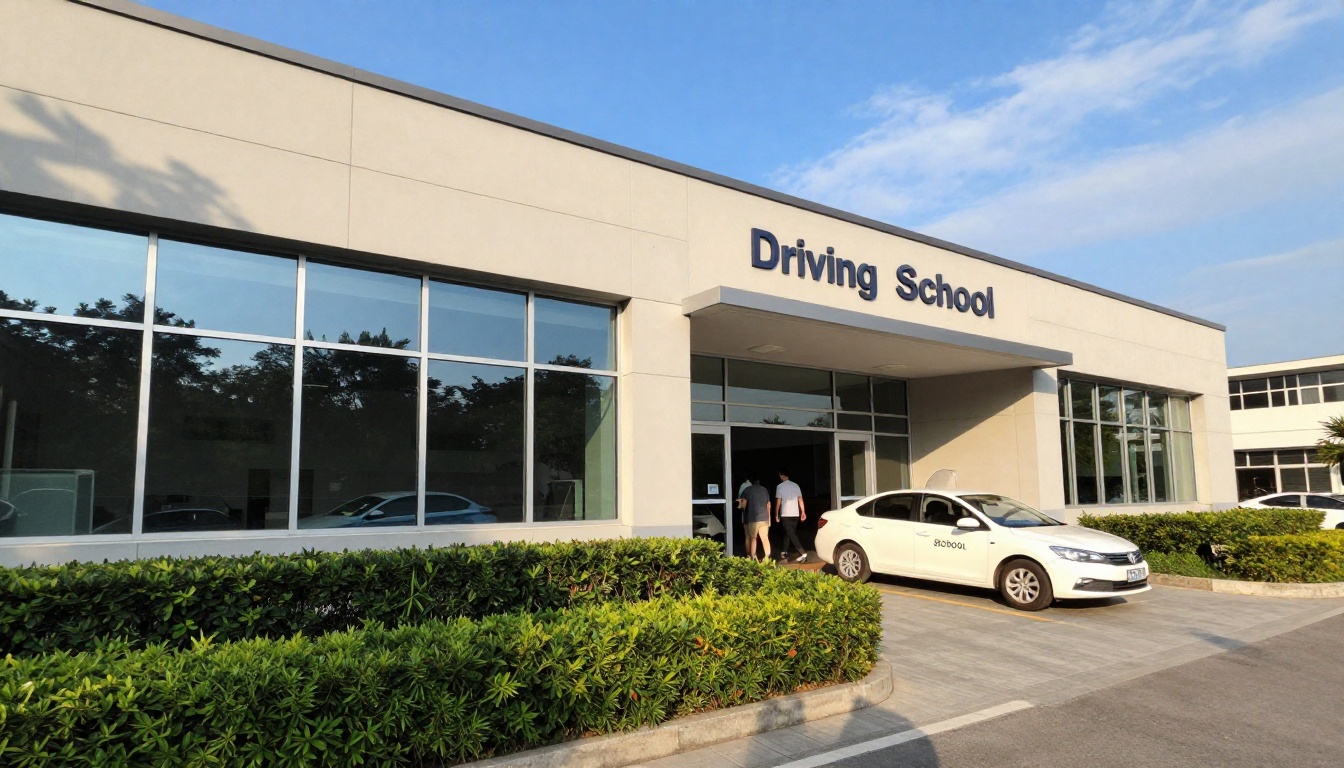
In most cities, a prospective student choosing between two driving schools of similar price and location makes their decision based on perceived professionalism. A school with a polished website, responsive communication, and beautiful digital materials communicates quality before the student has ever sat in a car.
A flipbook doesn't just replace paper. It signals that your school is organized, current, and takes the student experience seriously. That perception carries real commercial weight in a competitive market where word-of-mouth and online reviews drive enrollment decisions.
The practical advantages compound over time too:
- No stock management: You'll never run out of handbooks because you enrolled 70 students but only printed 50
- Always-current content: One URL always points to the latest version of any document, automatically
- Multilingual options: Design separate flipbook versions for different language communities your school serves
- Accessibility: Digital documents support screen readers in ways print never can, opening your school to a wider student base
- Professionalism at every touchpoint: From the first brochure a prospect views to the exam prep materials a student studies the night before their test, every interaction reflects your brand at its best
Take Your Driving School Digital
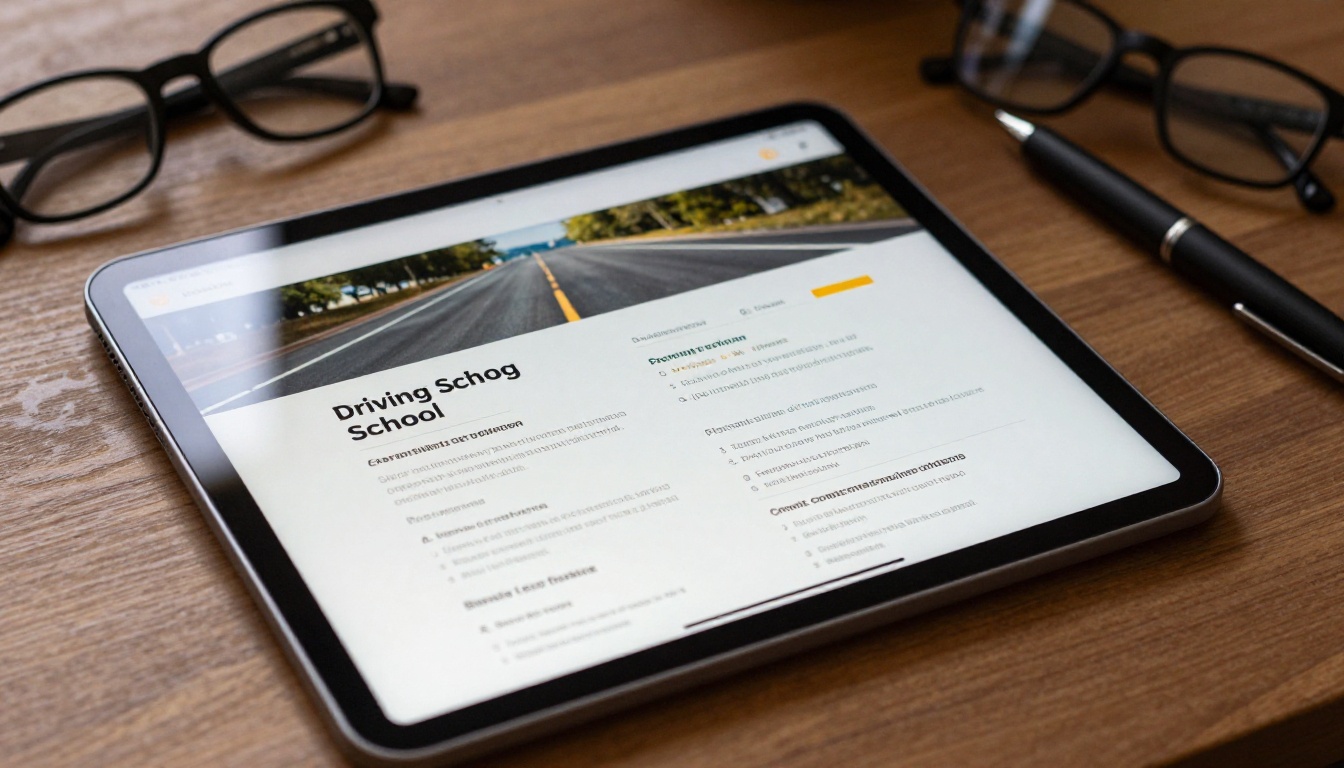
The case for creating a flipbook for your driving school is straightforward. Paper costs money, goes out of date, and gets lost. Digital flipbooks cost nothing to distribute, update in seconds, and live permanently in a student's phone. The only question is where to start.
Most schools begin with the student handbook because it's the document students need most and lose most often. Once that flipbook is live and students are actively using it, the rest follows naturally: the enrollment brochure, the vehicle inspection checklist, the theory prep materials.
Ready to build your first one? Get started for free on Flipbooks AI and have your first document live in under 10 minutes. No design experience needed, no technical setup required, no printing budget to justify.
Explore all available tools and templates to find the right format for every document type your school produces. From theory handbooks to seasonal enrollment brochures, there's a specific tool built for it.
When you're ready to add analytics, lead generation, and offline access for your students, compare pricing plans to find the tier that matches your school's size and goals.
Your students are already digital. Your materials should be too.



