Your eyewear collection deserves more than a static PDF sitting in someone's inbox. Buyers scroll fast, attention is scarce, and a flat document with no interactivity does nothing to recreate the tactile pleasure of picking up a frame in a store. That is exactly why more optical retailers, sunglass brands, and boutique owners are switching to interactive digital flipbooks. With Flipbooks AI, you can turn any PDF catalog into a page-turning digital experience that works on every screen, shares in seconds, and looks like it belongs in a fashion magazine.
Why Static PDFs Fail Eyewear Brands
The Attention Problem
PDF catalogs made sense when print was the only option. Today, they create friction. A buyer has to download the file, open it in a separate app, and zoom in just to read product details. Most do not bother. Data consistently shows that PDF abandonment rates climb above 70% on mobile devices, and eyewear buyers are overwhelmingly on their phones.
The problem is not the content. It is the format. A collection of 40 frames deserves a presentation that moves, breathes, and invites exploration.

What Buyers Actually Want
Whether you are selling direct-to-consumer or pitching to wholesale accounts, your buyers want speed and visual clarity. They want to flip through your seasonal collection the same way they browse a magazine at a newsstand. They want to zoom into a frame, note the color code, and send a page to their purchasing team. A digital flipbook does all of this natively, without attachments, downloads, or friction.
What an Eyewear Flipbook Does Differently
Page-Turn Effect That Stops Scrolling
The page-curl animation is not a gimmick. It triggers a psychological cue rooted in how humans interact with physical publications. When someone sees pages turning, they slow down. Curiosity kicks in. That half-second of hesitation is exactly when your product photography does its job.
Interactive flipbooks allow buyers to click directly on frames to view product details, specifications, or pricing. That conversion path from browsing to buying gets dramatically shorter when the catalog itself is interactive.

Mobile Buyers Are Your Biggest Audience
In the eyewear industry, over 60% of catalog browsing happens on a smartphone. Traditional PDFs scale poorly on small screens, forcing buyers to pinch-zoom constantly. Flipbooks built on Flipbooks AI are fully responsive, automatically adapting to any screen size without distortion.
| Feature | Static PDF | Interactive Flipbook |
|---|
| Mobile-responsive layout | No | Yes |
| Page-turn animation | No | Yes |
| Embed on website | Limited | Native support |
| Password protection | No | Yes |
| Analytics tracking | No | Yes (Professional) |
| Offline download | Yes | Yes |
| No download required | No | Yes |
| Direct sharing link | No | Yes |
💡 Flipbooks load directly in the browser. No app download, no file manager, no friction. Buyers click your link and start browsing immediately.
How to Design Your Collection Pages
Frame Layout That Sells
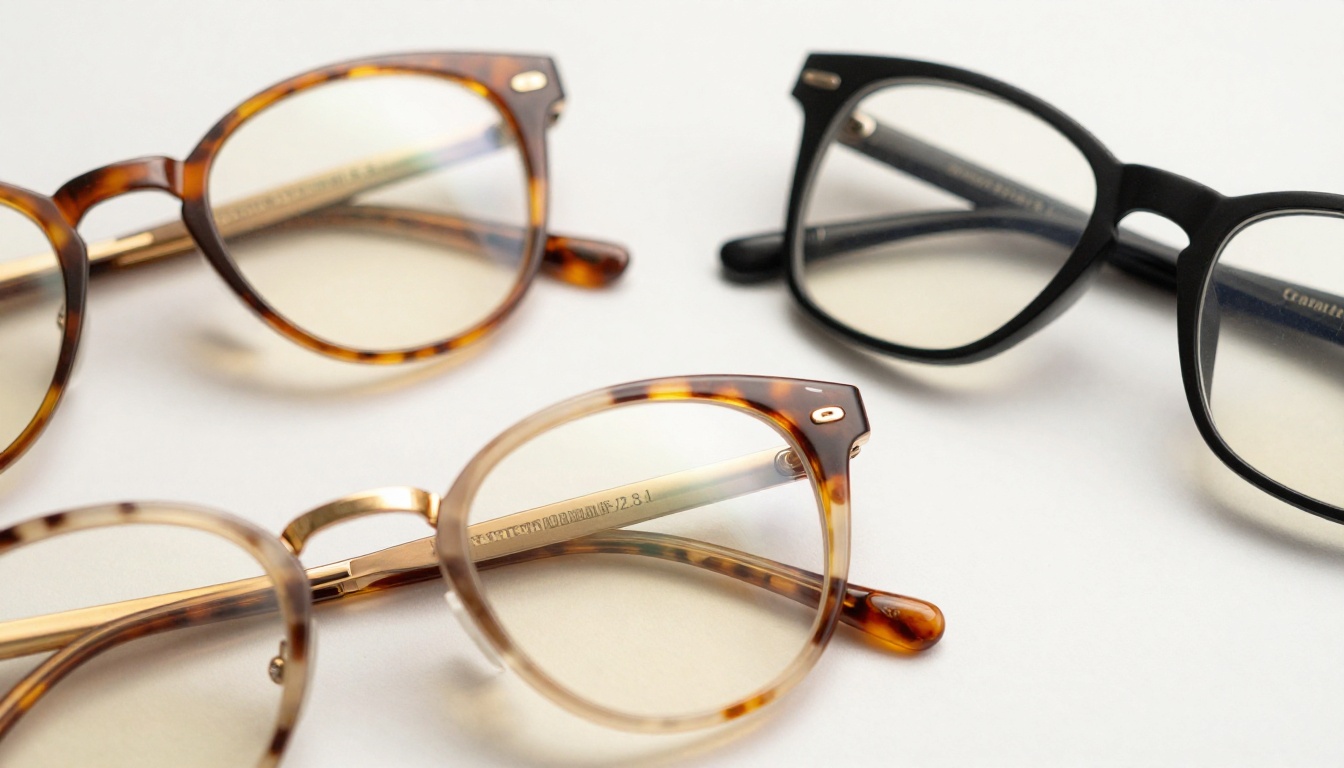
Eyewear photography succeeds when it shows texture, proportion, and personality. Each page of your collection should feature one to two frames maximum, with enough white space to let the product breathe. Overcrowding a page with eight frames in a grid forces the eye to work too hard.
Use consistent photography angles across the catalog: one three-quarter profile shot, one front-facing shot, and one lifestyle shot per frame. This creates a rhythm buyers can follow intuitively.
What Every Product Page Needs
Before you export your PDF and upload it to a flipbook converter, make sure every product spread includes these elements:
| Page Element | Why It Matters |
|---|
| Frame name and model code | Essential for wholesale ordering |
| Available colorways | Reduces back-and-forth emails |
| Material and weight | Builds buyer confidence remotely |
| Lens size and bridge width | Helps retailers recommend the right fit |
| Price or price category | Sets buyer expectations immediately |
| Campaign or lifestyle photo | Creates emotional connection with the buyer |
| Collection name or season | Helps buyers organize their purchase decisions |
✅ Export your PDF at a minimum of 150 DPI before uploading. Higher resolution means crisper text and sharper product photos when buyers zoom in on frame details.
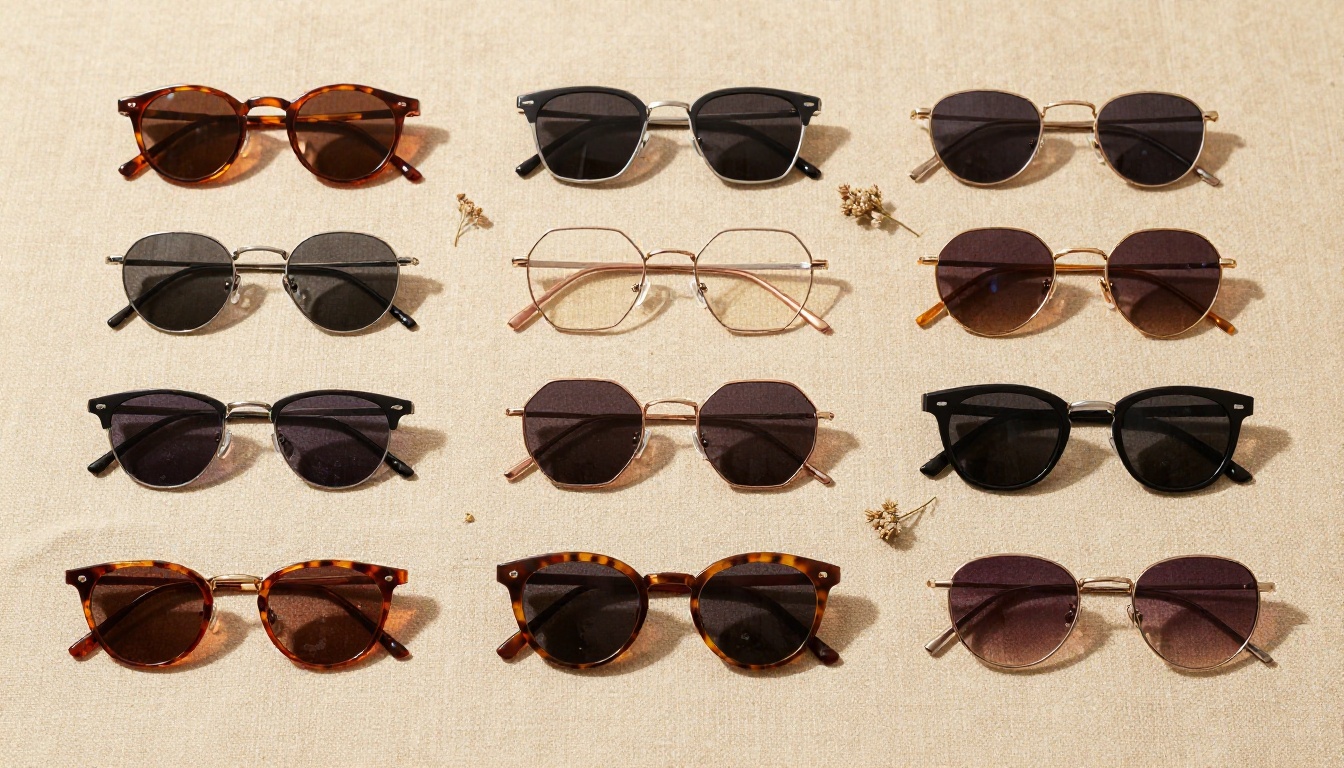
Build Your Eyewear Flipbook in 5 Steps
Creating a professional eyewear flipbook takes less time than most brand owners expect. Here is exactly how to do it using the Interactive Lookbook Designer on Flipbooks AI.
Step 1: Prepare Your PDF
Open your design tool (Adobe InDesign, Canva, or Figma) and export your eyewear catalog as a PDF. Before exporting, verify:
- Page size is consistent throughout, typically A4 or US Letter
- Fonts are embedded or outlined to prevent rendering issues
- All images are at least 150 DPI, ideally 300 DPI for print-quality sharpness
- Color profile is set to RGB, not CMYK, for optimal screen rendering
The cleaner your source PDF, the sharper your flipbook will look. Spend ten minutes on export settings and you will not need to re-upload later.
Step 2: Upload to Flipbooks AI
Head to Flipbooks AI and log in or create your account. From the dashboard:
- Click New Flipbook
- Select Upload PDF
- Drag and drop your eyewear catalog PDF into the upload area
- The conversion typically completes in under 60 seconds for a 40-page catalog
💡 Flipbooks AI converts your PDF into a fully interactive HTML5 flipbook automatically. No coding required, no third-party plugins.
Step 3: Brand It Your Way
Once converted, use the customization panel to align the flipbook with your eyewear brand identity:
- Set your brand color palette for buttons and navigation elements
- Upload your brand logo to appear in the viewer header and across every page
- Choose a background texture (solid, gradient, or custom image) for the reading environment
- Add your website URL so every viewer can click through directly to your store
- Toggle page shadow effects for the turning animation on or off

Step 4: Share and Embed
With your branded flipbook ready, you have multiple ways to get it in front of buyers:
- Direct link: A clean, shareable URL you can paste into emails, WhatsApp messages, or social DMs
- Embed code: A short snippet you copy into your website or Shopify product pages to display the flipbook inline
- Password protection: Ideal for wholesale price lists that should not be publicly accessible
- QR code: Print it on packaging, trade show signage, or physical lookbooks so anyone can scan and browse instantly
⚠️ If you are sharing with wholesale buyers, activate password protection so your pricing stays confidential. This option is available on all paid plans.
Step 5: Track Performance
On the Professional plan, you get full analytics showing which pages buyers spend the most time on, how many times the flipbook was opened, and where traffic originated. For eyewear brands, this data is invaluable. If buyers consistently linger on your tortoiseshell acetate spread but skip past the sport frames, that tells you exactly which products to prioritize in the next season's production run.
Lead generation forms can also be embedded directly inside the flipbook, capturing buyer contact information without requiring them to leave the catalog experience.
Real Use Cases for Eyewear Businesses
Independent Optical Boutiques
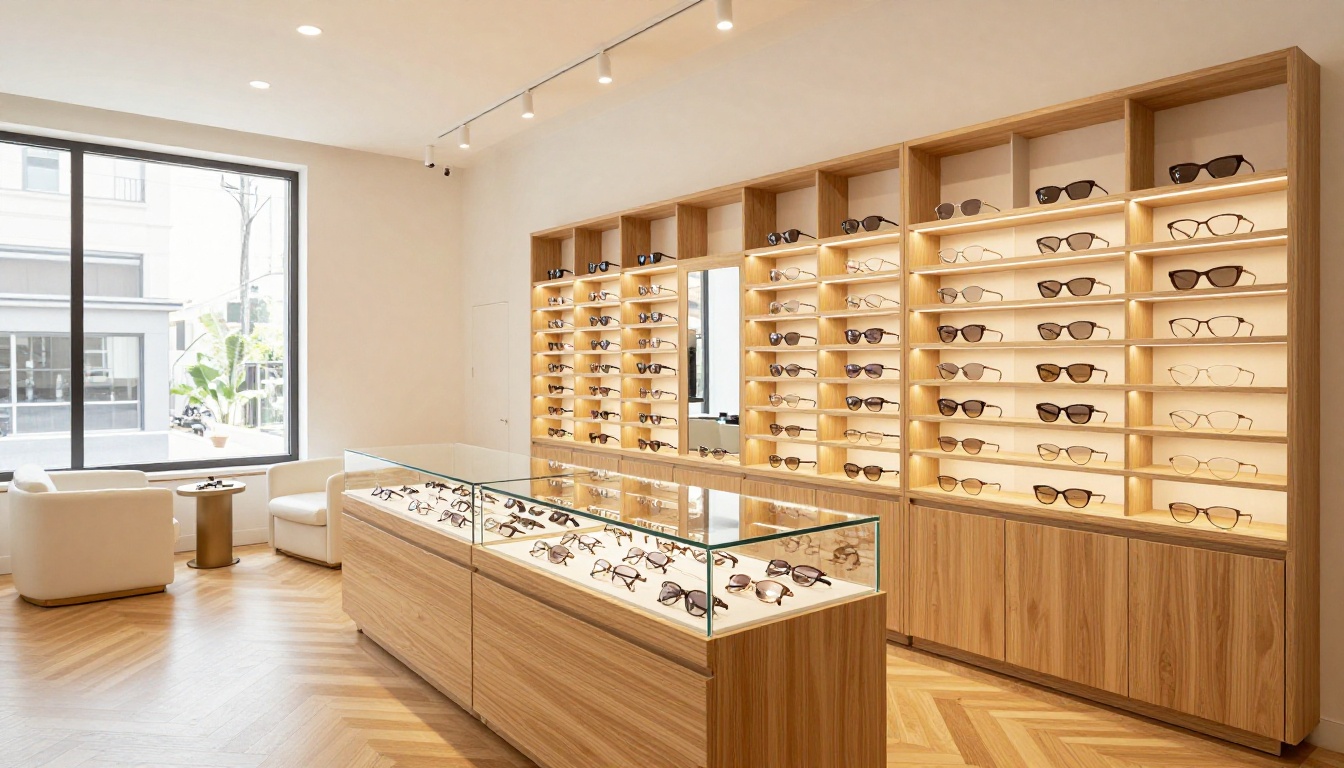
A boutique with 200 to 500 frames in stock cannot display everything on the showroom floor. A well-designed digital flipbook acts as an extended inventory catalog that staff can pull up on an in-store tablet during consultations, showing frames that are not physically on display. Customers browse, point, and staff retrieve. The experience feels curated without the chaos of overcrowded shelves.
This is also useful for after-hours sales. A customer who visited your boutique in the morning can share your flipbook link with a partner or family member that evening, who browses and shortlists frames for when they visit in person.
Sunglasses Brands and Fashion Labels
For fashion-forward sunglass labels that release seasonal collections, a flipbook is the natural digital equivalent of a printed lookbook. The page-turn format mirrors editorial magazine spreads, and high-resolution photography renders beautifully at full-screen width. Brands can create separate flipbooks per drop: spring/summer, fall/winter, limited editions, and collaborations.
The Lookbook Flipbook Builder is purpose-built for this type of fashion catalog content, with templates that prioritize large-format imagery and clean typographic layouts. The Fashion Catalog Creator is another strong option for brands that want structured product grids with consistent styling across spreads.

Wholesale Frame Distributors
Distributors who supply dozens of optical retailers face a recurring challenge: keeping buyers updated on new arrivals without reprinting expensive physical catalogs every quarter. A digital flipbook solves this entirely. Update the PDF, re-upload, and every buyer who has your link sees the current inventory instantly. No shipping costs, no reprinting fees, no outdated materials sitting in stockrooms.
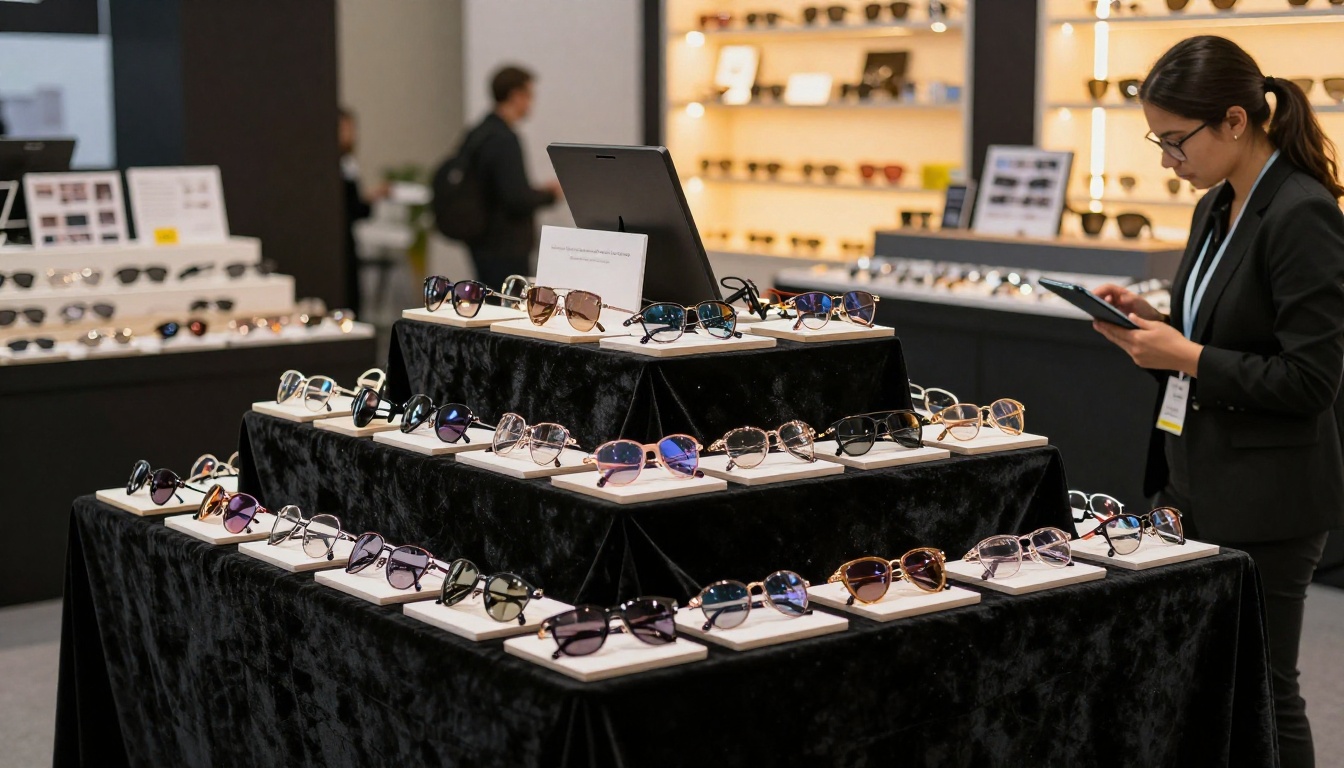
For trade show scenarios, reps can display the flipbook on a tablet or large screen at the booth, giving buyers a navigable, zoomable catalog that replaces stacks of printed brochures. Sharing the link at the end of a meeting means the buyer walks away with your entire collection in their pocket.
Flipbooks AI Plans for Eyewear Sellers
Choosing the right plan depends on how many collections you publish and whether you need analytics or lead capture. Here is how the plans compare for eyewear businesses:
| Feature | Free | Standard | Professional |
|---|
| Number of flipbooks | 1 | Unlimited | Unlimited |
| Watermark | Yes | No | No |
| Custom branding | No | Yes | Yes |
| Password protection | No | Yes | Yes |
| Embed on website | No | Yes | Yes |
| Analytics | No | No | Yes |
| Lead generation forms | No | No | Yes |
| Offline download | No | Yes | Yes |
| Custom domain | No | No | Yes |
For an independent boutique publishing one or two seasonal catalogs per year, the Standard plan delivers the right mix: unlimited flipbooks, no watermark, custom branding, and password protection for wholesale price lists. Brands running multiple collections with buyer tracking and performance reporting needs will want the Professional plan for its analytics dashboard and lead capture tools.
💡 See full pricing details and current promotions at flipbooksai.com/pricing.

When to Publish and Who to Send It To
Seasonal Collections
Timing your eyewear flipbook release around buying windows is critical. For most optical and fashion eyewear brands, the publishing calendar looks like this:
- January/February: Spring/Summer preview for wholesale buyers placing seasonal orders
- June/July: Fall/Winter preview for retail and wholesale accounts
- October/November: Holiday gifting collections targeting direct-to-consumer buyers
- Year-round: New arrivals, restocks, and limited-edition drops as they happen
Each seasonal flipbook should be a fresh document, not an update to an existing one. This gives you a clean URL to track performance independently and lets buyers reference prior seasons without confusion.
Wholesale Buyer Outreach
When reaching out to new wholesale accounts, include your flipbook link directly in your introductory email rather than attaching a PDF. A PDF weighs down the email, often triggers spam filters, and forces the buyer to download before they have decided whether they are interested. A clean URL is frictionless: one click, immediate visual impact, no commitment required.
Password-protecting your wholesale flipbook for exclusive accounts signals that they are seeing something not publicly available, which increases the perceived value of your catalog and builds a sense of preferred relationship.
For B2B buyers who manage dozens of supplier relationships, a well-branded flipbook that loads instantly and displays beautifully on their phone stands out from the stack of PDF attachments in their inbox. First impressions in the eyewear wholesale market are often won or lost in the first ten seconds of a catalog interaction.
Your eyewear collection has the visual quality to stop a buyer mid-scroll. The catalog format around it should do the same. Ready to build yours? Get started for free on Flipbooks AI and have your first eyewear flipbook live in under ten minutes.
Browse the full tools directory for eyewear-specific templates, including the Interactive Lookbook Designer and the Fashion Catalog Creator. When you are ready to scale, check pricing plans to choose the one that fits your publishing volume and business needs.



