You have a PDF that took hours to design, and the way people read it is by scrolling a grey rectangle down a screen. That is a waste. With Flipbooks AI and a handful of other tools, you can create a page turning PDF online in a few minutes, complete with a realistic curl, sound, and a share link that works on any phone.
This article walks through the free tools worth trying, what a good page turning effect looks like, and every practical way to share the result. You will also find a step-by-step tutorial, three comparison tables, and real examples from restaurants, agents, and teachers.
Why Page Turning PDFs Win
A flipbook is simply a PDF that behaves like a printed publication. Readers click or swipe, the page bends, and the next spread appears. It sounds like a gimmick until you watch how people actually behave with it.

The Problem With Plain PDFs
Plain PDFs have three habitual weaknesses:
- They download instead of opening. On many phones, the reader has to wait for a file, then find it again in a downloads folder.
- They feel like paperwork. A beautiful lookbook and a tax form look identical in a PDF viewer.
- They hide behavior. You send the file and never learn whether anyone opened page two.
A page turning version fixes all three. It opens in the browser, it feels like a publication, and (on paid plans) it reports what readers actually did.
Who Benefits Most
Anyone who sends a multi-page document to people they want to impress:
- Restaurants sharing menus and wine lists
- Real estate agents sending property brochures
- Fashion and furniture brands with seasonal catalogs
- Teachers and trainers distributing course material
- Freelancers presenting a portfolio
- Nonprofits publishing annual reports
💡 Pro tip: If your document has fewer than four pages, a flipbook is probably overkill. The effect shines from roughly eight pages up, where a flat scroll gets tiring.
The market is crowded. Some tools are genuinely free, some are free for exactly one flipbook, and some add a logo you cannot remove. Here is how to sort them.
What Free Usually Means
"Free" on a flipbook site usually falls into one of four buckets:
- Free trial. Full features for a limited time, then a paywall.
- Free tier with limits. A small number of flipbooks or pages, often with a watermark.
- Free converter, paid hosting. You can build it, but sharing requires a subscription.
- Genuinely free but basic. Usually a stripped-down viewer with few options.
None of these is wrong. The question is whether the limit lands on something you care about. A watermark is fine for a school project and a deal-breaker for a client proposal.
Quick Comparison Table
| Feature to check | Typical free tool | What to look for |
|---|
| Watermark | Often present | None, or removable on a low plan |
| Page limit | 10 to 30 pages | Enough for your longest document |
| Page turning effect | One fixed style | Adjustable speed, sound, single or double page |
| Sharing | Public link only | Link, embed code, password protection |
| Mobile viewing | Sometimes broken | Responsive layout with touch swipe |
| Branding | Locked | Custom colors, logo, background |
| Analytics | None | Page views, time on page (paid) |
Red Flags to Watch
⚠️ Before you upload anything, check for these:
- Forced sign-up before preview. You should be able to see the result before committing.
- Public listing of your flipbook. Some free tools publish every upload in a public gallery. That is a problem for pricing sheets and internal documents.
- No mention of file deletion. If you cannot delete your upload, assume it stays.
- Heavy ads inside the viewer. They will make your brand look cheap.
Flipbooks AI never adds a watermark, and its PDF to Flipbook Converter lets you see the result before you decide on a plan.
How to Create a Page Turning PDF with Flipbooks AI
Here is the full workflow. It takes about five minutes for a typical 20-page document.

Step 1: Upload Your PDF
- Go to Flipbooks AI and create an account.
- Click the upload button and choose your PDF, or drag it into the window.
- Wait while the platform converts each page into a high-resolution image layer. Text stays sharp, and links inside the PDF remain clickable.
What you will see: a progress bar, followed by a preview of your first spread with the book already open.
💡 Export your PDF at 150 to 200 DPI. Lower looks blurry when zoomed. Higher makes pages load slowly on mobile.
Step 2: Set the Page Effect
Open the settings panel and pick how the pages move. You can choose single page or double page spreads, adjust the flip speed, and switch the page sound on or off. The next section explains how to choose.
Step 3: Brand It
Make the flipbook look like yours, not like a template:
- Upload a logo for the toolbar
- Set a background color or image that matches your site
- Choose the accent color for buttons and the progress bar
- Add a custom title and a short description for link previews
Step 4: Add Media
This is where a flipbook stops being a PDF. You can embed video and audio directly on a page. A restaurant can add a 10-second clip of a dish being plated. A music teacher can drop in an audio sample beside the sheet music.
Step 5: Publish and Share
Press publish and the platform generates a link and an embed code. Sharing options are covered below.
If your document fits a specific format, the tools directory has purpose-built starting points, such as the Digital Catalog Maker, Online Brochure Designer, and Magazine Flipbook Creator.
Page Turning Effect Settings
The effect is the first thing readers notice, and the easiest place to get things wrong. A good effect feels natural. A bad one feels slow or distracting.

Speed and Sound
Speed controls how long the curl takes. Around 600 to 900 milliseconds feels like a real page. Anything above 1.2 seconds starts to feel like a loading screen.
Sound is a matter of context. A soft paper rustle suits a lookbook or a wedding album. In a corporate report opened in a meeting, you probably want silence.
Single vs Double Page
| Layout | Best for | Watch out for |
|---|
| Double page spread | Magazines, lookbooks, catalogs, anything designed in spreads | Small text on narrow laptop screens |
| Single page | Reports, manuals, slide decks, documents made for portrait view | Feels less like a book |
| Auto (responsive) | Mixed audiences | Layout changes between desktop and phone |
If your PDF was designed as spreads, with images running across the fold, always use double page. Splitting those spreads into single pages cuts a photograph down the middle.
Mobile Behavior
On a phone, nobody wants to pinch-zoom a two-page spread. A good flipbook switches to single page automatically and responds to a finger swipe. Test on your own phone before you send anything. Open the link, swipe through the first five pages, then zoom into small text. If you squint, increase your font size in the source PDF.
3 Common Mistakes
- Using the slowest effect because it looks fancier. Readers get impatient by page six.
- Leaving a cover page blank. The first thing people see should be a strong image.
- Skipping the mobile test. More than half of flipbook views happen on phones.
Sharing Options That Work
Making the flipbook is half the job. How you share it decides who actually reads it.
Direct Link
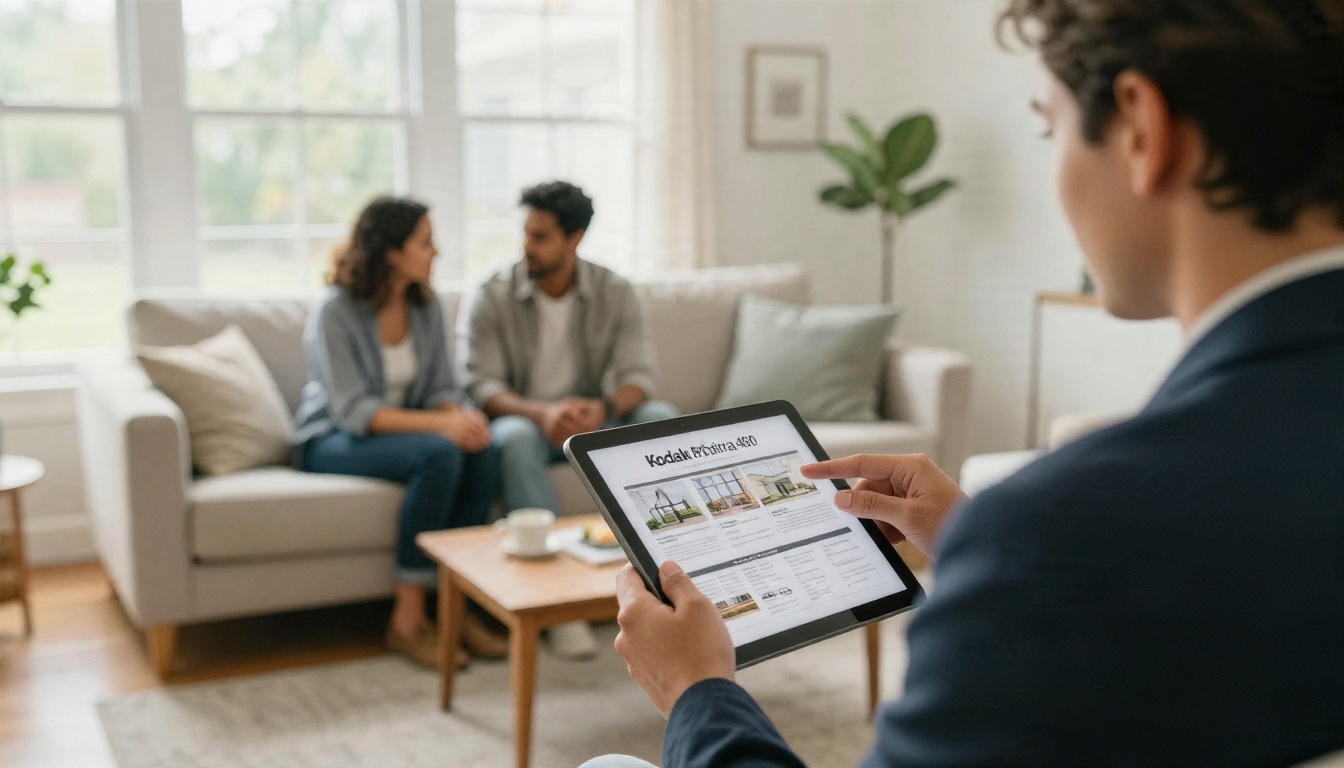
The simplest option. You get a short URL you can paste into WhatsApp, email, a social bio, or a QR code on printed packaging. No account is needed to view. This works for most situations.
Embed Code
Paste a snippet of HTML into your website and the flipbook appears inline on the page, with no redirect. It works on WordPress, Wix, Squarespace, Webflow, and any custom site. The Embed Flipbook on Website tool walks through the exact steps.
✅ Best practice: Set the embed width to 100 percent and the height to at least 600 pixels so the book does not feel cramped.
Password Protection
For private content, add a password. Typical uses are pricing sheets for distributors, investor updates, internal training material, and client proposals. Share the link and the password in separate messages for better security.
Offline Downloads
Some readers want a copy for a flight or a site visit. You can allow a download of the original PDF, or disable it if you want the content to stay inside the viewer.
Sharing Methods Compared
| Method | Setup time | Best for | Privacy |
|---|
| Direct link | Instant | Email, chat, social posts | Anyone with the link |
| QR code | 1 minute | Print, packaging, events | Anyone who scans |
| Embed code | 5 minutes | Websites, landing pages | Same as page |
| Password protected | 2 minutes | Private or paid content | Restricted |
| Offline download | Instant | Travel, field work | Depends on your setting |
Real-World Use Cases
Features sound abstract until you see them in a job. Here are four situations where the effect pays off.
Restaurants and Cafes
A restaurant can upload a seasonal menu, add a QR code to each table, and update the same link when dishes change. No reprinting, no outdated paper. The Restaurant Menu Creator fits this exactly, and spas can use the Spa & Wellness Menu Creator in the same way.
Real Estate Agents
Agents benefit from sending a property brochure as a link rather than a 40 MB attachment that bounces. A buyer opens it on a phone in the car park and sees floor plans, photos, and the agent's contact details on the final page. The Real Estate Brochure Creator is built for this.

Fashion and Lookbooks
Visual brands live or die on presentation. A swimwear label, for instance, can publish a summer lookbook as a double page flipbook, with full-bleed photography and page sound on. The Interactive Lookbook Designer and Fashion Catalog Creator are built around that kind of layout.

Education and Training
Teachers can turn a handout into a flipbook, share one link with the class, and avoid emailing attachments. Trainers can protect a manual with a password. Try the Course Material Publisher or the Training Manual Flipbook.

Use Cases at a Glance
| Use case | Recommended layout | Sharing method | Useful extra |
|---|
| Restaurant menu | Single page | QR code | Video of signature dish |
| Property brochure | Double page | Direct link | Embedded virtual tour |
| Fashion lookbook | Double page | Embed on site | Page sound on |
| Course handout | Single page | Password link | Audio notes |
| Annual report | Double page | Link plus download | Analytics |
Paid Features Worth the Money
Free is fine for a first test. Once the flipbook is part of how you earn money or run an organization, a few paid features start to matter.
- Unlimited flipbooks. Available from the Standard plan and above, which suits anyone publishing more than a couple of documents.
- Custom branding. Your logo and colors, with no third-party name in the viewer.
- Analytics. The Professional plan shows which pages people read, how long they stay, and where they leave. If page 12 is where everyone quits, shorten it.
- Lead generation. Put a form in front of the flipbook so you collect an email address before someone reads your catalog.
- Offline downloads. Control whether readers can keep a copy.
💡 Analytics changes how you write the next edition. A restaurant owner who sees that nobody reaches the dessert page will move desserts forward.
You can compare each tier on the pricing page before you commit.
Start Your First Flipbook Today
A static PDF asks readers to put up with it. A page turning flipbook invites them in. The effect takes five minutes to set up, the sharing options cover every situation from a QR code on a menu to a password-protected investor report, and nothing stops you from testing it on a document you already have.
Here is the quickest path:
- Pick a PDF you already send out regularly.
- Create your free account on Flipbooks AI and upload it.
- Choose a page effect, add your logo, and publish.
- Send the link to one person and ask what they noticed first.
Want something more specific? Browse all flipbook tools to find a template for your industry, or compare pricing plans when you are ready for analytics and unlimited publishing.



