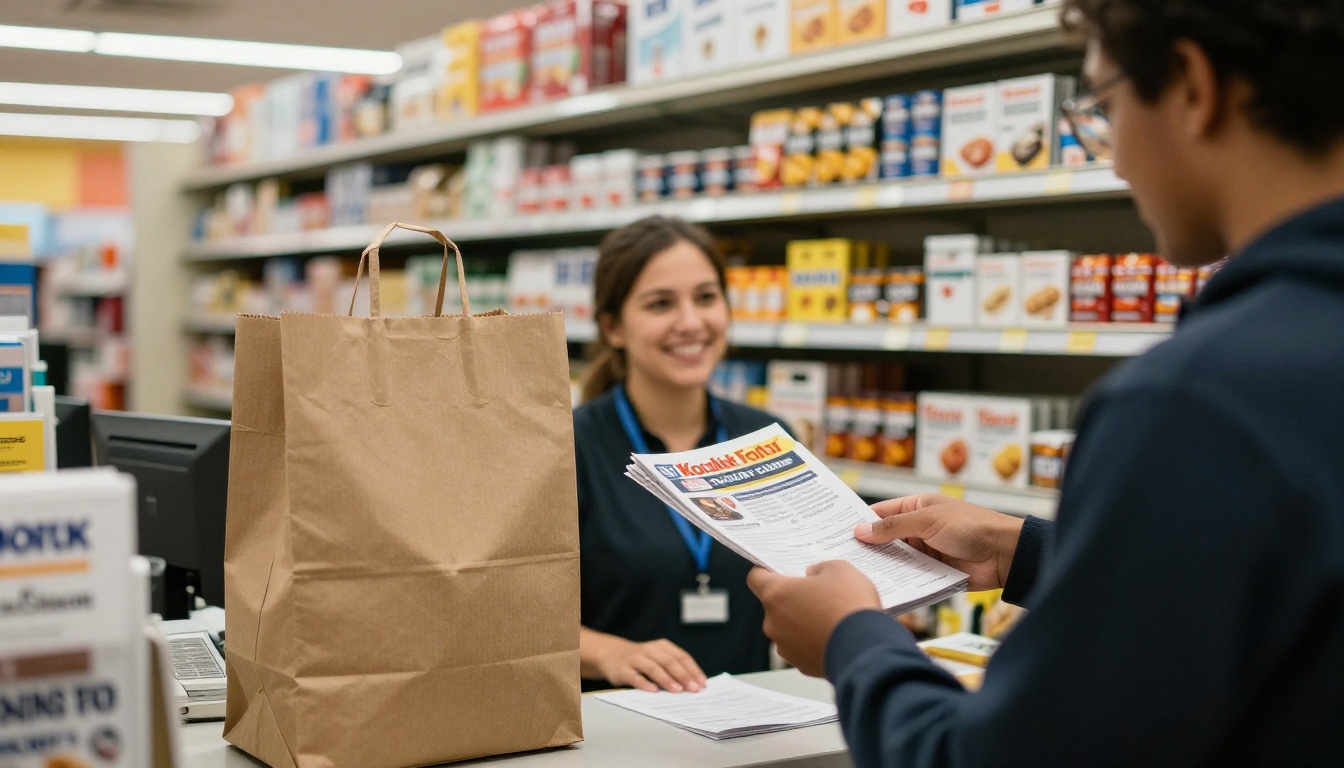
A brand that publishes its own magazine stops asking for attention and starts earning it. Airlines hand one to every passenger, supermarkets stack them by the entrance, and retailers tuck them into shopping bags. Each of these customer magazine examples works for the same reason: people read them voluntarily, and they spend that time with the brand. If you want to publish something similar without a print budget, a tool like Flipbooks AI turns a PDF into a page-turning digital edition in minutes.
This article walks through the best-known customer magazine examples in three sectors, breaks down what makes them work, and then shows how a smaller brand can copy the formula.
What a Customer Magazine Is
A customer magazine, also called a custom publication or brand magazine, is an editorial product published by a company for its customers rather than for the open newsstand. It looks like a normal magazine, with features, photography, recipes or travel stories, but its job is to build a relationship.
How It Differs From a Catalog
A catalog sells. A customer magazine earns trust first, and the sale follows. Product mentions exist, but they sit inside stories, interviews and practical advice. If you want the sales side, a Catalog Flipbook Creator is the better fit.
Why Brands Keep Publishing Them
Three reasons come up again and again:
- Time with the brand. A reader spends 10 to 30 minutes with a magazine, far longer than with any ad.
- Owned audience. Subscribers, loyalty members and passengers are reached without paying for each impression.
- Brand personality. Tone, photography and taste become visible in a way a product page never allows.
Airline Magazine Examples
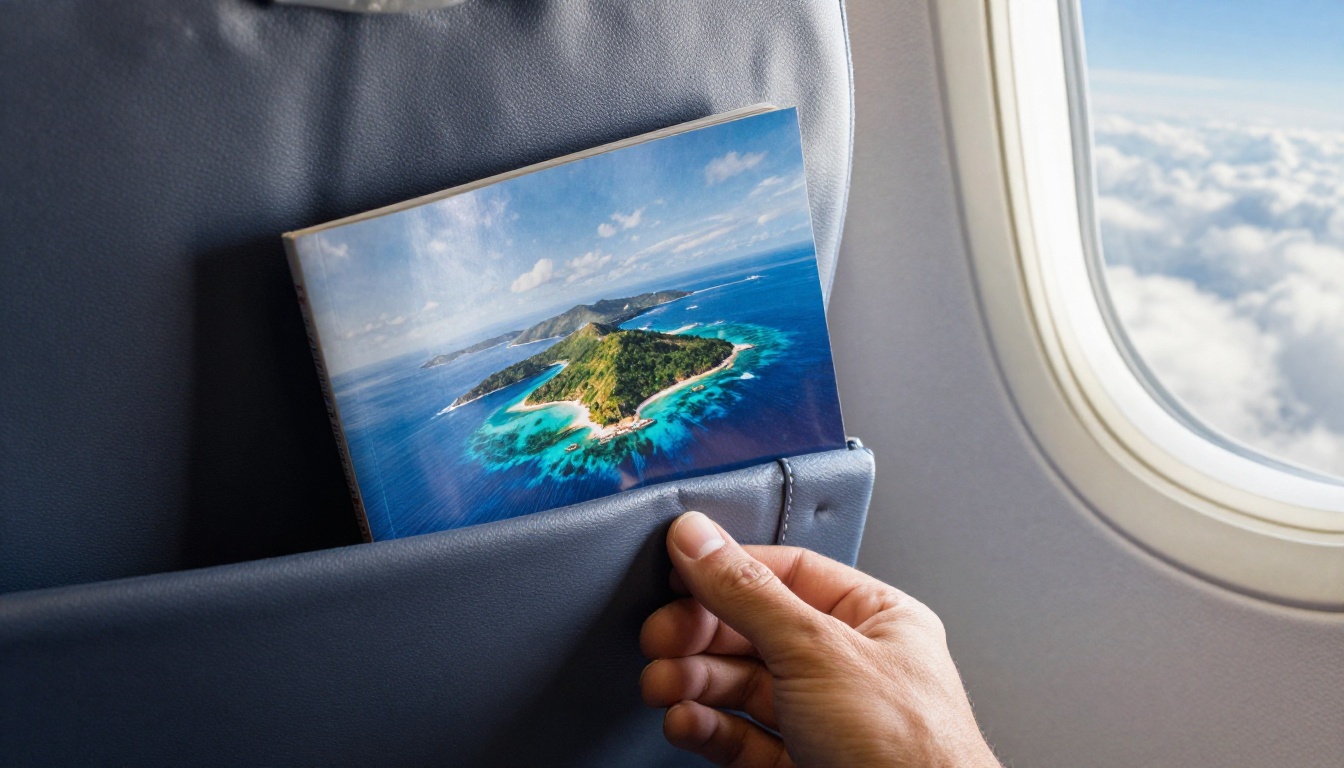
Airlines have the ideal setting: a captive reader, hours of quiet, and an audience that is already thinking about places to go. Inflight magazines are among the longest-running customer magazine examples anywhere.
Delta Sky and Similar Titles
Delta's Sky magazine mixes destination features, interviews with well-known names, and city guides for frequent flyers. The reader is a business traveler, so the tone is polished and the photography is large and confident. Advertising from outside brands pays for much of it, which shows the format can fund itself.
British Airways High Life
High Life has run for decades and leans on long travel essays, food writing and cultural features. It is written for people who treat travel as a pleasure, not a chore. The airline barely appears in the stories, yet the magazine makes the whole journey feel more considered.
Qantas and Emirates
Qantas publishes The Australian Way, which celebrates Australian places and people, while Emirates has long offered Open Skies, built around world destinations and entertainment. Both prove that a magazine can express national identity as much as a corporate one.
What Airlines Do Well
| Tactic | Example in practice | Why it works |
|---|
| Captive reading time | Seat-pocket copy on every flight | Zero competition for attention |
| Destination storytelling | City guides and island features | Plants the next trip in the reader's mind |
| Premium photography | Full-bleed landscape spreads | Signals quality before a word is read |
| Loyalty tie-ins | Miles offers and lounge features | Connects reading to a reward |
| Third-party advertising | Watch, hotel and luxury ads | Covers production costs |
💡 Pro tip: Most airlines now publish a digital edition too, because passengers want it on a phone or tablet. A flipbook version keeps the page-turn feel without a heavy app.
Supermarket Magazine Examples
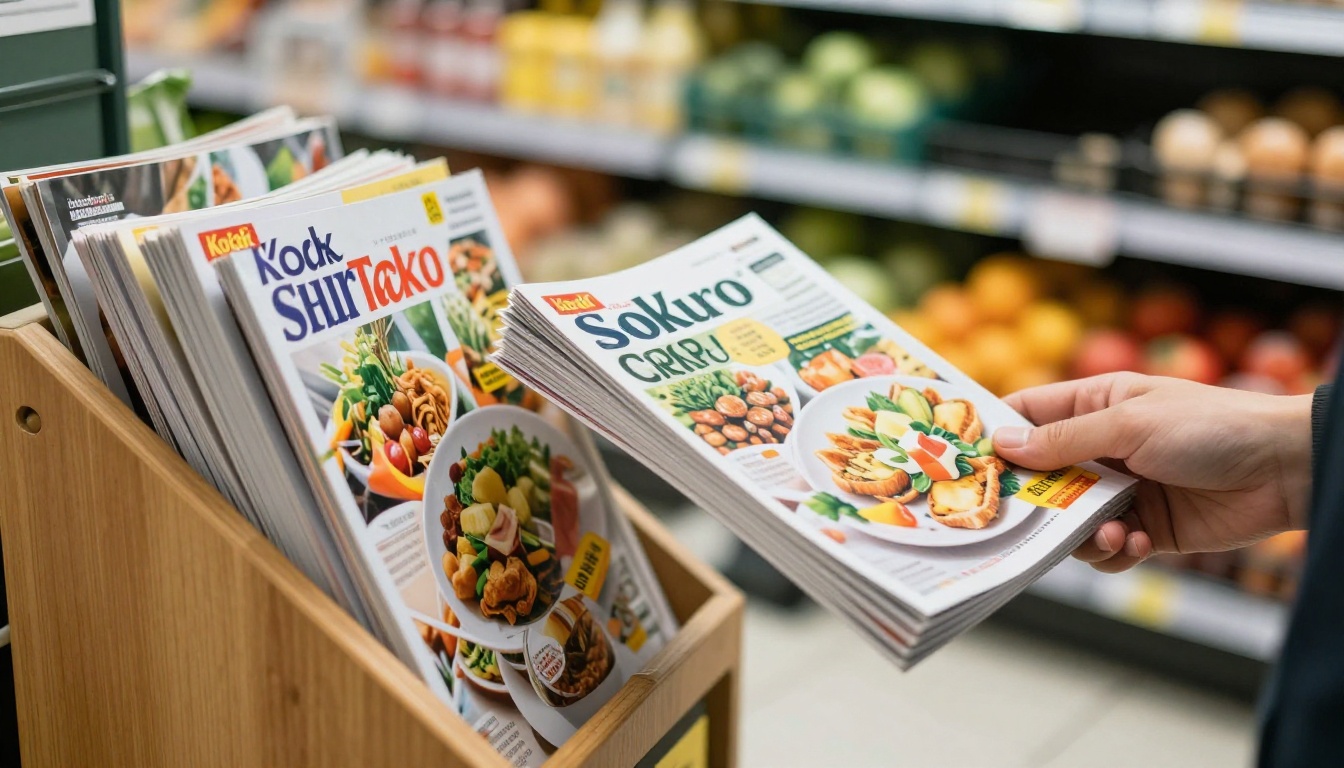
Supermarkets face a different challenge. Shoppers visit often but quickly. A magazine slows them down, gives them a reason to plan meals, and keeps the weekly shop inside the same store.
Tesco, Sainsbury's and Waitrose
In the UK, the grocery chains publish some of the most visible customer magazines. Tesco Magazine and Sainsbury's Magazine are built around recipes, seasonal menus and money-saving ideas, while Waitrose Food leans toward chefs, ingredients and a more aspirational tone. The shelves are the product, and the recipes tell people what to put in the basket.
Whole Foods and Costco
Whole Foods has published Dark Rye, a food culture magazine with a distinctly editorial feel, and Costco's Connection reaches members with product stories, tips and member profiles. Both treat the reader as a community member, not just a buyer.
The Recipe Loop
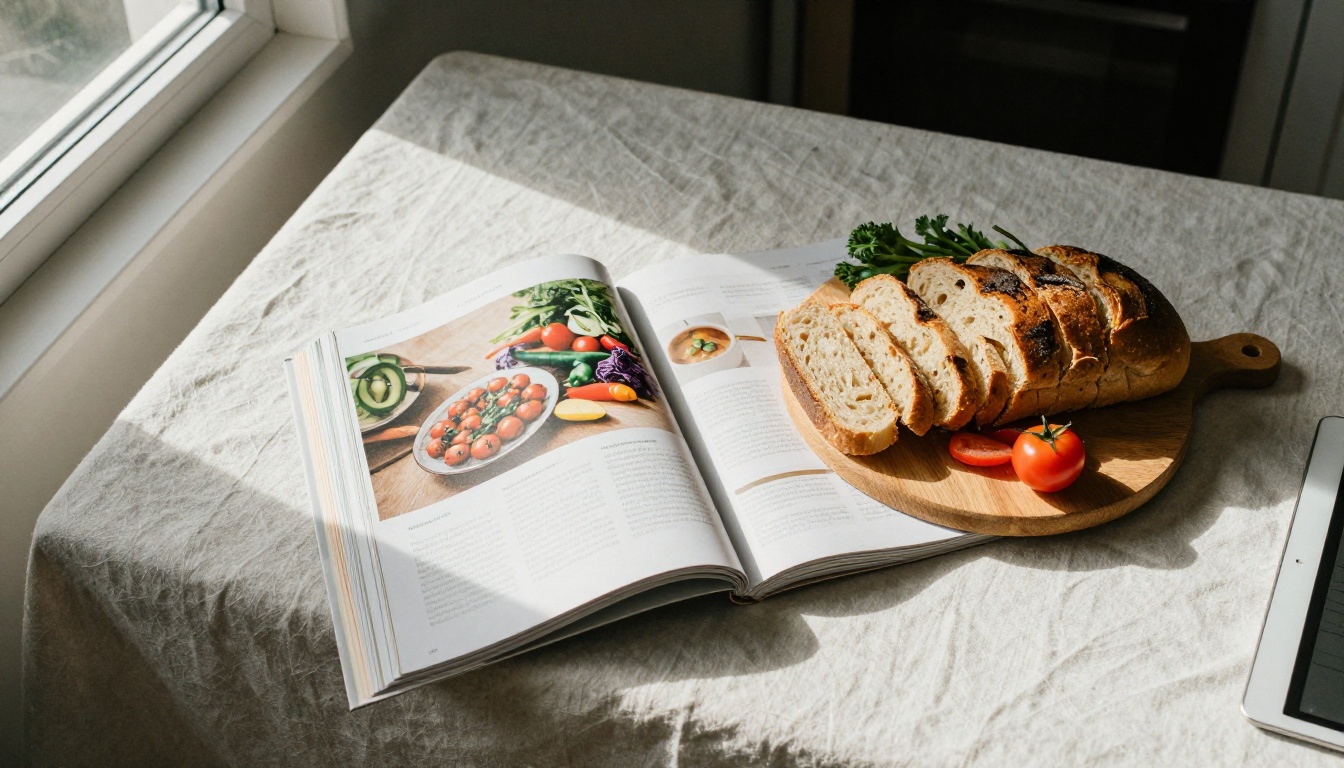
The core mechanic is simple. A recipe appears in the magazine, the ingredients sit in the aisles, and the offer sits on the page. That loop is measurable: brands can see which recipes lift sales of specific items.
Supermarket Magazine Formats Compared
| Format | Typical reader | Main content | Revenue model |
|---|
| Free in-store copy | Weekly shopper | Recipes and offers | Supplier advertising |
| Paid subscription | Food enthusiast | Chef features, long reads | Subscription plus ads |
| Member mailing | Loyalty cardholder | Personalised deals and stories | Funded by the brand |
| Digital edition | Mobile-first shopper | Interactive recipes, video | Brand budget, lead data |
✅ Best practice: Put the shopping list near each recipe. Readers who can act in one step are far more likely to buy.
Retail Brand Magazine Examples
Retailers use customer magazines to sell a lifestyle. The magazine becomes the place where taste, values and products meet.
IKEA Family Live
IKEA publishes a magazine for its loyalty members that mixes real home stories with product ideas. Rooms are shown as people actually live in them, which makes the products look attainable instead of staged.
Net-a-Porter's Porter
Porter shows how a fashion retailer can publish something that stands next to traditional titles. It has covers, interviews and editorials of its own, and the shopping link sits quietly in the corner. The magazine is the brand.
Patagonia's Storytelling Catalog
Patagonia has long used long-form stories about the outdoors and environmental work in its seasonal publications. Products appear, but the values come first. That choice attracts buyers who share them.

What Retailers Gain
- Higher loyalty. Members who read the magazine tend to return more often.
- Pricing power. Editorial context supports premium positioning.
- Content for every channel. One issue supplies social posts, email and in-store signs.
Patterns Across Every Example
Look across the three sectors and the same habits repeat. These are worth copying whatever your size.
Editorial First, Sales Second
The strongest titles put reader interest ahead of promotion. A recipe, a city guide or a home tour comes first. The offer comes second.
A Clear Reader
Every title above is written for one defined person: the frequent flyer, the weekly cook, the design-minded homeowner. Vague magazines get ignored.
Photography as the Hook
People scan a spread before they read it. Large, honest, well-lit images do most of the work in the first second.

A Repeating Rhythm
Regular sections, a recognisable cover style and a steady schedule build habit. Readers should know what they will find on page three before they open it.
Measuring What a Magazine Earns
A print magazine is hard to measure. Digital editions change that, which is one of the strongest reasons to publish both.
Metrics Worth Tracking
| Metric | What it tells you | Where to get it |
|---|
| Opens and unique readers | Reach of each issue | Flipbook analytics |
| Time per page | Which stories hold attention | Flipbook analytics |
| Link clicks | Which offers interest readers | Embedded links |
| Lead captures | Interest from new contacts | Lead forms (Professional plan) |
| Sales per issue | Revenue influenced | Promo codes, loyalty data |
Setting Realistic Goals
A small business does not need airline reach. A few hundred engaged readers who buy twice a year can be worth more than ten thousand casual page views. Pick one goal per issue, such as newsletter sign-ups or a product launch, and judge the magazine against it.

How to Build Your Own Digital Edition
You do not need a publishing house. If you can export a PDF from your design software, you can publish. The Magazine Flipbook Creator is built for this, and the E-Magazine Publishing Tool suits brands that want regular issues.
Step 1: Plan the Issue
- Choose one theme, such as a seasonal recipe set or a destination feature.
- List 6 to 10 pieces: one big feature, a few short items, one practical list.
- Decide on a single call to action for the issue.
Step 2: Design and Export
Lay out the pages in your preferred design software and export a high-resolution PDF. Keep text sizes readable on a phone, since many readers will open the edition there.
Step 3: Upload to Flipbooks AI
- Create a free account at Flipbooks AI.
- Upload your PDF with the PDF to Flipbook Converter.
- Wait a moment while the pages convert into a page-turning flipbook.
Step 4: Customise the Look
Add your logo, brand colors and page effects so the edition feels like yours. You can embed video and audio, for example a short chef clip beside a recipe or a podcast clip beside an interview. There are no watermarks, so the magazine stays fully on-brand.
Step 5: Share and Track
- Copy a direct link for email and social posts.
- Use the embed code to place the magazine on your website.
- Turn on password protection for members-only issues.
- Allow offline downloads for readers who travel.
Analytics and lead generation are part of the Professional plan, so check pricing to see which tier fits your volume.
⚠️ Warning: Do not publish a PDF with tiny type or low-resolution photos. Digital readers zoom in, and blurry images undermine the premium feel every example above depends on.

Not every business needs a thick glossy. Match the format to your capacity.
A Practical Example
A boutique hotel can publish a 24-page issue each spring with local restaurant picks, a guest interview and a room offer. Guests receive it by email before arrival and read it on the way. The same file sits on the hotel's website year-round.
Another Practical Example
A neighborhood grocer can issue a monthly eight-page recipe booklet. Each recipe lists what is in stock, and the shop counter shows a QR code to the live edition.
Mistakes That Sink Customer Magazines
Even large brands get these wrong.
- Too much selling. If every page is an offer, readers stop reading.
- No point of view. A magazine that sounds like everyone else is forgotten.
- Irregular timing. A late or missing issue breaks the habit.
- Poor mobile reading. If it is hard to read on a phone, much of your audience leaves.
- No tracking. Without data, you cannot decide what to publish next.
How to Avoid Them
Write a one-sentence promise for the magazine, such as "Seasonal recipes under 30 minutes," and check each article against it. Publish on a fixed date. Test every issue on a phone before sending.
Start Your Own Magazine Today
The airlines, supermarkets and retailers above all follow one idea: give people something worth reading, and they give the brand their time. You can do the same on a smaller scale, with a PDF and a clear theme.
Ready to publish your first issue? Get started for free on Flipbooks AI, browse all flipbook tools to find the right template, or compare pricing plans to pick what works for you.