Most marketers pick a side. Email people point to a near-zero cost per send, and print people point to a mailbox that is far less crowded than an inbox. The numbers say both camps are leaving money on the table. Brands that pair a physical piece with a well-timed email, and send both readers to a shared digital destination like a flipbook from Flipbooks AI, tend to see stronger response than either channel produces alone. Here is what the statistics suggest, why it happens, and how to run a mixed campaign without a giant budget.
💡 A note on numbers: Response rates vary a lot by industry, list quality and offer. The figures below are typical ranges reported in industry surveys and trade bodies, so treat them as planning benchmarks and replace them with your own results after the first test.
The Numbers Behind Mixed Campaigns
Start with the two channels separately, because the combined effect only makes sense once you see their different strengths.
| Metric | Email (typical range) | Direct mail (typical range) |
|---|
| Cost per contact | Fractions of a cent | Roughly $0.50 to $3.00 with postage |
| Average open or view rate | 20% to 40% opened | Close to 90%+ of pieces are looked at |
| Response rate to house lists | Around 0.1% to 1% click-to-purchase | Often 4% to 9% response |
| Shelf life | Seconds to hours | Days to weeks on a counter or desk |
| Speed to launch | Same day | One to three weeks |
| Tracking | Built in | Needs codes, QR links or landing pages |
Email wins on cost, speed and tracking. Direct mail wins on attention, memory and shelf life. A mixed campaign borrows the strengths of each and covers the weakness of the other. That is the entire argument, and it holds up in most tests.
Why Print Still Gets Noticed
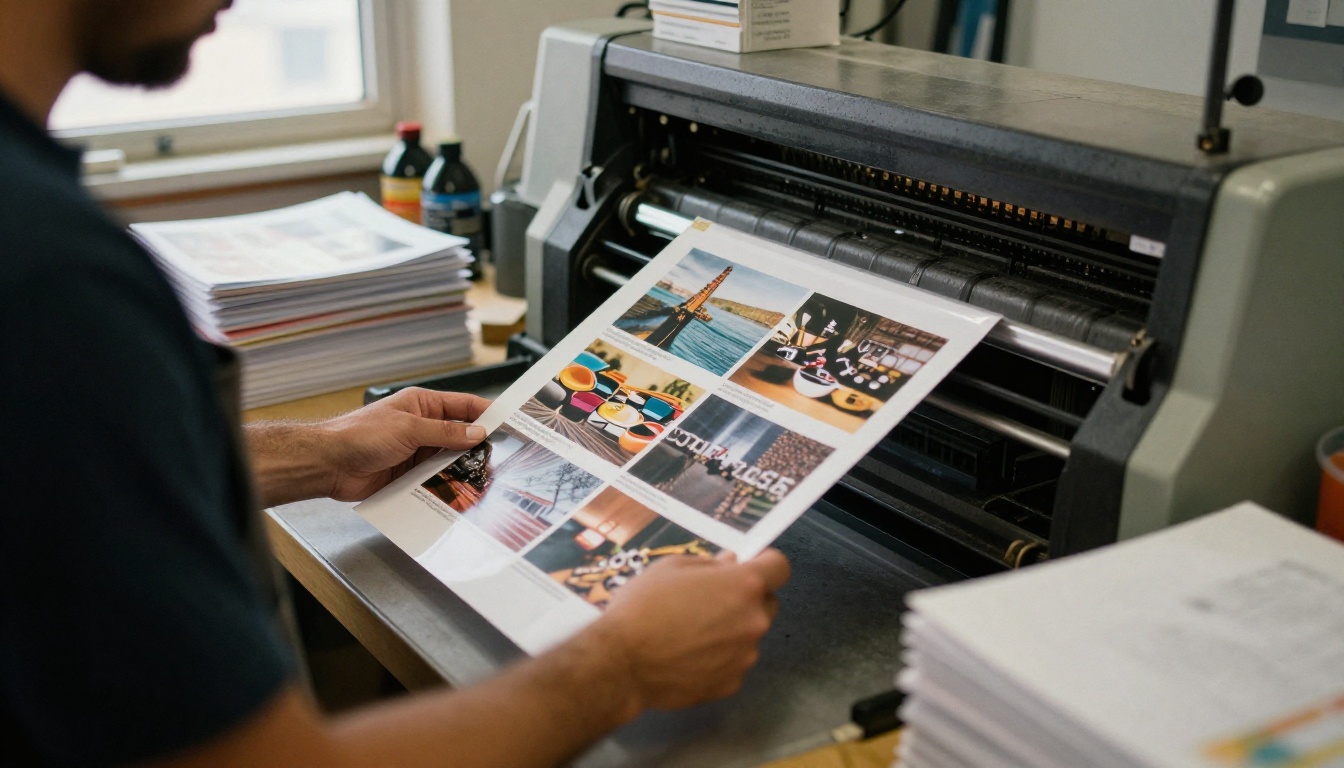
The average person deletes dozens of emails a day without opening them. A catalog or postcard lands in the hand. Someone has to physically decide what to do with it, and even throwing it away means looking at it first. Print also feels more trustworthy to many buyers because it costs money to send.
Why Email Still Matters
Email is where people act. Nobody types a long URL from a postcard, but they will click a link in a message that arrives two days later. Email is also the cheapest way to remind, segment and follow up.
The Multiplier Effect
Marketing studies on multichannel sequences often report that customers who see a brand on two channels convert noticeably more often than those who see it on one. Many direct mail vendors cite lifts in the range of 25% to 35% in response when email is layered on top of a mailed piece. Your lift may be smaller or larger, but the direction is consistent: repetition across channels builds recognition faster.
Why Mixed Campaigns Sell More
Statistics are useful, but the reasons behind them let you build better campaigns.
Repetition Builds Recall
A buyer who sees a catalog on Tuesday and an email on Thursday does not experience two ads. They experience one brand showing up twice, which feels familiar. Familiarity lowers the effort needed to say yes.
Each Channel Fixes the Other's Gap
Print has no click, so it relies on the reader to take the next step. Email has no weight, so it relies on a subject line to earn attention. When the postcard sets the context and the email delivers the link, both gaps close at once.
Different People, Different Habits
Some customers live in their inbox. Others rarely open promotional mail but read everything that arrives at their door. A single channel misses one group. Two channels reach both.
✅ Best practice: Always send the physical piece first or at the same time as the first email. Email that arrives before the mailer has nothing to build on.
Here is how the three main approaches stack up for a typical small or mid-size business.

| Approach | Typical budget | Setup time | Best for | Main risk |
|---|
| Email only | Very low | Hours | Newsletters, flash sales, existing customers | Ignored or filtered |
| Direct mail only | Medium to high | 1 to 3 weeks | Premium offers, local audiences, catalogs | Hard to measure, slow |
| Mixed (mail + email) | Medium | 1 to 3 weeks | Launches, high-ticket sales, reactivation | Needs coordination |
The mixed model costs more than email alone, but you can control spend by mailing only your best segment and emailing everyone else. A common split is to mail the top 20% of customers by value and email the full list.
How to Plan a Mixed Campaign
A good plan is simple. Complexity is the enemy of consistent timing.
Step 1: Pick One Goal
Decide whether you want a first purchase, a repeat purchase, a booked call or a reactivated account. Every piece in the campaign should push toward that single action.
Step 2: Segment the List
Split customers into groups that deserve different treatment:
- High-value buyers: Mail a premium piece, then email.
- Recent buyers: Email only, with a mailed thank-you if budget allows.
- Lapsed customers: Mail a win-back piece with a clear offer, then follow with two emails.
- New leads: Email first, mail only if they open or click.
Step 3: Build One Shared Destination
This is where most campaigns fall apart. The postcard says one thing, the email says another and the landing page says a third. Fix it by creating a single digital piece that both channels point to. A flipbook is ideal because it looks like the printed catalog the customer is holding, works on any phone and does not need a developer.
Step 4: Set the Timing
A reliable rhythm looks like this:
- Day 0: Mail drops. Nothing else is sent yet.
- Day 3 to 5: First email arrives, referencing the mailer and linking to the flipbook.
- Day 8 to 10: Second email with a deadline or bonus for people who have not clicked.
- Day 14: Final short reminder to the non-responders.
⚠️ Warning: Mail delivery times vary. Seed your own address into the list so you know exactly when the piece lands before the first email goes out.
Step 5: Add Tracking to the Print
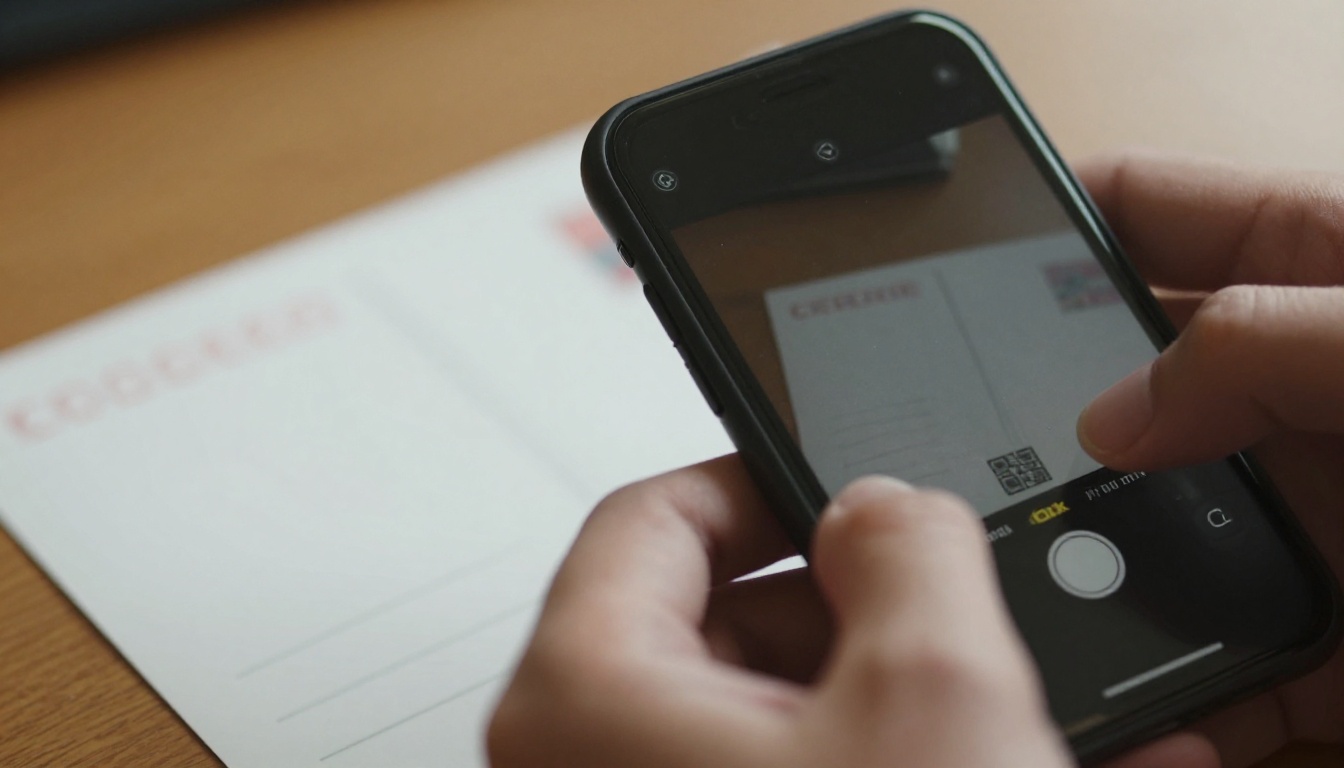
Use a unique QR code, a short vanity URL or a dedicated promo code on each mailer. Without one, you will never know whether the sale came from the card or the inbox.
Connecting Print to Digital With a Flipbook
The weak link in any mailer is the gap between "interesting" and "I can act on this right now." A scannable code that opens a page-turning digital version closes it in about five seconds.
Why a Flipbook Beats a Plain PDF Link
PDFs download slowly on mobile, cannot show a video and give you no data. A flipbook opens instantly, keeps the printed look and lets you embed video, links and audio. On the Professional plan you also get analytics, so you can see which pages were read and which readers came from the email versus the QR code.
How to Create the Companion Flipbook
Here is the quick process using the PDF to Flipbook Converter:
- Create an account. Sign up at Flipbooks AI, no watermarks on your finished flipbooks.
- Upload your PDF. Use the same file you sent to the printer so the digital and printed versions match page for page.
- Customize the look. Add your logo, brand colors and page-turn effect. Insert clickable product links and short videos on key pages.
- Set sharing options. Copy the direct link for emails, generate the QR code for the next print run, or use the embed option for your site. Add a password if the offer is for a private list.
- Turn on analytics and lead capture. Professional plan users can collect emails before the catalog opens and see exactly how readers behave.
If your piece is a catalog, the Digital Catalog Maker is built for that format. Real estate teams can use the Real Estate Brochure Creator to match a mailed listing flyer with an interactive version.
💡 Pro tip: Put the QR code on the front of the mailer, not the back. The people most likely to scan are the ones deciding in the first three seconds.
Where Mixed Campaigns Work Best
Not every business needs both channels. These situations show the strongest payoff.
Retail and Catalogs
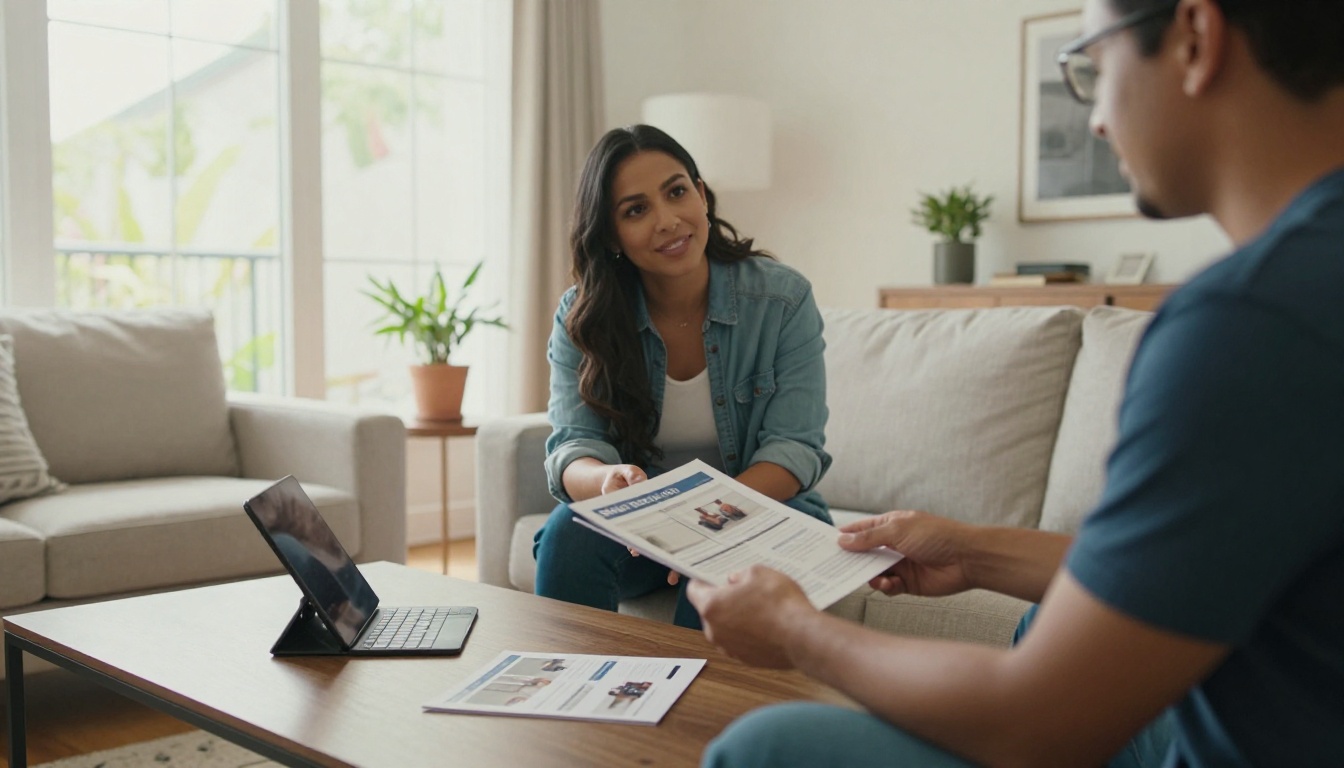
A boutique mails a seasonal lookbook to its top customers and emails the digital version to everyone else. Customers who received the print piece tend to have larger baskets because they browsed it at leisure, while email subscribers click straight to the items that interest them. The Fashion Catalog Creator works well here.
Real Estate
A postcard to a neighborhood announcing a new listing, followed by an email to leads with a virtual brochure and a booking link, keeps the property in mind across several touches. Agents who send only email compete with dozens of other listings in the same inbox.
Restaurants and Hospitality
A mailed menu insert for a seasonal tasting night plus an email with the digital menu and a reservation link works because the dinner decision is usually made at home. The Restaurant Menu Creator lets you produce both versions from one file.
B2B and High-Ticket Sales
Decision makers receive hundreds of emails but very little physical mail. A well-made brochure or sample kit gets a meeting that a cold email could not. Follow up with an email that links to the digital version and a calendar page.
| Industry | Mail piece | Email follow-up | Shared destination |
|---|
| Fashion retail | Seasonal lookbook | Shop-the-look link | Digital lookbook flipbook |
| Real estate | Listing postcard | Virtual brochure and booking | Property flipbook |
| Restaurants | Menu insert | Reservation link | Digital menu flipbook |
| B2B services | Case-study brochure | Meeting request | Interactive brochure flipbook |
| Education | Program overview | Open day signup | Course material flipbook |
Common Mistakes to Avoid
Sending Email First
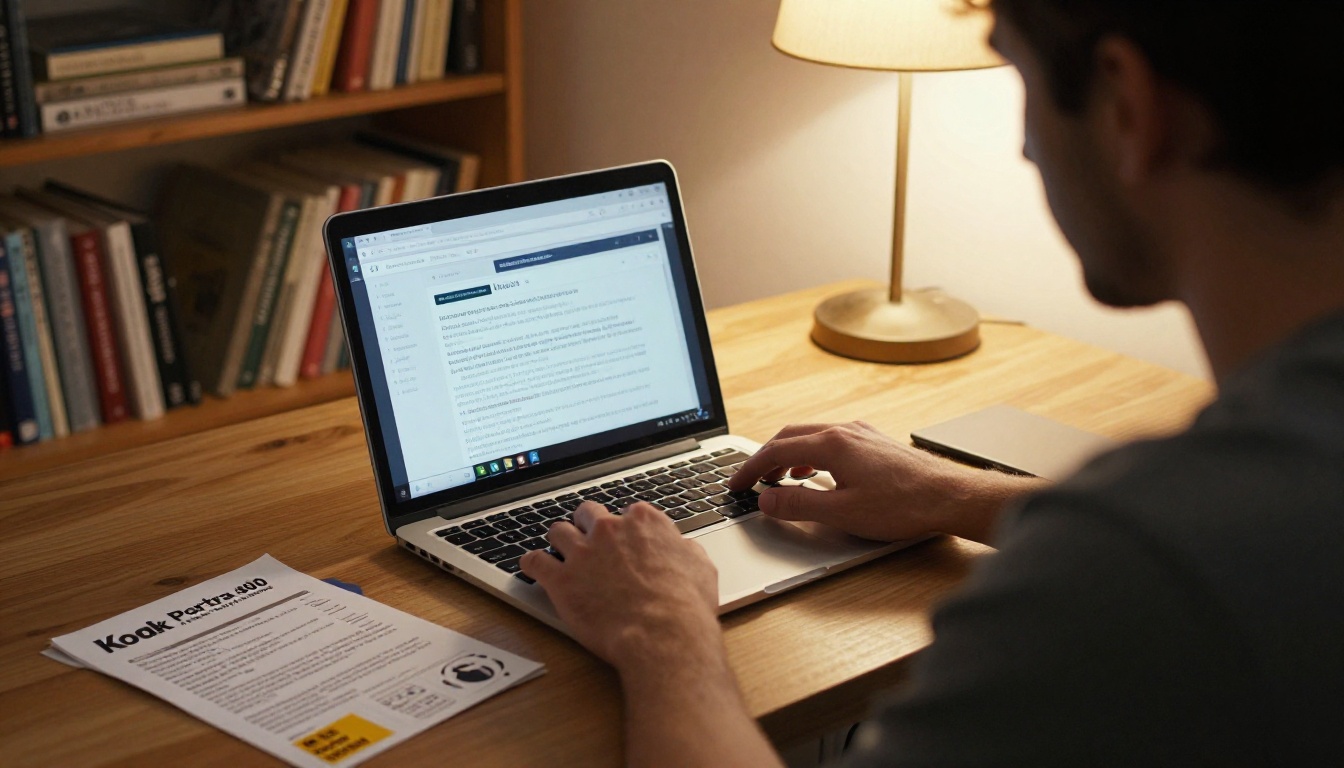
If the email arrives before the mailer, it reads like any other promotion. When it follows the mailer, it reads like a reminder of something the customer already holds.
Different Offers in Each Channel
When the postcard promises 15% off and the email says free shipping, customers get confused and a portion will wait for a better deal. Use one offer, one deadline, one code.
Mailing Everyone
Postage adds up fast. Mail the segments with the highest expected return and let email carry the rest.
Ignoring Mobile
Most email opens happen on a phone. If your link opens a heavy PDF that takes ten seconds to load, the extra channel was wasted. Flipbooks are mobile-responsive and load in moments.
Skipping the Test
Run a small holdout group that receives email only. The difference between that group and your mixed group is the only honest measure of lift.
Measuring Results Properly
You cannot improve what you cannot see. Track at least these numbers for every mixed send.
| Metric | How to track it | What a good result looks like |
|---|
| QR scans | Unique code per mailer | Steady scans in the first week |
| Email click-through | Email platform | Higher than your email-only average |
| Flipbook views and pages read | Flipbook analytics | Readers reach the offer page |
| Promo code redemptions | Checkout report | Matches the mailed segment |
| Revenue per recipient | Total revenue divided by contacts | Higher than the email-only holdout |
Compare Cost per Order, Not Cost per Send
Mail looks expensive per piece. But if a $2 mailer produces an order worth $90 at a 5% response rate, the cost per order is $40, with a healthy margin on a typical consumer product. Email at a 0.2% purchase rate may cost almost nothing per send but yield a much smaller total. Look at the total return, not the unit price.
Give Each Test Time
Mail campaigns reply slowly. Wait at least three to four weeks before judging, because some customers respond when they next clear their counter or open that stack of mail.
A Simple Example Budget
Imagine a store with 10,000 customers and a seasonal catalog.
| Line item | Email only | Mixed campaign |
|---|
| Printing and postage (2,000 top customers) | $0 | About $3,000 |
| Email platform | $100 | $100 |
| Flipbook hosting | Plan fee | Plan fee |
| Total spend | About $100 | About $3,100 |
| Hypothetical response | 0.5% (50 orders) | 0.5% on 8,000 emailed plus 5% on 2,000 mailed (about 140 orders) |
These are hypothetical numbers, but they show the logic: you pay more for a smaller, more valuable group and let cheap email handle the broad list. Plug in your own average order value and response rate to see whether the math works for you.

Ready to Run Your First Mixed Campaign?
You do not need a large budget or an agency. You need one offer, one shared destination, and two channels that show up in the right order. Start by turning your next printed piece into a digital companion.
Test it on your top 200 customers first, measure against an email-only holdout, and let the data decide how far to scale.



