You finished your document, turned it into a page-turning publication, and now a nagging question appears: does a digital flipbook need an ISBN? The short answer is no, not in most cases. If you share your work through a link, an embed on your website, or a private download, nobody will ask for a number. But there are situations where an ISBN matters a lot, and paying for one by mistake can waste money. With a platform like Flipbooks AI, you can publish first and decide about the ISBN later.
This article walks through what an ISBN really is, which publishing routes demand one, what it costs, and how to make a smart choice for your project. Along the way you will find tables, a step-by-step tutorial, and a few real-world scenarios.
What an ISBN Actually Does
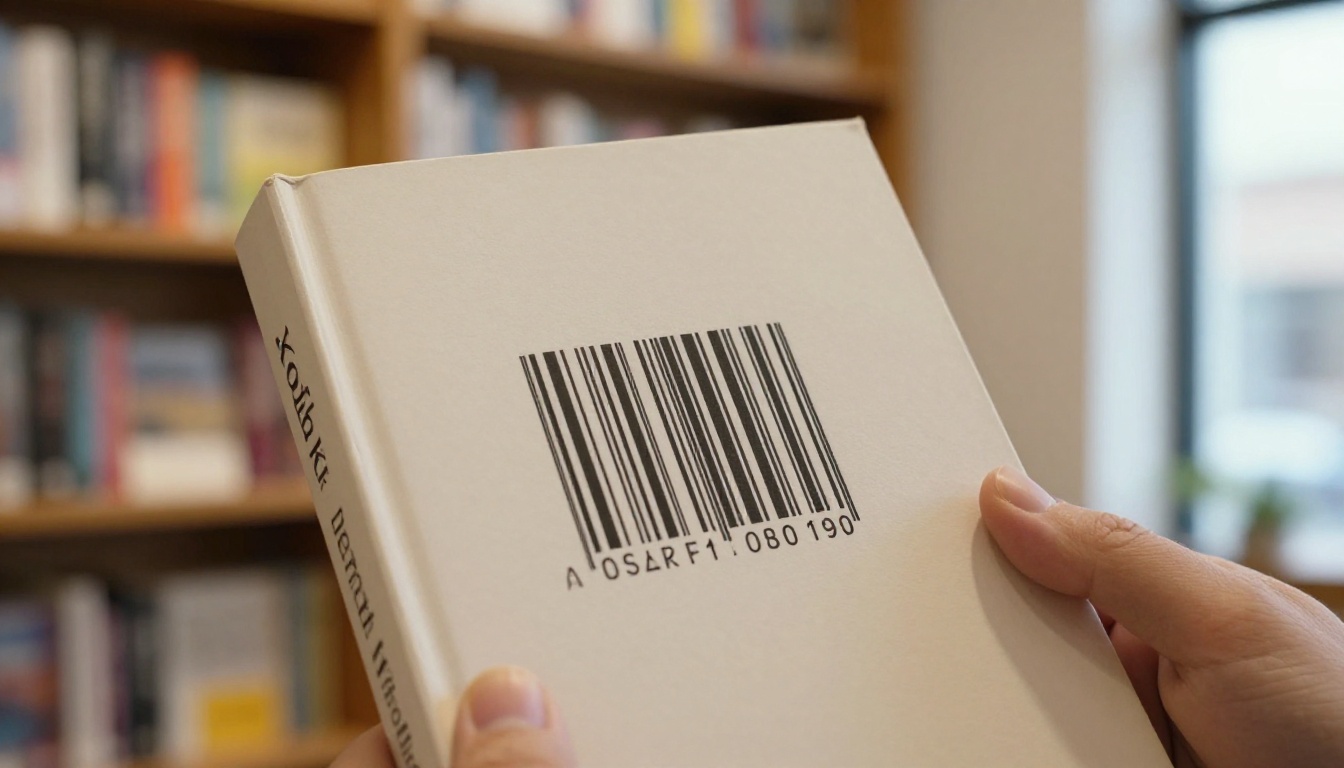
An International Standard Book Number is a 13-digit identifier assigned to one specific edition of a book in one specific format. Booksellers, distributors, libraries, and databases use it as a unique fingerprint so that everyone talks about the same product.
💡 An ISBN is a product identifier, not a legal document. It does not protect your writing, prove ownership, or make your work "official."
ISBN Is Not Copyright
Many first-time authors assume the number grants rights. It does not. Copyright exists the moment you create original work, and registration is handled by a separate government office. The ISBN only labels the product so it can be tracked in supply chains.
The Anatomy of the Number
The 13 digits break into parts: a prefix, a registration group (usually a country or language area), a registrant element (the publisher), a publication element (the title and format), and a check digit. You never have to calculate it yourself, since the agency or your platform supplies the finished number.
Why Retail Systems Need It
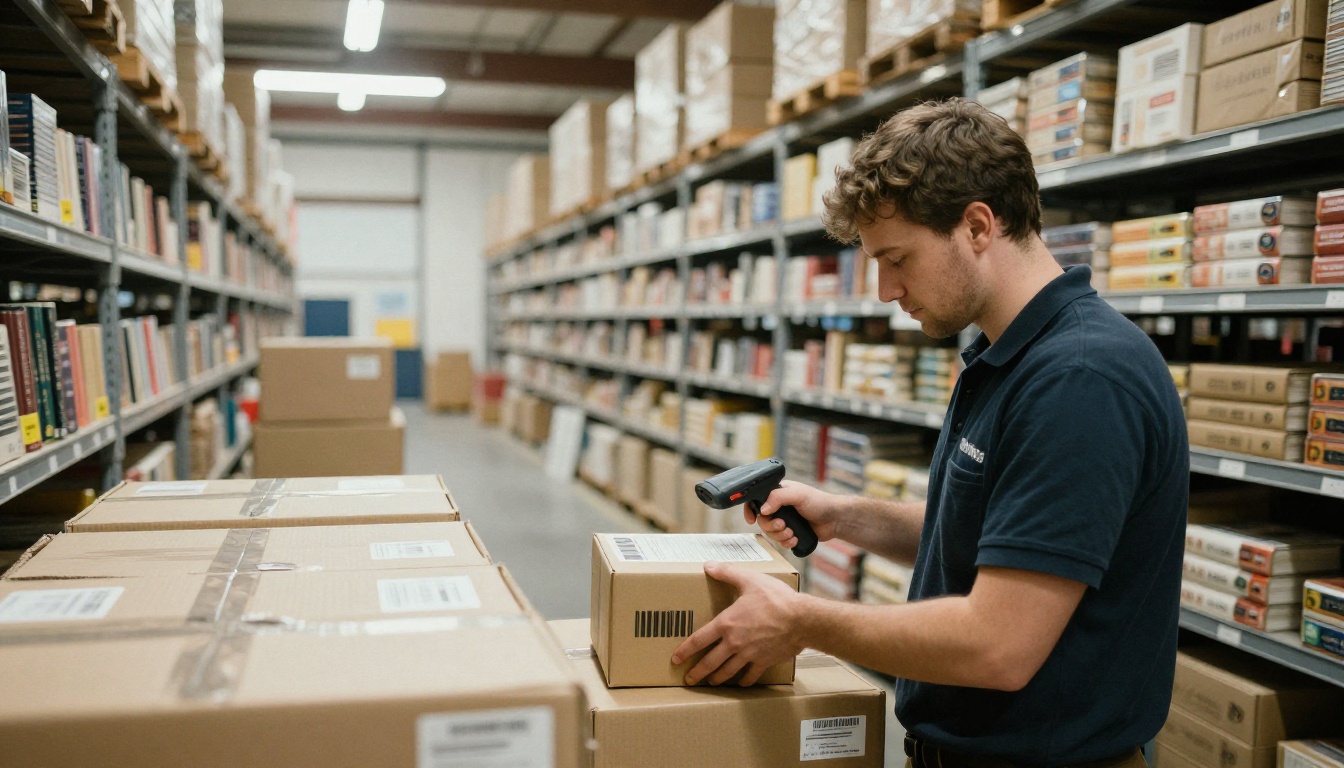
Warehouses, online stores, and point-of-sale scanners read the barcode, look up the ISBN, and know exactly which edition is being sold. Without it, a physical book cannot move through those systems. A flipbook opened in a browser never touches those systems at all.
When a Digital Flipbook Does Not Need One
If your flipbook lives on its own URL, nobody is checking a catalog. This covers the vast majority of flipbooks created today.
Private and Internal Use
Training manuals, sales decks, onboarding packets, and company reports are shared by link or embedded in an intranet. An ISBN would add cost and paperwork with zero benefit. A tool like the Training Manual Flipbook is built for exactly this kind of use.
Marketing Material
Catalogs, menus, brochures, lookbooks, and price lists are marketing assets rather than books for sale in stores. Think of a restaurant that uploads its menu through the Restaurant Menu Creator, or a boutique that builds a seasonal lookbook. Customers want to flip through pages, not search a library database.
Personal Projects
Family recipe collections, wedding albums, travel journals, and photo books for relatives are personal keepsakes. The Wedding Album Flipbook and Recipe Book Flipbook tools exist for this purpose, and an ISBN would be pure overhead.
Free Lead Magnets
A free flipbook offered in exchange for an email address is a marketing tool. Readers find it through your landing page, not through a bookstore search.
When You Should Get an ISBN
There are real cases where a number is worth having. The pattern is simple: if a third party needs to list, sell, or catalog your work, they will probably ask for it.
Selling Through Major Retailers
Several large ebook and print retailers accept titles without your own ISBN, offering their own internal identifiers or a free assigned number. Others, especially distributors that supply bookstores, require one you own. Rules vary by store and change over time, so check the current requirements of each channel before you upload.
Library and School Distribution
Libraries order and shelve books through catalogs built around the ISBN. If you want your title purchased by library systems or school districts, a number makes you discoverable.
Print Editions
Any paperback or hardcover sold through bookstores needs a barcode that encodes an ISBN. If you create a print edition from the same content as your flipbook, the print version gets its own number.
Building a Publisher Identity
Buying your own ISBNs under your own imprint name means you appear as the publisher of record. Authors who plan to release many titles often prefer this over using a free number from a retailer, which lists that retailer as the publisher.
ISBN Decision Table
Use this quick comparison to match your situation with a recommendation.
| Your Situation | ISBN Needed? | Reason |
|---|
| Company training manual shared by link | No | Internal use, no catalog |
| Restaurant menu on your website | No | Marketing asset |
| Digital product catalog for buyers | No | Distributed directly |
| Free lead magnet ebook | No | Delivered through your landing page |
| Family photo or recipe book | No | Personal keepsake |
| Ebook sold on a major retail store | Sometimes | Depends on store rules |
| Paperback sold in bookstores | Yes | Barcode and distribution |
| Title sold to libraries and schools | Yes | Catalog ordering |
| Multi-book series under your own imprint | Recommended | Publisher identity |
⚠️ Rules differ between countries and retailers. Always verify with your national ISBN agency and the store you plan to use.
What an ISBN Costs
Pricing depends heavily on where you live. In some countries, national agencies assign numbers for free to local publishers. In others, a private agency is the only source and charges per number, with discounts for buying in bulk.
As a rough picture, a single number can cost over a hundred dollars in a few markets, while blocks of ten or a hundred bring the price per number down sharply. Treat any figure as a ballpark and check the official agency for current pricing.
The Hidden Multiplier
Each format needs its own number. A PDF, an EPUB, a paperback, and a hardcover are four separate products, which means four separate ISBNs. Authors who publish in several formats can spend far more than expected.
Free Numbers From Retailers
Some self-publishing platforms hand out a free number for print editions. The tradeoff is that the platform is listed as the publisher, and the number usually cannot be reused elsewhere. That is fine for a one-off project, but it limits your control.
| Option | Cost | Publisher Listed | Reusable Elsewhere |
|---|
| No ISBN | Free | None | Not applicable |
| Free retailer ISBN | Free | The retailer | Usually no |
| Agency ISBN, single | Paid | You | Yes |
| Agency ISBN, bulk block | Paid, lower per number | You | Yes |
Other Identifiers Worth Knowing
An ISBN is not the only label in publishing. Depending on your content, a different one might fit better.
ISSN for Serials
If you publish a recurring title such as a magazine or newsletter, the ISSN (International Standard Serial Number) identifies the series as a whole instead of a single issue. Projects built with the Magazine Flipbook Creator or the Newsletter Flipbook Publisher may qualify, though plenty of newsletters run happily without one.
DOI for Research
Academic reports and white papers often receive a Digital Object Identifier, which gives a permanent link to the document. If your flipbook is a research report, a DOI can be more useful than an ISBN.
Platform Identifiers
Large retailers create their own internal codes for every listing. These cost nothing and work only inside that store, which is why you can often sell an ebook there without owning an ISBN.
How to Publish Without an ISBN
Skipping the number does not mean skipping professionalism. Here is a practical workflow using Flipbooks AI.
Step 1: Prepare Your PDF
Finish your layout in whatever design tool you prefer. Check that fonts are embedded, images are sharp, and the page order is correct. Export to PDF.
Step 2: Upload and Convert
Create an account at Flipbooks AI and upload your file. The PDF to Flipbook Converter turns each page into a realistic page-turning experience that works on phones, tablets, and desktops.
Step 3: Customize the Look
Add your branding, choose background colors, adjust page effects, and place videos or audio where they help the reader. Flipbooks stay free of watermarks, so the result looks like yours alone.
Step 4: Pick Your Sharing Method
- Direct link: paste it in emails, social posts, or messages.
- Embed code: place the flipbook on your site with the Embed Flipbook on Website tool.
- Password protection: restrict access to clients, students, or team members.
- Offline download: let readers keep a copy on their device.
Step 5: Track Results
Professional plan users can view analytics and collect leads from readers who open the flipbook. See the pricing plans to compare what each tier includes.
✅ Best practice: Put a clear title, author name, publication year, and contact email on the first page. Readers trust a flipbook that identifies its source, with or without an ISBN.
Real-World Scenarios
Abstract rules are easier to apply when you see them in action.
The Independent Author
Maria writes a short novel and wants it available on a retail platform and in print. She uses a free retailer number for the paperback, publishes the ebook under the platform identifier, and builds a flipbook sample with the Interactive E-Book Publisher as a preview on her website. The preview needs no ISBN at all.
The Teacher
A teacher builds weekly reading packs for a classroom. Students open them on tablets through a shared link. Using the Course Material Publisher, the whole process takes an afternoon, and no number is involved.
The Photographer
A wedding photographer wants a polished portfolio to send to prospects. The Photography Portfolio tool produces an elegant flipbook that clients flip through on any device. A catalog number would not make a single client book faster.
The Small Publisher
A small press releases four titles a year in ebook and print. This is where buying a block of ISBNs under its own imprint pays off, because it keeps control of metadata and sells through bookstores and library suppliers. The press can still use flipbooks for free chapter previews and promotional catalogs.
Common Mistakes to Avoid
A few errors come up again and again.
Buying Too Early
Paying for numbers before you know where the title will be sold is the most frequent waste. Publish a flipbook, gather feedback, and decide on retail later.
Reusing One Number Across Formats
Each edition needs its own identifier. Using one number for both a PDF and a paperback causes confusion in databases and can get listings rejected.
Believing the Number Protects the Work
Remember that registration of the work and the ISBN are unrelated. If protection is your concern, speak with your national copyright office.
Ignoring Metadata Quality
A number with a poor title, weak description, or wrong category performs badly. Good metadata matters more than the digits themselves.
Quick Checklist Before You Decide
Ask yourself these questions in order:
- Will a bookstore, distributor, or library need to stock this title?
- Am I creating a print edition?
- Do I plan to publish many titles under my own imprint?
- Does my chosen retailer require an ISBN I own?
If every answer is no, skip the number and publish. If any answer is yes, contact your national agency, compare the cost of a single number against a block, and assign one per format.
| Question | If Yes | If No |
|---|
| Sold in bookstores? | Get an ISBN | Skip it |
| Print edition planned? | Get an ISBN for print | Skip it |
| Many titles planned? | Buy a block | Use a single or free number |
| Shared only by link? | Skip it | Review the rules above |
Ready to Publish Your Flipbook?
Whether you end up buying an ISBN or not, your flipbook should look sharp and reach readers quickly. Get started for free on Flipbooks AI, browse all available tools and templates, and compare pricing plans to choose the one that fits your project. Most flipbooks can go live in minutes, with no number required.



