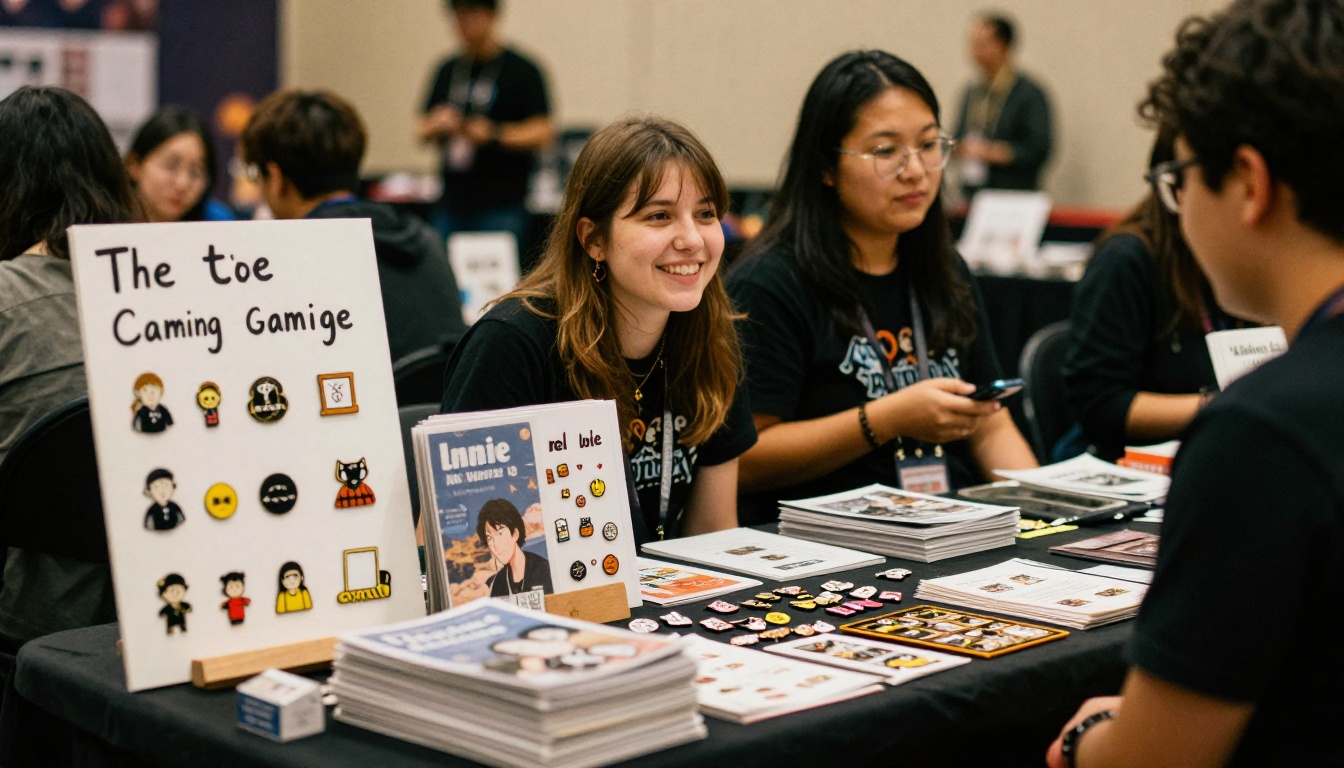
You have a stapled draft, a folder of playtested rules, and a PDF that finally looks right. Now comes the question every first-time creator hits: where do you actually sell it? The two names that come up in every Discord thread are DriveThruRPG and itch.io, and they behave very differently. This article compares them on fees, audience, print, payouts and launch effort, so you can pick one (or both) with confidence. If you also want a page-turning preview that sells your PDF before anyone pays, a tool like Flipbooks AI can turn the file into one in minutes.
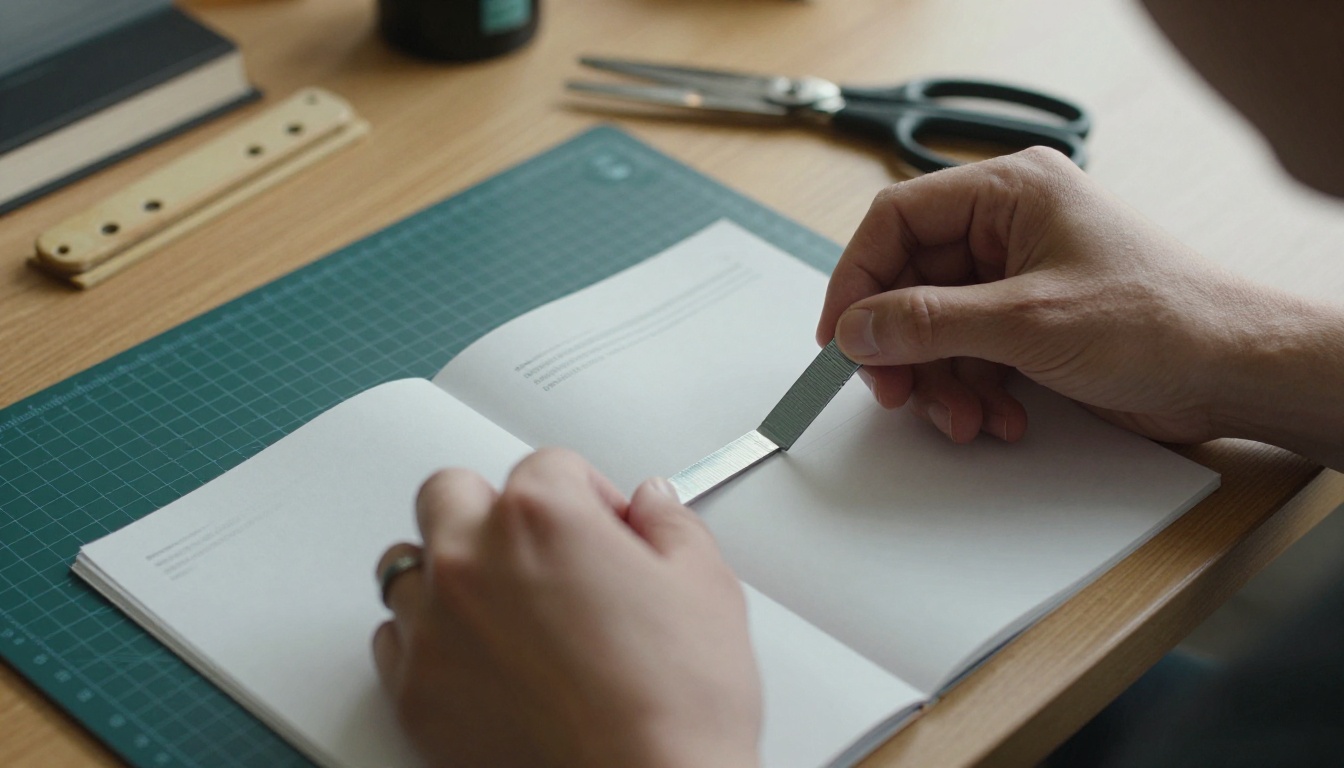
The Short Answer
If you want the fastest verdict, here it is.
- Pick DriveThruRPG if your zine is a traditional rules supplement, adventure or setting book aimed at people who already shop for RPG products, and you want print on demand handled for you.
- Pick itch.io if you want full control over price, page design, revenue share and community, or if your zine belongs to the indie, experimental, jam-driven side of the hobby.
- Pick both if you can afford the small extra admin. Many creators list the same PDF on both and treat them as different shop windows.
💡 Your first zine is a test, not a verdict. Choose the storefront that lets you ship this month, then adjust once you see real sales data.
Two Very Different Storefronts
DriveThruRPG is a dedicated marketplace for tabletop games. Buyers arrive with a wallet and a specific hobby in mind. It sits inside a wider network of sister sites, so a listing can surface in several catalogs at once.
itch.io is a general indie marketplace that grew up around video games, jams and bundles. It has a large tabletop section, and its culture rewards weird, personal and experimental work. You build your own page, and you decide how it looks.
| Factor | DriveThruRPG | itch.io |
|---|
| Core audience | RPG shoppers, collectors, GMs | Indie players, jam fans, bundle hunters |
| Page design | Standard template | Fully customizable |
| Moderation | Catalog review for listings | Light, mostly self-service |
| Best for | Supplements, adventures, settings | Experimental games, one-page RPGs, zines |
| Browse traffic | Strong category search | Strong tags, jams and collections |
Who Shops Where
A DriveThruRPG buyer often searches for a system name, such as a specific fantasy ruleset, and filters by price or format. Your zine lands in front of them if it carries the right tags and a clean cover.
An itch.io buyer is more likely to stumble onto your page from a jam, a tag page, a bundle or a social post. They tolerate stranger formats, and they are quick to support small creators.
Money decides this for many people, so let's be direct. Fee structures change, so always confirm the current numbers on each site before you commit.
| Cost item | DriveThruRPG | itch.io |
|---|
| Platform cut | Roughly 30% if exclusive, about 35% if not | Open revenue share, default around 10%, adjustable |
| Payment processing | Included in the cut | Separate processor fees apply |
| Listing fee | None | None |
| Payout style | Periodic payout after a threshold | Direct to you or via itch.io, depending on setup |
| Pay what you want | Supported | Supported, with a minimum you choose |
Doing the Math on a $5 Zine
Imagine you price your zine at $5 and sell 100 copies.
- DriveThruRPG, non-exclusive: around 65% to you, so roughly $325.
- DriveThruRPG, exclusive: around 70% to you, so roughly $350.
- itch.io at a 10% share: about $450 before processor fees, and perhaps $420 to $430 after them.
The raw numbers favor itch.io. But 100 sales is a very different challenge on each site, because traffic is not equal. A lower cut means little if nobody finds your page.

⚠️ Exclusivity on DriveThruRPG means you agree not to sell the same product elsewhere. Read the terms before ticking the box, especially if you already have an itch.io page.
Reach and Discoverability
A storefront is only useful if buyers can find you. Think about reach in three layers.
- Native search: DriveThruRPG's catalog search is powerful for people hunting a genre or system. itch.io leans on tags, jams and curated collections.
- Your own audience: Neither site replaces a newsletter, social account or Discord server. Both give you a link to send people to.
- Bundles and events: itch.io bundles can move large volumes at low prices. DriveThruRPG runs sales and promotions that can lift a catalog.
The Cold Start Problem
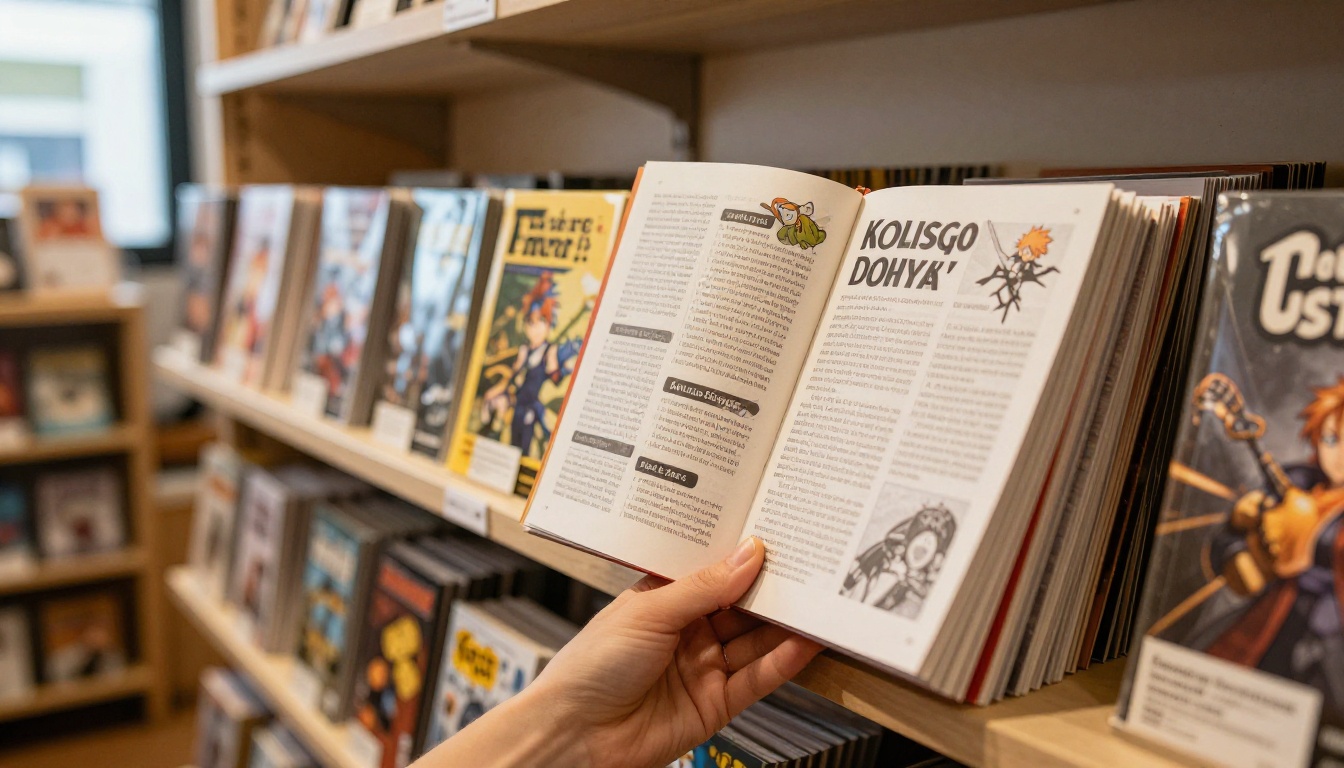
New listings on both platforms start with zero reviews and zero sales history. A strong cover, a clear first line of description and a free preview matter more than anything else on day one.
Here is a simple launch routine that works on either site:
- Post a teaser image and a three-page preview a week early.
- Open the page on launch day with a short, clear description.
- Ask early readers for honest ratings.
- Share the link in two or three communities where you already take part.
- Track which source sent buyers and repeat what worked.
Print on Demand and Physical Copies
Plenty of zine fans want paper. This is where the platforms split most clearly.
| Print factor | DriveThruRPG | itch.io |
|---|
| Built-in print on demand | Yes, through its print partner | No native option |
| Setup effort | File specs and proofs required | You handle printing yourself |
| Shipping | Handled for POD orders | You pack and ship |
| Unit economics | Fixed print cost, set your margin | Full control over cost and price |
DriveThruRPG's print on demand means you never touch a parcel. You upload print-ready files, order a proof, and buyers receive books directly. That is a huge time saver for a first project.
On itch.io, physical copies are a DIY job. Some creators sell a PDF there and link to their own shop or a print partner. Others hand-assemble small runs and ship them from the kitchen table.

💡 If you plan to do print runs yourself, weigh postage carefully. A thin zine can cost more to mail than to print, especially internationally.
Preparing Your Files
Whichever site you choose, your PDF is the product. Prepare it properly.
PDF Checklist
- Embed fonts so the layout never shifts on a buyer's device.
- Compress images to keep the file easy to download.
- Add bookmarks for each chapter or section.
- Offer two versions where possible: a screen version and a print version with bleed.
- Check hyperlinks inside the file so every one works.
Cover and Thumbnail
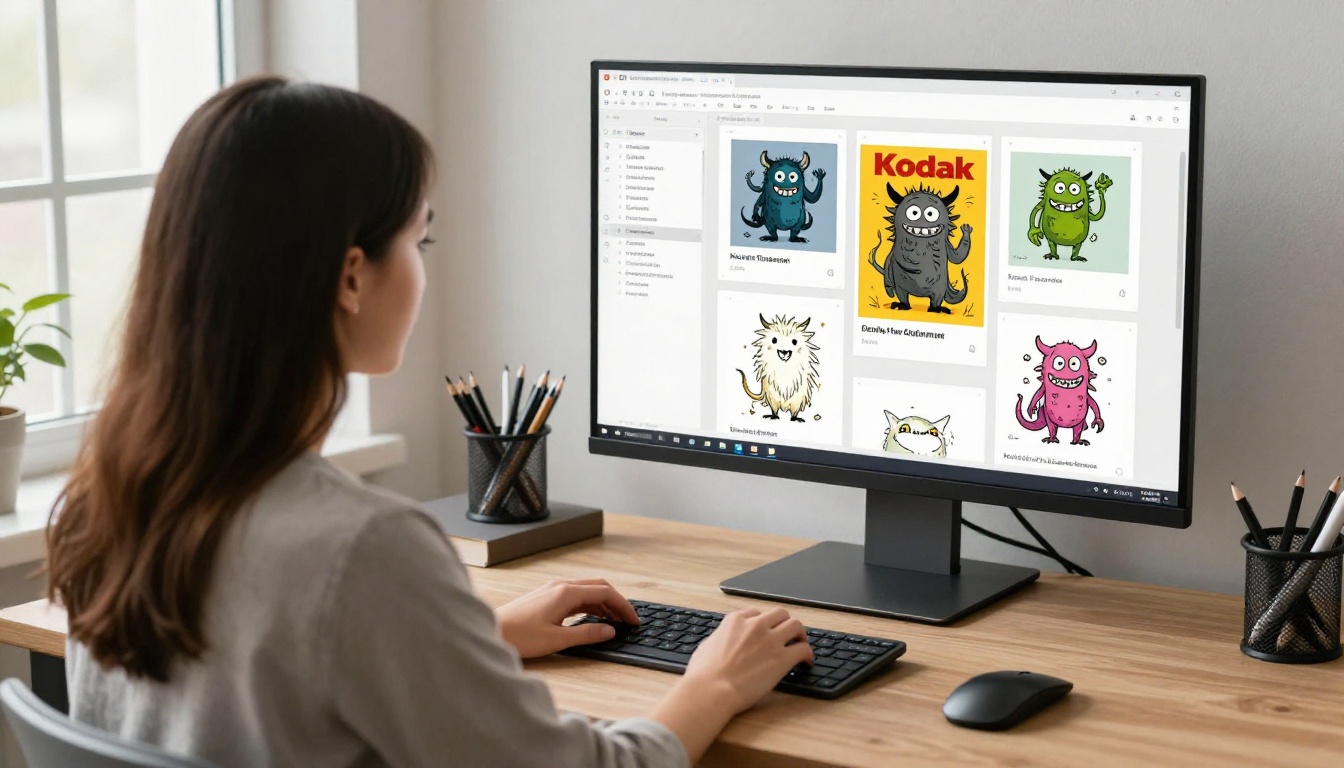
On both sites the cover is your advert. Use bold shapes, a readable title and strong contrast. Check how it looks at thumbnail size, because that is how most people will see it first.
A Preview That Sells the PDF
Shoppers hesitate to buy a zine they cannot flip through. A static cover and a few screenshots only go so far. An interactive preview closes that gap.
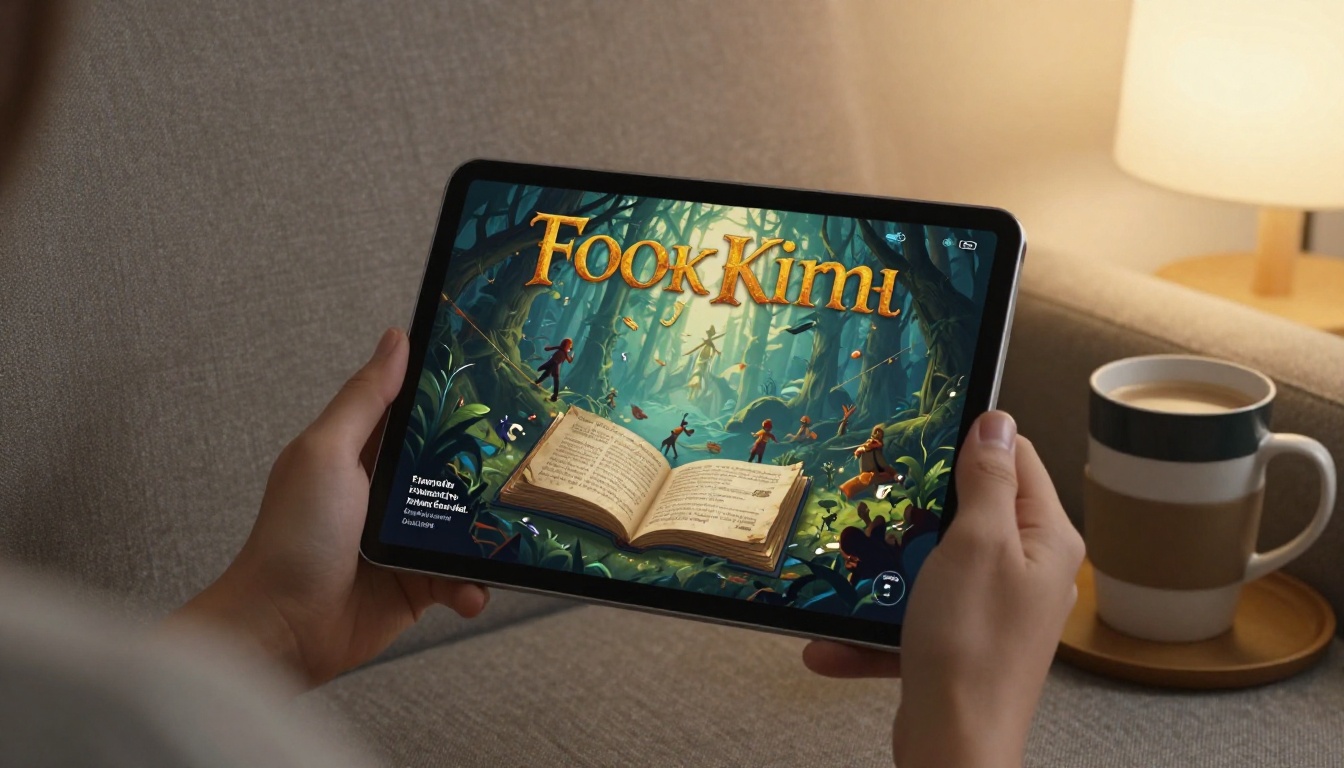
With Flipbooks AI you can turn your zine PDF into a page-turning flipbook, then share a link or embed it on your itch.io page, your blog or your newsletter. Because it uses the real page layout, readers get a true feel for your art, fonts and rules.
How to Make a Zine Preview Flipbook
- Export a short sample of your zine as a PDF, around 6 to 10 pages.
- Go to Flipbooks AI and create an account.
- Upload the PDF using the PDF to Flipbook Converter.
- Open the customization panel and set your brand colors, background and page-turn effect.
- Add your store link on the last page so readers can buy the full version.
- Choose a sharing option: a direct link, an embed code from the Embed Flipbook on Website tool, or password protection for a reviewer-only copy.
- Paste the link into your itch.io description, DriveThruRPG preview notes, social posts and press emails.
For zines that read like small magazines, the Magazine Flipbook Creator gives you layouts suited to multi-column spreads. Plans include no watermarks, and the Professional plan adds analytics so you can see which pages hold attention.
✅ Best practice: preview only the first third of your zine. Give enough to prove quality, but keep the best material behind the purchase.
Pricing Strategy for a First Zine
Pricing is part psychology, part math. A few rules of thumb help.
| Zine length | Typical range | Notes |
|---|
| 8 to 16 pages | $2 to $5 | Impulse buy, good for jams |
| 24 to 48 pages | $5 to $10 | Standard supplement territory |
| 64 pages and up | $10 to $20 | Needs strong art and a clear hook |
- Pay what you want with a sensible minimum can raise your average sale, because many fans pay above the floor.
- Launch discounts of 20% to 30% for the first week reward early supporters.
- Pair a PDF and print option so collectors can buy in the format they prefer.
Payouts, Taxes and Admin
Selling is the fun part. Admin is the part that bites later.
- DriveThruRPG pays out once your balance passes a threshold, and it handles the sales tax collection on digital goods in many regions. You still report income yourself.
- itch.io lets you collect payments directly into your own account, which gives fast access to cash but makes you responsible for taxes and refunds. You can also route payments through itch.io so it handles more of the paperwork.
- Both require accurate tax details if you are a creator in a regulated region.
⚠️ Keep a simple spreadsheet from day one: date, platform, gross sale, fees, net. Tax season will thank you.
Which One Should You Pick
Use this quick decision table.
| If you are... | Choose |
|---|
| Publishing a classic adventure or supplement | DriveThruRPG |
| Releasing a one-page game or jam entry | itch.io |
| Wanting print on demand with no parcels | DriveThruRPG |
| Wanting to set your own revenue split | itch.io |
| Building a wider audience across formats | Both |
| Unsure and short on time | itch.io first, then expand |
Three Common Mistakes
- Skipping the preview. Buyers want proof before they pay.
- Ignoring tags and keywords. A great zine with weak metadata stays invisible.
- Launching with no audience. Both platforms amplify your own promotion; neither replaces it.

Your Launch Week Plan
Here is a seven-day plan you can follow regardless of platform.
- Day 1: Finalize the PDF, cover and description.
- Day 2: Build the store page and test the checkout yourself.
- Day 3: Create the preview flipbook and a short teaser image set.
- Day 4: Send review copies to a handful of friendly creators.
- Day 5: Announce the release date everywhere you have an audience.
- Day 6: Prepare a launch discount and pin the link.
- Day 7: Go live, reply to every comment and log early sales.

After launch week, review the numbers. Which source sent the most visitors? Which price point converted? Use that to decide whether a second storefront is worth it.
Ready to Sell Your Zine
There is no wrong first choice. DriveThruRPG gives you a built-in tabletop audience and print on demand. itch.io gives you control, a friendlier fee and a community that loves small, strange projects. Start with the one that matches your zine and your energy level, then grow.
Turn your PDF into a shareable preview with Flipbooks AI, browse the full set of flipbook tools, or compare pricing plans to pick what fits your launch. When your preview is live, the only job left is to hit publish.