Ask a B2B marketing leader where the next dollar should go and, more often than not, the answer is a room full of buyers. Paid clicks keep getting pricier, inboxes are saturated, and deals worth six figures rarely close over a banner ad. That is why event marketing budgets keep growing, and why the content that supports those events, from agendas to sponsor decks, matters more than ever. Teams that publish those materials as interactive documents on Flipbooks AI are also cutting print costs while keeping everything trackable.
This article breaks down the event marketing budget trends shaping B2B planning right now, the forces behind them, and the practical moves you can make to defend and grow your own event line.
Why Budgets Are Shifting to Events
Three pressures are pushing B2B teams in the same direction.
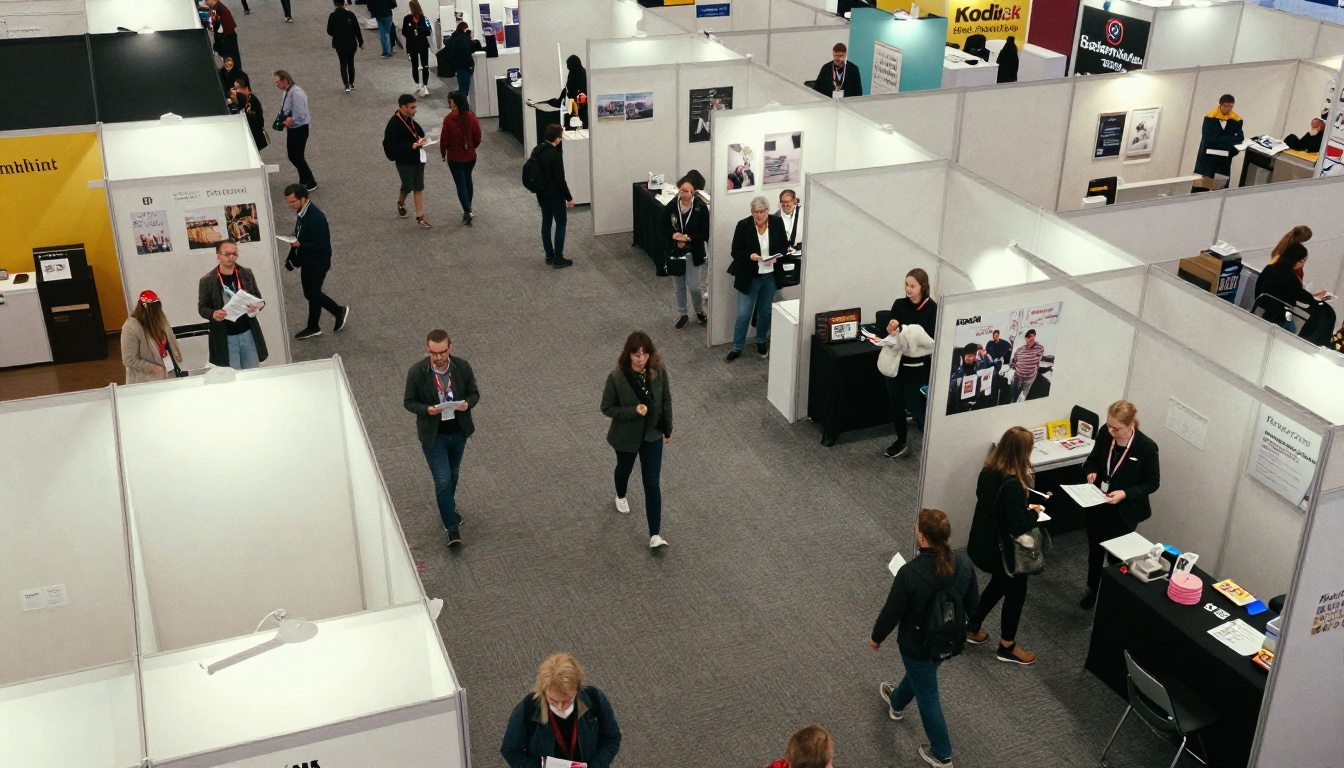
First, digital channels got crowded. Cost per lead on search and social has climbed for years, and buyers have learned to ignore anything that looks like an ad. Second, buying committees grew. A typical enterprise purchase now involves many stakeholders, and a single event lets you reach several of them in one afternoon. Third, trust is built face to face. A product demo at a booth or a candid chat at a dinner does more for credibility than ten nurture emails.
💡 Pro tip: When you pitch for more event budget, frame it as pipeline acceleration, not brand awareness. Finance teams respond to deal velocity.
The Cost of Digital Fatigue
Buyers attend dozens of webinars a year, and most feel the same. Virtual-only programs saw completion rates and attendance drop as novelty wore off. Live experiences give people a reason to block time, travel, and pay attention.
Buying Committees Need Shared Moments
When a CFO, an IT lead, and a department head all sit through the same session, they leave with a shared reference point. That alignment shortens internal debate later, which is one of the hardest things to buy with ads.
Sales Teams Ask for Events
Sales reps consistently rank in-person meetings among their most productive lead sources. When sales leadership backs events, marketing gets budget cover and better follow-up discipline.
Where the Money Is Actually Going
Event budgets are not simply bigger. They are being redistributed. Here is a typical shift in allocation among B2B teams that increased their event spend.
| Budget Line | Older Allocation | Current Trend | Why It Changed |
|---|
| Large trade show booths | High | Flat or lower | Cost per qualified meeting is hard to justify |
| Owned and hosted events | Low | Rising fast | Full control over audience and message |
| Executive dinners and roundtables | Minimal | Rising | Small groups produce high-intent conversations |
| Virtual-only webinars | Medium | Lower | Attendance fatigue |
| Hybrid on-demand content | Low | Rising | Extends the life of each event |
| Event content and collateral | Print-heavy | Digital-first | Lower cost, better tracking |
The pattern is clear: fewer giant booths, more intimate and owned experiences. Teams want smaller audiences with higher intent rather than badge scans from thousands of casual visitors.

Hosted Events Beat Sponsored Ones
When you sponsor someone else's conference, you compete with every other exhibitor for attention. When you host, the room is yours. Many teams now run a flagship customer summit and several regional workshops instead of five expensive sponsorships.
Executive Dinners Punch Above Their Weight
A dinner for twelve target accounts can cost less than a single booth and generate several qualified opportunities. The format is simple: a clear theme, a thoughtful guest list, and a follow-up plan that starts before dessert.
Content Is Part of the Event Budget
Agendas, speaker bios, sponsor prospectuses, and post-event recaps are now budgeted as part of the experience. Digital versions made with an Event Program Maker update instantly when a session changes, which printed programs cannot do.
How B2B Teams Justify the Spend
Budget growth only holds if results are visible. The strongest teams track a short list of metrics tied to revenue rather than attendance alone.
- Pipeline sourced: deals that began at or because of the event.
- Pipeline influenced: existing deals that moved faster after a touchpoint.
- Cost per qualified meeting: total spend divided by real sales conversations.
- Time to close: compare event-touched deals against others.
- Content consumption: which materials attendees actually opened and read.

Compare Channels Honestly
| Channel | Typical Strength | Typical Weakness | Best Use |
|---|
| Paid search | Captures existing demand | Rising costs | Bottom-funnel capture |
| Paid social | Broad reach | Low trust | Awareness |
| Email nurture | Cheap, scalable | Crowded inboxes | Follow-up |
| Live events | High trust, deep conversations | Higher cost, logistics | Mid and late funnel |
| Hybrid content | Long shelf life | Needs strong production | Extending reach |
Live events do not replace the other channels. They make the other channels work harder, because warm contacts convert better in every downstream step.
⚠️ Warning: Do not report badge scans as leads. Finance will notice, and your credibility will take the hit the next time you ask for budget.
Attribute Carefully
Use a simple rule: any account with a meaningful interaction at an event within a set window before opportunity creation counts as influenced. Document the rule and stick to it. Consistency matters more than perfection.
Not every format earns its cost. These are the ones B2B teams keep funding.
- Customer summits: retention and expansion engines, often paid back by upsells.
- Product workshops: hands-on sessions that shorten evaluation cycles.
- Roundtables: peer-led discussions that position your brand as a convener.
- Regional road shows: repeatable mini events in several cities.
- Hybrid keynotes with on-demand replays: one production, many audiences.
A Real-World Scenario
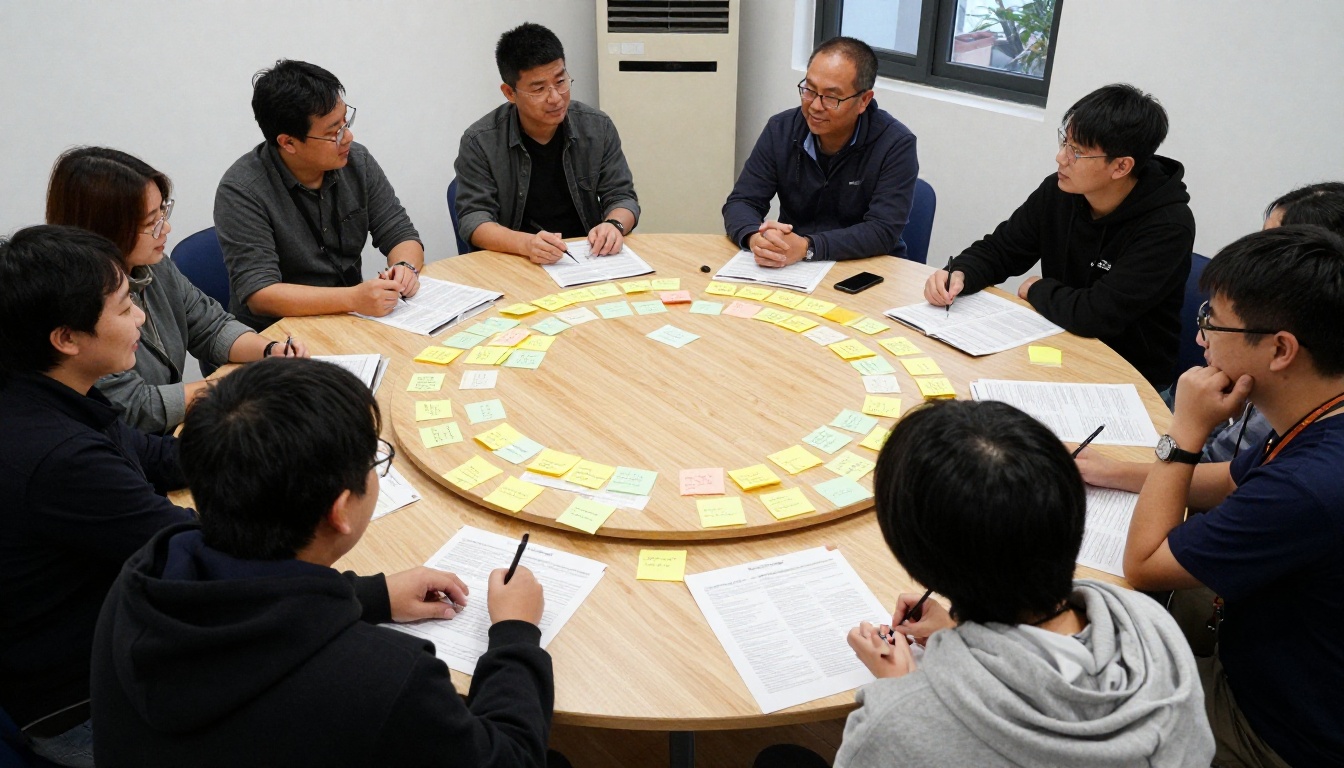
Picture a mid-size software company with a fixed marketing budget. Last year it bought two large booths and ran four webinars. This year it cancels one booth, hosts a two-day customer summit, and runs six executive dinners. Total spend is similar, but the sales team now meets decision makers in smaller, quieter settings, and the pipeline report shows a shorter path from first meeting to proposal.
Hybrid Done Right
The best hybrid programs do not stream a live room to a passive audience. They record sessions, cut them into short clips, and publish recap documents so people who could not attend still get value. That recap is a perfect fit for an interactive document, such as a Report Flipbook Creator output with embedded video from the sessions.
Where Event Teams Waste Money
Growing budgets come with scrutiny. Here are the three most common leaks.
- Printed collateral nobody reads. Boxes of brochures end up in hotel recycling bins. Attendees rarely carry paper home.
- No follow-up plan. Leads cool within days. If outreach starts a week later, the spend is mostly wasted.
- Too many events, too little focus. Spreading budget across a dozen mediocre events beats nobody and exhausts the team.
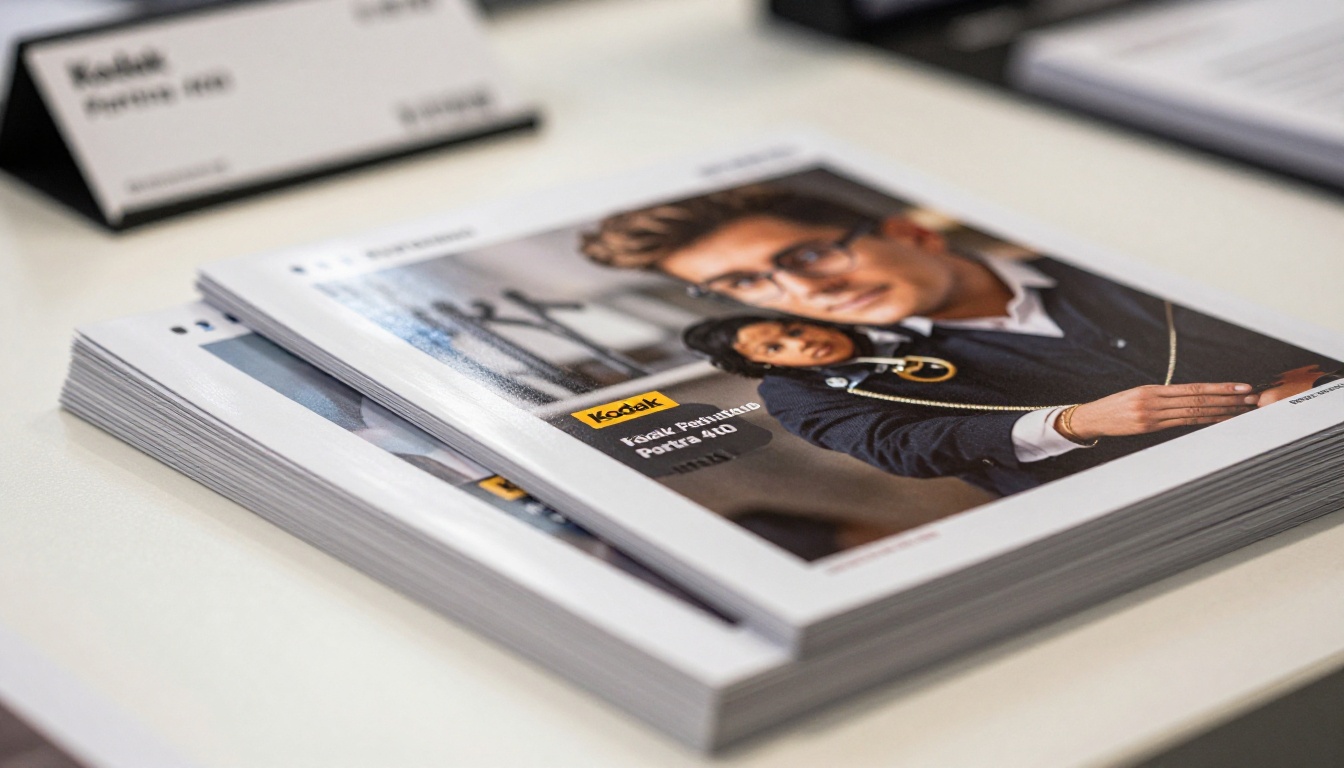
✅ Best practice: Cut your printed run by half, replace the rest with a QR code that opens a digital version, and use the savings to fund follow-up outreach.
The Math on Print Versus Digital
| Item | Printed Approach | Digital Flipbook Approach |
|---|
| Design changes after print | Reprint required | Edit and republish instantly |
| Shipping to venue | Required | None |
| Tracking who reads what | Not possible | Analytics on views and time per page |
| Lead capture | Manual card collection | Built-in forms (Professional plan) |
| Sharing after the event | Mail or hand out | Send a link |
| Waste after the event | Significant | None |
How to Build an Event Program Flipbook
A digital program is one of the fastest wins in any event budget. Here is a simple process using Flipbooks AI.
- Prepare your PDF. Export your agenda, speaker bios, floor map, and sponsor pages from your design tool.
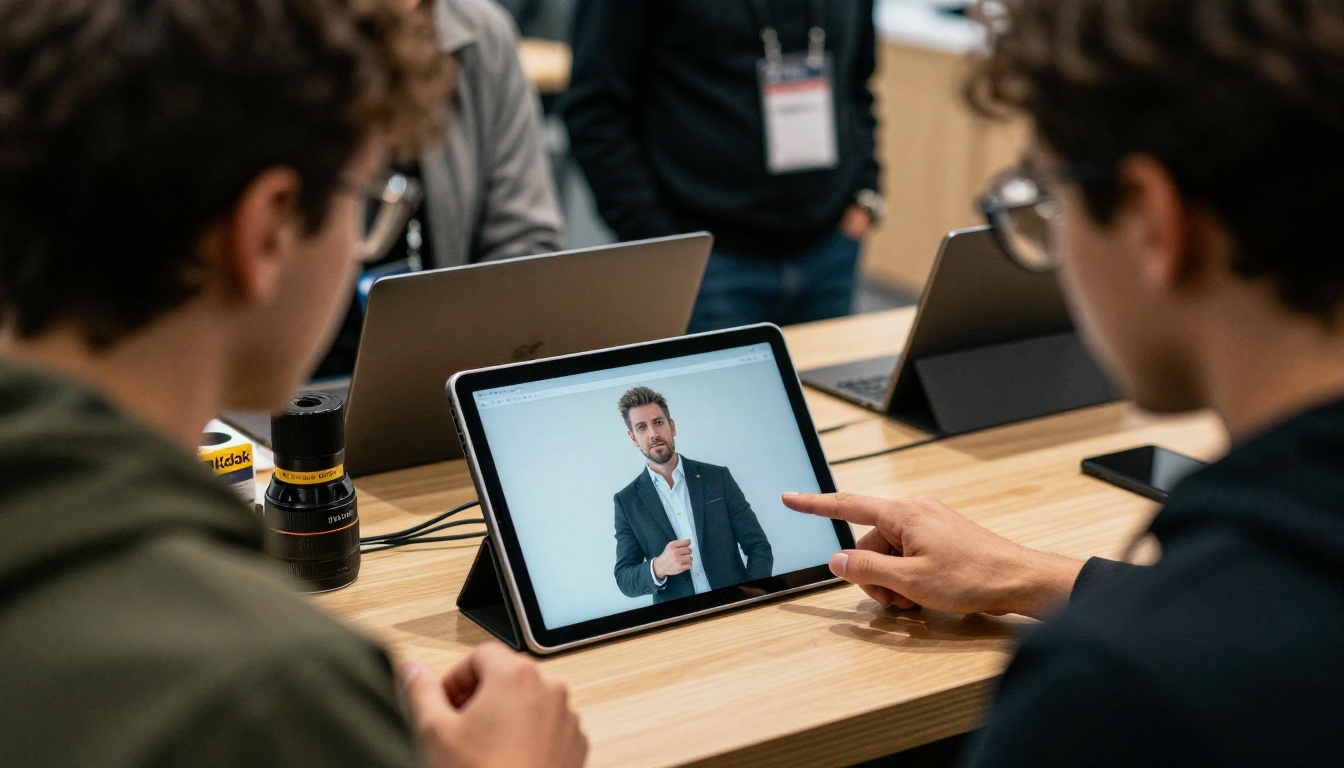
- Upload and convert. Drop the file into the PDF to Flipbook Converter. Page-turn effects are generated automatically.
- Customize the look. Add your logo, brand colors, and a cover that matches the event identity. Embed videos and audio for speaker teasers.
- Protect private content. Use password protection for sponsor-only or VIP material.
- Share everywhere. Use a direct link, a QR code on badges and signage, or embed the flipbook on your event website.
- Track and follow up. On the Professional plan, use analytics and lead generation to see who opened which pages and who is worth a call.

Every flipbook is mobile-responsive and watermark-free, so attendees can open it on a phone between sessions without friction.
Other Event Documents Worth Digitizing
You can browse every option in the tools directory.
What to Do With the Budget Next Quarter
If you are planning, here is a practical sequence.
- Audit last year. List every event, its cost, and its sourced and influenced pipeline.
- Cut the bottom third. Remove events with high cost and weak meetings.
- Shift to owned formats. Replace one big sponsorship with two or three hosted events.
- Digitize collateral. Move programs, brochures, and recaps online.
- Set a follow-up service level. Every lead gets contacted within two business days.
- Report quarterly. Share pipeline and cost per meeting with finance and sales.
Planning Checklist
| Task | Owner | Timing |
|---|
| Define goals and target accounts | Marketing lead | 12 weeks before |
| Book venue and speakers | Event manager | 10 weeks before |
| Publish digital program | Content team | 2 weeks before |
| Brief sales on talking points | Sales ops | 1 week before |
| Send follow-up sequence | Marketing ops | Within 48 hours after |
| Report results | Marketing lead | 30 days after |
Post-Event Reviews Matter
Hold a short review within two weeks. Ask what produced meetings, what wasted time, and what attendees mentioned unprompted. Then apply those lessons to the next budget cycle.

Risks to Watch
Budget growth is not guaranteed. Economic swings can freeze travel, and executives will cut anything they cannot tie to revenue. Protect yourself by keeping events modular: small formats that scale up or down, content that can be repurposed, and clear metrics from day one.
💡 Pro tip: Build a "minimum viable event" plan that keeps the highest-return formats alive even if budgets shrink by a third.
Staying Flexible
Teams that thrive mix one flagship event with several low-cost formats and a strong library of on-demand content. When conditions change, they scale the small pieces instead of canceling everything.
Make Your Next Event Budget Count
B2B buyers want real conversations, and the data from every planning meeting points the same way: more investment in experiences, less in anonymous clicks. The winners will be the teams that spend smartly, measure honestly, and keep their materials light, digital, and trackable.
Ready to cut print waste and track how attendees use your materials? Get started for free on Flipbooks AI, browse the tools and templates, or compare pricing plans to choose what works for your next event.