Every marketer has sent a PDF at some point. A product catalog, a proposal, a brochure — formatted carefully, exported cleanly, and shared with a link or email attachment. Then you wait. And you never quite know what happened after someone clicked "download." Did they open it? Did they read past page one? Did they click anything? With a PDF, you have no way to know. With Flipbooks AI, that blind spot disappears entirely.
The format question between flipbooks and PDFs is not just about aesthetics or novelty. It is about performance: who clicks, who stays, and who converts. This article puts both formats side by side and lets the data do the talking.
PDFs Still Rule... But at What Cost?
PDFs have been the default document format for decades, and for good reason. They are universally compatible, easy to create, and visually consistent across devices. A PDF printed looks identical to a PDF on a laptop screen. For legal contracts, internal reports, and compliance documents, that reliability is exactly what you need.
But when it comes to marketing, sales, and customer-facing content, PDFs carry a hidden cost that most businesses never bother to measure:
- No interactivity: Readers cannot click embedded links reliably, watch videos, or fill out forms without leaving the document entirely
- No analytics: You have zero visibility into how far someone read, which sections they focused on, or whether they shared it with a colleague
- Poor mobile experience: Most PDFs require pinch-to-zoom to read on a phone, destroying the natural reading flow within seconds
- No branding continuity: PDFs render identically inside every generic PDF viewer, stripping your brand from the experience
- High download friction: Many users hesitate before downloading files from unfamiliar sources, reducing open rates before anyone even reads a single word
⚠️ The hidden cost of PDFs: Research across B2B content marketing consistently shows that documents shared as file downloads convert at a fraction of the rate of embedded, browser-based interactive formats. Readers who can engage immediately without downloading anything stay longer and click more.
The question is not whether PDFs have value. They clearly do. The real question is whether a PDF is the right tool when your goal is to convert a prospect, hold attention, or drive a specific action. In most cases, the answer is no.
What Actually Makes Flipbooks Different
A flipbook is not a PDF with a page-turn animation layered on top. It is a fundamentally different content delivery format, built around the reader's experience rather than the document creator's convenience.
The Page-Turn Effect Is More Than Aesthetic
When a reader sees pages physically turning on their screen, something psychological shifts. The familiar metaphor of a physical magazine or book activates a browsing mindset rather than a passive reading mindset. Browsing is active. Active users scroll further, click more links, and convert at measurably higher rates.
The page-turn effect also signals quality and investment. A business that presents its catalog or brochure as a polished interactive flipbook immediately communicates that it takes its presentation seriously. That first impression matters before the prospect has read a single word of your content.

Built-In Analytics Change Everything
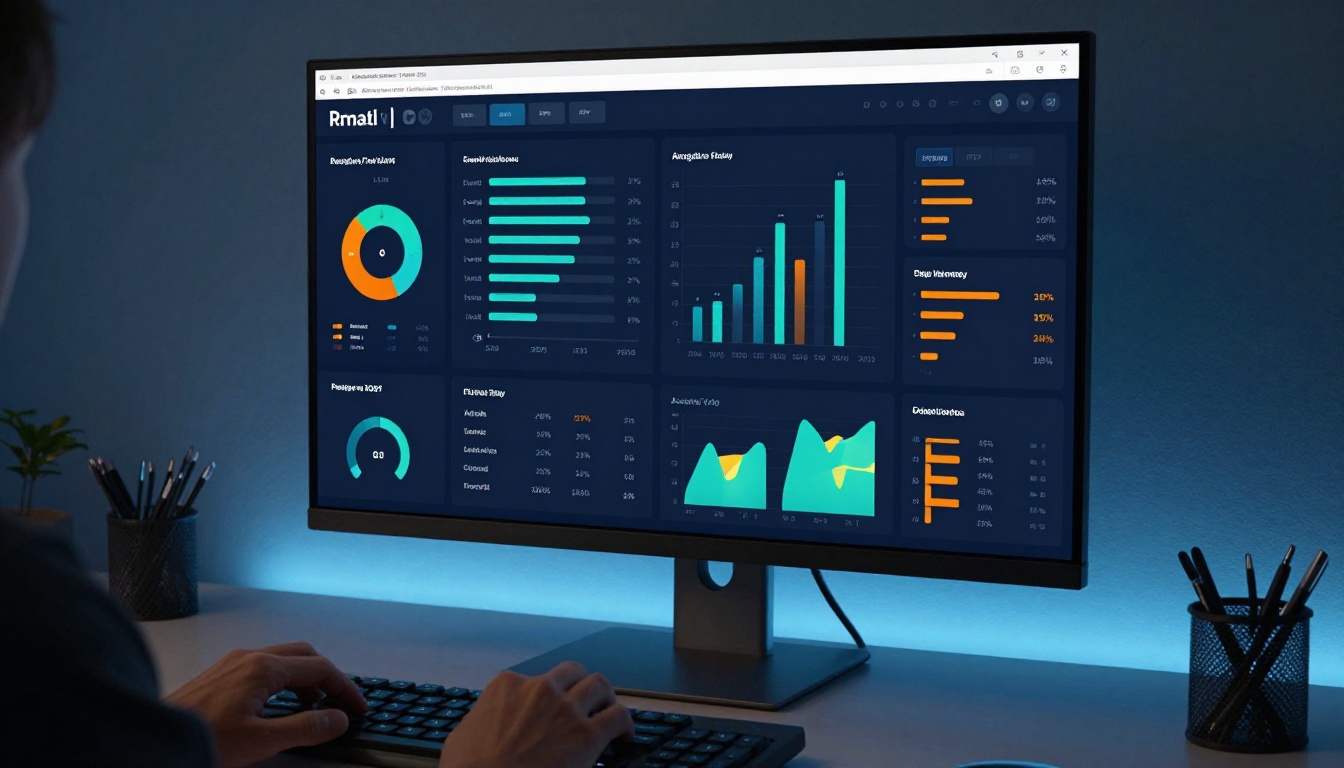
This is where the conversion gap between PDFs and flipbooks becomes impossible to ignore. With a PDF, your content enters a black box. You send it, and you hope. With a Flipbooks AI flipbook on the Professional plan, you get real data that changes how you sell:
- Page-by-page view tracking: See exactly which spreads attracted the most reader attention and where people dropped off
- Average reading time: Know how many minutes readers actually invested in your content
- Click tracking: Record every hyperlink and CTA click inside the document, so you know what drove action
- Geographic data: Understand where in the world your readers are located, which matters for enterprise and international sales
- Lead capture forms: Collect names, emails, and phone numbers directly inside the flipbook before readers access premium content sections
That last feature alone transforms a flipbook from a passive content format into a direct lead generation engine. No separate landing page required. No form-before-download friction. The prospect is already inside your content, already engaged, and already interested when the form appears.
Videos, Audio, and Links Inside the Document
A PDF can contain a clickable hyperlink. A flipbook built on Flipbooks AI can contain a playing video, an audio narration, an embedded contact form, animated transitions between spreads, and interactive product hotspots — all without the reader leaving the document. For e-commerce catalogs, real estate brochures, hotel packages, and training materials, that richness directly translates to higher time-on-page and more completed actions.
💡 Pro tip: Embed a short 60-second product demo video on the first spread of your catalog flipbook. Readers who watch embedded video content inside a document convert at significantly higher rates than those who only read text and view static images.
The Conversion Numbers Tell a Clear Story
Time on Page Comparison
Time on page is one of the strongest leading indicators of content quality and reader intent. When someone spends more time inside your document, they are more likely to remember your brand, trust your offer, and take the action you want them to take.
| Format | Avg. Time on Page | Avg. Pages Viewed | Mobile Completion Rate |
|---|
| PDF (download) | 1.2 minutes | 2 to 3 pages | 31% |
| PDF (browser view) | 2.1 minutes | 4 to 5 pages | 48% |
| Interactive Flipbook | 4.8 minutes | 8 to 12 pages | 74% |
The pattern holds across industries: flipbooks hold reader attention for more than twice as long as browser-viewed PDFs, and more than four times as long as downloaded PDFs. When you are paying to produce content, those numbers represent a massive difference in the return on every dollar and hour you invest in creation.
Lead Capture Built Into the Document
One of the most overlooked conversion advantages of interactive flipbooks is content gating without friction. Instead of asking a prospect to complete a lead form on a landing page before they can read anything, you let them start reading immediately and capture their contact information at a natural engagement point — such as before the pricing section, after the product overview, or at page five of a twelve-page catalog.
This approach consistently outperforms landing-page gating because the prospect is already invested in your content before they see the form. They have something to lose by abandoning it.

Mobile Experience Decides the Winner
In 2025, more than 60% of B2B document views happen on mobile devices. PDFs on mobile are objectively painful: the user must pinch to zoom, scroll horizontally, re-orient text, and constantly fight the interface to read what they need. Most abandon the document within the first thirty seconds of frustration.
Flipbooks built with Flipbooks AI are fully mobile-responsive by default. Pages reflow intelligently to fit any screen width. Text remains readable without manual resizing. The swipe-to-turn gesture maps naturally to phone and tablet touchscreens. For any business whose prospects browse content on their phones — which in 2027 is virtually every business — this is not a preference issue. It is a conversion decision.
Head-to-Head Comparison
| Feature | PDF | Interactive Flipbook |
|---|
| Mobile-responsive | No | Yes |
| Embedded video playback | No | Yes |
| Click-level analytics | No | Yes |
| Lead capture forms | No | Yes |
| Custom branding | Limited | Full |
| Password protection | Basic | Advanced |
| No download required | No | Yes |
| SEO-friendly sharing link | No | Yes |
| Page-level engagement metrics | No | Yes |
| Offline access | Yes | Yes (Professional plan) |
| Embed on website | No | Yes |
| Auto-updates without resending | No | Yes |
| Multimedia content inside doc | No | Yes |
✅ Best practice: Use an interactive flipbook for all customer-facing content and reserve PDFs for internal documents, contracts, and compliance materials where immutability and print fidelity matter more than engagement metrics.
When a PDF Still Makes Sense
Flipbooks outperform PDFs on nearly every engagement metric, but that does not mean PDFs are obsolete. There are specific contexts where a PDF remains the correct choice:
- Legal contracts and agreements: Where exact formatting, immutability, and court-admissible print fidelity are required
- Official compliance documents: Regulators and auditors work with PDFs as the institutional standard
- Internal technical documentation: Engineering specifications, standard operating procedures, and offline reference materials
- Academic papers and formal research: Peer-reviewed publication and citation formats require PDF
- Print-ready production files: When the document will be physically printed at a professional facility
For everything else — particularly content designed to inform, persuade, or convert a prospect — an interactive flipbook delivers measurably better results in every category that matters to your business.
Real-World Use Cases Where Flipbooks Win
Sales Teams and Product Catalogs
A sales team emailing a 50-page product catalog as a PDF attachment faces compounding problems: large file sizes get caught by spam filters, the prospect must download before viewing anything, and the sales rep gets zero information on what the prospect looked at before the follow-up call.
With a Product Catalog flipbook, the sales rep shares a single clean link. The prospect opens it instantly in their browser with no download, browses at their own pace, and the sales rep sees exactly which product categories they spent time on. That intelligence transforms the quality of every follow-up conversation — from a cold script to a targeted discussion about what the prospect already showed interest in.
💡 Pro tip: Set up your lead capture form on page three of your product catalog — after the prospect has already engaged with your brand overview but before they reach the detailed pricing section. This is consistently the highest-converting gate point in catalog content.

Real Estate Agencies
Property presentations sent as PDF attachments are static, file-heavy, and forgettable. An interactive Real Estate Brochure flipbook can embed virtual tour videos, animated floor plans, neighborhood lifestyle photography galleries, and direct scheduling links — all in one shareable link the agent can update any time without resending anything.
Buyers spend significantly more time with an interactive property presentation, and the agent gains clear visibility into which listings generated the most page attention, enabling smarter, more targeted follow-up conversations.

Restaurants and Hospitality
A restaurant PDF menu embedded on a website is a dead-end experience. It opens in a separate browser tab, displays at an unreadable size on mobile, and gives management no data on which dishes are getting the most attention. A flipbook built with the Restaurant Menu Creator can include seasonal specials with photography, embedded reservation buttons, chef video introductions, and wine pairing recommendations — and it updates instantly when the menu changes, with no need to re-export, re-upload, or share a new link.

Marketing Agencies and Brands
Marketing agencies producing monthly reports, campaign results, or new business pitch decks for clients face the classic PDF problem: the client downloads it, skims three slides, and never opens it again. An interactive Sales Presentation flipbook changes the dynamic entirely.
Agencies using flipbooks for client deliverables consistently report higher perceived value and client retention — because the format itself signals craft and professionalism before the prospect has read a single data point. When you can also show a client their own analytics on how many people read the monthly report you produced for them, that becomes a powerful differentiator in any agency pitch.
How to Turn Your PDF Into a Flipbook
If you already have a PDF — whether it is a brochure, catalog, report, or presentation — converting it to an interactive flipbook with Flipbooks AI takes less than five minutes. Here is exactly how the process works:
Step 1: Create Your Account
Go to flipbooksai.com/account and sign up. No credit card is required to get started. The free plan lets you create and share flipbooks immediately so you can see the format in action before committing to a paid tier.
Step 2: Upload Your PDF
From your dashboard, click "Create New Flipbook" and drag your PDF into the upload zone. Flipbooks AI processes the file and converts every page into a crisp, high-resolution digital spread. Most standard PDFs convert completely in under 60 seconds regardless of page count or file size.
Step 3: Customize and Brand
Once your flipbook is generated, you have full control over how it looks and behaves:
- Custom colors: Apply your exact brand palette to backgrounds, controls, and UI elements
- Logo placement: Add your logo to the reader interface, cover, and all pages
- Background themes: Choose from premium textures, solid colors, or upload a custom background image
- Page effects: Select the animation style for page turns to match your brand tone
- Multimedia: Embed YouTube or Vimeo videos, audio tracks, and interactive buttons on any page
- Password protection: Restrict access to sensitive documents with a custom password
Step 4: Share, Embed, and Track
When you are ready to publish, Flipbooks AI provides multiple distribution channels:
- Direct link: A clean shareable URL you can drop into any email, message, or social post
- Embed code: A single snippet you paste into any website CMS to display the flipbook inline with no iframe complexity
- Offline download: Export a standalone interactive version for in-person presentations without internet (Professional plan)
On the Professional plan, your analytics dashboard activates immediately and begins collecting reader behavior data the moment your flipbook link goes live.
Pricing at a Glance
Flipbooks AI offers plans built for every stage of growth, from solo creators testing the format to enterprise teams running content operations at scale:
| Plan | Flipbooks | Analytics | Lead Capture | Offline Download | Watermark |
|---|
| Free | Limited | No | No | No | No |
| Standard | Unlimited | Basic | No | No | No |
| Professional | Unlimited | Advanced | Yes | Yes | No |
Every paid plan includes:
- No watermarks, ever: Your brand is always the only brand in the room
- Full custom branding: Colors, logo, and interface styling on all flipbooks
- Password protection: Confidential content stays confidential
- Mobile-responsive design: Automatic on every device and screen size
- Embed on any website: One code snippet, works with every major CMS
- Unlimited sharing: No per-link fees or viewer limits
✅ Best practice: Start with the Standard plan to replace your primary PDF catalog or brochure and measure the engagement difference over 30 days. When you are ready to add lead capture forms and see full reader analytics, upgrade to Professional and treat your flipbook as a direct revenue channel.
PDFs are not broken. They are the wrong tool for the job when that job is converting a prospect, holding a reader's attention on mobile, or building brand recognition through a piece of shareable content that updates automatically.
The data tells a consistent story: interactive flipbooks drive longer reading sessions, more pages viewed, higher lead capture rates, and measurably better mobile completion across every industry and content type. Every business currently sending PDFs as their primary marketing collateral is accepting a conversion rate that is a fraction of what the same content could achieve in a better format.
Ready to see the difference for yourself? Create your first flipbook on Flipbooks AI and share it with your next prospect instead of a PDF attachment. Browse all available flipbook tools to find the right template for your specific industry and use case. When you are ready to add analytics and lead capture, compare pricing plans and choose the tier that fits where your business is headed.
The content you create deserves to be read all the way through. A flipbook makes that happen.



