You have a year of worksheets, project photos, library receipts and half-finished notebooks, and an evaluator is coming in three weeks. The question is not whether your child learned enough. The question is whether a stranger can see it in twenty minutes. Strong homeschool portfolio examples share one trait: they make progress easy to verify. If you want a clean, shareable format for yours, Flipbooks AI turns a PDF into a page-turning digital portfolio, and we will get to that later in this article.
First, the substance. Evaluators are rarely hunting for perfection. They want evidence of steady work, a reasonable spread of subjects, and a sense that a parent is paying attention. Let's look at what that evidence looks like in practice.
What Evaluators Actually Look For
Requirements vary by state and country, but the reviewing mindset is surprisingly consistent. Whether the reviewer is a certified teacher, a district official or an umbrella school representative, they ask the same three questions.
Evidence of Steady Progress
A single impressive project proves little. A sequence of samples from September, January and May proves a lot. Evaluators compare early and late work to see growth in handwriting, vocabulary, reasoning and independence.
💡 Pro tip: Date every sample, even if it is only a pencil note in the corner. Undated work forces the evaluator to guess, and guessing rarely works in your favor.
Coverage of Required Subjects
Most jurisdictions list required subjects: language arts, math, science, social studies, and often health, art or physical education. You do not need a sample for every week, but you do need at least a few for every required subject.
Signs of Parent Oversight
A portfolio that includes your own brief notes, a simple log and a few corrected pages tells the reviewer that someone is teaching, grading and adjusting. This matters more than the polish of any single page.

Core Pieces of a Strong Portfolio
Think of the portfolio as a short story with a beginning, middle and end. Each section has a job.
| Section | What It Proves | Typical Length |
|---|
| Cover page and student summary | Identity, grade level, school year | 1 page |
| Learning goals or plan | Intentional teaching | 1 to 2 pages |
| Attendance or hours log | Time on task | 1 page |
| Subject work samples | Skill growth by subject | 3 to 6 samples each |
| Reading list | Literacy breadth | 1 to 2 pages |
| Reflection or progress summary | Parent judgment and next steps | 1 page |
The Cover Page and Summary
Keep it plain: student name, grade, school year, parent or teacher name, and a two-sentence description of your approach. An eclectic mix of curriculum and library books is perfectly fine. Just name it honestly.
The Learning Plan
Include your goals for the year in a short list. For example: "Finish pre-algebra through linear equations," "Write one five-paragraph essay per month," "Complete a unit on ecosystems with field observations." Goals give the evaluator a yardstick for judging the work that follows.
The Attendance and Hours Log
Some states require a set number of days or hours. A simple monthly table works. If your state requires no log, a light version still builds trust.
Homeschool Portfolio Examples by Subject
Here is what good samples look like, subject by subject. These are composites based on common evaluator expectations, not templates tied to one state.
Language Arts Samples
A strong language arts section includes three to five writing pieces across different forms: a narrative, an opinion piece, a research summary and perhaps a poem or letter. Include a rough draft and the revised version for at least one piece so the reviewer can see your editing process.
For younger children, a dictation page, a copywork sample and a short story with illustrations is plenty. Photograph pages if the child writes in a notebook.
Reading Logs That Convince
An evaluator does not need a book report for every title. A running list works: title, author, date finished and one sentence of response. Add a few longer reflections to show comprehension.

✅ Best practice: Mix genres on the list. A reviewer who sees only comics or only fantasy may ask questions. Add a nonfiction title and a classic, even if they were read aloud.
Math Work Samples
Choose pages that show reasoning, not only answers. Include a unit test or quiz with your grading marks, a page of corrected mistakes, and one real-world application such as a budget, a recipe scaled up or a garden bed measurement.

Science Projects and Lab Notes
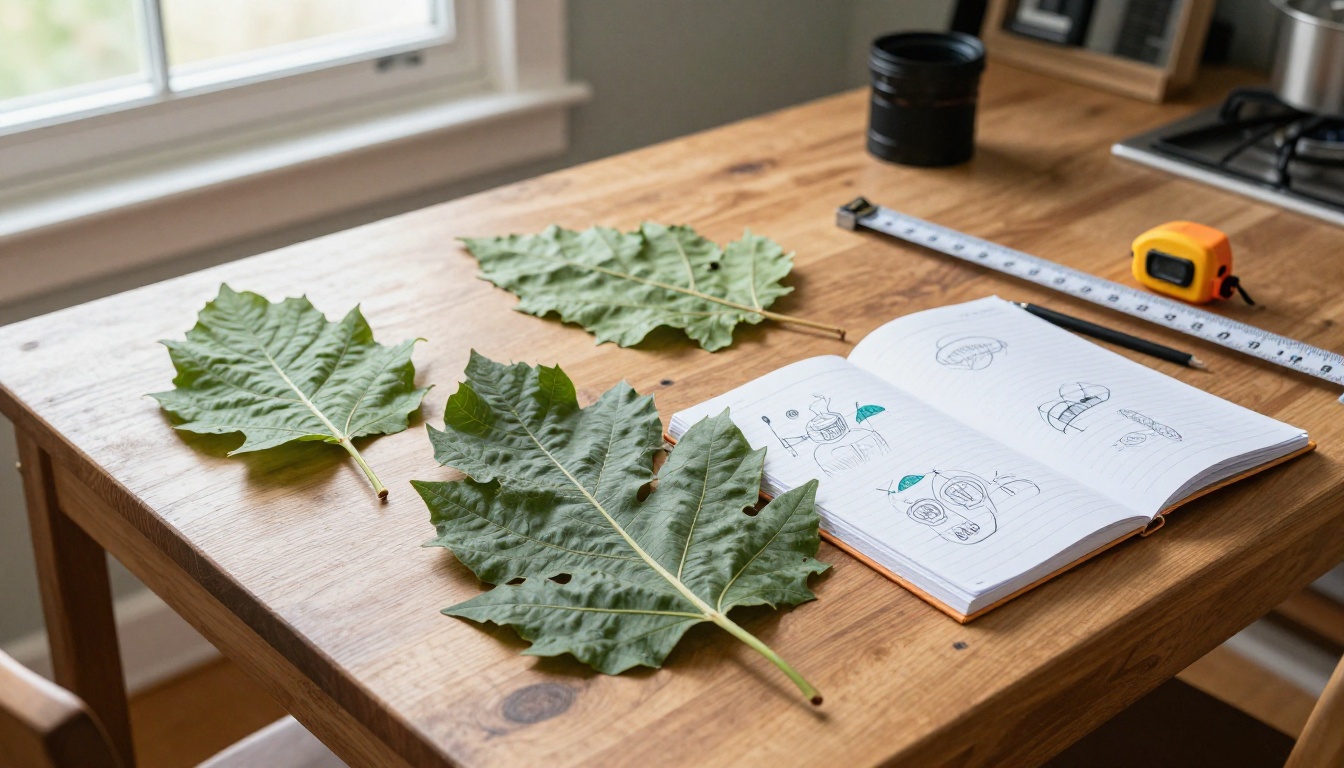
Science is where photographs shine. A leaf collection, a baking soda experiment or a backyard bird count can all become strong samples when paired with a short write-up: question, method, observations, result.
Social Studies and History
Include a timeline, a map exercise, a short research paper or a journal from a museum visit. For civics, a mock election or a letter to a local representative makes a memorable sample.
Grade Band Examples Side by Side
What counts as "enough" shifts with the child's age. This comparison shows how the same portfolio structure scales.
| Element | Grades K to 3 | Grades 4 to 8 | Grades 9 to 12 |
|---|
| Writing samples | Dictation, copywork, short stories | Essays, reports, narratives | Research papers, analytical essays |
| Math evidence | Worksheets, manipulatives photos | Unit tests, word problems | Course tests, transcripts |
| Science | Nature journal, simple experiments | Lab write-ups, models | Lab reports, course syllabi |
| Reading record | Read-alouds and picture books | Chapter books, response notes | Book list with literary responses |
| Extra records | Photos of activities | Project photos, field trips | Transcript, credits, test scores |
| Typical portfolio size | 15 to 25 pages | 25 to 40 pages | 35 to 60 pages plus transcript |
Early Elementary Examples
For this age, photographs carry much of the weight. A child building a fraction wall from paper strips tells the story better than a worksheet would. Keep the portfolio short and cheerful.
Middle School Examples
Middle school is where evaluators begin looking for independence. Show at least one project the student planned on their own, along with a short note describing how they chose the topic and solved problems along the way.
High School Examples
High school portfolios often feed into transcripts and college applications. Include course descriptions, textbooks used, grading scale, credit hours and a few of the strongest work samples per course. Here the portfolio supports the transcript instead of replacing it.
How to Show Learning Beyond Paper
Not everything fits in a binder. Field trips, lab work outdoors, art, music and community service need creative documentation.
Photographs With Captions
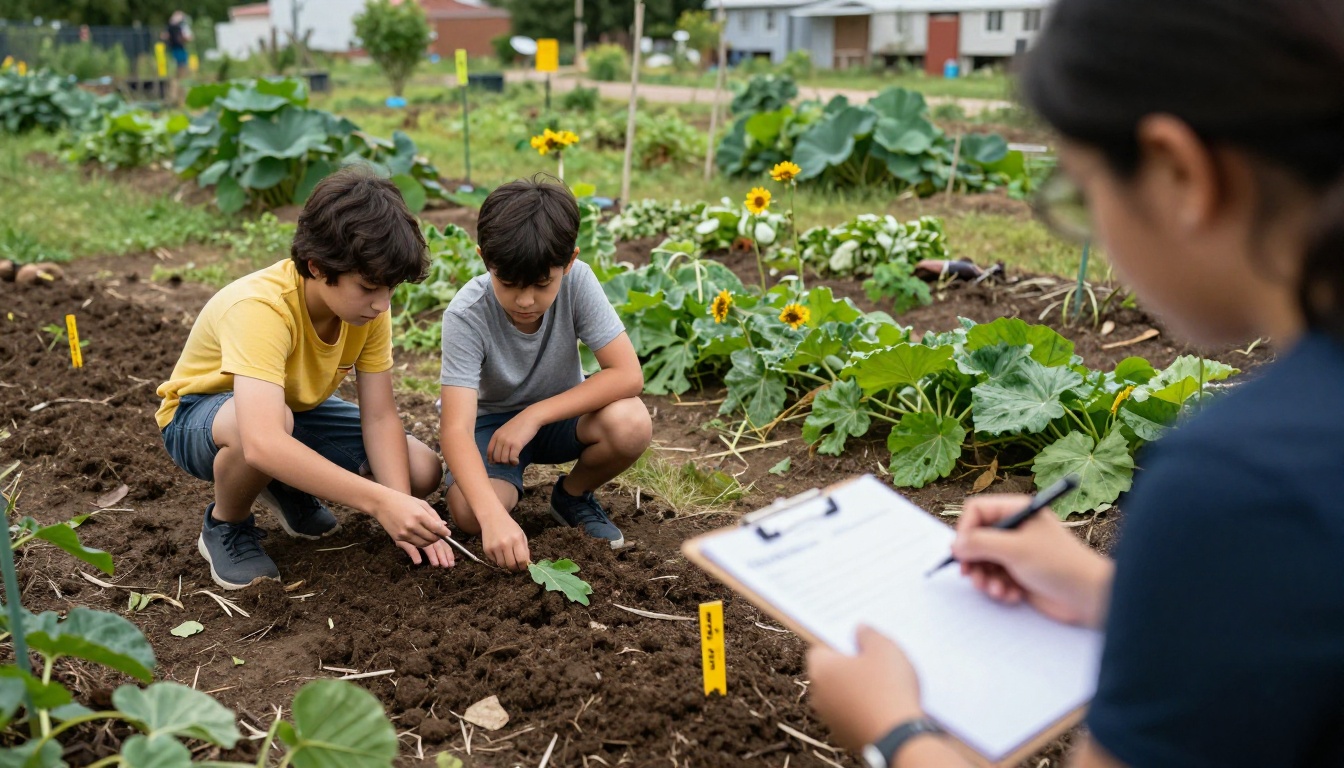
A photo alone is ambiguous. A photo with a caption such as "Measuring soil pH in the community garden, April 12" is evidence. Keep captions to one or two sentences and include the subject area they support.
Art and Creative Work
Photograph finished pieces against a plain wall in good light. Include one or two process shots so the reviewer sees the work was made, not bought.

Co-ops, Classes and Activities
If your child attends a co-op, takes music lessons or plays on a team, add a short list of activities with dates and hours. Attach a certificate or instructor note when you have one.
Organizing Your Portfolio Step by Step
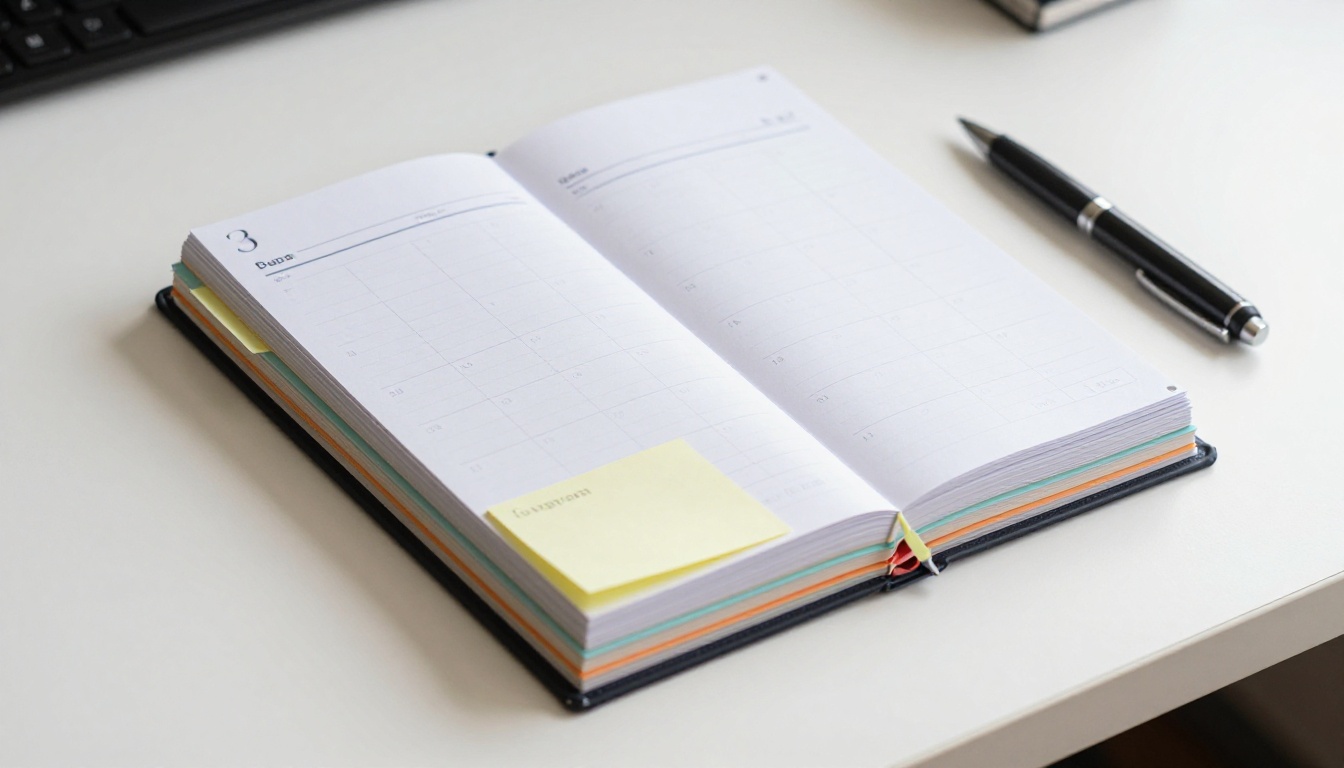
A good system beats a good memory. Build it into your weekly routine so you are not scrambling in May.
A Simple Weekly Routine
- Pick one folder per subject. Physical or digital, but consistent.
- Drop in one sample per week. Choose the best page or a representative one, not everything.
- Date and label it. A subject and date in the corner is enough.
- Add a two-line note. What the child did, and what you noticed.
- Review monthly. Remove duplicates and fill gaps in subjects.
Mistakes That Cause Trouble
| Common Mistake | Why It Hurts | Better Move |
|---|
| Only showing perfect work | Looks curated, hides growth | Include early drafts and corrections |
| No dates on samples | Timeline cannot be verified | Date everything as you collect |
| One subject dominates | Suggests gaps elsewhere | Balance samples across subjects |
| Pages of unsorted worksheets | Reviewer gets lost | Choose 3 to 6 per subject |
| No parent notes | Looks like no oversight | Add short reflections each term |
⚠️ Warning: Never alter or recopy work to make it neater. Evaluators can tell, and authentic imperfect work is more trusted than a polished redo.
What to Leave Out
Skip duplicate worksheets, curriculum catalogs and long personal commentary. If a page does not prove a skill or document a hour, it probably does not belong.
Presenting Your Portfolio Digitally
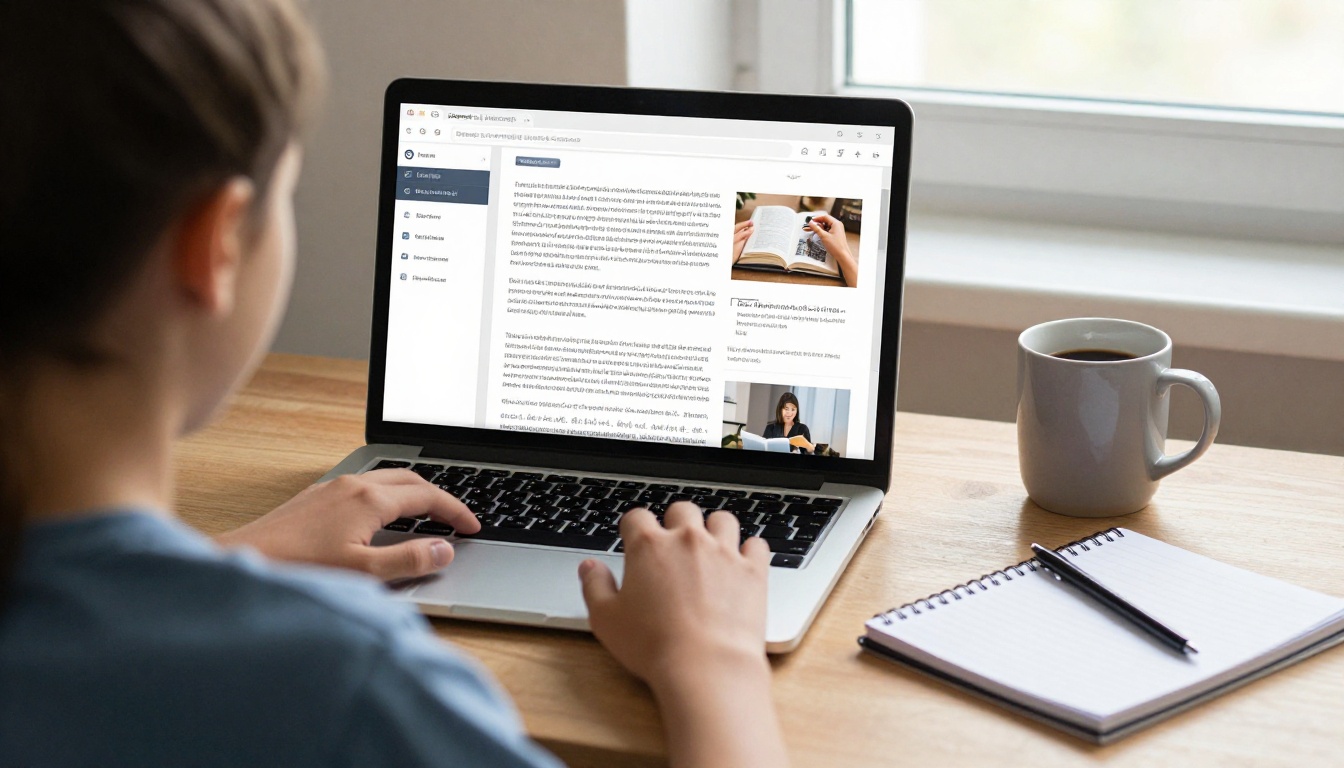
Binders work, but digital portfolios are easier to update, back up and send to a reviewer who cannot meet in person. Many families now keep a scanned or photographed archive throughout the year and assemble the final version from it.
Why a Flipbook Format Works
A flipbook feels like a real book. The reviewer turns pages in order, sees captions beside images and can zoom into handwriting. Compared with a folder of loose files, it presents a single, tidy story. You can also set a password so only your evaluator sees it.
| Format | Easy to Update | Easy to Share | Feels Professional | Cost |
|---|
| Paper binder | Medium | Low | High | Low |
| Folder of PDFs | High | Medium | Low | Free |
| Slide deck | Medium | Medium | Medium | Free to low |
| Digital flipbook | High | High | High | Low |
How to Build It With Flipbooks AI
If you already assemble your portfolio as a PDF, the process is short. The Digital Portfolio Creator and the Portfolio Flipbook Builder are built for exactly this kind of project.
- Create your account. Sign up on Flipbooks AI and open the dashboard.
- Upload your PDF. Use the PDF to Flipbook Converter. Your pages convert in moments and keep their layout.
- Customize the look. Pick colors, add your family or school name, choose page-turn effects and embed a short video of a presentation or recital if you like. No watermarks are added.
- Set sharing options. Copy a direct link, or use the embed code to place it on a family website. Turn on password protection for private records.
- Keep it current. Replace the PDF each term as you add samples, so the link stays the same.
Reviewing view counts, downloads and reader activity is possible with analytics on the Professional plan, and you can compare options on the pricing page. It is handy when you send the link to several parties, such as an umbrella school and a district office.
💡 Pro tip: Keep the PDF under a manageable page count by choosing only the best three to six samples per subject. A tight, 30 page flipbook is read from start to finish. A 150 page one is skimmed.
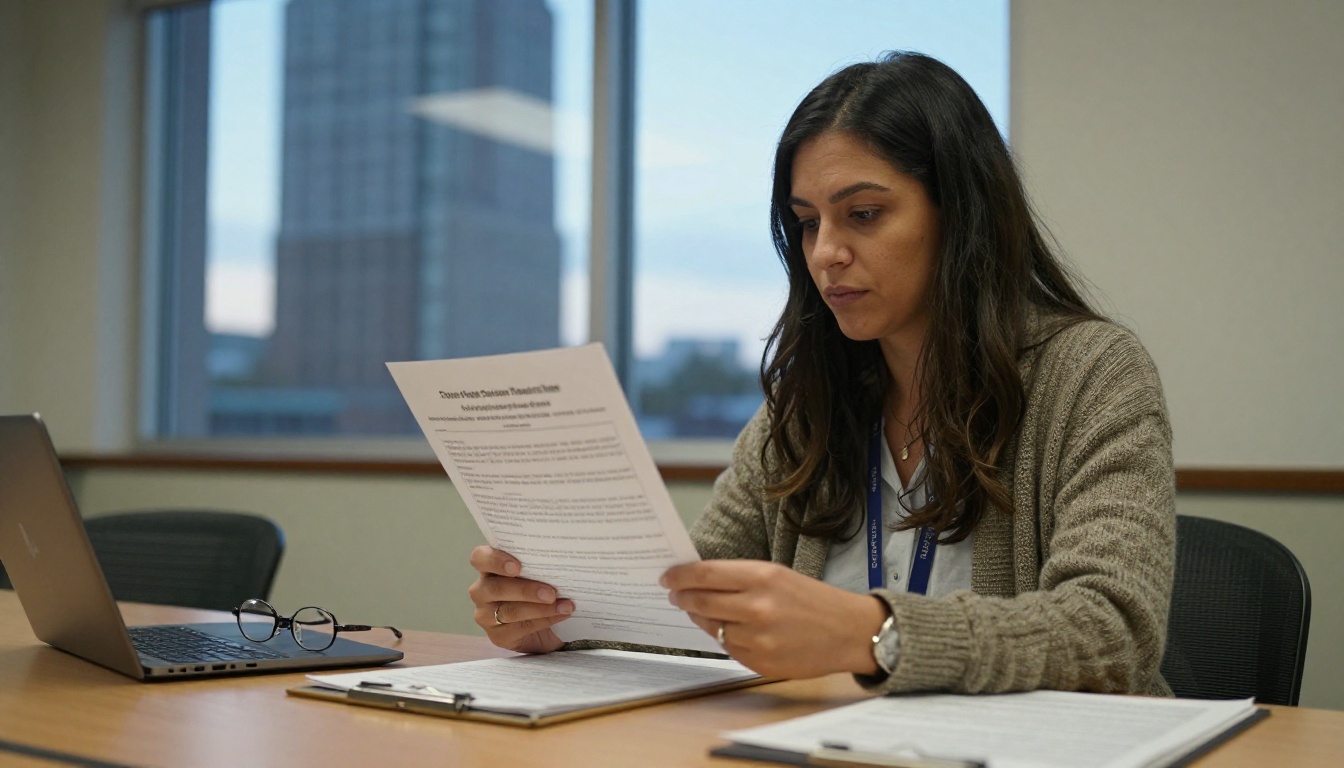
Preparing for the Review Meeting
The portfolio is only half of the evaluation. Some evaluators sit down with the student and ask questions. A few simple habits make that conversation easier.
Let the Student Present
Invite your child to walk through two or three favorite samples. Confidence and the ability to explain the work are strong signals of real study.

Know Your State Rules
Read your state or country requirements the week before, not the day before. Confirm whether you need a narrative, a test score, a log, or an evaluator signature, and bring or attach exactly that.
Pre-Meeting Checklist
- Portfolio assembled and page numbers checked
- Attendance or hours log up to date
- Reading list finished with dates
- At least one sample per required subject
- Parent progress summary written and signed
- Backup copy saved online and on a drive
- Student ready to talk about favorite work
Ready to Build Yours?
A convincing portfolio is built week by week, not in one frantic weekend. Collect dated samples, balance your subjects, add short notes in your own voice, and present it in a format that is pleasant to read. When you are ready to package the work, get started for free on Flipbooks AI, browse every flipbook tool for related projects such as a yearbook or course materials, and compare plans to pick what fits your family.



