Your member magazine lands in thousands of mailboxes and inboxes, and every vendor in your industry wants to be inside it. Yet many associations still treat ad sales as a side task that one overworked staffer handles between event deadlines. This article shows how associations sell sponsor ads in member magazines in a repeatable way: who to pitch, what to charge, how to package print and digital placements, and how to prove results. If you publish a digital edition, a tool like Flipbooks AI makes the reporting side far easier, and we will get to that below.
Why Member Magazines Sell So Well
Sponsors do not buy pages. They buy access to a verified, self-selected professional audience that already trusts your brand. A member magazine is one of the few channels where a supplier can reach every decision maker in a niche without paying for broad, wasted impressions.
The Trust Advantage
Members read their association magazine because it carries news that affects their license, their pay or their daily work. An ad placed beside that content borrows credibility. Sponsors know this, and it is the strongest line in any pitch.
Audience Data Beats Page Counts
Buyers ask about job titles, company size, purchasing authority and region. Associations that answer with a clear member profile close deals faster than those that quote circulation alone.
💡 Pro tip: Pull your member database into a one page audience snapshot before you talk to a single sponsor. Job title mix, years in role and budget authority are the three numbers buyers ask for first.
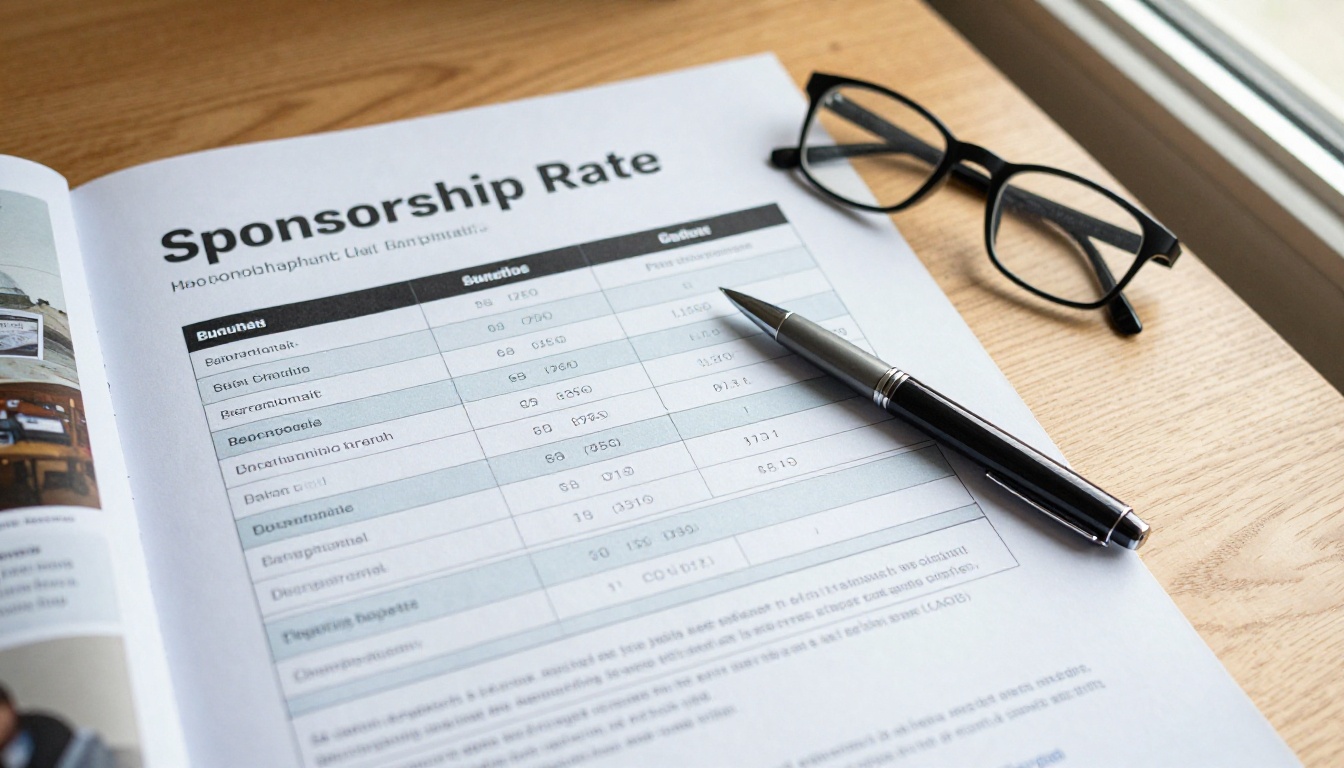
A rate card is the menu of everything you sell. Without one, every deal becomes a custom negotiation and your pricing drifts from one sponsor to the next.
Core Ad Formats and Typical Pricing
Pricing varies by audience size and industry, but the structure is similar everywhere. The table below shows a sample card for an association with about 8,000 members. Treat the numbers as a starting point and adjust to your own audience quality.
| Placement | Typical Size | Sample Price per Issue | Best For |
|---|
| Back cover | Full page | $4,500 | Brand awareness leaders |
| Inside front cover | Full page | $3,800 | Product launches |
| Standard full page | Full page | $2,600 | Established suppliers |
| Half page | Horizontal or vertical | $1,500 | Service providers |
| Quarter page | Small box | $850 | Local vendors |
| Sponsored article | 800 words plus image | $2,200 | Thought leadership |
| Directory listing | Text plus logo | $400 | Budget buyers |
Frequency Discounts That Reward Loyalty
Offer a 6 to 15 percent discount for a four issue annual contract and a deeper one for six issues. Multi issue deals protect your revenue and cut the time you spend chasing renewals.
Premium Positions and Exclusivity
Category exclusivity is a premium product. If only one title insurance provider can appear in each issue, charge 20 to 30 percent more for that right. Sponsors in competitive categories pay readily to keep rivals out.

Your media kit is the document a prospect forwards to their boss. It needs to be short, honest and easy to scan on a phone.
What Every Media Kit Includes
- Audience profile: member count, job titles, regions and years of membership
- Readership figures: print circulation, digital opens, average read time
- Editorial calendar: issue themes and closing dates, so sponsors can match their product to a topic
- Rate card: the full menu of formats and prices
- Specs and deadlines: file sizes, bleed settings and submission dates
- Testimonials: one or two quotes from current sponsors
Publish the Kit as a Flipbook
A static PDF attachment gets lost in inboxes. Turning the kit into a page flip document gives the sponsor one link to share and gives you a view count. The PDF to Flipbook Converter handles this in a few minutes, and you can add password protection if your rates are not public.
⚠️ Warning: Never publish prices you are not willing to honor. A rate card with outdated numbers invites sponsors to argue from last year's lower figures.
Strong sales start with a target list, not a mass email.
Who Buys Ads in Association Magazines
Look first at companies that already sell to your members. Check your exhibitor list, your annual conference sponsors and the vendors that appear on your member directory. Companies already spending money in your world are the warmest prospects.
| Sponsor Type | Example | Why They Buy | Typical Budget |
|---|
| Suppliers | Software and equipment vendors | Direct access to buyers | $5,000 to $25,000 per year |
| Insurers and financial firms | Professional liability carriers | Recurring member needs | $8,000 to $30,000 per year |
| Educators | Universities and certification bodies | Recruit members for programs | $3,000 to $12,000 per year |
| Local businesses | Hotels, printers, law firms | Regional visibility | $1,000 to $5,000 per year |
| Employers | Companies hiring members | Recruitment ads | $800 to $4,000 per year |
A Simple Outreach Sequence
- Research the prospect. Find which of your members already use their product.
- Send a short first email. Two paragraphs, one audience statistic and a link to your digital media kit.
- Follow up in four days. Offer an editorial calendar topic that fits their product.
- Call after the second email. Ask what their goal is for the year, then propose a package.
- Send a one page proposal. Include the placement, the price and the expected reach.
Pitch Outcomes, Not Pages
A sponsor selling scheduling software does not care that you print 8,000 copies. They care that 1,200 of your members manage clinic staff. Tie the placement to a business outcome such as leads, demo requests or brand recall.

Package Print and Digital Together
Most members now read on screens at least part of the time. Associations that sell print only leave money behind.
Sell Bundles, Not Single Pages
A bundle might include a full page print ad, a clickable ad in the digital edition and a banner in the issue announcement email. Bundles raise the average deal size and give the sponsor several touchpoints for one decision.
Add Interactive Placements
A digital edition lets a sponsor do things print cannot. Embed a product video, link a logo to a landing page or add an audio message. With Flipbooks AI you can embed videos and audio directly in the page and keep the layout mobile responsive, so sponsors get a richer ad without extra design work.
| Placement Type | Print | Digital Edition | Bundle |
|---|
| Static full page ad | Yes | Yes | Yes |
| Clickable link to landing page | No | Yes | Yes |
| Embedded video | No | Yes | Yes |
| Lead capture form | No | Yes | Yes |
| Trackable views | Estimated | Measured | Both |
| Typical premium over print alone | None | 10 to 20 percent | 25 to 40 percent |

If your magazine is a PDF today, you can turn it into an interactive edition in an afternoon. Here is the process with the Magazine Flipbook Creator.
Step by Step Setup
- Create your account. Sign up on Flipbooks AI and open the dashboard.
- Upload the PDF. Drag in the print ready file. The platform converts each page into a flippable spread.
- Apply your branding. Set your logo, colors and page turn effect so the edition matches the print issue.
- Add sponsor media. Place clickable links on each ad and embed sponsor videos or audio where agreed.
- Choose sharing options. Copy the embed code for your website, share a direct link in your newsletter or protect the issue with a password for members only.
- Enable offline downloads. Let members save the issue to read on a flight or at a conference.
- Track results. Switch on analytics and lead capture, available on the Professional plan, to gather the numbers sponsors want.
Check the pricing plans to see which tier fits your issue volume. Standard plans and above allow unlimited flipbooks, and no watermarks ever appear on your pages, which matters when sponsors pay for clean presentation.
✅ Best practice: Send each sponsor a preview link of their ad in the live digital edition before publication. It prevents broken links and shows professionalism.

Prove Results and Win Renewals
Renewals are where association ad programs make their profit. Winning a first sponsor costs time. Keeping one costs a report.
Metrics Sponsors Ask For
- Print circulation and pass along rate
- Digital issue opens and unique readers
- Time spent on the sponsor's page
- Clicks on links and embedded media
- Leads captured through forms
Send a Post Issue Report
Within two weeks of every issue, email each sponsor a one page summary. Include page views, clicks and any leads. Sponsors who receive proof renew at much higher rates than those who hear nothing until the invoice. Analytics and lead generation in a digital edition make this report nearly automatic.
| Report Section | What to Include | Why It Matters |
|---|
| Reach | Opens, unique readers | Shows audience size |
| Attention | Time on page | Proves the ad was seen |
| Action | Clicks, form submissions | Links ads to outcomes |
| Next steps | Suggested upgrade | Opens the renewal talk |

Real World Examples
A Regional Trade Association
A state builders association with 5,500 members moved from a print only rate card to bundled placements. They added clickable digital ads and a newsletter banner, and raised their average deal from $2,400 to $3,700 in one year, without changing circulation.
A Healthcare Nonprofit
A nursing association built a sponsored article product. Suppliers paid for an 800 word piece reviewed by the editorial board, clearly labeled as sponsored content. Sponsored articles became the second largest revenue line in the magazine, behind the back cover.
A Small Professional Society
A society of 900 members could not compete on circulation. They sold to local firms with a directory listing plus one quarter page ad, and reported every quarter. Renewal reached 85 percent because each sponsor saw numbers.
💡 Pro tip: Small audiences are not a weakness. A tight niche of 900 buyers is worth more to a specialist supplier than 50,000 general readers.

Mistakes That Cost Associations Revenue
Selling Too Late
Most sponsors set budgets months ahead. Start conversations for next year at least four months before your first issue closes.
Blurring Editorial and Advertising
Members notice when ads pretend to be articles. Label sponsored content clearly and keep editorial decisions with your editorial board. Trust is the asset you are selling, and it is easy to damage.
Skipping the Contract
Every deal needs a written order covering placement, dates, price, cancellation terms and artwork deadlines. A handshake is not enough when a sponsor changes marketing managers.
Ignoring Small Sponsors
Local vendors may only spend $1,000, but a dozen of them add up to a full page of revenue every issue, and many grow into larger accounts.
Your Next Steps
Selling sponsor ads is a system: a clear audience profile, a fair rate card, a short media kit, bundled print and digital packages and a report after every issue. Put those five pieces in place and your magazine stops being a cost and starts funding your mission.
Ready to publish an interactive issue sponsors will pay for? Get started for free on Flipbooks AI. Browse all flipbook tools to find the right fit for your media kit, annual report or newsletter, or look at the Non-Profit Annual Report tool to show donors and sponsors your impact. When you are ready to compare options, review the pricing plans and choose what works for your association.



