A couple sits down at your tasting table with a budget in their heads and a dozen browser tabs open. Within about twenty minutes they will decide whether you feel like a safe, delicious, fairly priced choice or just another quote to compare. The food matters, but how caterers present wedding tasting menus and package prices often decides who gets the booking. A tidy, visual, interactive menu built as a flipbook on Flipbooks AI turns a confusing price list into a calm conversation.
This article walks through what top caterers do differently: how they structure the tasting, how they name and price packages, which tables build trust, and how to deliver everything in a format couples can open on a phone at midnight.
Why Presentation Wins Bookings
Wedding catering is an emotional purchase with a spreadsheet attached. Couples compare three to six caterers, and most of them are not experts in portion sizes, service styles or per-head pricing. They reward the vendor who makes the decision easy.
A strong presentation does four jobs at once:
- It reduces fear. Clear tiers and no hidden fees calm the worry of surprise invoices.
- It sells the food. Real photos of real plates beat adjectives every time.
- It frames the price. When the package is explained as an experience, the number feels earned.
- It speeds up the yes. A shareable link lets both partners, and often both sets of parents, review the same document.
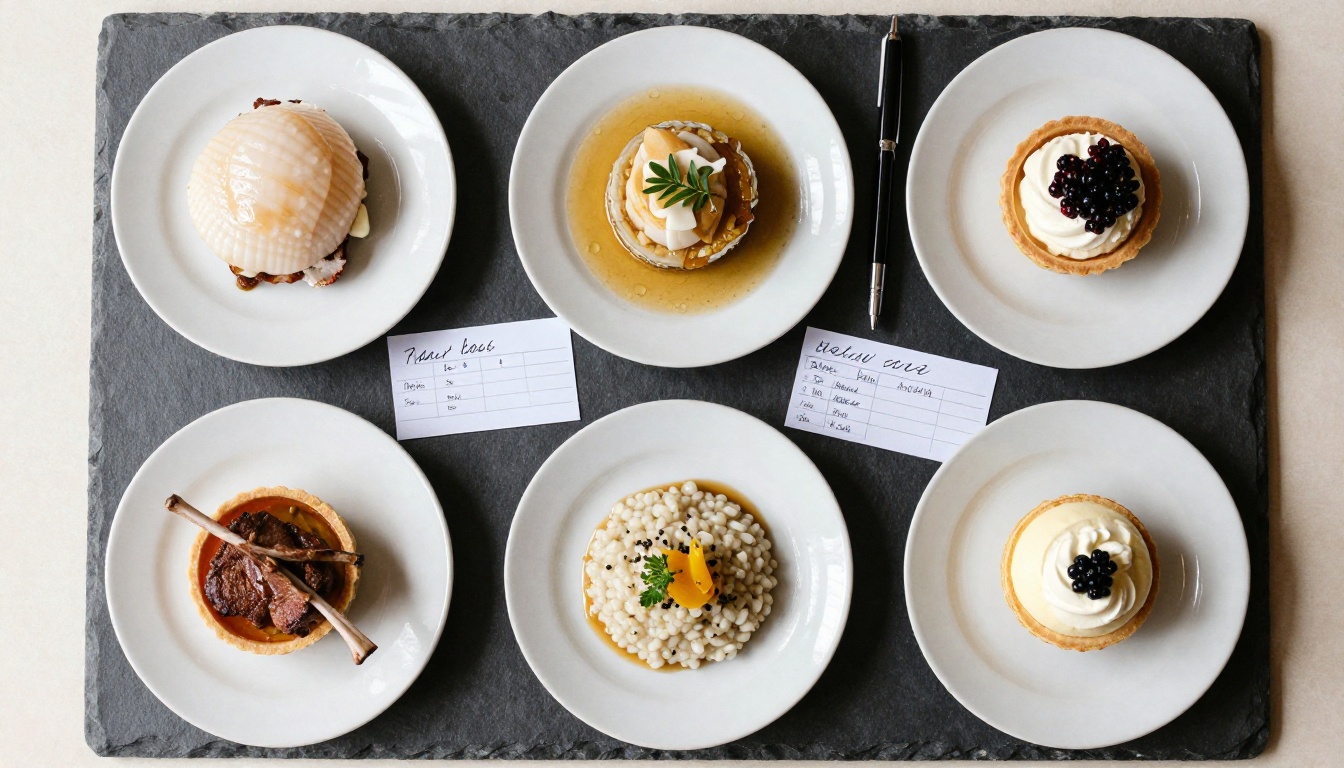
💡 Pro tip: Treat the menu as a sales page, not a price sheet. The first page a couple sees should show food and a feeling, not a table of numbers.
The 20 Minute Decision Window
Most couples form a first impression of a caterer in the first pages of a proposal. If they hit a wall of text, they skim. If they hit a gorgeous plate and a simple three tier layout, they keep reading. Put your strongest photo and your simplest pricing idea within the first two pages.
What Couples Actually Ask
Couples rarely ask "what is your markup." They ask smaller questions that hide the same worry:
- What is included in the per-person price?
- What changes if our guest count drops by twenty?
- Do we pay extra for staff, rentals and service charge?
- Can we swap a dish without a fee?
Answer all four on the page before they ask and you have already won half the conversation.
Structuring the Tasting Experience
The tasting is your stage. Top caterers script it like a short show, with a beginning, middle and clear end.
Before They Arrive
Send the couple a short digital preview the week before. Include the date, parking, who attends, and the dishes they will try. Couples who arrive informed ask better questions and decide faster.
The Plate Sequence
A good tasting follows the flow of the real wedding day:
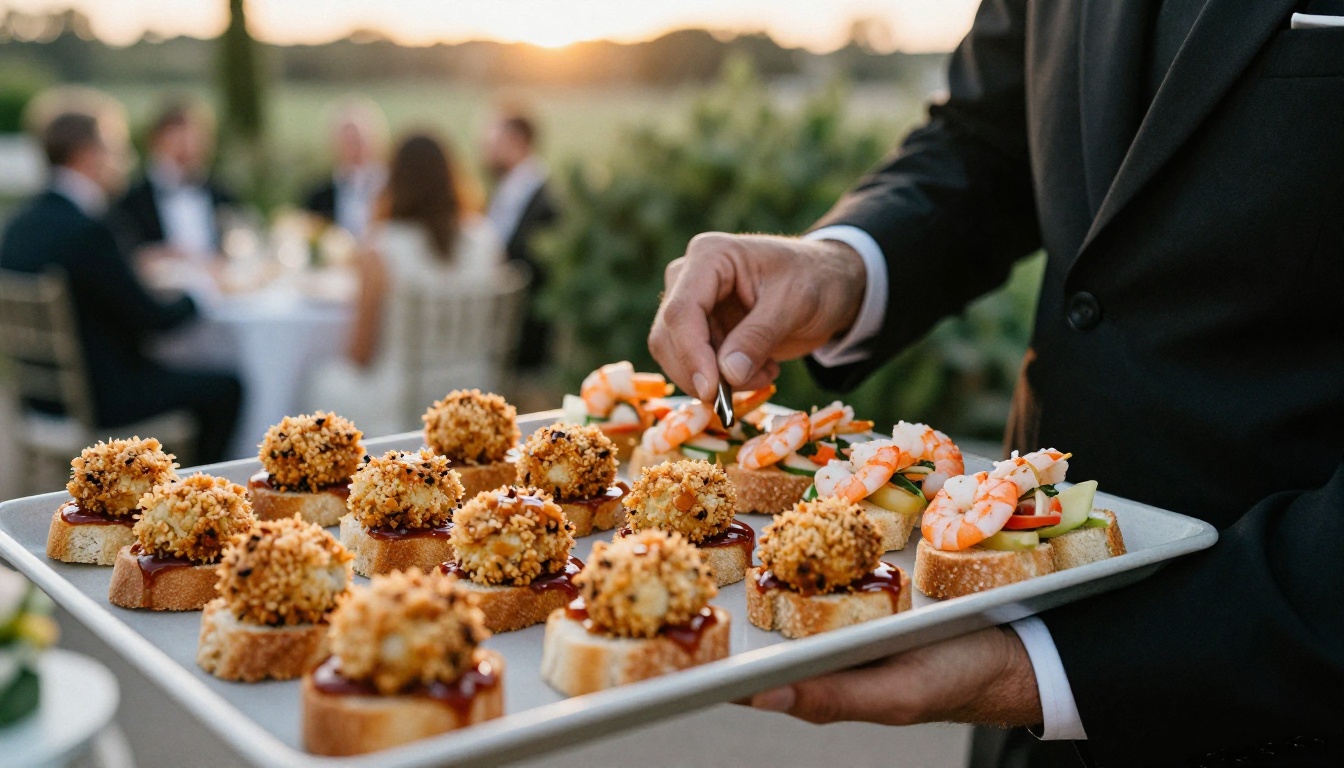
- Cocktail hour bites: two or three passed appetizers.
- First course: a salad or soup that shows your seasonal range.
- Main course: one protein option, one vegetarian option, and a signature side.
- Dessert: a small trio, plus a late night snack idea.
Give Them a Scorecard
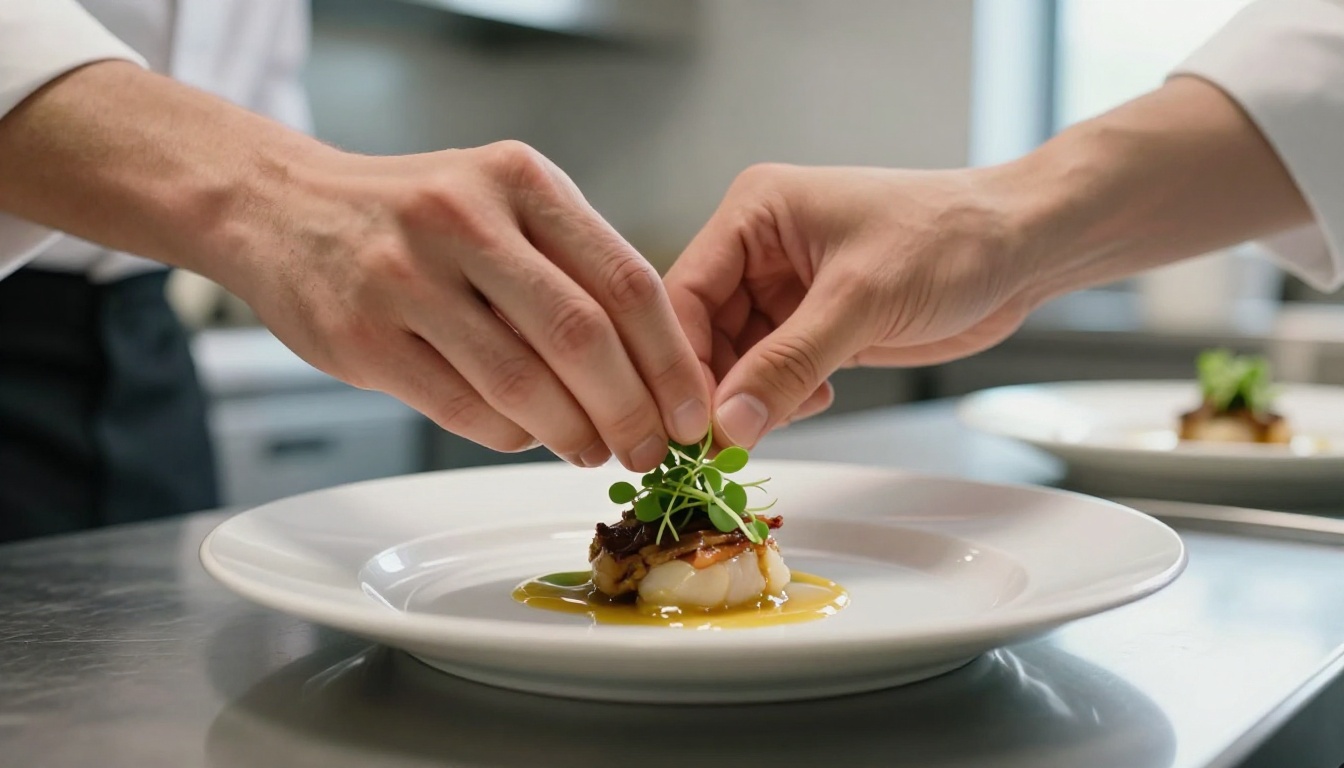
Hand each partner a simple scorecard with three columns: loved it, liked it, skip it. It slows the conversation down, captures real preferences, and gives you notes for the final menu. It also sends a message that you care about their taste rather than pushing your favorites.
| Tasting Element | What the Couple Sees | Why It Works |
|---|
| Pre-visit preview | Short digital menu with photos | Sets expectations and builds excitement |
| Plate sequence | Cocktail hour to dessert in order | Mirrors the real wedding timeline |
| Scorecard | Loved, liked, skip columns | Turns opinions into a final menu |
| Price page | Three tiers shown after the food | Price arrives with desire already built |
| Follow-up link | Same flipbook sent by email | Lets parents and planners review later |
How to Build Package Tiers
Packages are the backbone of wedding catering. They keep quotes consistent, speed up proposals and protect your margins. The best caterers use three tiers, because three feels like a real choice without creating decision fatigue.
The Good, Better, Best Pattern
A simple structure works for most small and mid sized caterers:
- Essential: a focused menu with fewer choices and standard service.
- Signature: the package you actually want to sell, with more courses and better presentation.
- Luxe: the full experience, with chef stations, premium proteins and extra staff.
Name tiers after the experience rather than the metal. "The Garden Table," "The Grand Feast" and "The Chef's Evening" feel warmer than Bronze, Silver and Gold.
Make the Middle Tier Obvious
Add a small "most popular" badge to the middle package and place it slightly larger on the page. Most couples choose the tier that feels safe, and a clear recommendation saves them the stress of guessing.

Sample Package Comparison
The numbers below are illustrative per-person ranges for a seated dinner. Adjust them to your market, your costs and your service style.
| Feature | Essential | Signature | Luxe |
|---|
| Per-person range | $65 to $85 | $95 to $130 | $145 to $210 |
| Cocktail hour | 2 passed bites | 4 passed bites plus a grazing table | 6 bites plus a raw bar |
| Courses | Salad and main | Starter, main and dessert | Four courses with intermezzo |
| Protein choices | 1 | 2 | 3 plus vegetarian tasting plate |
| Staffing | Standard servers | Servers and bartender | Servers, captain and chef on site |
| Menu tasting included | Yes, 2 guests | Yes, 4 guests | Yes, 4 guests plus a second tasting |
⚠️ Warning: Never publish a per-person price without stating what is excluded. Tax, service charge, rentals and travel are the usual sources of sticker shock, and sticker shock kills trust.
Showing Prices Without Scaring People
Price is not the enemy. Confusion is. The goal is to show the number in a context that makes sense.
Lead With the Value, Then the Number
Describe what the couple receives before you show what it costs. A page that opens with "Four hours of service, three courses, a dedicated captain and a farm to table menu" prepares the reader for $110 per person far better than a bare number.
Show a Total Example
Per-person prices feel abstract. A worked example for a realistic guest count feels concrete and honest.
| Line Item | Example for 100 Guests |
|---|
| Signature package at $110 per person | $11,000 |
| Bartender and bar setup | $900 |
| Rentals (plates, linens, glassware) | $1,400 |
| Service charge (20 percent) | $2,200 |
| Estimated total before tax | $15,500 |
That one table answers the question every couple has: "What will this actually cost?" Caterers who publish it close faster because there is nothing left to uncover later.
Use Ranges When Costs Move
Seafood, seasonal produce and weekend dates all shift price. A range with a short note, such as "Saturday evenings in June sit at the upper end," is more credible than a fake fixed number you have to walk back.
✅ Best practice: Keep a single page called "What affects your price" with four bullet points: guest count, date, menu choices and service style. Link to it from every package.
Photos do the work of a hundred adjectives. Couples want to see the exact dish they might serve to their grandmother.
Shoot Real Plates
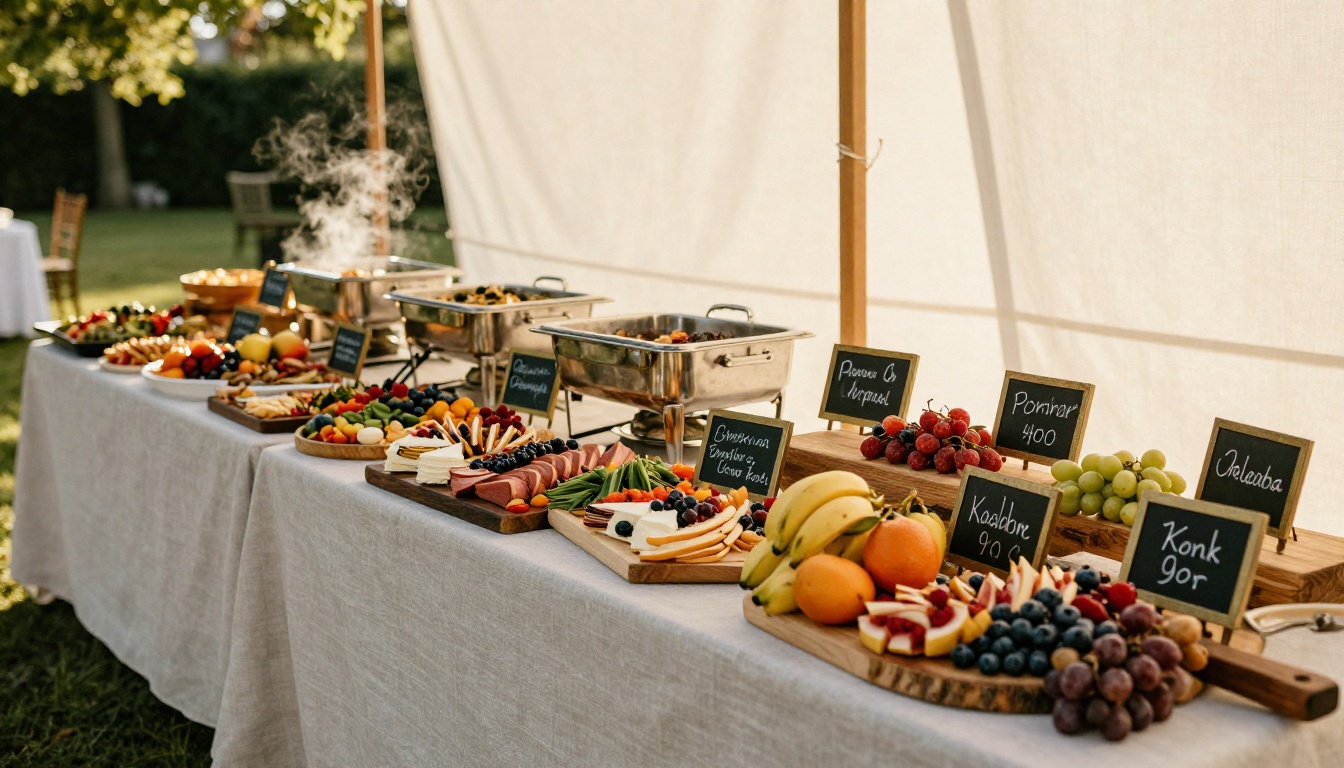
Use photos of food you actually serve, at the scale you actually serve it. Over-styled shots that cannot be reproduced at 150 covers create disappointment on the wedding day. Show a mix of close-ups for texture and wide shots for the setting.
A Simple Shot List
- One hero shot of a signature main course.
- One close-up of dessert.
- One wide shot of a buffet or family style table.
- One image of your team plating or serving.
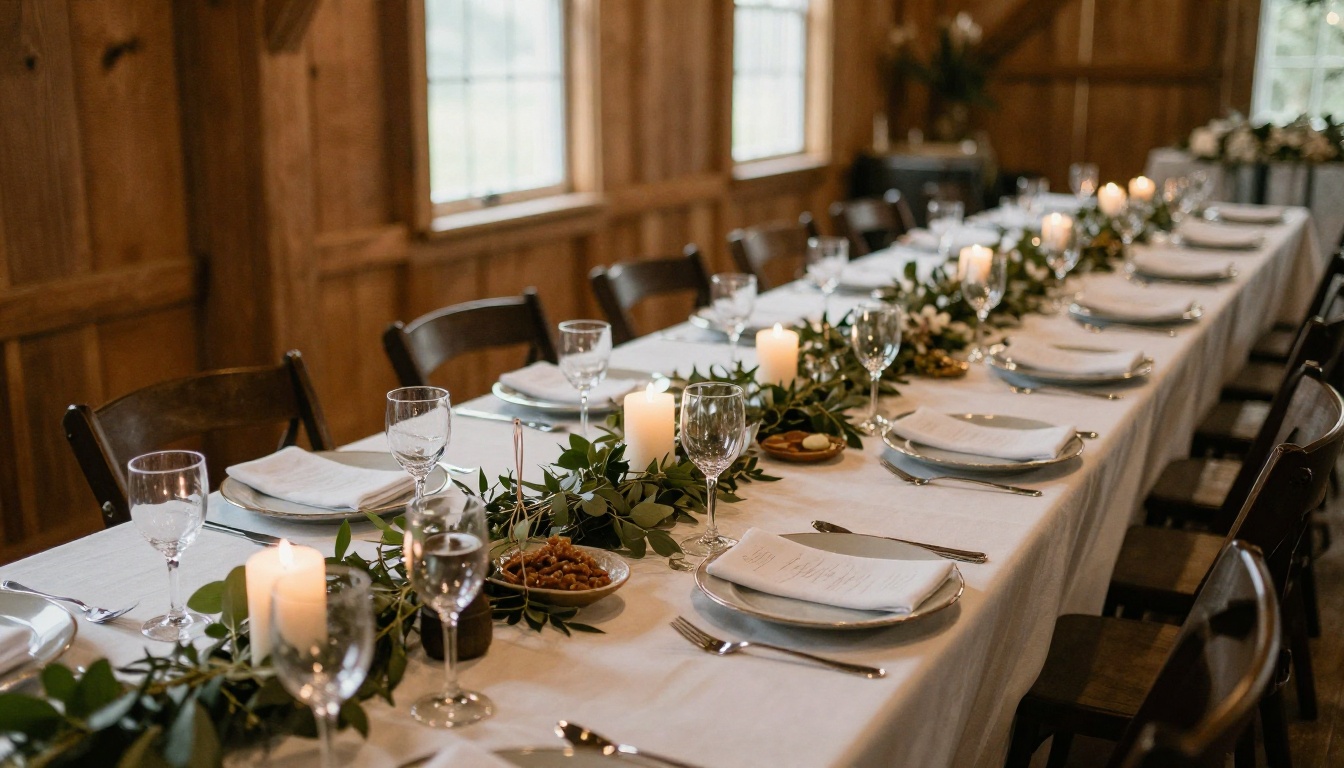
- One image of a full reception table, set and lit.
Match Photos to Tiers
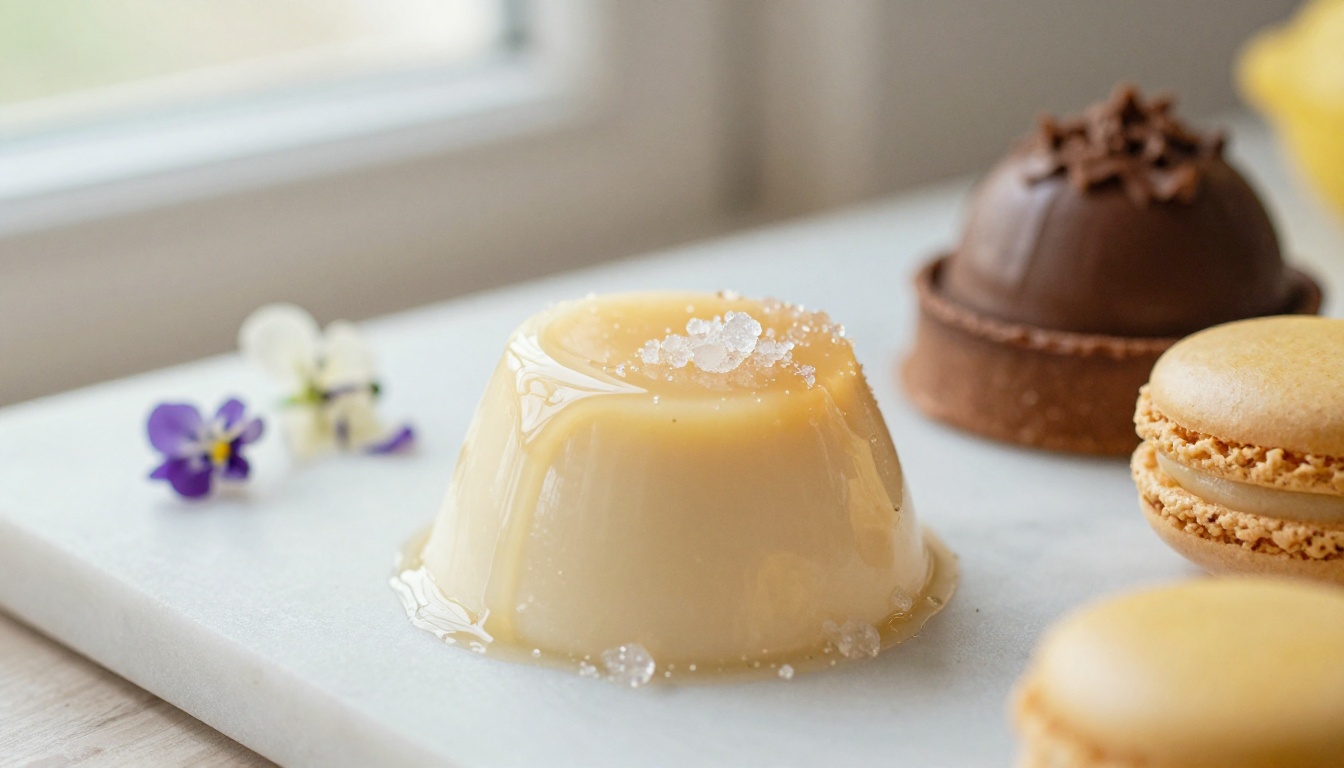
Show the Essential tier with clean, honest plates, the Signature tier with richer styling, and the Luxe tier with stations and setups. Couples then understand what the extra money buys, which is the most persuasive pricing argument you have.
Service Styles and Their Price Impact
Couples often do not realize that service style changes the bill as much as the menu does. Explain it visually and simply.
| Service Style | Typical Staffing Need | Price Effect | Best For |
|---|
| Plated dinner | High | Highest | Formal receptions |
| Family style | Medium | Mid to high | Warm, social tables |
| Buffet | Lower | Moderate | Large guest counts |
| Food stations | Medium to high | Moderate to high | Mingling crowds |
| Cocktail reception | Medium | Lower to moderate | Short, modern events |
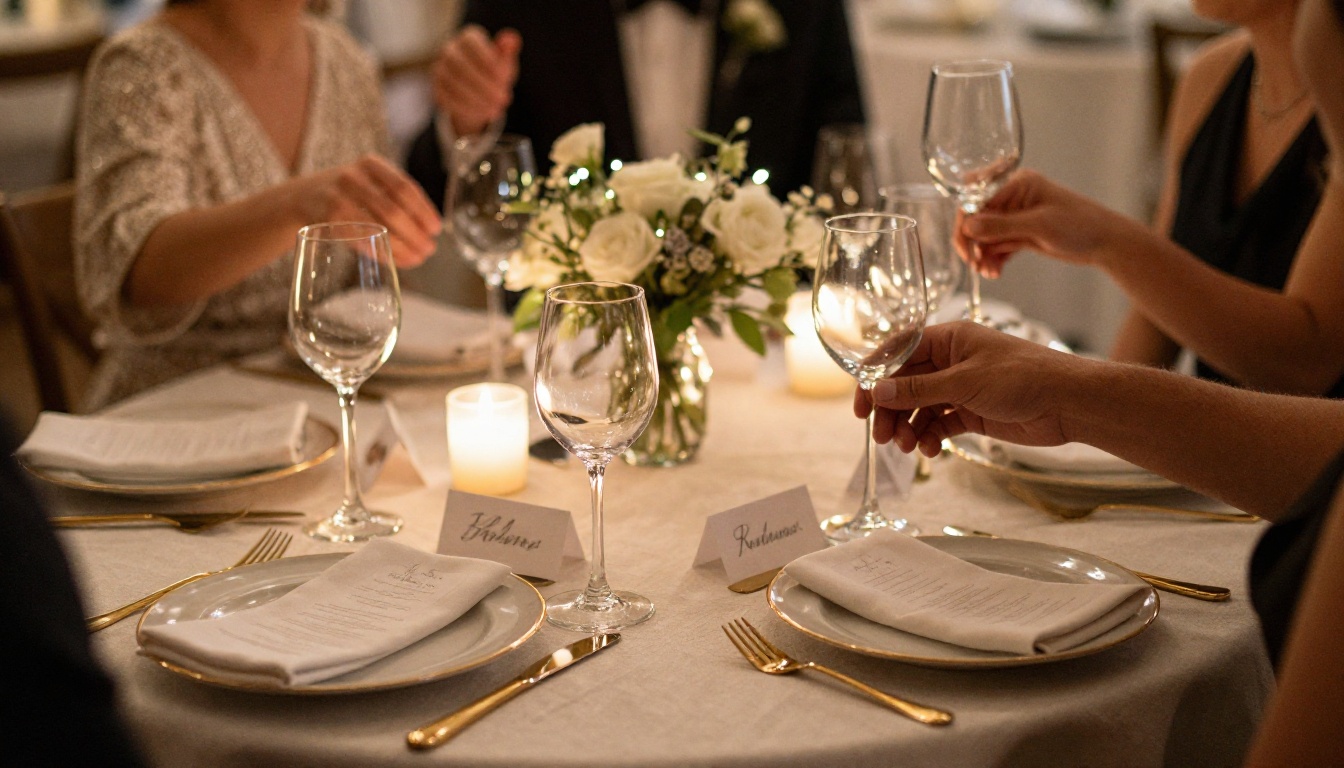
Offer Swaps, Not Surprises
Tell couples early that swapping a plated course for a station or adding a late night snack changes the price in a specific way. A short "popular upgrades" list with fixed per-person add-ons, such as a cheese course at $9 or a late night slider at $7, lets them customize without a new quote every time.
Handle Dietary Needs Up Front
Include a clear note on vegetarian, vegan, gluten free and allergy handling. Show one real example of a vegetarian main so those guests are not an afterthought. This detail alone wins parents' trust.
Why a Digital Flipbook Beats a PDF
Most caterers still email a PDF. It works, but it opens as a static file, loads slowly on phones, cannot be updated once sent, and tells you nothing about whether anyone read it.
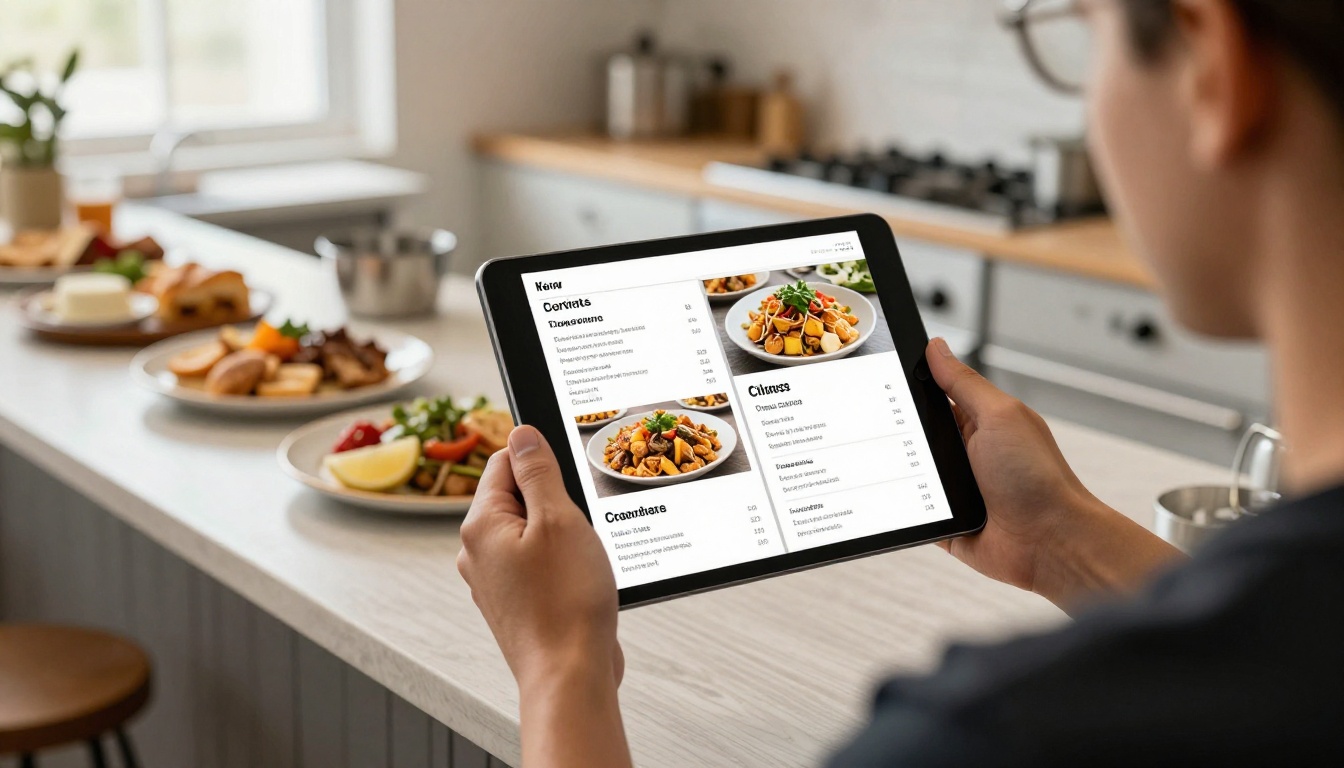
A flipbook fixes all of that. It turns your tasting menu and package pricing into a page turning experience that feels like a printed brochure, but lives at a link.
| Feature | Emailed PDF | Flipbook on Flipbooks AI |
|---|
| Mobile experience | Pinch and zoom | Responsive, page turning |
| Update after sending | New attachment each time | Same link, updated file |
| Branding | Basic | Custom colors and layout |
| Embed on website | Not practical | Embed in one step |
| Privacy | None | Password protection available |
| Reader insight | Unknown | Analytics on the Professional plan |
Real World Use Cases
- A boutique caterer sends a password protected flipbook to each couple with personalized pricing, so competitors and past clients never see it.
- A venue partner embeds a caterer's flipbook on its preferred vendor page, which turns the menu into a lead source.
- A planner shares one link with a couple, parents and the florist so everyone reviews the same version.
Here is a simple process to create a polished tasting menu and pricing flipbook with Flipbooks AI.
- Design your pages. Build the document in your design tool of choice, with a cover, a welcome page, the tasting sequence, three package pages, an add-ons page and a final contact page.
- Upload the PDF. Open the PDF to Flipbook Converter, drop in the file and wait for the conversion. Your pages become a page turning flipbook.
- Pick the right tool. The Restaurant Menu Creator and Menu Flipbook Designer are well suited to food and drink layouts, while the Digital Price List Generator helps keep tier tables tidy.
- Customize the look. Add your logo, brand colors and page effects so the flipbook feels like your business, with no watermarks.
- Add media. Embed a short video of your kitchen or an audio note from the chef to make the menu feel personal.
- Share it. Copy the direct link, embed it on your website, or send it by email. Turn on password protection for custom quotes.
- Track interest. On the Professional plan, use analytics and lead generation to see which pages couples spend time on and capture contact details.
💡 Pro tip: Keep one master flipbook for public packages and a separate password protected version for each custom proposal. You get a clean website experience and private pricing in the same system.
Compare pricing plans to see which tier fits your volume of weddings. Standard plans include unlimited flipbooks, which is handy when every couple gets their own version.
Mistakes That Cost Caterers Bookings
Even strong caterers lose clients to avoidable presentation problems. Watch for these:
- Hiding the price. Couples assume the worst when they cannot find a number.
- Too many options. Five packages and ten add-ons create paralysis.
- Stock photography. Couples can tell when the food is not yours.
- No total example. Per-person math without a sample budget leaves doubt.
- Slow files. A heavy PDF that will not open on a phone loses the impatient half of your audience.
A Quick Self Audit
Open your current proposal on your phone and ask:
- Can a stranger find the three package names in ten seconds?
- Is the most popular tier obvious?
- Are exclusions written in plain language?
- Does every page have at least one real photo?
If the answer to any of these is no, that page is costing you bookings.
Small Details That Build Trust
Little touches signal professionalism before a single plate is served.
- A dated validity line. "Pricing valid through December 31" creates gentle urgency without pressure.
- A deposit schedule. A simple table showing deposit, second payment and final balance removes anxiety.
- A cancellation summary. One plain paragraph beats three pages of legal language.
- A seasonal note. Mention that menus change with the market, so couples know to expect freshness.
| Payment Milestone | Typical Timing | Typical Share |
|---|
| Booking deposit | At signing | 25 percent |
| Second payment | 90 days before | 25 percent |
| Final balance | 14 days before | 50 percent |
Keep the Tone Human
Write the way you speak at the tasting. "We cook everything the morning of your wedding" is better than "Our culinary team delivers elevated seasonal experiences." Short, warm sentences make a price feel like a promise rather than a pitch.
Put It Into Practice This Week
You do not need a redesign to improve your presentation. Start with a few small moves:
- Reduce your packages to three and name them after experiences.
- Add one total cost example for 100 guests.
- Replace two stock images with photos of your own plates.
- Convert the proposal to a flipbook and send it as a link.
Ready to build yours? Get started for free on Flipbooks AI, browse all flipbook tools to find the right layout, or check the pricing plans to pick the one that fits your wedding season. Your food already tells a great story. A clear, beautiful menu helps couples hear it.



