Every founder running a direct-to-consumer brand knows the feeling: the same ad that cost a few dollars per click last year now costs double, and the customer you paid so much to acquire buys once and disappears. That is exactly why a growing number of D2C brands are putting a printed catalog in the mailbox, then pairing it with a digital version built on Flipbooks AI so every page works online too. Paper is not nostalgia here. It is a channel with a different cost curve, a different attention span, and a very different relationship with the person holding it.
This article breaks down why print catalogs are making a comeback, which brands benefit most, what a campaign really costs, how to build one without a design agency, and how to measure whether it paid off.

Why Ads Stopped Paying Off
Rising costs, shrinking returns
Paid social and search are auctions. When more brands bid on the same audiences, prices rise, and the ones with the deepest pockets win. Small and mid-size D2C brands end up paying more for the same eyeballs while privacy changes make targeting less precise. The result is a customer acquisition cost that creeps upward until the first order no longer covers the ad spend.

The attention problem
A paid ad lives for about two seconds in a feed. It competes with friends, news, and a hundred other brands. A catalog sits on a coffee table for days or weeks. People flip through it at dinner, circle items, and leave it where the rest of the household can see it. That dwell time is something no scroll-based ad can buy.
💡 Pro tip: Treat print as a retention and reactivation channel first. Mailing a catalog to people who already bought from you costs far less per order than buying a brand new customer through an ad.
Owned channels are safer
Your mailing list, your customer database, and your printed pieces cannot be switched off by an algorithm update or an account suspension. When a single ad platform supplies most of your traffic, any policy change becomes a revenue risk. A catalog is a way to own part of the relationship.
Why Print Works for D2C Brands
Tactile and memorable
Paper has weight, texture, and smell. A thick uncoated cover with a clean product photo signals quality before a single word is read. Brands selling skincare, home goods, apparel, and food discover that the physical piece makes the product feel real in a way a thumbnail cannot.
Higher order values
Browsing a catalog is a different behavior from searching a site. Shoppers see products side by side, notice bundles, and add items they were not hunting for. Many brands report larger baskets from catalog-driven orders because the layout does the merchandising for them.

Less competition in the mailbox
Marketing mail volume dropped sharply over the last decade while inboxes and feeds exploded. A well-designed catalog now stands out simply because few competitors send one. Your piece arrives alone, not next to fifty other promotions.
| Factor | Paid Social and Search | Printed Catalog |
|---|
| Typical exposure | Seconds in a feed | Days or weeks on a table |
| Cost behavior | Rises with auction demand | Fixed per piece, lower at volume |
| Targeting | Limited by privacy rules | Your own customer list |
| Shelf life | Disappears when budget stops | Stays in the home |
| Best use | New audience discovery | Repeat purchase and reactivation |
Which Brands Benefit Most
Strong fits
Print catalogs perform best when products are visual, browsable, and often bought in groups. Think apparel and accessories, home decor, beauty and wellness, specialty food, pet supplies, and outdoor gear. Brands with 30 or more products and a reasonable average order value have enough variety to fill pages and enough margin to pay for postage.
Weak fits
A single-product brand, or a business with very low order values and thin margins, will struggle to make the math work. If your whole catalog fits on one landing page, a postcard or an insert in the shipping box is a smarter first step.
⚠️ Warning: Do not mail a catalog to your entire list at once. Start with your top customers by lifetime value, measure the result, then widen the audience.
How D2C Brands Run Catalog Campaigns
Package inserts
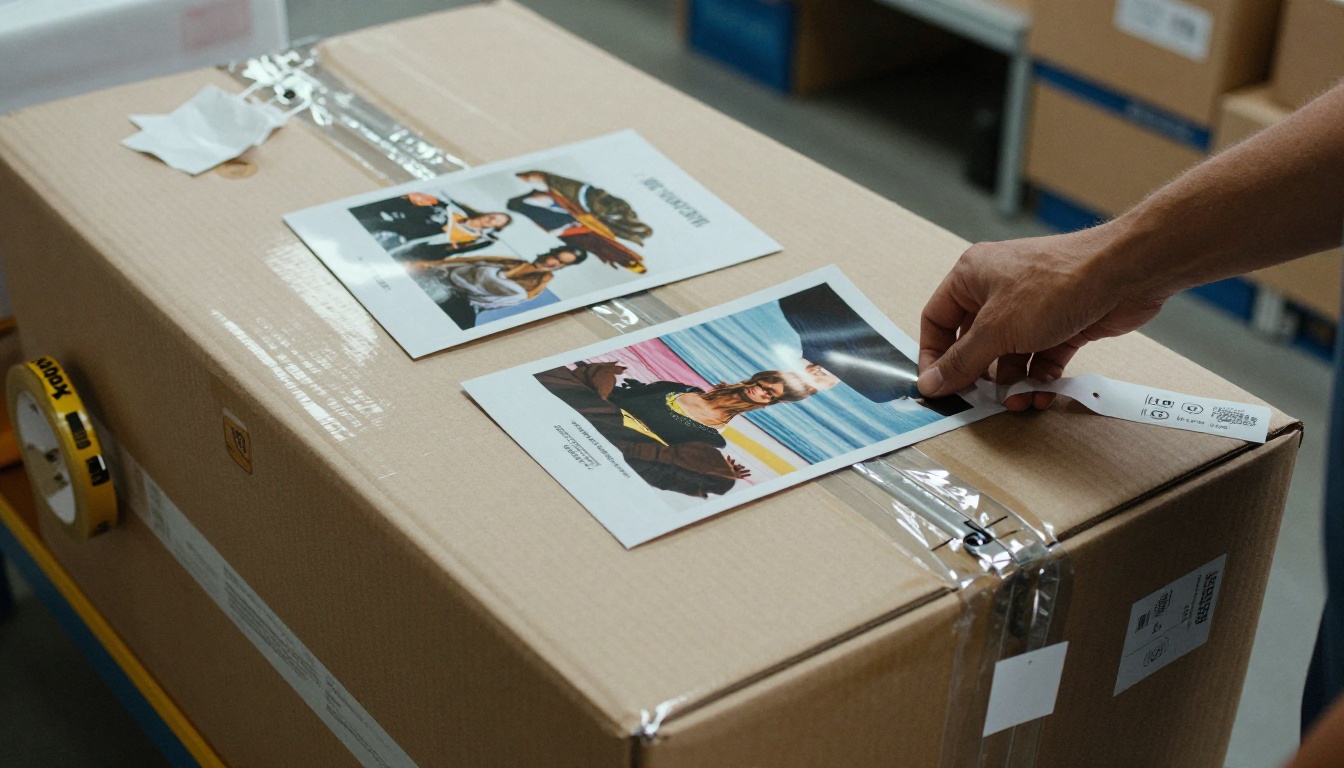
The cheapest entry point is a catalog tucked into every outgoing order. Postage is already paid, the recipient just bought, and the next purchase is the easiest one to win. A home goods brand can insert a catalog with a time-limited code printed on the back cover and watch for redemptions within thirty days.
Targeted mailings
Segment by purchase history and recency. Lapsed customers who spent well a year ago are the obvious first group. Send them a catalog with a short personal note, and track who returns.
Seasonal drops
Holiday gift catalogs, spring refreshes, and back-to-school editions give people a reason to open the mail. Seasonal pieces also give your team a deadline, which keeps the production schedule honest.
What a Catalog Campaign Costs
Rough numbers
Costs vary by page count, paper, quantity, and postage zone. The figures below are illustrative ranges to help you plan, not quotes. Always request pricing from two or three printers.
| Cost Item | Small Run (1,000) | Mid Run (5,000) | Notes |
|---|
| Printing per piece | Higher | Lower | Volume discounts apply |
| Postage per piece | Similar | Slightly lower | Presorted rates help |
| Design and photography | One-time | One-time | Reuse across editions |
| Digital flipbook | Low monthly | Low monthly | Same file, no reprint |
Where to save
Keep page counts to multiples of four, choose a lighter text stock with a heavier cover, and reuse photography across print and digital. Shooting once and publishing everywhere is the single biggest saving. Using a Digital Catalog Maker means the same PDF you send to the printer becomes your online catalog too.

Pair Print With a Digital Flipbook
Why both matter
Print starts the conversation, but many readers will want to forward the catalog, open it on a phone, or share it with a partner who lives elsewhere. A digital flipbook gives you that second life. It is searchable, shareable by link, and trackable, which paper never is.
Add a QR bridge
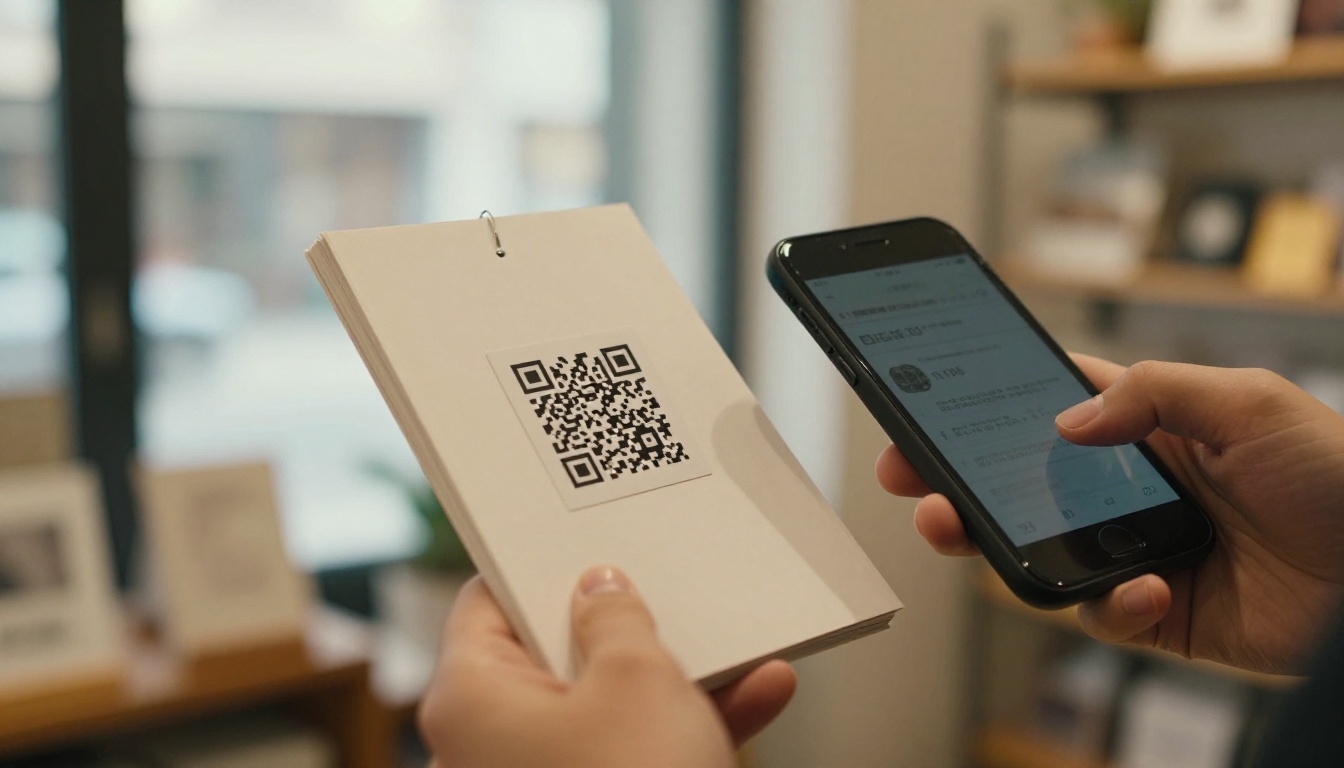
Place a small QR code on the cover or the order page that opens the flipbook. Readers can tap through to products, and you can see which pages drew the most attention.
Print versus digital
| Feature | Print Catalog | Digital Flipbook |
|---|
| Reach | Mailing list only | Anyone with a link |
| Updates | Reprint required | Edit and republish |
| Tracking | Codes and surveys | Page views and clicks |
| Sharing | Hand to hand | Link, email, embed |
| Cost per extra reader | Postage plus print | Close to zero |
How to Build One With Flipbooks AI
If you already have a catalog PDF, you can publish a digital edition in minutes. Here is the process using the PDF to Flipbook Converter and the Catalog Flipbook Creator.
Step by step
- Create your account. Sign up on Flipbooks AI to open the dashboard.
- Upload the PDF. Drop in the same print-ready file you sent to the printer. The conversion keeps your layout, fonts, and images intact.
- Customize the look. Add your logo, pick brand colors, and choose the page-turn effect. Embed product videos or audio where a short clip sells better than a paragraph.
- Add links. Connect product photos to the matching pages on your store so readers can buy straight from the page.
- Set sharing options. Copy the direct link, grab the embed code for your site, or add password protection for wholesale and VIP editions. See how to embed a flipbook on your website.
- Print the link. Turn the flipbook URL into a QR code and place it on the printed edition.
Features worth using
- ✅ No watermarks, so the catalog looks like your brand and only your brand.
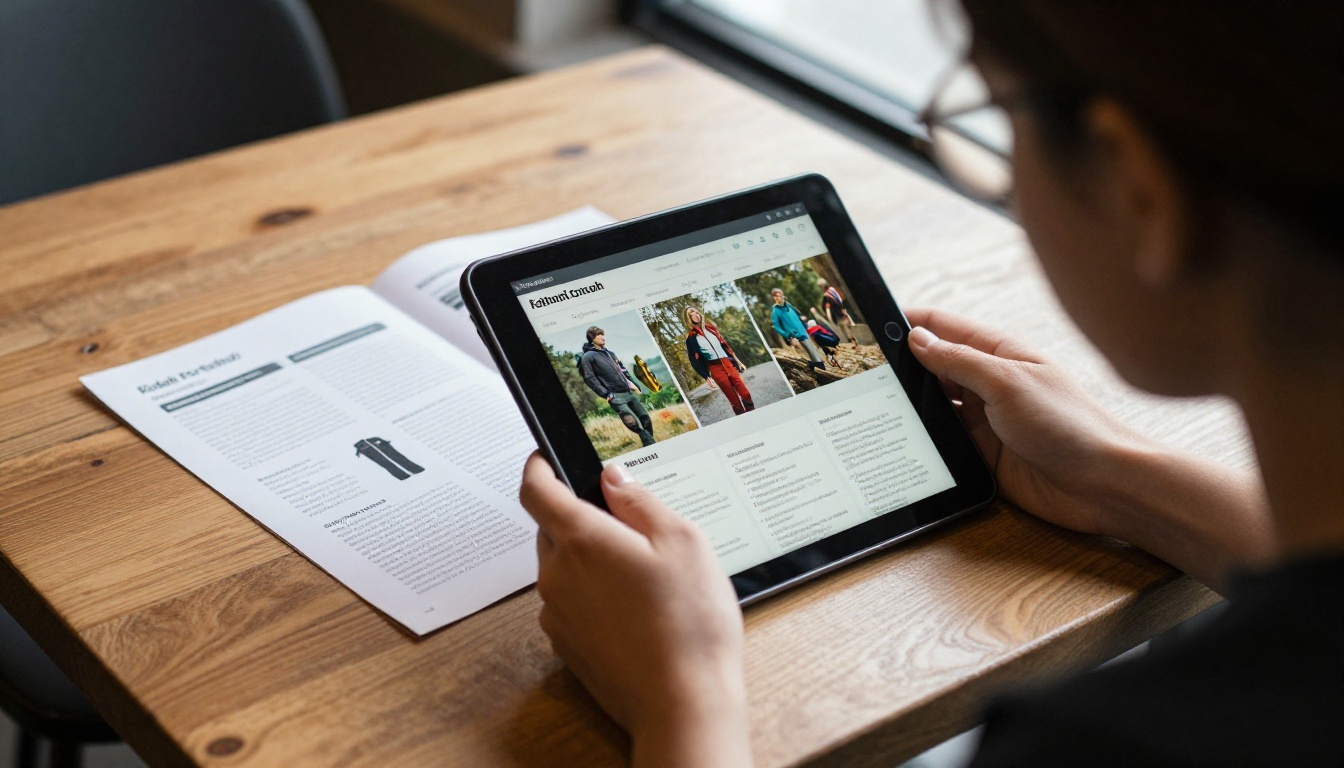
- ✅ Mobile-responsive reading, which matters because most readers will open the QR link on a phone.
- ✅ Offline downloads for customers who want to browse without a connection.
- ✅ Analytics and lead generation on the Professional plan, so you can see which pages and products pulled attention. Check the pricing plans to compare tiers.
If your product line leans fashion or home, the Fashion Catalog and Product Catalog tools give you a faster starting layout.
✅ Best practice: Keep the digital edition live all year. A seasonal print run ends, but the link keeps selling to anyone who finds it later.
Design Tips That Lift Response
Lead with your best sellers
Open with proven products on the first spread. New customers decide in seconds whether the catalog is for them, so show your strongest items early.
Write short product copy
Two or three lines per product is enough. Readers scan, circle, and move on. Save longer stories for a single feature page near the middle.
Make the next step obvious
Every spread should include a path to buy: a code, a URL, or a QR. Put the offer on the back cover, where people tend to flip first.

Three common mistakes
- Sending too many pages for the budget. A tight 24 to 32 pages beats a thin 80.
- Using stock photos instead of real product shots.
- Skipping a unique code, which makes measurement impossible.
Measure What It Earned
Track the right numbers
Give each mailing segment its own promo code or landing URL. Then compare revenue, order value, and repeat rate against a control group that did not receive the catalog.
| Metric | How to Track | Why It Matters |
|---|
| Redemption rate | Unique promo code | Shows direct response |
| Average order value | Store reports | Shows basket lift |
| Repeat purchase rate | Customer cohorts | Shows retention gain |
| Flipbook page views | Flipbook analytics | Shows interest by product |
| Return on spend | Revenue minus total cost | Compares against ad channels |
Give it time
Catalogs keep working after the first week. Measure over sixty to ninety days, since orders trickle in as the piece moves around the household.
💡 Pro tip: Compare return on spend per channel, not per click. A catalog that costs more per piece may still beat an ad that costs less per click, because the customers it brings back buy more often.
Your Next Move
You do not need to abandon online ads. You need a second channel that does not rise in price every quarter. Start small: pick your best 500 customers, print a tight catalog, add a unique code and a QR link, and compare the results with your last ad campaign.
Ready to publish the digital edition? Get started for free on Flipbooks AI, browse all flipbook tools, or compare pricing plans to pick the tier with analytics that fits your brand.



