A buyer for a regional outdoor chain might see forty new fishing and hunting lines in a single week, and she will remember maybe five. The brands that make that short list are rarely the ones with the loudest booth. They are the ones that make new gear easy to touch, easy to compare and easy to order. Today that usually means a mix of live demos, sample cases and a digital catalog built with a tool like Flipbooks AI, so the buyer can keep the whole range in a pocket after the handshake.
This article walks through how fishing and hunting brands actually present new gear to outdoor retailers, what buyers expect to see, and how to build a presentation package that gets reorders instead of polite nods.
Why Retailers Buy Differently
Outdoor retail is seasonal, and that shapes everything. Spring fishing orders get placed months before the ice leaves the lake. Hunting apparel and optics are booked well before archery season opens. A buyer is committing budget on gear she cannot test yet, so she looks for proof.
What Buyers Look For First
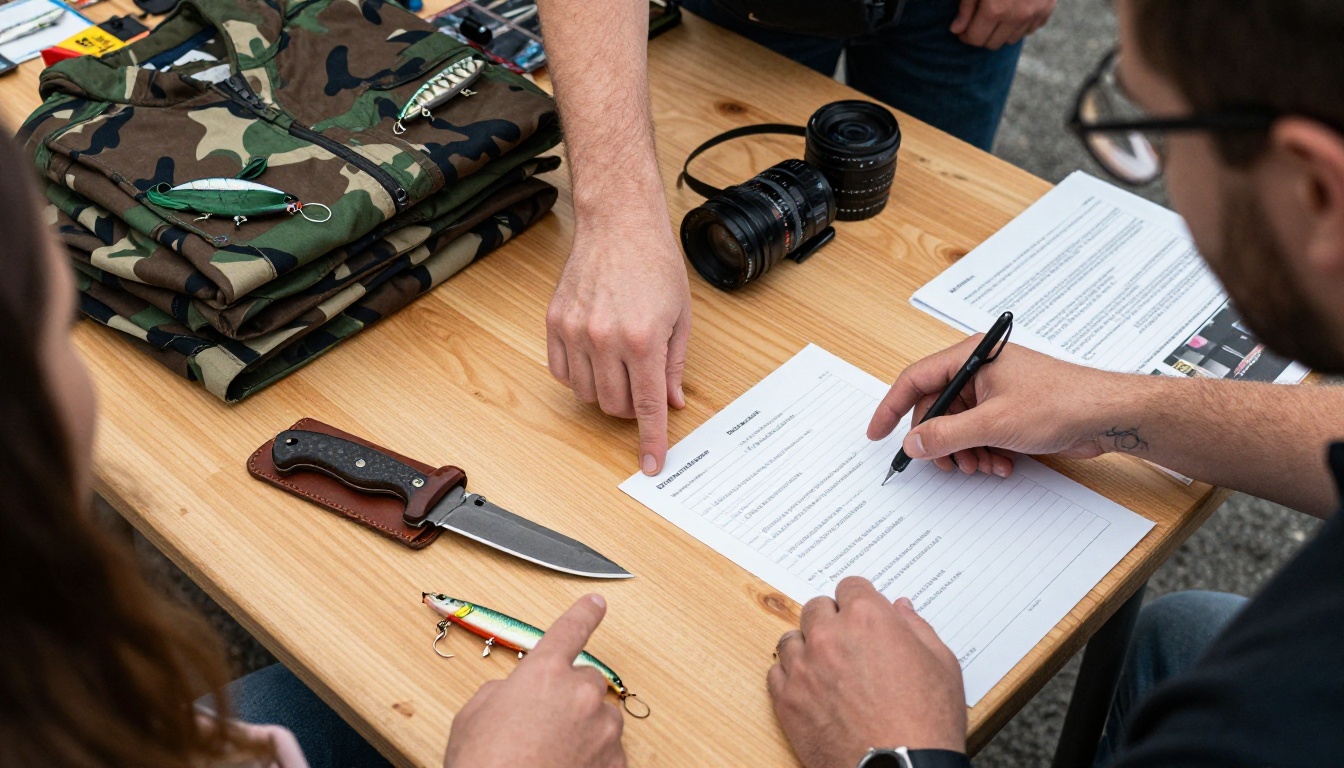
Most buyers run the same mental checklist within the first two minutes at a booth:
- Margin and price tiers. Can the shop hit its target markup at the suggested retail price?
- Minimum order quantities. Is a first order realistic for a small store?
- Sell-through proof. Has the item worked at other shops or on the water?
- Lead times. Will it land before the season, or after?
- Photography and content. Can the shop use the brand's images on its own site and social channels?
The Shelf Space Problem
Shelf space is finite. When a new reel goes in, an older one comes out. So the pitch is never only "this is good." It is "this replaces your slowest seller and earns more per foot of shelf." Brands that bring simple numbers win those conversations.
💡 Pro tip: Put one sell-through number on every new product page, such as units sold per store during a pilot. A single real figure beats three paragraphs of feature copy.
The Main Ways Brands Present New Gear
There is no single channel. Strong brands layer several, and each one does a different job in the sales cycle.
| Channel | Best For | Buyer Reaction | Typical Weakness |
|---|
| Trade show booth | First contact, relationships | High trust, hands-on | Expensive, short window |
| Sales rep visits | Existing accounts | Personal, flexible | Slow to scale |
| Printed catalog | Reference on a desk | Familiar, tactile | Outdated quickly, costly to reprint |
| Digital catalog | Remote buyers, reorders | Fast, shareable | Needs good layout |
| Pro-deal or dealer portal | Repeat ordering | Efficient | Setup effort |
Trade Shows Still Matter
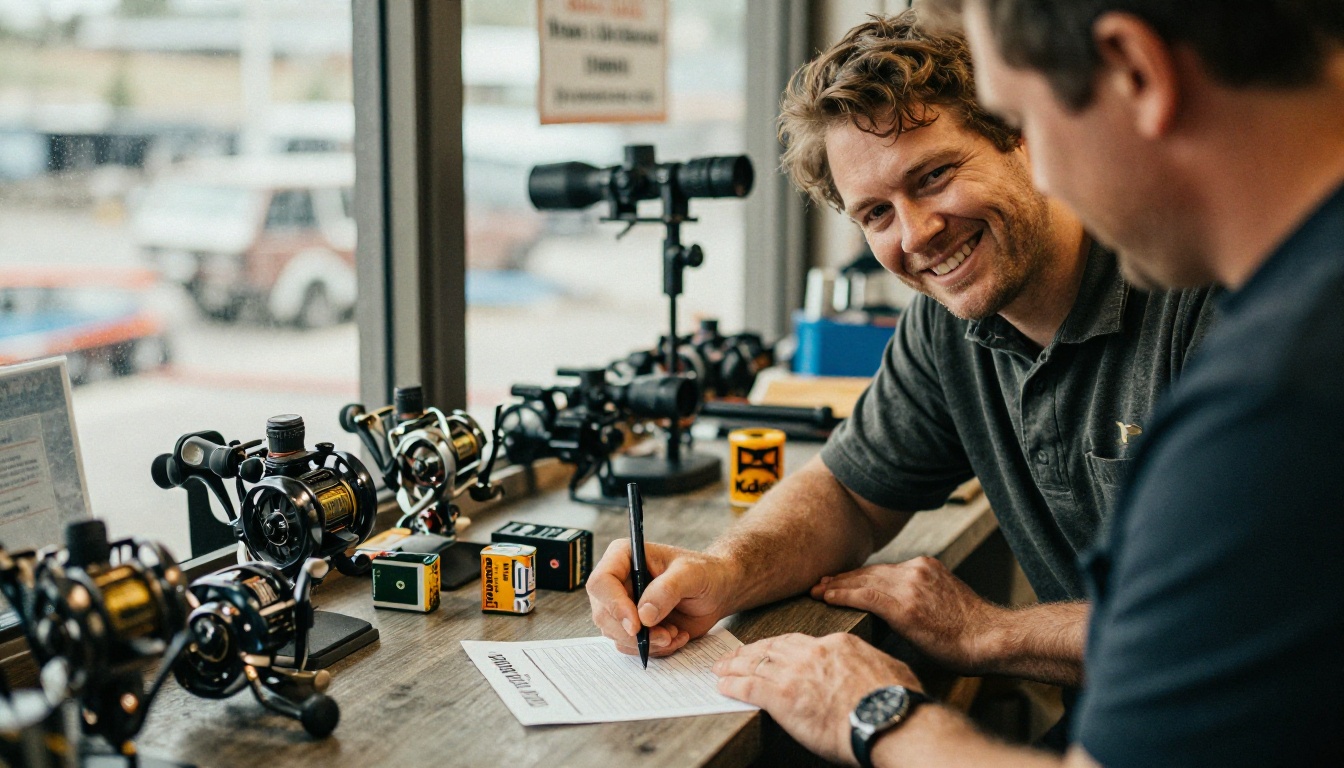
Industry shows remain the biggest single moment of the year. Buyers walk the aisles with a list of vendors to see. A well-organized booth puts the newest items at eye level, keeps older bestsellers within reach, and leaves a clear space for a sit-down conversation.
Rep Visits and Tailgate Demos
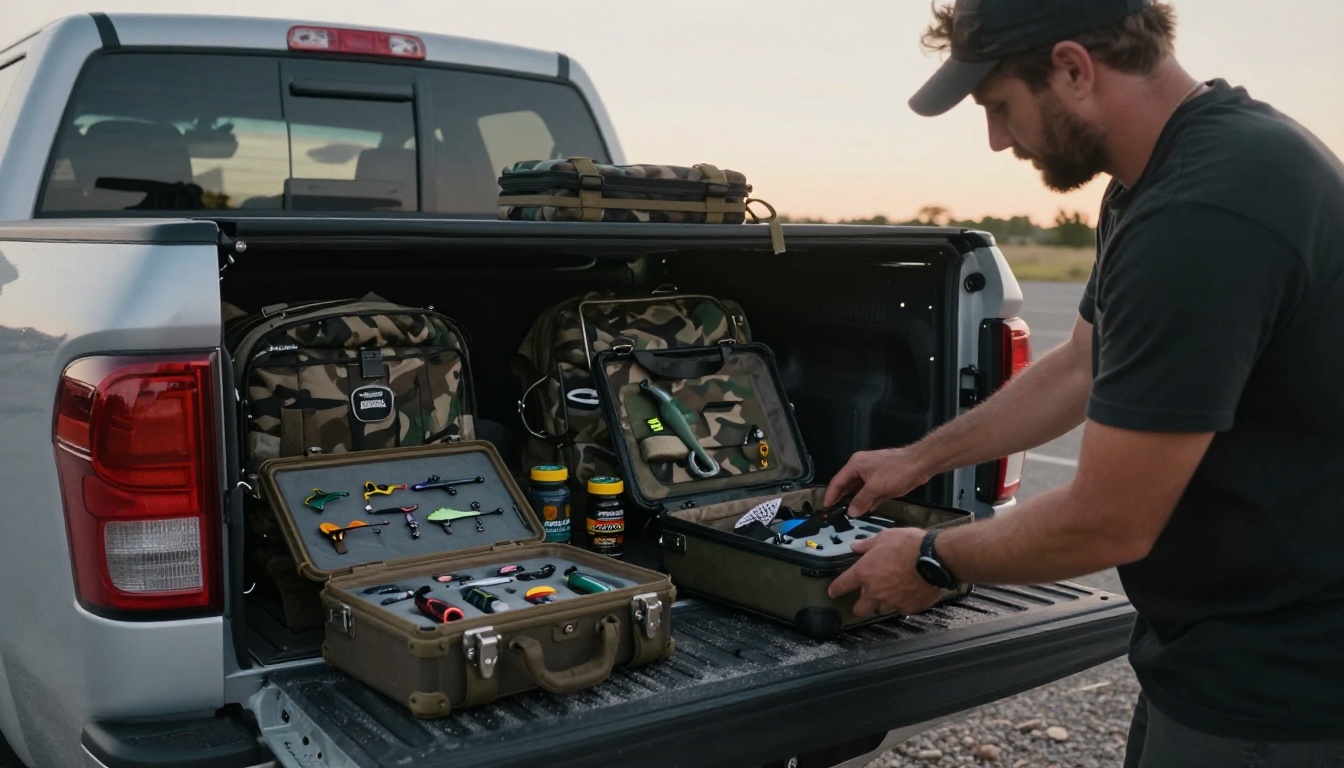
Many fishing and hunting brands still rely on field reps who drive between shops. A rep with sample cases in a pickup can show a retailer the actual stitching on a jacket or the action of a rod without waiting for a show. The weakness is volume. One rep can only visit so many stores in a season.
Where Digital Fills the Gap
A digital catalog reaches every account the rep cannot visit in person, and it keeps working after the show ends. It also solves a quieter problem: the buyer who liked your booth but forgot the details by the time she got home.
Demo the Gear, Then Back It Up
Outdoor products are judged by feel. A rod either loads smoothly or it does not. A boot either fits or it pinches. That is why demos remain the strongest closing tool.
Show the Gear Working
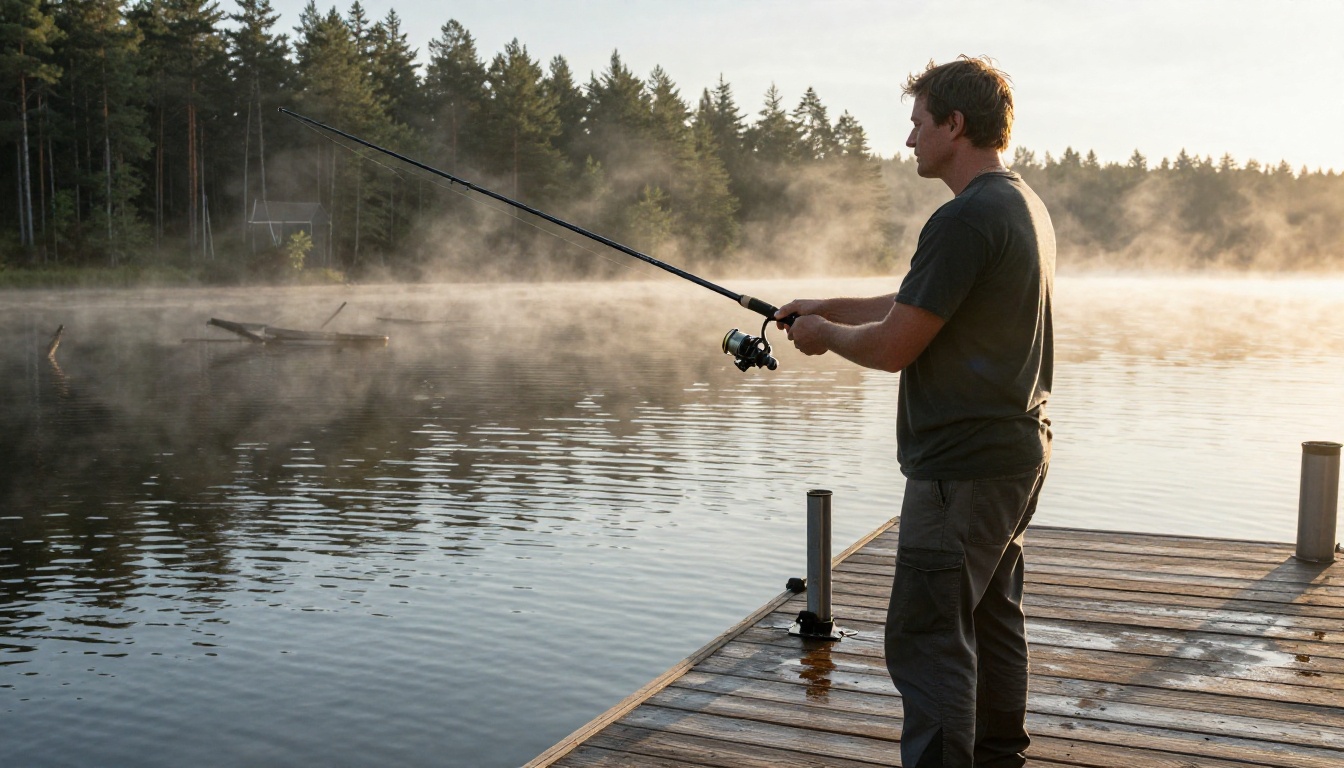
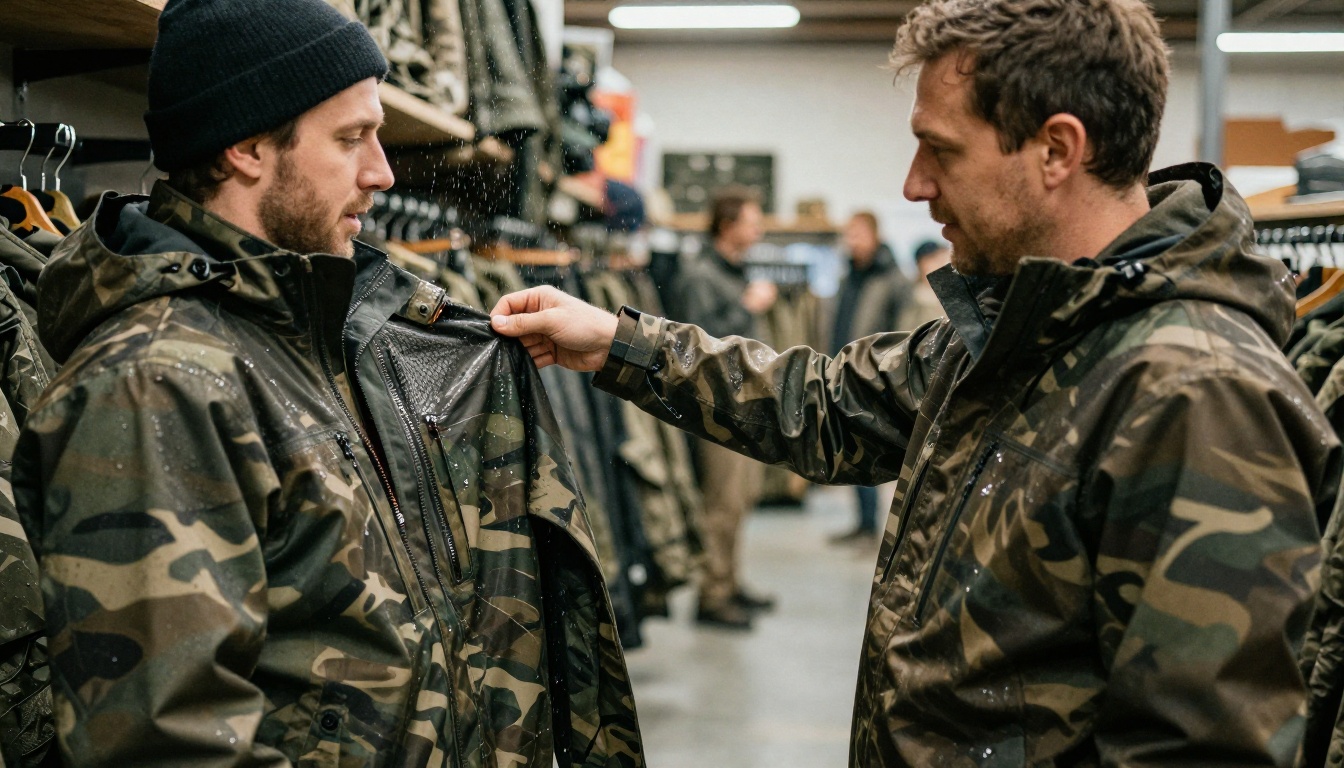
The best presentations put gear in the setting where it will be used. A rod demo at a dock beats a rod on a rack. A waterproof shell with water beading on it beats a spec sheet that says "waterproof."
Let Buyers Handle Samples
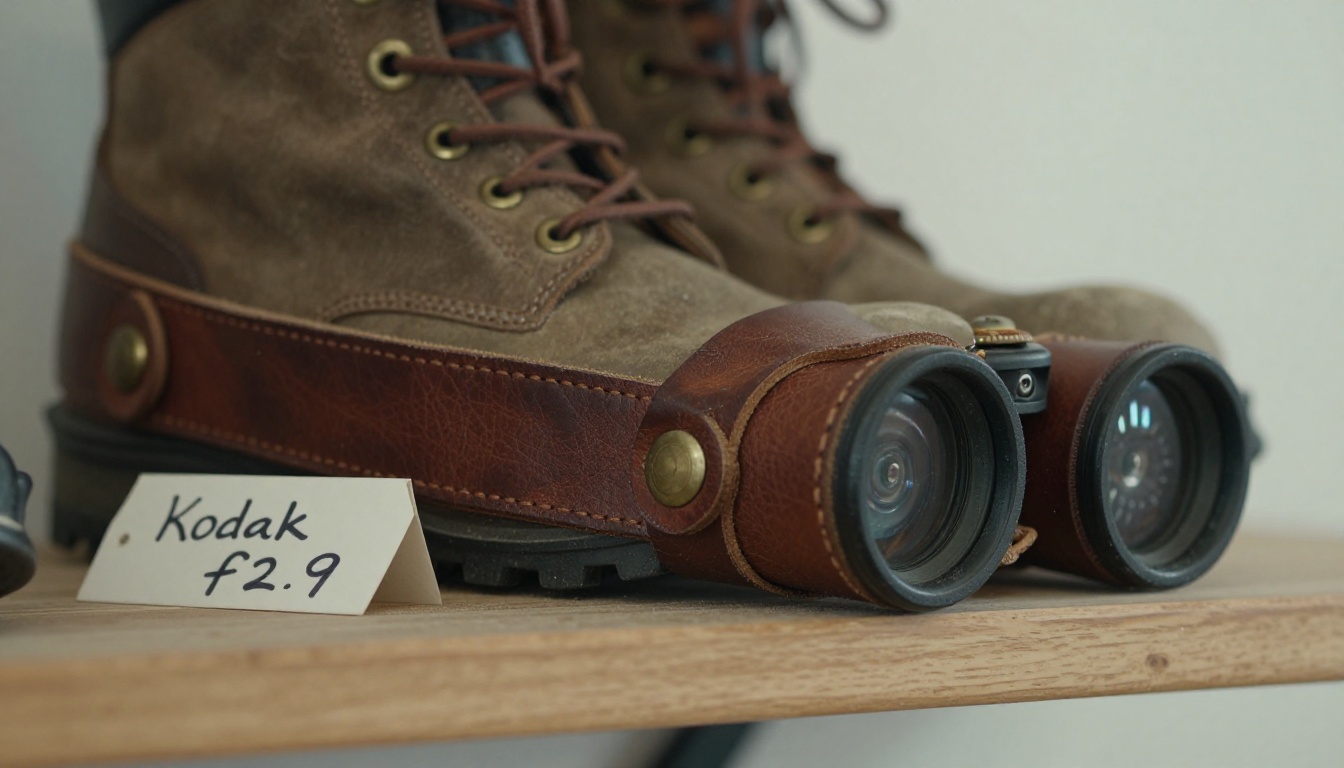
Samples build confidence. A retailer who has held the new binocular harness, checked the leather and tugged the stitching is far more likely to order than one who only saw a photo. Keep a compact sample kit for each category: one rod, one reel, one jacket, one pair of boots, one optic.
Capture the Demo for Later
Short demo clips are valuable after the event. A buyer can show them to a store manager who was not at the show. Embedding video inside a digital catalog keeps the proof next to the product it supports.
✅ Best practice: Film every demo you run at a show on a phone. Even rough footage makes a stronger line sheet than a studio shot with no context.
Why Digital Catalogs Win Reorders
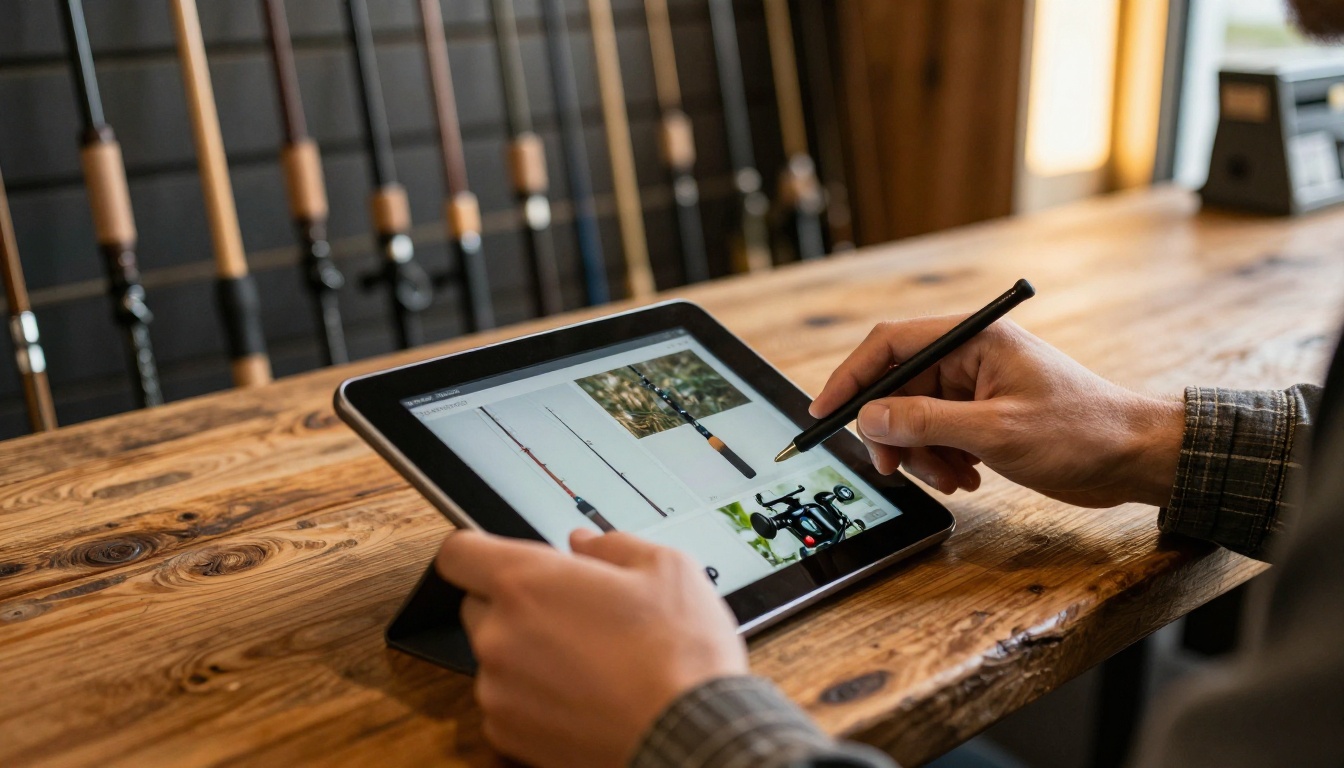
Printed catalogs are handsome, but they go stale the day a price or color changes. A digital flipbook can be updated once and every link keeps working. For brands that ship new colorways mid-season, that matters.
Print Versus Digital
| Factor | Printed Catalog | Digital Flipbook |
|---|
| Cost per recipient | High | Near zero |
| Update speed | Weeks | Minutes |
| Video and audio | No | Yes |
| Tracking opens | No | Yes, with analytics |
| Works on a phone | Poorly | Yes, mobile-responsive |
| Password protection for dealer pricing | No | Yes |
Protect Dealer Pricing
Wholesale prices should not sit on a public page. Password protection lets a brand share a private line sheet with approved dealers only, while a separate public version shows retail pricing for consumers.
Track Who Actually Reads It
Analytics show which pages a buyer spent time on. If three retailers keep returning to the new ice-fishing electronics page, that is the product to feature in the next email. These tracking and lead features come with the Professional plan, and you can compare them on the pricing page.
How to Build a Line Sheet Flipbook
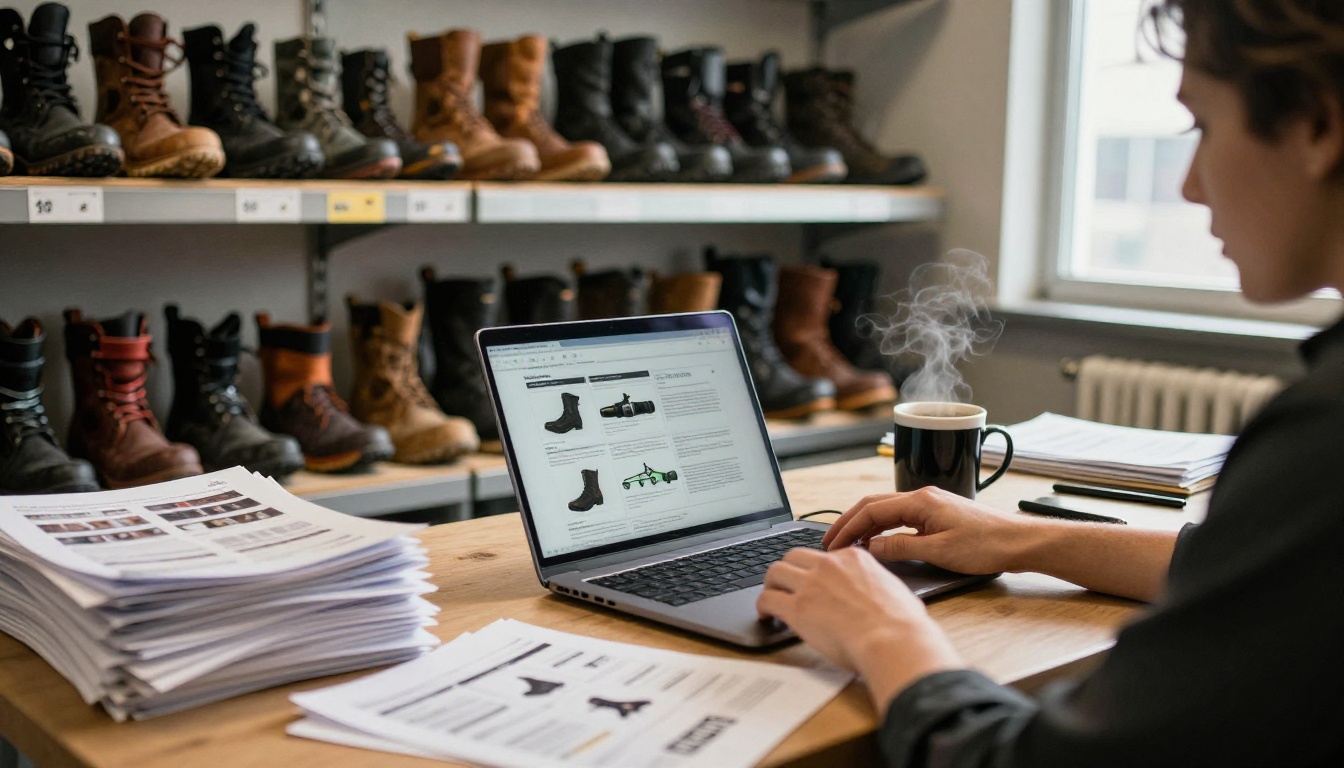
If you already have a PDF of your seasonal catalog, you are most of the way there. Here is a practical walkthrough using the PDF to Flipbook Converter and the Product Catalog tool.
Step by Step
- Open your account. Create an account on Flipbooks AI. Your first flipbook takes minutes.
- Upload your PDF. Drag in the line sheet or full catalog. The platform converts each page into a page-turning flipbook, and the layout stays sharp on phones and tablets.
- Brand it. Add your logo, set brand colors, and pick page effects. Keep the look rugged and clean, with plenty of white space around product photos.
- Add multimedia. Embed demo videos for rods and apparel, and add audio if you want a short product story from your founder.
- Set sharing options. Copy a direct link for emails, use an embed code to place it on your dealer page, or turn on password protection for wholesale pricing.
- Enable offline download. Reps in remote areas with poor signal can still open the catalog at a shop.
- Review analytics. After sending, check which pages were read and follow up with the buyers who spent the longest time on new items. See the Professional plan for lead generation features.
What Goes on Each Product Page
| Element | Why It Matters |
|---|
| Hero photo in real use | Shows the gear in context |
| Short feature list | Lets buyers scan in seconds |
| Wholesale and retail price | Supports margin decisions |
| Sizes, colors, SKUs | Speeds up order entry |
| Delivery window | Sets lead time expectations |
| Link to demo video | Adds proof |
⚠️ Warning: Avoid cramming twelve products on one page. Buyers skim on tablets and phones, so two to four items per page reads cleanly.
Pick the Right Template Style
A line sheet and a lookbook do different jobs. The line sheet is for ordering, with SKUs and prices. The lookbook is for mood and storytelling. Many brands publish both, using the Interactive Lookbook Designer for the lifestyle version and the Catalog Flipbook Creator for the order sheet.
Real Examples That Work
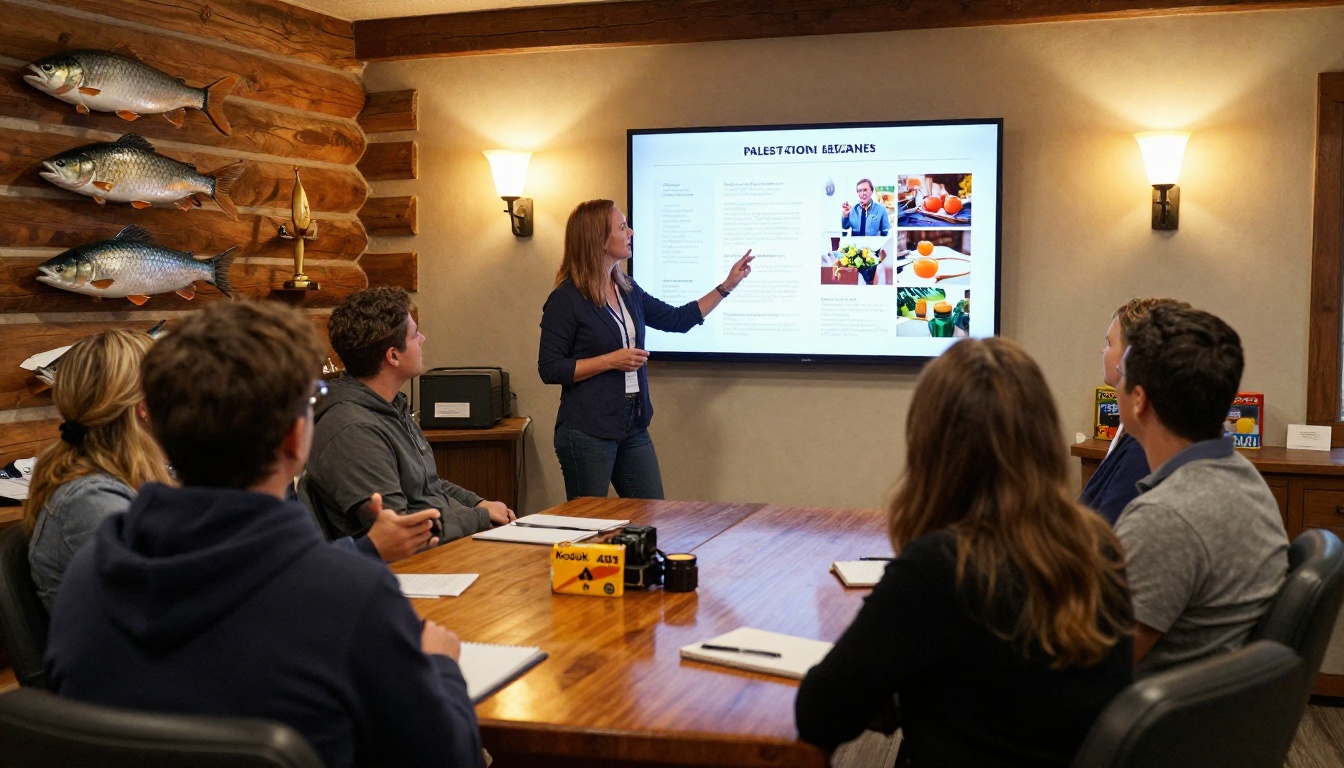
Here are three realistic scenarios showing how the pieces fit.
A Small Fly Fishing Brand
A five-person fly rod company cannot afford a big booth. It books a small table, brings two demo rods, and hands out a QR code linking to a password-protected flipbook with wholesale terms. Buyers who scan it can review the range that night, and the owner sees from analytics which retailers opened it twice.
A Hunting Apparel Maker
A camouflage brand ships its seasonal line to forty independent shops. Instead of mailing forty printed books, it sends a single flipbook link with embedded videos of rain and wind tests. Reps use the same link on their tablets during store visits, so everyone quotes identical prices.
A Tackle Distributor
A distributor carries twenty vendors. It builds one master flipbook with a section per vendor, then shares it with shops by email. When a vendor changes a price, the file is updated once, and every retailer sees the new version at the same link.
Mistakes That Cost Orders
Even strong products lose to weak presentation. These are the errors that show up most.
- Burying the new items. Put this season's launches on page one, not page thirty.
- Hiding prices. Buyers hate hunting for numbers. Show wholesale cost, suggested retail and minimums clearly.
- Skipping mobile checks. Open your flipbook on a phone before sending it. A cramped layout looks careless.
- Sending files that are too heavy. Compress photos so pages load quickly on rural connections.
- Never following up. A link sent after a show is a start. A short message two days later asking which items caught their eye is what gets the order.
A Simple Follow-Up Timeline
| When | Action |
|---|
| Day of the show | Send the flipbook link with a one-line thank-you |
| Day 2 | Check analytics and note which pages were opened |
| Day 4 | Follow up on the most-viewed products with a sample offer |
| Week 2 | Share a short demo clip for any item they asked about |
| Week 4 | Send a reorder reminder tied to the shop's season |
💡 Pro tip: Use the same flipbook link everywhere: email signature, booth QR code, rep tablets and your dealer page. One link means one place to update.
Ready to Show Your Next Line
Retailers reward brands that make their job easier. Show the gear working, back it with clear prices and proof, and leave buyers with a catalog they can open anywhere. Ready to build yours? Get started for free on Flipbooks AI, browse all flipbook tools to find the right template, and compare plans when you want analytics and dealer-only access. If you already have a PDF ready, you can also embed your flipbook on your website so retailers find it without asking.
Whether your next season brings new rods, waders, optics or camouflage, a good presentation gets the product onto the shelf, and a good follow-up keeps it there.



