Every other Saturday, thousands of fans still buy a printed programme at the turnstile, and every other Saturday, a growing crowd reads the same content on a phone instead. Clubs from the Premier League down to village sides are now moving matchday programmes online, and the reasons are practical: lower print bills, wider reach and sponsor space that can actually be measured. Tools like Flipbooks AI make the switch simple, because a club can turn its existing PDF into a page-turning digital edition without a developer or a new design process.
This article walks through why the shift is happening, which formats clubs are choosing, what it costs, and how to publish your own digital programme step by step.
Why Clubs Are Making the Move
The printed programme has a long and loved history. It is also expensive, slow and limited to the people who walk through the gate. Digital editions remove those limits while keeping the look and feel supporters like.
The Real Cost of Print
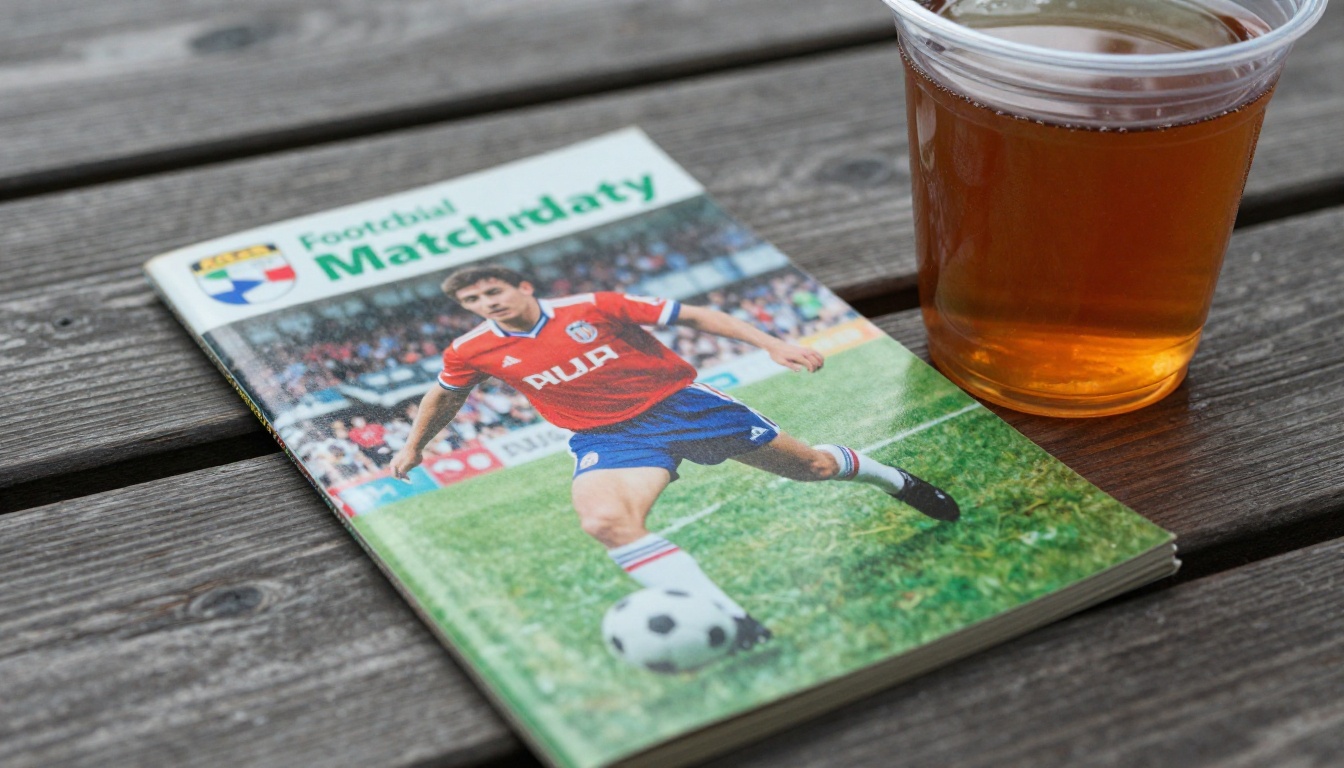
A typical lower-league club prints between 300 and 1,500 copies per home match. Unsold copies are a direct loss, and late team news cannot be updated once the press has run. Add the cost of storage, distribution to sellers and the volunteer time spent counting stock, and the margin shrinks fast.
| Cost Item | Printed Programme | Digital Programme |
|---|
| Printing per issue | High, rises with page count | None |
| Unsold stock | Wasted every match | Not applicable |
| Late changes | Impossible after print run | Replace the file in minutes |
| Distribution | Sellers, stock rooms, transport | One shared link |
| Reach | Fans at the ground | Anyone with a phone |
| Sponsor reporting | Estimated | Measured views and clicks |
Fans Who Never Visit the Ground
Overseas supporters, relatives of players and fans who cannot attend due to distance or cost have always been shut out of the programme tradition. A link sent in the club newsletter fixes that. For many clubs, the largest surprise is how many readers come from outside their home region.
Sponsors Want Proof
A printed advert is a hopeful guess. A digital page can show how many people opened it and which links they tapped. That changes the sponsor conversation, because the club can present real numbers at renewal time rather than a vague claim about footfall.
💡 Pro tip: Send each sponsor a short monthly summary of views on their page. Renewal talks become much easier when the evidence is already on the table.
What Fans Actually Expect
Supporters do not want a plain PDF dumped on a website. They want something that feels like a programme: pages that turn, big photographs, quick access to the squad list and a layout that works on a small screen.
Mobile First Reading
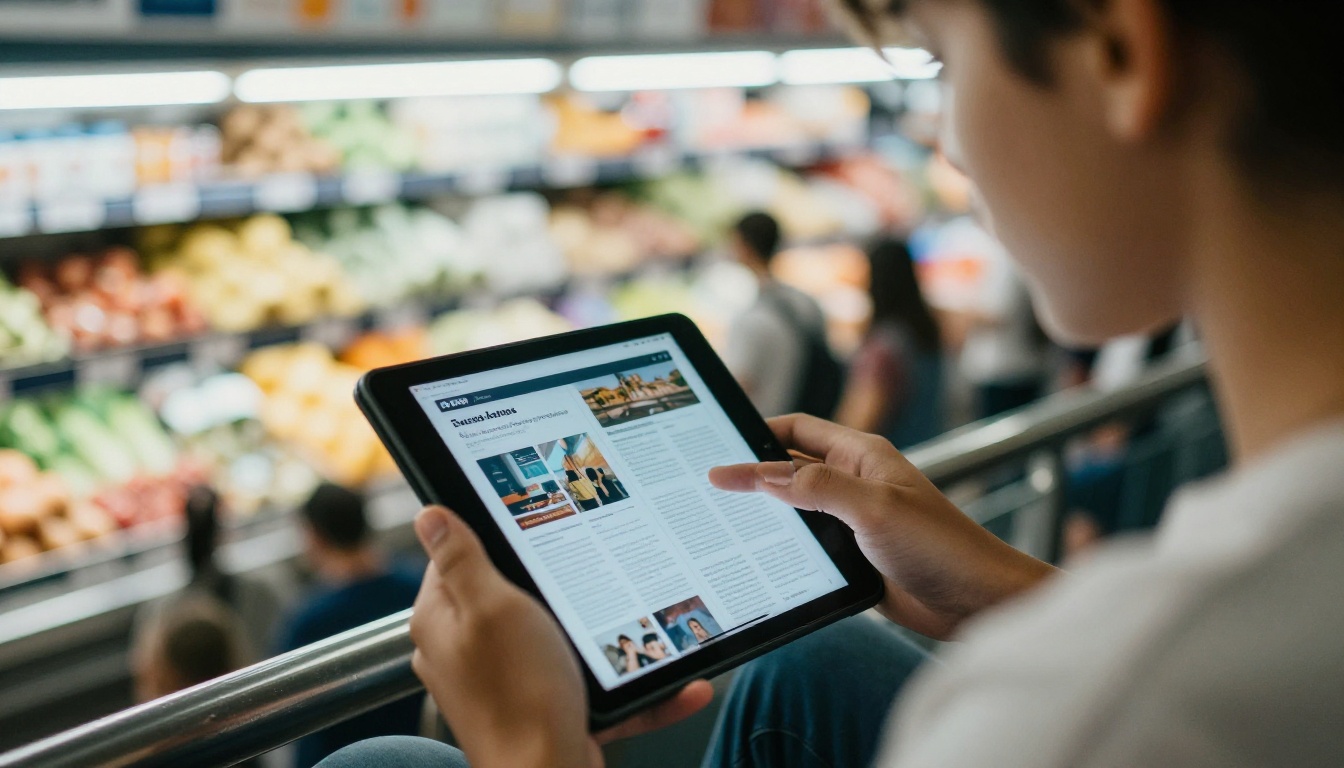
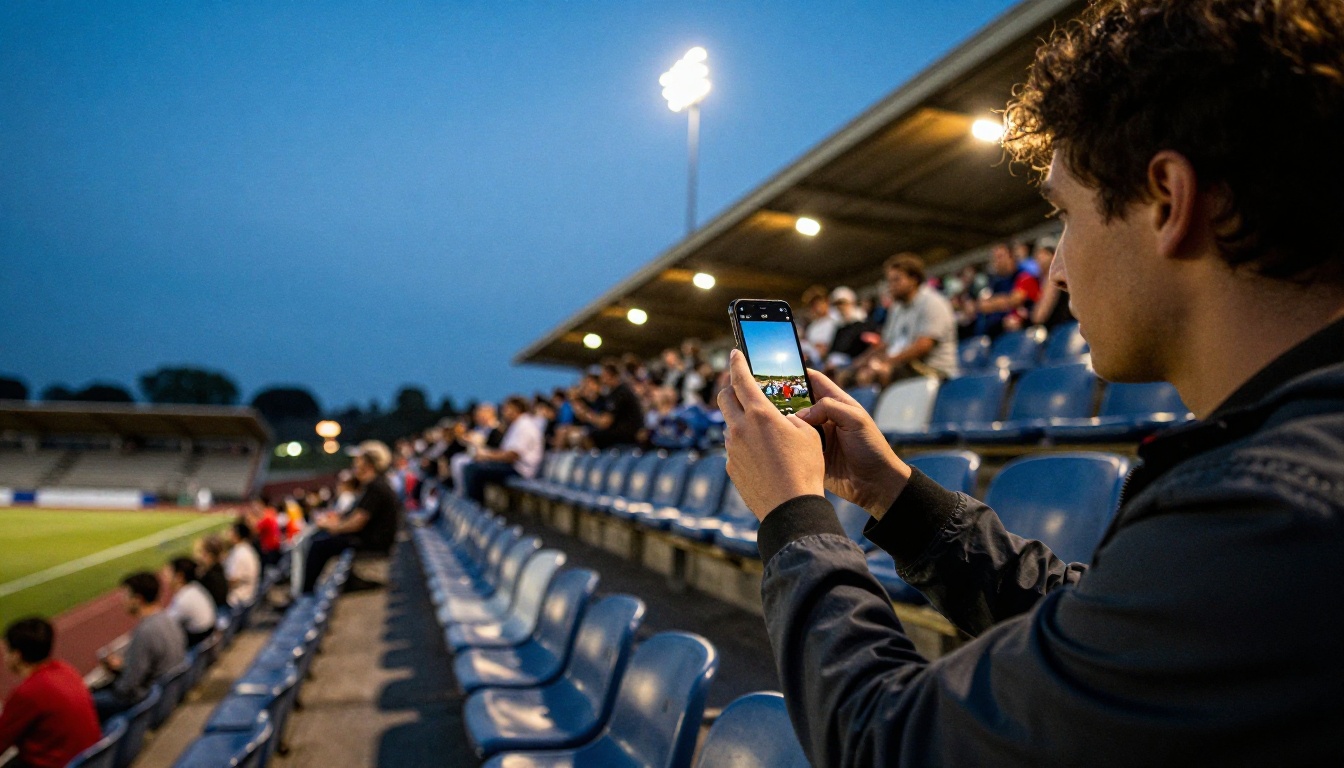
Most readers open the link on a phone while queuing for a drink or sitting in the stand. A mobile-responsive flipbook adjusts to the screen, so the squad page is legible without pinching and zooming. A flat PDF forces readers to zoom, and many simply give up.
Speed on Matchday
Stadium mobile networks are crowded. Keep the file size sensible, compress photographs before export and avoid giant uncompressed images. A programme that opens in three seconds gets read; one that takes thirty gets abandoned.
The Feel of Turning Pages
There is real emotional value in the page-turn motion. It carries the memory of the paper edition, which is why a flipbook format tends to outperform a scrolling web page for this kind of content. Clubs with a strong heritage should lean into that familiarity.
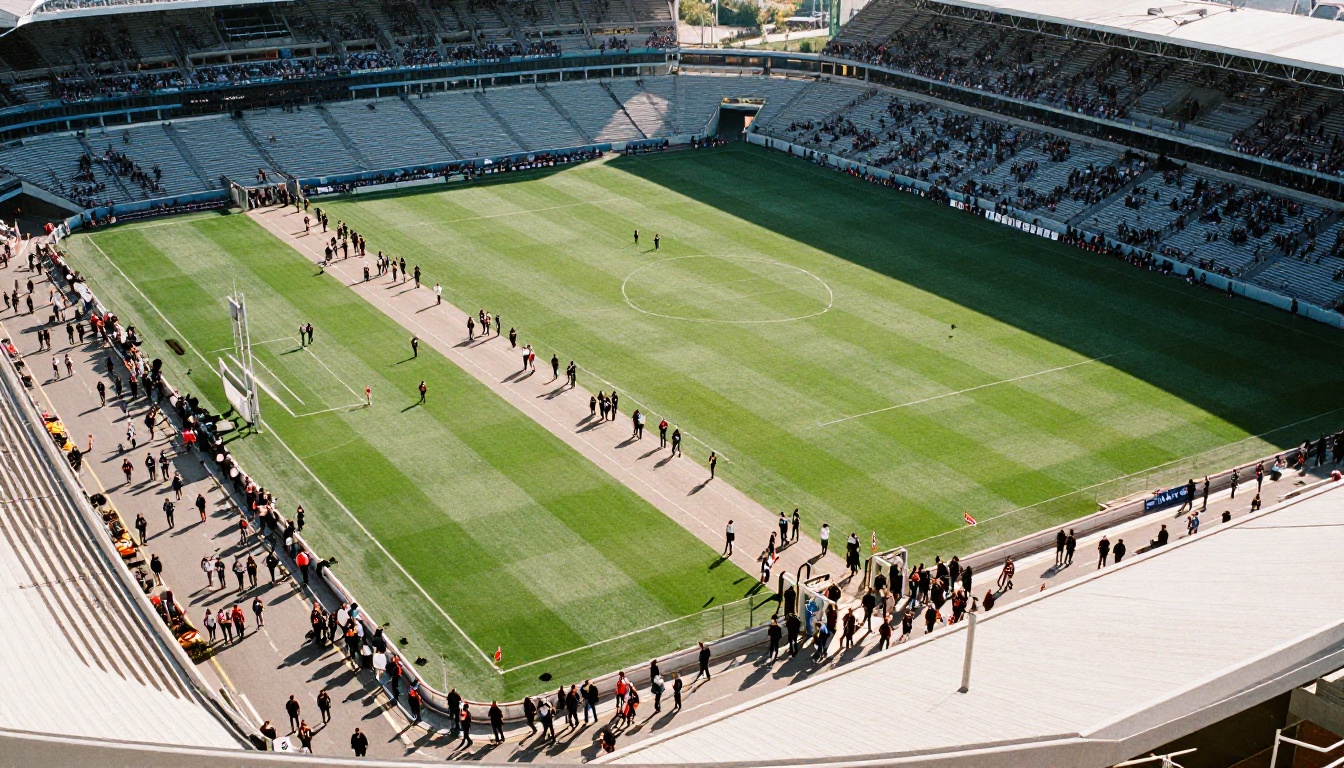
Not every club picks the same approach. The right choice depends on staff time, budget and how much of the printed tradition the club wants to preserve.
| Format | Best For | Strength | Weakness |
|---|
| Print only | Clubs with a loyal local crowd | Tradition, collectable | Cost, no reach beyond the gate |
| Plain PDF download | Very small budgets | Easy to produce | Poor on phones, no tracking |
| Flipbook edition | Most clubs | Page-turn feel, links, tracking | Needs a platform |
| Hybrid print plus flipbook | Mid and large clubs | Keeps tradition and adds reach | Two workflows to manage |
| App-based programme | Top-flight clubs | Deep integration | High build and upkeep cost |
Hybrid Is the Safe Starting Point
Most clubs begin with a hybrid model. They keep a smaller print run for collectors and sell a digital edition, or give it away free, for everyone else. The same PDF that goes to the printer is uploaded as a flipbook, so there is no second design job.
Fully Digital for Smaller Clubs
Non-league and community clubs often skip print entirely. A volunteer builds the programme in a design tool, exports the PDF and publishes it before kickoff. The saving can pay for a training kit or ground maintenance.
Special Editions and Cup Finals
Some clubs print only for big occasions such as derbies and finals, and run the regular fixtures digitally. This keeps the collectable value of the paper edition while cutting routine costs.
Real Scenarios From the Terraces
Here are three situations that show how the shift works in practice.
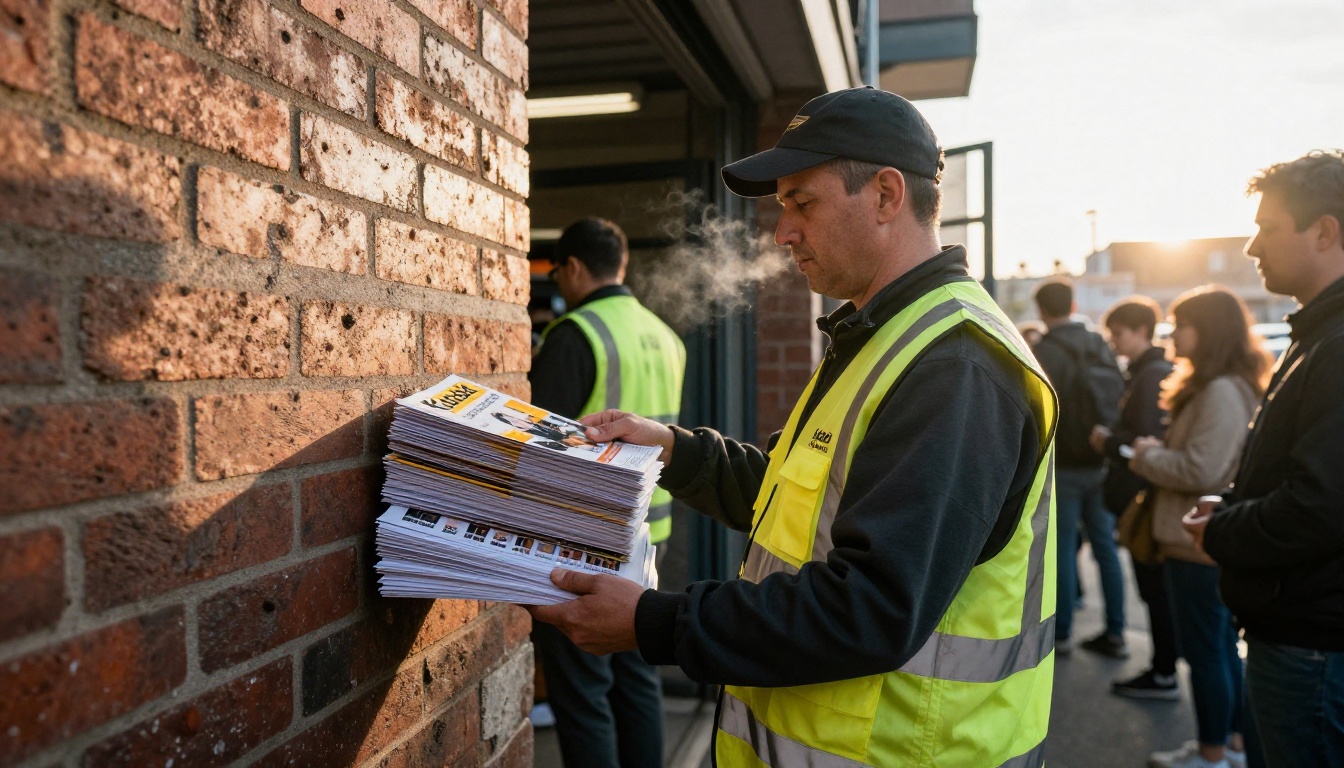
A National League club prints 400 copies and routinely sells around 250. Moving 150 of those to a free digital edition, linked from a QR code on the ticket and on pitchside boards, saves printing costs and reaches fans in the away end who would not have bought a copy anyway.
A women's team playing at a shared ground has no budget for print. A volunteer designer publishes a flipbook for each home game and posts the link on social media. Sponsors get a page each and receive view counts afterward.
A supporters' trust publishes a fanzine-style programme with match reports, interviews and photo spreads. Digital publishing lets them embed short audio clips from players and keep an archive that anyone can browse years later.
Where Sellers Fit In
Programme sellers are part of matchday culture, and many are long-serving volunteers. Clubs that go digital often keep sellers on the gate with QR cards, so the social ritual remains even when the product is on a phone.
Archiving Past Seasons
Every issue published online becomes part of a searchable archive. Instead of boxes in a store room, the club has a library of past editions that fans can read for free or buy as a heritage pack.
What Goes Inside a Digital Programme
The content stays familiar, but digital pages can do more than paper.
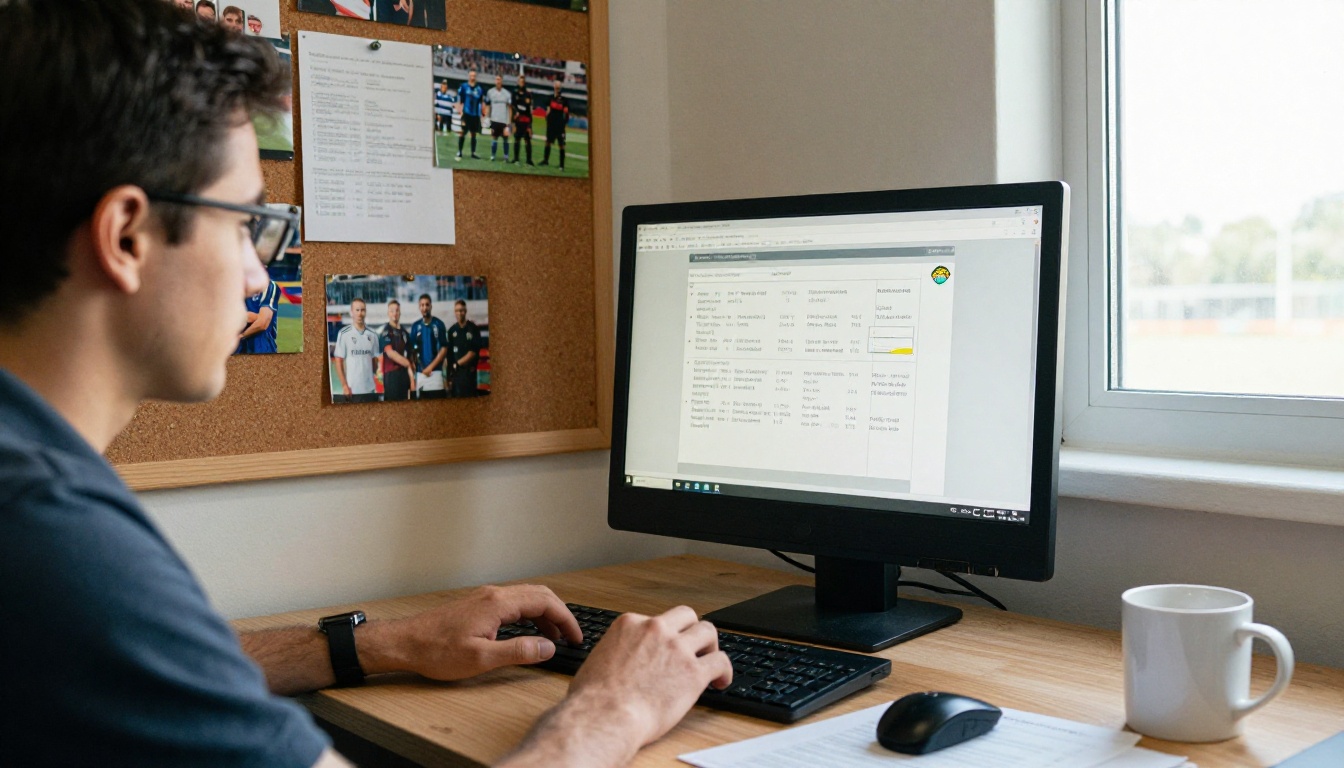
- Manager's notes and captain's column, ideally with a short video clip
- Squad lists and team news that can be updated until kickoff
- Opposition profile with form, head-to-head records and a club history snippet
- Sponsor pages with tappable links and offers
- Fan features, such as player of the month votes and supporter stories
- Stats and fixtures in clean tables that are easy to read on a phone
- Ticket and membership calls to action with direct links
Embedding Video and Audio
A clip of the manager's pre-match interview or a short highlight from last week adds value that a paper programme cannot match. Flipbooks AI supports embedded video and audio, so these sit inside the pages rather than sending readers away.
Links That Do Real Work
Every link is a measurable action. Ticket pages, shop offers and membership forms can all be reached with one tap. Clubs report that this turns the programme from a cost into a small revenue channel.
⚠️ Warning: Check image rights before publishing. Photographs licensed for print do not always cover online use, and agencies will notice a public archive.
How to Publish Your Programme Online
This tutorial shows how a club can turn a finished PDF into a shareable digital edition using Flipbooks AI. The same steps work whether you have one volunteer or a full media team.
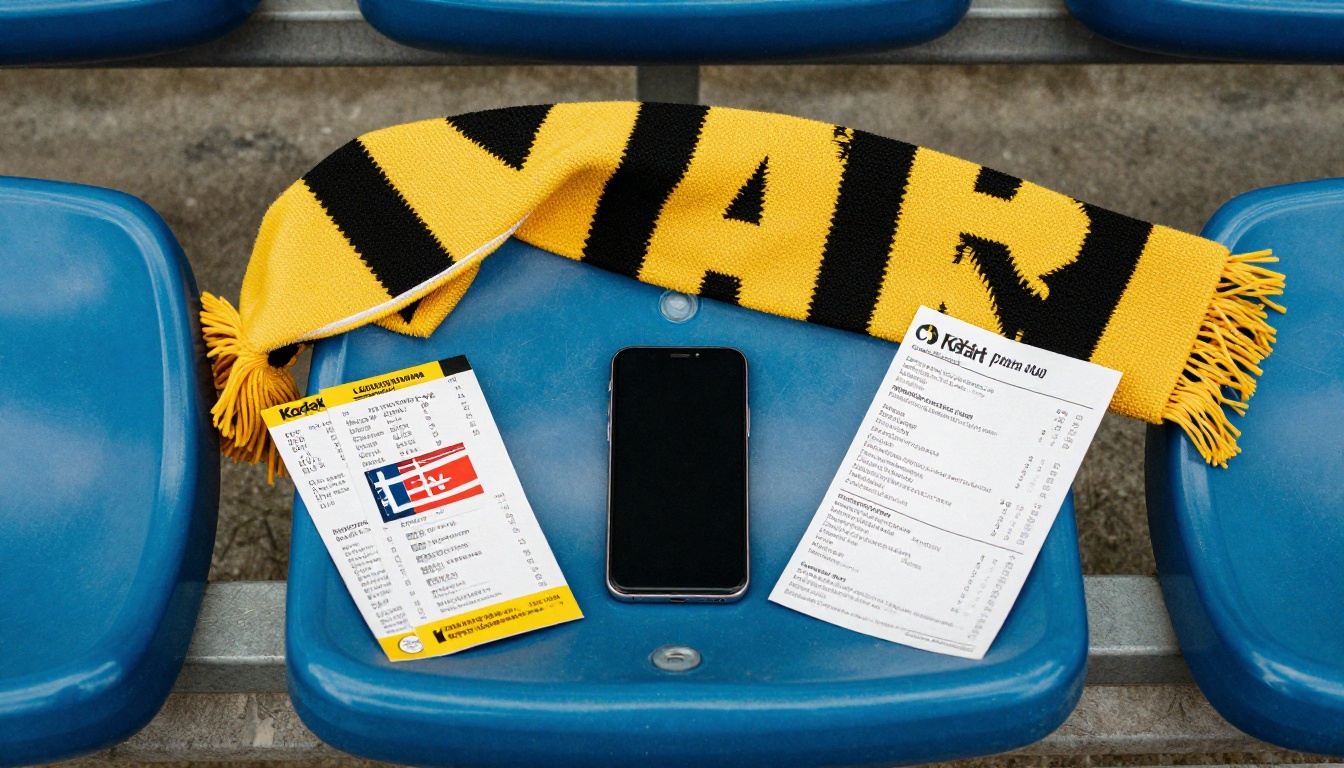
Step by Step Process
- Finish the PDF. Export your programme at screen resolution, not print resolution. A 5 to 15 MB file is plenty.
- Create an account. Sign up on Flipbooks AI and open the dashboard.
- Upload and convert. Use the PDF to Flipbook Converter to turn the file into a page-turning edition in moments.
- Apply club branding. Set the club colours, add the badge and choose the page effect. There are no watermarks, so the result looks like your own product.
- Add multimedia. Embed the manager's video, a podcast clip or a sponsor reel directly on the page.
- Choose sharing options. Copy the direct link for social media, or use the Embed Flipbook on Website option to place it on the club homepage.
- Protect premium issues. Use password protection for members-only editions or sponsor previews.
- Check analytics. On the Professional plan, track views, time spent and link taps, and capture leads when fans enter an email address to read.
Tools That Fit the Job
Programmes are close cousins of magazines and event guides, so these tools suit them well:
✅ Best practice: Publish the digital edition 24 hours before kickoff and send a reminder on matchday morning. Fans read it on the way to the ground.
Offline Downloads for Poor Signal
Stadium signal is unreliable. Allow offline downloads so supporters can save the programme at home and read it in the stand with no data connection.
Making Money From a Digital Edition
A programme that reaches more people can earn more, if the club plans the revenue side rather than hoping it happens.
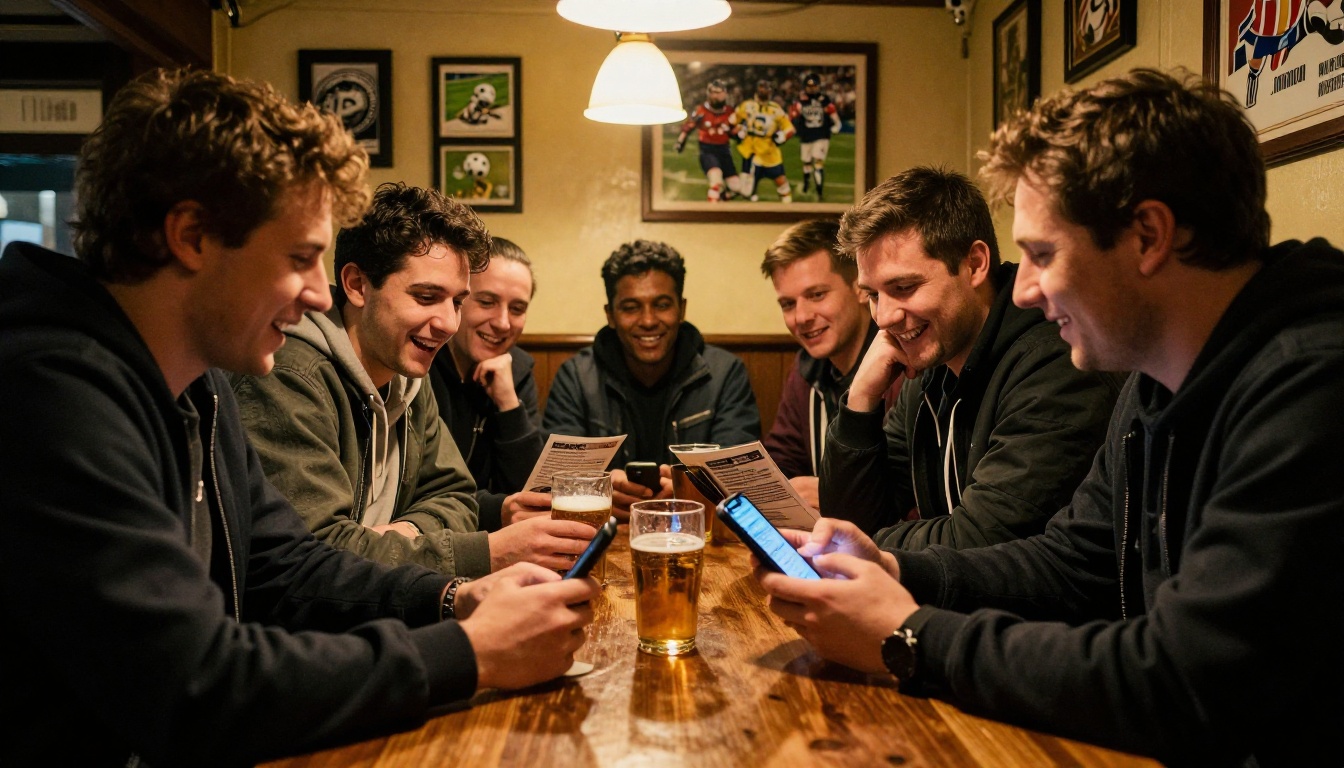
Sponsor Packages That Sell
Offer tiered placements, from full page to a small tappable banner. Report views and taps at the end of the season. Sponsors who can see results renew at higher rates.
| Package | What It Includes | Best Fit |
|---|
| Front page partner | Cover-adjacent placement, link, video | Principal shirt sponsor |
| Full page feature | One page with link and offer | Local businesses |
| Half page advert | Shared page with tappable link | Small shops and cafes |
| Matchday offer | Coupon code or booking link | Pubs, restaurants, taxis |
Paid Editions and Memberships
Some clubs charge a small fee for the digital edition, or bundle it with a season membership. Others keep matchday issues free and sell collector special editions.
Capturing Supporter Emails
Asking for an email address before opening a special edition builds a mailing list. That list sells tickets, merchandise and raffle entries far more efficiently than social media posts. Review the pricing plans to see which tier includes lead capture.
Common Mistakes to Avoid
Clubs that struggle with digital programmes usually make the same few errors.
Forgetting Promotion
A link nobody sees is not a programme. Print it on tickets, show it on the big screen, add QR codes to turnstiles and post it everywhere the club has a following.
Uploading Print-Sized Files
A 100 MB print PDF will be slow on a phone. Export a lighter version, compress photographs and test on a mobile connection before publishing.
Ignoring the Archive
Old issues are an asset. Keep them online, grouped by season, and fans will share them years later. Heritage content often draws steady traffic long after the match is forgotten.
Ready to Publish Your First Issue?
The move online is not an attack on tradition. The best clubs keep the voice, photography and character of the paper programme, then add reach, speed and measurable sponsor value.
Here is how to take the next step:
Your next home game is the perfect first test. Publish one issue, watch the numbers, and let the supporters tell you what they want in the next one.



