An independent shoe store owner has maybe forty minutes to decide what will sit on their shelves for the next six months, and a dozen brands are competing for that slot. The brands that win are rarely the ones with the loudest launch video. They are the ones that make the buying decision feel easy, safe and profitable. If you sell footwear to independents, the way you pitch a new season matters as much as the shoes themselves, and tools like Flipbooks AI now make it simple to put a polished, shareable catalog in a buyer's hands before the meeting even starts.
This article walks through how real footwear brands plan a seasonal pitch, what independent retailers actually want to see, and how to turn a pile of PDFs into a presentation that gets orders written.
Why Independents Buy Differently
Chain retailers buy through spreadsheets and committees. Independent stores buy through instinct, relationships and a very clear picture of who walks through their door. That changes everything about the pitch.
The Owner Is the Buyer
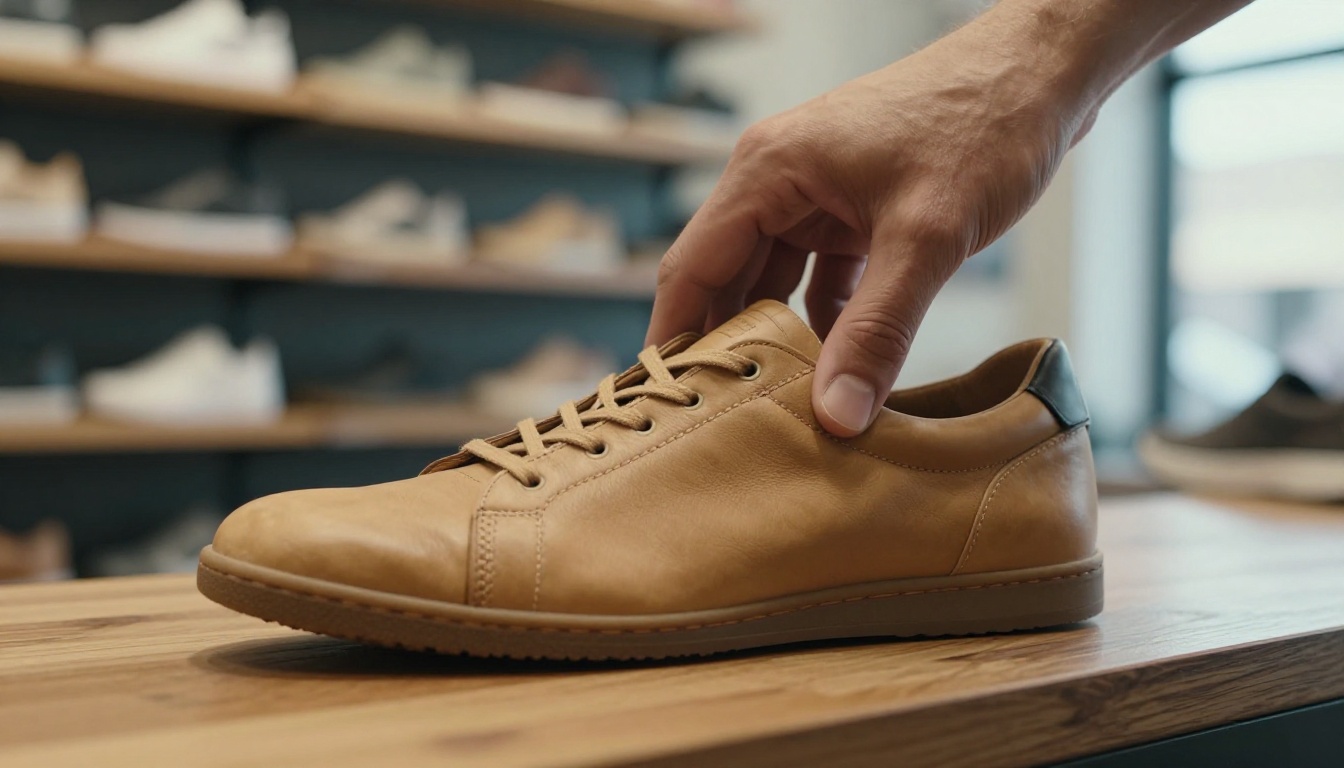
In most independent stores, the person you are pitching is also the person who pays the rent, picks the window display and fits the customers. They carry the risk personally. A bad season is not a missed target, it is a month of tight cash flow.
That is why a good pitch speaks to sell-through, not just style. Owners want to know which pair will move in week two, which one needs a story, and what happens if it does not sell.
Limited Shelf Space, Limited Budget
A typical independent store holds between 300 and 800 pairs at any time. Every new brand has to displace something. Your pitch must show where your range fits, what it replaces and why the margin is better.
Trust Beats Novelty
Independent buyers remember who delivered on time, who honored a return and who answered a message on Friday afternoon. A new colorway rarely outweighs a reliable rep.
💡 Pro tip: Open every seasonal appointment by referencing last season's performance in that store. It shows you pay attention and it frames the new range as a continuation, not a gamble.
What Buyers Expect to See
Before choosing a format, it helps to know what a buyer is trying to figure out during the meeting. Most of them are running the same mental checklist.
| Buyer question | What answers it | Best format |
|---|
| Will my customers want this? | Lifestyle imagery, trend story, best sellers | Digital lookbook |
| Can I afford it? | Wholesale price, MSRP, minimum order | Line sheet or price list |
| Does it fit my store? | Category mix, price tier, color story | Catalog with collection overview |
| Is it well made? | Physical samples, material details | In-person samples |
| Will it arrive on time? | Delivery windows, reorder policy | Terms page |
Notice that no single document answers all five. The strongest pitches combine physical samples with a digital package that the owner can revisit later.
Preparing the Season Pitch
Great pitches are built weeks before the appointment. The preparation tends to follow the same sequence at brands that consistently grow their independent accounts.
Build a Clear Collection Story
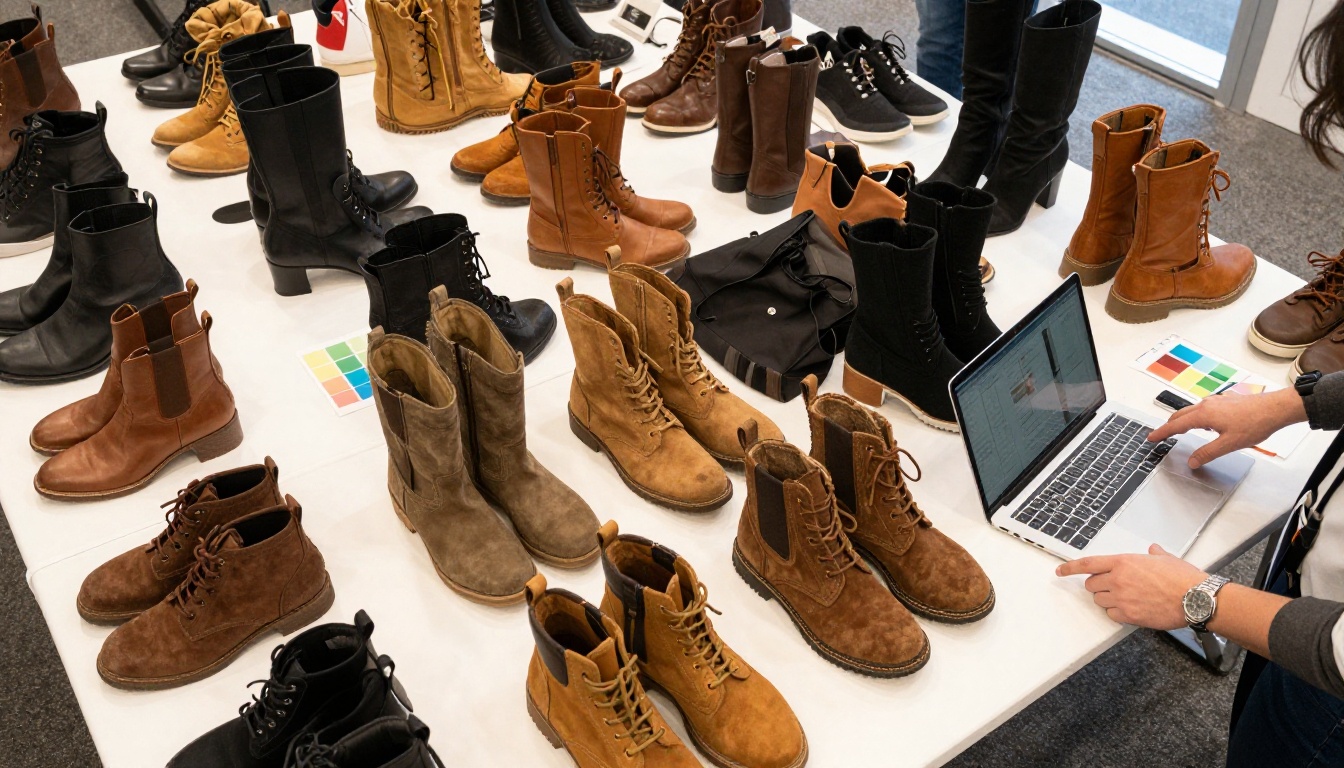
Buyers do not want 140 styles thrown at them. They want a story: three themes, a handful of hero products and a logic for how they fit together. A story like "workwear boots, soft city sneakers and the return of the loafer" is easier to remember than a list of SKUs.
Choose a Tight Sample Set
Samples are expensive and heavy. Most reps carry between 20 and 40 pairs. Pick the ones that show the range in the best light:
- Hero styles that anchor the season
- Core carryovers that reorder reliably
- One or two bold pieces that start conversations
- Entry price points that make a first order less risky
Segment Accounts Before Visiting
Not every store gets the same pitch. A fashion-forward boutique wants early access and exclusives. A family shoe store wants comfort, fit and size runs. Segment your accounts and adapt the order of your presentation.
| Account type | Priority in pitch | Typical order size | Follow-up style |
|---|
| Fashion boutique | Exclusives, trend story | Small, high mix | Quick message, visual |
| Family shoe store | Fit, comfort, size curves | Medium, deep sizes | Phone call, price list |
| Outdoor specialist | Technical specs, durability | Medium, seasonal | Product details, video |
| Concept store | Brand story, limited runs | Small | Lookbook, invitation |
Running the Appointment
The meeting itself is where preparation meets human behavior. A few habits separate productive appointments from polite ones that end with "send me the catalog."

Start With the Buyer's Customer
Ask who bought best last season and why. Then show the products that speak to that customer. This changes the dynamic from "rep selling" to "partner solving."
Let Them Touch the Product
Footwear is physical. Hand over the sample, let the buyer bend the sole, check the lining and smell the leather. This is where quality becomes believable, and no screen replaces it.

Show the Numbers Early
Do not save pricing for the end. Buyers evaluate everything through margin. Show wholesale, retail, margin and minimums alongside each style so they can build the order as they go.
⚠️ Watch out: Pushing a full range when the buyer clearly wants only one category. Narrow the conversation and win the part of the store you can win.
Write the Order in the Room
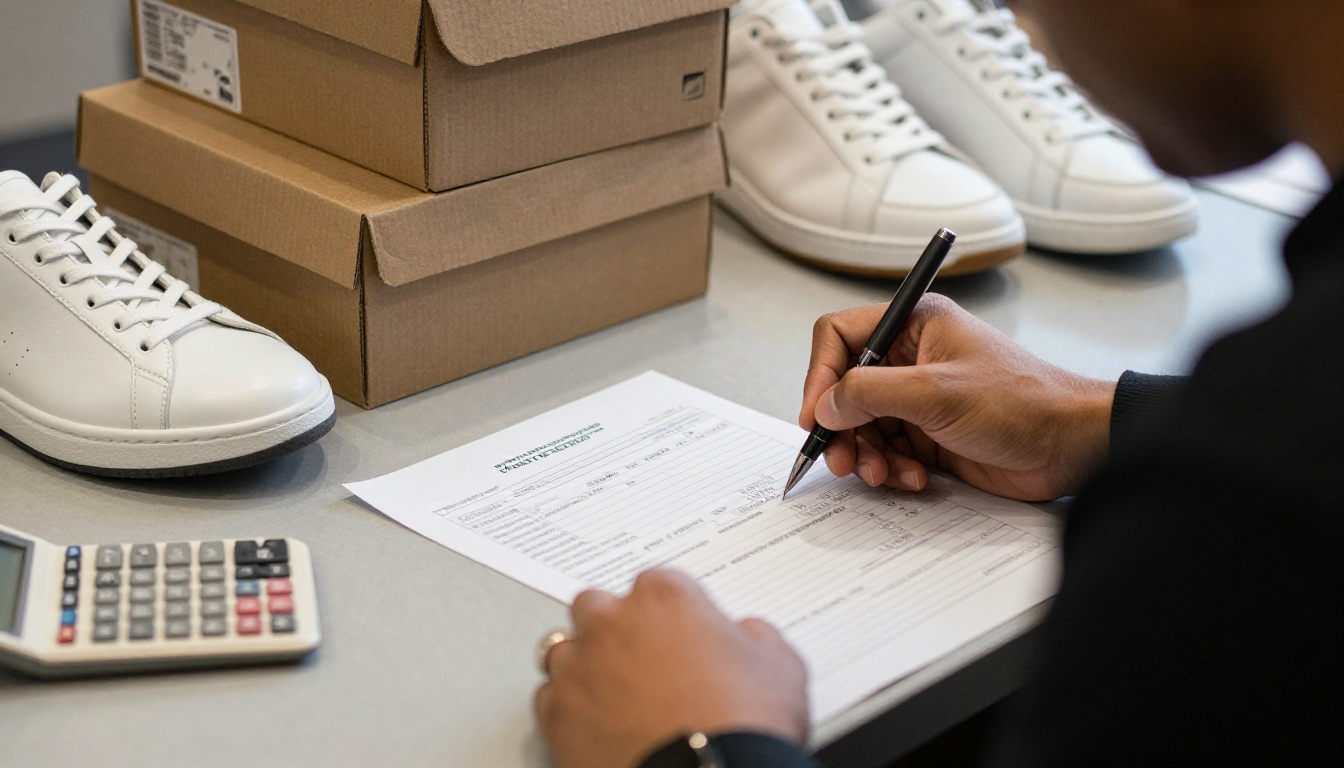
Whenever possible, close the loop while you are there. Orders written in the meeting convert at a much higher rate than orders promised "after I think about it." A simple order form or tablet sheet keeps momentum.
Why Digital Catalogs Win
Physical samples start the conversation. A digital catalog finishes it. Once the rep leaves, the owner needs something they can open at night, compare against other brands and show to a staff member.
The Problem With Static PDFs
Most brands email a 60 MB PDF that is slow to open, hard to read on a phone and impossible to track. The buyer cannot tell what is new, and the brand cannot tell whether anyone looked at it.
What a Flipbook Changes
A flipbook feels like a real catalog. Pages turn, images load fast and the format works on a phone in a stockroom as well as on a desktop. Because it lives at a link, you can update it when a delivery date changes, and you can see which pages got attention.
| Feature | Email PDF | Interactive flipbook |
|---|
| Opens quickly on mobile | Often slow | Yes |
| Page-turn experience | No | Yes |
| Easy to update after sending | No, resend needed | Yes, same link |
| Password protection for wholesale prices | Limited | Yes |
| Embed videos and audio | No | Yes |
| View analytics | No | Yes (Professional plan) |

Real-World Example
A mid-sized leather boot brand sends its autumn range to 120 independent accounts. Instead of attaching a PDF, the rep sends a password-protected flipbook with a short video of the sole construction. Two days later the sales manager sees which accounts opened the book and which pages they spent time on, then calls the five that lingered on the Chelsea boots. That is a better use of a Tuesday than cold-calling the entire list.
How to Create a Shoe Catalog
If you want to build your own seasonal catalog, the process is straightforward. Here is how it works on Flipbooks AI.
Step 1: Create Your Account
Visit Flipbooks AI and sign up. You can compare plans later, since free access is enough to try your first catalog.
Step 2: Upload and Convert Your PDF
Export your line sheet, lookbook or catalog from your design tool as a PDF, then upload it to the PDF to Flipbook Converter. The pages are converted into a page-turning book in seconds. For footwear, the Fashion Catalog Creator and Interactive Lookbook Designer are good starting points, and the Product Catalog Generator suits structured price lists.
Step 3: Customize the Look
Apply your brand colors, upload your logo and pick page effects that suit the collection. Add short product videos or ambient audio where they help. A boot brand might show the welt stitching in a ten-second clip, while a sneaker label could add a lifestyle reel.
Step 4: Share With the Right People
Choose how buyers will receive the catalog:
- Direct link for emails and messaging apps
- Embed code to place the book on your wholesale portal using the Embed Flipbook on Website tool
- Password protection to keep wholesale pricing private
- Offline download for reps who visit stores with weak signal
Step 5: Track and Follow Up
On the Professional plan, analytics and lead generation show who opened your catalog and which pages held attention. Use those signals to prioritize follow-ups. See pricing plans for details.
✅ Best practice: Create one master flipbook per season and one trimmed version per account type. A boutique and a family store should not scroll through the same fifty pages.
What a Strong Pitch Sounds Like
Words matter. Here are a few phrases that tend to land well with independent buyers, compared with the habits that usually fall flat.
| Instead of saying | Try saying |
|---|
| "This is our best collection ever." | "Your customers who bought the suede boots last year will want this color." |
| "Everyone is buying this." | "Three stores near you saw sell-through above 70 percent by week six." |
| "We have a lot of styles." | "Here are five styles that fit your shelf and price range." |
| "Let me know what you think." | "Can we pencil in a first order of two size runs today?" |

Offer Support Beyond the Shoe
Independents love brands that help them sell. Offer window display ideas, social media assets, shelf talkers and short staff training notes. Put them in the same catalog link so everything lives in one place. The Digital Price List Generator is useful for keeping prices and minimums tidy.
Be Honest About Delivery
Late shipments hurt independents more than anyone. If a style will land in the second wave, say so. Buyers forgive honest dates and punish surprises.
Following Up After the Visit
The appointment is not the end. The days after it decide whether interest turns into an order.
Send a Recap Within 24 Hours
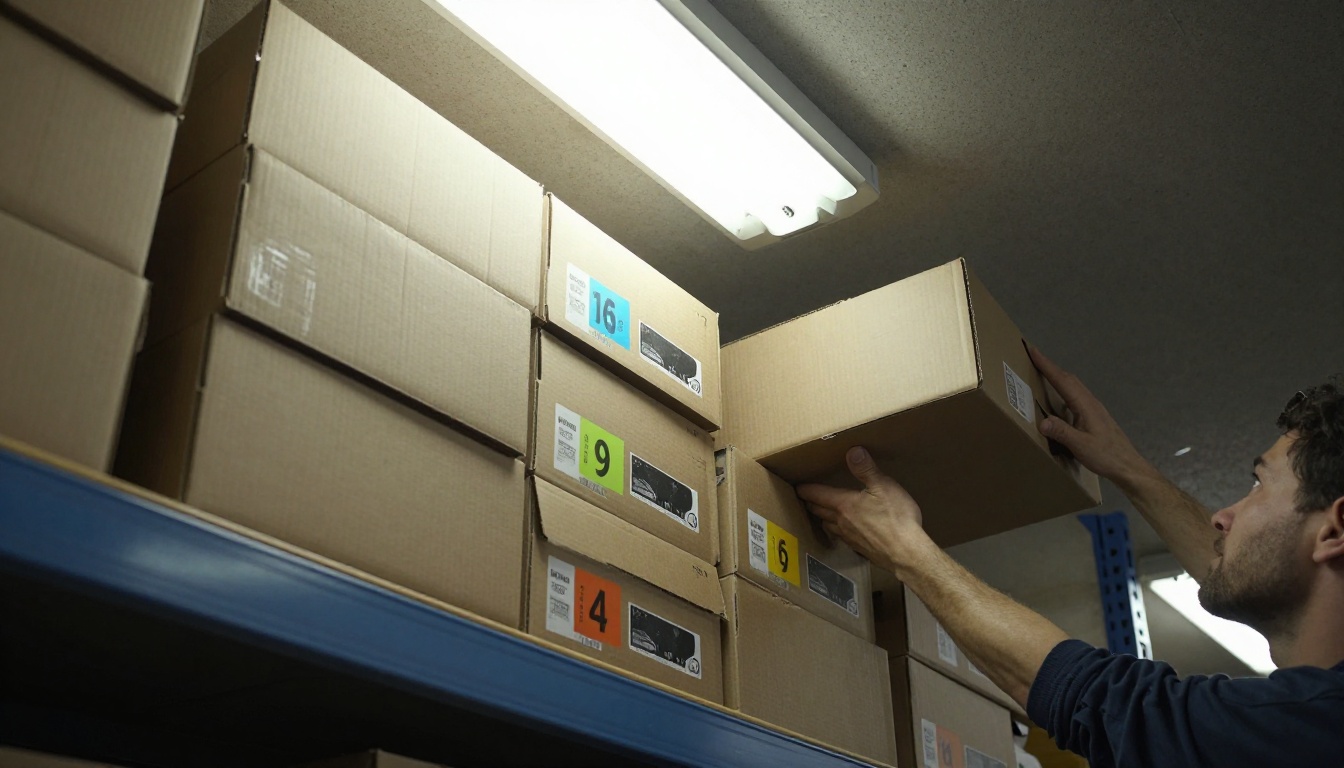
Write a short message with the styles discussed, the quantities pencilled in and a link to the digital catalog. Keep it specific. "Here are the three boots and two sneakers we talked about" works better than a generic thank-you.
Use the Data You Collected
If your catalog shows which pages a buyer reopened, mention them naturally. "I saw the loafers caught your eye, want to see them in oxblood?" is helpful when it is relevant and calm in tone.
Plan the Reorder Window
Independents reorder when sell-through proves the product. Schedule a check-in around week four of the season and be ready with stock information.
💡 Pro tip: Keep a short list of styles that are available for quick delivery. When a buyer sells out of a hero style, being the brand that can ship again in days builds loyalty for years.
Common Mistakes to Avoid
Even experienced reps fall into the same traps. Watch for these three.
- Showing everything. Too many options freeze buyers and dilute your hero styles.
- Ignoring the store's customer. A trend story means nothing if it does not match who shops there.
- Leaving without a next step. Every appointment should end with a date, an order or a clear follow-up.
Bring It All Together
Footwear brands that win independent accounts do a few things consistently: they tell a clear collection story, let buyers handle the product, show the numbers early and follow up with something the owner can actually use. A well-made digital catalog sits at the center of that routine, because it keeps your range in front of the buyer long after you have packed up your samples.
Ready to build your own seasonal catalog? Get started for free on Flipbooks AI, browse all flipbook tools to find the right template, and compare pricing plans when you want analytics and lead capture for your wholesale accounts. You can also create an account and choose a plan in one step.



