Every pro shop wall tells the same story: forty paddles, room for maybe twenty. Behind each one sits a brand that talked a buyer into giving it space. If you sell paddles and want that space, you need more than a good product. You need a repeatable way to reach buyers, prove demand, and make reordering painless. Many brands now package all of it in a digital catalog built with Flipbooks AI, so a buyer can flip through specs and wholesale prices in seconds instead of hunting through email attachments.
This article walks through the routes brands actually use, the numbers buyers care about, and the small details that decide who gets the reorder.
Why Shelf Space Is So Tight
Pickleball grew faster than the retail infrastructure around it. A single facility can add six courts in a season, but the pro shop is still a small room with a fixed number of pegs. The manager has to balance paddles, shoes, balls, bags, apparel and grip tape in the same footprint.
That scarcity changes how buyers think. They are not asking "is this a good paddle?" They are asking three practical questions:
- Will members ask for it by name?
- Will it sell through at full price?
- Will the brand make my life easier or harder?
Brands that answer all three clearly get on the wall. Brands that only talk about core technology and spin ratings usually do not.
💡 Pro tip: Buyers decide in the first two minutes of a conversation. Lead with sell-through proof and margin, then move to the product story.
The Five Main Routes Into a Shop
Most paddle brands use a mix of routes. Each has a different cost, speed and level of control.
1. Direct Wholesale Accounts
The brand sells straight to the club or shop at wholesale pricing. It is the highest margin path for the brand and gives full control over pricing and presentation. The trade-off is time: every account needs outreach, onboarding, invoicing and support.
2. Distributors and Sales Agencies
A distributor already holds relationships with hundreds of retailers. The brand gives up some margin in exchange for instant reach, bulk logistics and credit handling. This route suits brands with solid volume and a clear price ladder.
3. Trade Shows and Regional Events
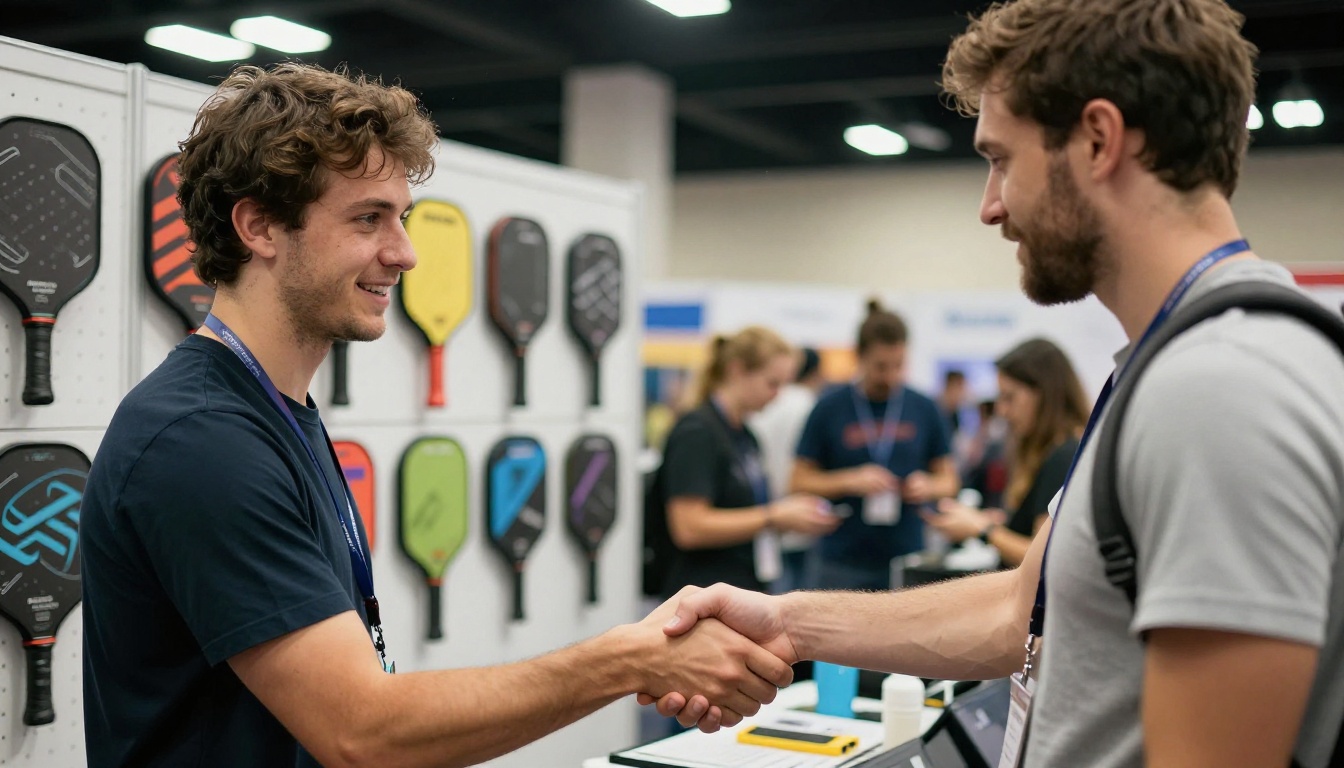
Industry shows put dozens of buyers in one hall. A small booth with demo paddles and a clean order sheet can produce more qualified leads in three days than months of cold email.
4. Pro and Ambassador Programs
When a respected coach or tournament player uses a paddle, members notice. Clubs often stock what their own coaches recommend, which turns a sponsorship into a shelf placement.
5. Online Marketplaces With Retail Partners
Some brands start online, build review volume, then approach shops with proof that the paddle already sells. The data does the persuading.
| Route | Brand Margin | Speed to First Order | Effort Required | Best For |
|---|
| Direct wholesale | Highest | Medium | High | Small brands with focused territory |
| Distributor or agency | Lower | Fast | Medium | Brands ready to scale volume |
| Trade shows | High | Fast | Medium | Brands with demo inventory |
| Ambassador program | Medium | Slow | Medium | Brands with strong product story |
| Online first | Medium | Slow | Low upfront | Brands with review history |
What Buyers Look at Before Saying Yes
A club manager is judging risk. These are the factors that come up again and again.
Margin and Pricing Structure
Most shops expect a keystone-style markup, meaning they sell at roughly double their cost. A paddle with a $120 retail price needs a wholesale cost near $60. If the brand sits at $75, the shop has to either raise the shelf price or accept thinner margin, and many will pass.
Minimum Order and Reorder Terms
A low opening order removes friction. Many brands offer a starter pack of six to twelve paddles with mixed models, plus free freight above a set threshold. Reorders should be a two-minute task, not a week of back and forth.
Territory and Price Protection
Shops hate finding their paddle cheaper on a marketplace. Brands that enforce a minimum advertised price, and tell buyers so up front, build trust faster.
Return and Defect Policy
Paddles can arrive with a cracked edge guard or a loose handle. A clear replacement policy, written down and easy to find, tells buyers you will stand behind the product.
Typical Wholesale Math
Here is a sample price ladder showing how margins shape a deal. Numbers are illustrative, but the structure is common.
| Paddle Tier | Retail Price | Wholesale Cost | Shop Margin | Brand Gross Margin (est.) |
|---|
| Entry | $60 | $30 | 50% | 40 to 50% |
| Mid-range | $120 | $60 | 50% | 45 to 55% |
| Premium | $200 | $100 | 50% | 50 to 60% |
Notice that the shop margin stays constant while the brand margin rises with tier. This is why many brands lead with a small entry range to get in the door, then push buyers toward mid and premium models as sell-through proves itself.
⚠️ Warning: If your landed cost leaves less than 40% gross margin at wholesale, distributor or agency deals will be hard to make work.
Demo Programs That Convert
Players buy paddles they have held. That simple fact drives the most effective tactic in the category: putting demo paddles on the court.
Set Up a Simple Demo Kit
A good kit is small and organized:
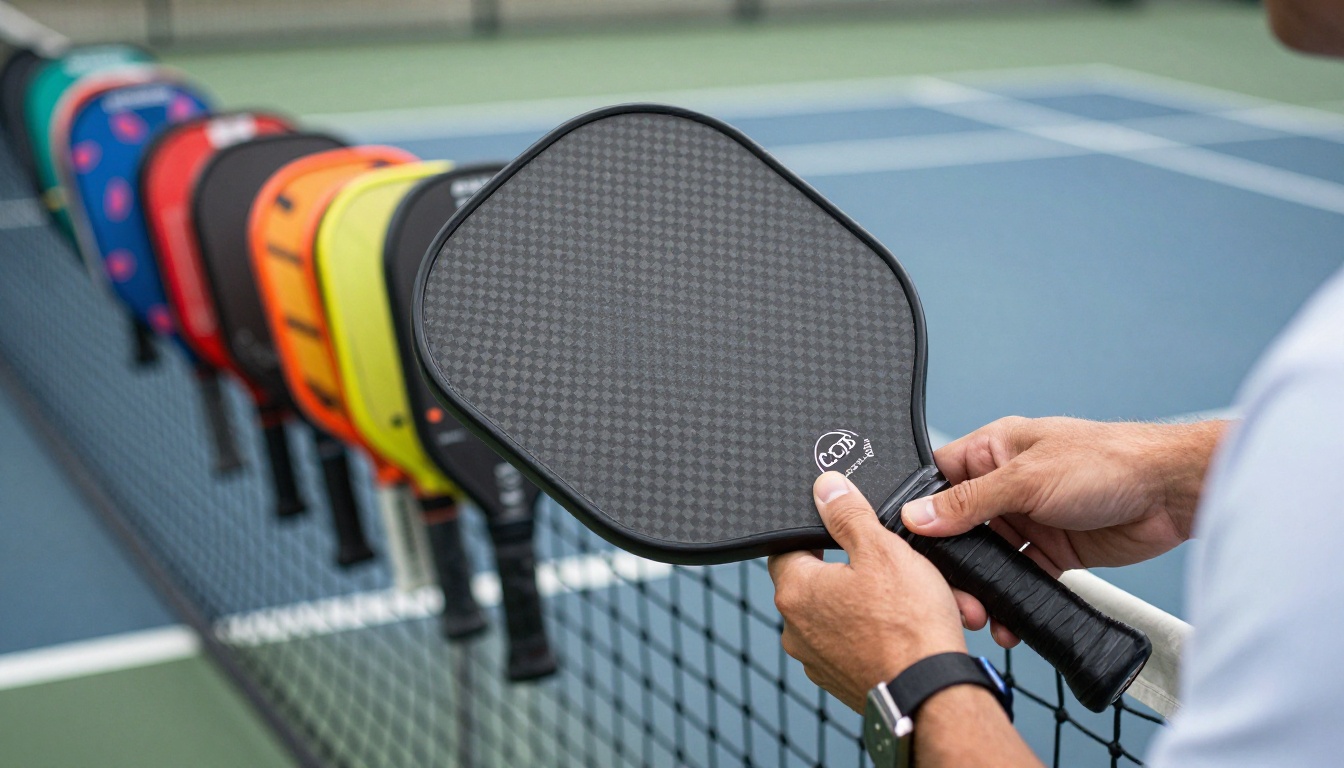
- Four to six paddles covering different weights and shapes
- A printed or digital spec card for each model
- A sign-out sheet or QR code to capture who tried what
- A follow-up message sent within 48 hours
Run Demo Days at the Club
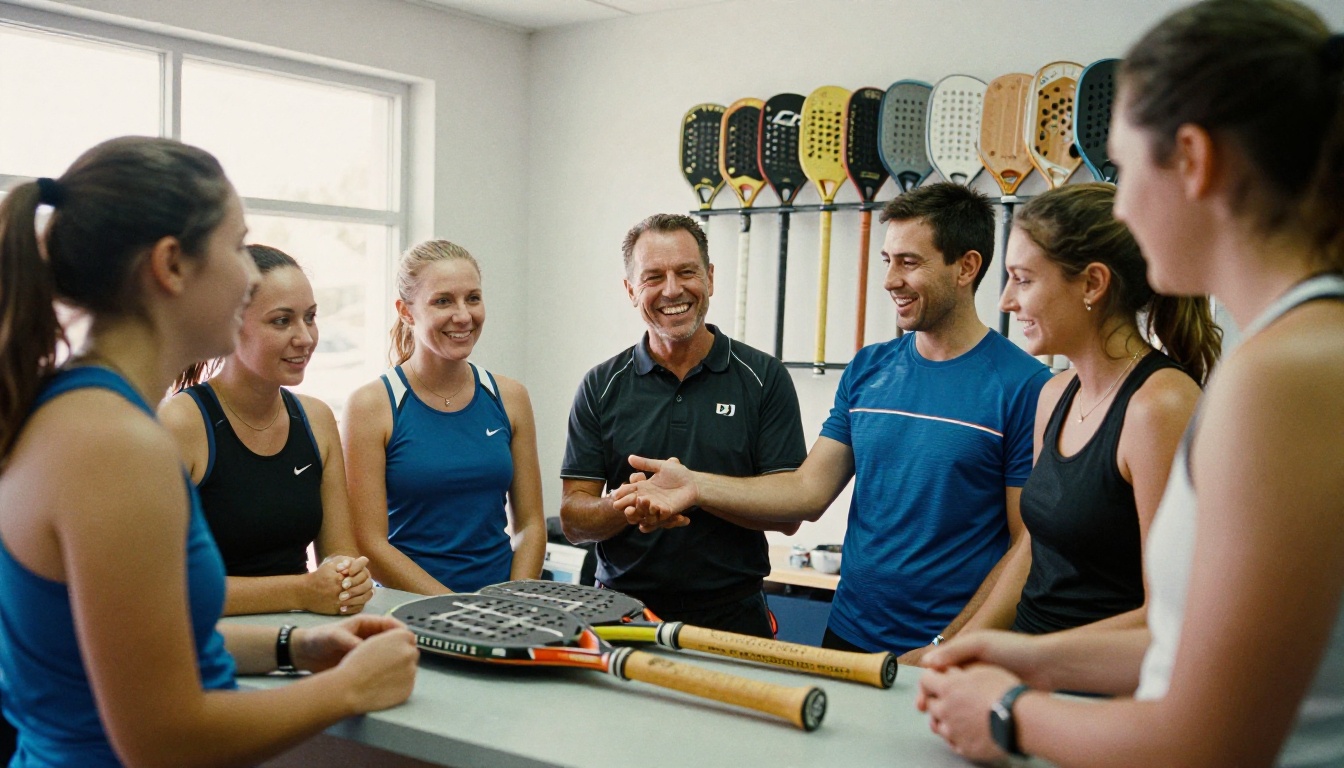
Offer to host a Saturday morning demo session. The club promotes it to members, you bring the kit, and every swing is a live sales pitch. Shops love it because it creates foot traffic and costs them nothing.
Track Results
Record demo count, follow-up replies and paddles sold within 30 days. Those three numbers become your strongest argument at the next buyer meeting. A shop manager who sees 40 demos produce 11 sales will say yes to a larger order.
Build a Catalog Buyers Actually Open
Here is where many brands lose deals. They send a heavy PDF, a spreadsheet and three emails. The buyer opens none of them on a phone between lessons.

A digital flipbook solves it. One link opens a page-turning catalog that works on any device, loads fast, and holds specs, photos, wholesale prices and order instructions in one place. You can build yours with the Product Catalog generator or the Digital Price List Generator if you want a lighter format.
What belongs inside a paddle catalog:
- One page per model with weight, core thickness, face material and shape
- Wholesale and suggested retail pricing in a clear table
- Starter pack bundles with a single order code
- Demo program details and display options
- Return policy and shipping terms
- Contact information and a direct ordering link
| Format | Opens on Phone | Easy to Update | Tracks Buyer Interest | Looks Professional |
|---|
| Emailed PDF | Sometimes | No | No | Medium |
| Spreadsheet | Poorly | Yes | No | Low |
| Printed binder | No | No | No | High |
| Digital flipbook | Yes | Yes | Yes (Professional plan) | High |
How to Create a Wholesale Catalog With Flipbooks AI
If you already have a PDF line sheet, you are about ten minutes from a shareable catalog. Here is the process.
- Create your account. Go to Flipbooks AI and sign up. You can try it free before choosing a plan.
- Upload your PDF. Use the PDF to Flipbook Converter. Pages convert automatically with realistic page-turn effects.
- Apply your branding. Add your logo, set brand colors and pick a background that matches your packaging.
- Add multimedia. Embed a short product video or audio clip on key model pages. Buyers like seeing the paddle in motion.
- Share it. Copy the direct link for emails, or use the embed option to place the catalog on your wholesale landing page. Turn on password protection so only approved buyers see wholesale prices.
- Track interest. On the Professional plan, analytics show which pages buyers read, and lead generation captures contact details before they open the catalog. See pricing plans for the full feature list.
- Offer offline downloads so a buyer can save the catalog and review it on a flight home from a trade show.
✅ Best practice: Keep wholesale pricing in a password-protected version, and share a public version without prices on social media and your retail site. Flipbooks AI never adds watermarks, so both versions look clean.
Flipbooks AI also supports Sales Presentation layouts and a Press Kit Designer, both handy when you pitch a large club group.
A Realistic Outreach Sequence
Cold outreach fails when it asks for too much too soon. This sequence works better.
| Day | Action | Goal |
|---|
| 1 | Short email with catalog link | Introduce brand and starter pack |
| 4 | Offer a free demo kit for staff | Get paddles in hands |
| 8 | Follow up with demo results from a nearby club | Add social proof |
| 14 | Phone call or visit | Close the opening order |
| 30 | Check sell-through and offer reorder | Secure repeat business |
A Sample First Email
Keep it under 120 words. Name the club, mention one thing you noticed about their courts or events, link the catalog, and offer a demo kit with no obligation. Skip the long brand history.
The Visit Matters
A short in-person stop beats ten emails. Bring the demo kit, a printed one-page summary with a QR code to your digital catalog, and an honest answer to "what do you do when a paddle fails?"
Real-World Examples
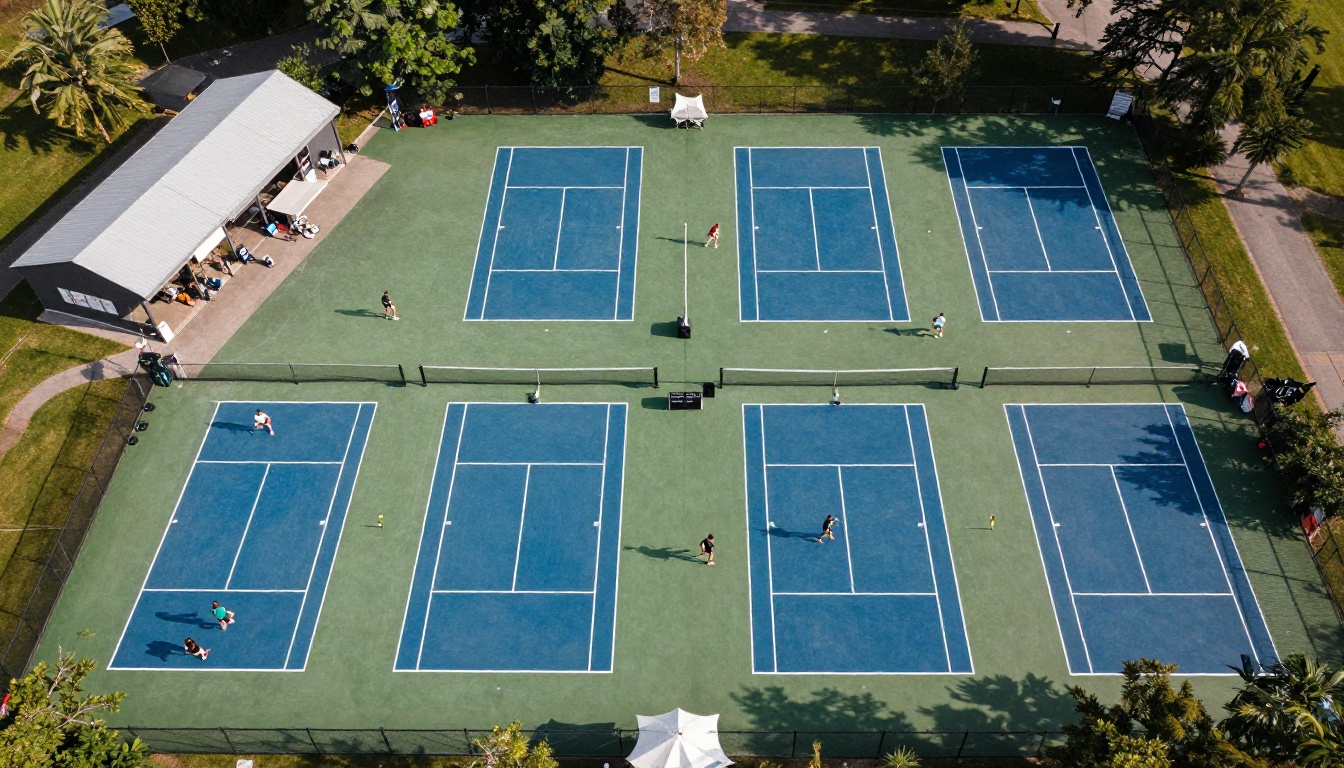
A two-person startup sells a $110 control paddle. They skip distributors, build a flipbook catalog with a starter pack, and visit eight clubs within a 50-mile radius. Five say yes to a six-paddle opening order. Their reorder rate hits 60% within two months because the catalog link includes an order form.
A mid-size brand hires a regional sales agency that already calls on tennis and golf shops. The agency adds paddles to its bag and brings samples. The brand gives up margin but opens 40 accounts in a quarter.
A coach-founded brand starts by lending paddles to a local club's lesson program. Students ask where to buy them, the shop places an order, and word spreads to three neighboring facilities.
Mistakes That Kill Deals
- Pricing without a margin story. Buyers want to see their profit, not just your list price.
- Slow replies. A buyer who waits three days moves on to the next brand.
- Overloading the first order. Ask for a small, easy yes.
- No sell-through support. Provide signage, demo days or social posts.
- Out-of-date materials. Old prices in a PDF erode trust. A flipbook updates in minutes.
- Ignoring reorders. The second order is where profit lives.
Build the Habit of Reorders
Winning a shelf is half the job. Keeping it means treating each shop as a long-term account.
- Check in at 30 days with sell-through numbers.
- Send new model announcements through the same catalog link.
- Offer seasonal bundles ahead of spring and fall league starts.
- Share event photos and tag the club.
- Ask the manager what members are requesting.
Brands that do this turn a $600 opening order into several thousand dollars a year per account.
Ready to Win More Shelf Space?
Getting paddles into clubs and pro shops comes down to clear margins, easy demos and materials that make a buyer's job simple. Start by turning your line sheet into a shareable catalog. Get started for free on Flipbooks AI, browse all flipbook tools for formats that suit your line, and compare pricing plans to pick the one with analytics and lead capture. When you are ready to go further, create an account and choose your plan to put your catalog in front of buyers this week.



