A chef has about ninety seconds between the lunch rush and prep for dinner. If your email opens with a long story about the farm, it gets deleted. If it opens with a clean list of what is ready this week, with prices and pack sizes, it gets an order. That single document, the availability list, is the most reliable sales tool a small farm owns, and tools like Flipbooks AI make it easy to turn a plain spreadsheet into something polished that buyers enjoy opening.
This article shows how small farms sell to chefs and grocers with availability lists: what to put on them, how to price them, when to send them, and how to keep them looking professional without spending your evenings in design software.
Why Availability Lists Work
Wholesale buyers do not shop like retail customers. They plan menus and shelf sets around what is dependable, and they hate surprises. A weekly list answers their three real questions before they ask:
- What can I order right now?
- How much does it cost, and in what unit?
- When will it arrive?
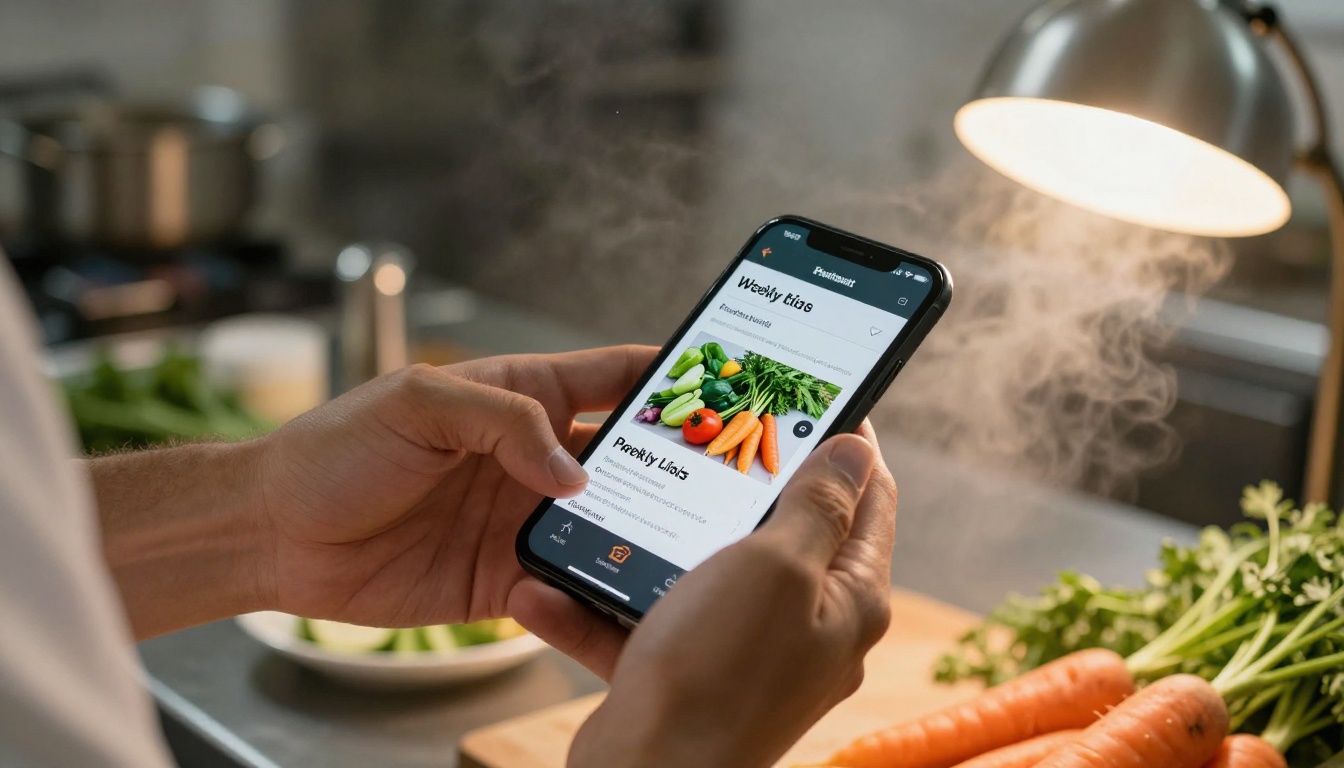
For the farm, the benefits are just as practical. You sell what is already harvested or about to be, so there is less waste. You stop answering the same text messages ten times a week. And you build a rhythm: buyers start expecting your list on Monday morning and plan around it.
💡 Pro tip: Chefs rarely reply to "let me know if you need anything." They reply to a list they can scan and answer with a single line: "Send me 10 lb chard and 4 flats of radishes."
The Buyer's Point of View
Think about who is reading. A chef de cuisine may get lists from six farms plus two broadline distributors. A grocery produce manager may have a standing order guide and only room for a few local specials. Both want speed and certainty. Your list is competing for attention, so clarity beats creativity every time.
Lists Versus Price Sheets
A price sheet is static and lists everything you ever grow. An availability list is a snapshot of this week. Keep them separate: a short seasonal overview for introductions, and a weekly list for ordering.
What Goes on a Strong List
Every line should let a buyer order without asking a follow-up question. At minimum, include these fields:
| Field | Example | Why Buyers Need It |
|---|
| Product name and variety | Heirloom tomato, Cherokee Purple | Chefs write menus around varieties |
| Unit and pack size | 10 lb case | Lets them compare with distributor pricing |
| Price per unit | $38 per case | Removes the need for a quote request |
| Quantity available | 12 cases | Creates honest urgency |
| Grade or size | Seconds, great for sauce | Opens a second market for imperfect produce |
| Harvest or ready date | Harvested Thursday | Shows freshness and sets expectations |
Add a Few Extras That Close Sales
Beyond the basics, small touches make a list feel trustworthy:
- Order deadline, such as "Orders close Wednesday at noon."
- Delivery days and minimums, such as "Tuesday and Friday, $150 minimum."
- Contact method, one phone number and one email.
- A short note on what is coming next, so chefs can plan ahead.
- Certifications or growing practices, if they matter to your buyers.
Keep Photos Honest
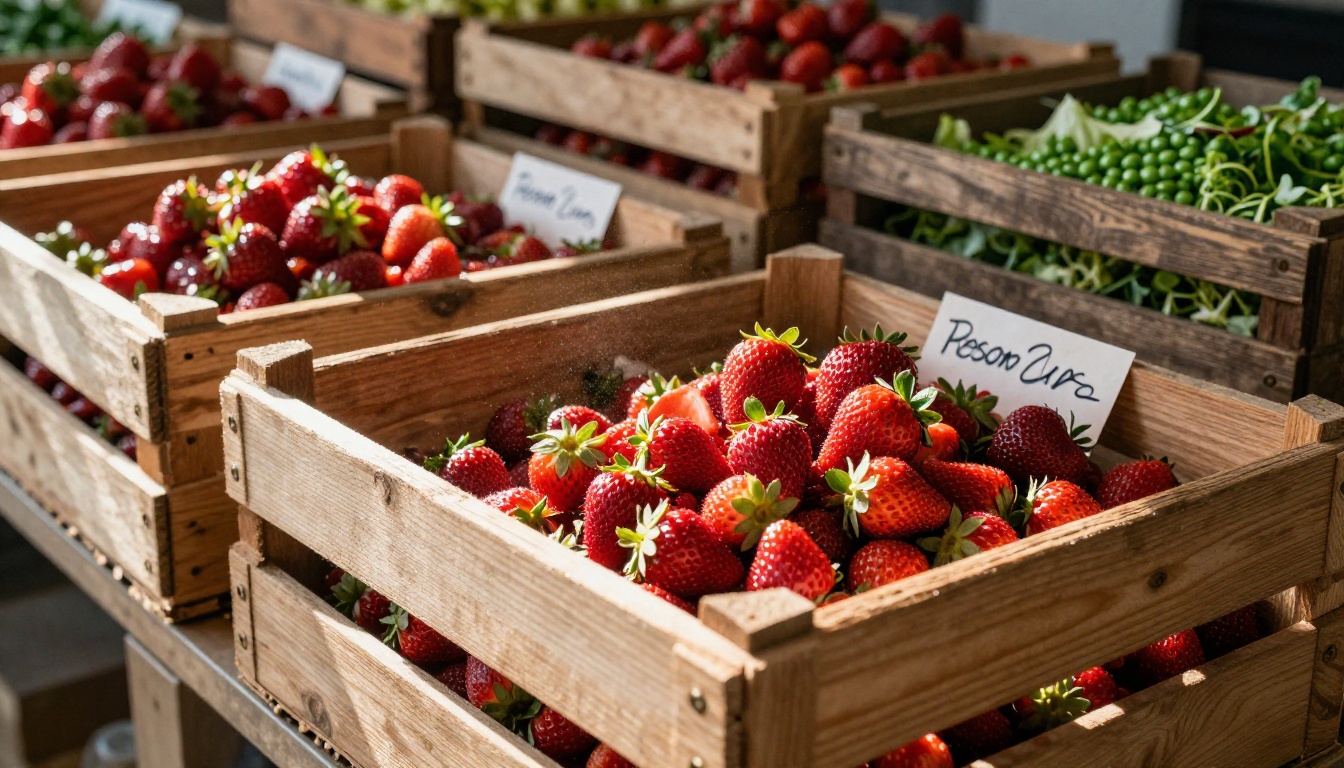
A photo of the actual crate beats a stock image. Buyers recognise real produce, and a clear picture of size and color prevents disputes at delivery. If you do add photos, keep them small and consistent.
Setting Prices Chefs Accept
Pricing is where many small farms lose confidence. You are not competing with the supermarket price per pound. You are competing with what the buyer would pay for the same quality, delivered, with a face behind it.
Three Common Pricing Models
| Model | How It Works | Best For | Watch Out For |
|---|
| Fixed weekly price | Same price all season | Grocers with printed shelf tags | Margin squeeze when yields drop |
| Market-based price | Updated each week | Chefs buying specialty items | Buyers comparing week to week |
| Volume tiers | Lower price at higher quantity | Grocers moving volume | Over-promising quantity |
Most small farms end up mixing models. Staples such as salad mix may hold a fixed price, while rare items like squash blossoms float with demand.
⚠️ Warning: Never list a price you cannot honor for the full order window. If a chef orders on Monday at the listed price and you change it Tuesday, you lose trust that took months to build.
Show the Value, Not Just the Number
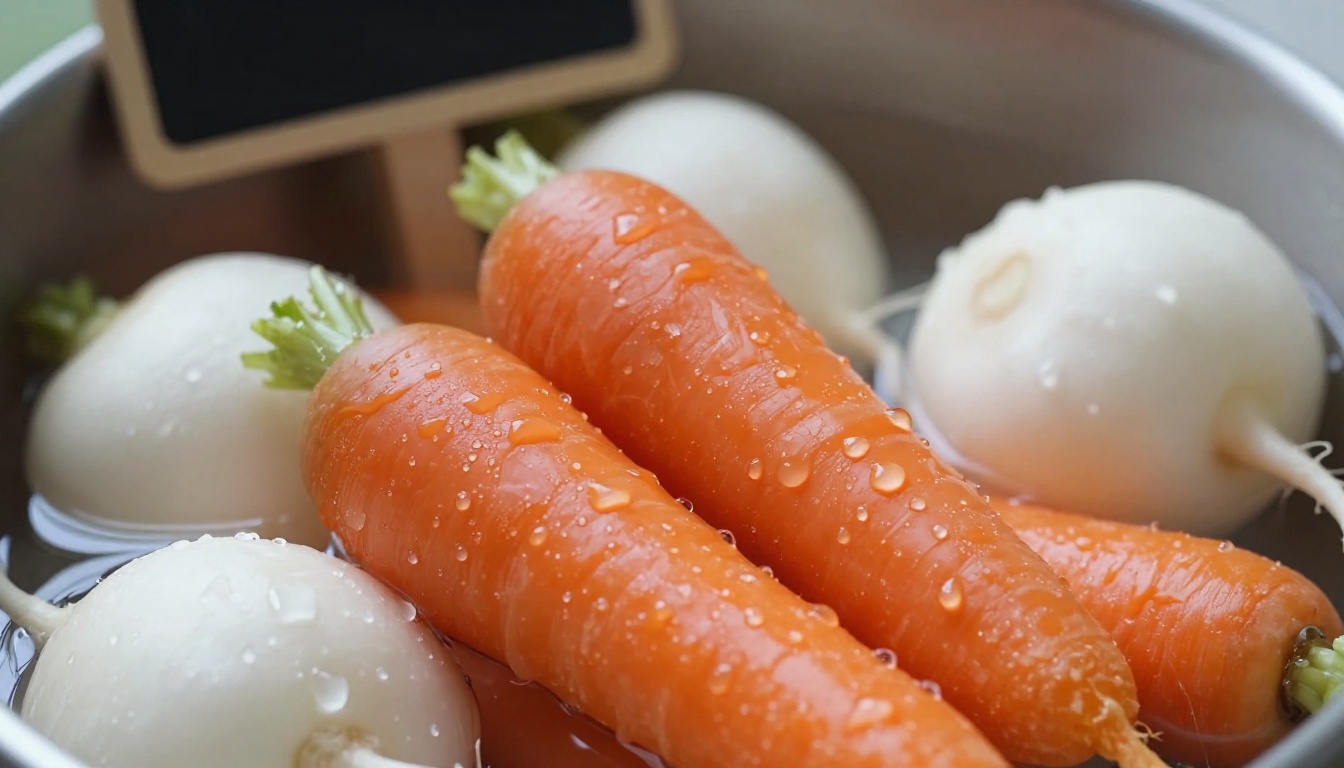
A short line such as "picked this morning, washed, packed in waxed cases" justifies a premium. Chefs value labor saved. If your carrots are trimmed and washed, say so.
Timing and Delivery of the List
The best list in the world fails if it arrives at the wrong time. Study your buyers' ordering habits and build around them.

A Weekly Rhythm That Works
Here is a simple schedule many small growers follow:
- Sunday evening: Walk the fields mentally, check the cooler, and draft the list.
- Monday morning: Send the list before chefs finalize their weekly orders.
- Wednesday noon: Close orders and confirm quantities.
- Thursday: Harvest and pack to order.
- Friday: Deliver and collect feedback.
Consistency matters more than the exact day. When buyers know the list lands at 7 a.m. every Monday, they start watching for it.
Choosing a Channel
| Channel | Pros | Cons |
|---|
| Email with a PDF | Familiar, easy to forward | Attachments feel dated and hard to read on a phone |
| Text message | Fast and personal | Hard to track orders and no formatting |
| Shared spreadsheet link | Always current | Looks plain, access issues for some buyers |
| Online flipbook link | Branded, mobile friendly, one link that never changes | Needs a quick setup |
A single permanent link is the real advantage. Buyers bookmark it, and every week you refresh the content behind it.
Turn Your List into a Flipbook
A plain spreadsheet works, but a branded, page-turning document signals that your farm runs a professional operation. With the PDF to Flipbook Converter you can turn your weekly PDF into a mobile friendly flipbook in minutes.
How to Create Your Availability Flipbook
- Build the list. Use a spreadsheet or document with the fields from the table above. Export it as a PDF.
- Create an account. Sign up on Flipbooks AI and open the dashboard.
- Upload the PDF. Drag in your file. Pages convert automatically into a flipbook with realistic page effects.
- Add your branding. Pick your farm colors, add your logo, and choose a clean background.
- Embed photos or short clips. A ten second video of the field adds credibility. Audio and video can be embedded directly.
- Share it. Copy the direct link for texts and emails, or use the Embed Flipbook on Website tool to place it on your farm page.
- Protect it if needed. Use password protection when pricing is only for approved wholesale accounts.
- Refresh weekly. Replace the PDF and keep the same link.
✅ Best practice: Use one flipbook for the live weekly list and a second for your seasonal overview. The seasonal one can double as a digital catalog when you pitch new accounts.
Which Tool Fits Which Job
No watermarks appear on your flipbooks, so the document carries only your farm's name. Mobile responsive design means a chef can open it from a phone in the walk-in cooler.
Features Worth Having
Plans on the pricing page add useful options. Unlimited flipbooks are available on the Standard plan and above, which helps if you keep separate lists for restaurants and grocers. The Professional plan adds analytics and lead generation, so you can see which buyers opened the list and when. Offline downloads let a store manager save the list for a back room with poor signal.
Winning Chefs Specifically
Chefs buy on inspiration, quality, and trust. Your list can serve all three.
Lead with What Is Special
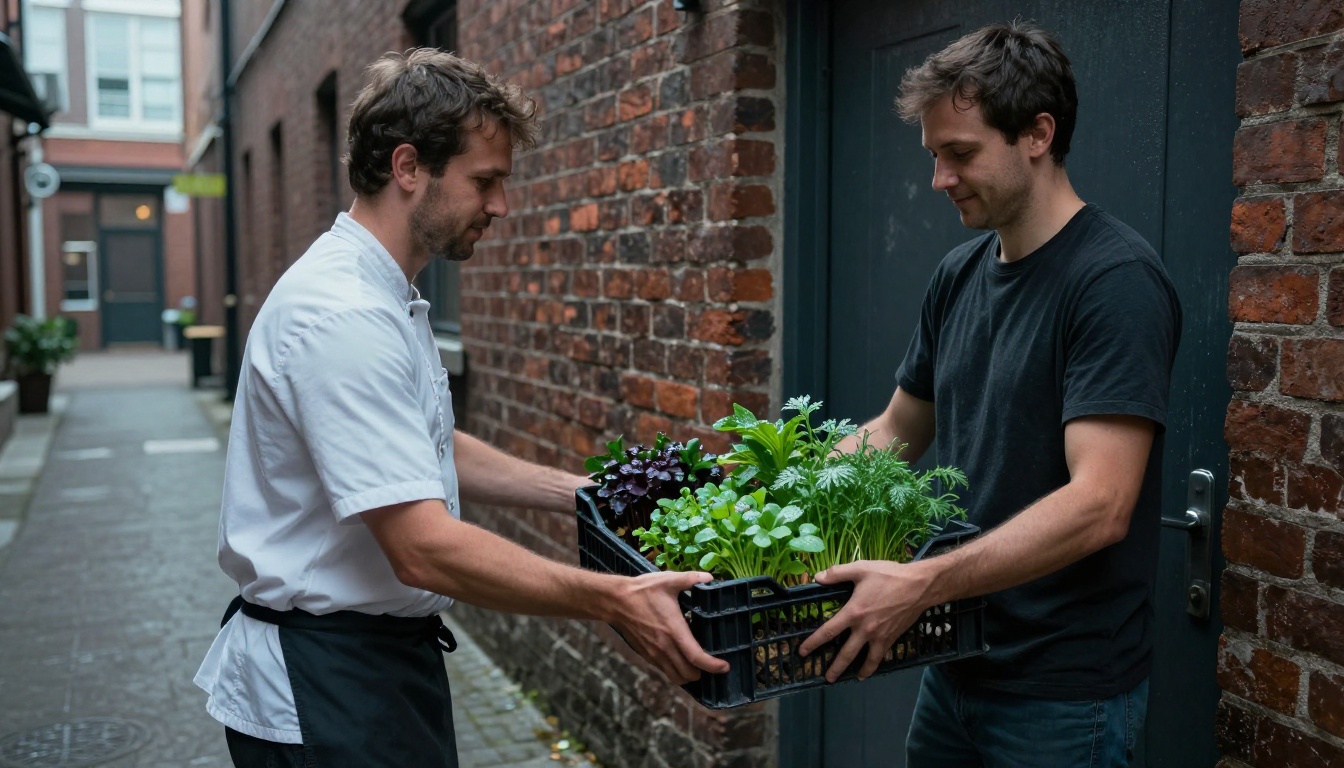
Put the rare and seasonal items at the top: first peas, squash blossoms, ramps, fresh herbs, edible flowers. These are what a chef cannot get from a distributor. Staples go below.
Offer a Sample Before the Pitch
A chef who tastes your tomatoes is a chef who orders them. Drop a small box with a printed list and a link to your flipbook. Follow up two days later with a short message.
Practical Example
A two acre vegetable farm sent a Monday list to eight restaurants. At the top sat three items: baby turnips, pea shoots, and purple radishes. Within a month, five restaurants were ordering weekly. The farm never advertised; the list did the selling. Each order was small, but together they covered the farm's weekly packing labor.
Winning Grocers Specifically
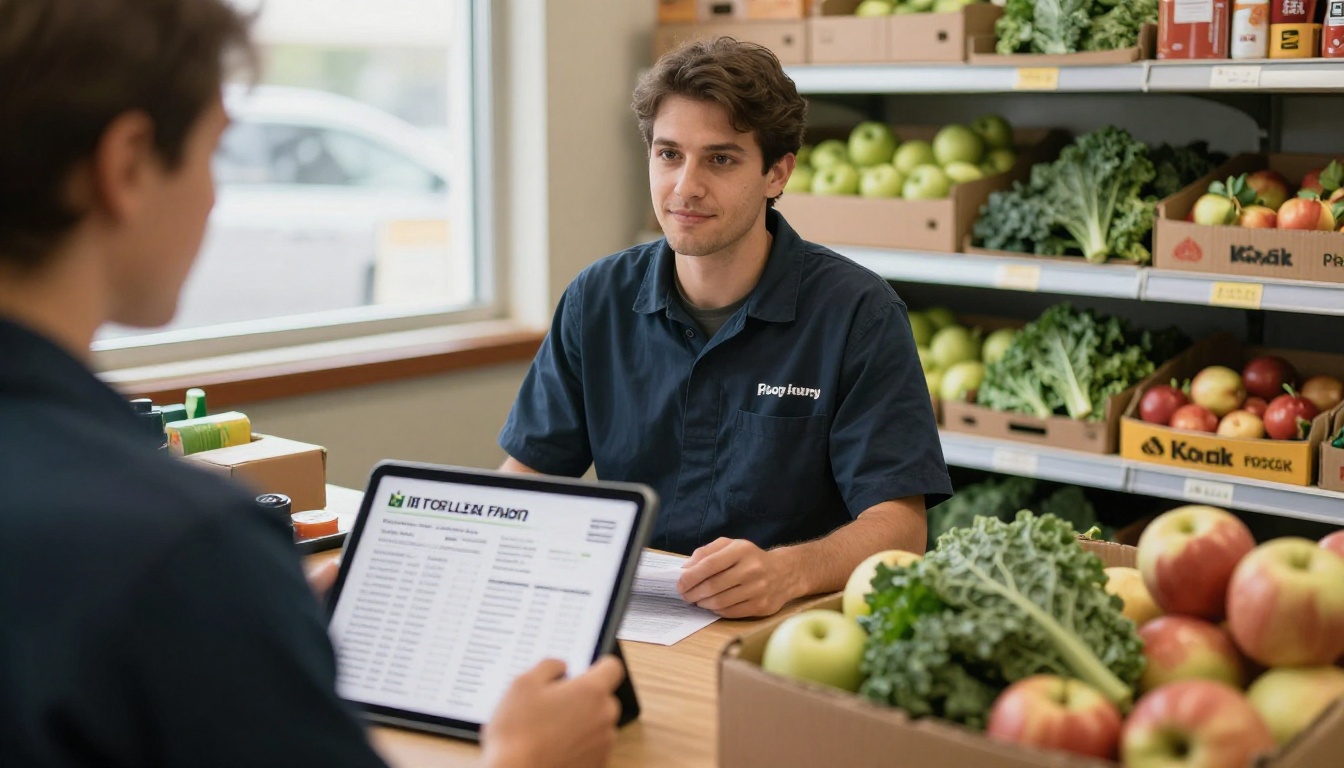
Grocers think in margins, shelf life, and consistency. They want to know you can deliver the same quantity every week and that the product will not shrink before it sells.
Speak Their Language
Add details they need for receiving and merchandising:
- Case counts and weights, not just "bunch."
- Shelf life estimates, such as "holds 7 days refrigerated."
- Suggested retail price, so the buyer can see the margin.
- Food safety documents or a link to them.
- A local farm story they can print for signage.
Chef Needs Versus Grocer Needs
| Topic | Chef Priority | Grocer Priority |
|---|
| Variety | Unusual and seasonal | Familiar and steady |
| Volume | Small, flexible | Larger, predictable |
| Presentation | Quality and trim | Packaging and labeling |
| Communication | Quick, informal | Scheduled and documented |
| Payment | Often net 7 to 14 | Often net 30 |
Build two versions of the same list when it makes sense. The chef version leads with specialty items, and the grocer version leads with volume and shelf life.
💡 Pro tip: Put your delivery day and cut off time in the first lines, since grocery buyers usually place orders on a fixed schedule.
Keep the List Accurate
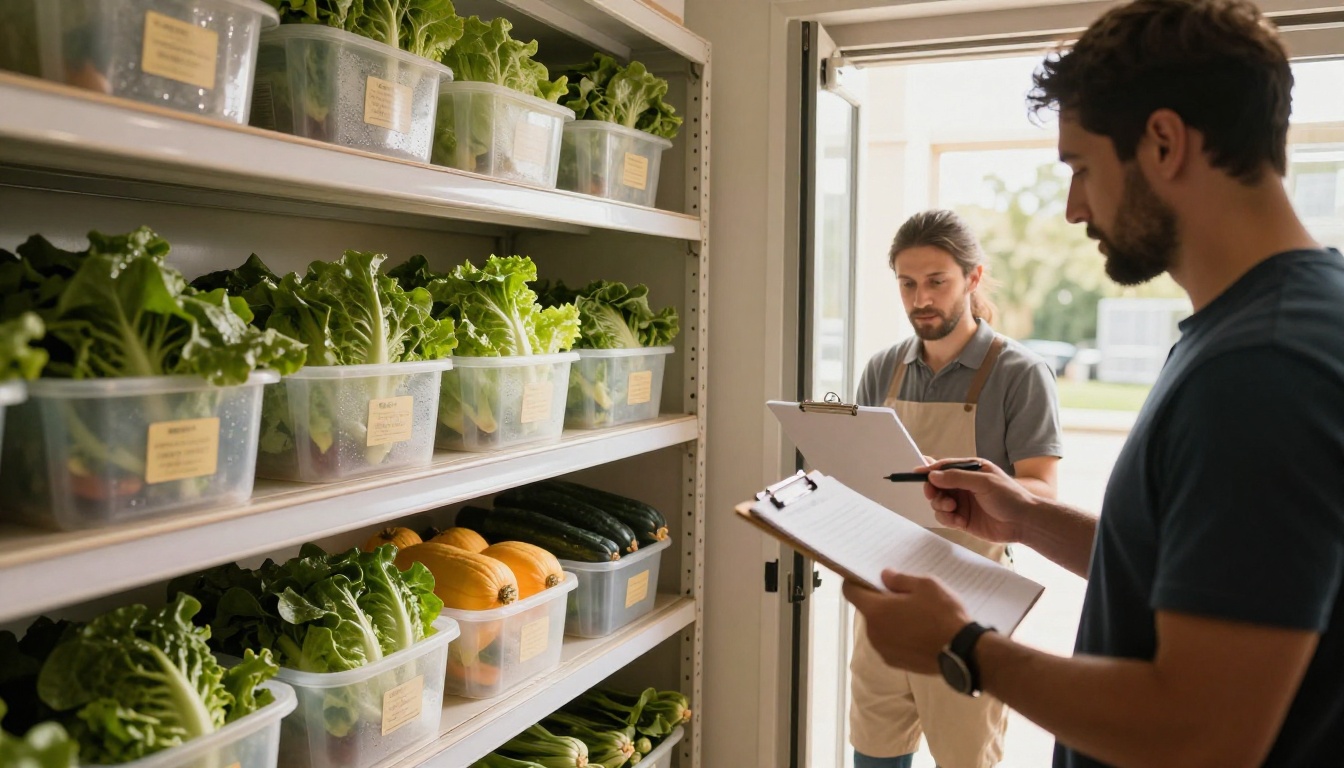
Nothing damages a wholesale relationship faster than a short ship. If you list 20 cases and only have 14, the buyer has a hole in the menu or the shelf.
Habits That Prevent Shortages
- Count the cooler, not the field. List what is harvested or reliably ready.
- Hold back a small buffer. List 90 percent of what you expect.
- Mark items as limited. Use phrases like "only 6 cases."
- Update mid week. If something sells out, refresh the flipbook so buyers do not order it.
- Tell buyers early when a crop will be late or short, and offer a substitute.
Three Common Mistakes
- Listing too many items. A list of 60 products overwhelms. Keep it to what is actually available, usually 15 to 30 lines.
- Hiding the price. "Call for pricing" loses to the farm that shows it.
- Sending it irregularly. A list that appears randomly never becomes a habit.
Make the List Look Good
Presentation signals care. A grower who sends a tidy, branded list is assumed to grow and pack with the same care.
Design Basics
- Group by category: greens, roots, herbs, fruit, specialty.
- Use a readable font at a comfortable size for phone screens.
- Highlight new items with bold text or a small marker.
- Use italics for notes such as growing method or flavor.
- Leave white space so rows do not blur together.
Add Recipes and Storage Tips
A short note such as "roast these radishes whole with butter" helps a grocer's customers and gives chefs ideas. It also moves surplus. A seasonal recipe flipbook attached to your list turns a one time item into a repeat purchase.
Grow Beyond the Weekly Email
Once the list routine is stable, extend it to every sales channel.
Use One Link Everywhere
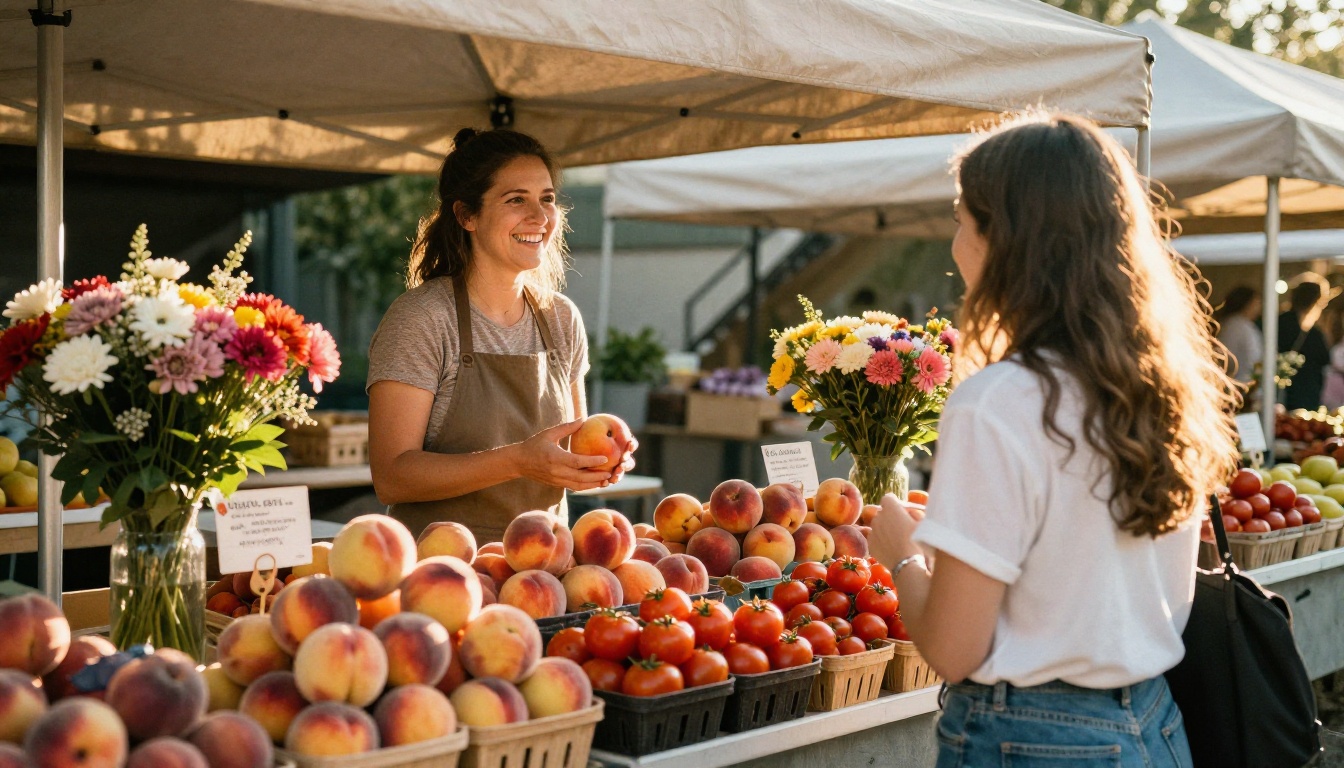
Print a QR code to your flipbook on market signs, delivery invoices, and crate labels. A shopper at your stand who owns a cafe can scan and see your wholesale list on the spot.
Track What Sells
Keep a simple record of which items sold out within hours and which lingered. After a month you will know what to plant more of. The analytics on the Professional plan show which buyers open the list and which ones never do, so you know who needs a personal nudge.
Build a Buyer Pipeline
- List every chef and grocer within delivery range.
- Send your seasonal flipbook as an introduction.
- Offer a sample box.
- Add them to the weekly list.
- Review quarterly, and remove accounts that never order.
Small farms that treat wholesale like a system, not a favor, grow steadily. A few reliable accounts often replace dozens of unpredictable sales.
Start Your First List This Week
You already know what is in your fields and your cooler. The only missing step is putting it in front of buyers in a format they trust. Write down this week's harvest, add prices and pack sizes, and send it Monday morning.
Ready to make it look as professional as your produce? Create your free account on Flipbooks AI, upload your list, and share a link that always shows the latest harvest. Browse all flipbook tools to find the right format for your farm, or compare pricing plans to choose what fits your wholesale goals.



