A grocery buyer opens their inbox on Monday morning and finds forty new product pitches. They will spend maybe forty seconds on yours. In that window, one page has to say what your product is, what it costs, how it ships and why shoppers in their stores will buy it twice. That page is the sell sheet, and for small food brands it is often the difference between a polite "no reply" and a purchase order. If you want to publish yours as a polished, trackable digital document, Flipbooks AI turns a PDF into a shareable flipbook in minutes.
This article breaks down exactly how small food brands use sell sheets to get in front of buyers, what belongs on the page, what to leave off, and how to send it so it actually gets read.
Why Buyers Ask for a Sell Sheet
A sell sheet (also called a one-sheet or line sheet) is a single-page summary of a product or product line written for a wholesale buyer, not a shopper. Where a package speaks to the consumer, the sell sheet speaks to someone who manages shelf space, margins and risk.
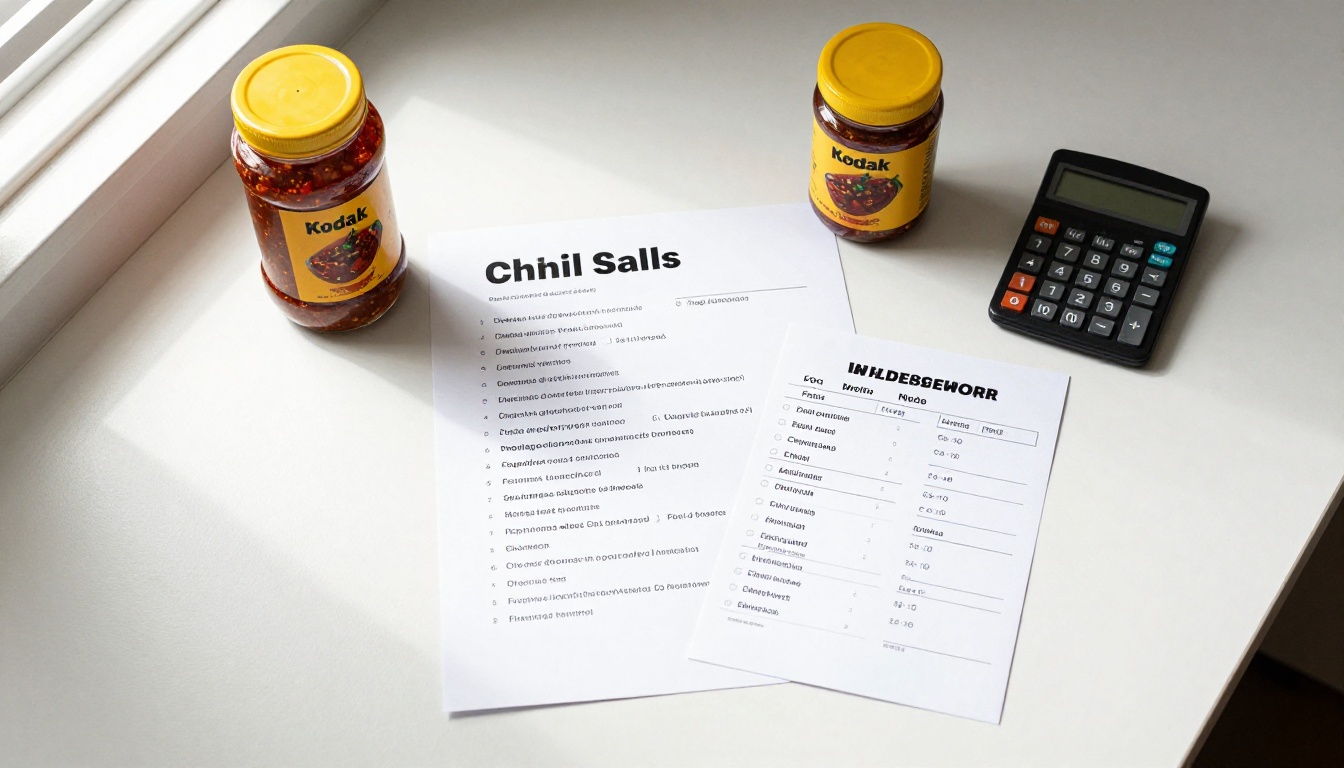
Buyers ask for one because it lets them compare dozens of products on the same terms. They do not want a brand story first. They want numbers they can paste into a spreadsheet.
What a Buyer Actually Wants to Know
Every buyer, from a regional co-op to a national chain, is silently running through the same checklist:
- Is this product different from what I already stock?
- Will it sell fast enough to earn its shelf space?
- What is my margin at the suggested retail price?
- Can this small company keep up with orders?
- How hard is it to order, receive and stock?
Your sell sheet should answer all five without a phone call.
Sell Sheet vs. Pitch Deck vs. Catalog
Small brands often confuse these three documents. They serve different moments in the sales process.
| Document | Length | Best Used For | Reader's Question |
|---|
| Sell sheet | 1 page | First contact, cold email, trade show handout | "Is this worth a meeting?" |
| Pitch deck | 8 to 15 slides | Scheduled buyer meeting | "Why should I take a chance on you?" |
| Wholesale catalog | 6 to 30 pages | Existing accounts, multi-SKU lines | "What else can I order?" |
💡 Pro tip: Treat the sell sheet as the top of your funnel. Its only job is to earn the next conversation, not to close the deal.
What Goes on a Grocery Sell Sheet
The best sell sheets feel almost boring in their clarity. A buyer should find any fact in two seconds. Here is the layout most successful small brands settle on.
The Header Block
At the top, put your logo, product name, one-line descriptor and a hero photo. The descriptor should state what the product is in plain words, such as "Small-batch hot honey, 12 oz, no artificial flavors." Skip poetry. Buyers skim.
Product Facts and Claims
Right under the photo, list the facts that affect shelf placement:
- Category and subcategory (for example, condiments, hot sauce)
- Size and flavors offered
- Shelf life and storage requirements
- Certifications such as organic, kosher, non-GMO or gluten-free
- Ingredients in short form, with allergens clearly flagged
The Wholesale Pricing Grid
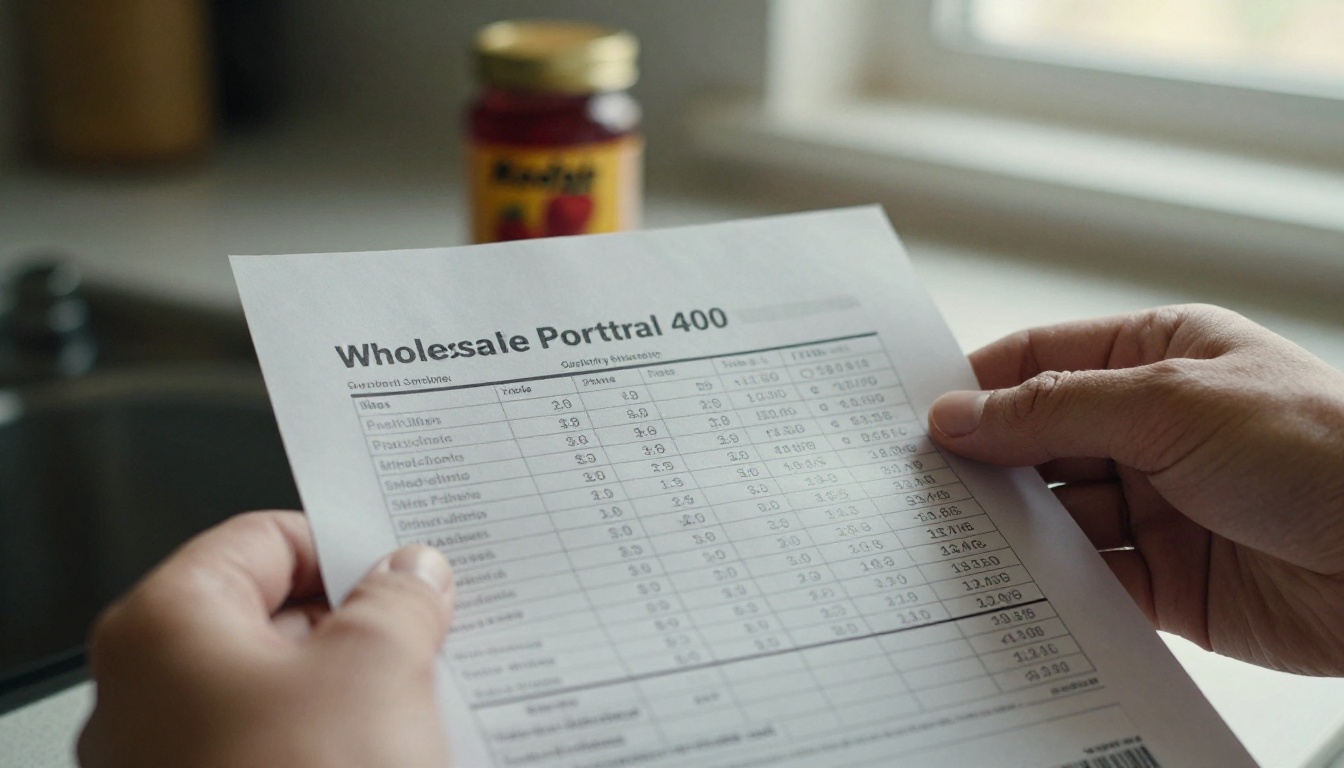
This is the section buyers read first, so make it unmistakable. Include unit cost, case pack, case cost and the suggested retail price. A simple grid works best.
| Item | Unit Wholesale | Case Pack | Case Cost | Suggested Retail | Retailer Margin |
|---|
| Hot honey 12 oz | $5.40 | 12 | $64.80 | $8.99 | 40% |
| Chili crisp 6 oz | $4.80 | 12 | $57.60 | $7.99 | 40% |
| Variety 3-pack | $13.50 | 6 | $81.00 | $22.99 | 41% |
Most grocery buyers expect a margin between 35% and 50% depending on the category. If yours falls below that, expect pushback. If it sits well above it, you may be underpricing yourself.
⚠️ Warning: Never hide your pricing behind "contact us for details." Buyers move on to the next sheet that shows the numbers.
Logistics Details Buyers Quietly Check
Small brands lose deals on logistics more than on taste. Add these lines near the pricing grid:
- UPC or GTIN for every SKU
- Case dimensions and weight
- Cases per pallet and pallet configuration
- Minimum order quantity
- Lead time from purchase order to shipment
- Distributor or direct-ship options
Proof That Your Product Sells
Buyers hate risk. The fastest way to reduce it is to show evidence that real shoppers already buy your product.
Sales Signals Worth Including
You do not need big numbers. You need believable ones. Pick two or three:
- Units sold per week at your best local retailer
- Repeat purchase rate from your online store
- A sell-through figure such as "sold out in 9 days at three co-op locations"
- Awards, press mentions or well-known retailers already carrying you
- A short quote from a store manager or chef

A Real-World Example
Picture a two-person hot sauce company selling at weekend markets. They sell 80 bottles a day across two stalls. On the sell sheet they write: "Averaging 320 bottles per weekend across 2 farmers markets, 61% repeat customers." That single line tells a buyer there is existing demand and a loyal base. It beats three paragraphs about the founder's grandmother.
✅ Best practice: Put your strongest proof point within the top third of the page, near the product photo.
Design Rules That Keep Buyers Reading
A sell sheet does not need a design agency. It needs discipline.
Keep It to One Page
If you cannot fit the essentials on one page, you are including too much. Use the back only for a second SKU table or detailed nutrition facts if you must, and make sure the front stands alone.
Use Photography That Sells the Product
Buyers see product shots all day. The ones that stand out are well lit, show the real package at true colors, and include one lifestyle image showing the food in use. Avoid heavy filters and busy backgrounds.
Typography and Layout Checklist
| Element | Do This | Avoid This |
|---|
| Fonts | Two fonts maximum, 9 pt minimum body | Decorative scripts for pricing |
| Colors | Brand palette plus one accent | Neon colors that clash with packaging |
| Spacing | Clear sections with white space | Dense walls of text |
| Images | One hero plus one or two supporting | Five small product photos fighting for attention |
| Contact info | Name, phone, email, website in the footer | Only a generic info@ address |
How to Send It So It Gets Opened
The best sell sheet in the world does nothing if it sits unopened. Delivery matters as much as design.
Choose the Right Channel
Small food brands typically use four routes to put a sell sheet in front of a buyer:
- Cold email with the sheet attached or linked
- Trade shows such as Winter Fancy Food or Expo West, handed over after a quick conversation
- Distributor reps who carry the sheet into buyer meetings on your behalf
- Local retailer programs where independent grocers accept submissions through a vendor form

Write a Short Email That Matches
Keep the message to five sentences. Name the buyer's category, state the one thing that makes your product different, mention a proof point and ask for a fifteen-minute call. Attach or link the sell sheet. Do not paste the entire sheet into the email body.
💡 Pro tip: Offer to mail samples. Buyers rarely say yes to a product they have not tasted, and a sample that arrives with a sell sheet inside the box closes the loop.
Why a Static PDF Falls Short
An attached PDF is easy to send, but it gives you no idea whether the buyer opened it, which page they read or whether they forwarded it to a colleague. It also goes out of date the moment your pricing changes, and old versions linger in inboxes for months.
Turn Your Sell Sheet Into a Trackable Flipbook
A digital version solves those problems. Instead of attaching a file, you send one link that always shows the current version. Platforms like Flipbooks AI convert a PDF into a page-turning flipbook that works on phones, tablets and desktops, with no watermarks on your document.

Static PDF vs. Digital Flipbook
| Feature | Attached PDF | Flipbook Link |
|---|
| Update after sending | No, old copy stays in inbox | Yes, same link shows the latest version |
| Open tracking | None | Views and time on page (Professional plan) |
| Mobile reading | Pinch and zoom | Responsive layout |
| Branding | Basic | Custom colors and logo |
| Access control | None | Password protection |
| Embed on website | Difficult | One embed code |
How to Create a Sell Sheet Flipbook with Flipbooks AI
If you already have a one-page PDF, you can have a shareable version live in a few minutes. Here is the process.
- Go to the platform. Visit Flipbooks AI and create an account. You can start without a card.
- Upload your PDF. Drag the sell sheet into the uploader. The PDF to Flipbook Converter turns each page into a flipbook page automatically. If you have a multi-SKU line, upload the full wholesale catalog instead.
- Customize the look. Add your logo, pick brand colors and choose page effects. For a larger line, the Product Catalog Generator and Digital Price List Generator give you structured layouts for pricing grids.
- Add media. Embed a short video of your production kitchen or an audio clip from the founder. Buyers remember a face.
- Set sharing options. Copy the direct link, grab the embed code for your wholesale page using the Embed Flipbook on Website tool, or protect the flipbook with a password so only invited buyers can open it.
- Track and follow up. On the Professional plan, analytics show who opened the flipbook and how long they stayed. Lead capture can ask for an email before the buyer views your pricing. Compare tiers on the pricing page.
✅ Best practice: Use a separate password-protected flipbook for wholesale pricing. Keep the public version free of case costs so retail customers never see them.
You can also package your full line into a Digital Catalog Maker flipbook for existing accounts, and a Sales Presentation flipbook for scheduled buyer meetings.
Common Sell Sheet Mistakes
After watching hundreds of small brand pitches, the same errors show up again and again.
Three Mistakes That Kill Deals
- Leading with the founder story. Buyers care, but later. Put it in the deck, not on the sheet.
- Missing or vague pricing. If a buyer has to ask, you have lost momentum.
- No UPC or case details. Without them the buyer cannot even set up the item.
Other Small Slips
- Using retail packaging photos with glare or odd crops
- Listing too many flavors with no suggested "starter" assortment
- Forgetting promotional offers for a first order, such as free fill or introductory discount
- Leaving a typo in a phone number or email address
- Sending the same sheet to every retailer instead of tailoring the category line
After the Yes: Keep Your Shelf Space
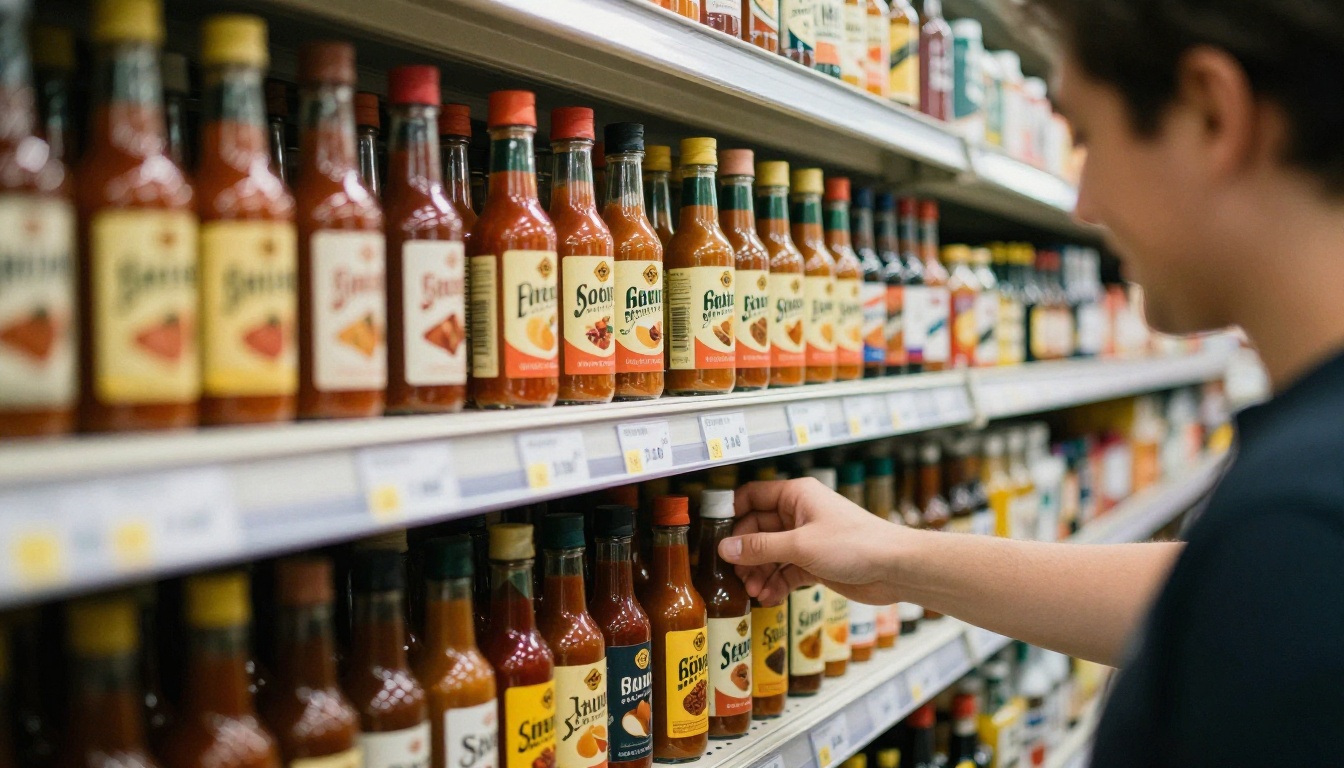
Landing a grocery shelf is only the beginning. Buyers review performance every quarter, and a product that does not move gets replaced.
What Buyers Track After Launch
- Velocity: units sold per store per week
- Out-of-stock rate
- On-time and complete delivery
- Promotion performance
Build a Follow-Up Rhythm
Send a refreshed sell sheet each season with updated velocity data, new flavors and promotional calendars. When the sheet lives as a flipbook, the link stays the same and the content updates automatically, so every buyer who saved it always sees the current numbers.
💡 Pro tip: Keep a simple tracker of who received your sheet, when they opened it and when you followed up. A second touch three to five days after the first open gets noticeably more replies than waiting for a response.
Your Next Step
A good sell sheet is short, specific and easy to act on. Put the pricing and logistics where buyers can see them, back your claims with sales proof, and send it in a format you can update and track.
Ready to publish yours? Get started for free on Flipbooks AI, browse all flipbook tools and templates, or compare pricing plans to find the one that fits your wholesale plans.



