If you're running a Depop closet and still relying only on individual listings to showcase your pieces, you're leaving money on the table. Buyers scroll fast, attention is scarce, and a scattered feed of separate listings rarely tells the story of what makes your closet worth following. That's where a digital flipbook changes everything. With Flipbooks AI, you can turn your entire Depop closet into an interactive, page-turning catalog that buyers actually want to browse.

Why Your Depop Listings Need More Than Photos
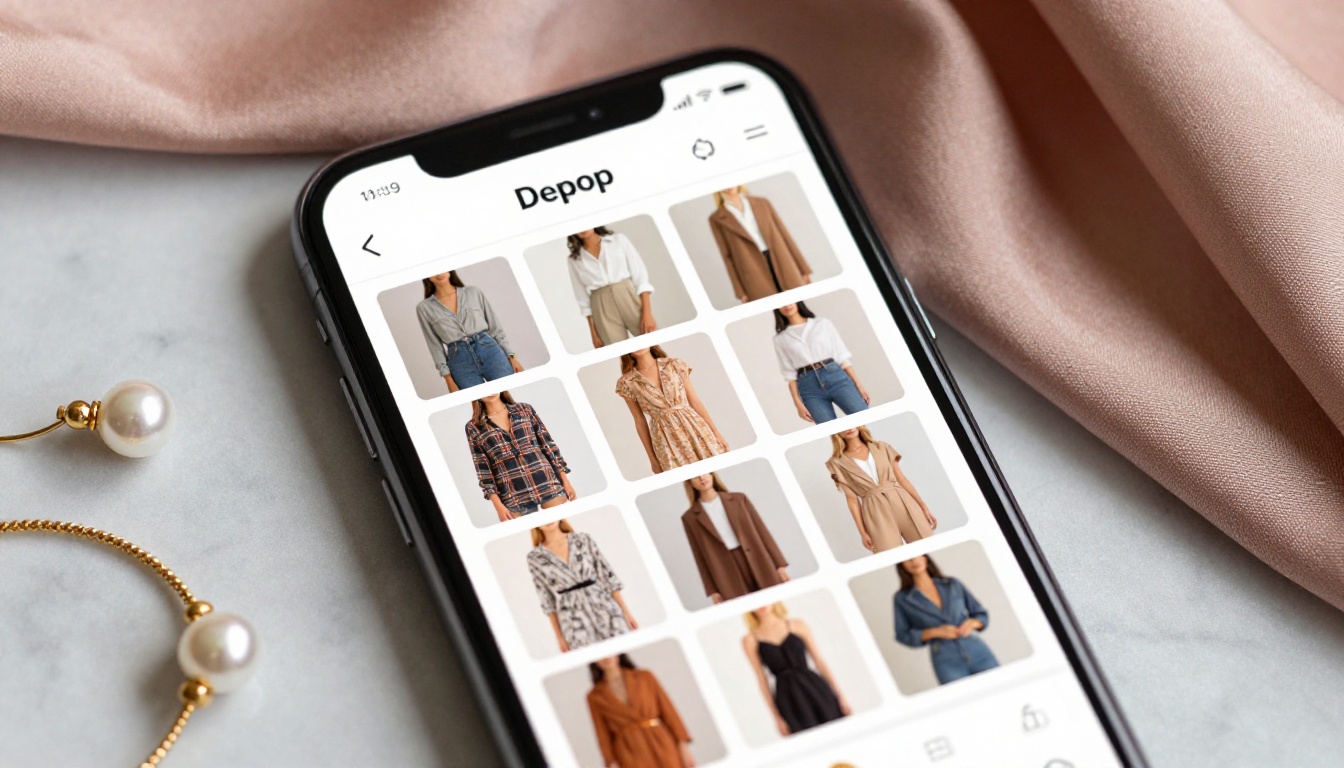
Depop is a visual platform, but it was built for individual listings, not storytelling. When someone lands on your profile, they get a grid of separate items with no clear flow, no brand identity, and no way to browse your whole collection at once. A digital flipbook fixes all of that in one move.
The Attention Problem on Depop
The average Depop buyer spends less than 30 seconds deciding whether to follow a seller. That window is tiny, and a grid of individual photos rarely communicates who you are as a seller. Buyers want to know: Is this seller consistent? Do they have a style? Is this closet worth bookmarking?
A flipbook presents your items in a cohesive, scrollable format that communicates style, curation, and personality far faster than scattered listings ever could. Think of it as a digital magazine for your closet, a second-hand fashion catalog with real editorial weight.
What a Digital Flipbook Actually Does
A flipbook is an interactive PDF that buyers can page through, zoom into, and share, all from any device. Unlike a static PDF or a Google Drive folder, a properly built digital wardrobe showcase:
- Loads instantly on mobile
- Shows items in a curated, magazine-style layout
- Lets buyers tap items and jump to your Depop listings directly
- Can be shared via a single link, embedded on a website, or sent via DMs
The result is a shopping experience that feels intentional, not accidental. That intentionality is what separates memorable Depop sellers from forgotten ones.
What Goes Into a Depop Flipbook
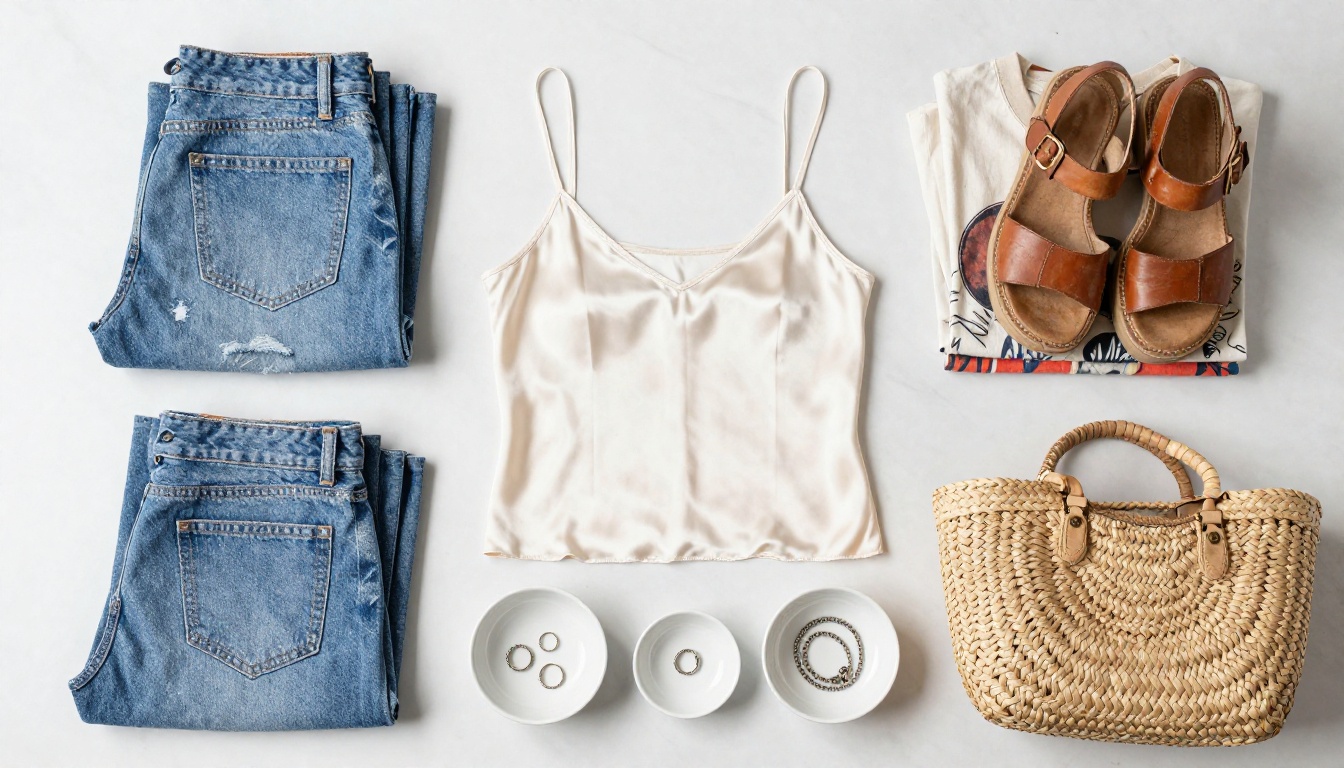
Before you open any tool, the work starts with your actual inventory. A flipbook is only as good as the content you put into it. Good Depop closet organization before you start will save you hours later.
Organizing Your Closet by Category
The most effective Depop flipbooks organize items into logical sections that make browsing intuitive. Here are categories that work well:
| Section | Example Content |
|---|
| Tops | Vintage tees, blouses, corsets, knitwear |
| Bottoms | Denim, skirts, trousers, shorts |
| Dresses | Midi, mini, maxi, slip dresses |
| Outerwear | Jackets, coats, blazers, vests |
| Accessories | Bags, jewelry, scarves, belts |
| Sets and Bundles | Matching sets, curated outfit combos |
A buyer looking for denim should not have to scroll past ten dresses to find it. Sections create a rhythm that mimics how people actually shop in a real boutique.
Photo Standards That Actually Convert
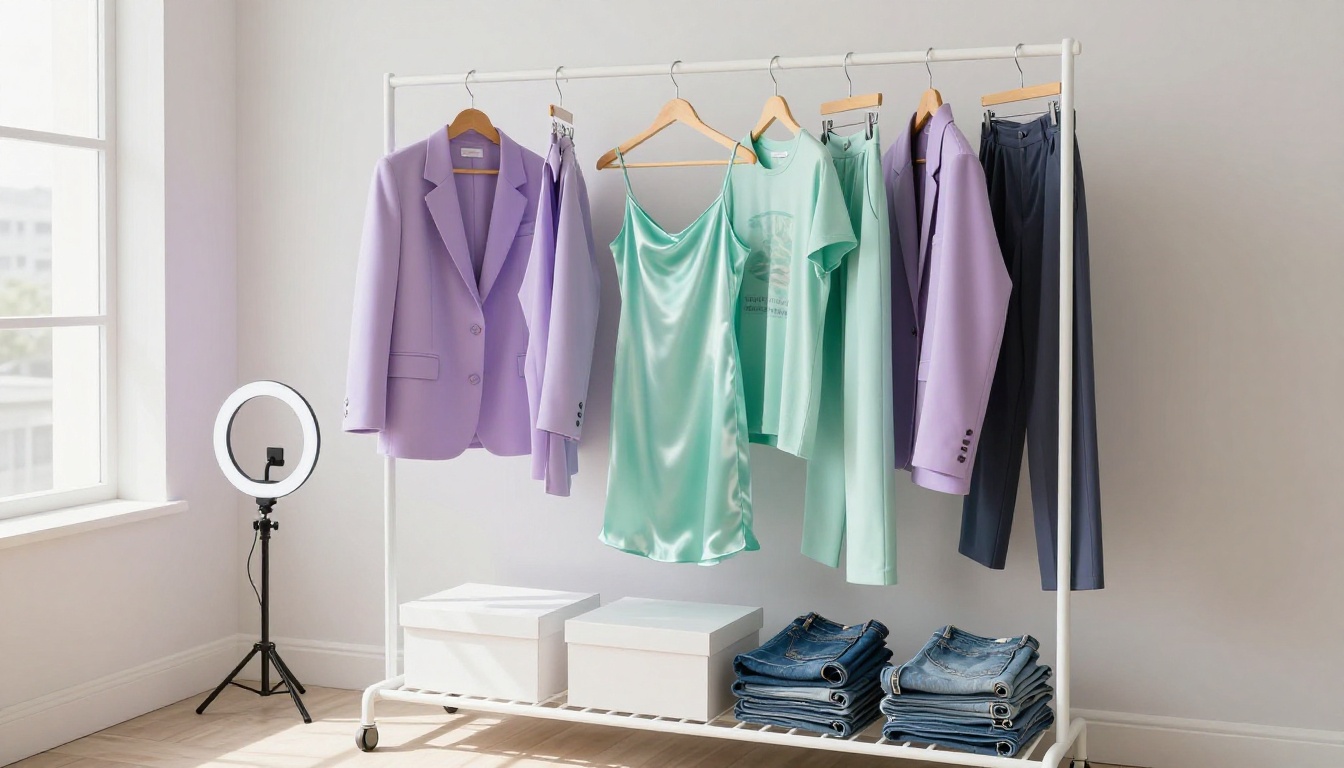
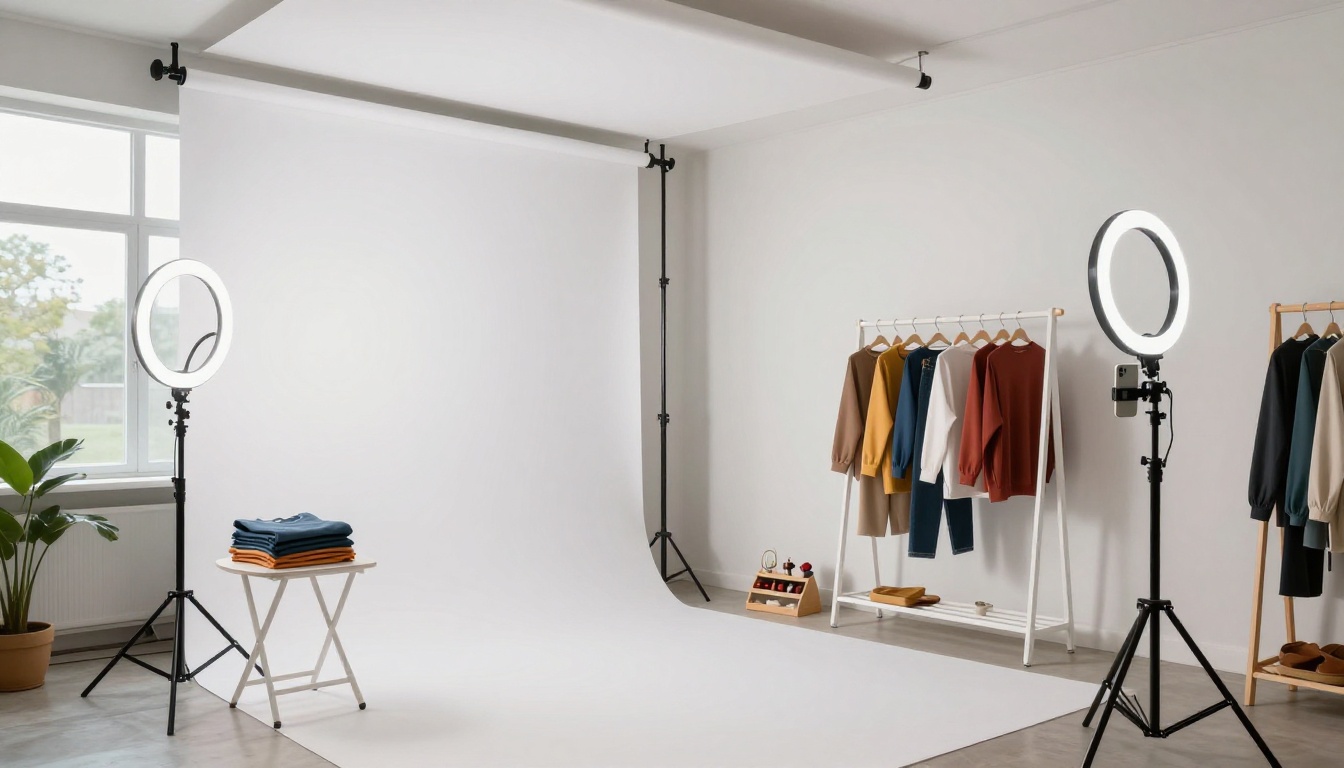
Your flipbook photos should be consistent, bright, and honest. Here's a quick benchmark for reselling clothes online:
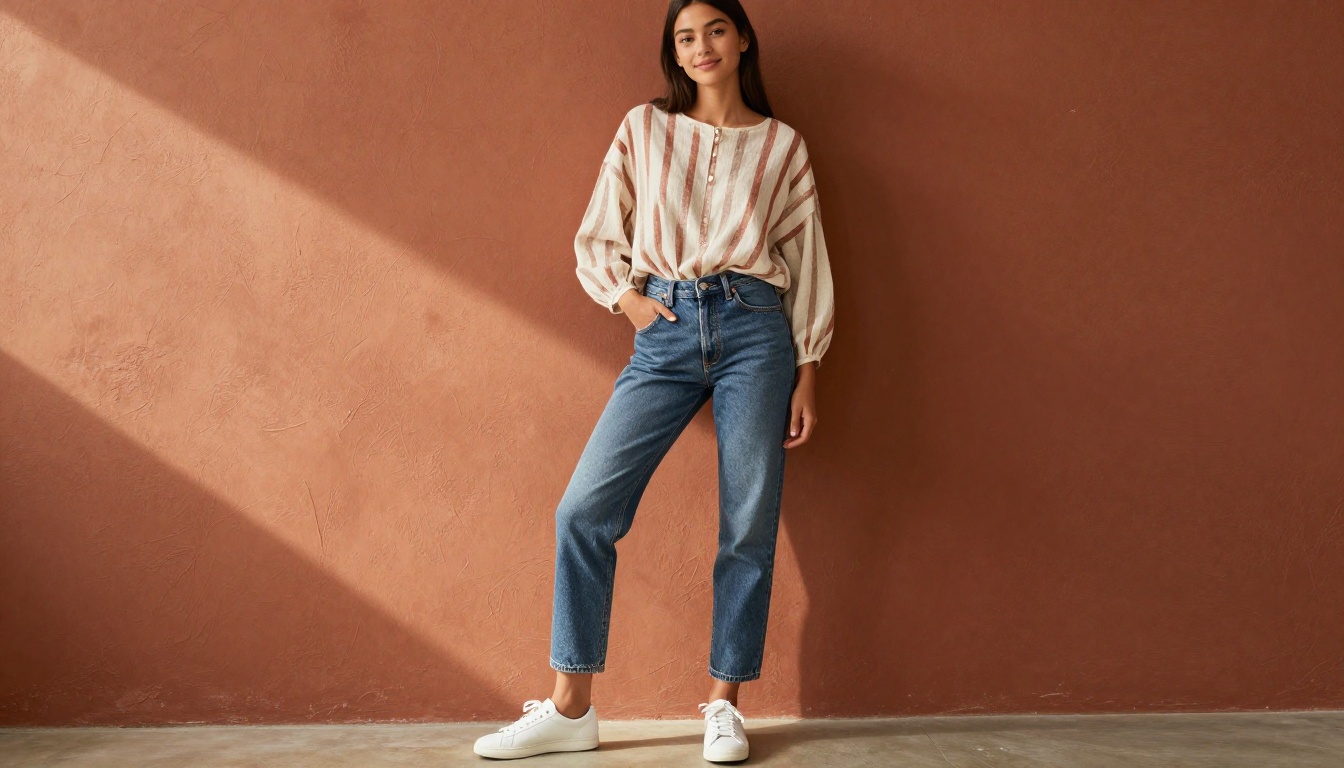
- Background: White, cream, or neutral textured wall
- Lighting: Natural window light or a basic ring light
- Angles: At least 2-3 per item (front, back, detail shot)
- Resolution: Minimum 1000px wide for crisp zoom quality
- Editing: Light, consistent presets, no heavy filters that misrepresent color
💡 Shoot everything in one session with consistent lighting. Inconsistent photo quality across your flipbook kills trust faster than anything else.
How to Build Your Flipbook Step by Step
Here's exactly how to go from a folder of clothing photos to a live, shareable Depop flipbook using Flipbooks AI. This is the full tutorial for fashion resellers starting from scratch.
Step 1: Set Up Your Account
Head to flipbooksai.com/account and create your free account. The Standard plan gives you unlimited flipbooks with no watermarks, which is exactly what you need for a professional Depop closet presentation. If you want analytics and lead capture, the Professional plan at flipbooksai.com/pricing is worth the upgrade.
Step 2: Design Your Layout in PDF
You don't need design experience. Use Canva, Adobe Express, or even Google Slides to create a simple PDF layout with:
- A cover page with your seller name and closet name
- Section divider pages (Tops, Bottoms, Dresses, etc.)
- Item pages showing 1-3 items each with price, size, and condition
- A final page with your Depop profile link and any bundle discount information
Export the whole thing as a PDF. Keep it under 50MB for fast loading on mobile.
✅ Add your Depop username and a short bio to the cover page. It builds personal brand recognition and makes your flipbook feel like a curated boutique, not just a spreadsheet of items.
Step 3: Upload and Convert
On Flipbooks AI, click "Upload PDF" and drag your file in. The PDF to Flipbook Converter processes your document and renders it as a fully interactive page-turning flipbook in under a minute. You'll see a live preview immediately after upload.
Step 4: Customize and Brand It
This is where it gets interesting. Inside the editor, you can:
- Set a custom thumbnail for your flipbook cover
- Add your color palette to match your Depop aesthetic
- Embed clickable links on item pages that go directly to your Depop listings
- Add background music (optional but surprisingly effective for fashion content)
- Toggle password protection to share early-access drops with your best followers only
The Interactive Lookbook Designer is especially well-suited for fashion resellers because it includes page transition effects and full-bleed image layouts that make clothing photography look editorial-grade.
Step 5: Share It Everywhere
Once published, you get a short shareable link. Drop it:
- In your Depop bio (prime real estate)
- In DMs when buyers ask "what else do you have?"
- In your Instagram and TikTok bios
- On Pinterest boards organized by clothing category
- In Facebook reselling groups and communities
💡 Use the embed feature to put your flipbook directly on a personal website or Linktree-style landing page. Buyers who browse your full catalog spend significantly more time engaging with your items and tend to buy multiple pieces in one session.

Depop Flipbook Ideas That Actually Work
Not every flipbook has to be your entire closet. Here are three formats that resellers use to drive consistent engagement and repeat buyers.
The "Shop My Closet" Lookbook
This is the classic format: one flipbook featuring everything currently listed in your closet. Update it every time you list a new batch of items. This works especially well if you drop items weekly or bi-weekly, because it gives followers something to look forward to and a reason to check back.
Pair it with the Lookbook Flipbook Builder for a polished editorial result that matches the quality of actual fashion brands.
Seasonal Drops and Limited Hauls
Did you just score a haul of 90s windbreakers? A themed flipbook for that specific drop creates scarcity and excitement. Title it something like "Fall Windbreaker Drop" or "Y2K Haul Vol. 3" and share it with a 48-hour urgency window. Sold-out items feel more aspirational to future buyers, and this format builds real anticipation.
Brand-Specific Collections
If you specialize in specific labels (vintage Levi's, Nike, Carhartt, Y2K Juicy Couture), a brand-dedicated flipbook draws in buyers searching for exactly those pieces. These buyers tend to be highly motivated, and a curated brand flipbook positions you as the go-to source for that label.
⚠️ Don't mix 20 different brand aesthetics on a single page. Keep brand-specific flipbooks visually tight with a consistent color palette and photo style. Inconsistency signals disorganization to buyers.
Flipbook vs. Regular Depop Listing
Here's an honest side-by-side of what a digital flipbook adds versus relying on standard Depop listings alone:
| Feature | Depop Listings Only | Depop + Flipbook |
|---|
| Brand storytelling | Minimal | Strong |
| Browsability | Item-by-item | Full catalog view |
| Shareable outside Depop | Limited | Full link sharing |
| Mobile experience | Good | Excellent |
| Buyer trust signals | Basic | High |
| Cross-platform promotion | Hard | Easy |
| Bundle upsell opportunity | Low | High |
| Custom branding | None | Full control |
| Early access drops | Not possible | Password protected |
| Buyer behavior data | None | Page-level analytics |
The flipbook doesn't replace your Depop listings. It amplifies them. Think of it as the storefront window that pulls people into the actual shop.

Features That Make a Difference
Not all flipbook tools for online sellers are built the same. Here's what sets Flipbooks AI apart for resellers specifically.
Password Protection for VIP Buyers
If you have loyal repeat buyers or an email list, password protection lets you share early access drops before they go live publicly. This creates a sense of exclusivity that keeps your best customers coming back. It's a tactic that boutiques use constantly, and it's built right into the platform at no extra friction.
Analytics to Track What Sells
With the Professional plan, you get page-level analytics showing exactly which items buyers spend the most time on. This data is actionable: if your vintage outerwear pages get three times more views than your tops, that's a signal to prioritize outerwear in your next sourcing run. You stop guessing and start using real buyer behavior to drive purchasing decisions. See what's included at flipbooksai.com/pricing.
Embedding on Other Platforms
The Embed Flipbook on Website feature means you can place your full interactive catalog on any webpage: a Squarespace site, a Wix page, a Linktree alternative, or anywhere that accepts HTML embeds. Getting buyers engaged with your full catalog outside of Depop builds loyalty that survives algorithm changes and platform policy shifts.
Plans at a Glance
Here's how the Flipbooks AI pricing tiers compare for resellers at different stages:
| Feature | Free | Standard | Professional |
|---|
| Flipbooks | 1 | Unlimited | Unlimited |
| Watermark | Yes | No | No |
| Custom branding | No | Yes | Yes |
| Password protection | No | Yes | Yes |
| Analytics | No | No | Yes |
| Lead generation | No | No | Yes |
| Offline downloads | No | No | Yes |
| Embed on website | No | Yes | Yes |
| Mobile responsive | Yes | Yes | Yes |
For most active resellers, the Standard plan hits the sweet spot: unlimited flipbooks, no watermarks, and full embed and sharing capability.
Common Mistakes Resellers Make
Overloading with Items
Trying to put every single piece you've ever listed into one flipbook overwhelms buyers. Keep each flipbook to 20-30 items at most. If you have more inventory, split into themed or seasonal editions. A focused, tightly curated flipbook gets shared. An overwhelming one gets closed after page two.
Skipping the Call to Action
Every flipbook needs at least one clear instruction: "DM me on Depop to buy," "Tap the link in my bio," "Message for bundle deals." Buyers who browse without a prompt rarely convert on their own. Put a CTA on the cover, mid-way through, and on the final page. Don't assume buyers know what to do next.
✅ End every flipbook with a "How to Buy" page that shows your Depop username, your DM availability, and your bundle discount policy. Removing friction from the purchase decision is the fastest way to increase conversion.
Not Updating Regularly
A flipbook with sold-out items actively damages your credibility. Set a reminder to refresh yours every time you list a new batch. Re-exporting your PDF and re-uploading takes under ten minutes, and it keeps your digital wardrobe showcase accurate and trustworthy.
Your Next Move
Building a flipbook for your Depop closet is one of the highest-leverage moves a reseller can make. It costs almost no time once the system is set up, and it immediately separates you from the vast majority of sellers still operating with a basic grid of individual listings. Buyers remember the sellers who look professional. They follow them, buy from them again, and tell their friends.
Get started for free on Flipbooks AI and have your first Depop closet flipbook live today. Browse the full tools directory to find the right format for your fashion content. And if you want to track buyer behavior and scale your resale income with real data, check the Professional plan — the analytics alone will change how you think about sourcing and pricing.
Your closet deserves a storefront that works as hard as you do.



