Travel agencies that still rely on printed brochures are leaving money on the table, and the agencies that switched to digital flipbooks already know it. A well-designed interactive flipbook does not just replace a paper catalog. It creates an experience that keeps clients scrolling, comparing, and ultimately booking. Flipbooks AI is the platform hundreds of travel agencies are using to build those experiences without needing a design team or a developer.
This article breaks down exactly how agencies are using flipbooks at every stage of the sales process, what makes them so effective compared to static PDFs, and how to build your first travel flipbook in under an hour.
Why Paper Brochures Are Losing the Sale

The Hidden Cost of Print
Printing is not cheap, and the numbers make that obvious. A single print run for seasonal travel brochures, including design, production, and distribution, can run thousands of dollars. By the time those brochures are in a client's hands, the prices listed may already be outdated. A hotel renovated, a tour operator changed their packages, an airline added a new route.
Beyond cost, there is the environmental weight. Clients are increasingly conscious of sustainability, and handing over a glossy stack of papers does not send the signal that modern travelers want to receive from their agency.
Then there is the lost sale problem. A paper brochure gets taken home, buried under mail, and forgotten. There is no way to know if the client opened it, which pages they lingered on, or whether they shared it with a partner. You have zero data, zero follow-up hook, and no way to optimize.
What Modern Travelers Expect
Today's travel clients research destinations on phones, compare packages on tablets, and share inspiration links with their partners via WhatsApp. They expect interactive, visual-rich content that matches the quality of what they see on booking platforms and travel blogs.
A static PDF does not meet that bar. A flipbook does.
Digital flipbooks replicate the tactile feeling of flipping through a beautiful magazine while adding features that paper never could: embedded video clips of a resort, clickable links to booking pages, password-protected access for VIP proposals, and real-time updates when prices change.
💡 Agencies that send interactive flipbook proposals instead of PDF attachments report significantly higher open rates and longer average reading times, which directly correlates with booking conversion.
What a Travel Flipbook Actually Looks Like
Destination Showcases That Convert
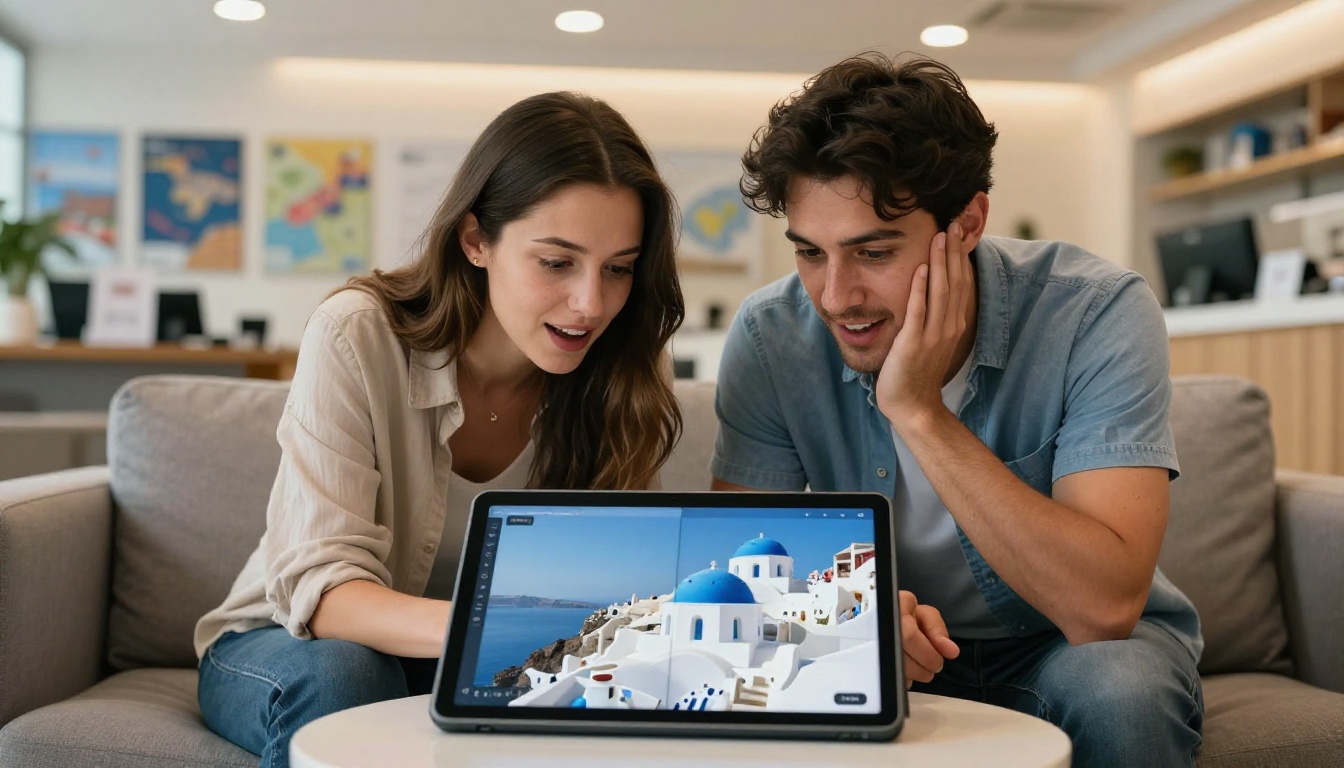
The most common flipbook format for travel agencies is the destination showcase. Think of it as a curated visual journey through a location. Each spread covers a different aspect: the beaches, the local food scene, the accommodation options, the excursions.
What makes these work is the visual density. Full-bleed photography, short punchy copy, and a clear hierarchy. The client is not reading a wall of text. They are being shown why they want to be there.
With the Travel Guide Flipbook tool, agencies can drop in their existing destination content and have a polished, interactive publication ready to share in minutes. The platform handles the page-flip animation, mobile responsiveness, and browser compatibility automatically.
Interactive Itinerary Pages
Another high-performing format is the interactive itinerary. Day-by-day breakdowns presented in a visually engaging spread, with a map graphic, daily highlights, accommodation details, and included meals.
When a client can flip through their proposed trip like a real travel magazine, it makes the experience feel tangible before they have even booked. The emotional connection that creates is a powerful sales driver.
✅ Best practice: Include one striking full-bleed photo per itinerary day, a short 2-3 sentence summary, and a clear call-to-action on the final page, for example "Book this trip" with a direct link to a booking form.
Package Comparison Spreads
Nothing accelerates a decision like a side-by-side comparison. Travel agencies regularly offer multiple tiers of the same trip: budget, mid-range, and premium. Instead of describing each option verbally or in a cluttered spreadsheet, a flipbook comparison spread makes the differences immediately clear.
| Feature | Budget Package | Mid-Range Package | Premium Package |
|---|
| Accommodation | 3-star hotel | 4-star resort | 5-star boutique hotel |
| Flights | Economy, 1 stop | Economy, direct | Business class, direct |
| Excursions | 1 included | 3 included | Unlimited, private |
| Transfers | Shared shuttle | Private car | Private luxury car |
| Support | Email only | Phone and email | 24/7 dedicated agent |
This kind of table, embedded in a flipbook, gives clients everything they need to self-select their tier before you even have a second conversation.
How Agencies Use Flipbooks in Their Sales Process

Sending Proposals via Link
The single most impactful shift agencies make when they adopt flipbooks is replacing email PDF attachments with a shareable link.
A PDF attachment requires a download, opens in a clunky reader, and looks different on every device. A flipbook link opens instantly in the browser, looks the same on every device, and does not require any software. It is also trackable.
When a consultant sends a personalized proposal flipbook and the client clicks through, the agency can see exactly that: the link was opened, the client spent time on the cruise options spread, and they shared it with someone else. That data shapes the follow-up call entirely.
💡 Use password protection for high-value bespoke itineraries. This adds a layer of exclusivity that positions the proposal as premium, and it prevents sensitive pricing from spreading publicly.
Embedding on Agency Websites
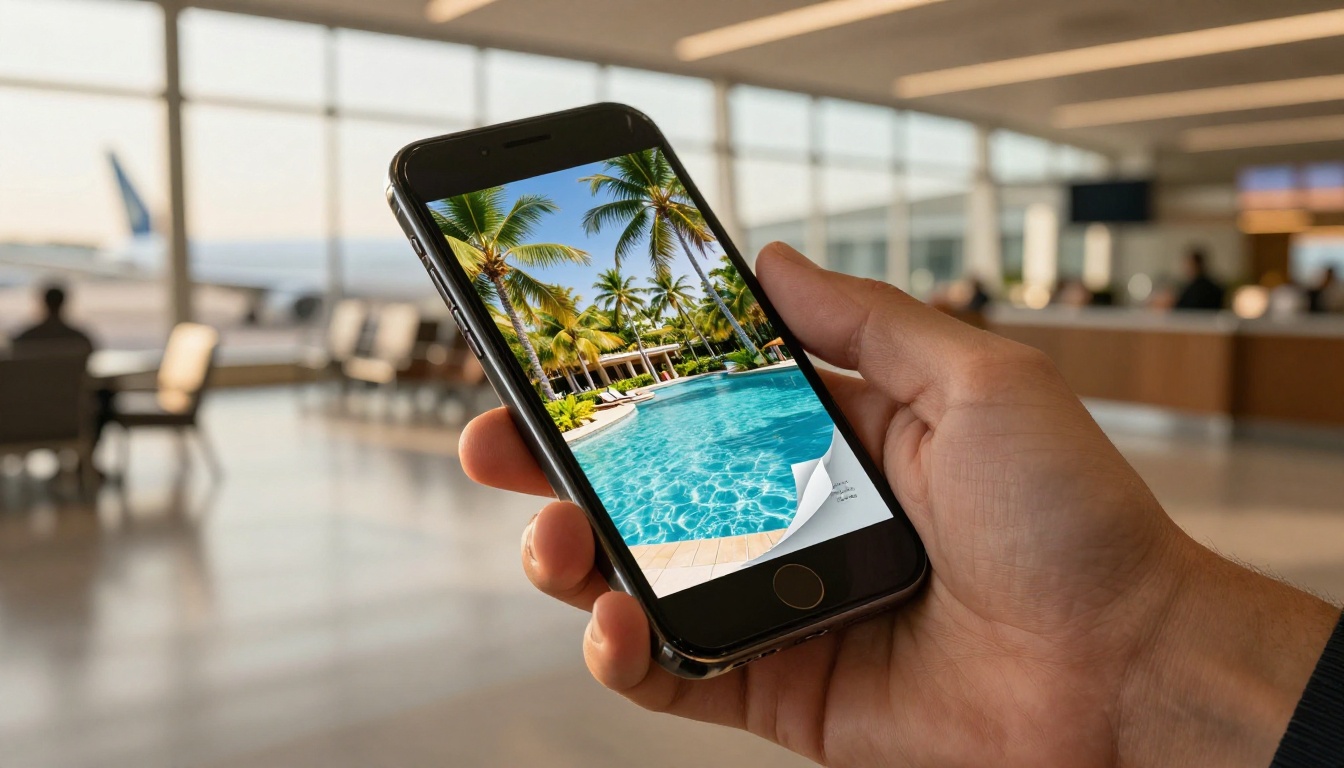
A travel agency's website is often the first touchpoint for a potential client. Embedding a flipbook directly on a page is one of the most effective ways to increase time-on-site and generate qualified leads.
Instead of a static "Summer Packages" page with a PDF download link, the agency embeds a live, interactive flipbook. Visitors flip through it in the browser, feel the experience, and are far more likely to fill out an inquiry form.
The Embed Flipbook on Website tool makes this a copy-paste process. The embedded flipbook is fully mobile-responsive, so it works perfectly on both desktop and phone, capturing leads whether clients browse from a laptop at lunch or a phone on the couch.
Flipbooks at Trade Shows and Events
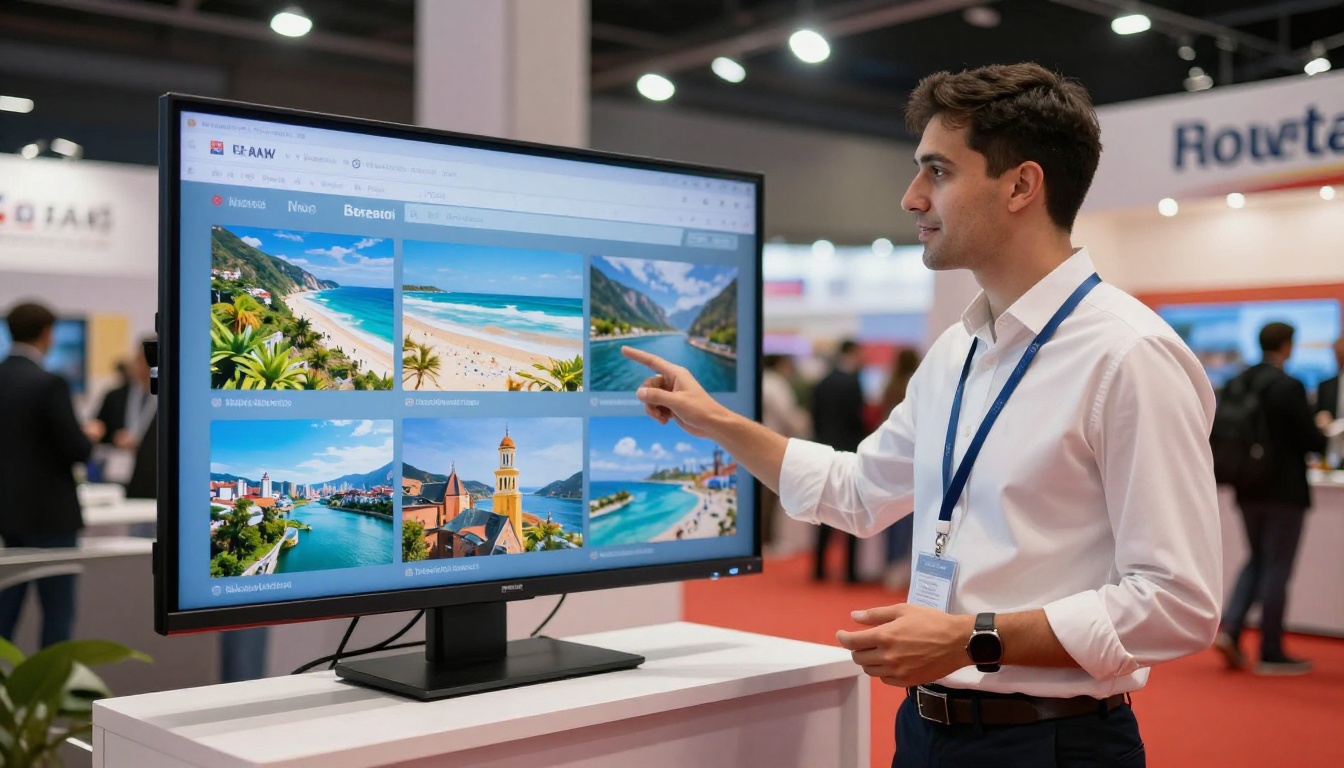
Trade shows are where agencies compete for attention in a crowded hall. A large screen running an animated flipbook immediately draws the eye in a way that a static display banner cannot.
Agencies display their seasonal catalog or destination-specific flipbooks on tablets and screens at their booth, letting visitors interact directly with the content. This turns a passive display into an active sales conversation starter.
✅ Best practice: Create a dedicated trade show version of your flipbook with a lead capture form on the final page. With the Professional plan analytics, you can track exactly how many visitors engaged with each section.
Real Results from Agencies Going Digital
Faster Client Decisions
One of the most consistent outcomes agencies report after switching to flipbooks is shorter sales cycles. When clients receive a visually compelling, easy-to-navigate proposal that they can share with a partner and review at their own pace, they make decisions faster.
The combination of rich visuals, clear package comparisons, and embedded booking links removes the friction points that traditionally cause delays. There is no need for a second meeting just to present a revised attachment.
Lower Print and Distribution Costs

The cost savings are concrete. Consider a mid-size travel agency that previously printed 5,000 seasonal brochures at $3 per unit, totaling $15,000 per season, plus design, postage, and storage. Transitioning to digital flipbooks eliminates that spend almost entirely.
The flipbook is created once, updated in minutes when prices change, and distributed for free via link. For agencies managing multiple destinations or seasonal catalogs, the compounding savings are substantial.
| Cost Category | Print Brochure (Annual) | Digital Flipbook (Annual) |
|---|
| Design production | $3,000 to $8,000 | $0 to $500 |
| Printing | $10,000 to $25,000 | $0 |
| Distribution and postage | $2,000 to $5,000 | $0 |
| Updates and reprints | $1,000 to $3,000 | $0 |
| Platform subscription | $0 | $180 to $600 |
| Total estimated | $16,000 to $41,000 | $180 to $1,100 |
The ROI is not subtle.

Not all digital publishing tools are the same. Here is how Flipbooks AI compares to common alternatives travel agencies consider:
| Feature | Flipbooks AI | Canva Publish | Issuu | Standard PDF |
|---|
| Page-flip animation | Yes | No | Yes | No |
| No watermarks | Yes, all plans | Free plan only | Paid plans only | N/A |
| Custom branding | Yes | Yes | Paid only | N/A |
| Analytics and tracking | Yes, Professional | Limited | Paid only | No |
| Password protection | Yes | No | Paid only | Basic |
| Embeddable on website | Yes | Limited | Yes | No |
| Lead generation forms | Yes, Professional | No | No | No |
| Mobile-responsive | Yes | Yes | Yes | Poor |
| Offline downloads | Yes | No | Paid only | Yes |
| Travel-specific tools | Yes | No | No | No |
The purpose-built nature of Flipbooks AI is what separates it from general design tools. The Travel Guide Flipbook template is pre-structured for destination content, saving agencies hours of layout work and producing more consistent results across every catalog they publish.
⚠️ General design platforms require you to build your flipbook from scratch every time. Purpose-built tools have pre-configured templates, which means faster turnaround and more consistent quality across your catalog.
How to Build a Travel Flipbook with Flipbooks AI
Step 1: Create Your Account
Go to Flipbooks AI and create your account. The platform offers a free starting point with no credit card required, so you can test the full workflow before committing to a plan.
Step 2: Upload Your Travel PDF
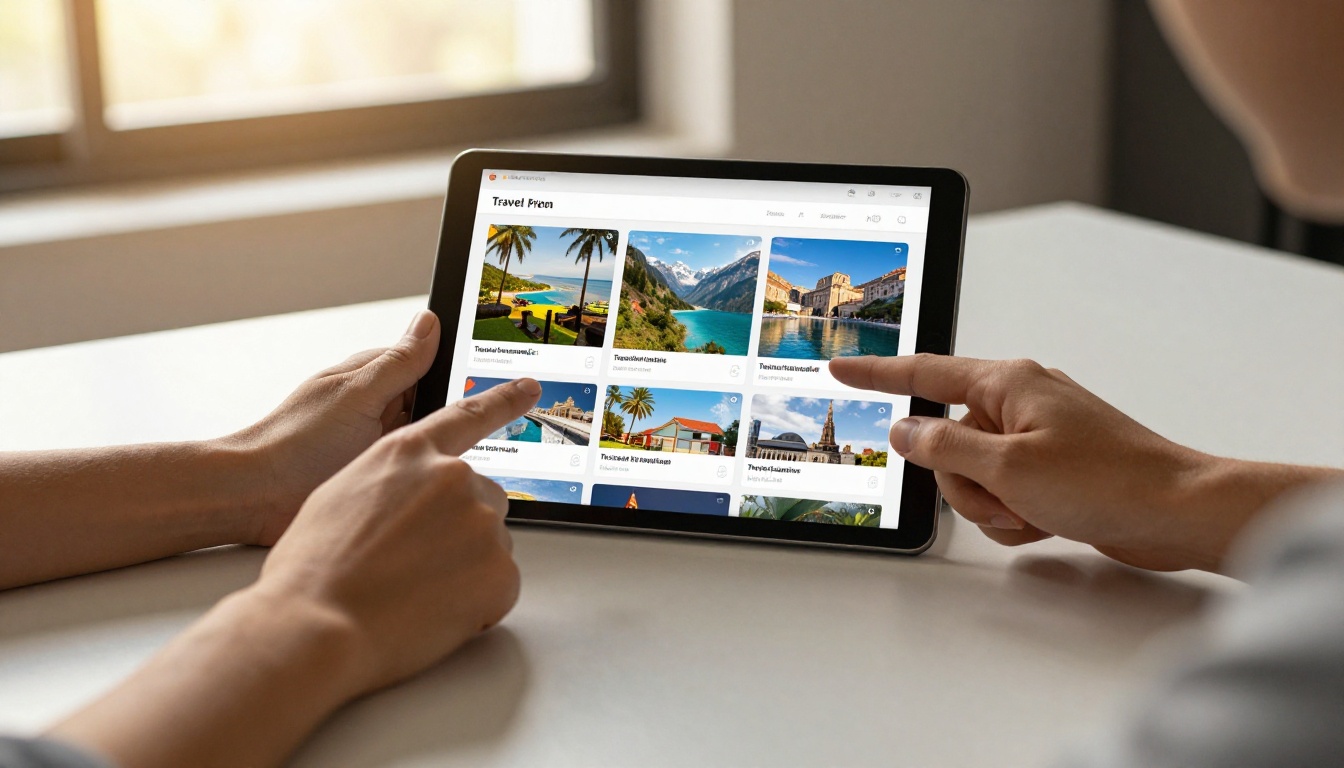
Use the PDF to Flipbook Converter to upload your existing travel brochure, itinerary, or destination catalog in PDF format. The platform automatically converts it into a fully interactive flipbook with smooth page-turning animations.
If you are starting from scratch, the Travel Guide Flipbook template gives you a pre-built structure optimized for destination content.
What to include in your travel PDF before uploading:
- High-resolution destination photography (minimum 300 DPI for best results)
- Clear package breakdowns with pricing tiers
- Day-by-day itinerary pages
- Contact and booking information on the final page
- Your agency logo on every spread
Step 3: Customize for Your Brand
Once uploaded, use the editor to apply your agency's brand colors, add your logo, and select typography that matches your visual identity. You can also:
- Embed YouTube or Vimeo clips of destination resort tours
- Add audio narration for guided destination walkthroughs
- Insert clickable links to booking pages or inquiry forms
- Set up password protection for exclusive VIP proposals
Step 4: Share or Embed

Once your flipbook is ready, you have multiple distribution options:
- Direct link: Copy the unique URL and send it via email, WhatsApp, or SMS
- Embed code: Paste the snippet into your website to display the flipbook inline
- QR code: Generate a QR code for print materials, business cards, or trade show displays
- Social sharing: Share directly to social media with a thumbnail preview
💡 For personalized proposals, create a unique flipbook per client with their name on the cover. This small touch dramatically increases perceived value and conversion rates.
Step 5: Track and Convert
With the Professional plan, analytics and lead generation features give you full visibility into how clients interact with your flipbooks:
- Which pages get the most views
- Average time spent per spread
- Total unique visitors and session counts
- Lead capture form submissions from within the flipbook
This data lets you refine your proposals over time, doubling down on the destination content that consistently drives bookings and cutting what does not perform.
Pricing Options for Travel Agencies
Flipbooks AI pricing is structured to serve agencies at different stages, from independent consultants to large multi-branch operations.
| Plan | Best For | Key Features | Watermarks |
|---|
| Free | Testing and single projects | Limited flipbooks, basic customization | Yes |
| Standard | Small agencies | Unlimited flipbooks, custom branding, embed | No |
| Professional | Growing agencies | Analytics, lead generation, offline downloads, password protection | No |
✅ The Standard plan's unlimited flipbooks feature is critical for agencies managing multiple destinations or seasonal catalogs. You should never have to choose which destinations to digitize.
All paid plans include no watermarks, which matters enormously for professional client-facing presentations. A watermarked proposal immediately undermines the premium positioning most agencies work hard to build.
Features available on every paid plan:
- No watermarks, ever
- Unlimited flipbooks (Standard plan and above)
- Password protection for private content
- Mobile-responsive design on all devices
- Custom branding with your logo and colors
Professional plan extras:
- Analytics and lead generation tools
- Offline downloads for clients without internet access
- Advanced embedding options
Start Closing More Bookings Today
The agencies winning in today's travel market are the ones whose sales process matches how modern clients actually consume information: visually, interactively, and on their own schedule. A flipbook proposal that a couple can flip through together on a Sunday evening while planning their dream holiday will always outperform a PDF buried in an inbox.
The tools are available, the setup takes less than an hour, and the cost savings over print are immediate. The only question is how many more bookings you want to convert before your competitors figure this out.
Ready to build your first travel flipbook? Get started for free on Flipbooks AI and have your first interactive brochure live today.
Looking for specific tools? Browse all flipbook tools or go straight to the Travel Guide Flipbook template built specifically for travel agencies.
When you are ready to scale, compare pricing plans to find the tier that fits your agency's volume and feature needs.



