Every wine rep knows the sound: a three-ring binder hitting a restaurant bar, followed by a buyer's polite sigh. For decades the portfolio price book has been the main sales tool of the distribution trade, and for decades it has been wrong by the time it was printed. Today, distributors are swapping those binders for digital flipbooks built with tools like Flipbooks AI, and the results are hard to ignore. Prices update in minutes, buyers open the catalog on a phone, and managers finally see which pages get read.
This article walks through why the old format keeps failing, what distributors are using instead, how to build a digital portfolio step by step, and what the switch really costs.
Why Price Books Keep Failing
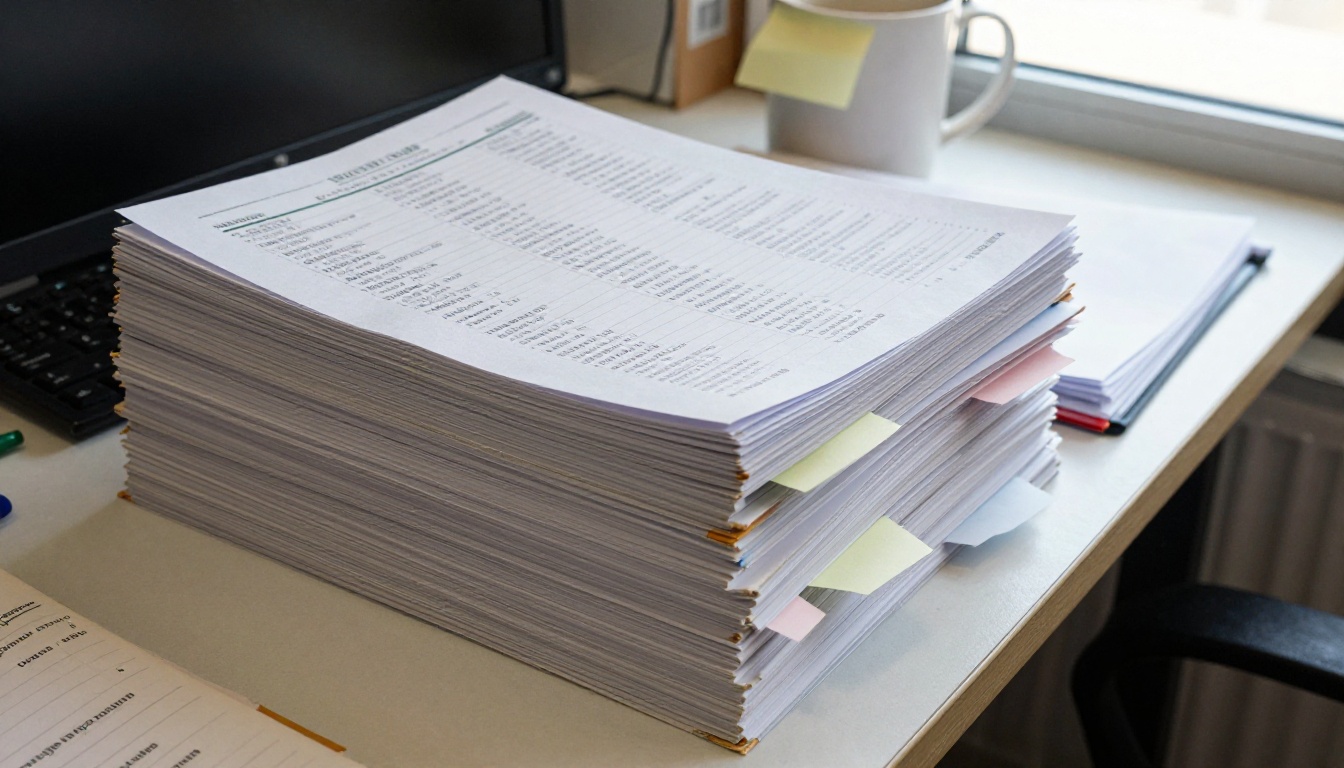
A typical distributor portfolio holds anywhere from 400 to 3,000 SKUs. Printed in full, that is a book of 150 to 300 pages, often split across several binders by supplier, region, or category. Nobody enjoys carrying it.
The Weight Problem
Reps visit six to twelve accounts a day. A full set of binders weighs between 8 and 15 pounds, so most reps leave half the portfolio in the trunk. That means a buyer asking about a Sicilian white or a Willamette Pinot hears "I will check and get back to you." That sentence is where sales go to die.
Stale Prices Cost Real Money
Wine pricing moves constantly. Frontline prices change monthly, case discounts rotate weekly, and allocations sell out overnight. A printed book is a snapshot of one afternoon.
- Wrong prices lead to credit memos and awkward calls with buyers.
- Discontinued items stay in the book for months, which creates short-shipped orders.
- New arrivals never reach buyers who rely on the binder.
- Reprints cost thousands of dollars for every refresh cycle.
💡 Pro tip: Track how many credit memos last quarter came from price or availability errors. That number is usually the fastest way to justify a digital switch to the owner.
The Hidden Printing Bill
Printing, binding, shipping, and replacing pages adds up quickly. A 20-rep team that reprints twice a year can easily spend $8,000 to $15,000, and the books are still outdated within weeks.
What Distributors Use Instead
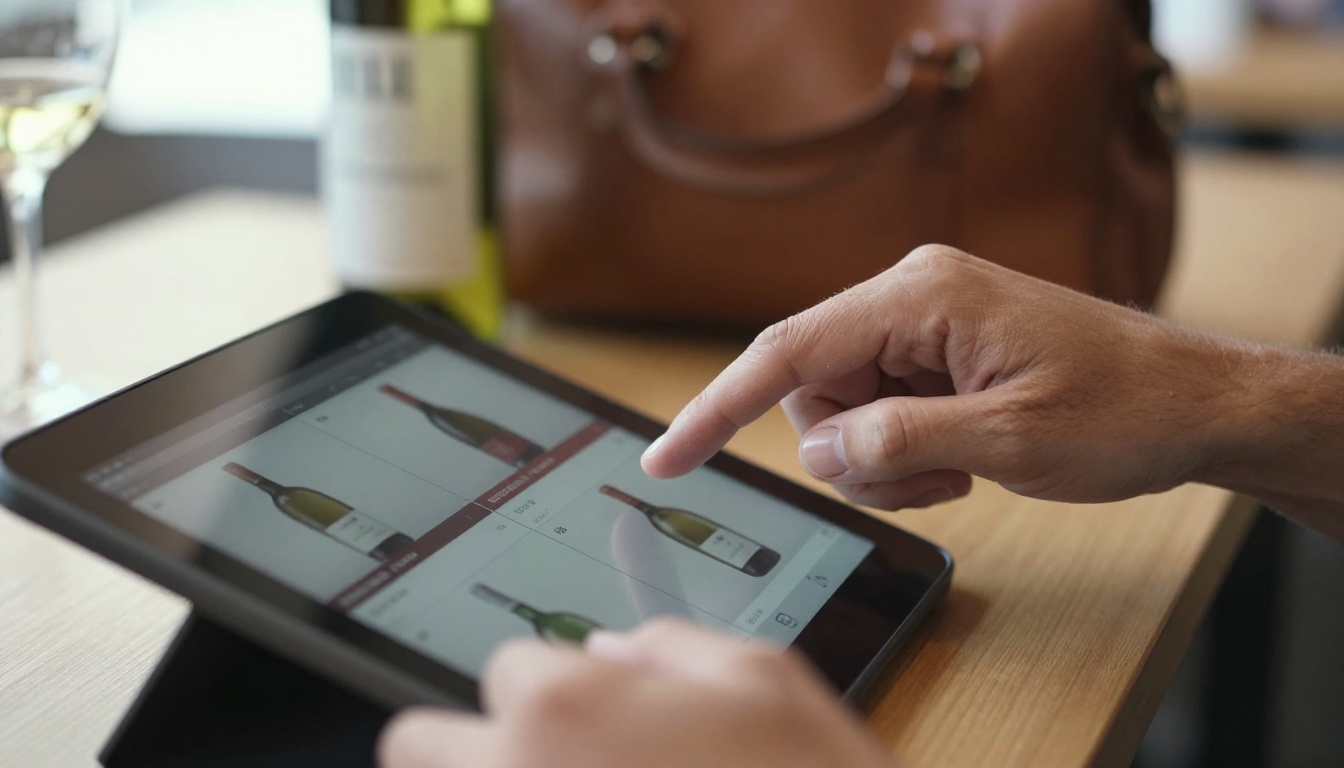
Most distributors start by asking whether a spreadsheet or a plain PDF is enough. Both are cheap, and both fall short in the field.
Why Plain PDFs Fall Short
A PDF is just a digital copy of the same problem. It is heavy to download, awkward to zoom on a phone, and impossible to update once it has been emailed to 300 buyers. Old versions live in inboxes forever.
Why Digital Flipbooks Win
A flipbook turns your existing PDF into a page-turning, mobile-friendly catalog with a single link. The link never changes, so when you replace the underlying file, every buyer sees the new version. You can also add clickable product links, embedded video from the winemaker, and password protection for trade-only pricing.
| Format | Updates Instantly | Works on Phones | Trade Pricing Protection | Usage Tracking | Setup Time |
|---|
| Printed binder | No | No | No | No | Weeks |
| Emailed PDF | No | Poor | No | No | Hours |
| Spreadsheet link | Yes | Poor | Limited | Limited | Hours |
| Digital flipbook | Yes | Yes | Yes | Yes | Minutes |

The reason this works is that it fits the workflow distributors already have. Your back office already exports a price list or builds a portfolio PDF from the ERP. The flipbook simply becomes the delivery layer. Tools such as the Digital Price List Generator and the Product Catalog tool are built for exactly this job.
Real Scenarios From the Field

The switch looks different depending on the size and style of the business. Here are three patterns that show up again and again.
The Boutique Importer
An importer with 90 labels from small European estates used to mail a glossy brochure twice a year. Now the team keeps one flipbook with a tasting note, a vintage, and a price for each wine. When a pallet lands, they swap the PDF and send the same link in a short email to the buyer list. No reprint, no wasted brochures.
The Regional Distributor
A distributor with 1,800 SKUs and 25 reps splits the catalog into four flipbooks: wine, spirits, beer, and a monthly specials sheet. The specials flipbook updates every Monday morning. Reps open it before their first stop, so everyone quotes the same price on the same day.
The On-Premise Rep
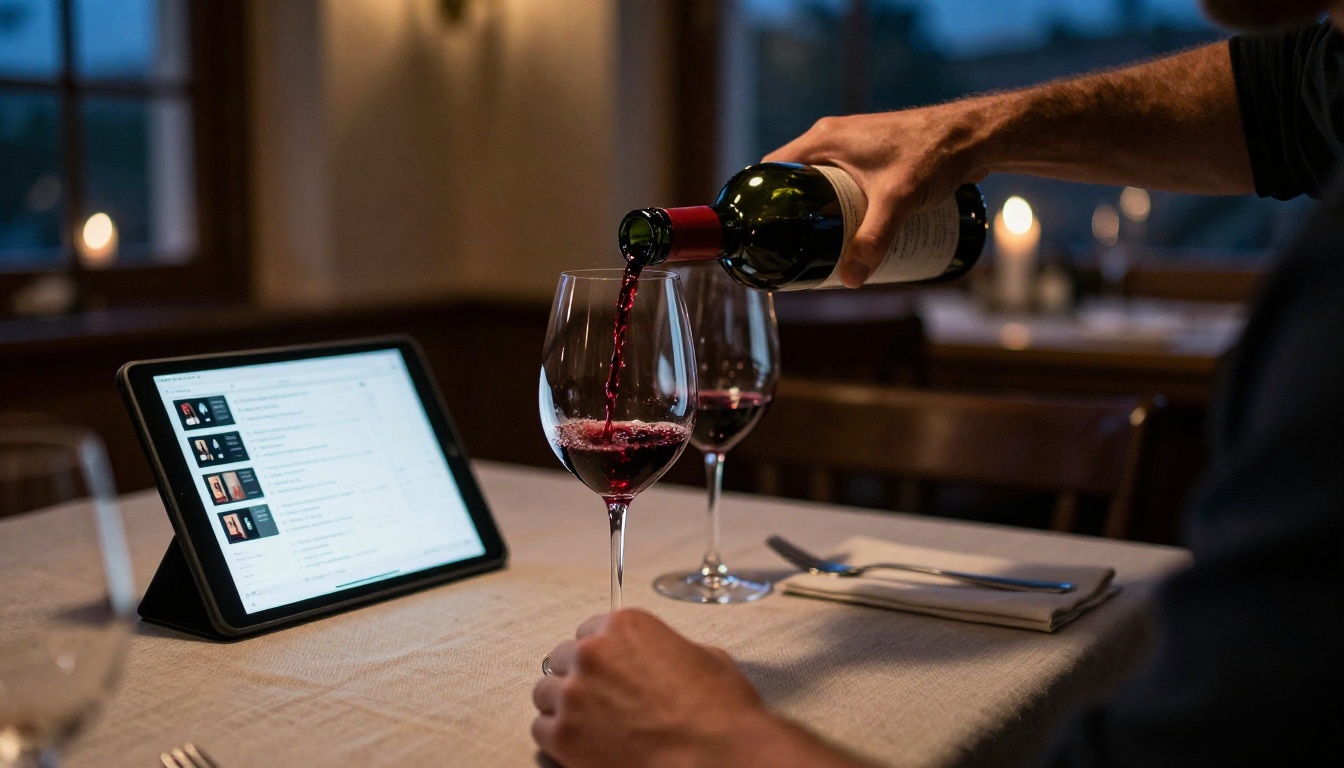
A rep serving restaurants and hotels carries only a phone. At the table, they open the portfolio, jump to a section on sparkling wines, and show the buyer a case price with a video from the producer. The buyer can forward the link to a chef or owner right away, which shortens the approval loop from days to minutes.
✅ Best practice: Keep one master flipbook per category rather than one giant file. Smaller books load faster and are easier for buyers to search by section.
How to Build One in Flipbooks AI

Building a digital portfolio takes less than an afternoon. You do not need a designer or a developer, only the PDF you already use. Here is the process.
Step 1: Create Your Account
Head to Flipbooks AI and create an account. Pick a plan that matches your volume. The Standard plan offers unlimited flipbooks with no watermarks, which suits most distributors.
Step 2: Upload Your PDF
Export your portfolio from your ERP or design file as a PDF. Use the PDF to Flipbook Converter to upload it. Pages convert in seconds, and the page-turn effect is applied automatically.
- Click Create flipbook and drag in the PDF.
- Wait for the page conversion to finish.
- Check that tables and bottle shots look sharp at phone size.
- Name the flipbook clearly, for example "Spring Wine Portfolio."
Step 3: Customize the Look
Add your company logo, choose brand colors, and pick a page-turn effect and background. If you work with a premium list, the Digital Catalog Maker gives you extra layout options. You can also embed producer videos and audio notes next to featured wines.
Step 4: Share and Protect
Distributor pricing is not meant for the public, so use password protection. Then share it three ways:
- Direct link in email and text messages
- Embed code for your trade portal using the Embed Flipbook on Website tool
- Offline download so reps can still open the book in a cellar with no signal
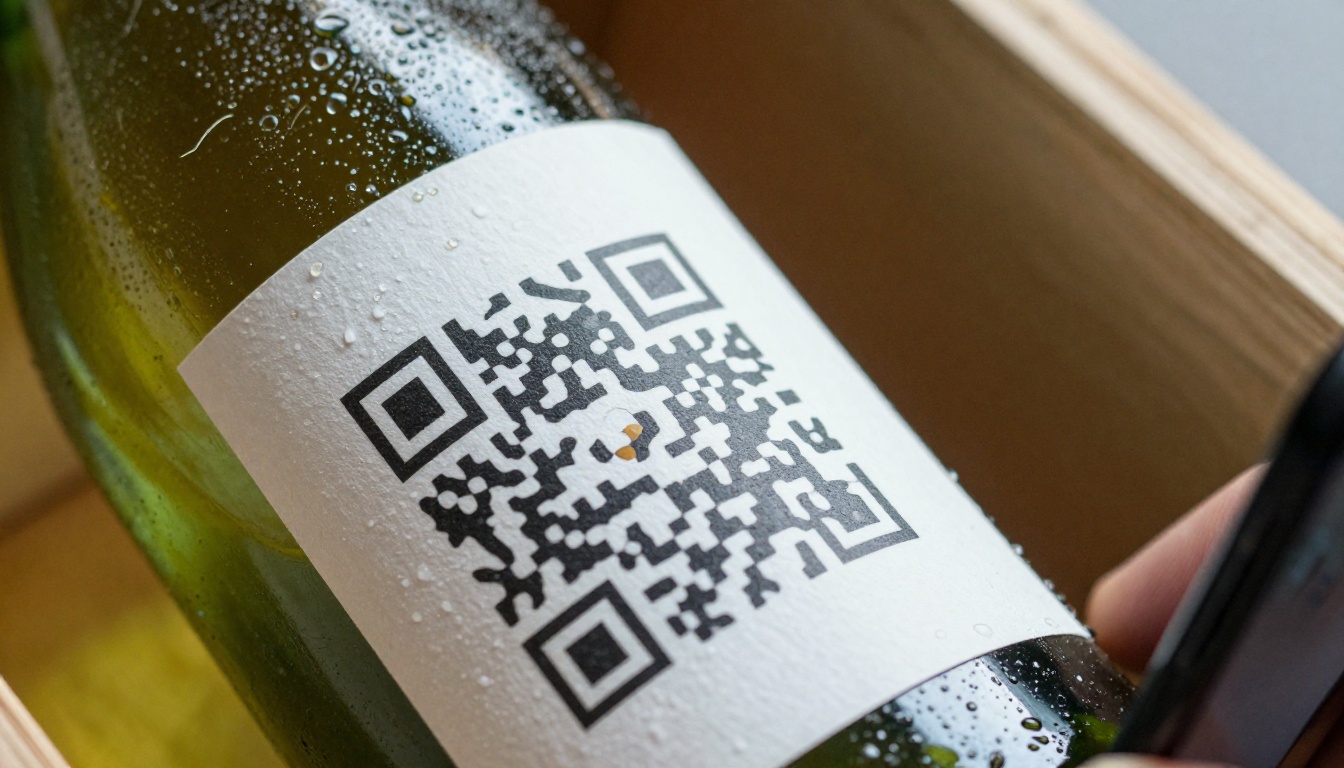
A small QR code on a shelf talker or a delivery invoice can lead straight to the live flipbook. That one detail turns every printed touchpoint into a link to the latest prices.
Step 5: Track What Buyers Read
On the Professional plan, analytics and lead capture show which pages get opened, how long buyers stay, and who they are. If 40 buyers spend time on the Rioja section and nobody opens Chardonnay, you know where to push the next promotion. See the plan details on the pricing page.
💡 Pro tip: Ask reps to send the flipbook link right after each visit. The analytics will show whether the buyer opened it, which is a perfect trigger for a follow-up call.
What It Costs and What It Saves

Numbers matter here, because most owners compare this to the print budget they already have. The table below uses conservative figures for a 20-rep distributor.
| Cost Item | Printed Binders (Yearly) | Digital Flipbook (Yearly) |
|---|
| Printing and binding | $9,000 | $0 |
| Shipping to reps | $1,200 | $0 |
| Page replacements | $2,500 | $0 |
| Platform subscription | $0 | Plan price |
| Staff time updating | 60 hours | 8 hours |
| Credit memos from errors | Frequent | Rare |
Even before counting sales gains, the print savings usually exceed the subscription many times over. The real return, though, comes from the faster response. A rep who can quote any wine on the spot, with the right price, closes more orders per visit.
Sales Gains to Expect
Results vary by team, but distributors who switch commonly report:
- Fewer pricing disputes because everyone works from one live source
- Faster order entry since buyers can forward the link to decision makers
- Higher new-item adoption because new wines appear in the book on day one
- Lower training time for new reps, who need only a phone to carry the whole portfolio
Mistakes to Avoid
Moving off paper is simple, but a few missteps keep showing up.
Uploading the Wrong File Size
Huge PDFs with print-resolution images load slowly on mobile. Export a web-optimized version at a sensible resolution, and keep bottle shots crisp without bloating the file.
Forgetting the Update Routine
A digital book is only as current as the last upload. Assign one person to own it, and set a calendar reminder for the first and fifteenth of each month. A weekly specials flipbook should have a fixed publishing day.
Leaving Prices Public
Frontline pricing is competitive information. Always use a password or a private link for trade pricing, and rotate the password when staff leaves.
Skipping Rep Training
A 20-minute walkthrough is enough. Show reps how to open the book, jump to sections, and send a link. Without that, some will quietly go back to the binder.
| Mistake | Impact | Quick Fix |
|---|
| Oversized PDF | Slow loading on mobile | Export a web-optimized file |
| No update owner | Outdated prices again | Name one person and set reminders |
| Public pricing | Competitors see your costs | Enable password protection |
| No rep training | Low adoption | Run a short demo with real accounts |
⚠️ Warning: Do not delete the old flipbook link when you publish a new edition. Replace the file behind the same link so every email and QR code keeps working.
Ready to Retire the Binder?
The portfolio price book earned its place in the trade, but it was built for a slower market. Buyers now expect answers on the spot, and reps now carry a phone everywhere. A flipbook gives you the same polished catalog with none of the weight, none of the reprint costs, and a live link that never goes stale.
If you want to test the idea this week, here is a simple plan:
- Export your current portfolio as a PDF.
- Get started for free on Flipbooks AI and upload it.
- Add your logo and a password, then share the link with five trusted buyers.
- Compare the response with your last printed mailing.
Browse all flipbook tools for catalog, price list, and sales presentation templates, try the Sales Presentation tool for buyer meetings, or compare pricing plans to pick the right fit for your team.



