You spend weeks perfecting a product, craft the visual identity, and pick launch day. Then you have maybe three seconds to convince someone to care. The format you choose, Instagram carousel or interactive flipbook, either earns that attention or loses it. Both have real advantages. Both have blind spots. Most brands pick one by habit, not strategy, and leave sales on the table. Flipbooks AI gives you one of those formats in under a minute. But first, here is exactly what each one does, where it shines, and what it costs you when you pick wrong.
A product launch is not a single moment. It is a sequence: awareness, interest, consideration, and purchase. Different formats perform at different stages of that sequence. Instagram carousels dominate the awareness phase. Interactive flipbooks own the consideration phase. Treating them as interchangeable flattens conversion rates.
The choice also affects content longevity. A carousel posted on Tuesday is buried by the weekend. A flipbook published to its own URL stays indexed, shareable, and accessible indefinitely. For high-investment products where buyers research before purchasing, that longevity is not a nice-to-have. It is the difference between one sale and twenty.
What Instagram Carousels Do Well
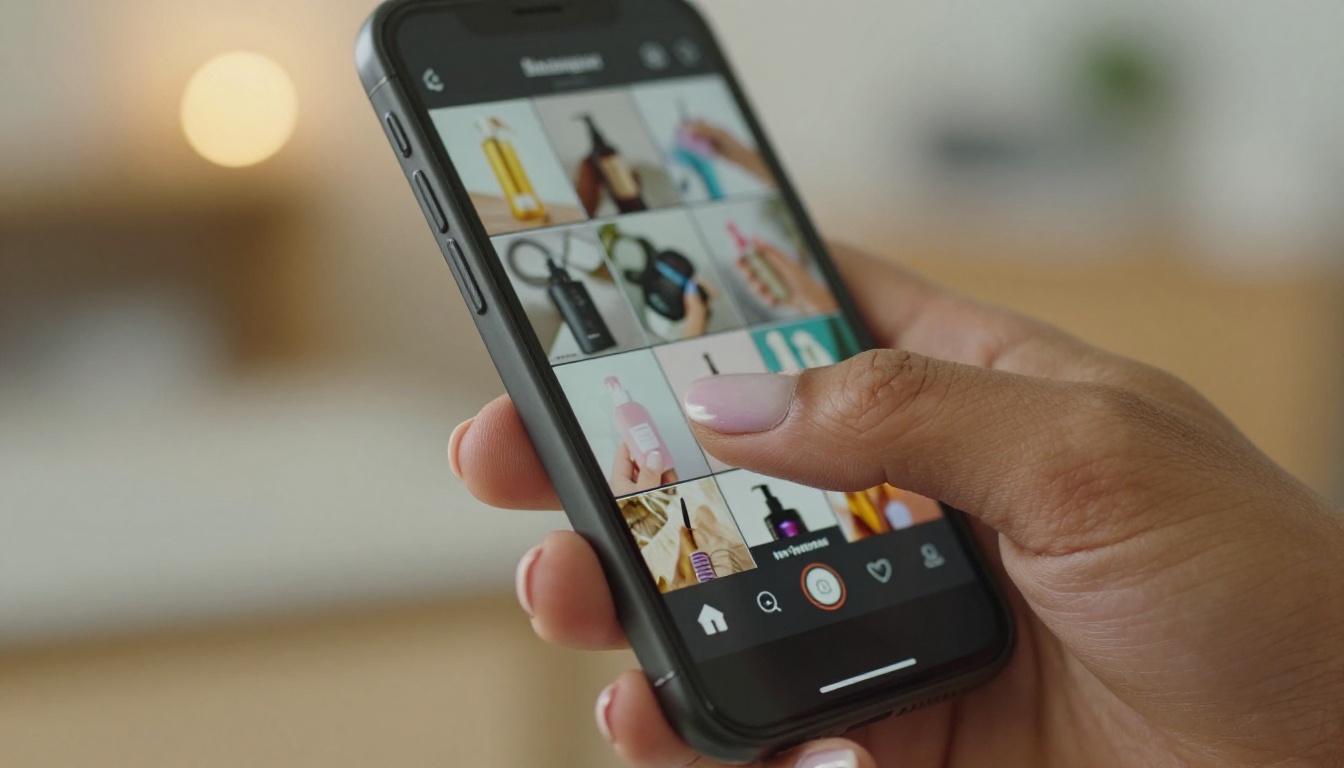
Instagram carousels are a genuinely powerful format when used correctly. They sit where your audience already scrolls daily. The friction to consume is nearly zero.
Built-In Audience and Instant Reach
If you have a following, carousels reach them without any additional distribution effort. The algorithm rewards high-swipe-through rates, meaning a well-designed carousel can earn organic reach beyond your existing followers. For products with broad appeal and a strong visual hook, carousels can generate thousands of impressions within hours of posting.
The format also benefits from social proof signals in real time. Likes, comments, shares, and saves all accumulate publicly, which creates momentum during a launch window.
Swipe Momentum and Sequential Storytelling
Each slide is a micro-commitment. When someone swipes from slide one to slide two, they are signaling intent. This is the carousel's real power: it turns passive scrolling into active behavior before the buyer even knows they are interested.
You can structure this deliberately: problem on slide one, solution on slide two, product reveal on slide three, social proof on slide four, and a call to action on slide five. That arc works. It is fast, punchy, and native to the platform.
Where Carousels Stop Working
The limitations are significant for product launches specifically:
- Slide cap: Instagram limits carousels to 10 slides. You cannot show 50 products, multiple colorways, or full spec sheets.
- Algorithm decay: After 24 to 72 hours, organic reach drops sharply. Your launch content starts disappearing whether you want it to or not.
- No deep linking: You cannot link to a specific product within the carousel. The bio link is a separate friction point that bleeds clicks.
- No analytics depth: Instagram Insights shows reach and saves, not time spent per slide or drop-off points by slide.
- No embeds: You cannot place a carousel inside your website, an email, or a press kit.
⚠️ For high-SKU launches, multi-product releases, or B2B products, carousels cannot hold the content load. The format forces you to cut exactly what buyers need to see.
What Flipbooks Bring to the Table
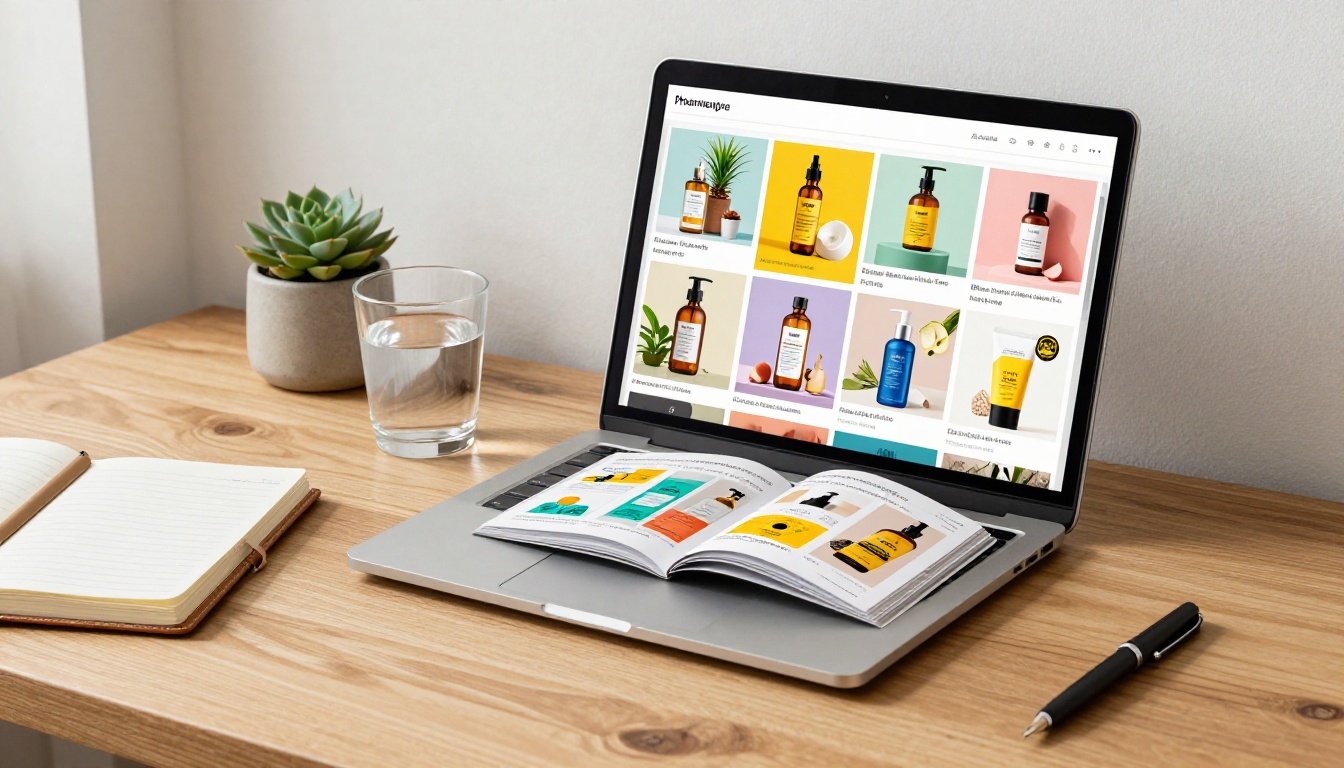
An interactive flipbook is a PDF converted into a page-turning digital publication. It works on any browser, embeds anywhere, and never expires. For product launches, it solves nearly every problem that carousels cannot.
Pages That Feel Premium
The page-turn animation is not a gimmick. It communicates quality in a way that static slides cannot. Buyers associate physical catalogs and lookbooks with premium brands. A flipbook delivers that same sensory signal digitally. For fashion, beauty, furniture, real estate, or any product where brand perception influences purchase decisions, that perception gap matters.
You can design a flipbook to match your brand precisely: typography, colors, layout grids, and all. There is no platform template forcing your products into a generic grid.
No Algorithm Decay
A flipbook lives at its own URL. It does not disappear from a feed after 48 hours. You can link to it from your website, your email newsletter, your press releases, and your paid ads indefinitely. The content you invest in during a launch continues to work for months.
💡 A flipbook linked from your homepage product page becomes a 24/7 sales tool, not a social post that aged out last Thursday.
Product Detail at Full Scale
There is no slide limit. A 60-page product catalog with full specs, lifestyle photography, sizing charts, and pricing all fits natively. Buyers who are serious about a purchase, especially in B2B, fashion, home goods, and beauty categories, want that depth before they commit.
Head-to-Head: The Real Comparison
The table below shows where each format genuinely wins across the dimensions that matter most to a product launch.
| Feature | Instagram Carousel | Interactive Flipbook |
|---|
| Content capacity | Max 10 slides | Unlimited pages |
| Content lifespan | 24-72 hours peak | Indefinite |
| Algorithm dependency | High | Zero |
| Embeddable on website | No | Yes |
| Deep linking to products | No | Yes, per page |
| Analytics depth | Basic reach and saves | Full page views and time spent |
| Custom branding | Limited by platform | Full control |
| Works without social account | No | Yes |
| Shareable standalone URL | No | Yes |
| Password protection | No | Yes |
| Mobile responsive | Yes, native | Yes |
| Search engine visibility | No | Yes via URL |
✅ The flipbook wins on 9 of 12 dimensions for product launch purposes. The carousel wins on platform-native reach and algorithmic discovery.
Here is how the two formats compare across common product launch scenarios:
| Launch Scenario | Best Format | Why |
|---|
| Single hero product, 5-day hype window | Instagram Carousel | Speed and feed presence matter most |
| Multi-product collection reveal | Flipbook | No slide limit, full catalog browsable |
| B2B product pitch to decision-makers | Flipbook | Document depth, embeddable in proposals |
| Fashion lookbook with 30 or more pieces | Flipbook | Page layout control, premium feel |
| Flash sale with 24-hour urgency | Instagram Carousel | Algorithm amplifies urgency in feed |
| Press kit for media outreach | Flipbook | Linkable, downloadable, professional |
| DTC beauty launch with social proof | Both | Carousel for reach, flipbook for conversion |
| Furniture or home goods catalog | Flipbook | Buyers need dimensions and material detail |
Choose Instagram Carousels When
- Your product has a single, visually arresting hero moment that works in 10 slides or fewer.
- You need impressions within the first 24 hours and have a strong existing follower base to activate.
- The launch is tied to a cultural moment, a holiday, a trend drop, or a collaboration, where feed placement matters above all else.
- Your audience decision cycle is short and impulse-driven.
Choose a Flipbook When
- You are launching multiple products or an entire collection with more detail than 10 slides can hold.
- Buyers need specs, dimensions, ingredients, or other research-level detail before purchasing.
- You want the launch content to serve as a sales tool well beyond the launch window itself.
- You are pitching to retailers, press, or B2B buyers who need a professional document they can reference and share.
- You are embedding the launch directly into your website product page or a landing page.
High-Consideration Purchases
For products where the average order value exceeds $100, buyers almost never purchase from a single touchpoint. They research. A carousel introduces the product. A flipbook closes the consideration phase. The brands that use both in sequence consistently outperform those using either alone.
How to Build a Product Launch Flipbook
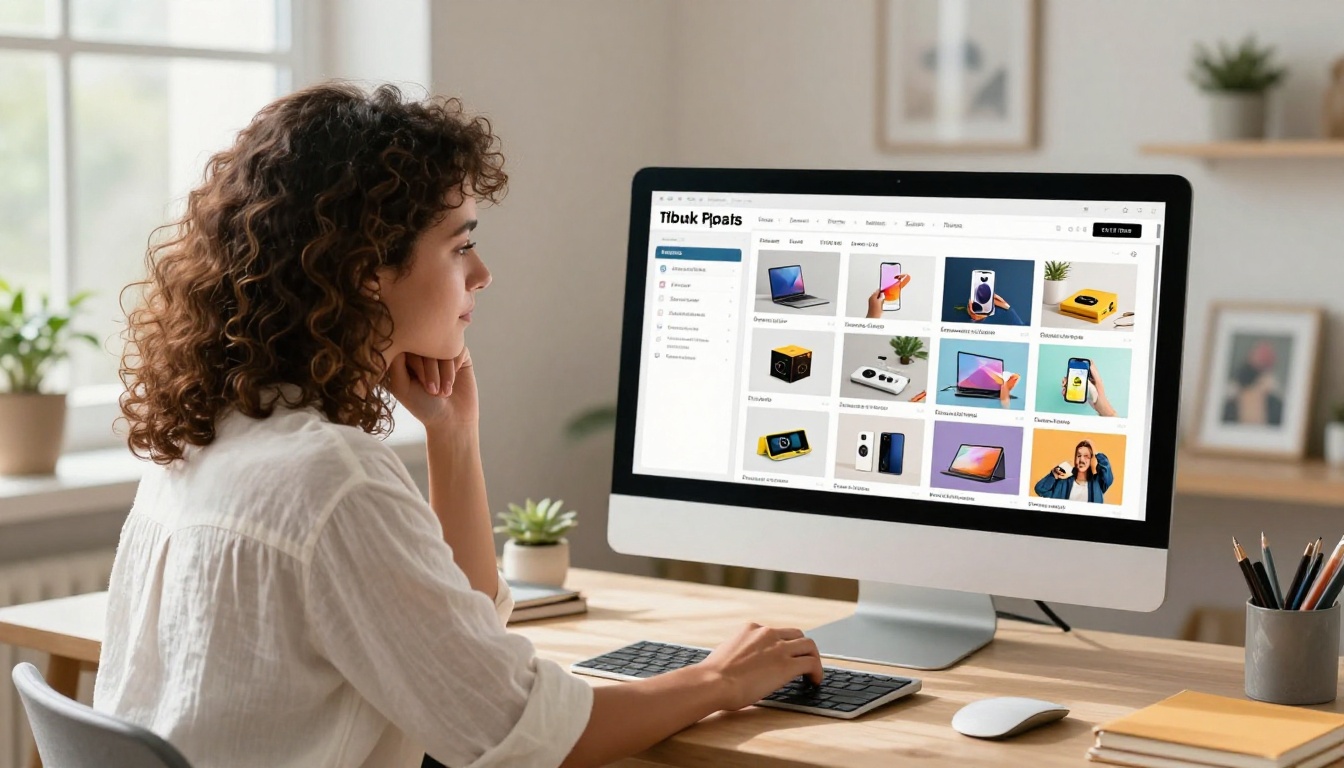
Flipbooks AI is the fastest path from PDF to a published, embeddable, interactive flipbook. Here is the exact workflow for a product launch:
Step 1: Prepare your PDF
Design your product launch document in Figma, Canva, Adobe InDesign, or any design tool. Export it as a PDF. This is your catalog, lookbook, spec sheet, or full product collection. Include lifestyle images, product photography, pricing tables, and call-to-action pages on the final spread.
Step 2: Create your account and upload
Go to Flipbooks AI and create a free account. Upload your PDF directly. The conversion happens automatically, with each page converted into a responsive, page-turning digital flipbook within seconds.
Step 3: Brand it completely
In the editor, apply your brand colors, upload your logo, and customize the reader interface. Unlike Instagram where platform UI always shows, your flipbook viewer reflects only your brand. You can also use the Interactive Lookbook Designer or Product Catalog Generator for pre-built templates tailored to product launches.
Step 4: Add multimedia
On Standard plans and above, you can embed videos and audio directly into flipbook pages. Add a product demo video on page three, or a customer testimonial clip on the final page. This is something no carousel can replicate.
Step 5: Share and embed
Once published, you get:
- A direct shareable URL to place in your bio, emails, and press releases
- An embed code to drop the flipbook directly onto your product page or launch landing page
- Password protection for private previews sent to press or retail partners before reveal day
- Full analytics showing page views, time spent, and click-through rates on the Professional plan
💡 Use password protection to send exclusive pre-launch previews to press contacts. It feels premium and keeps the content from leaking before your reveal date.
The Digital Catalog Maker and Catalog Flipbook Creator offer specialized templates for product-heavy launches with pre-structured layouts. For fashion brands, the Fashion Catalog Creator handles garment-forward layouts natively.

Real-World Launch Scenarios by Industry
Here is how specific industries use the two formats during actual product launches:
| Industry | Carousel Role | Flipbook Role |
|---|
| Fashion and apparel | Teaser with 3 to 5 hero pieces | Full lookbook with all SKUs, sizing charts, fabric details |
| Beauty and skincare | Single product reveal with before and after | Ingredient breakdown, full skincare routine steps, product range |
| Home furniture | One statement piece styled shot | Room planner pages, material swatches, full dimensions |
| B2B software or SaaS | Not applicable | Feature comparison sheets, case studies, pricing tiers |
| Food and beverage | Seasonal product mood shots | Full recipe collection, nutritional info, product range |
| Real estate | Property highlights countdown | Full property brochure with floor plans and specs |
A cosmetics brand launching a new skincare line, for example, can post a 5-slide carousel on Monday showing the hero serum in three lifestyle shots. The final slide links to the bio. The bio links directly to a flipbook published with Flipbooks AI that contains 20 pages: ingredient sourcing, clinical results, the full skincare routine, and pricing for the full product set. The carousel generates traffic. The flipbook converts it.

Use Both and Win
The most effective product launches do not pick one format. They use each where it performs best, creating a content funnel rather than a single content piece.
The Carousel as a Teaser
Post a 5-slide carousel 3 to 5 days before launch. Show the product without full context. Create intrigue. Use the caption and final slide to direct followers to the full reveal via the bio link. The carousel does what it does best: generates reach and curiosity within the platform feed.
The Flipbook as the Destination
The bio link points to your flipbook. Buyers who click arrive at a full-page, immersive product presentation that your design team built exactly to spec. No Instagram UI. No distracting recommended posts. Just your product, your brand, and a call to action on the final page.
This approach has three measurable advantages:
- Higher quality traffic: People who click through a carousel to a flipbook are self-selecting for genuine interest. They convert at higher rates than cold traffic.
- Longer time on content: The interactive page-turn encourages more pages viewed than a static landing page ever would.
- Reusable assets: Your flipbook outlives the launch. Link it from your product pages, use it in email campaigns, send it to wholesale buyers, and include it in press kits for months afterward.
✅ Brands that treat the carousel as awareness and the flipbook as conversion consistently see better results than those relying on either format alone.
Browse all available flipbook tools to find templates matched to your industry and launch type. When you are ready to publish your first product launch flipbook, get started for free on Flipbooks AI. For brands that need analytics, lead capture, and offline downloads, check pricing plans to find the right fit for your launch strategy.



