Every few years someone publishes the obituary for paper. Inboxes got faster, feeds got louder, and the printing budget became the first line item to cut. Yet the mailbox keeps delivering results that spreadsheets cannot ignore. If you run a small business and you are wondering where the next marketing dollar should go, the honest answer sits in the numbers, and in how you combine paper with tools like Flipbooks AI, which turns any PDF into a page-turning digital publication.
So, is print marketing dead? Short answer: no. Longer answer: it stopped being the default channel and became a specialist channel. That shift changes how you should use it.
What the Response Data Shows
Industry surveys from direct marketing associations have tracked response rates for years. The exact figures move from report to report, so treat the numbers below as ballpark ranges rather than guarantees. The pattern, however, has stayed remarkably stable.

| Channel | Typical Response Rate (approx.) | Cost per Contact | Speed of Results |
|---|
| Direct mail to existing customers | 5% to 9% | Medium | Days to weeks |
| Direct mail to cold prospects | 2% to 5% | Medium to high | Days to weeks |
| Email to a purchased list | Under 1% | Very low | Hours |
| Email to your own subscribers | 1% to 3% (clicks) | Very low | Hours |
| Paid social ads | Under 1% (clicks) | Low to medium | Immediate |
| Paid search ads | 2% to 4% (clicks) | Variable | Immediate |
Two things jump out. First, direct mail aimed at people who already know you routinely outperforms every digital channel on raw response percentage. Second, print costs more per contact, which is exactly why the comparison needs a second look.
💡 Pro tip: A response rate is not a return. A 5% response on a $1.20 postcard can lose to a 0.5% response on a $0.02 email if the order values are equal. Always calculate cost per acquisition, not just percentage.
Why Response Rate Alone Misleads
A click is not a purchase, and a mailed coupon redeemed in store is not a click at all. Digital metrics measure attention events. Print metrics usually measure actions, such as a call, a visit, or a redeemed code. Comparing them directly flatters whichever channel you happen to track more carefully.
The Attention Gap
Your customer deletes dozens of emails before lunch. Physical mail gets sorted by hand, often at a kitchen counter, with no tab competing for the same eyes. Researchers in neuromarketing have reported that physical material tends to leave a stronger memory trace than screen-based material, partly because people handle it, move it, and keep it for days.
Where Print Still Wins
Print is not equally strong everywhere. It earns its cost in a handful of situations, and those situations describe a lot of small businesses.
- Local service businesses: plumbers, dentists, and landscapers reach a defined postal area at a predictable cost.
- High-consideration purchases: homes, cars, furniture, and weddings, where buyers want something to hold and compare.
- Older and rural audiences: people who check mail daily and rarely click ads.
- Relationship rebuilds: a handwritten-style card to lapsed customers outperforms a fourth email reminder.
- Event invitations: a physical invite signals effort and value.
A Real-World Scenario
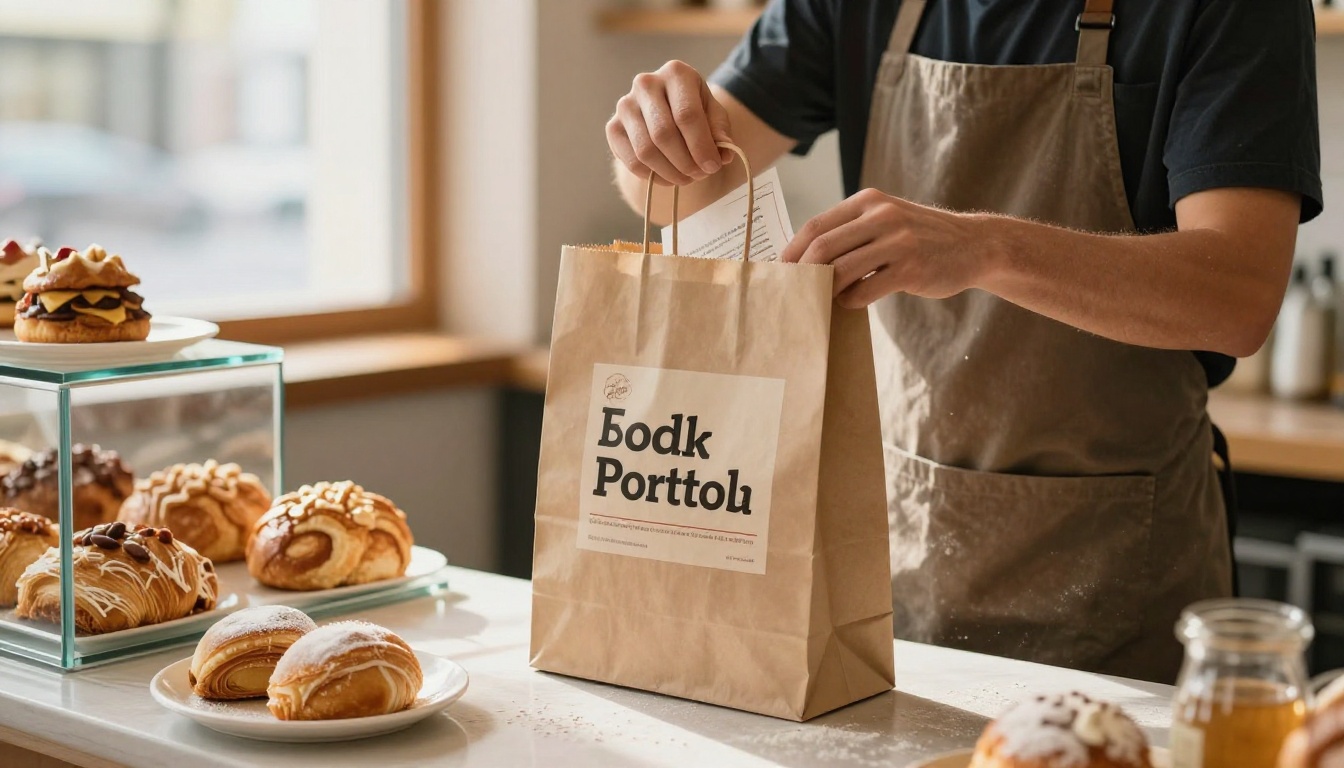
Picture a bakery with a loyal neighborhood following. The owner prints 1,500 flyers with a one-week loaf offer and tucks one into every bag for two weeks. Total spend: a few hundred dollars. Redemptions are tracked with a simple code. Compared with a boosted social post that reached strangers three towns away, the flyers reached people already standing in the shop.
Real Estate and the Printed Brochure
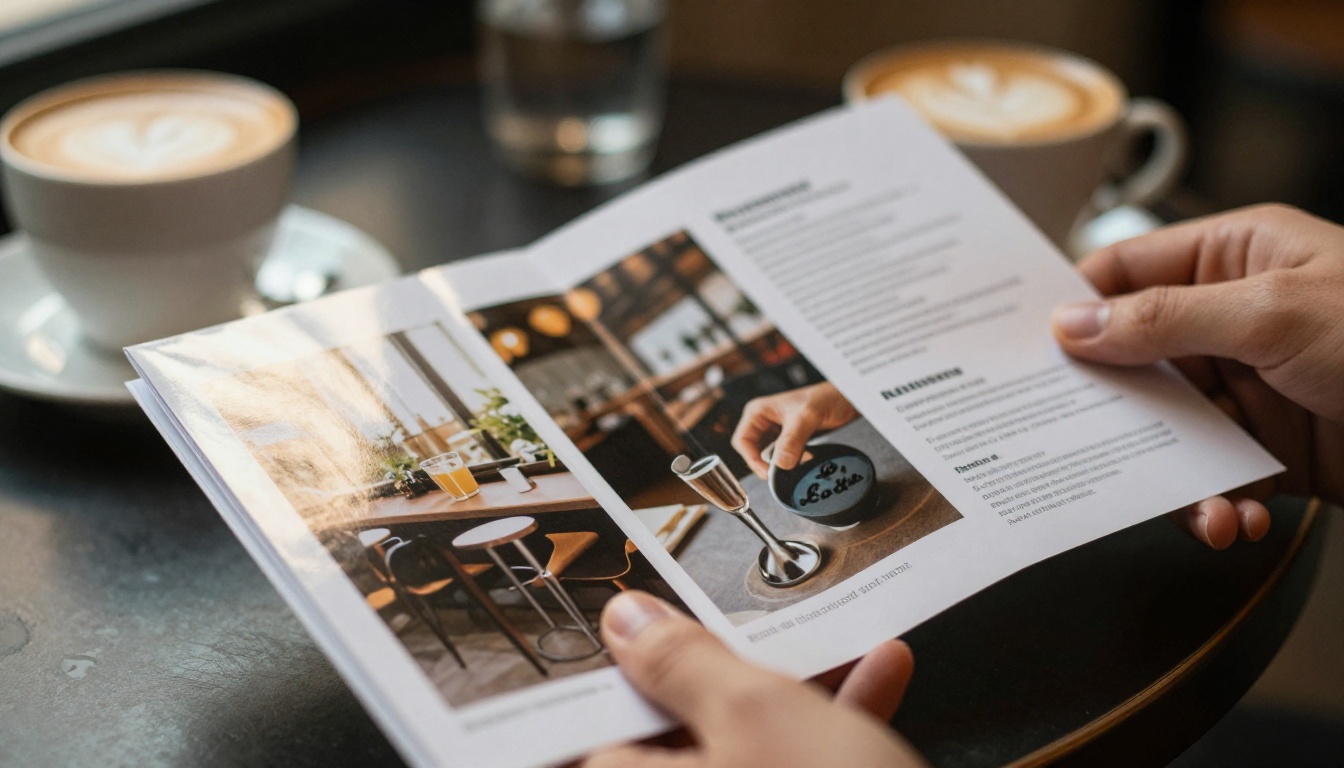
Agents still hand over property brochures at open houses because buyers photograph them, pin them to refrigerators, and compare them over dinner. The brochure works as a take-home memory. A Real Estate Brochure Creator can also turn that same brochure into a digital version that follows the buyer by text message.

Where Print Loses
Being fair to digital matters, because the best strategy admits what paper cannot do.
| Task | Print | Digital |
|---|
| Reach a worldwide audience | Weak | Strong |
| Test five headlines this week | Slow and costly | Fast and cheap |
| Update a price after printing | Impossible | Instant |
| Track who read page three | Nearly impossible | Easy with analytics |
| Make a physical impression | Strong | Weak |
| Share with one click | Weak | Strong |
Print cannot be edited after it leaves the press, cannot show which page held attention, and cannot be forwarded to a colleague in a second. Those are not minor gaps. They explain why the losing move is choosing only paper, just as choosing only screens leaves money on the table.
⚠️ Warning: Mass mailing without list hygiene burns budget. Returned mail, outdated addresses, and wrong-audience lists drag response rates below email levels quickly.
The Hybrid Model That Works
The businesses getting the strongest numbers rarely pick a side. They treat paper as the spark and digital as the follow-through.
Pair a Postcard With a QR Code
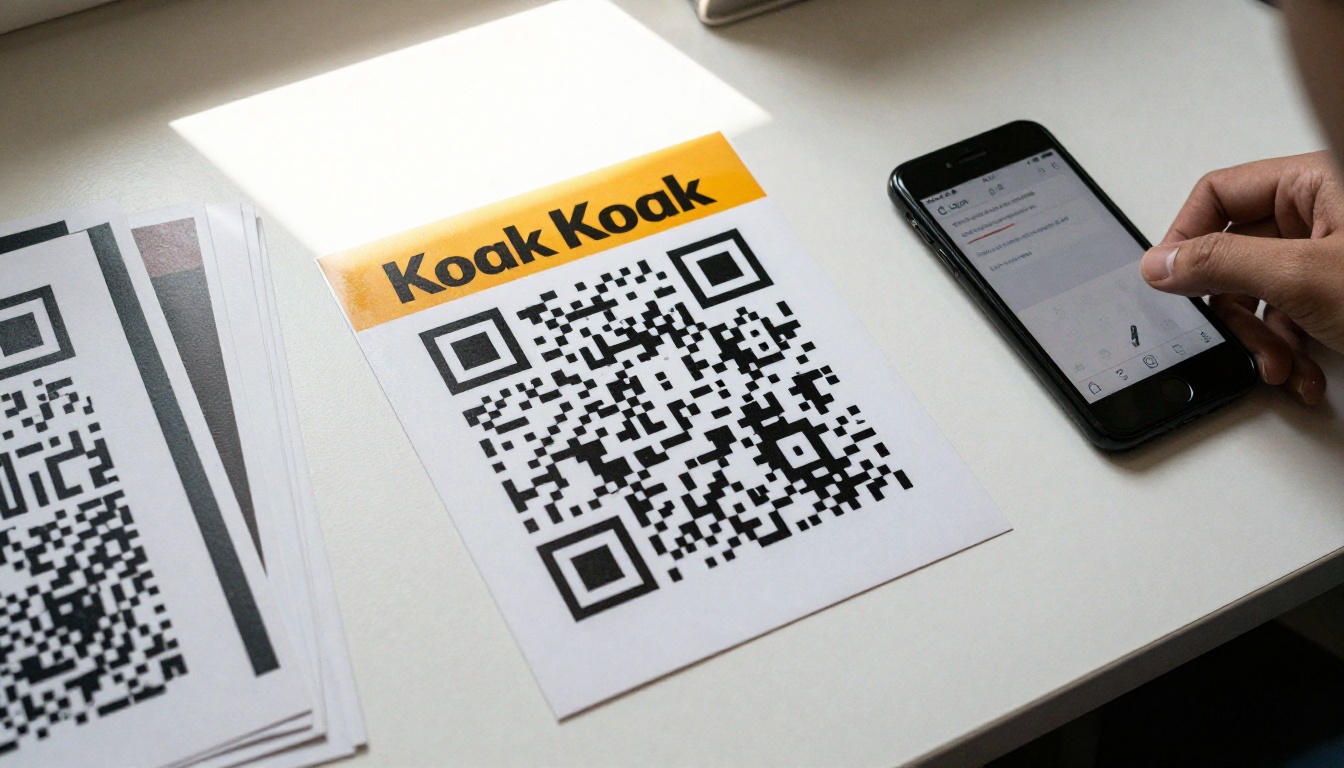
A postcard grabs attention in the hand. A QR code sends the reader to a fuller digital version in seconds. Because every scan is countable, you finally get a trackable signal from a physical piece.
Turn the Printed Brochure Into a Flipbook
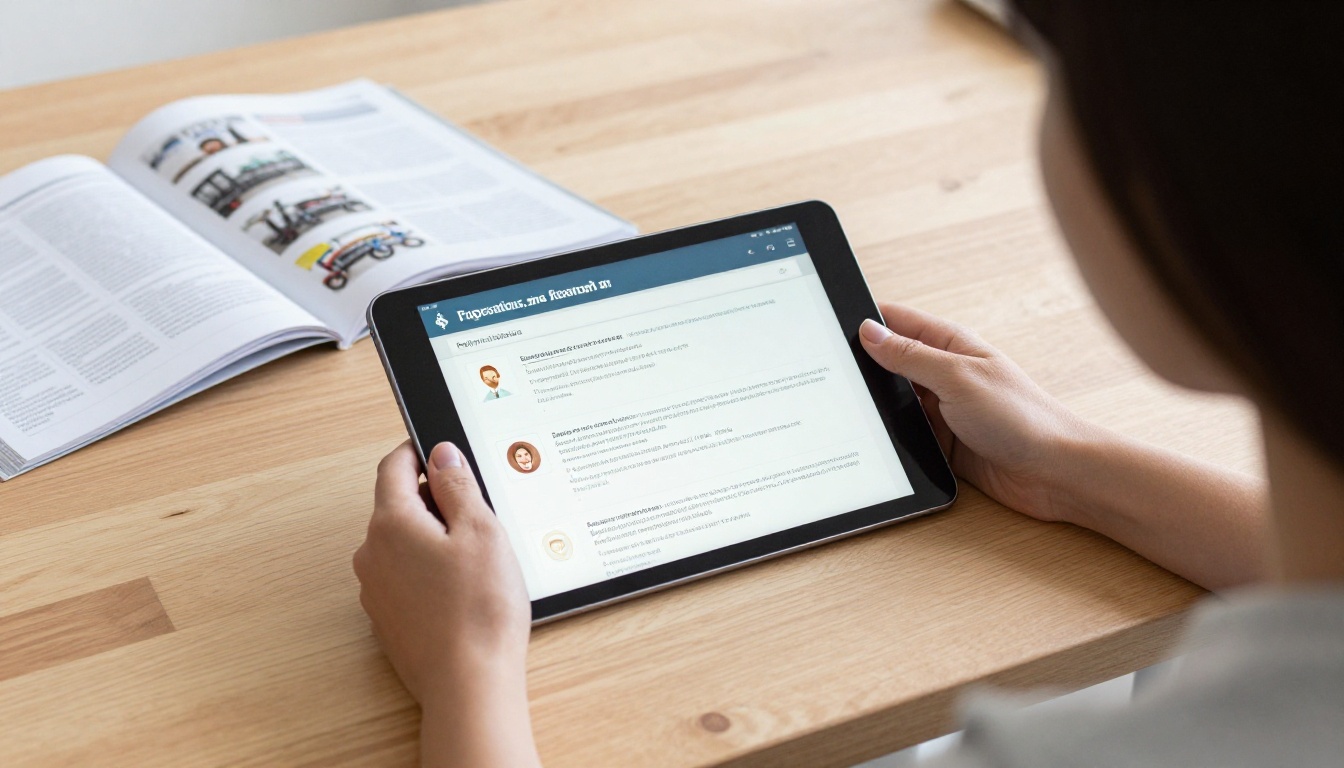
Here is where the hybrid approach becomes practical. The brochure you already designed for print can be uploaded as a PDF and published as an interactive flipbook. Readers flip pages on a phone, and you get data that paper never offered. The Brochure Flipbook Maker and the PDF to Flipbook Converter handle exactly this job.
Use One Source File for Both
Design once, then send the same file to the printer and to the flipbook tool. This keeps branding identical, saves design hours, and means a price change only needs one new PDF for the digital edition.
Cost Per Customer: A Worked Example
Numbers make the argument concrete. Suppose a boutique sends two campaigns with the same average order of $80.
| Metric | Postcard Campaign | Email Campaign |
|---|
| Contacts reached | 2,000 | 10,000 |
| Cost per contact | $0.90 | $0.01 |
| Total spend | $1,800 | $100 |
| Response rate | 4% | 0.4% |
| Customers acquired | 80 | 40 |
| Cost per customer | $22.50 | $2.50 |
| Revenue | $6,400 | $3,200 |
Email wins on cost per customer by a wide margin here. But the postcard campaign produced twice the customers and twice the revenue. If your constraint is customers rather than budget, print earns its place. If your constraint is budget, email goes first and print supports it for high-value segments.
💡 Pro tip: Send print only to your best 20% of customers by lifetime value. The higher average order justifies the higher contact cost, and response rates climb because the audience already trusts you.

How to Build a Print-Plus-Flipbook Campaign
Follow these steps to connect a printed piece to a trackable digital experience with Flipbooks AI.
- Finish your PDF. Export the brochure, catalog, or lookbook from your design software at print quality.
- Create an account. Sign up at Flipbooks AI and open the upload screen.
- Upload the PDF. The platform converts each page into a flipbook with realistic page-turn effects.
- Customize the look. Add your logo, brand colors, and background. Insert links, video, or audio on pages where they help.
- Choose sharing rules. Publish with a direct link, or add password protection for private offers.
- Generate the QR code. Point the printed postcard or flyer at the flipbook link.
- Embed it. Place the flipbook on your site using the Embed Flipbook on Website option.
- Measure. On the Professional plan you can view analytics and capture leads, so you see which pages hold attention.
Feature highlights worth knowing:
- ✅ No watermarks, ever
- ✅ Unlimited flipbooks on the Standard plan and above
- ✅ Password protection for private content
- ✅ Offline downloads
- ✅ Embedded video and audio
- ✅ Mobile-responsive design
- ✅ Custom branding
Compare the options on the pricing page to pick the tier that matches your volume.

Measuring Print Honestly
The loudest complaint about print is that nobody can track it. That used to be true. It is not anymore if you set it up on purpose.
- Unique offer codes: a different code on each mailing batch.
- Dedicated phone numbers or short URLs: one per campaign.
- QR codes with campaign tags: each scan counts as a visit.
- Landing flipbooks: page-level data shows interest beyond the first click.
- Ask at checkout: "How did you hear about us?" costs nothing and catches what codes miss.
A Simple Test Plan
Split your list in half. Send print plus a follow-up email to group A, and email only to group B. After 30 days compare revenue per contact. Repeat once with a different offer. Two rounds give you more insight than a year of guessing.
Mistakes to Avoid
- Printing a generic brochure with no call to action.
- Skipping a tracking code, then claiming "print doesn't work."
- Mailing cold lists before warming your existing customers.
- Forgetting that the digital version needs to load fast on a phone.
- Judging a campaign after three days when mail takes longer to land.
So, Is Print Dead?
Print is not dead. It is narrower, more expensive per contact, and far more effective when aimed with care. The data does not say "stop using screens." It says that physical pieces deserve a seat next to email, search, and social, particularly for local audiences, high-value purchases, and loyal customers.
The strongest move is a hybrid one: print the piece that earns attention, then publish the same design as an interactive flipbook that earns data.
Ready to try it? Get started for free on Flipbooks AI, browse the full list of flipbook tools and templates, or see which pricing plan fits your next campaign. If you work with product lines, the Digital Catalog Maker is a natural next stop.



