January is personal training's most unforgiving month. Gyms are packed, client expectations are sky-high, and the pressure to deliver instant results can send even seasoned trainers scrambling for a coherent plan. The trainers who win January are not the ones with the most creative exercises. They are the ones with the best January fitness program packets: structured, client-facing documents that spell out exactly what to do, when, and why. If you want clients who stay through February, March, and beyond, your packets need to do serious work.
Why January Packets Fail in Week Two
Most January fitness program packets fail by day ten. The gym rush slows, motivation drops, and clients who were fired up on New Year's Eve suddenly can not remember which exercises they were supposed to be doing on a Tuesday. That failure is almost never about the client. It is about the packet.
The Problem With Generic Templates
Generic downloadable templates look polished on screen and fall apart in practice. They are built for a hypothetical client, not yours. When a 58-year-old woman with a bad knee receives the same packet as a 24-year-old rugby player, one of them is getting something useless. Trainers who build programs from scratch, or at least significantly customize templates, see far better retention through January.
⚠️ Warning: Downloading a generic January fitness template and slapping your logo on it is visible to clients. They can tell when a program was not built for them specifically, and it erodes trust from day one.
What Clients Actually Need in Writing
Clients need four things in writing before they walk out of their first session:
- A clear 4-week structure broken into specific weeks
- Specific exercises with sets, reps, rest periods, and alternatives
- Measurable milestones for each week
- A single point of contact for questions (your email or preferred method)
Without all four, a "program packet" is just a list of exercises. Lists do not inspire consistency.
What Every Strong January Packet Should Contain
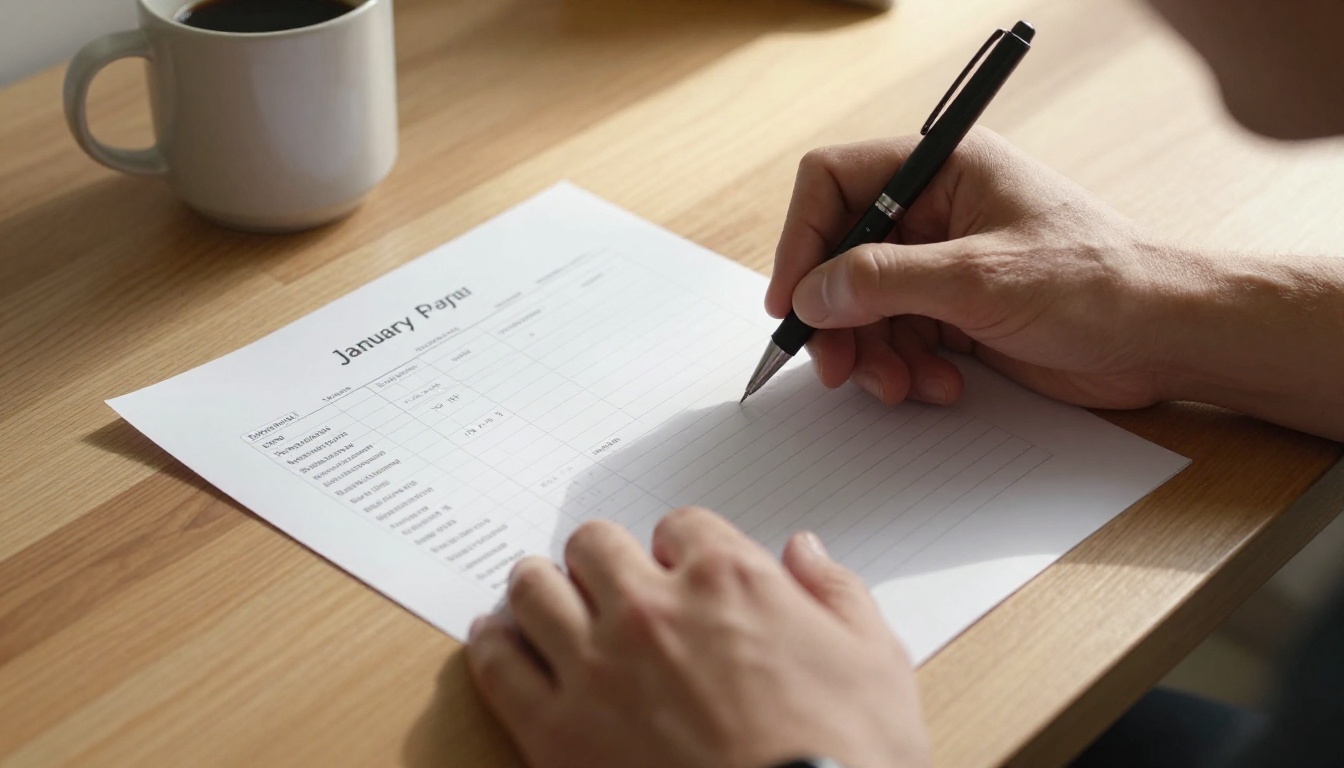
The content of your packet determines whether it ends up used or ignored. Here is what top trainers consistently include:
| Section | What to Include | Why It Matters |
|---|
| Client Profile | Name, goals, medical notes, fitness level | Personalization drives compliance |
| 4-Week Schedule | Day-by-day plan with session type | Removes daily decision fatigue |
| Exercise Library | Sets, reps, rest, video links if digital | Reduces form errors and confusion |
| Nutrition Basics | Simple daily targets, not rigid meal plans | Supports training outcomes without overwhelm |
| Progress Tracker | Weekly measurements, weight, energy scores | Gives clients tangible proof of progress |
| Contact and Check-In | Your contact method, check-in day and time | Accountability is the real product |
💡 Pro Tip: Add a "How This Program Works" page at the front. Three short paragraphs explaining the logic behind your structure will triple how seriously clients take the plan. People follow programs they actually understand.
Structuring Programs That Clients Follow
Structure is the single biggest predictor of whether a January fitness program packet actually gets used. A well-structured packet removes the "what do I do today?" question entirely.
Week-by-Week Is Not Optional
Breaking your January program into four distinct weeks, each with a clear theme, is non-negotiable for professional packets. A practical weekly structure:
- Week 1: Movement quality. Lower volume, focus on form, establish baseline metrics.
- Week 2: Volume build. Add sets and complexity, first check-in.
- Week 3: Intensity shift. Increase weights or reduce rest periods, reinforce habits.
- Week 4: Performance test. Reassess baselines, celebrate progress, set February direction.
Each week should feel like a chapter in a story. Clients who feel momentum will not quit.
Goal-Setting and Baselines
Every January fitness packet should open with a baseline assessment page. Record the client's starting point across:
- Resting heart rate
- Body measurements (if appropriate)
- Movement screens (squat depth, shoulder mobility)
- Self-reported energy and sleep quality
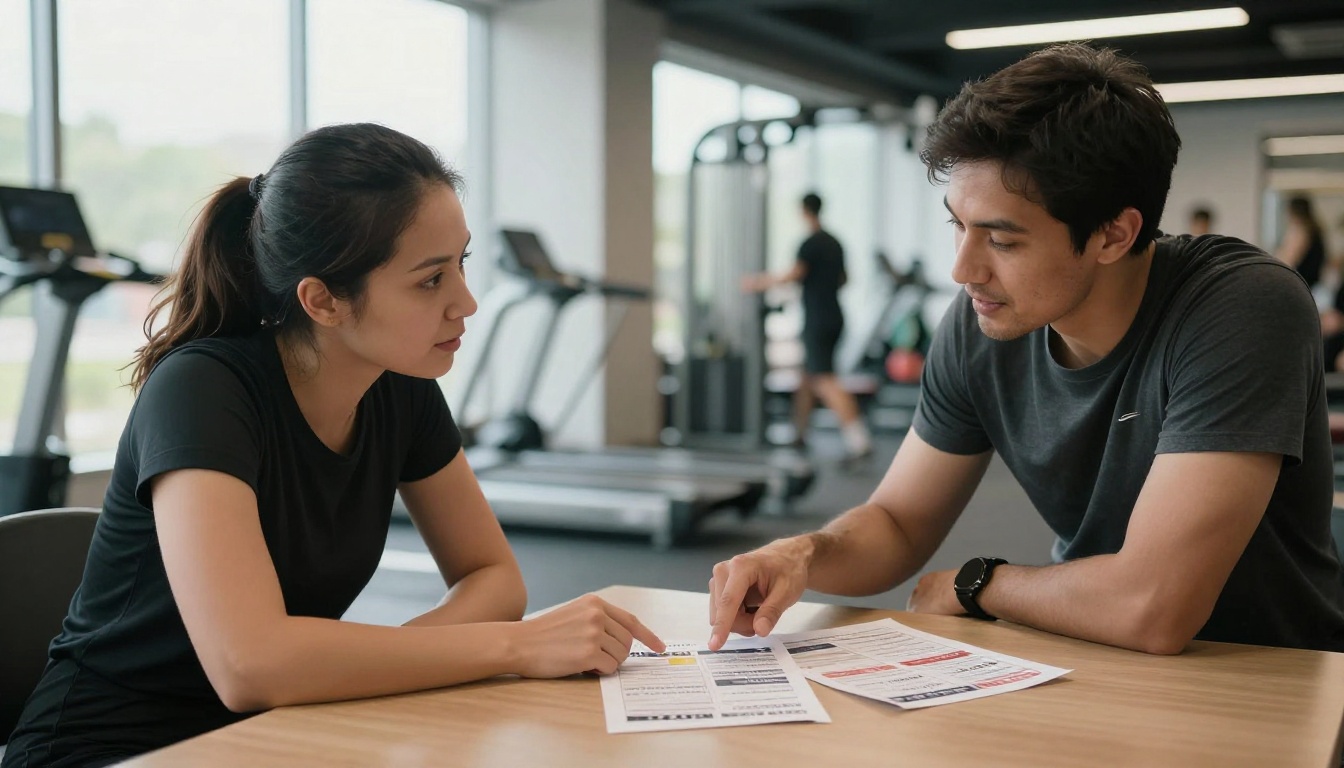
These numbers become your most powerful retention tool in week four. When a client compares their week-four self to their week-one self in writing, staying becomes far easier than quitting.
Paper vs. Digital: The Real Numbers
Trainers still argue about paper versus digital. Both work. Neither is perfect. But client behavior leans heavily in one direction.
| Factor | Paper Packets | Digital and Interactive Packets |
|---|
| Client Access | One physical copy, easy to lose | Available anywhere on any device |
| Updates | Requires reprinting | Edit once, client sees instantly |
| Multimedia | Static images only | Embedded videos, audio cues |
| Client Feel | Professional, tangible, nostalgic | Modern, branded, shareable |
| Tracking | Manual, often skipped | Integrated tracking tools |
| Environmental Impact | Paper waste per client | Fully digital, zero paper |
| Cost to Trainer | Printing, binders, ink per batch | Platform subscription, scales infinitely |
| Best For | Older clients or in-person only | Any client with a smartphone |
The reality is that most trainers still default to paper out of habit, not strategy. Digital packets, especially interactive ones built as flipbooks, get opened more often because clients can pull them up on a phone between sets without digging through a bag for a stapled sheet.
💡 Pro Tip: The best format is the one your specific client base will actually use. Survey your January intake: if 80% of your clients use smartphones for everything, give them a digital packet they can access without printing anything.
Turn Your Fitness PDF Into an Interactive Flipbook
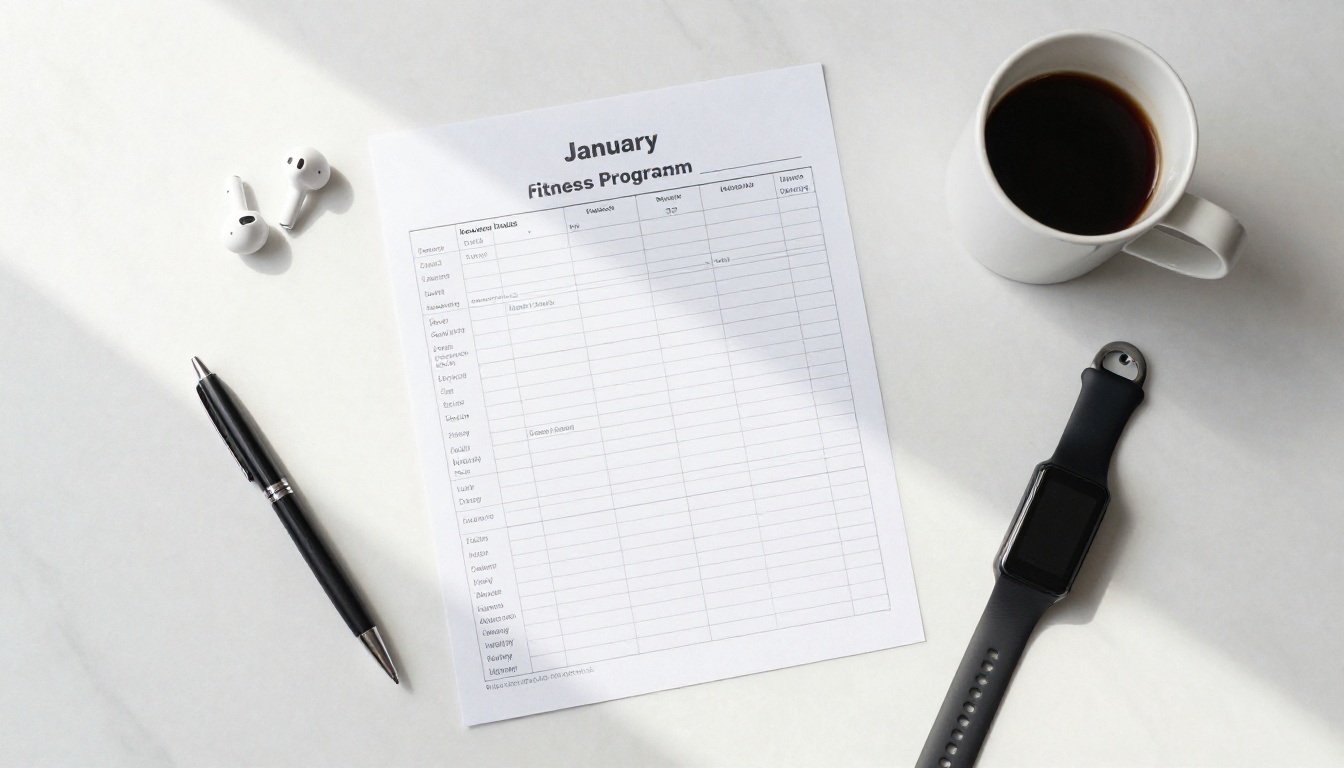
This is where the real upgrade happens for trainers who want to stand out. A static PDF sent via email is fine. A fully interactive, page-turning flipbook that clients can open on any device, share easily, and actually enjoy reading is something else entirely.
Flipbooks AI makes this transition fast. You design your January fitness program packet in any layout tool (Canva, Adobe, Google Slides), export it as a PDF, then upload it to Flipbooks AI to convert it into a professional digital flipbook in minutes.
Step 1: Build Your Packet PDF
Design your January fitness program packet in any tool you already use. Keep page layouts clean. Use one font for headings, one for body text. Export as a standard PDF.
Step 2: Upload and Convert
Create an account on Flipbooks AI. From your dashboard, upload your PDF. The platform automatically converts every page into a smooth, animated flipbook with realistic page-turn effects, no technical skills required.
Step 3: Add Your Branding
Inside the Flipbooks AI editor, apply your trainer branding: your logo, brand colors, and custom cover design. This takes your fitness packet from looking like a template to looking like a professional training service product.
Step 4: Embed Videos and Audio
This is where digital genuinely beats paper. The Training Manual Flipbook tool lets you embed exercise demonstration videos directly into the packet. Instead of describing a movement with text, clients can watch it inline. No more "I did not know what that exercise looked like."
Step 5: Share and Track
Once published, you get a direct link and an embed code. Share the link via text, email, or WhatsApp in seconds. On the Professional plan, you can see exactly which pages clients viewed, how long they spent on each section, and whether they actually read the nutrition guidelines or skipped straight to the workouts.

✅ Best Practice: Use password protection on client packets. It keeps the content private and signals to clients that what you have given them is exclusive, not a generic download anyone can find online.
Group vs. Individual Packets: What Changes
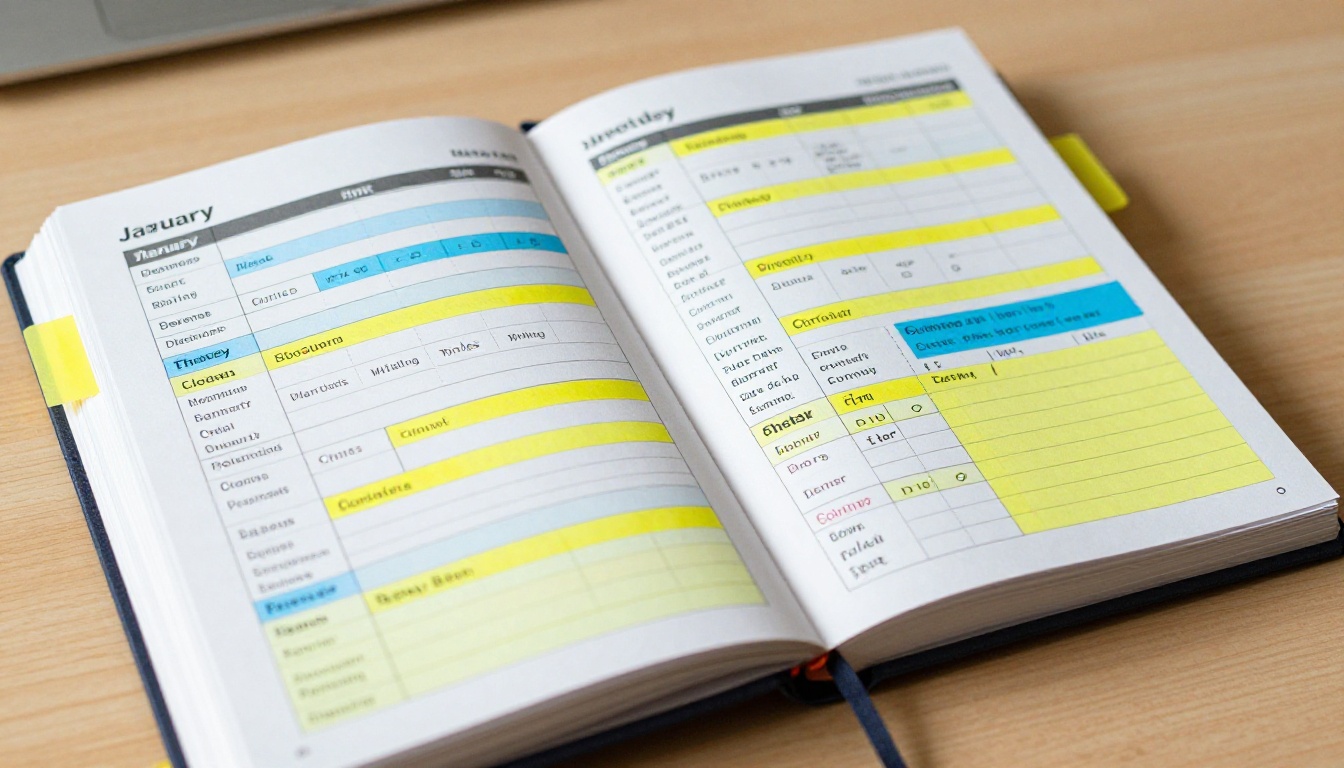
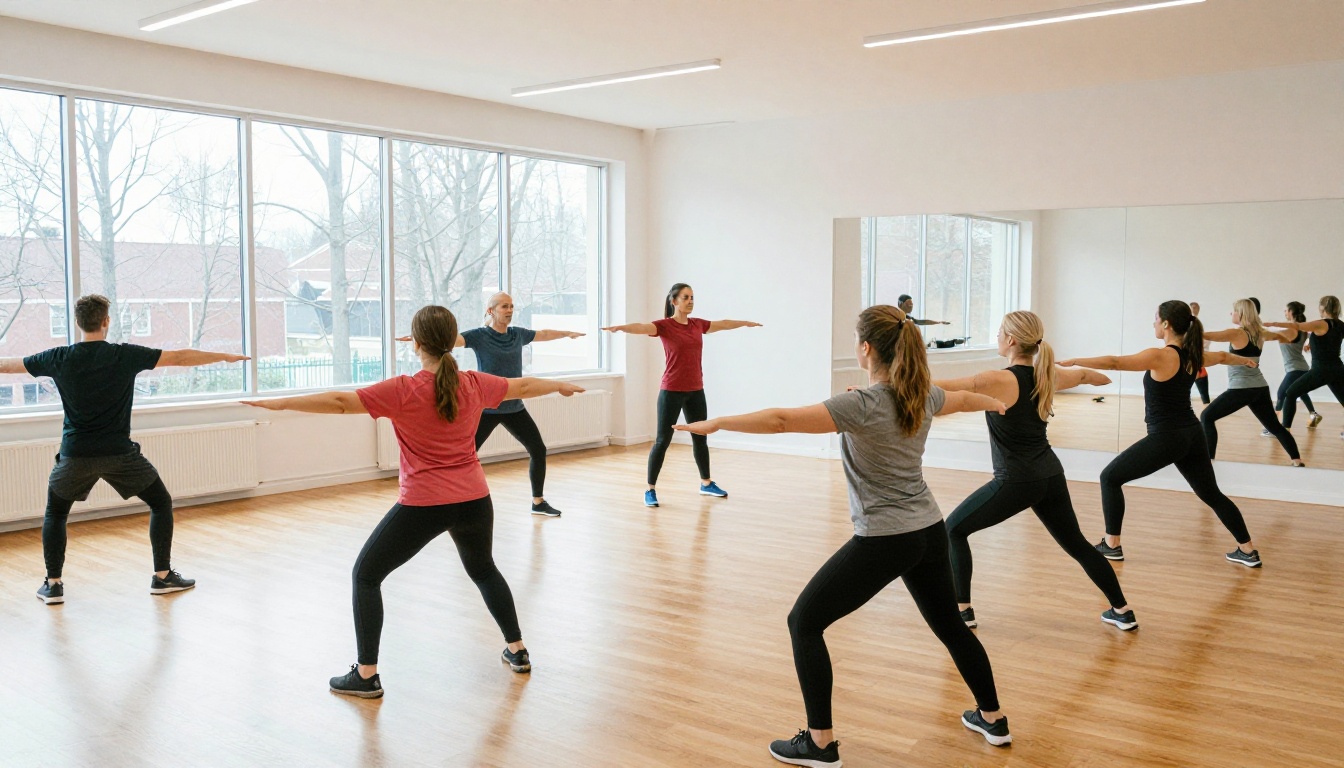
Not every trainer works one-on-one. Group fitness instructors and small group trainers need packets structured differently. The core content overlaps, but the delivery and detail level shift significantly.
| Element | Individual Packet | Group Packet |
|---|
| Program Personalization | Full customization per client | General progressions for mixed fitness levels |
| Exercise Alternatives | Listed per individual limitation | Built into main programming as default |
| Nutrition Guidance | Specific to individual goals | General principles only |
| Progress Tracking | Individual metrics, weekly check-ins | Self-reported, honor system |
| Length | 8-20 pages typical | 4-8 pages, focused and scannable |
| Distribution | Direct to each client privately | Shared link or printed handout |
| Branding Opportunity | Highest: feels personal and tailored | Moderate: builds group identity |
Group packets work best when they feel like a community resource rather than a personal document. An interactive flipbook format, shared via a single link to the whole group, works especially well here. Participants can access the same document, and you can update everyone's version with a single edit instead of sending new files to 15 people.

3 Mistakes That Sink January Programs
Most January fitness programs do not fail because of bad exercise selection. They fail because of avoidable structural and communication mistakes. Here are three that come up constantly.
Mistake 1: Overloading Week One
Week one enthusiasm is at its peak. It is tempting to write intense programming to match that energy. Clients who are crushed in week one, either by soreness or overwhelm, quietly disappear by week two. Start conservative. Build fast. The goal of week one is always to show clients they can do this, not to prove how hard your programming is.
Mistake 2: No Written Accountability Structure
A January fitness packet without a built-in accountability system is just a document. Add at minimum: a weekly check-in question, a self-reported energy score for each session, and a single measurable goal for the week. These elements create a two-way relationship between the client and the program, which is what actually drives behavior.
Mistake 3: Making Updates Impossible
Clients get sick. They travel. They need to swap a session. If your packet is a printed PDF stapled together, updating it requires reprinting everything and getting a new copy into the client's hands. Digital packets, particularly interactive flipbooks from Flipbooks AI, can be updated instantly without sending a new document. The client opens the same link they always have, and they see the current version.
⚠️ Warning: Never assume clients read everything in the packet on their own. During your first session, walk through the structure with them out loud. Trainers who do this see significantly higher program adherence through the full month.
Keeping Momentum Past Week Four
January is a starting point, not a finish line. The best January fitness program packets are designed with a built-in bridge to February. Here is how to do that structurally:
- Include a "What's Next" page at the end of the packet. Give clients three options for what happens after they complete the four weeks: a strength-focused phase, a cardio shift, or a maintenance block. Options create agency.
- Reference baseline data: The assessments from week one become the most powerful closing section. Lay the numbers side by side. When clients see tangible improvement in writing, staying becomes the obvious choice.
- Add a soft CTA: Something simple at the end of the packet: "Want to continue? Book your February session before January ends." This does not need to be high-pressure. A sentence is enough.
The trainers who use digital flipbooks as their primary packet format tend to see higher February re-booking rates. The packet stays on the client's phone, they keep opening it as a reference through the month, and your brand stays visible long after the first session.
💡 Pro Tip: Use analytics from Flipbooks AI's Professional plan to see which pages of your January packet clients viewed most. If everyone reads week one and no one reads week four, you know exactly where your next packet needs more design attention.
Build Something Clients Actually Use
January is the month that sets the tone for everything that follows. Fitness program packets are not administrative paperwork. They are your core product. A well-built packet tells a client that you take their health seriously, that you have a real plan, and that you are invested in their progress far beyond what happens inside the gym.
The trainers who dominate January are the ones who have moved beyond printed sheets and static PDFs. They are building branded, interactive, video-rich fitness packets that live on their clients' phones all month long, get referenced between sessions, and position every trainer as a professional worth staying with in February.
Ready to create your first digital fitness packet? Get started for free on Flipbooks AI and convert your existing January PDF into a professional interactive flipbook in minutes.
Browse all fitness and training tools available on the platform, or compare pricing plans to find what works for your training business this month and every month after.



