You spent weeks writing the ebook. The landing page converts. Hundreds of email addresses roll in. And then, nothing happens. No replies, no demo requests, no sales. The problem is rarely the ebook itself. It is almost always what you do in the days after the download, and the lead nurturing mistakes that quietly drain a good list. If you publish your ebooks as interactive flipbooks with Flipbooks AI, you also get signals most PDF senders never see, which makes fixing these mistakes much easier.
Let's go through the ones that cost the most, and how to repair each.
Why Downloads Don't Equal Leads
A download is a moment of curiosity, not a purchase decision. The reader gave you an email address in exchange for a file, and most of them will never open it. Industry averages for ebook open and read rates are surprisingly low, which means your nurturing has to do the work the ebook alone cannot.

Curiosity Fades Fast
Interest peaks in the first hour. After 48 hours, your ebook is competing with a hundred other tabs and tasks. Every mistake below is some version of ignoring that clock.
Downloaders Are Not One Audience
Someone who grabbed your ebook on pricing strategy at 9 a.m. is not the same person as a student who grabbed it for a class paper. Treating both the same is where most programs go wrong.
💡 Pro tip: Before you fix anything, pull your last 90 days of downloads and count how many people took any second action. That number is your baseline.
Mistake 1: Sending the Welcome Email Too Late
The most common failure is also the easiest to fix. Many teams batch their automations and send a "thanks for downloading" message the next morning, or worse, never send one at all.
What Slow Follow-Up Costs You
The reader has already moved on by the time your email lands. Your subject line now has to remind them who you are, instead of continuing a conversation they started minutes ago.
The Fix: Send Within Five Minutes
Trigger the welcome email the second the form is submitted. Keep it short:
- Thank them in one sentence
- Link to the ebook again, in case the first download got lost
- Tell them what they will get next, and when
- Invite a reply with one specific question
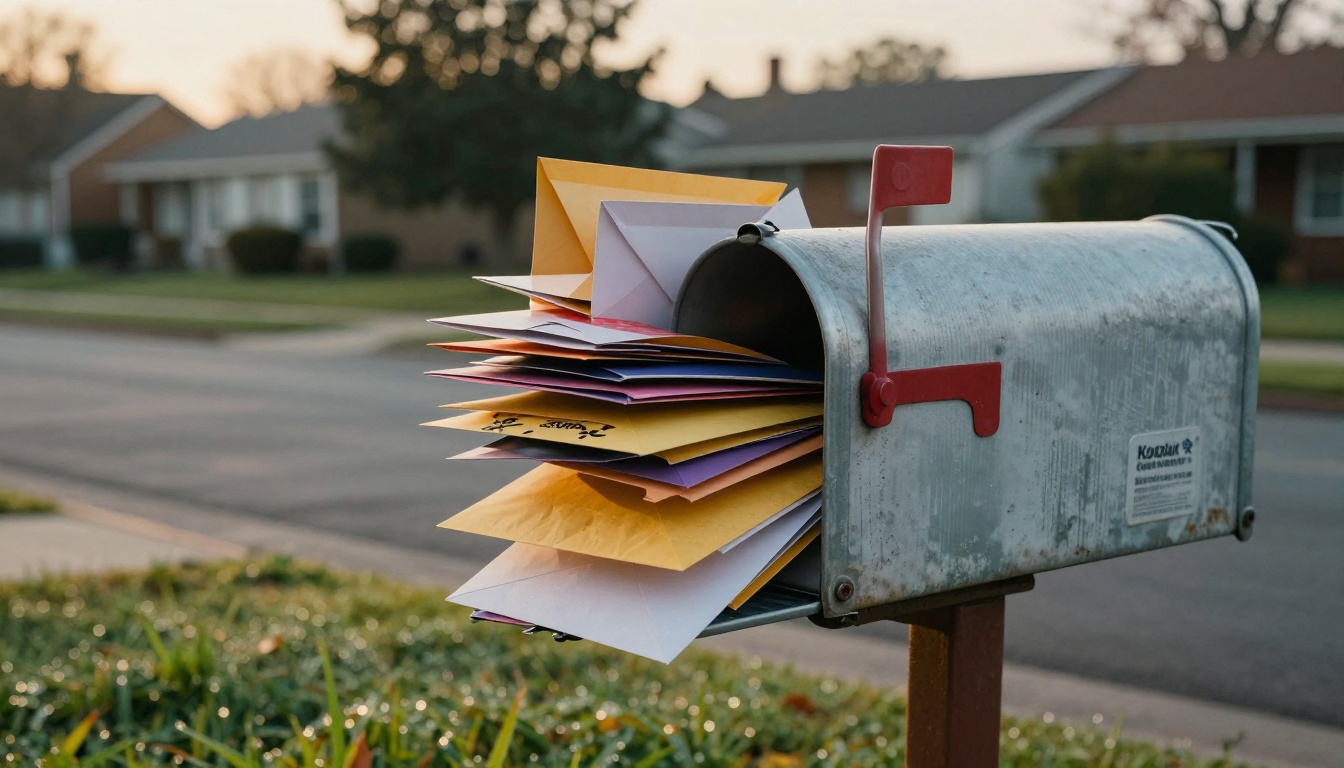
✅ Best practice: Send the welcome email from a real person's name and address, not a no-reply mailbox. Replies are the strongest deliverability signal you can earn.
Mistake 2: Burying Readers in Emails
The opposite error is just as damaging. After a download, some teams fire off a daily sequence for two weeks, each message pushing a sale. The reader never agreed to that frequency, and unsubscribes pile up.
Match the Cadence to the Buying Cycle
A software buyer with a 60-day cycle needs a different rhythm than a shopper deciding on a weekend. Here is a starting point:
| Buying Cycle | Suggested Cadence | First Month Emails |
|---|
| Impulse (under 1 week) | Days 0, 1, 3, 6 | 4 |
| Short (1 to 4 weeks) | Days 0, 2, 5, 10, 17, 24 | 6 |
| Long (1 to 3 months) | Days 0, 3, 10, 21, 35 | 5 |
| Enterprise (3+ months) | Days 0, 5, 14, 30, 45 | 4 to 5 |
Give Every Email One Job
An email that tries to share a tip, announce a webinar, promote a discount and ask for a call accomplishes none of them. Pick one action per message and make the button obvious.
⚠️ Warning: If your unsubscribe rate on the second email is higher than 1%, your promise on the landing page and your follow-up do not match. Fix the mismatch before adding more emails.
Mistake 3: Ignoring What the Reader Actually Did
Here is where static PDFs let you down. When you email a file, you have no idea whether it was opened, which pages got attention, or where the reader quit. You are nurturing blind.

Behavior Beats Demographics
A reader who spent six minutes on your pricing chapter is a warmer lead than a VP who never opened the file. With a flipbook, you can see page views, time on page and return visits. The Professional plan includes analytics and lead capture, so check the pricing plans to see what fits.
A Simple Behavior Scoring Model
You do not need a heavy system. Start with a short list of actions and assign points:
- Opened the ebook: 1 point
- Read more than half: 3 points
- Returned for a second visit: 4 points
- Clicked a link inside the ebook: 5 points
- Replied to any email: 8 points
When someone crosses 8 points, route them to a human. Below that, keep them in the educational track.
Mistake 4: Sending the Same Sequence to Everyone
Segmentation sounds like extra work, so it gets skipped. The result is a generic drip that fits nobody.
Three Segments That Pay Off Quickly
- Researchers: read the whole thing, no clicks. Send deeper content and case studies.
- Skimmers: opened but left early. Send a short summary or a single chart from the ebook.
- Shoppers: visited pricing or product pages. Send a direct offer or a booking link.
Before and After Segmentation
| Approach | Typical Open Rate | Typical Reply Rate | Typical Unsubscribe Rate |
|---|
| One sequence for all | 18% to 25% | Under 1% | 0.8% to 1.5% |
| Three behavior segments | 30% to 42% | 2% to 4% | 0.2% to 0.5% |
These ranges vary by industry, but the direction is consistent: relevance beats volume every time.
💡 Pro tip: If you only have time for one split, separate people who read more than half the ebook from everyone else.
Mistake 5: Making Every Email a Sales Pitch
Readers downloaded a resource, not a brochure. When the first follow-up is "Book a demo today," trust drops immediately.

The 4-to-1 Rule
For every direct sales message, send about four that are useful on their own. A checklist, a short teardown, a worked example, a customer story. Sales messages then feel like a natural next step instead of an interruption.
What Useful Looks Like
A consultant who gave away an ebook on onboarding emails could follow up with:
- A one-page template for the first three emails
- A short story of a client who cut churn by fixing one message
- A teardown of a well-known brand's welcome flow
- A soft invitation to a 20-minute audit call
Each of those can be a short flipbook of its own. Convert a one-page worksheet with the PDF to Flipbook Converter and send a link readers can open in a second.
Mistake 6: Letting the Ebook Itself Be a Dead End
Many ebooks end on a thank-you page with no next step. The reader finishes, feels satisfied, and leaves.
Put Calls to Action Inside the Content
Place a relevant action every few pages, not only on the last one. A link to a calculator after the pricing chapter. A booking button after the case study. A short form for a custom checklist.
Why Format Matters Here
A PDF opens in a viewer that strips away tracking, clicks and context. An interactive flipbook keeps readers on a page you control, loads on any phone, and lets you embed videos and audio. If your audience skims on mobile, that matters. You can also embed the flipbook on your website so the reading happens next to your offers.

✅ Best practice: Put your strongest call to action about 60% of the way through the ebook. That is where most readers who stay start to decide whether you are credible.
Mistake 7: Measuring Opens Instead of Outcomes
Open rates are easy to report and easy to inflate. Privacy features in email apps now trigger opens automatically, so a high number can mean very little.

Numbers Worth Watching
| Metric | What It Tells You | Weak Signal or Strong Signal |
|---|
| Email open rate | Subject line reach | Weak |
| Click rate | Interest in the offer | Medium |
| Pages read in the ebook | Real attention | Strong |
| Reply rate | Willingness to talk | Strong |
| Meetings booked | Sales readiness | Strongest |
A Weekly Review Habit
Spend 20 minutes every Friday looking at three things: which ebook pages lose readers, which emails get replies, and which leads crossed your scoring threshold. Change one thing the following week. Small, steady edits beat big rebuilds.
Mistake 8: Having No Plan for Cold Leads
Not everyone will respond. That is normal. The mistake is either deleting them after two emails or mailing them forever.

Build a Re-Entry Path
After 30 days of no activity, send a short "still useful?" message with two choices: keep getting emails, or pause for 90 days. Then move quiet contacts to a low-frequency list that receives one valuable message a month.
Refresh Old Ebooks
An ebook from two years ago carries outdated numbers, and readers notice. Updating a title and republishing it as a fresh flipbook gives you a legitimate reason to write to old leads again. Try the Interactive E-Book Publisher to rebuild a layout without starting over.
How to Nurture Ebook Leads with Flipbooks AI
If your ebook is currently a PDF attachment, switching the format changes what you can measure and follow up on. Here is the workflow.

Step-by-Step Setup
- Create an account. Head to Flipbooks AI and sign in. It takes under a minute.
- Upload your PDF. Drag the file in. The platform converts every page into a flipbook with realistic page turns. No watermarks, ever.
- Add branding. Set your logo, colors and page effects so it matches your site.
- Insert multimedia. Embed a short video or audio note from the author on the most important pages.
- Add links and calls to action. Connect pages to your booking calendar, pricing page or a gated worksheet.
- Choose sharing settings. Copy a direct link, grab the embed code, or use password protection for premium readers.
- Turn on analytics and lead capture. Available on the Professional plan, so you can see who read what.
- Allow offline downloads for readers who want a copy on a plane or train.
Which Plan Fits
| Need | Plan Feature | Why It Matters for Nurturing |
|---|
| One or two ebooks | Entry plan | Fast way to test a flipbook against your PDF |
| A growing library of resources | Standard plan: unlimited flipbooks | Publish a flipbook for every email in a sequence |
| Behavior tracking and lead capture | Professional plan | Score leads by pages read |
💡 Pro tip: Send each segment its own tracked link to the same flipbook. You will see which group reads, and where each one drops off.
Not sure which format fits? Browse all flipbook tools for templates built for ebooks, reports, catalogs and sales presentations.
A 7-Day Fix Plan
You do not need to rebuild everything at once. Here is a practical week:
| Day | Task | Result |
|---|
| 1 | Audit the last 90 days of downloads | A baseline for replies and meetings |
| 2 | Set up a 5-minute welcome email | Faster first contact |
| 3 | Convert the ebook to a trackable flipbook | Page-level data |
| 4 | Create three segments | Relevant messages |
| 5 | Write two useful follow-up emails | Trust before the pitch |
| 6 | Add scoring and a human handoff | Sales gets warmer leads |
| 7 | Set up the cold-lead re-entry path | No lead is wasted |

A Real-World Example
A small training company sent its 40-page ebook as a PDF and followed up with a single email. Reply rate sat near 0.5%. They moved the ebook to a flipbook, added a five-minute welcome message, and split readers into those who finished the pricing chapter and those who did not. Within two months, replies rose past 3%, and the sales team stopped chasing people who had never opened the file. The change was not clever. It was timely, relevant and measured.
Your Next Move
Nurturing is not about sending more messages. It is about sending the right one, at the right moment, to someone who has shown you what they care about. Fix the timing, fix the frequency, watch the behavior, and let the ebook itself work as part of the conversation.
Ready to publish your next ebook in a format you can actually track? Get started for free on Flipbooks AI, browse the tools and templates, or compare pricing plans to pick what works for you.



