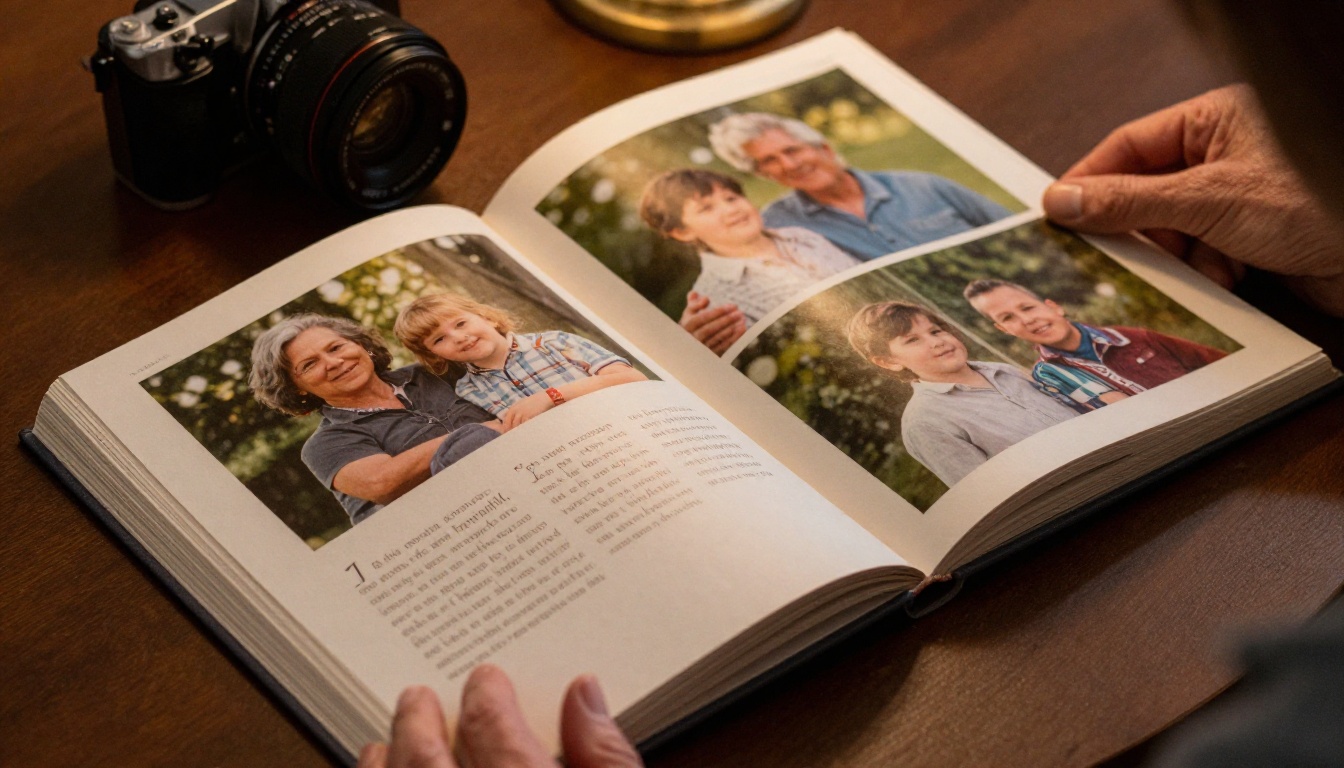
Your grandmother knows which street her first apartment was on, what her father sang while he shaved, and why she never ate peaches again after 1962. Nobody wrote any of it down. The best life story book questions to ask your parents and grandparents pull those details out while there is still time, and tools like Flipbooks AI make it easy to turn the answers into a book the whole family can open on a phone or a laptop.
This article gives you 60 questions sorted by theme, practical tips for running the conversations, and a simple way to assemble everything into a finished keepsake.
Why Ask These Questions Now
Family history disappears quietly. A parent moves, a box goes missing, a memory fades, and one day the people who could explain a photograph are no longer here to do it. A life story book fixes that by recording voice, humor, and small details, not only dates and names.
A good life story book does three things:
- It preserves facts: where people lived, worked, and married.
- It preserves personality: the jokes, the sayings, the way a story gets told.
- It gives younger relatives something to hold onto and reread.
💡 Pro tip: Start with the oldest relative you have access to. Their stories reach furthest back, and those are the hardest to replace.
How to Prepare Before You Ask
A little preparation turns an awkward quiz into a warm conversation.
Pick the Right Setting
Choose a quiet, comfortable place with no television and no rush. A kitchen table with tea works better than a formal "interview" at a desk. Aim for sessions of 45 to 60 minutes, because tired storytellers give shorter answers.
Bring Photos as Prompts
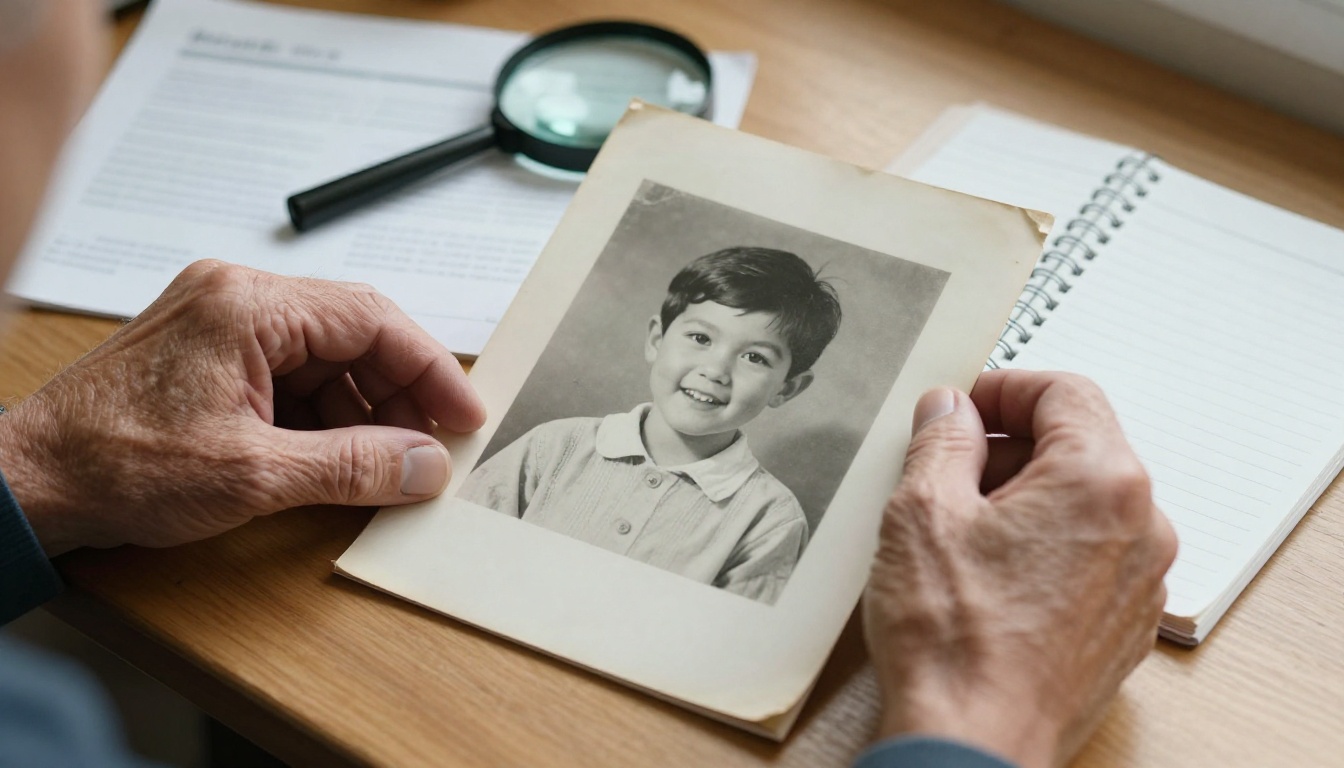
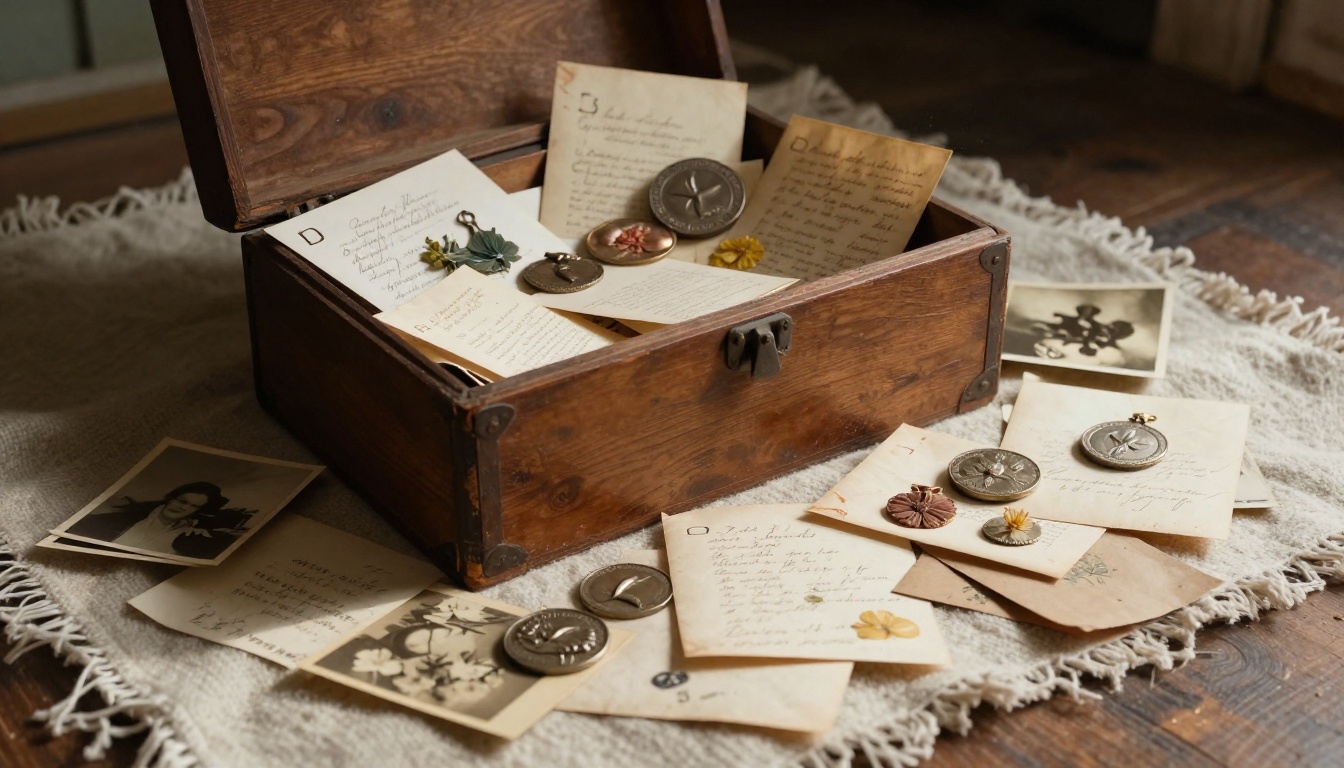
Old photographs unlock stories faster than any question. Lay five or six on the table and ask, "Who is this, and what was happening that day?" Scan them later so the originals stay safe.
Choose How You Will Record
| Method | Best For | Pros | Cons |
|---|
| Phone voice memo | Casual chats | Free, unobtrusive, easy to share | Needs transcription later |
| Video recording | Expressive storytellers | Captures gestures and faces | Can make people self-conscious |
| Handwritten notes | Quiet, private moments | No technology needed | Slow, misses wording and tone |
| Written questionnaire | Relatives far away | Answers at their own pace | Shorter, less spontaneous replies |
For most families, a phone voice memo plus a few photos is the sweet spot.

Childhood and Family Roots
These questions set the stage. Most people warm up quickly when asked about their early years.
- Where and when were you born, and what do you know about that day?
- What was your full name at birth, and who chose it?
- What is your earliest memory?
- What was the house you grew up in like? Describe each room you remember.
- Who lived with you when you were small?
- What did your parents do for work?
- What did your family eat on ordinary days and on holidays?
- What games did you play, and who did you play with?
- What chores did you have as a child?
- Which family stories did you hear again and again?
Questions About Their Parents
Ask these after the first ten. They tend to open deeper stories.
- What was your mother like when she was young?
- What did your father teach you without meaning to?
- What did your parents argue about, and what made them laugh?
- Do you know how your parents met?
✅ Best practice: Write down every nickname, pet name, and family saying. These are the details readers love most.
School Years and Growing Up
- What was your school like, and how did you get there each day?
- Which teacher do you remember best, and why?
- What subject did you love, and what did you dread?
- Who was your best friend as a teenager?
- What trouble did you get into?
- What music, films, or radio shows did you love?
- What did you want to be when you grew up?
- What was the first job you ever had, and what did it pay?
- What did you wear, and what was considered fashionable?
- What was the biggest decision you faced before turning twenty?
Turning Points
Look for the moment a life changed direction: a move, a loss, a lucky meeting. Ask "What would have happened if you had said no?" and then stay quiet. The pause often produces the best answer.
Love, Marriage, and Raising a Family
This section produces some of the warmest pages in any life story book.
- How did you meet your husband, wife, or partner?
- What did you notice about them first?
- What was your first date or first conversation like?
- How did the proposal happen, or how did you decide to commit?
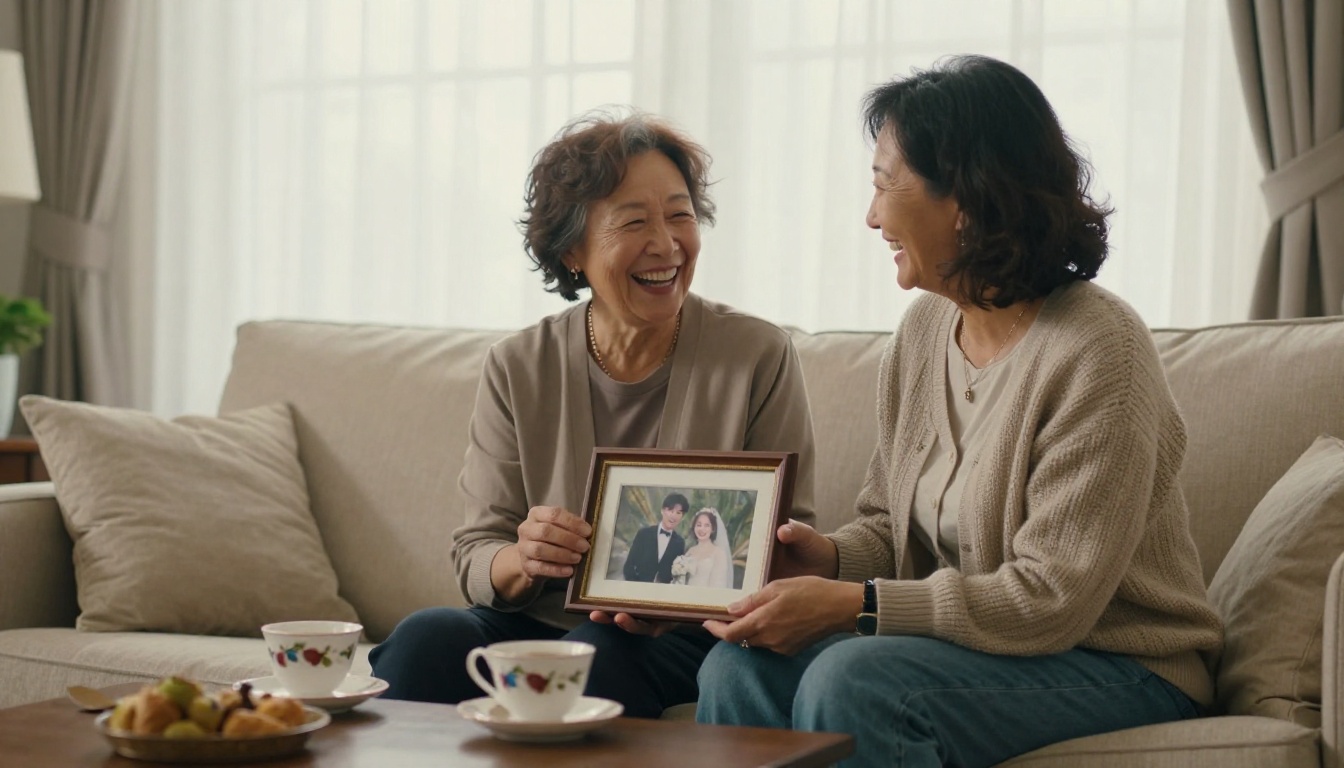
- Tell me about your wedding day. What do you remember most?
- What was your first home together like?
- What was it like the day your first child was born?
- What was the hardest part of raising children?
- What advice about marriage would you give a young couple?
- What traditions did you begin that you hope will continue?
⚠️ Handle with care: Some memories involve grief, divorce, or hardship. Let your relative decide how much to share, and always ask permission before including sensitive stories in a book other people will read.
Work, Hard Times, and Big Events
- What jobs did you have over your lifetime, and which did you enjoy most?
- What was a normal workday like?
- What was the proudest moment of your career?
- Did you ever fail at something and have to start again?
- How did your family handle money when you were young?
- Which historical events do you remember living through?
- How did major events change your daily life?
- What was the hardest period of your life, and what got you through?
- Who helped you when you needed it most?
- Have you ever moved far from home? What was that like?
Matching Question Style to Personality
| Relative's Style | Question Approach | Example |
|---|
| Talkative storyteller | Open prompts, then listen | "Tell me about the summer you worked at the mill." |
| Quiet and reserved | Specific, concrete questions | "What was on the table at Sunday dinner?" |
| Humorous | Invite funny memories | "What is the silliest thing that ever happened to you?" |
| Hesitant about the past | Start with photos, not feelings | "Who is standing next to you here?" |
Wisdom, Values, and Personal Beliefs
These questions give a life story book its heart. Readers often return to these pages years later.
- What are you proudest of?
- What do you wish you had done differently?
- What lesson took you the longest to figure out?
- What does a good life look like to you?
- What role has faith, community, or tradition played in your life?
- What do you want your grandchildren to remember about you?
- What advice would you give your younger self?
- What are you most grateful for?
- What do you worry about for younger generations, and what makes you hopeful?
- What would you say to someone who is about to read this book fifty years from now?

Everyday Details and Fun Extras
Small details make a book feel alive. Finish with these lighter questions.
- What is your favorite meal, and who taught you to cook it?
- What smell takes you right back to childhood?
- What was your most treasured possession?
- What is the best trip you ever took?
- What song do you want played at your birthday?
- What is a family recipe that should never be lost?
- Which pet do you remember most fondly?
- What was the funniest moment you can recall?
- What is a habit people would recognize as "yours"?
- If you could relive one day, which would it be?
💡 Pro tip: Ask a recipe question and photograph the handwritten card. Recipes with a story attached are the pages people print and frame. The Recipe Book Flipbook tool is built for exactly that.
Interview Tips That Work
Even great questions fall flat without good listening. Use these habits:
- Ask one question at a time. Stacking three questions gets one short answer.
- Follow the story. If a tangent appears, go with it. Write the next question down for later.
- Use "tell me more." It works better than "why?" and never feels like pressure.
- Respect silence. Count to five before you speak again.
- Repeat key names and places back so you spell them correctly.
- Split it across several visits. Three short sessions beat one marathon.
Common Mistakes
- Interrupting to correct a date. Check facts afterward.
- Skipping the small stuff. Smells, songs, and street names matter.
- Waiting for a "perfect" time. Start with five questions today.
Turn Answers Into a Digital Life Story Book
Once you have recordings, notes, and scanned photos, assemble them. A printed book is lovely, but a digital flipbook can be shared with every cousin at once, played with audio, and updated whenever someone remembers something new.
How to Create Your Life Story Flipbook
- Write up the answers. Transcribe your voice memos and tidy them lightly, keeping your relative's own wording.
- Lay out the pages. Pair each story with a photo and a short caption: who, where, and roughly when. Export the layout as a PDF from any word processor or design app.
- Create your account. Sign up for Flipbooks AI and upload your PDF. The PDF to Flipbook Converter turns it into a page-turning book in moments.
- Customize the look. Pick a cover color, add page-turn effects, and embed audio clips so readers can hear grandma tell the story in her own voice. Flipbooks AI supports embedded video and audio.
- Share it. Send a direct link, embed it on a family website, or add password protection so only relatives can open it.
- Extra features. Offline downloads let relatives without good internet keep a copy, and Professional plan analytics show who has opened the book.

Format Comparison
| Format | Sharing | Audio and Video | Updating | Cost to Copy |
|---|
| Printed book | One copy at a time | No | Reprint needed | High per copy |
| PDF file | Email attachment | No | Resend file | Free |
| Digital flipbook | One link for everyone | Yes | Replace the file | Free |
| Photo album | In person only | No | Add pages by hand | High |
For related ideas, the Interactive E-Book Publisher and the Wedding Album Flipbook tools suit specific chapters. Flipbooks AI never adds watermarks, and the Standard plan and above allow unlimited flipbooks, so you can make one book per grandparent.
✅ Best practice: Put a short note on the first page saying who interviewed whom and when. Future readers will thank you.
Sample Plan: Five Weeks to a Finished Book
| Week | Task | Outcome |
|---|
| 1 | Choose people, gather photos, test recording | Ready to interview |
| 2 | Childhood and family roots questions | First chapter material |
| 3 | School, love, and marriage questions | Core stories |
| 4 | Work, wisdom, and fun extras | Personal touches |
| 5 | Transcribe, lay out pages, build the flipbook | Shareable book |
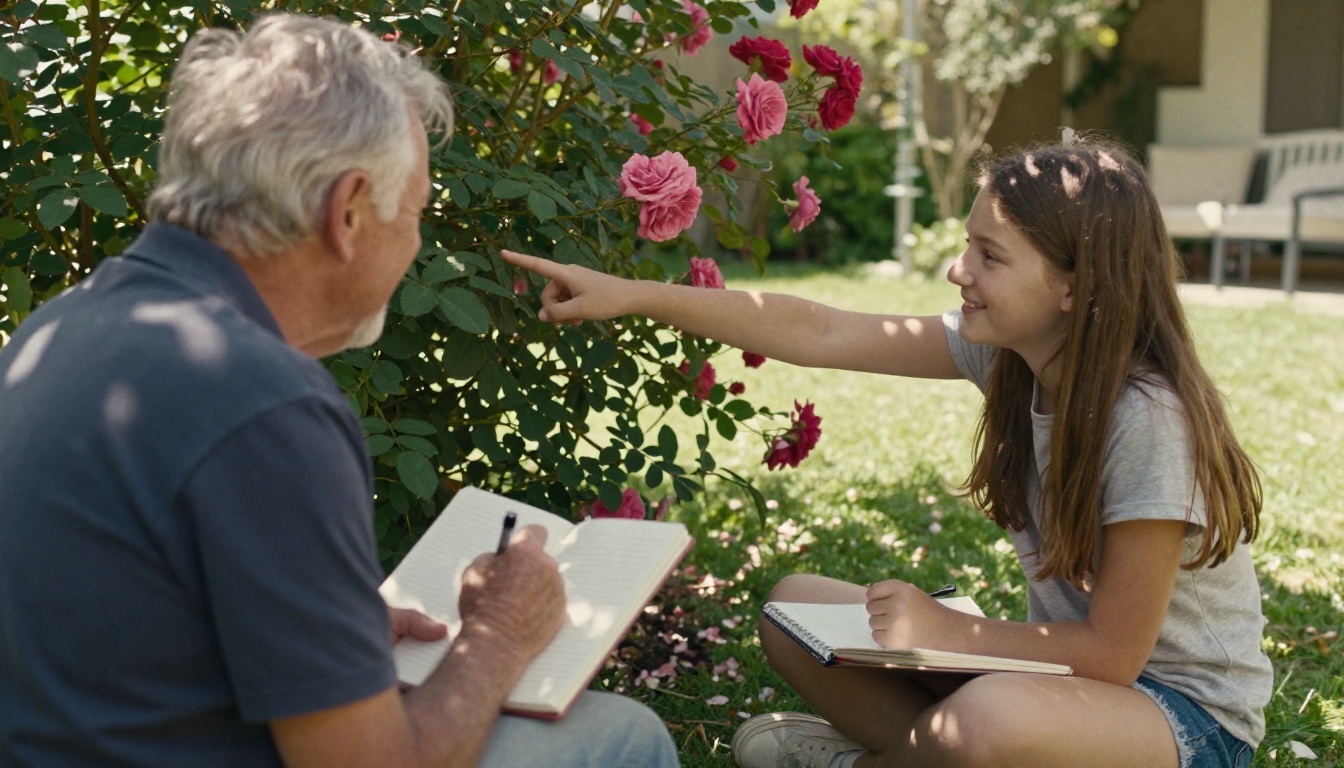
A real example: one granddaughter spent twenty minutes each Sunday asking her grandfather six questions. After five weeks she had 30 stories, 24 scanned photos, and a flipbook that every cousin received on the same afternoon.
Start Your Family Book Today
Pick three questions from this list and call a parent or grandparent this week. You do not need a perfect plan, only a phone and a few quiet minutes.
When you are ready to assemble the pages, get started for free on Flipbooks AI, browse all flipbook tools and templates for other family projects, or compare pricing plans to pick what suits your book. The stories are out there right now, and every one you save becomes a gift for generations to come.