A buyer opens your email, scans the first page for about eight seconds, and either keeps reading or moves on to the next brand in the inbox. What they see in those eight seconds decides everything. If you send a gorgeous lookbook with no prices, they cannot order. If you send a dense price sheet with no mood, they cannot picture the collection in their store. The format you choose matters as much as the clothes. Tools like Flipbooks AI now let brands package all three formats in one link, but first you need to know what each one does best.
This article compares the line sheet, the lookbook and the catalog from the buyer's side of the table. You will see exactly what each document contains, when it wins, and how to build a sales kit that gets orders instead of polite silence.
The Short Answer
Wholesale buyers want a line sheet to place an order, a lookbook to feel the brand, and a catalog to dig into a broad assortment. Most buyers ask for the line sheet first, because it contains the numbers they need to make a purchasing decision: styles, sizes, wholesale prices, minimums and delivery dates.
💡 Pro tip: If you can only send one document, send the line sheet. If you can send two, add a lookbook. The catalog matters once your range is large enough to need real navigation.
| Format | Main job | Buyer reaction | Contains prices? |
|---|
| Line sheet | Close the order | "Now I can budget" | Yes, wholesale and retail |
| Lookbook | Sell the vision | "I can see this in my store" | Rarely |
| Catalog | Show the full range | "I can find everything" | Usually yes |
What a Line Sheet Really Is
A line sheet is a concise, product-focused document that lists everything a retailer needs to buy from you. Think of it as an order form with pictures. It is usually one to six pages, and each product gets a small photo, a style number, a short description, available colors, size range, wholesale price and suggested retail price.

What Belongs on It
- Brand logo and contact details at the top of every page
- Style number and name for each item, so orders match your inventory system
- Wholesale price and MSRP side by side, so buyers see the margin at a glance
- Size and color availability with the exact range offered
- Order minimums and any case-pack rules
- Delivery windows and payment terms
- Fabric composition and country of origin
Why Buyers Love It
Buyers compare dozens of brands in a single week. A line sheet lets them calculate margins in seconds, drop styles into a spreadsheet and forward the document to a colleague. It is boring in the best possible way.
Where It Falls Short
A line sheet does not sell emotion. Small thumbnails cannot show drape, styling or the attitude of the collection. A buyer who has never heard of your brand needs more than a row of tiny photos before taking a risk on an opening order.
What a Lookbook Does Best
A lookbook is a visual story. It shows the collection styled on models, in locations, with a mood. Page count ranges from 8 to 40, and text is minimal. Names of styles may appear in small captions, but the document is built to make someone want the clothes.

The Buyer's View
Retailers use lookbooks to answer one question: does this brand fit my customer? A boutique that sells relaxed coastal linen will not order sharp tailoring, no matter how good the price. The lookbook tells them that within a few pages.
What Makes a Lookbook Work
- Open with the strongest look. The first spread sets the tone for the whole season.
- Group by story. Outfits, not isolated items, help buyers imagine how to merchandise a rack.
- Keep captions short. Style numbers let buyers jump back to the line sheet.
- Show scale and fit. Include a few full-length, unretouched shots.
- End with a clear next step. A contact line or order link beats a blank back page.
⚠️ Warning: A lookbook with no style numbers forces buyers to guess which piece is which. That friction kills orders more often than bad photography does.
Where It Falls Short
Lookbooks are expensive to produce and tricky to update. Photographing every colorway is unrealistic, so buyers still need the line sheet to verify what is available.
Why Catalogs Still Matter
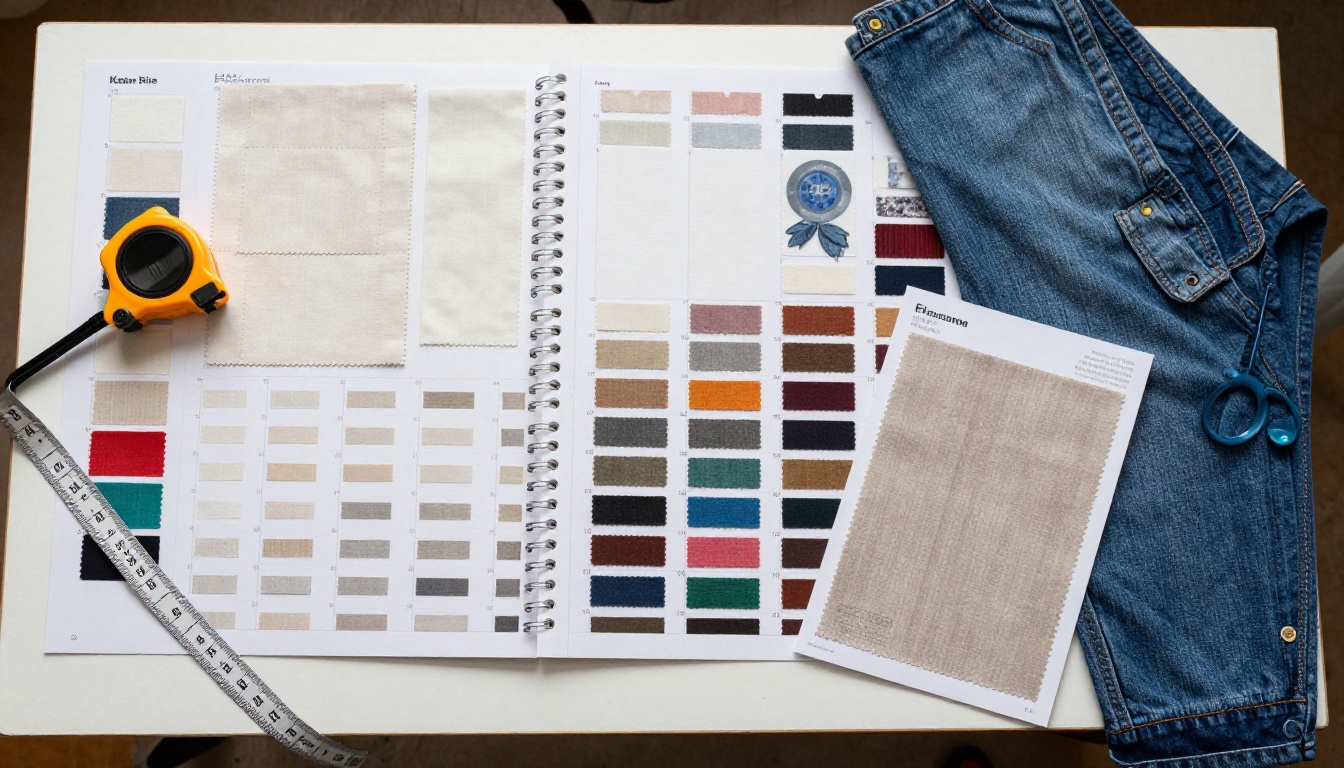
A catalog is the broadest of the three formats. It lists the entire assortment, often with multiple photos per product, detailed specs, size charts and sometimes fabric swatches. A catalog suits brands with large ranges such as accessories, home textiles, footwear or basics in many colors.
When a Catalog Is the Right Call
- You carry more than 100 styles per season
- Buyers reorder from year to year and need a permanent reference
- Your products come in many variants such as sizes, finishes or materials
- You sell through distributors who build their own assortments
When It Is Overkill
If you launch a capsule of 20 pieces, a catalog adds length without adding clarity. Two or three pages of line sheet plus a short lookbook will do a better job.
Side by Side Comparison
The table below puts the three documents against the criteria buyers actually care about.
| Criteria | Line sheet | Lookbook | Catalog |
|---|
| Typical length | 1 to 6 pages | 8 to 40 pages | 20 to 200 pages |
| Image size | Small thumbnails | Full-page editorial | Medium, several per item |
| Wholesale pricing | Always | Almost never | Often |
| Brand storytelling | Low | Very high | Medium |
| Production cost | Low | High | Medium to high |
| Update speed | Fast | Slow | Medium |
| Best moment to send | Right after first contact | Before a meeting | When the buyer wants range depth |
| Ordering readiness | High | Low | Medium |
What Buyers Say They Want
Buyers are consistent about their frustrations, regardless of whether they run a two-room boutique or a regional chain. These complaints come up again and again.
- "I can't find the wholesale price."
- "The PDF is 80 MB and my email bounced."
- "I don't know which items are still available."
- "The photos look great but I can't tell the fabric."
- "I need it on my phone because I review orders on the train."

Notice that none of these complaints are about design. They are about access, clarity and speed. A mediocre layout that opens instantly and shows prices will beat a beautiful document that is hard to open.
Format Preference by Buyer Type
| Buyer type | Usually asks for | Why |
|---|
| Independent boutique | Lookbook plus line sheet | Needs brand fit and clear minimums |
| Department store | Line sheet and catalog | Needs full assortment and data |
| Online retailer | Catalog plus images | Needs product data and photos |
| Gift and concept shop | Lookbook and short line sheet | Curates by mood and story |
| Distributor | Catalog and price list | Builds a large assortment |
Real-World Scenarios
A Small Apparel Label
A designer with a 24-piece spring collection sends a two-page line sheet and a 12-page lookbook. The line sheet drives orders; the lookbook helps boutiques decide whether they want to book a showroom appointment. A catalog would be wasted effort at this stage.

A Homeware Brand With 300 SKUs
Here the catalog is the backbone. A short lookbook sets the mood, but buyers spend most of their time in the catalog's product pages, searching by collection and color. A one-page line sheet summarizes minimums and best sellers.
A Footwear Brand Selling Internationally
International buyers often review documents on their own schedule, in a different time zone, without a rep present. A self-explanatory digital catalog with embedded price lists answers questions before they are asked.
Why Digital Beats Static PDFs
Whatever format you choose, the delivery method counts. Plain PDFs have real problems: large files bounce, links stop working, versions get mixed up, and you never know whether anyone opened the thing. A digital flipbook solves each of those.
- Instant loading on any device, no download needed
- One link that always shows the latest version
- Embedded video and audio for runway clips or designer notes
- Password protection so wholesale prices stay private
- Analytics to see which pages buyers viewed and for how long
- No watermarks on any plan

✅ Best practice: Keep wholesale prices behind a password. Retail-facing materials can stay public, but protect anything that includes your trade pricing.
How to Build a Wholesale Flipbook
You can turn your existing line sheet, lookbook and catalog into one connected sales kit in an afternoon. Here is the workflow with Flipbooks AI.
Step 1: Prepare Your PDFs
Export each document as a PDF. Keep the line sheet at one page per spread when possible, and compress oversized images below 200 KB each before export. Use consistent style numbers across all three files.
Step 2: Upload and Convert
Create an account at Flipbooks AI and upload each PDF. The conversion takes seconds and produces a page-turning flipbook that works on phones, tablets and desktops. For a lookbook, the Lookbook Flipbook Builder and the Interactive Lookbook Designer are good starting points. For product ranges, try the Fashion Catalog Creator or the Digital Catalog Maker.
Step 3: Brand It
Add your logo, pick colors that match your packaging, and choose the page-turn effect. Subtle effects look more professional for fashion. Add a short video of the collection on the first page if you have one.
Step 4: Add Links Between Documents
Link style numbers in the lookbook to the matching line in the line sheet. Link the line sheet's contact block to your order form or email. This turns three documents into one browsing experience.
Step 5: Set Access and Share
Choose the sharing method that fits your buyer:
- Direct link for email and messaging apps
- Embed code for your wholesale portal, using the Embed Flipbook on Website tool
- Password protection for trade pricing
- Offline download for trade show floors with weak Wi-Fi
Step 6: Track and Follow Up
On the Professional plan, analytics show which pages each buyer opened and how long they stayed, and lead capture collects contact details before access. Compare pricing plans to see which tier fits your volume. A buyer who spent four minutes on your outerwear page is a better follow-up call than one who bounced after ten seconds.
Building the Ideal Sales Kit
The strongest wholesale presentations do not force buyers to pick. They sequence the three formats so each one does its job at the right moment.

The Sequence That Works
- First email: a short note with the lookbook link, to earn attention
- Within the same message: a line sheet link, so interested buyers can act immediately
- After a reply: the catalog, for buyers who want the full range
- After the first order: a reorder-friendly line sheet with current availability
Quick Checklist Before You Send
| Check | Done? |
|---|
| Style numbers match across all documents | ☐ |
| Wholesale and retail prices are correct | ☐ |
| Minimums and delivery dates are stated | ☐ |
| Files open fast on a phone | ☐ |
| Contact details appear on every document | ☐ |
| Trade pricing is password protected | ☐ |
Common Mistakes to Avoid
- Sending only a lookbook. Buyers love it and still cannot order.
- Hiding prices. "Contact us for pricing" loses buyers who have ten other brands to review.
- Mismatched style numbers. A lookbook SKU that is missing from the line sheet creates confusion and delays.
- Outdated availability. Static PDFs show sold-out styles for months. A live link avoids that.
- Oversized files. If it does not open on mobile within a few seconds, the buyer is gone.
💡 Pro tip: Name every file with the brand and season, such as "BrandName_SS27_LineSheet", so buyers can find it again in a crowded inbox.
So Which One Wins?
The line sheet wins the order, the lookbook wins the first impression, and the catalog wins the large account. The honest answer to the question in the title is that buyers want all three, in the right order, in a format that opens instantly and keeps prices private.

Ready to bring all three formats into a single link? Get started for free on Flipbooks AI, browse all flipbook tools to find the right template for your collection, and compare pricing plans to pick the one that fits your wholesale volume.



