A buyer at the top of the market has already seen the floor plan, the price and the listing photos online. What they have not seen is themselves living there. The best luxury real estate brochure examples close that gap, and today you can build one as an interactive flipbook in minutes with Flipbooks AI instead of waiting weeks on a print run.
This article walks through the brochure styles that work, what each page should carry, how to write copy that sells a morning routine instead of a room count, and how to publish the result so it follows the buyer everywhere.
Why Lifestyle Beats Specs
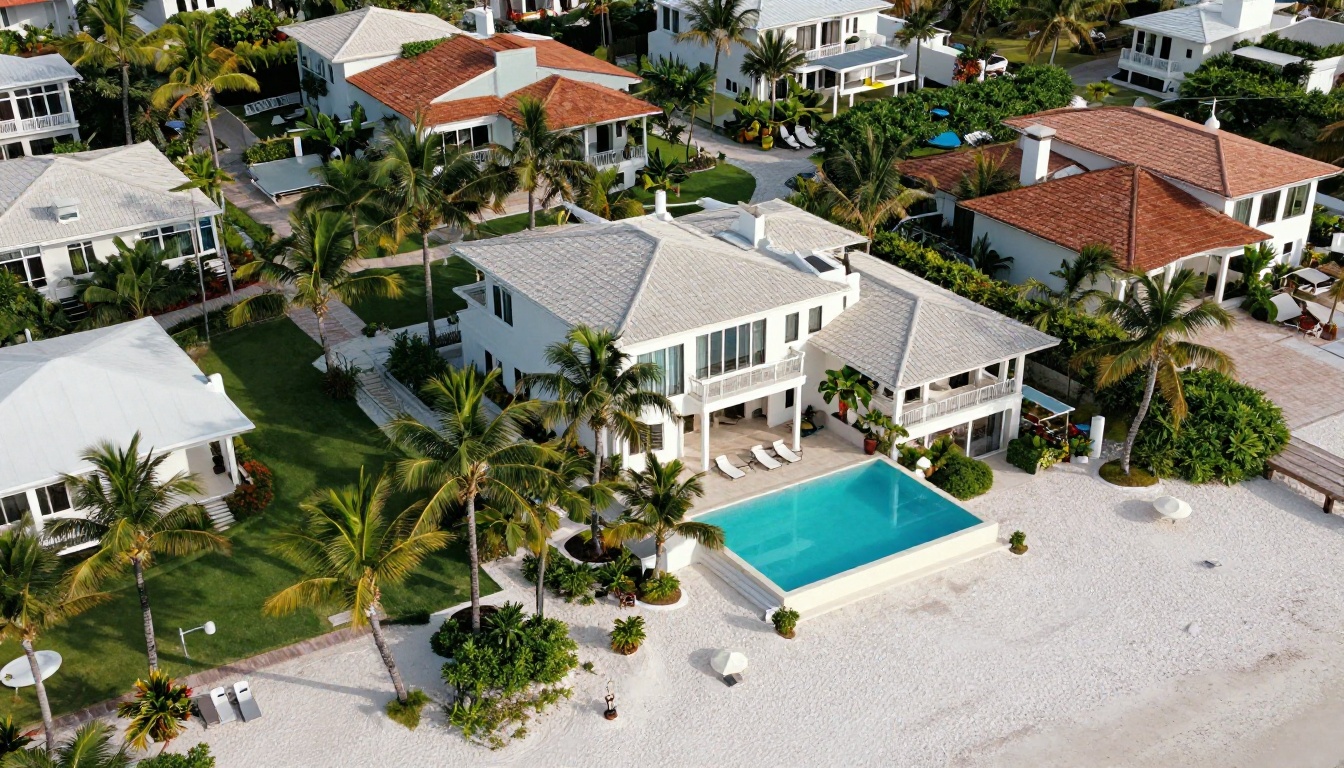
Ultra-high-net-worth buyers compare homes that all have a pool, a wine cellar and a view. Specs stop being a differentiator. The thing that tips the decision is emotional proof: can I see my family at that table, my mornings on that terrace?
A spec-led brochure says "6 bedrooms, 7 baths, 9,200 sq ft." A lifestyle-led brochure says "Six bedrooms, so everyone you love can stay for the whole summer." Same facts, completely different feeling.
💡 Pro tip: Put one spec and one feeling on every spread. Facts earn trust, feelings earn the viewing.
What Luxury Buyers Actually Want
- Privacy and calm: quiet roads, gated entries, mature landscaping
- Effortless hosting: kitchens, terraces and pools built for gatherings
- Provenance: the architect, the materials, the story of the land
- Proximity to experiences: marinas, vineyards, ski lifts, private clubs
- Proof of quality: craftsmanship details they can almost touch
The Cost of Getting It Wrong
Generic copy and stock-looking photography signal a generic home. At this price point, a weak brochure quietly tells the buyer that the seller did not care enough to present the property well.
Luxury Real Estate Brochure Examples by Property Type
Different properties sell different dreams. Here is how the strongest brochures adapt.
| Property type | Lead image | Core promise | Best opening line style |
|---|
| Coastal villa | Golden hour terrace and sea | Slow summers, open horizons | Sensory, one sentence |
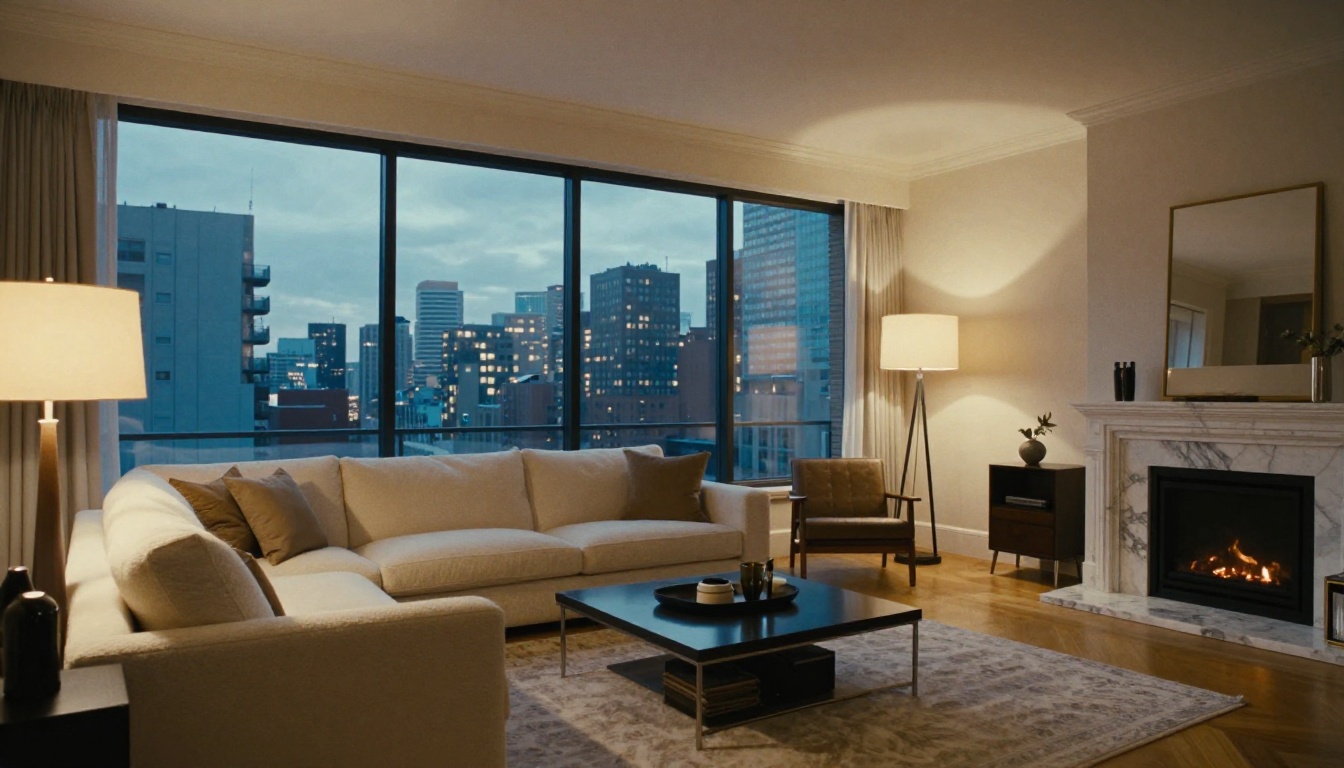
| City penthouse | Skyline at dusk from the living room | Effortless sophistication | Confident and short |
| Mountain chalet | Fireplace with snow outside | Warm retreat after the slopes | Cozy, story driven |
| Country estate | Aerial of land and main house | Legacy and space | Historical or poetic |
| Waterfront home | Dock at sunrise | Life that starts on the water | Atmospheric |
Example 1: The Coastal Villa Brochure
Open with a full-bleed terrace photograph and a single line: "Breakfast here is never rushed." Page two shows the floor plan alongside a short morning-to-evening timeline: coffee on the east deck, lunch under the pergola, sunset drinks by the infinity edge.
The strongest coastal brochures treat the sea as a character. Every spread references light, water or air.
Example 2: The City Penthouse Brochure
Penthouse buyers value restraint. Use generous white space, one large photograph per spread and very little text. A single quote from the architect about the double-height ceiling does more than three paragraphs of adjectives.
Example 3: The Mountain Chalet Brochure
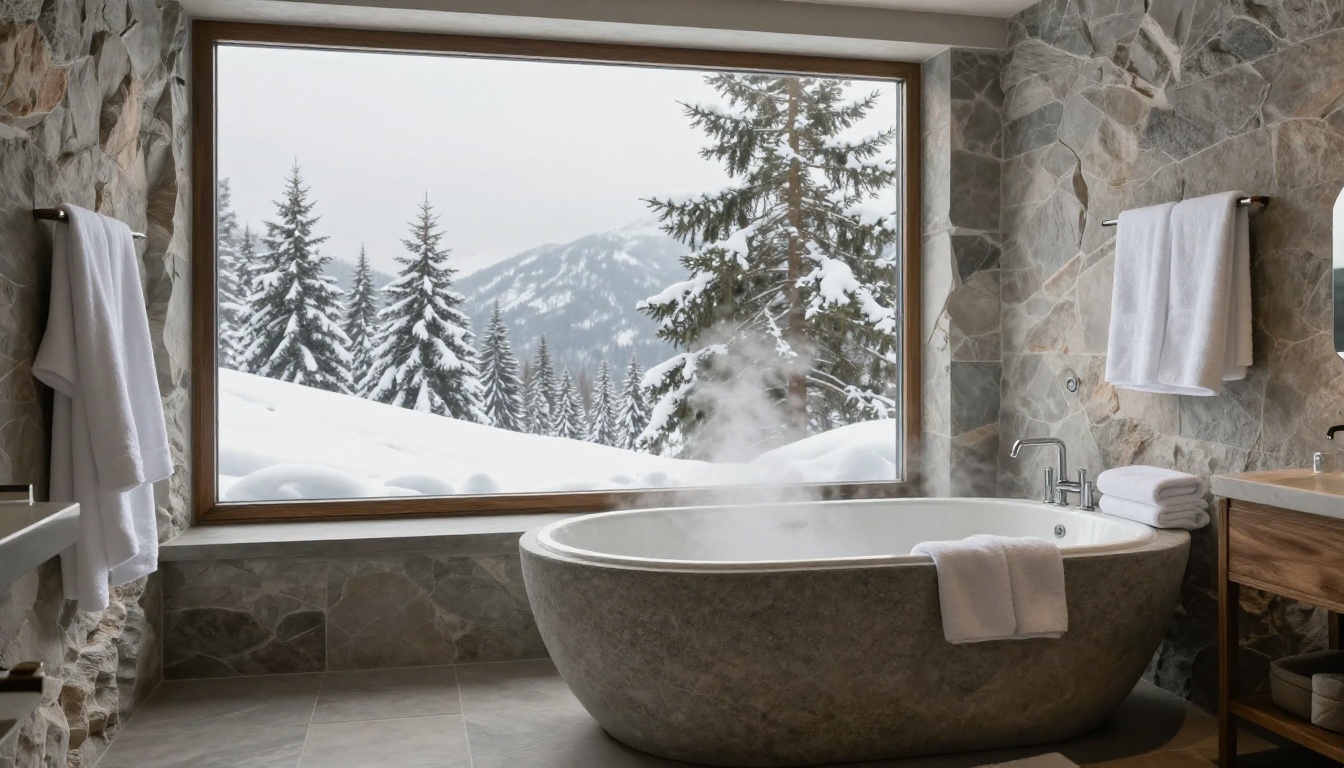
Seasonality matters here. Show winter and summer versions of the same view side by side. Include a short "A day at the chalet" section covering ski-in access, the spa bathroom and the evening fireplace.
The Anatomy of a Page That Sells
Every high-end brochure follows a rhythm. Think of it as a short film with a clear opening, a middle and a closing invitation.
The Opening Spread
One image. One line. No logo clutter. The goal is a breath, not an announcement.
The Story Spread
Explain who built the home, why the land matters and what makes it different. Keep it under 120 words. Luxury readers value brevity because it signals confidence.
The Room-by-Room Spreads
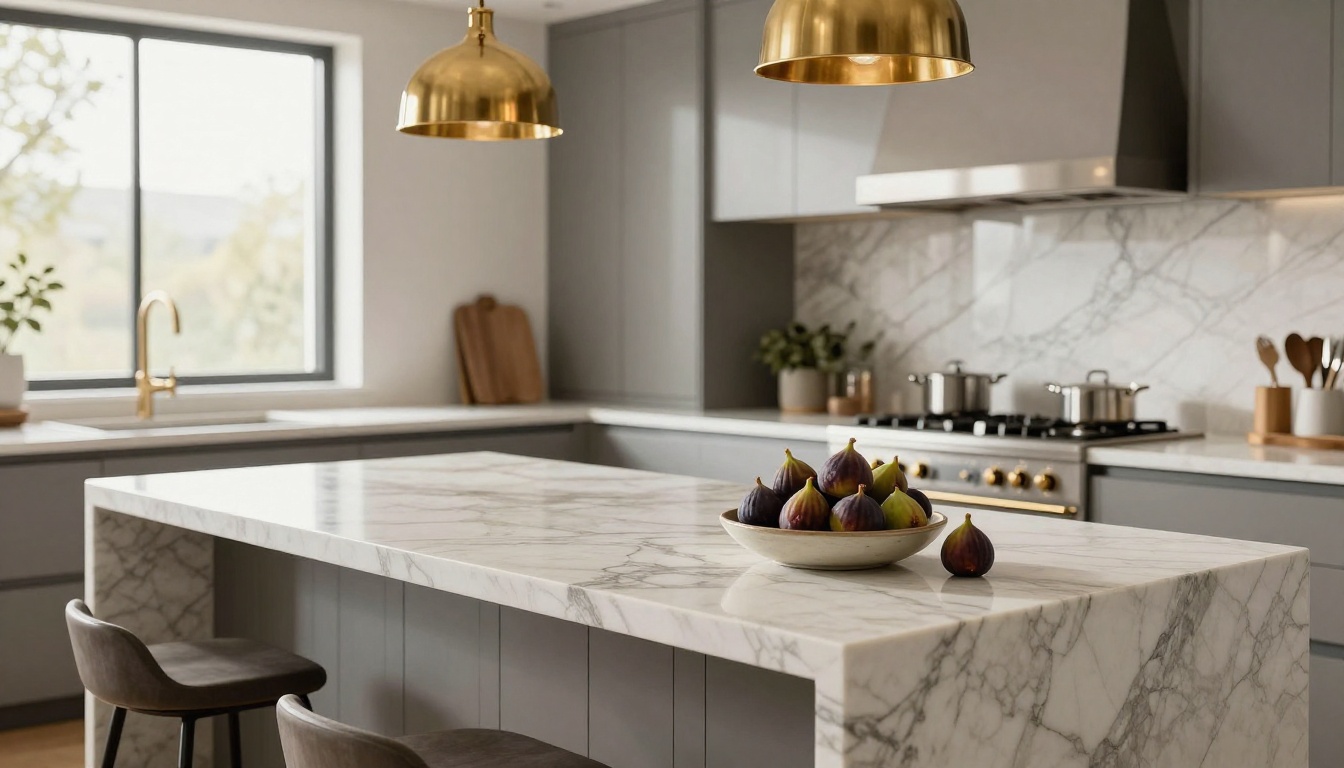
Give the kitchen, living areas, bedrooms and outdoor spaces each a spread. Pair a wide shot with one tight detail, such as the marble veining or a brass fixture.
The Lifestyle Spread
This is where the brochure earns its price. Show people using the space: a couple on the terrace, friends around the island, a quiet morning by the water.

The Details and Contact Spread
Close with the practical facts: plot size, interior area, bedrooms, year built, nearest airport and one clear contact path. Make the next step obvious and easy.
✅ Best practice: Keep the property facts on a single spread so a buyer can screenshot or share it without hunting through the document.
Copywriting That Sells a Feeling
Good luxury copy is specific, sensory and short. Compare the two columns below.
| Weak copy | Strong copy |
|---|
| "Stunning ocean views" | "The sea fills every window by 7 a.m." |
| "Gourmet kitchen" | "A kitchen built for Sunday lunches that run until dark" |
| "Spacious master suite" | "A bedroom that opens onto the sunrise" |
| "Resort-style pool" | "An infinity edge that merges with the horizon" |
| "Prime location" | "Eight minutes from the marina, a world away from the crowd" |
Rules for Tone
- Write in the present tense, as if the buyer already lives there.
- Use one sensory detail per paragraph: a sound, a scent, a texture.
- Cut every adjective that could describe any house.
- Never shout. Quiet confidence is the luxury register.
- End each spread on an image, not a sentence.
⚠️ Warning: Avoid superlatives like "the best" or "unparalleled." Buyers at this level distrust them. Specific facts are more persuasive.
Photography Choices That Raise Perceived Value
Photography is roughly 80 percent of a luxury brochure's impact. Treat it that way.
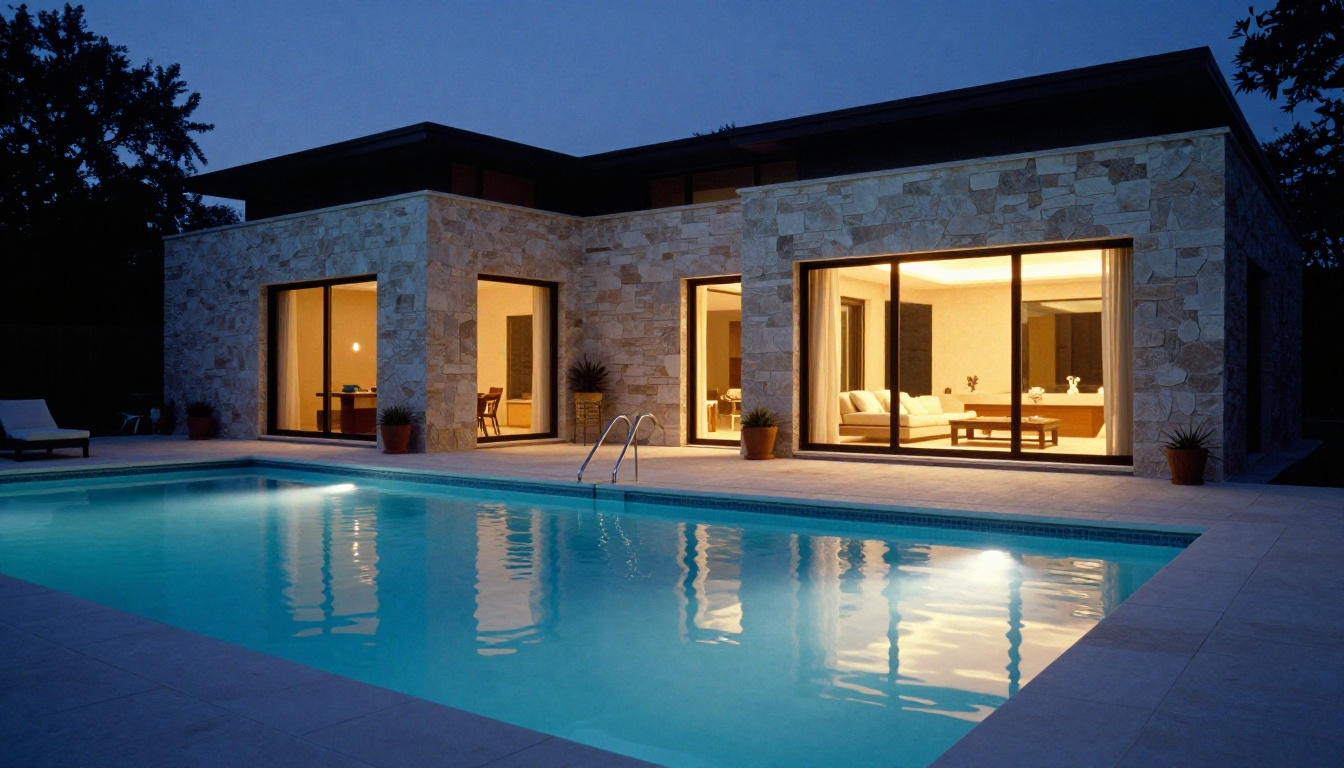
- Shoot at golden hour and blue hour. Warm exterior light and glowing windows add instant atmosphere.
- Vary your angles. Mix aerial, low-angle, eye-level and detail shots so the pages never feel repetitive.
- Stage with restraint. Fresh fruit, linen, a single book. Avoid clutter.
- Include a human moment. One image of people using the space makes the rest feel lived in.
- Show context. Neighborhood, harbor, vineyards and access roads are part of what the buyer is purchasing.
A Simple Shot List
| Shot | Purpose | Ideal time |
|---|
| Aerial of property and land | Scale and setting | Early morning |
| Twilight exterior | Drama and warmth | Blue hour |
| Hero living space | Emotional anchor | Late afternoon |
| Kitchen detail | Craft and hosting | Morning |
| Terrace with people | Lifestyle proof | Golden hour |
| Bathroom or spa | Retreat feeling | Soft daylight |
| Local context | Neighborhood value | Any good light |
Print, PDF or Flipbook?
Most agents still send a PDF or hand over a printed book. Both have a place, but they behave very differently once the buyer leaves the room.
| Format | Strengths | Weaknesses |
|---|
| Printed brochure | Tactile, memorable at viewings | Costly, slow to update, impossible to track |
| Static PDF | Easy to attach | Heavy files, no motion, no analytics |
| Interactive flipbook | Page-turn feel, video, links, analytics | Needs a link or embed to share |
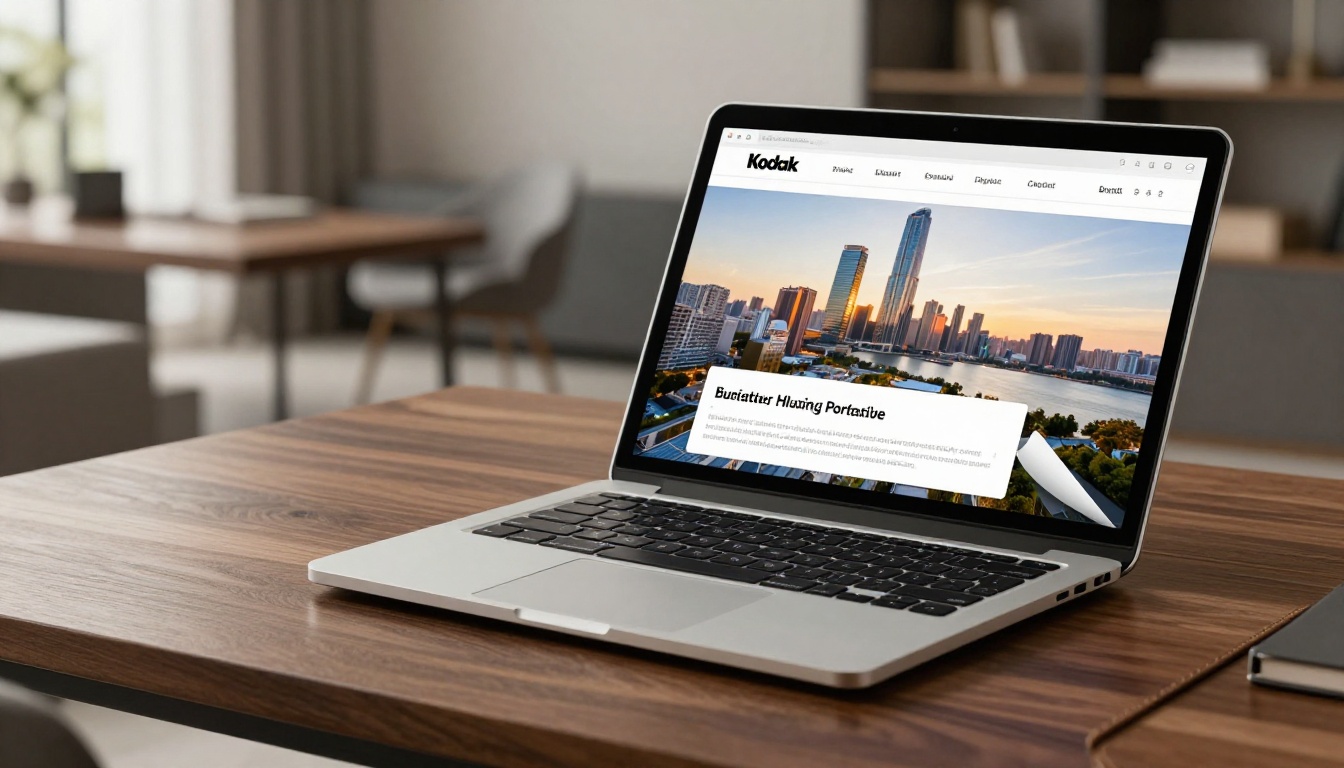
A flipbook keeps the page-turn elegance of print and adds what print cannot: embedded video, a one-tap contact button, password protection for private listings and real data on who opened the brochure.
When Print Still Wins
Keep a small run of printed copies for in-person viewings. Hand them over as a gift, and place a QR code on the back that opens the flipbook for sharing with family and advisors.
How to Create a Luxury Brochure Flipbook with Flipbooks AI
The Real Estate Brochure Creator turns a finished design into a shareable experience. Follow these steps.
- Create your account. Visit Flipbooks AI and sign in. You can start with a free account to test your first listing.
- Upload your PDF. Export your brochure from your design tool at high resolution, then drag the file in. The PDF to Flipbook Converter turns each page into a smooth page-turning spread.
- Apply your branding. Set your agency colors, add your logo, pick a background that matches the property and choose a page-turn effect. Keep it subtle for a luxury feel.
- Add multimedia. Embed a drone video of the grounds, an audio welcome note from the architect or a virtual walkthrough link.
- Set privacy. For off-market homes, enable password protection so only invited buyers can open it.
- Share it. Copy the direct link, send it by email or message, or use the Embed Flipbook on Website option to place it on your listing page.
- Track interest. On the Professional plan, analytics show which pages were read longest and lead generation forms capture contact details. See the pricing plans for details.
💡 Pro tip: If page six of your brochure is where buyers linger, build your follow-up call around the terrace and outdoor living story.
Features Worth Using
- ✅ No watermarks, ever
- ✅ Unlimited flipbooks on the Standard plan and above
- ✅ Password protection for private listings
- ✅ Analytics and lead generation on the Professional plan
- ✅ Offline downloads for buyers traveling without signal
- ✅ Embedded video and audio
- ✅ Mobile-responsive design
- ✅ Custom branding
Mistakes That Weaken Luxury Brochures
Too Many Words
If a spread has more than 80 words, split it. White space is part of the product.
Inconsistent Photography
Mixing bright midday shots with moody dusk images makes the property look uneven. Plan the shoot as a set.
No Clear Next Step
Every brochure needs a visible contact path. Add a name, a direct number and a link to book a private viewing.
Treating the Brochure as a Fact Sheet
Buyers can find facts anywhere. A brochure exists to create desire. Let the images and the short story do that work.

A Quick Planning Checklist
Before you design, answer these questions.
- Who is the most likely buyer and where do they live today?
- What three feelings should the home evoke?
- Which single image will open the brochure?
- What is the one fact every reader must remember?
- How will the brochure be shared: print, link, embed or all three?
For agents handling multiple property types, other formats may fit too. The Hotel Brochure Designer works well for branded residences with hospitality services, and the Brochure Flipbook Maker suits quick development launches.
Ready to Build Yours?
The properties that sell fastest are the ones buyers can already feel. Take your best photography, write a few honest lines about the life the home allows, and publish it where buyers will actually open it.
Get started for free on Flipbooks AI, browse all flipbook tools, or compare pricing plans to choose the one that fits your listings. When you are ready to publish at scale, head to the account page and pick your plan.



