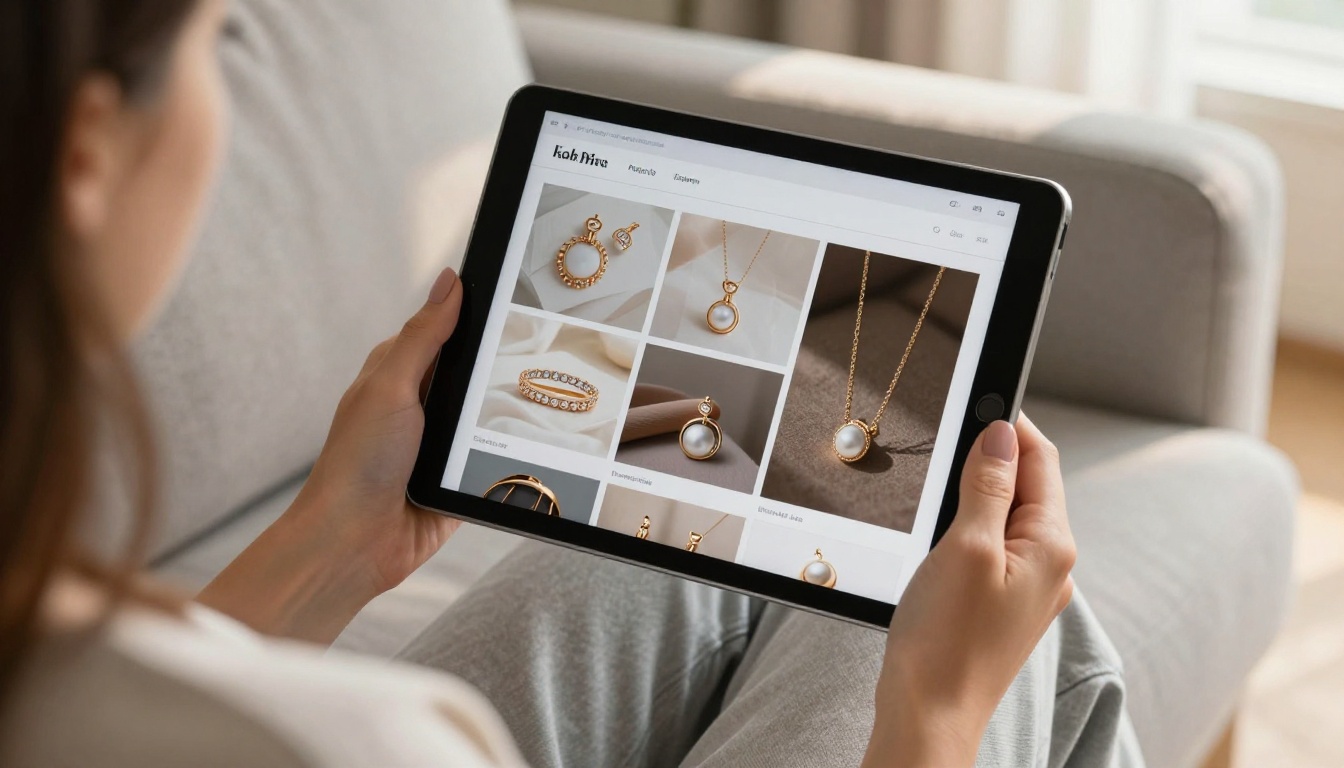
Jewelry deserves a better stage than a scrolling product page. When someone browses a ring, a bracelet, or a layered necklace set, they want to feel the experience of turning through something beautiful, not clicking through a clunky product grid. That is exactly what a digital flipbook delivers. With Flipbooks AI, you can take your jewelry catalog and turn it into an interactive, page-flipping publication that works on every device and shares in seconds.
Why Static Catalogs Fail Jewelry Brands
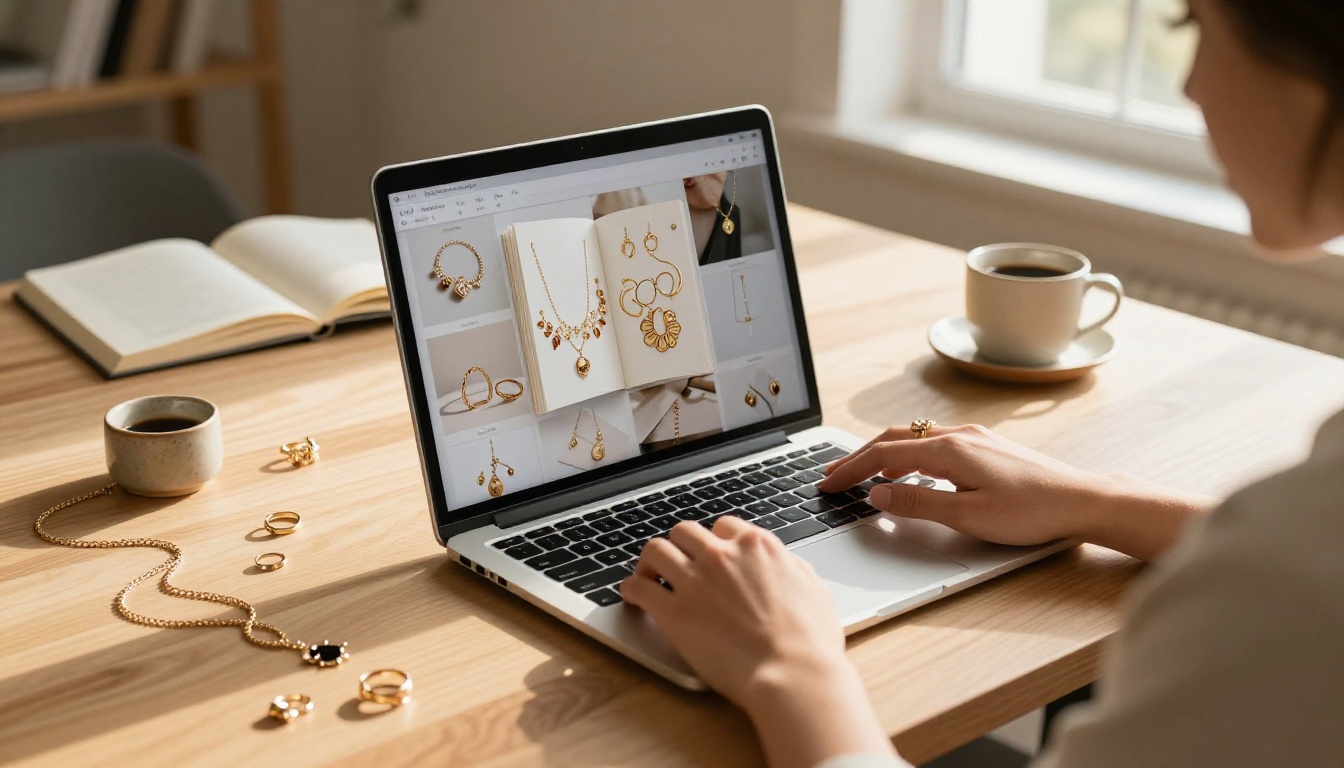
What buyers actually want
Jewelry shopping is emotional. People buy a necklace because it reminds them of something, because it completes an outfit, because they want to give it as a gift. A flat image on a white background does not create that feeling. A magazine-style flipbook with full-bleed photography, styled spreads, and easy navigation does.
When buyers flip through a beautifully designed digital catalog, they spend more time with your products. They see how pieces look together. They notice the details. That browsing time translates directly into higher purchase intent, more inquiries, and more sales.
The problem with PDFs and image dumps
Sending a PDF attachment feels clunky. Sharing a Google Drive folder of product photos is worse. Neither option is branded, neither loads well on mobile, and neither gives you any insight into what people actually looked at. A flipbook solves all three problems at once.
💡 A flipbook is not just a prettier PDF. It is a shareable, embeddable, trackable digital publication that works like a real magazine.
What to Put in Your Jewelry Flipbook
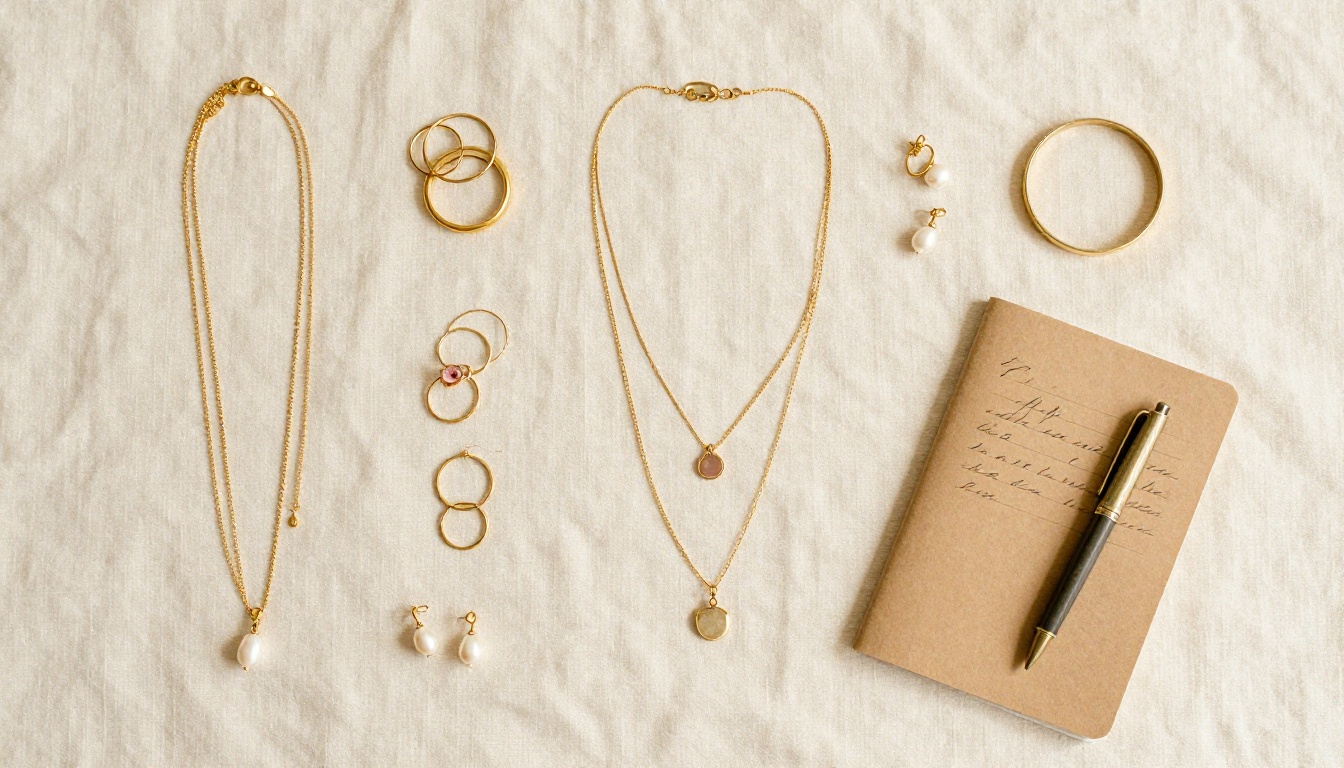
Not every jewelry seller needs the same catalog structure. But the strongest flipbooks tend to follow similar logic: show the pieces beautifully, tell the story behind them, and make it easy for buyers to take action.
Product photography and spreads
Your photography is everything. High-resolution, well-lit images on clean backgrounds or styled surfaces work best. Plan your spreads intentionally:
- Full-page hero shots for signature or bestselling pieces
- Collection spreads grouping rings, earrings, and necklaces that work together
- Close-up detail shots showing stone quality, metalwork, and finish textures
- Lifestyle images of pieces worn in natural, real-world settings
Pricing, materials, and product details
Give buyers what they need to decide without leaving your flipbook. For each piece or collection spread, consider including:
- Metal type (14k gold, sterling silver, rose gold plated, etc.)
- Stone types and carat weight where relevant
- Price or price range
- Available sizes and any customization options
- Estimated lead time for handmade or custom pieces
Your brand story and values
The first and last pages of your flipbook are prime real estate. Use the opening spread to introduce your brand with a short statement about what makes your jewelry different. Use the closing pages for contact information, wholesale inquiries, or a clear call to action pointing buyers to your website. A personal founder photo and a brief origin story adds warmth that converts browsers into buyers.
Flipbook vs. PDF vs. Website: The Real Difference
Choosing the right format for your jewelry catalog depends on what you need. Here is a direct comparison:
| Feature | Digital Flipbook | Static PDF | Website Product Page |
|---|
| Mobile-friendly | ✅ Fully responsive | ⚠️ Requires zoom | ✅ Yes |
| Page-turn experience | ✅ Yes | ❌ No | ❌ No |
| Embeddable anywhere | ✅ Yes | ❌ No | ✅ Limited |
| Analytics tracking | ✅ Yes (Pro plan) | ❌ No | ✅ Yes |
| Shareable via link | ✅ Clean URL | ⚠️ Large file | ✅ Yes |
| Password protection | ✅ Yes | ⚠️ Limited | ⚠️ Limited |
| Feels premium | ✅ Yes | ❌ No | ⚠️ Depends |
| No app required | ✅ Yes | ⚠️ Needs viewer | ✅ Yes |
| QR code ready | ✅ Yes | ❌ No | ⚠️ Manual |
A jewelry flipbook beats a static PDF on every dimension that matters for selling. It also outperforms a standard product page in one critical area: it lets the buyer experience your collection as a curated journey, not a searchable database. That emotional arc from first page to last is what separates a flipbook from any other digital format.
How to Make a Flipbook for Your Jewelry Collection
Creating your jewelry flipbook with Flipbooks AI takes less than 15 minutes from PDF to published. Here is exactly how the process works:
1. Design your catalog as a PDF
Before uploading, you need a well-designed PDF. Use Canva, Adobe InDesign, or any layout tool you already work with. A few rules that make a big difference:
- Use a landscape A4 or 16:9 format for the best visual impact on screen
- Place your strongest photography on right-hand pages, the ones readers see first when flipping
- Keep a consistent color palette tied to your brand across every spread
- Include your logo on every page, small and tasteful, not dominant
- Export at maximum quality, at least 300 DPI, to keep your images sharp and crisp
⚠️ Low-resolution images look fine during design but appear blurry in the final flipbook. Always export at full quality before uploading.
2. Upload and convert on Flipbooks AI
Go to Flipbooks AI and create your free account. The upload flow is simple:
- Click New Flipbook from your dashboard
- Drag your PDF into the upload area or select your file manually
- The platform automatically converts your PDF into an interactive flipbook
- Preview the result in the built-in viewer before publishing
Conversion takes seconds for most catalog files. The page-flip animation is applied automatically and works on desktop, tablet, and mobile without any technical setup.
3. Customize your brand
After conversion, open the customization settings:
- Set your brand colors for the viewer background and controls
- Upload your logo for a branded header
- Add a custom title and description that appears in search results and share previews
- Enable or disable the thumbnail panel and page count display
- Set your preferred opening page so buyers always land on your cover spread
The Interactive Lookbook Designer is particularly well-suited for jewelry collections, giving you lookbook-specific layout controls built for fashion and lifestyle brands.
4. Share, embed, and distribute
Once published, you have several ways to get your flipbook in front of buyers:
- Direct link: A clean URL you can share via email, social media, or messaging apps
- Embed code: Drop your flipbook directly onto your website, Shopify store, or portfolio page
- QR code: Print it on business cards, hang tags, packaging inserts, or display at craft markets
- Password protection: Restrict access to wholesale buyers or invite-only clients
✅ Add your flipbook link to your Instagram bio, your email signature, your Linktree, and your wholesale inquiry page. Multiple access points mean more views without more effort.
5. Read your analytics
With the Professional plan on Flipbooks AI, you get analytics that show:
- Total views and unique visitors per flipbook
- Time spent on each page of your catalog
- Which pages viewers drop off on
- Lead generation forms to capture buyer contact information directly from the flipbook
For jewelry sellers doing wholesale or running seasonal campaigns, this data tells you exactly which collections are resonating and which ones need better photography or a stronger spread design.
Plan Options for Jewelry Sellers
Here is how Flipbooks AI pricing plans map to different jewelry seller needs:
| Feature | Free | Standard | Professional |
|---|
| Number of flipbooks | 1 | Unlimited | Unlimited |
| Watermark | Yes | ❌ None | ❌ None |
| Custom branding | ❌ | ✅ | ✅ |
| Password protection | ❌ | ✅ | ✅ |
| Embed on website | ❌ | ✅ | ✅ |
| Offline download | ❌ | ✅ | ✅ |
| Analytics dashboard | ❌ | ❌ | ✅ |
| Lead generation forms | ❌ | ❌ | ✅ |
| Priority support | ❌ | ❌ | ✅ |
For most small and independent jewelry businesses, Standard covers everything needed: unlimited flipbooks, no watermarks, custom branding, embedded links, and offline access for buyers who want to save your catalog. Upgrading to Professional makes sense once you are running wholesale accounts or want to track which pages drive the most inquiries.
Real Use Cases for Jewelry Flipbooks
Boutique and retail jewelry stores
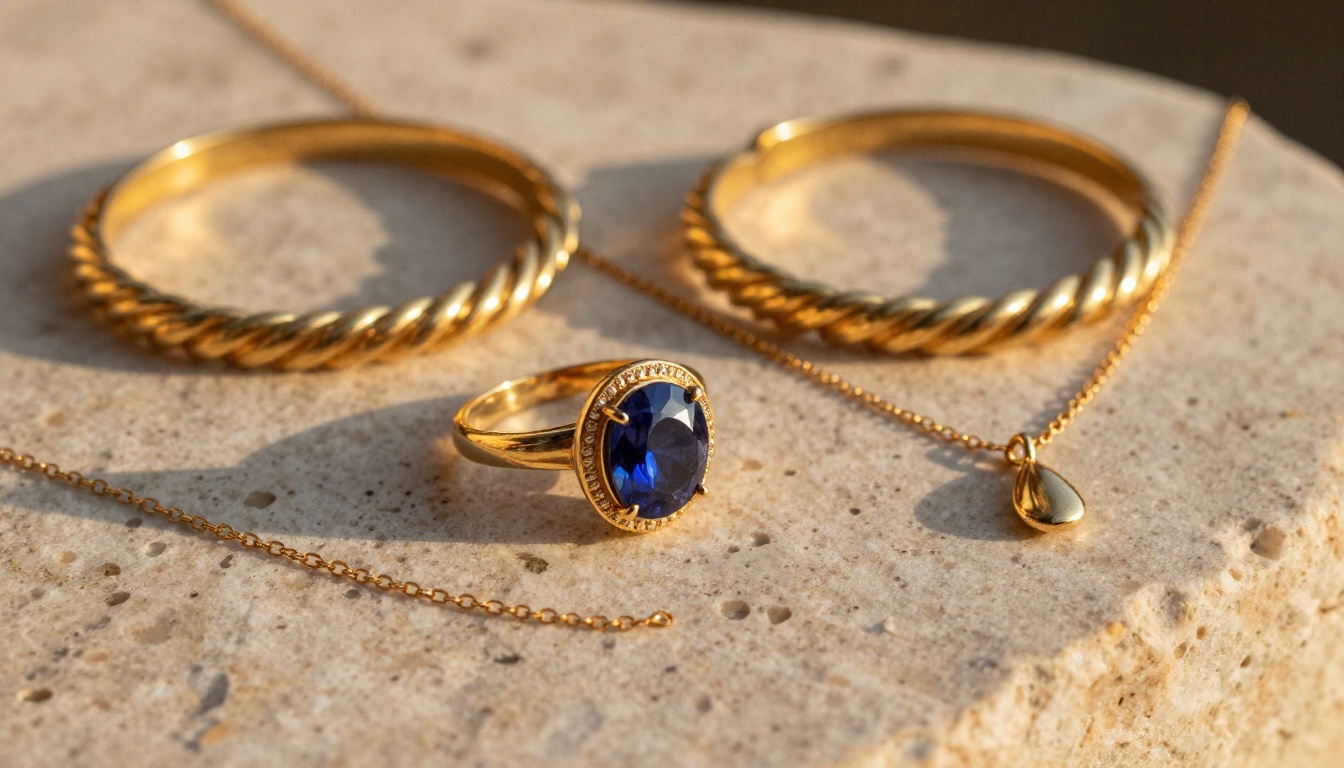
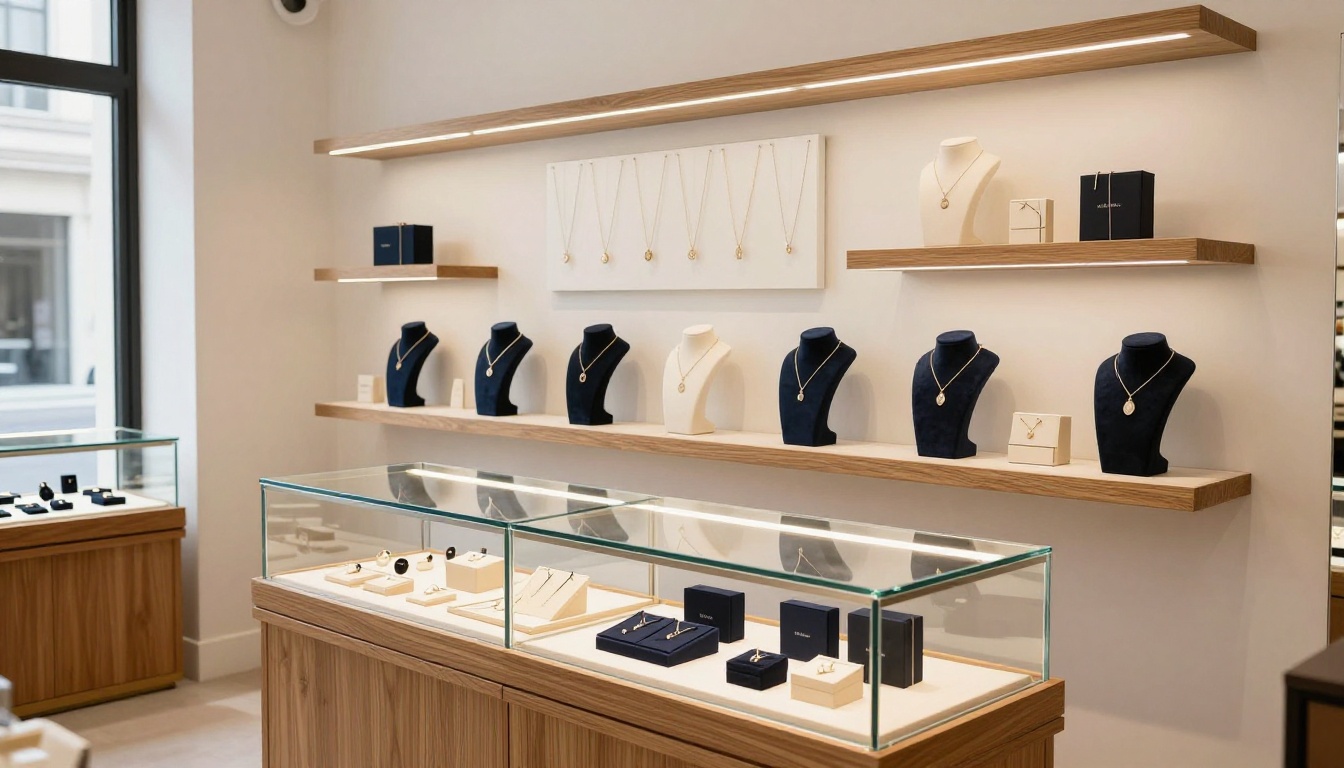
A physical boutique with a curated jewelry selection can use a flipbook as a digital companion to the in-store experience. Send it to email subscribers when new arrivals come in. Display it on a tablet at the counter so customers can browse the full collection while they wait. Share it with local stylists or press contacts who might feature your pieces in editorial content.
Seasonal catalogs work especially well here. A holiday gift edition, a Valentine's Day lookbook, and a summer collection flipbook each give your email list a reason to open every message you send.
Handmade and independent sellers
If you sell on Etsy, at craft markets, or through Instagram, a flipbook gives you an instant professional edge over the competition. Instead of directing people to scroll through hundreds of listings, you send them one link to a beautiful curated catalog. Include your pricing, your materials sourcing story, and your custom order process. A buyer who spends time in your flipbook is far more likely to reach out than someone who sees a single product image in a feed.
💡 Create a separate flipbook for custom and bridal jewelry. A dedicated lookbook for engagement rings, wedding bands, and personalized pieces lets brides share it with their partners, which brings in new buyers organically.
Wholesale jewelry brands
If you are pitching boutiques and retailers, a professional wholesale catalog is non-negotiable. Use the Digital Catalog Maker or the Catalog Flipbook Creator to build a wholesale line sheet with pricing tiers, minimum order quantities, and contact details. Password-protect it so only your authorized buyers can access it, and share the link freely without worrying about retail pricing leaking publicly.
Luxury jewelry brands
For high-end jewelry brands, the flipbook format mirrors the feel of a printed lookbook without the print costs or the delay of shipping physical materials. Use the Lookbook Flipbook Builder to create editorial spreads with full-bleed photography and a curated narrative. Share it with press contacts, stylists, personal shopping services, and VIP clients ahead of new collection drops.
Photography Tips That Make Every Spread Work
A flipbook is only as good as the images inside it. The photography choices you make for your catalog directly affect how buyers respond. Here are the approaches that consistently perform best:
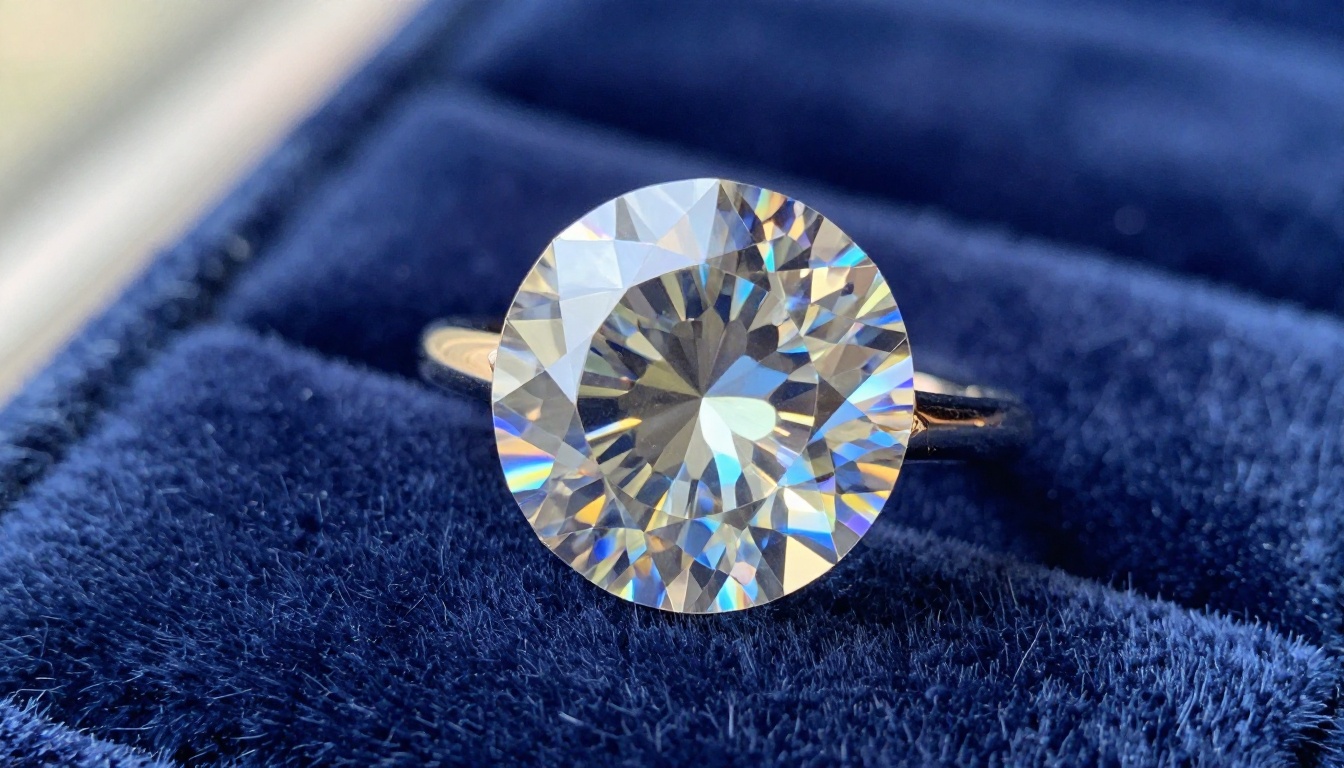
For rings and small pieces: Macro photography on textured surfaces such as velvet, marble, travertine, or raw linen with natural or controlled studio light. Shoot at a slight angle rather than pure overhead to show depth and dimension in the setting and metalwork.
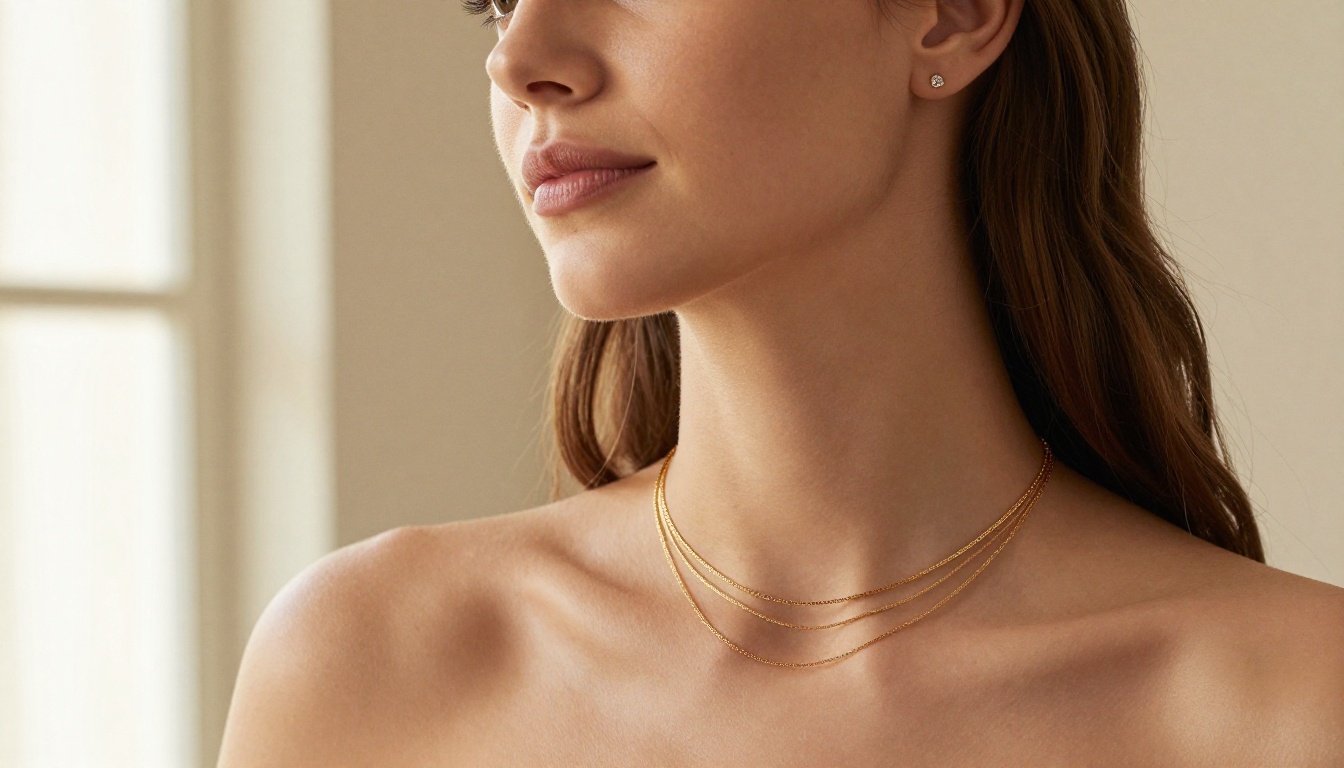
For necklaces and bracelets: Styling on skin outperforms flat lays almost every time. A close-up of a necklace against a collarbone or a bracelet on a wrist gives buyers a real sense of scale, drape, and wearability that no amount of product-on-surface photography can replicate.
For full collections: Styled flat lays that group complementary pieces together. Add a few natural props such as dried flowers, a small ceramic dish, or folded linen fabric to add warmth and context without distracting from the jewelry itself.
Lighting fundamentals to follow:
- Natural window light from one side creates depth and shadow that makes metal surfaces come alive
- A white reflector card on the opposite side fills in harsh shadows without flattening the image
- Overcast daylight works best for shooting diffuse, even-toned pieces like pearls and opals
- Golden hour light adds warmth and drama for editorial-style hero shots
✅ Shoot each piece in at least three ways: isolated on a clean background, styled with props, and worn or held. This gives you variety when designing each flipbook spread and keeps the catalog visually dynamic from the first page to the last.
The Business Case for a Jewelry Flipbook
Every time someone opens your flipbook link, they are spending intentional time with your brand. The page-flip interaction signals quality before they have read a single word. That perception carries real weight in a market where most small jewelry sellers are still sending image dumps or PDF attachments that arrive as a faceless file.
A well-crafted jewelry flipbook communicates three things instantly: this brand is professional, this collection is curated, and this is worth paying attention to.
You can build on that foundation with every new catalog you publish. Use the Digital Portfolio Creator to build a permanent best-of portfolio separate from your seasonal catalog. Create a holiday gift edition each November. Build a custom collections lookbook for brides and gift-givers. Run a limited-time sale edition with a lead capture form to grow your email list while driving direct revenue.
Each flipbook you publish becomes a piece of branded content that works for you long after you send it. A wholesale buyer who receives your catalog in March might still be forwarding it to their buying team in June. A gift recipient who got your link from a friend might not place an order until the following holiday season. The flipbook is always there, always working.
What makes a jewelry flipbook worth the effort:
- It replaces expensive print catalogs that go out of date
- It gives remote buyers a tactile-feeling browsing experience
- It works as a leave-behind after trade shows and market events
- It builds brand equity every single time someone shares the link
- It lets you update your catalog digitally without reprinting anything
Show Your Jewelry the Way It Deserves
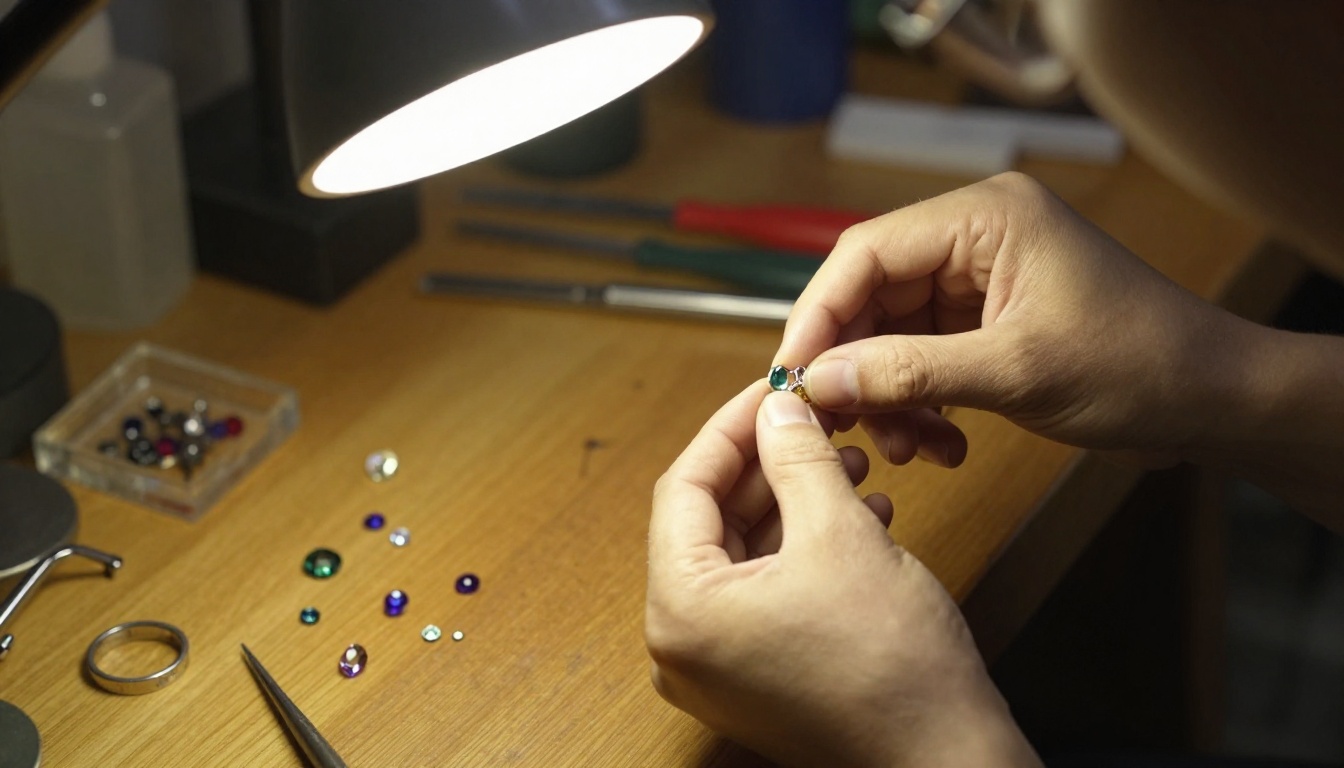
There has never been a simpler way to present your jewelry collection with the polish it deserves. A digital flipbook closes the gap between the beauty of physical jewelry and the flatness of digital screens, giving buyers an experience worth sharing and worth returning to.
Whether you are launching your first collection or refreshing an established brand, the flipbook format lets your photography do the talking. No complicated tech, no expensive print runs, no outdated catalogs sitting in a box. Just your jewelry, presented beautifully, accessible anywhere, at any time.
Create your account on Flipbooks AI and publish your first jewelry flipbook today. No design experience required, no technical setup, and no watermarks on paid plans.
Browse all available flipbook tools to find the right format for your specific collection, or compare pricing plans to find the option that fits your business. Your jewelry is already beautiful. It is time to show it that way.



