Skincare is one of the most visual industries on earth. Customers don't just buy products — they buy into a ritual, a feeling, a brand identity built on trust and texture and glow. And yet most skincare brands are still communicating that story through flat PDF attachments, static product grids, and single-image posts that disappear in 24 hours. If you want to make a flipbook for your skincare brand, you are already ahead of 90% of the market.
Flipbooks AI converts your existing PDF catalog, lookbook, or brand deck into a fully interactive digital flipbook, complete with page-turn animations, clickable links, embedded media, and analytics. No coding required. No designer on retainer. Upload your file and your brand goes from flat to immersive in minutes.
This article covers every angle: what content belongs in a skincare flipbook, how to structure it for conversions, how to build one step by step, and which plan fits your brand's stage. Whether you are a solo formulator selling serums from home or a scaling beauty brand with a full product line, the process is the same.
Why Static PDFs Are Hurting Skincare Brands
The skincare industry runs on emotional decision-making. A customer who lands on your brand presentation is asking: does this brand understand my skin? Does it look like something I want in my bathroom? Does the routine feel achievable?
A static PDF answers none of those questions well. It loads slowly, doesn't work on mobile, and offers zero interactivity. The moment it lands in an inbox, it competes with 47 other unread attachments.
What Buyers Actually Want
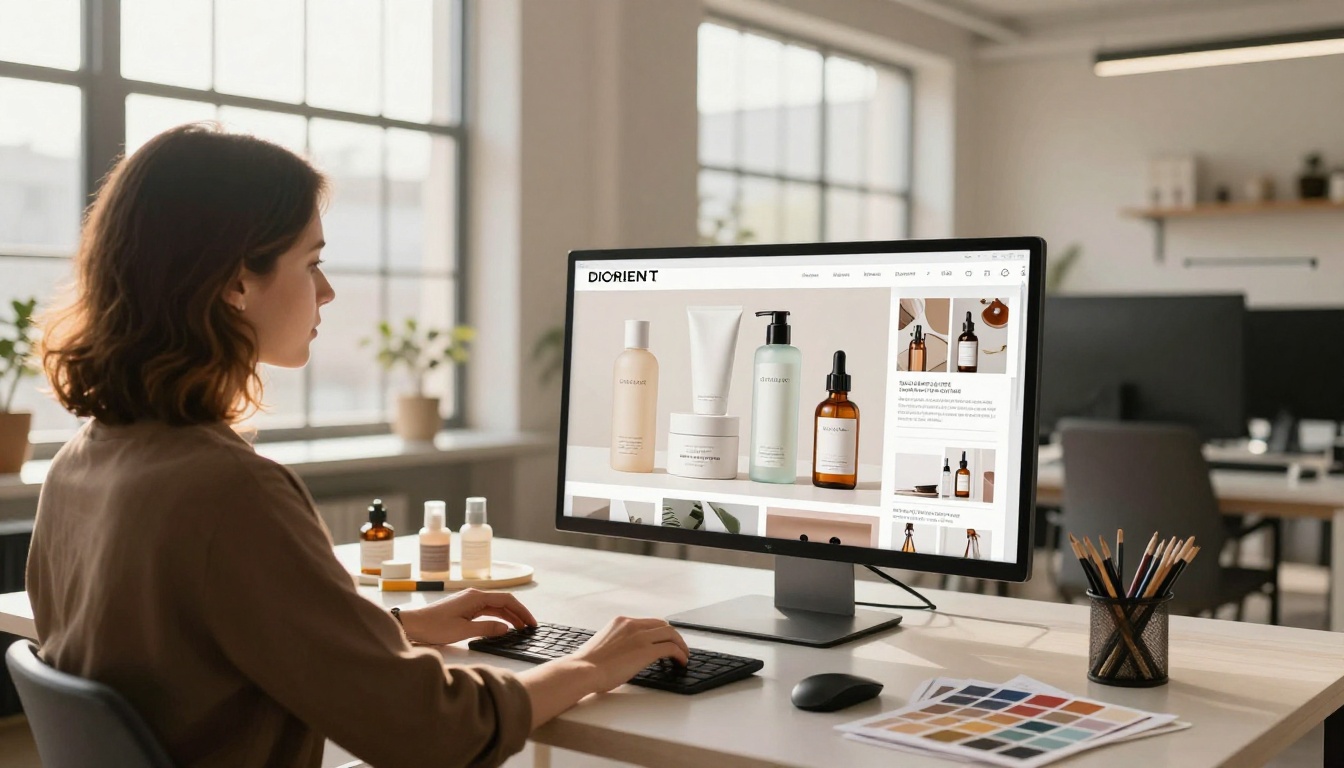
Modern skincare buyers, especially the under-35 demographic that drives beauty industry growth, expect digital experiences that feel native to screens. They scroll. They tap. They swipe. A flipbook meets them exactly where they are.
The page-turn format creates a psychological sense of discovery that flat scrolling doesn't replicate. Research in digital retail consistently shows that interactive product presentations increase time-on-page by 40% or more compared to static alternatives. More time with your products means more attachment, and more attachment means more conversions.
The Sharing Problem
A static PDF cannot be shared in a way that preserves your brand experience. A flipbook link can. When a customer discovers your skincare routine flipbook and shares it with a friend, that friend opens the same branded, animated, clickable experience, not a jumbled PDF download that may not even open on their device.
What to Put in Your Skincare Flipbook
The content you include depends on what you want the flipbook to do. Most skincare brands benefit from at least three distinct flipbook types, each serving a different customer journey stage.
Product Catalogs
A product catalog flipbook is your digital shelf. It should include:
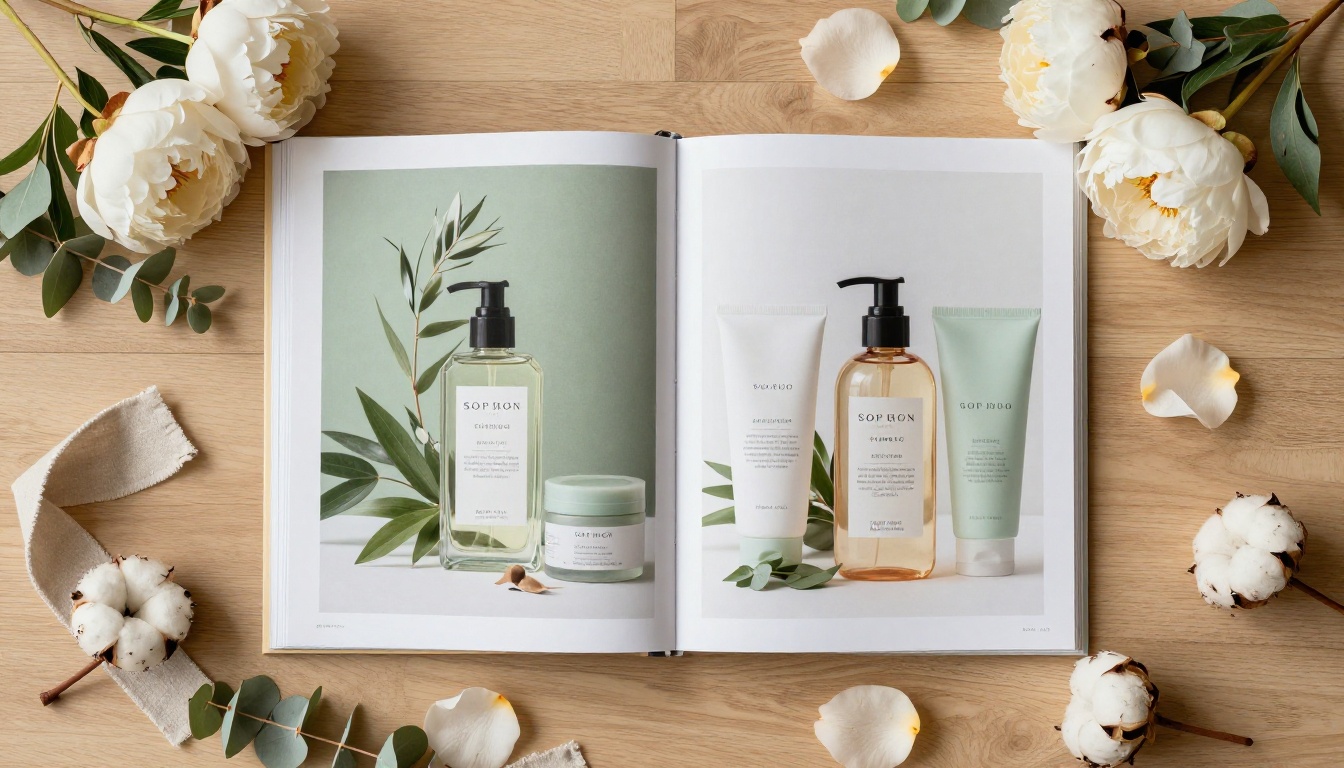
- Product name and hero shot on the right-hand page
- Ingredient highlights on the facing left page
- Skin type icons indicating who the product is for (oily, dry, combination, sensitive)
- Usage instructions simplified to 3-5 steps
- Clickable "Shop Now" links on every product spread
The catalog format works especially well for brands with 8+ SKUs. Below 8, a lookbook approach, narrative-led and lifestyle-heavy, tends to perform better.
Seasonal Lookbooks
Lookbooks lead with emotion and follow with product. A spring renewal lookbook might open with botanical photography, move into a morning ritual narrative spread, and introduce products as part of a lifestyle rather than as items on a shelf.
Seasonal lookbooks are your highest-sharing content. They feel editorial, they feel timely, and they give customers a reason to come back each quarter.
Ingredient Story Books
This format is underused and extremely effective for indie skincare brands. An ingredient story flipbook positions your formulation philosophy as the hero: why you chose wild bakuchiol over retinol, how your niacinamide is sourced, what makes your hyaluronic acid molecular weight unusual.
Ingredient story books work brilliantly as retailer sell-in tools. Buyers at boutiques and department stores want to understand what makes your brand different. A well-designed ingredient flipbook communicates that in a format they will actually read.
💡 Pro tip: Use your ingredient story flipbook as a wholesale pitch deck. Link it directly from your retailer inquiry page and watch your buyer response rate improve significantly.
Pages That Convert
Not all flipbook pages are equal. The highest-converting pages in skincare flipbooks share a few structural traits.
The Hero Spread
Your opening double-page spread should do one thing: make the reader feel something. High-end skincare brands spend enormous budgets on this moment. You don't need their budget, but you do need an intentional hero image, a single sentence of brand philosophy, and no clutter.
The Routine Page
Skincare customers think in routines, not individual products. A "your complete morning ritual" page that shows step 1 through step 5 with small product images performs significantly better than isolated product pages. Routine pages also naturally create upsell opportunities within a single spread.
The Social Proof Spread
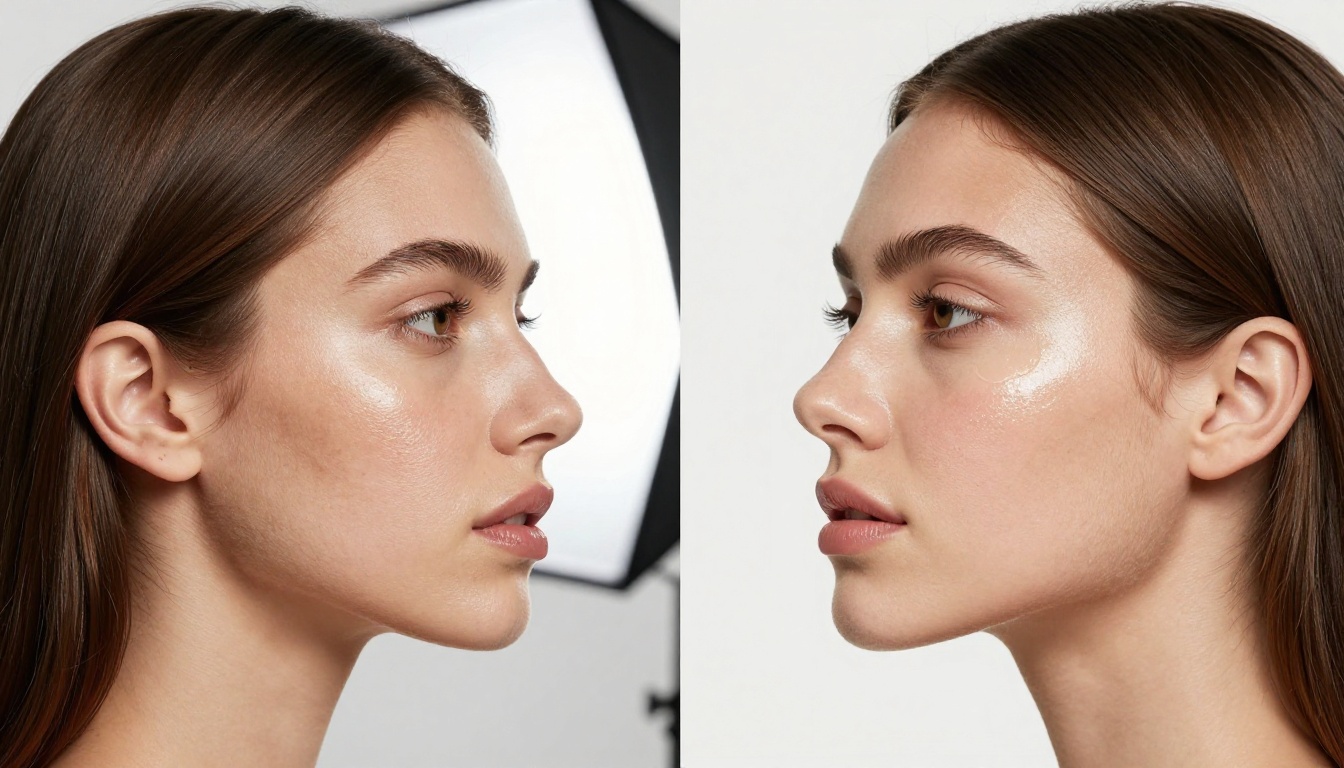
Include a two-page spread of real customer results, reviews, or before-and-after photography. This is one of the highest-impact pages in any skincare flipbook. Real skin, real results, minimal text.
| Page Type | Primary Goal | Best Position in Flipbook |
|---|
| Hero Spread | Brand impression | Pages 1-2 |
| Brand Story | Trust building | Pages 3-4 |
| Ingredient Feature | Differentiation | Pages 5-8 |
| Product Catalog | Conversion | Pages 9-20 |
| Routine Builder | Upsell | Pages 21-24 |
| Social Proof | Reassurance | Pages 25-26 |
| CTA / Shop Now | Action | Final spread |
How to Create Your Skincare Flipbook with Flipbooks AI
The entire process, from design to published link, takes under 30 minutes for a 20-page flipbook. Here is exactly how it works.
1. Design Your PDF
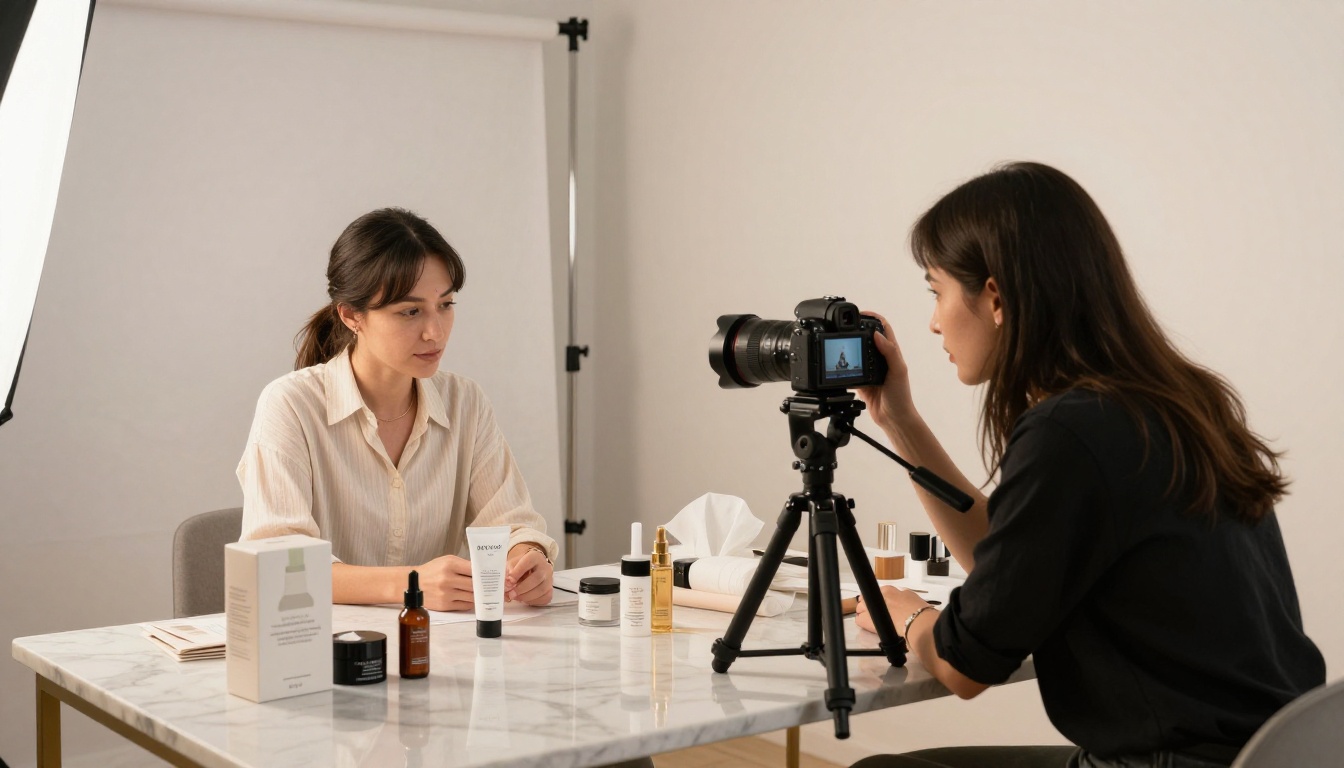
Design your catalog or lookbook in Canva, Adobe InDesign, or Figma at A4 or Letter size. For skincare, stick to a maximum of 3 fonts and a palette of 4 colors. Export as PDF with embedded fonts at 150-300 DPI.
✅ Best practice: Design each page as a self-contained spread that reads well on mobile. Flipbooks AI is fully mobile-responsive, but vertical text-heavy layouts will suffer on small screens. Favor imagery-led pages with short blocks of text.
2. Upload to Flipbooks AI
Head to Flipbooks AI and create your account — a free plan is available to get started. Once in your dashboard:
- Click New Flipbook
- Drag and drop your PDF into the upload zone
- Wait 30-60 seconds for conversion (a 20-page PDF typically converts in under 45 seconds)
- Your flipbook is now live with a shareable link
The PDF to Flipbook Converter handles everything automatically, including font rendering, image compression, and mobile optimization.
3. Apply Your Brand Identity
This is where your flipbook stops looking generic and starts looking like you. In the customization panel:
- Upload your logo to appear on the flipbook toolbar
- Set your brand colors for the background, toolbar, and page controls
- Choose a page transition style: classic flip, slide, or fade
- Add a custom domain so the link reads
catalog.yourbrand.com
- Enable page sound (paper-turn audio works well for premium skincare, feels tactile and intentional)
⚠️ Warning: Skincare brands with light, airy aesthetics should avoid the dark toolbar option. Stick to white or cream backgrounds in your flipbook settings to maintain visual consistency with your brand.
4. Add Interactivity
This is what separates a flipbook from a PDF. Go into the editor and add:
- Clickable links on product names and CTA buttons pointing to your shop
- Video embeds for tutorial content or brand films
- Pop-up text boxes for ingredient definitions or certifications
- Lead capture forms (available on the Professional plan) to collect emails directly from the flipbook
The Interactive Lookbook Designer tool is built specifically for this kind of brand content, with skincare-friendly templates that accelerate the setup.
5. Share, Embed, and Track
Once your flipbook is published, you have four primary distribution options:
- Direct link: share via email, DMs, or bio links
- Embed code: paste into your website using the Embed Flipbook on Website tool
- QR code: generate and print on packaging, postcards, or retail displays
- Password protection: lock your wholesale catalog so only verified buyers can access it
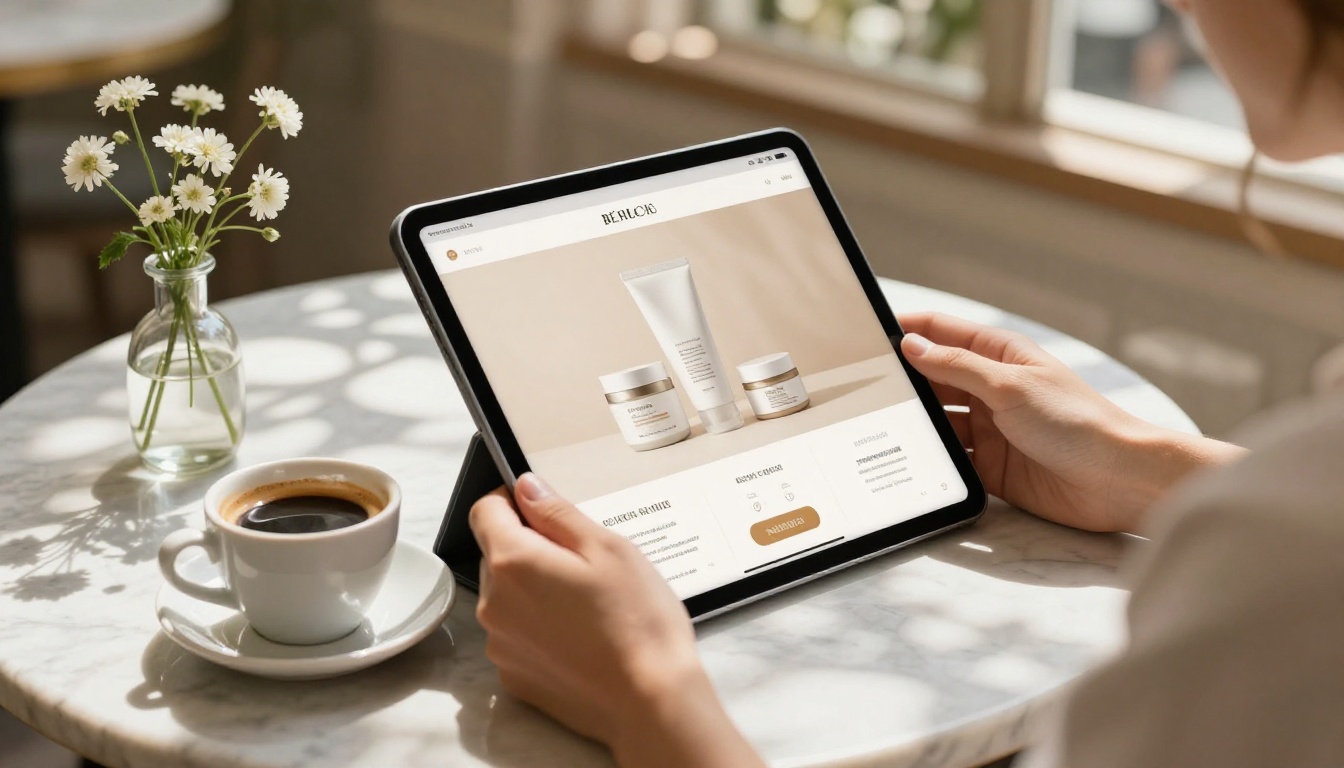
Professional plan users get full analytics: page-by-page engagement data, total views, average time spent, device breakdown, and geographic distribution. For skincare brands, this data is gold. You will quickly see which product spreads hold attention and which get skipped, then optimize accordingly.
Flipbooks AI Plans: Which One Is Right for You
Choosing the right plan depends on your catalog size, your distribution needs, and whether you need analytics.
| Feature | Free | Standard | Professional |
|---|
| Number of flipbooks | 1 | Unlimited | Unlimited |
| Custom branding | No | Yes | Yes |
| Password protection | No | Yes | Yes |
| Analytics | No | Basic | Full (page-level) |
| Lead generation forms | No | No | Yes |
| Offline downloads | No | No | Yes |
| Custom domain | No | No | Yes |
| Video embedding | No | Yes | Yes |
| Watermark-free | No | Yes | Yes |
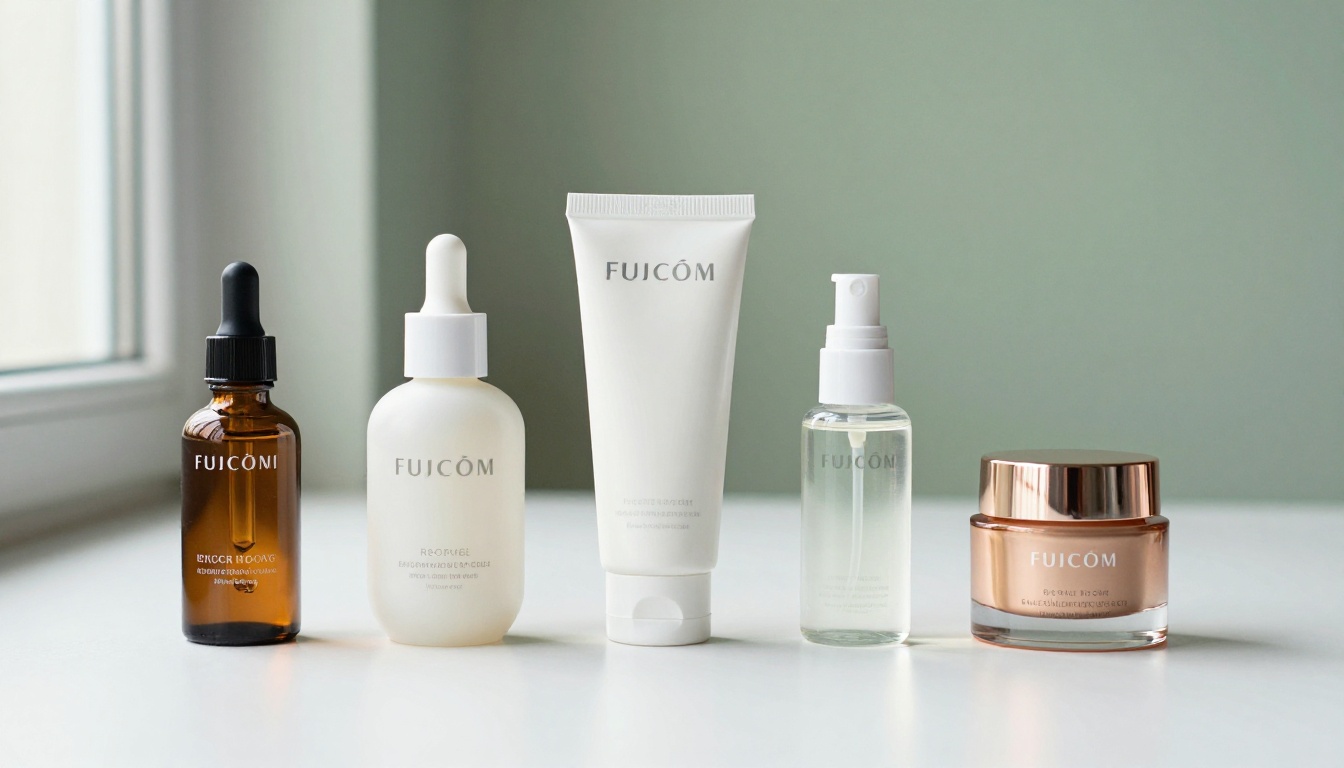
For a skincare brand launching its first digital catalog, the Standard plan is the sweet spot: unlimited flipbooks, no watermarks, custom branding, and password protection for your wholesale deck. See full pricing details to compare every tier side by side.
Growing brands running seasonal campaigns should move to Professional for the analytics and lead generation features. Knowing which page of your summer collection lookbook drove the most engagement is the kind of insight that makes your next campaign measurably better.
Flipbook Strategy by Brand Stage
Not every skincare brand needs the same flipbook approach. Here is how to match format to growth stage.
| Brand Stage | Recommended Flipbook | Priority Feature |
|---|
| Pre-launch (0-6 months) | Brand Story + Ingredient Book | Password-protected for press |
| Early growth (6-24 months) | Product Catalog | Clickable shop links |
| Scaling (2-5 years) | Seasonal Lookbooks + Wholesale Deck | Analytics + lead capture |
| Established brand | Full suite: catalog, lookbook, routine builder | Custom domain + offline downloads |
💡 Pro tip: Pre-launch brands can use a password-protected flipbook as a press kit for beauty editors and influencers. It is far more impressive than a Dropbox folder and keeps your assets fully controlled.
Real-World Use Cases
The most effective skincare flipbook deployments share one trait: they treat the flipbook as a living marketing asset, not a one-off project.
Boutique skincare brand with 6 SKUs: Used a lookbook-format flipbook as their sole wholesale sell-in tool. Embedded it on the stockists page of their website with password protection. Buyer response time dropped from two weeks to three days because buyers could view the full range on any device without downloading anything.
Mid-size beauty brand with seasonal drops: Created quarterly lookbooks timed to product launches. Shared the direct link via email newsletter and pinned it in the Instagram bio. Each lookbook drove a measurable spike in newsletter signups through embedded lead capture forms.
Independent formulator at farmers markets: Printed QR codes on product packaging and table signage linking to a mobile-optimized ingredients flipbook. Customers scanned on the spot and spent significantly more time understanding the formulations, which directly correlated with larger average purchase sizes.
Common Mistakes to Avoid
Skincare brands consistently make the same flipbook errors. Knowing them in advance saves weeks of rework.
- Too much text on every page: Flipbooks work best when pages are image-dominant. If you need 300 words to explain a product, split it across two pages.
- No clear calls to action: Every product spread should have a visible clickable button. "Shop Now," "Add to Routine," or "See Ingredients" — pick one and use it consistently.
- Ignoring mobile: Over 70% of beauty content is consumed on mobile. Check your flipbook on your phone before sharing it with anyone.
- One flipbook forever: Your catalog should reflect your current range. An outdated flipbook with discontinued products erodes trust instantly.
- Skipping analytics: If you are on a plan with analytics, read them. Page abandonment data tells you exactly where your catalog loses people.
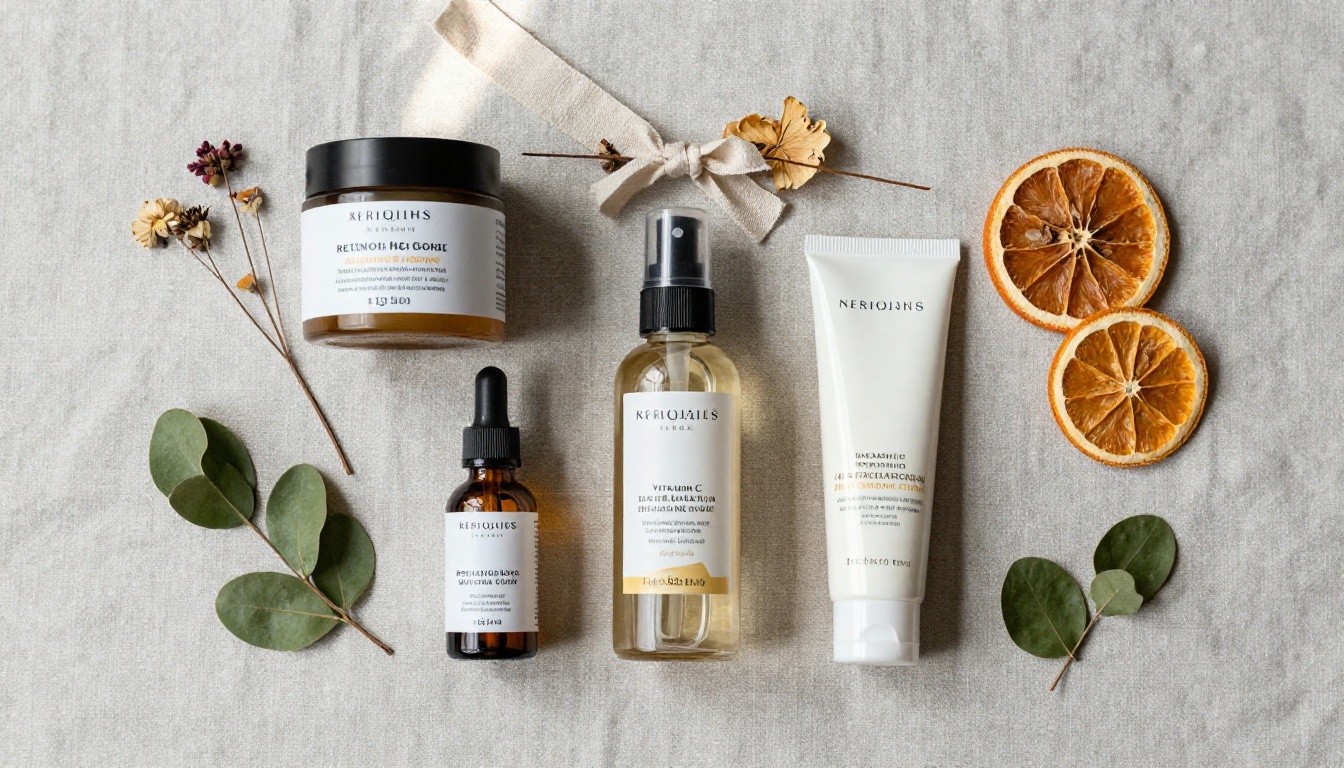
Your Skincare Brand Flipbook Starts Here
Making a flipbook for your skincare brand is not a nice-to-have anymore. Buyers, press, influencers, and end customers all expect digital brand experiences that work on any device, in any context, without friction.
Flipbooks AI is the fastest way to get there. Upload your PDF, apply your brand, add your links, and share. The entire pipeline, from raw catalog to published interactive flipbook, takes less time than a product photography session.
Ready to create yours? Start for free on Flipbooks AI and have your first skincare flipbook live today.
Looking for a specific format? Browse the Lookbook Flipbook Builder for editorial-style catalogs, or the Digital Catalog Maker for product-forward layouts. When you are ready to scale with analytics, lead generation, and a custom domain, compare pricing plans and choose the tier that matches where your brand is going.



