Most investors read your monthly update in under two minutes, and they decide in the first ten seconds whether you are in control of your company. A good monthly investor update template fixes that: the same nine sections, in the same order, every month. Investors learn where to look, and you stop staring at a blank page on the last day of the month. Better still, you can publish the finished report as a polished, trackable document with Flipbooks AI instead of a wall of email text.
This article gives you the full template, sample wording for every section, a timing plan, and the mistakes that make investors stop reading.
Why a Fixed Template Works

Consistency is the real product here. When the structure never changes, trends become obvious and the update takes less effort to write.
What Investors Actually Want
Investors back many companies at once. They want to know three things fast: is the business growing, how long is the cash going to last, and where can they help. Everything else is detail.
The Cost of Skipping Months
Founders who go quiet lose trust. A short, honest update beats a perfect one that never arrives. Silence usually reads as bad news, even when the numbers are fine.
Length and Cadence
Aim for 400 to 700 words, sent in the first week of each month. Early-stage companies can send it monthly; later-stage companies with board meetings can keep the same cadence and add a quarterly deep dive.
💡 Pro tip: Put the update on your calendar as a recurring block on the 28th. Gather numbers on the 28th, write on the 1st, send on the 2nd.
The Nine Sections at a Glance
Here is the full structure before we go section by section.
| # | Section | Length | Question it answers |
|---|
| 1 | Headline summary | 2 to 3 lines | How did the month go? |
| 2 | Metrics snapshot | 5 to 7 numbers | Are we growing? |
| 3 | Cash and runway | 3 lines | How long can we operate? |
| 4 | Wins | 3 bullets | What went right? |
| 5 | Misses and lessons | 2 to 3 bullets | What went wrong? |
| 6 | Product progress | 3 bullets | What did we ship? |
| 7 | Team and hiring | 2 to 3 lines | Who joined, who is needed? |
| 8 | Asks | 2 to 4 bullets | How can investors help? |
| 9 | Next month priorities | 3 bullets | What will we focus on? |
Sections One to Three: The Numbers

The top of the update decides whether the rest gets read, so lead with the headline and the numbers.
1. Headline Summary
Write two or three sentences that a busy investor could forward without edits. State the direction (good, mixed, difficult), the biggest number, and the one thing that matters most.
Sample wording: "March was our strongest month yet. MRR grew 14% to $48k, we closed two enterprise pilots, and runway now sits at 17 months. The one open risk is a delayed integration that pushed one launch into April."
2. Metrics Snapshot
Pick five to seven metrics and never swap them out. Show the current value, the previous month and the change.
| Metric | Last month | This month | Change |
|---|
| Monthly recurring revenue | $42,000 | $48,000 | +14% |
| Active customers | 126 | 139 | +10% |
| Net revenue retention | 102% | 104% | +2 pts |
| Gross burn | $61,000 | $63,500 | +4% |
| Pipeline value | $210,000 | $265,000 | +26% |
✅ Best practice: Keep the same definitions every month. If you change how you count active customers, say so in one sentence.
3. Cash and Runway
State cash in the bank, net burn and months of runway. Never hide this line. If runway is under nine months, say what you are doing about it.
Sample wording: "Cash: $812k. Net burn: $47k. Runway: 17 months. Next fundraising conversation planned for Q3."
Sections Four and Five: Honest Storytelling

Numbers show what happened. These two sections explain why, and they build the trust that makes investors answer your asks later.
4. Wins Worth Reporting
Choose three wins that moved a metric or removed a risk. Skip small tasks. A signed customer, a key hire or a cost reduction all count.
- Lead with the outcome: "Signed Northwind, a $60k annual contract."
- Add the reason it matters: "First customer in the logistics segment."
- Name the person who made it happen, so the team feels seen.
5. Misses and Lessons
Investors expect problems. What they punish is surprise. Share the miss, the cause and the fix in two lines.
Sample wording: "We missed our hiring target by one engineer. The role was open six weeks too long, so we have moved to a referral bonus and a shorter interview loop."
⚠️ Warning: Do not bury bad news in the middle of a paragraph. Give it its own bullet, with the fix attached.
Sections Six to Seven: Product and People

6. Product Progress
List what shipped, what is in testing and what slipped. Tie each item to a customer outcome, not an internal ticket.
- Shipped: self-serve onboarding, cutting setup time from 3 days to 40 minutes.
- In testing: usage-based billing with five pilot accounts.
- Slipped: the mobile app, moved to May because of an API dependency.
7. Team and Hiring
Mention new joiners, departures and open roles. If a departure matters, explain it briefly and say how you are covering the gap.
| Item | Status | Detail |
|---|
| Headcount | 14 | +1 from last month |
| Open roles | 2 | Senior engineer, sales lead |
| Departures | 0 | None this month |
Reporting Without Overwhelming
A single table for headcount and roles keeps this section under five lines. Save the long hiring story for the board meeting.
Sections Eight and Nine: Asks and Priorities

These two sections turn a status report into a working relationship.
8. Write Asks That Get Answers
Investors want to help, but vague requests get ignored. Make each ask specific, with a name or a deadline.
- Weak: "Please send us any introductions."
- Strong: "We want an intro to the VP of Operations at Contoso, ideally before April 20."
- Strong: "Looking for a senior backend engineer with payments experience. Referral bonus applies."
Limit yourself to two to four asks. Investors who answer once tend to answer again, so thank them publicly in the next update.
9. Priorities for Next Month
Close with three priorities, each measurable. This also gives you a scorecard for the next update, which makes the following month's wins and misses easier to write.
Sample wording: "1) Reach $55k MRR. 2) Ship usage-based billing to all customers. 3) Hire the sales lead."
Putting It Together: A Copy-Ready Template

Paste this skeleton into your editor and fill in the blanks.
- Subject line: [Company] update: [Month], MRR [number], runway [months]
- Headline: two or three sentences with direction and biggest number
- Metrics: table of five to seven numbers
- Cash and runway: cash, burn, months
- Wins: three bullets
- Misses: two bullets with fixes
- Product: shipped, testing, slipped
- Team: headcount, open roles
- Asks and priorities: up to four asks, three goals
Subject Lines That Get Opened
Put the numbers in the subject. "Acme update: April, MRR $48k, 17 months runway" gets opened faster than "Monthly update".
Email, Doc or Flipbook?
Different formats suit different audiences. Here is how they compare.
| Format | Best for | Weakness |
|---|
| Plain email | Seed stage, short updates | Tables render badly |
| Shared doc | Teams editing together | Needs permissions, no read tracking |
| PDF attachment | Archiving | Heavy, rarely opened on mobile |
| Flipbook | Polished, tracked reports | Needs a quick setup |
Publish It as a Flipbook
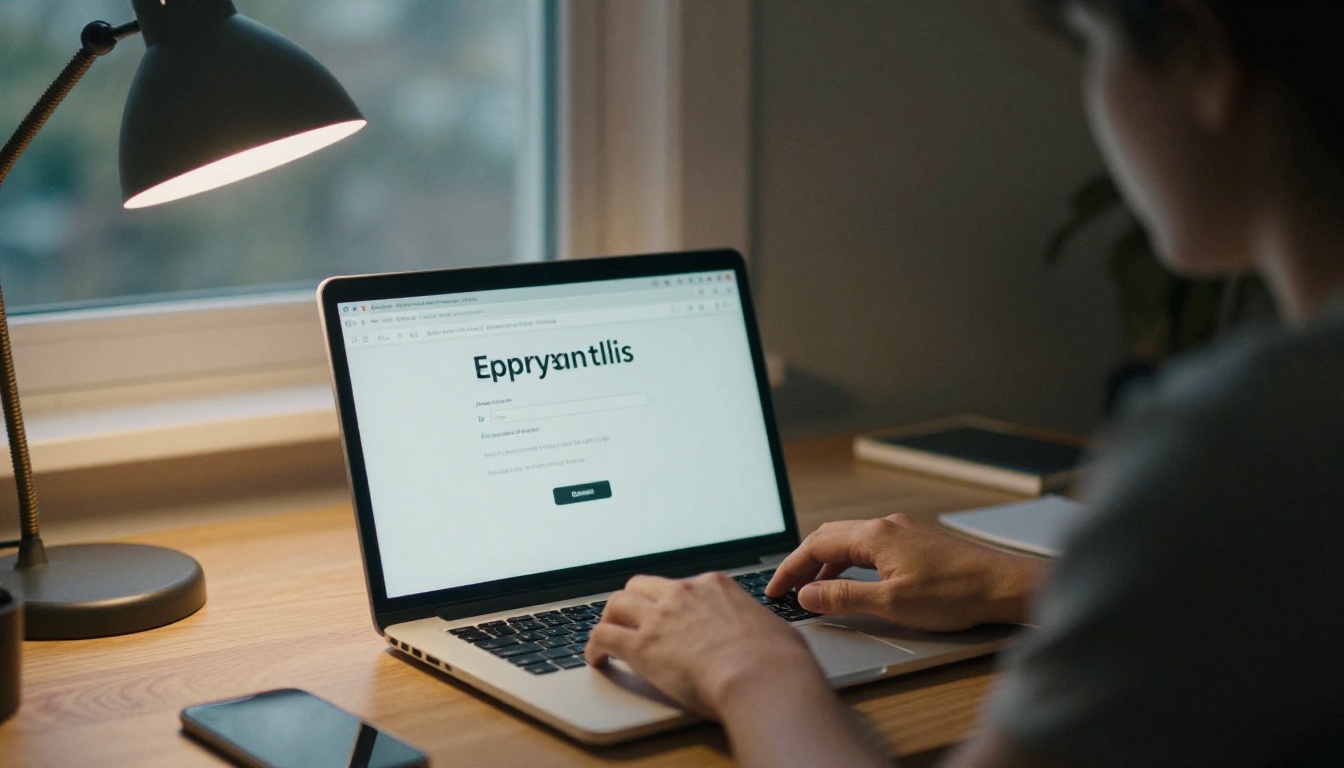
Tables and branded layouts fall apart in many email clients. Turning the update into a flipbook keeps formatting intact on every device and gives you read data.
How to Create an Investor Update Flipbook
- Start your account. Open Flipbooks AI and sign in.
- Upload the PDF. Export your update from Docs or Word, then use the PDF to Flipbook Converter. Pages convert in seconds.
- Customize the look. Add your logo, brand colors and page-turn effects. The Corporate Report Maker is a good starting point for investor documents.
- Add media. Embed a short founder video or an audio note for context.
- Protect it. Enable password protection, since updates contain sensitive financials.
- Share. Paste the direct link into your email, or embed the flipbook on your website in an investor portal.
💡 Pro tip: Plans with analytics show which investors opened the update and how long they stayed. Check pricing plans to see what each tier includes. No watermarks appear on any plan, so the report looks like your own.
Reuse It for the Board
The same file can grow into a quarterly report. Try the Report Flipbook Creator or browse the full set of flipbook tools. If you also write customer emails, the Newsletter Flipbook Publisher uses the same workflow.
Common Mistakes to Avoid
Even with a good template, a few habits weaken updates.
- Changing metrics monthly. Trends disappear when the numbers change.
- Writing only good news. Investors notice the gaps.
- Sending late. A 20-day delay looks like trouble.
- Burying the ask. Put asks in their own section.
- Too many words. Over 800 words and fewer people finish it.
A Simple Sending Schedule
| Day | Task |
|---|
| 28th | Pull numbers from billing and bank |
| 30th | Draft all nine sections |
| 1st | Review with a co-founder |
| 2nd | Send, then log replies |
Ready to send your first one? Create your account, upload your draft, and share a clean, tracked report. When you are ready for analytics and unlimited flipbooks, compare plans here.



