You finished the manuscript. The rhyme scans, the hero is adorable, and your own kids giggled at bedtime. Then the feedback arrives and it reads like a list of problems you never saw coming. The good news is that picture book mistakes first-time children's authors make are remarkably predictable, which means you can fix nearly all of them before anyone else reads a page. And once the draft is solid, a tool like Flipbooks AI lets you preview it as a real page-turning book instead of a pile of printouts.
This article walks through the eight most common errors, shows what each one looks like in practice, and gives you a repeatable fix. Grab a pencil and your latest draft.
Why First Books Stumble
A picture book is one of the strangest formats in publishing. It is usually 32 pages, often under 500 words, and it has to work for two audiences at once: the child who listens and the adult who reads aloud. Writers who come from novels, blogs or poetry tend to carry habits that fight the form.
The Two-Audience Problem
The child wants rhythm, surprise and a character to love. The adult wants a story that survives the fortieth reread. Many first drafts please one reader and bore the other. Keep both in mind at every revision pass.
Short Format, Zero Slack
In a 12,000-word middle grade novel a weak paragraph disappears. In a 450-word picture book, one weak line is two percent of the whole story. Every sentence has to earn its spot.
💡 Pro tip: Read your manuscript aloud at the pace you would read to a four-year-old. Mark every place you stumble, rush or feel bored. Those marks are your edit list.
Mistake One: Too Many Words
This is the number one issue. New authors write 900, 1,200, even 1,500 words and wonder why agents pass. The illustrations are half of the storytelling, so text that describes what the art already shows is wasted space.
Let the Art Do Its Job
If the illustration will show a red scarf, the text does not need to say "she wore a long red scarf that fluttered in the wind." Write "She ran." Leave room for the illustrator to add the scarf, the wind and the joy.
A Fast Trim Method
- Highlight every adjective and adverb.
- Delete half of them.
- Cut any line that describes something a picture can show.
- Read it aloud again and restore only what you miss.
| Age Group | Typical Word Count | Typical Page Count |
|---|
| Board book (0 to 3) | 0 to 100 | 12 to 24 |
| Picture book (3 to 6) | 300 to 600 | 32 |
| Early reader picture book (5 to 8) | 500 to 1,000 | 32 to 40 |
Mistake Two: Ignoring the Page Turn
A picture book is a performance in about 14 spreads. The page turn is your stage curtain. Authors who write straight prose forget to build suspense at the end of a spread, so every page feels the same.

Build Small Cliffhangers
End a spread on a question, a sound or an almost-reveal: "And then the door began to creak..." The reader's hand turns the page before the child can ask, "What happened?"
Vary the Pacing
Mix quiet spreads with loud ones. Let a wordless spread breathe after a big moment. A story that never slows down exhausts the child, and a story that never speeds up puts them to sleep (which is only a feature at bedtime).
✅ Best practice: Number your spreads from 1 to 14 on a single sheet and write one line about what happens on each. If three spreads in a row sound identical, merge or reshape them.
Mistake Three: Flat or Passive Characters
A hero who watches events unfold is a hero children forget. Picture book protagonists need a clear want, a problem they actively try to solve, and at least one funny or touching flaw.
Give Your Hero a Want
"Mina wants to touch the moon" is a story. "Mina lives in a village" is a setting. State the want within the first two spreads.
Try, Fail, Try Again
The classic structure is three attempts. The first fails in a silly way, the second fails more painfully, and the third succeeds through a clever change. Children love the rule of three, and it fits neatly in 32 pages.
Avoid the Adult Rescue
If a parent or teacher solves the problem on the last page, the child reader feels cheated. Let the character earn the win.
Mistake Four: Inconsistent Illustrations
Even if you are not the illustrator, you are responsible for briefing the art. Characters whose clothes, proportions or colors change from spread to spread break the spell instantly.
Build a Character Sheet
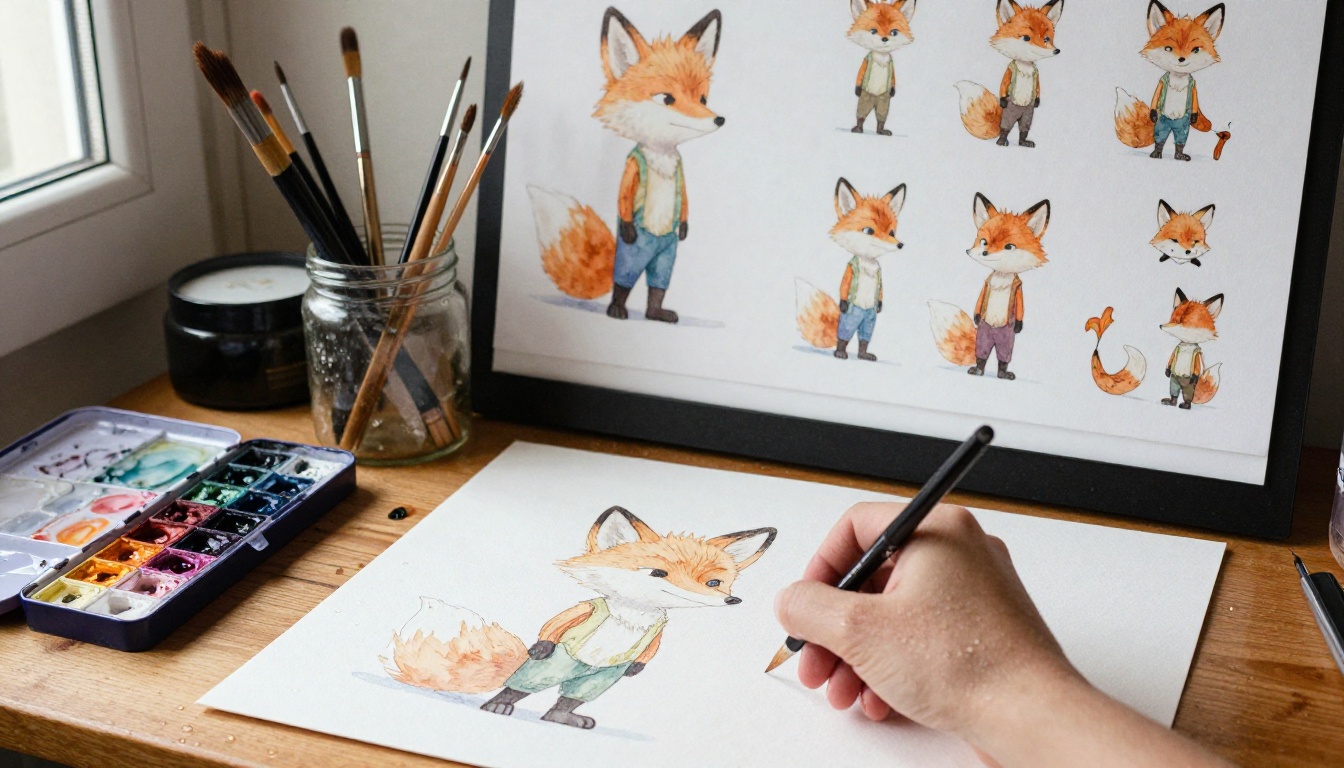
Before drawing a single spread, make a reference sheet with the character from the front, side and back, plus four expressions: happy, sad, surprised, determined. Pin it above your desk.
Keep a Palette and Setting Log
Write down the main colors, the time of day in each scene and recurring objects. This takes twenty minutes and saves weeks of redrawing.
| Element | What Goes Wrong | Simple Fix |
|---|
| Clothing | Shirt color shifts between spreads | Lock outfit on the character sheet |
| Proportions | Head size changes with each pose | Draw a height chart next to a familiar object |
| Lighting | Day becomes night without reason | Add a time-of-day note per spread |
| Style | Mixed media with no pattern | Pick one medium and stay with it |
Mistake Five: Forcing the Rhyme
Rhyming picture books are the hardest to sell. Editors see thousands of them, and most contain at least one line where the meaning bent to fit the rhyme. Readers feel the strain even if they cannot name it.
Rhyme Only If It Is Natural
If you have to invert a sentence ("Into the barn the cow did go") or invent a word to hit the rhyme, rewrite the line. Strong prose beats weak verse every time.
Check the Meter
Clap the beat of each line. If one line has five beats and the next has seven, adults will stumble when reading aloud. Consistent meter makes the book feel effortless.
⚠️ Warning: Do not ask friends whether the rhyme "sounds good." Ask them to read the text aloud cold, without hearing it from you first. Where they trip, your meter is off.
Mistake Six: Skipping the Dummy
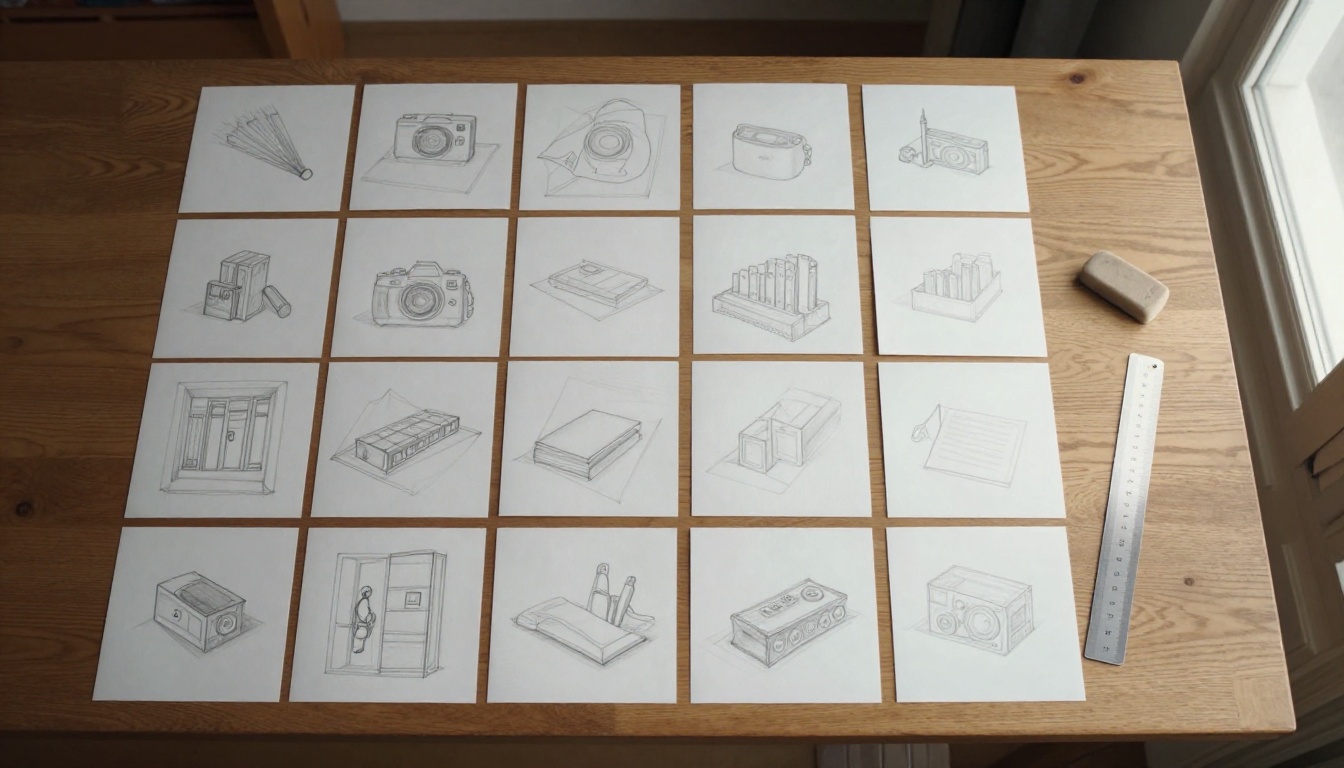
A dummy is a rough mock-up of the whole book: 32 pages with text and thumbnail sketches in place. Skipping it is the fastest way to discover (too late) that your story needs 40 pages or that two spreads show the same scene.
Fold It by Hand First
Fold sixteen sheets in half, staple the spine, and sketch each spread in pencil. Tape the text where it will sit. Flip through it fast, then slowly.
Preview It Digitally
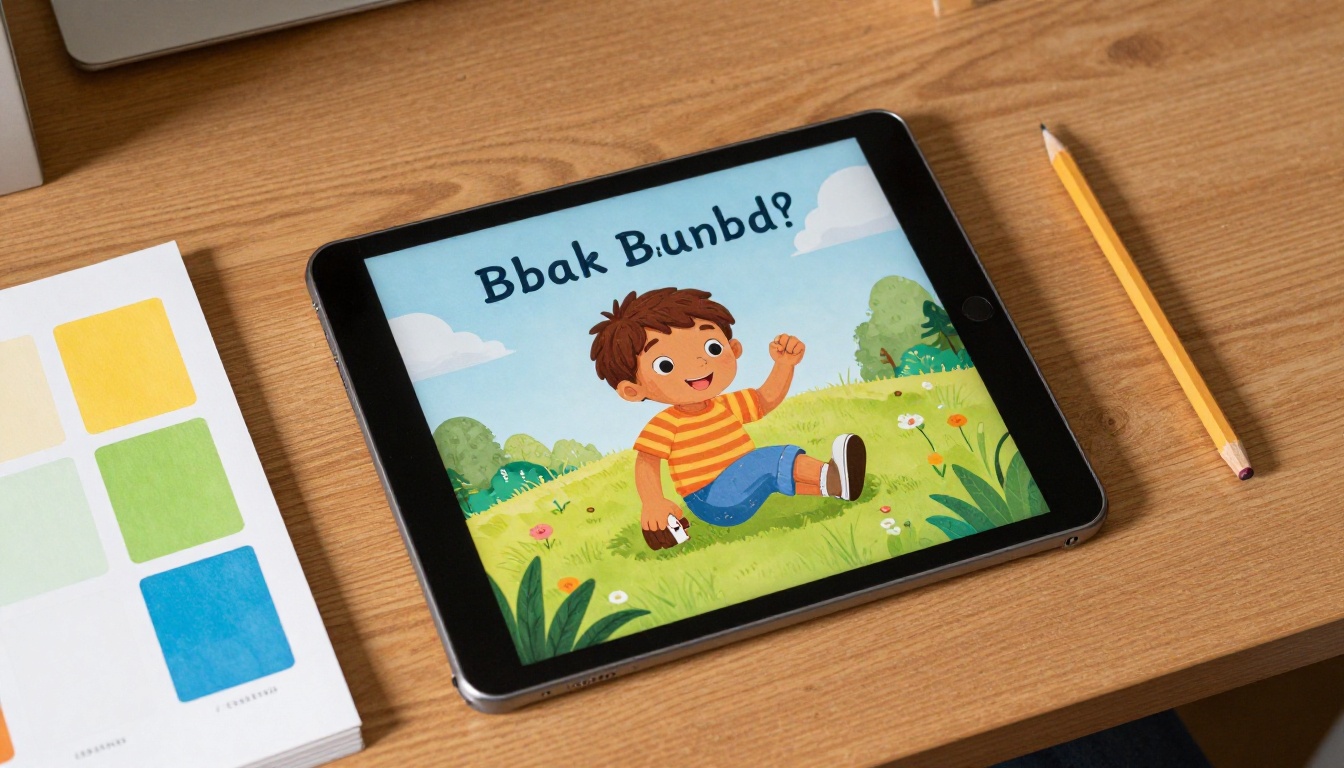
Printed dummies are great, but they are hard to share across time zones. You can upload a PDF to the PDF to Flipbook Converter and send critique partners a link that turns pages like a real book. For longer projects, the Interactive E-Book Publisher is built for exactly this.

How to Build a Preview Flipbook
- Export your dummy or finished spreads as a single PDF.
- Create an account and upload the file.
- Pick a page-turn effect and a neutral background so the art stays the focus.
- Add your pen name and brand colors in the customization panel.
- Set a password if the manuscript is still private.
- Copy the direct link or embed code and send it to your critique group.
Plans with analytics let you see how many people opened the book and which pages they lingered on. Compare options on the pricing page.
Mistake Seven: Weak Cover and Title
Readers do pick books by their jackets, and parents scan titles in seconds. A vague title and a cluttered front page cost you the sale before page one.
Make the Title Specific
"A Day Out" tells nothing. "The Hedgehog Who Missed the Bus" tells you who, what and a little humor. Aim for four to six words with a concrete image.
Keep the Front Page Simple
One strong character, one clear emotion, readable title type. Test it at thumbnail size on your phone. If you cannot tell what the book is about at that size, simplify.
| Front Page Choice | Works Well | Often Fails |
|---|
| Character pose | Mid-action, expressive face | Stiff, facing sideways |
| Title lettering | Bold, high contrast | Thin script on a busy background |
| Background | One or two colors | Full scene with ten objects |
| Author name | Small, clean | Competes with the title |
Mistake Eight: Skipping Honest Feedback
Family members love everything. Strangers are kinder to your book than your inner critic, but only if they are the right strangers: other children's writers, librarians and teachers.
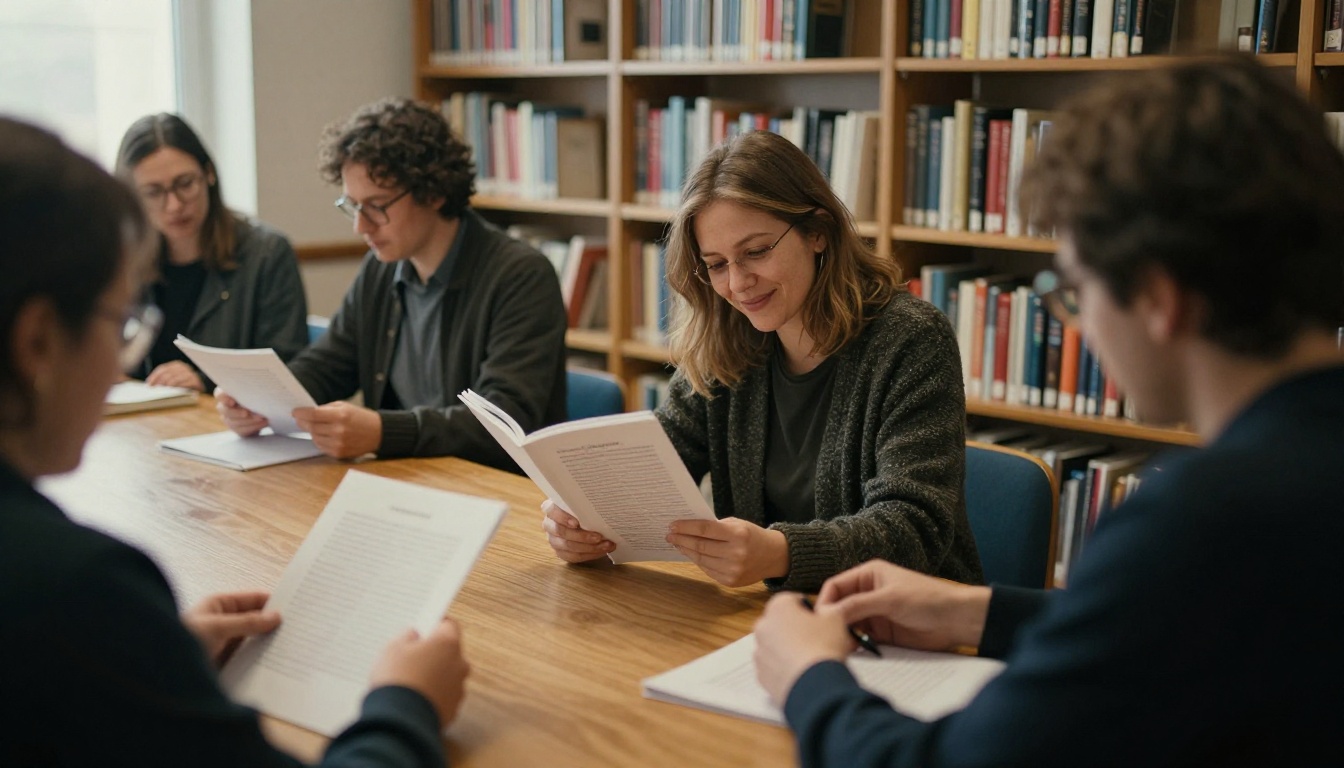
Find a Critique Group
Look for local writing meetups or online groups that focus on picture books. Offer to trade manuscripts. Give specific notes, receive them without defending.
Test With Real Kids
Read the draft to three children in the target age range. Watch their faces, not their words. Where do they wiggle? Where do they lean in? That tells you more than any adult comment.
💡 Pro tip: Send your critique partners a private flipbook link rather than an email attachment. They can flip through on a phone, and you can protect it with a password until you are ready to share widely.
Your Pre-Submission Checklist
Before you send the manuscript anywhere, run through this list.
The Fast Audit
- Word count under 600 for ages 3 to 6
- A clear want in the first two spreads
- At least three page turns that create curiosity
- Illustration notes only where the art cannot show it
- Consistent character sheet and palette log
- Rhyme (if any) reads aloud without stumbling
- A specific, memorable title
- Feedback from at least two outside readers and three kids
Pick Your Publishing Path
| Path | Best For | Watch Out For |
|---|
| Traditional publishing | Authors who want editors and distribution | Long waits, few slots for new voices |
| Self-publishing in print | Authors who want full control | Printing costs, marketing on your own |
| Digital flipbook | Fast sharing, classrooms, personal gifts | Needs a promotion plan to be found |
For many first-time authors, a digital edition is the lowest-risk way to test the story with real readers. The E-Book Flipbook Generator turns a finished PDF into a shareable book with no watermarks, and the same file can double as a personal keepsake for grandparents.

Ready to Fix Your Draft?
Every mistake above is fixable in a weekend. Trim the text, sharpen the page turns, lock down your character sheet, and build a real dummy. Then put the whole thing in front of readers who will tell you the truth.
When you are ready to see your story as a real book, get started for free on Flipbooks AI. You can also browse all flipbook tools or compare pricing plans to pick the right fit for your project. Your next draft will be better than your last, and the child on the other side of the page is worth the work.



