Ramadan and Eid gatherings carry a weight that no other celebration quite matches. The table is more than food; it is a statement of hospitality, tradition, and love. Yet most hosts still hand guests a printed sheet or recite dishes aloud, missing an enormous opportunity to make the experience truly memorable. A beautifully designed menu flipbook changes that instantly, turning a simple meal listing into an immersive, shareable presentation that guests talk about long after the last bite of kunafa. Flipbooks AI makes it possible to create these menus in minutes, with no design experience required.
Why Ramadan and Eid Menus Need Better Presentation
The ritual of iftar is intentional. The spread is deliberate. Every dish on the table has a story, a recipe passed down through generations or carefully sourced from a trusted artisan. When the presentation matches that intention, something meaningful happens: guests slow down, they read, they ask questions, and the meal becomes a conversation rather than just consumption.
The Problem with Paper Menus at Ramadan Gatherings
Printed menus at large Ramadan gatherings have real limitations. They wrinkle, they stain with harissa or pomegranate juice, and after a few hands pass them along, they look tired before the main course arrives. For families hosting 20 or 30 guests, printing enough copies is expensive and wasteful. Restaurants offering Ramadan iftar packages face the same challenge: a laminated sheet handed at the door does nothing to build anticipation or reflect the quality of what is coming.
The bigger issue is that a static paper menu cannot tell the story behind the dishes. It cannot show where the lamb was sourced, cannot explain the spice blend in the harira, and cannot link guests to an online reservation page for next year's celebration.
Why Digital Wins in 2027
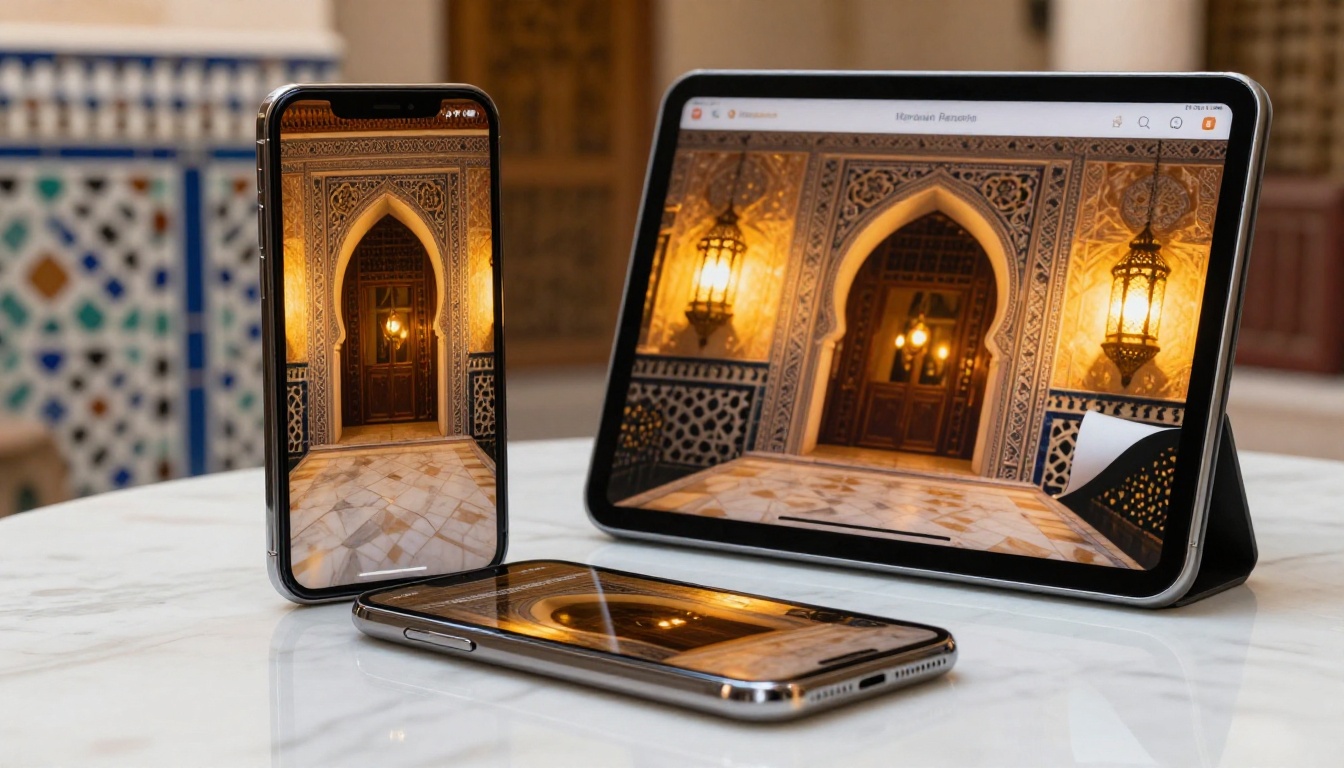
A digital menu flipbook solves every one of those problems. It works on any smartphone without an app download. It loads in seconds, looks stunning on a 5-inch phone or a 15-inch tablet, and can be updated the moment a dish changes or a course is added. For large Ramadan events, you send one link and every guest has an identical, polished experience.
There is also the shareability factor. Guests at your iftar photograph the flipbook on their phone screens, post it to Instagram stories, and tag your restaurant or household. That one flipbook link becomes organic word-of-mouth that no printed menu can replicate.
💡 Pro tip: Share your flipbook link via WhatsApp group before the iftar. Guests arrive knowing exactly what to expect, and the excitement builds before they even sit down.
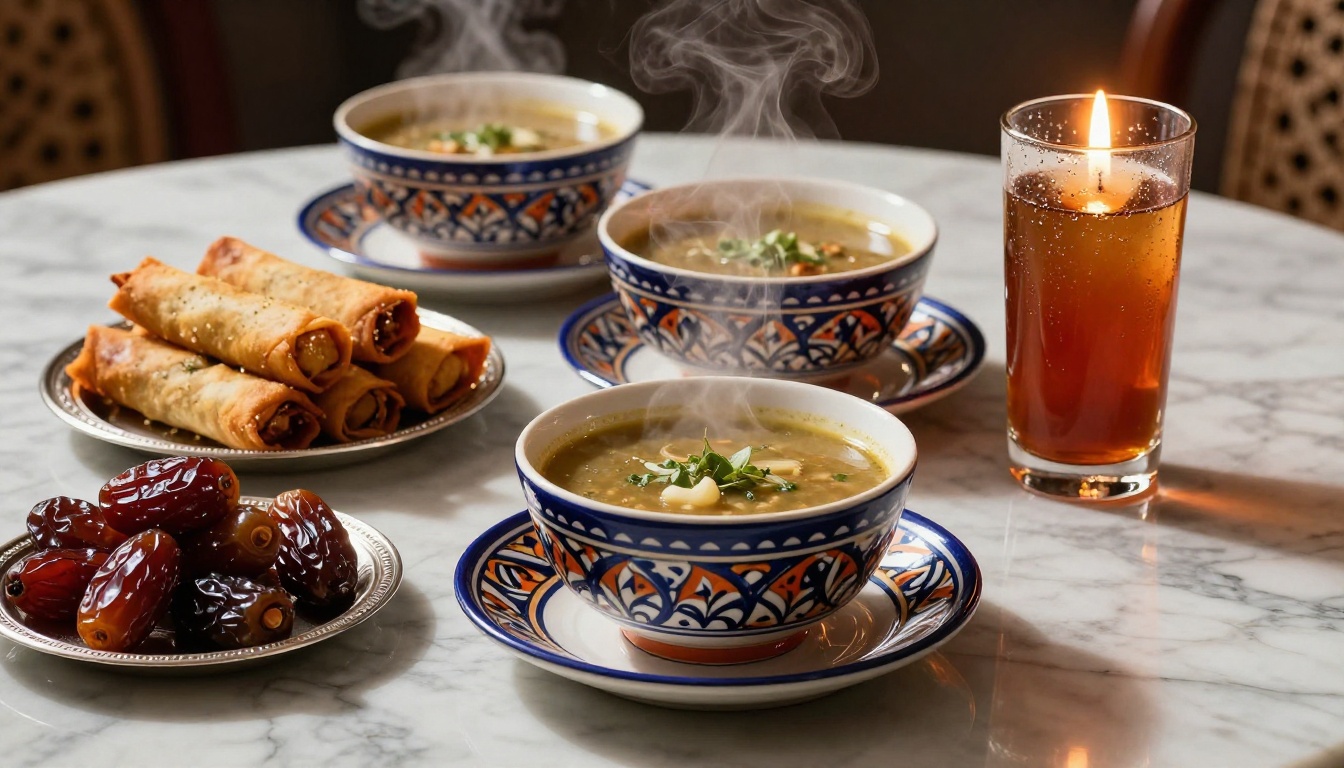
The iftar table has a rhythm. It opens with dates and water, moves through soups and salads, then into the main event before arriving at a dessert spread that makes everyone forget they spent all day fasting. Your menu flipbook should follow that same rhythm, page by page, building excitement as guests flip through each section.
Starting Strong: Soups and Appetizers
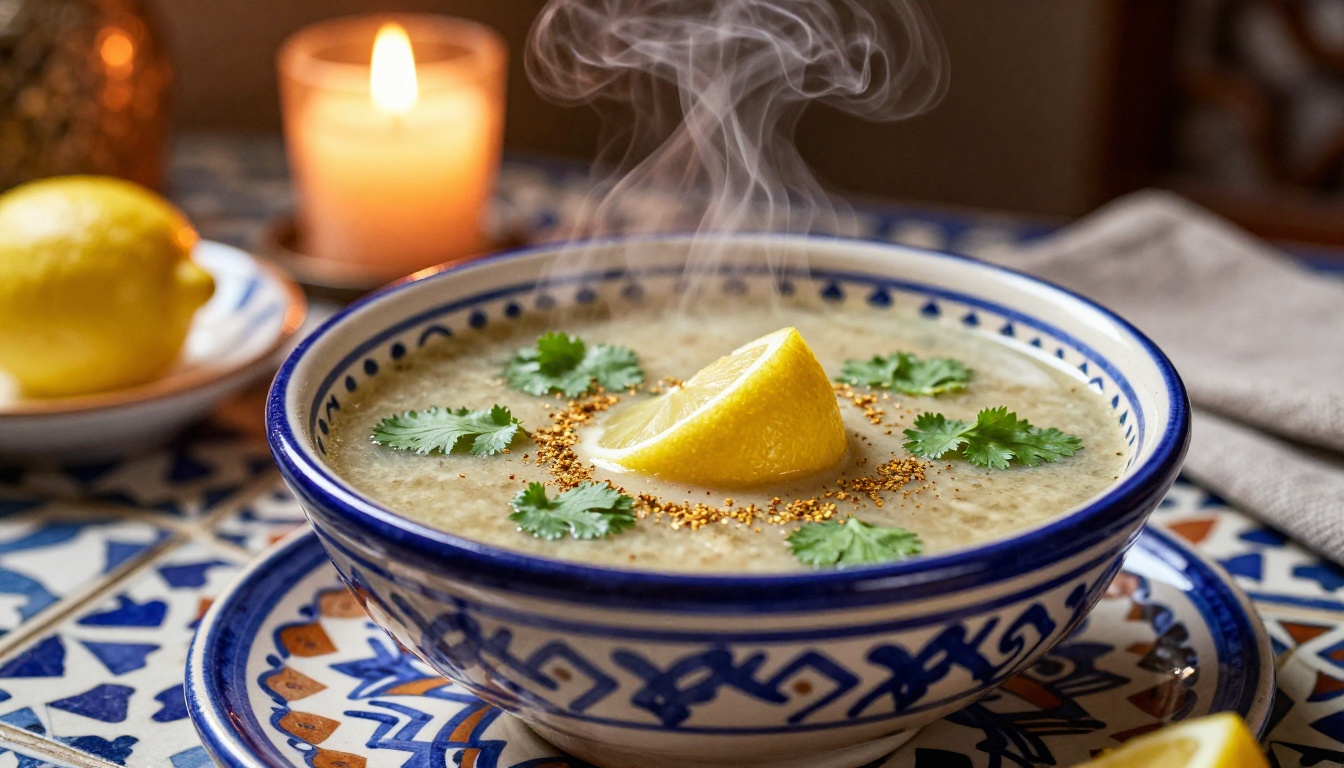
The opening section of your iftar menu flipbook sets the tone. Use a full-bleed photograph of harira or lentil soup as the first interior page. Below the photo, list the dish name in both Arabic and English, a two-sentence description naming the spices and origin, and any allergen notes. Keep the typography clean: one serif font for headings, one sans-serif for body text.
Appetizer pages work best in a two-column grid, with a photograph on the left and the dish description on the right. Dishes worth featuring in this section include:
- Fattoush salad with sumac dressing and toasted pita chips
- Samboosa (fried pastry filled with spiced meat or cheese)
- Hummus with warm flatbread and olive oil drizzle
- Warak dawali (stuffed grape leaves with lemon and mint)
- Harira soup with lemon wedges and fresh cilantro
✅ Best practice: Number your pages clearly. A guest who wants to return to the soup section later can find it immediately.
Main Course Layouts That Impress
The main course section is where your flipbook earns its place at the table. Use a full two-page spread for your hero dish. A whole roasted lamb gets an entire page, shot with dramatic natural light, with a half-page description on the facing side. Supporting dishes like biryani, mansaf, or grilled fish can share a page in a clean three-dish grid layout.
Bold the dish names throughout. Use italics for the origin or cooking method, such as slow-cooked overnight in a sealed clay pot. This combination of detail and restraint gives the menu authority without overwhelming a reader who is already hungry.
Dessert and Sweets Sections
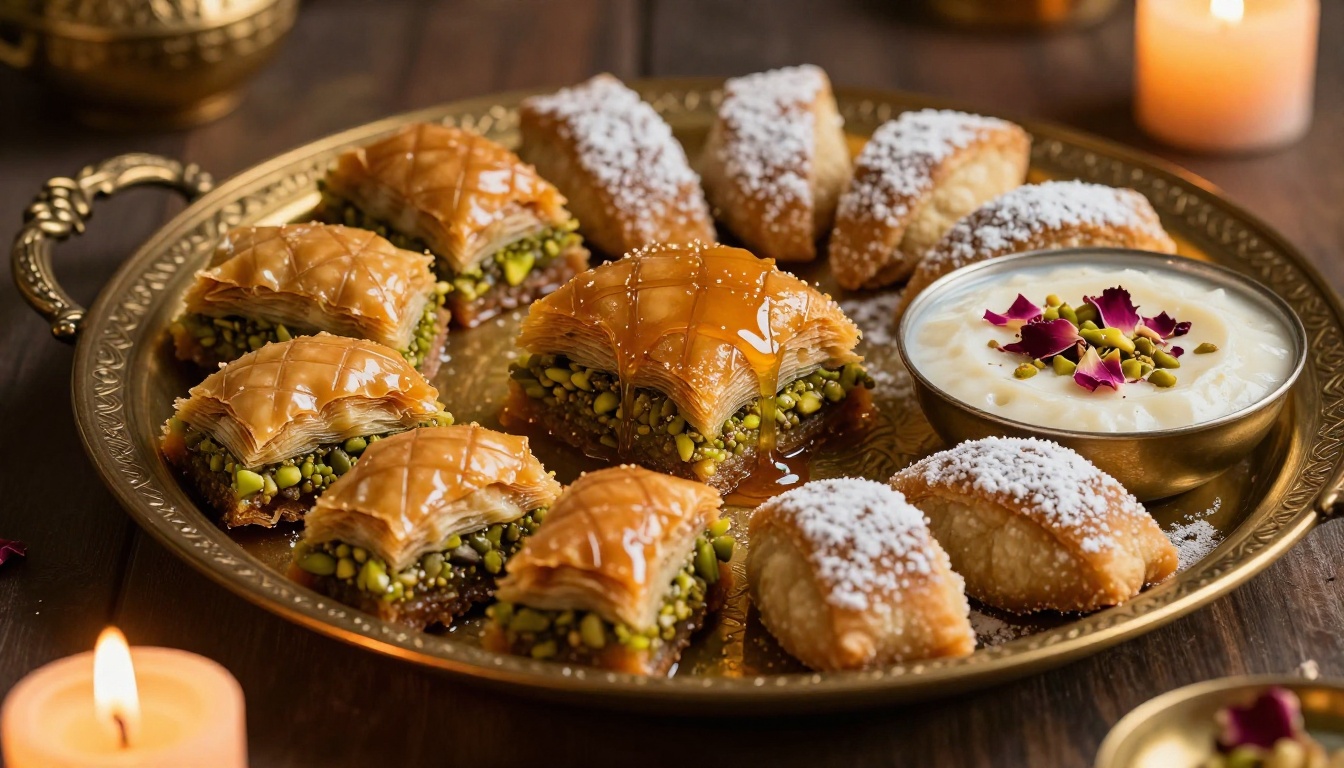
Never rush the dessert section in a Ramadan menu. During this holy month and at Eid celebrations, sweets carry deep emotional significance. Give them two to three dedicated pages. Feature kunafa on its own full spread. Arrange baklava varieties in a visual comparison grid showing the pistachio version beside the walnut version. Show ma'amoul cookies in a flat-lay with powdered sugar dusting the surface.
| Iftar Menu Section | Recommended Pages | Best Visual Style |
|---|
| Dates, Water, and Juices | 1 page | Full-bleed flat-lay photography |
| Soups | 1 page | Close-up steam photography |
| Salads and Appetizers | 2 pages | Two-column grid layout |
| Main Course | 2-3 pages | Hero dish two-page spread |
| Desserts | 2-3 pages | Styled arrangement photography |
| Beverages and Tea | 1 page | Glass and ceramic close-ups |
Suhoor is the quieter, more intimate meal of Ramadan. The atmosphere is entirely different: pre-dawn, often family-only, focused on sustaining energy through the day's fast. Your suhoor menu flipbook reflects that quieter energy with softer colors, simpler layouts, and an emphasis on nutrition alongside flavor.
Light and Healthy Suhoor Options
The best suhoor menus balance complex carbohydrates, protein, and hydration. When designing this section, use a muted color palette: cream backgrounds, olive green accents, soft terracotta tones. Photography should lean toward natural daylight even when the actual suhoor happens before dawn.
Dishes that deserve prominent placement in any suhoor flipbook:
- Labneh with za'atar and olive oil (high protein, satisfying, slow-digesting)
- Ful medames (Egyptian fava bean stew with soft-boiled eggs)
- Oatmeal with dates and honey (natural sugars, sustained energy release)
- Whole grain pita with avocado and poached egg (balanced macros)
- Fruit and yogurt bowls with granola and chia seeds for hydration
⚠️ Note: Avoid featuring heavily fried or high-sodium dishes prominently in suhoor sections. Many guests appreciate when a menu acknowledges the physical demands of a day-long fast.
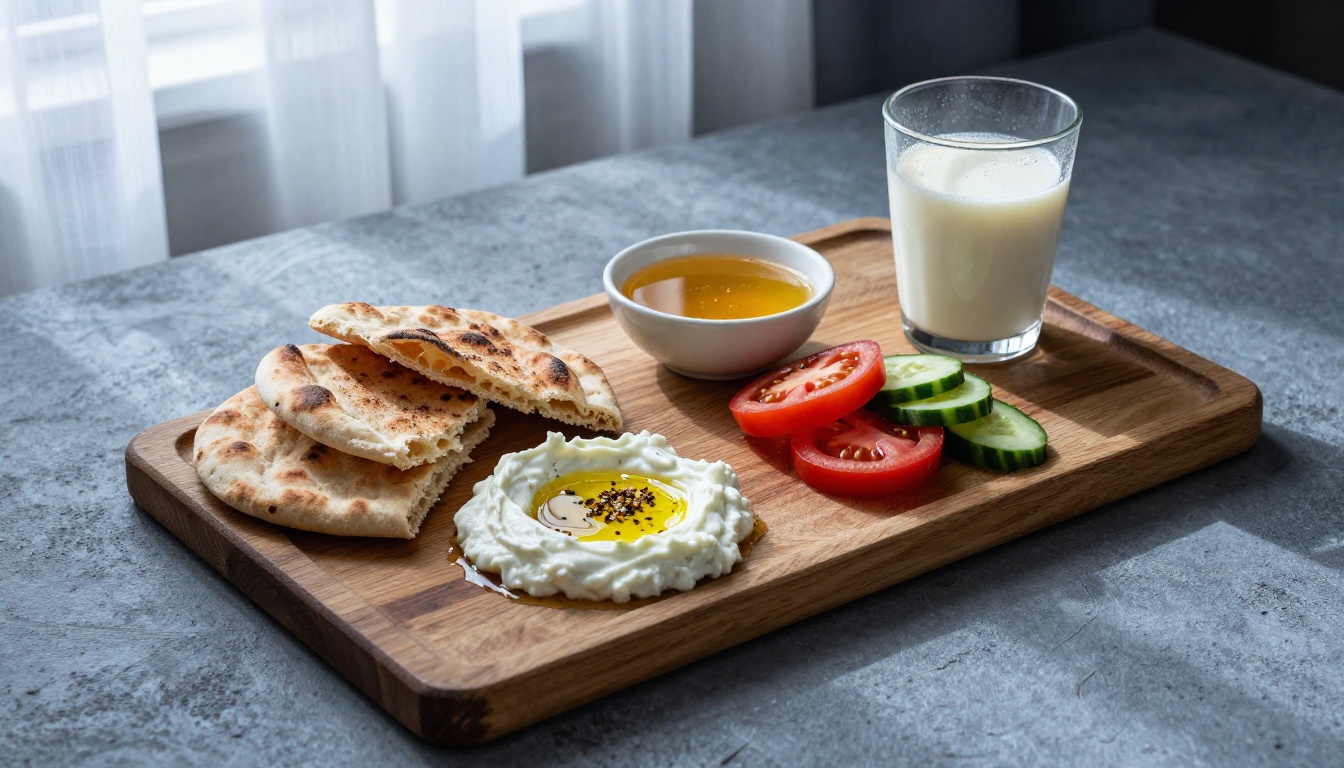
Family Suhoor Spread Ideas
For family suhoor gatherings, a sharing board concept works beautifully in a flipbook layout. Rather than individual plated dishes, show one generous platter that the whole family dips from. A horizontal full-bleed image of a family sharing board makes a compelling opening page for the suhoor section.
Consider adding a "build your own bowl" spread for younger family members: a visual grid of optional toppings (nuts, seeds, dried fruit, fresh herbs) that children can flip through and point at. This interactive element makes the flipbook feel like it was made for the whole family, not just the adults.
Eid al-Fitr marks the end of Ramadan with a burst of celebration. The food is richer, the gathering is larger, and the presentation must match the moment. A flipbook for an Eid al-Fitr dinner should feel celebratory from the first page: gold accents on a white background, rich food photography, and a multi-course structure that signals a serious, joyful feast.
Traditional vs. Modern Eid Menu Layouts
The tension most hosts face is how to honor tradition while presenting it in a way that feels current. A flipbook gives you both. You can use Arabic-style typography for dish names while keeping the overall layout clean and modern. You can feature your grandmother's recipe in a callout box while the main description remains bilingual and accessible to all guests.
| Element | Traditional Layout | Modern Layout |
|---|
| Typography | Arabic calligraphy, ornate | Clean sans-serif, bilingual |
| Color palette | Deep gold, burgundy, emerald | Warm neutrals, muted earth tones |
| Photography style | Styled tablescapes | Close-up macro food shots |
| Course structure | Single large spread | Multi-course numbered sections |
| Page count | 4-6 pages | 8-12 pages |
| Interactivity | None | Embedded video, recipe links |
Multi-Course Eid Spreads
A proper Eid al-Fitr dinner flipbook works best structured as a true multi-course document:
- Welcome page: The date, occasion name, and host family or restaurant name
- Amuse-bouche: Small bites to start, one image per item
- Soup course: Lentil, chicken broth, or cream of cauliflower
- Salad course: Fattoush, tabbouleh, or roasted beet with citrus dressing
- Main course: Hero dish spread across two full pages
- Dessert section: Dedicated 2-3 pages with full photography for each item
- Tea and coffee: Final page with beverage pairings and brewing notes
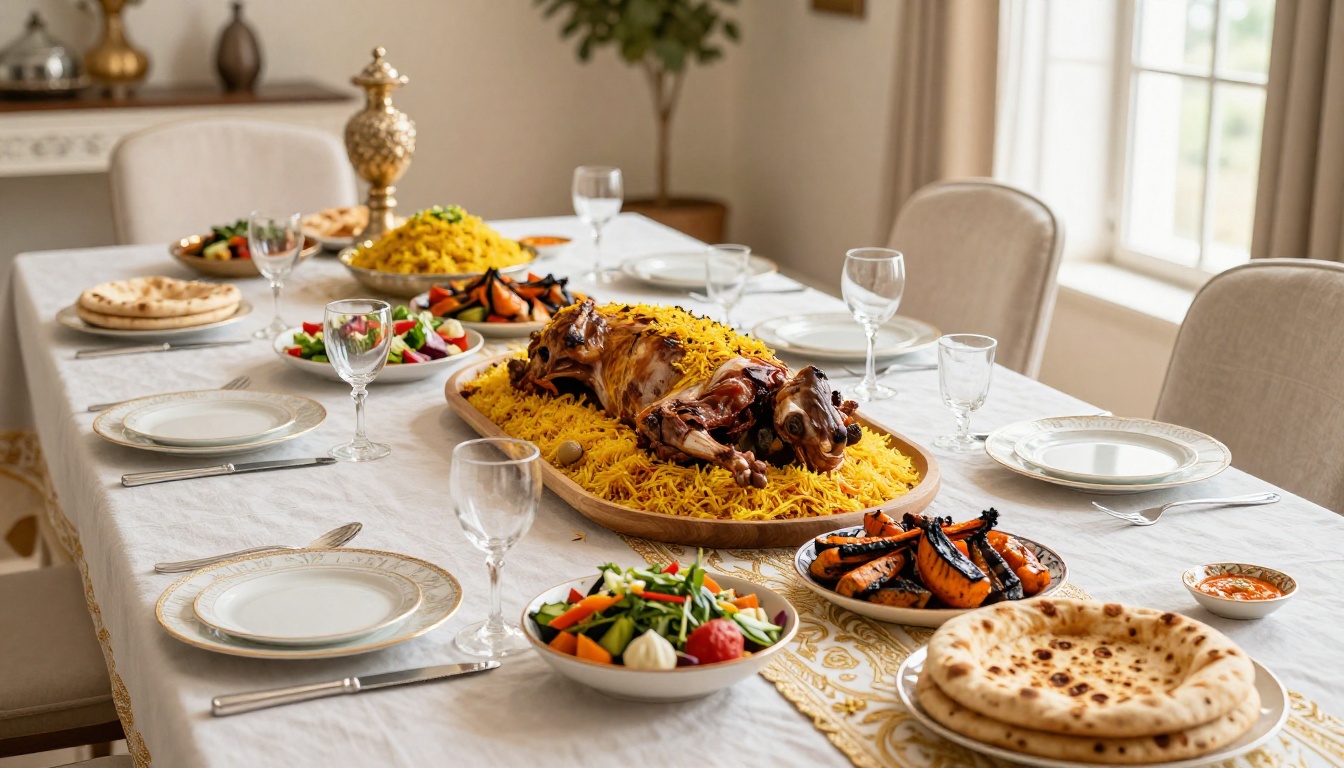
Eid al-Adha centers on the sacrifice, which means meat takes the starring role on every table. Your flipbook should lean fully into the celebration of protein: roasted lamb, grilled kofta, slow-cooked mansaf, and stewed meats served over fragrant rice. The visual language here is robust and hearty rather than delicate.
Meat-Centric Presentations
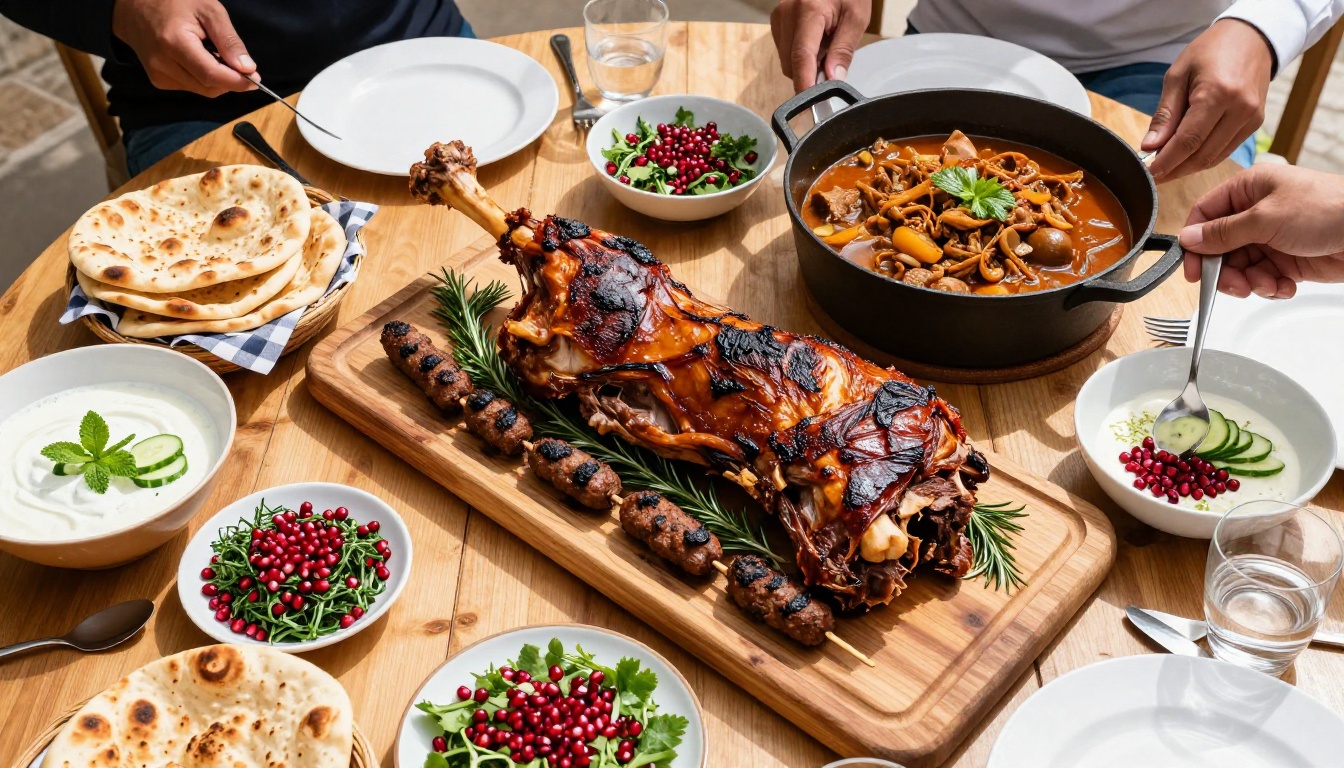
Give the main protein its own dramatic spread. A whole leg of lamb shot on a carved wooden board, fresh rosemary scattered around it, natural light falling across the caramelized dark crust, fills a page with authority. Below the photograph, list the preparation method, cooking time, and the specific cut so guests appreciate the care and skill behind the dish.
Supporting proteins work well in a comparison layout:
| Dish | Preparation | Cooking Time | Serving Style |
|---|
| Grilled kofta kebab | Ground lamb with parsley and onion | 20 minutes | Skewers with warm flatbread |
| Ouzi (slow-roasted lamb) | Whole leg in a sealed pot | Overnight | On a bed of saffron rice |
| Marinated lamb chops | Baharat spice blend, seared | 25 minutes | Cast iron, served with yogurt |
| Sauteed liver with peppers | Fresh liver, olive oil, onions | 10 minutes | Small plates, morning style |
Side Dishes and Salads
Balance the richness of the meat section with a fresh, bright side dishes page. A four-image grid works well: saffron rice, fattoush salad, roasted cauliflower with tahini, and a simple cucumber yogurt. The contrast between the deep browns of the meat pages and the bright greens of the vegetable section creates visual breathing room in the flipbook.
💡 Pro tip: Add a "Pairs well with" note beneath each main dish pointing guests toward which sides complement it best. This turns a menu into a proper dining companion rather than a simple list.
Flipbooks AI is built exactly for this kind of seasonal, high-impact content. You do not need a design degree or an expensive software subscription. You need your menu in PDF format and about five minutes.
Creating Your Account
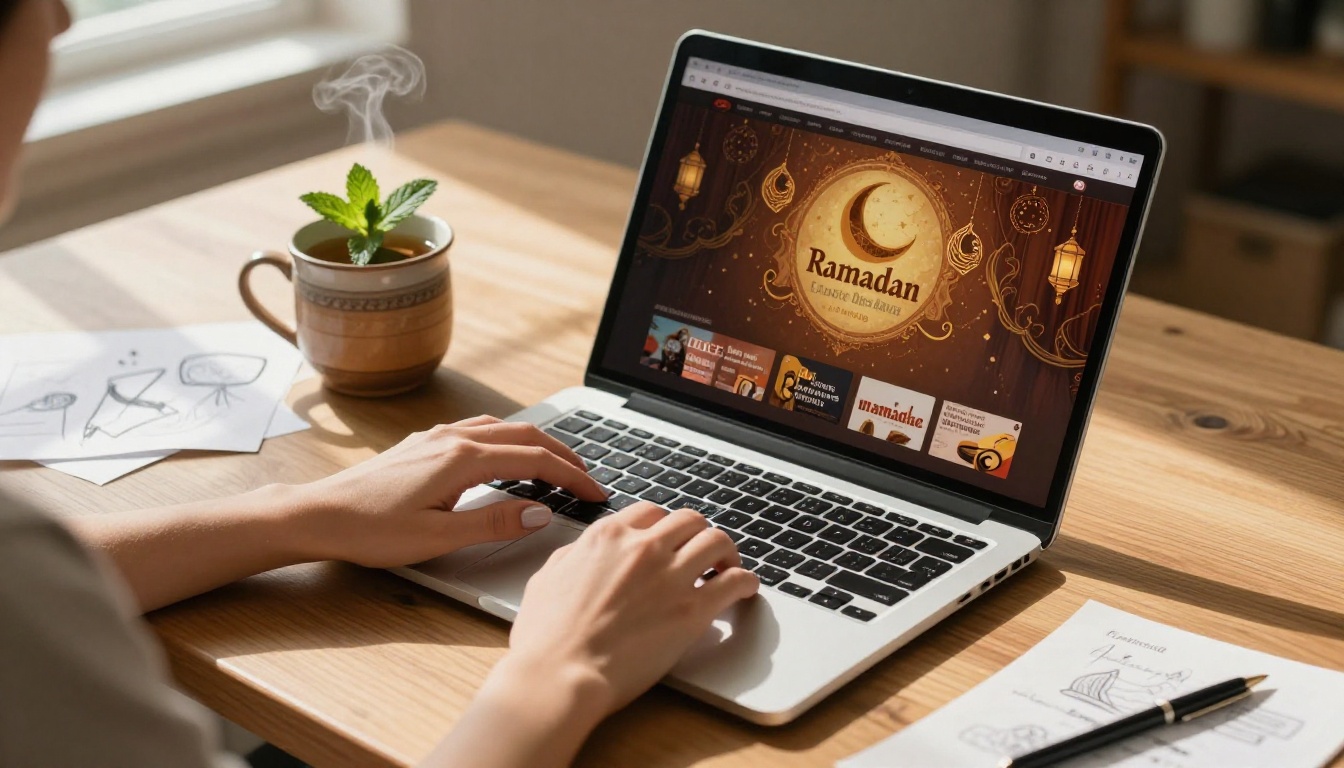
Head to Flipbooks AI and sign up for free. The process takes under a minute. Once inside, you have access to the Menu Flipbook Designer and the Restaurant Menu Creator, both optimized specifically for food and hospitality presentations.
The Upload Process
- Design your menu in Canva, Microsoft Word, or any PDF-capable tool and export as a PDF.
- Visit flipbooksai.com and click Upload PDF.
- Your file converts automatically into a page-flip flipbook. No plugins, no coding required.
- Preview the result on both desktop and mobile to confirm every page looks correct.
Customization
This is where the real impact happens. Flipbooks AI lets you:
- Apply custom colors to match your event palette (gold and emerald for Ramadan nights, white and gold for Eid morning)
- Set background music so guests hear soft ambient music as they flip through each page
- Add your logo and host name to the opening page with no watermarks, ever
- Embed videos on any page, linking to a cooking demonstration or a heartfelt welcome message from the host family
Sharing Options
Your finished flipbook is ready to share in multiple formats:
- Direct link: Send via WhatsApp, email, or social media. Works on any device with a browser.
- QR code: Print one small QR code card for each table setting. Guests scan and browse on their phone.
- Embed code: If you operate a restaurant website, embed the full flipbook directly on your Ramadan landing page using the Embed Flipbook on Website tool.
- Password protection: Keep private family menus accessible only to invited guests.
Features for Event Professionals
Restaurants and event caterers running large-scale Ramadan iftar packages benefit most from the Professional plan. It adds:
- Analytics: See which pages guests spend the most time on and which dishes draw the most attention
- Lead generation: Collect email addresses directly from the flipbook for reservation follow-ups next Ramadan
- Offline downloads: Guests save the flipbook to their device and browse without internet during the event
- Unlimited flipbooks: Create separate menus for iftar, suhoor, and Eid dinner with no additional cost per document
| Feature | Free Plan | Standard Plan | Professional Plan |
|---|
| Flipbooks | 1 | Unlimited | Unlimited |
| Watermark | Yes | No | No |
| Custom branding | No | Yes | Yes |
| Password protection | No | Yes | Yes |
| Embed on website | No | Yes | Yes |
| Analytics | No | No | Yes |
| Lead generation | No | No | Yes |
| Offline downloads | No | No | Yes |
Whether you are hosting an intimate family iftar or a 200-person restaurant event, the strongest Ramadan and Eid menu flipbooks share common elements. Use this checklist before publishing:
Content must-haves:
- Dish name in Arabic and English for each item
- Brief description of two to three sentences per dish
- Allergen callouts for nuts, dairy, and gluten
- Halal certification note where applicable
- Pricing for commercial restaurant menus
- Portion size indication for buffet formats
Visual must-haves:
- High-resolution photography for every hero dish
- Consistent color palette across all pages
- Legible typography at mobile size (test by holding the phone at arm's length)
- At least one full-bleed dramatic image per major section
Functional must-haves:
- QR code or shareable link ready before the event begins
- Mobile preview tested on at least two different phone models
- Contact details or reservation link on the final page
- A clear call to action if you want guests to book or pre-order
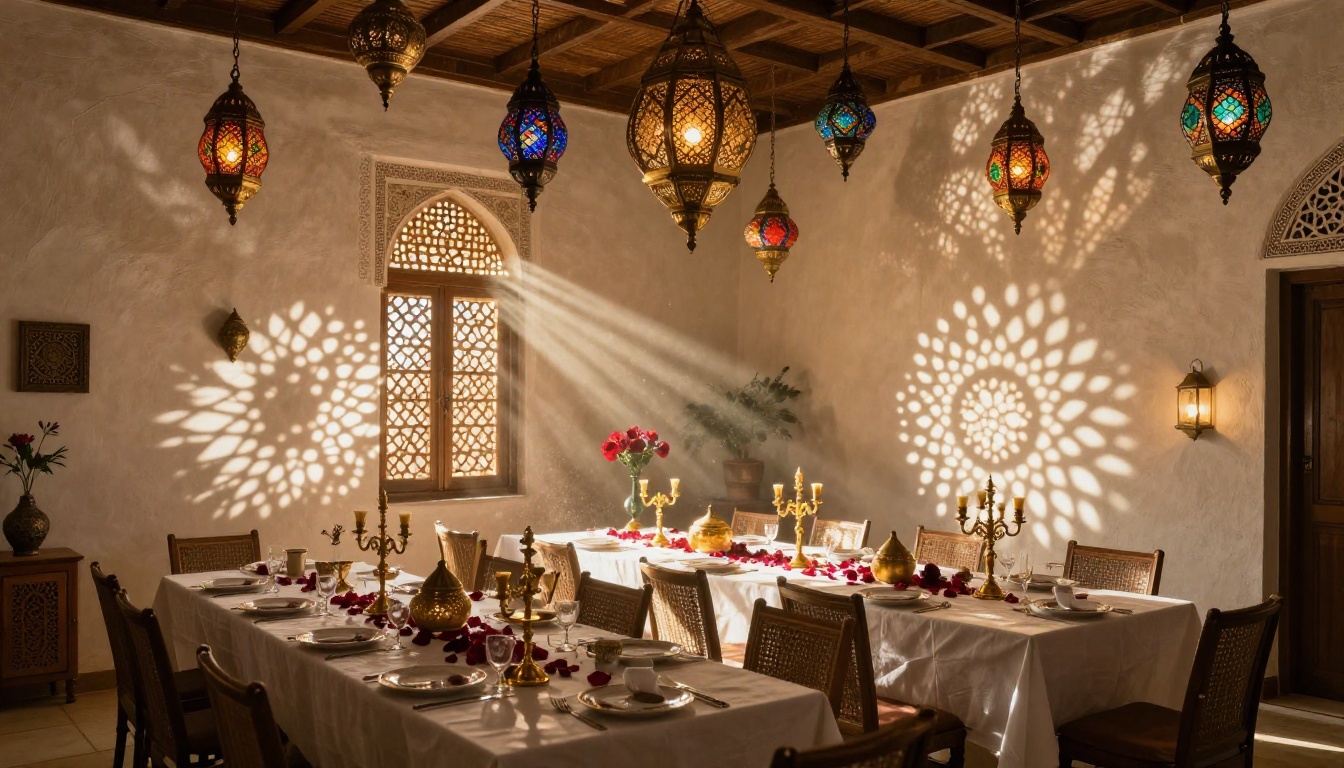
The celebration of Ramadan and Eid is too meaningful and too beautiful to present on a crumpled piece of paper. Your guests spend the day fasting, praying, and anticipating this meal. The menu they hold in their hands, or scroll through on their phones, is the first taste of everything you have prepared for them.
Ready to create your first Ramadan or Eid menu flipbook? Get started for free on Flipbooks AI today. Browse all flipbook tools to find the right fit for your event type, from intimate family iftars to large restaurant packages. When you are ready to share with hundreds of guests, browse pricing plans and choose the tier that matches your scale.



