The boxes are stacked by the door, the lease is signed, and somewhere between the bedding and the bathroom supplies you realize she has no idea how to make the soup that fixed every bad day of her childhood. That is the moment a recipe book stops being a nice idea and becomes the most useful thing you can hand over. The best recipe book ideas for a daughter leaving home mix real cooking help with family memory, and today you can build one in an evening and put it on her phone with a tool like Flipbooks AI.
This article walks through what to put inside, how to organize it, which formats work best, and how to turn a pile of stained index cards into something she will open every week.
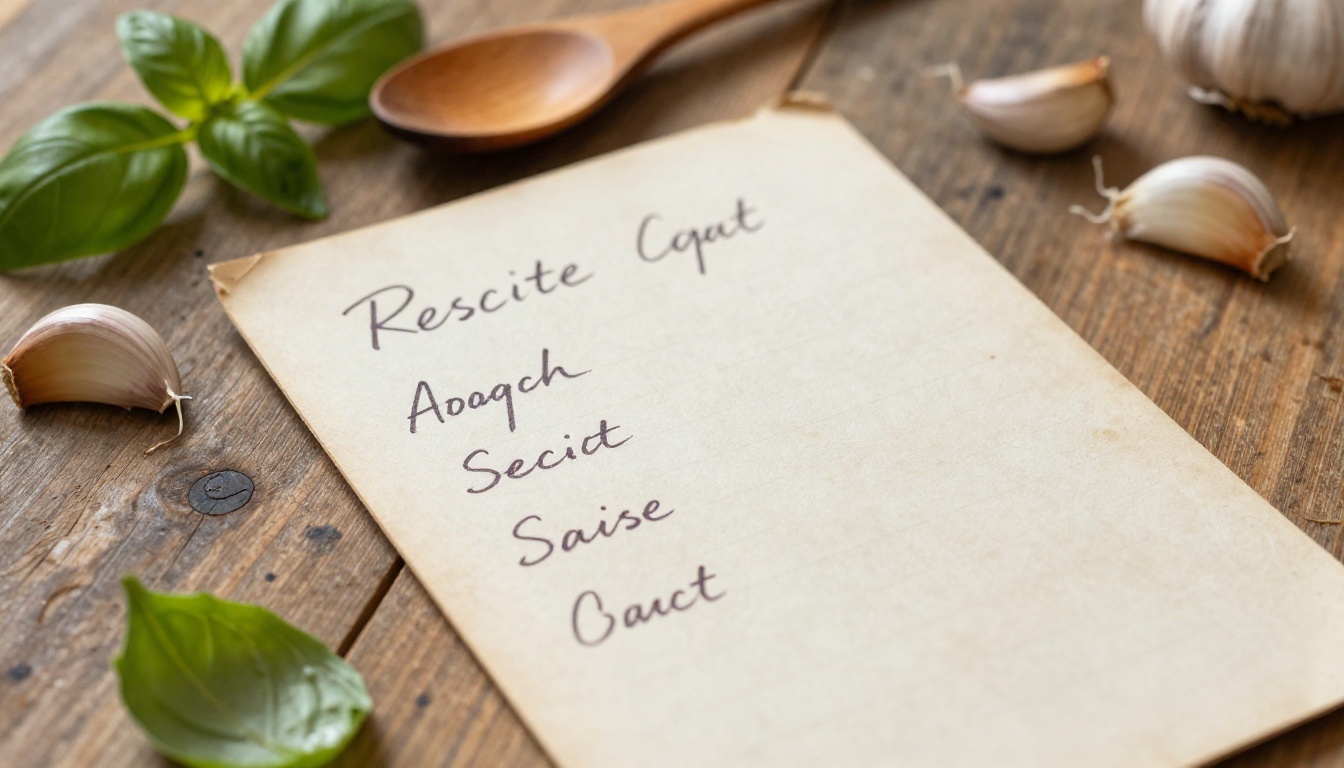
Why a Recipe Book Beats Any Other Gift
A blender gets used for a month. A recipe book gets used for decades. When your daughter moves out, she faces three problems at once: a tight budget, an unfamiliar kitchen, and a sudden need to feed herself every single day. A well-built book solves all three.
It also carries something a store-bought cookbook cannot: your voice. A note that says "add more garlic than you think" is worth more than a dozen professional photos.
What a personal recipe book gives her:
- Dishes she already knows the taste of, so she can tell when she got it right
- Budget-friendly meals scaled for one or two people
- A connection to home on the days she misses it
- A reference she can search, share with roommates, and update
💡 Pro tip: Ask her what she misses most about home cooking before you start. The answer usually surprises parents and shapes the whole book.
Choose the Right Book Style
There is no single correct format. Pick the one that matches how she lives.
| Format | Best For | Strength | Weakness |
|---|
| Printed hardcover | Sentimental gift on moving day | Feels special, lasts for years | Hard to update or share |
| Binder with sleeves | Ongoing family collection | Easy to add new recipes | Pages get stained |
| Digital flipbook | Daily cooking from a phone | Searchable, shareable, always with her | Needs a screen in the kitchen |
| Hybrid (print plus link) | Parents who want both | Gift in hand plus a live copy | Takes slightly more setup |
Most families land on the hybrid. You give her a small printed copy wrapped with a ribbon, and you send a link to the digital version so she is never without it.
The Binder Option
A three-ring binder with plastic sleeves protects pages from splatter. It also lets her add recipes she finds on her own. The downside is that it stays in one place.
The Digital Flipbook Option
A flipbook turns your pages into a page-turning book that opens on any phone. With the Recipe Book Flipbook tool you upload a PDF and get a shareable link, with no watermarks. She can prop her phone against the flour jar and flip pages with a thumb.
Start With the Recipes She Already Loves
Resist the urge to include every recipe you own. A book of 25 to 40 recipes she will actually cook beats a book of 200 she will never open.
Begin with a short interview. Sit down with her, or text if she is already away, and ask:
- Which five dishes do you ask me to make when you visit?
- Which meals do your friends always compliment?
- What do you think you could never make without me?
- What do you eat when you are sick, sad, or celebrating?
Those answers form the core. Add a handful of practical basics on top, and the book is balanced.
Family Classics
These are the dishes tied to holidays, birthdays, and Sunday dinners. Include the story behind each one. "Grandma made this every Easter" turns a casserole into an heirloom.
Weeknight Rescues
Think pasta, stir fry, sheet pan dinners, and soups. Every recipe should take under 40 minutes and use ingredients she can find at any store.
Comfort and Sick Day Food
Chicken soup, rice porridge, grilled cheese, tea with honey. When she is ill and alone, this chapter is the one that feels like a hug.
Chapters That Make the Book Useful
Organization decides whether a recipe book lives on the shelf or on the counter. Here is a layout that works well for a first-time cook.
| Chapter | Sample Recipes | Why It Matters |
|---|
| First Week Survival | Scrambled eggs, buttered pasta, toast ideas | Gets her fed on day one |
| Weeknight Dinners | Chicken stir fry, tacos, baked salmon | Builds confidence fast |
| One Pot Meals | Chili, risotto, lentil stew | Fewer dishes in a tiny sink |
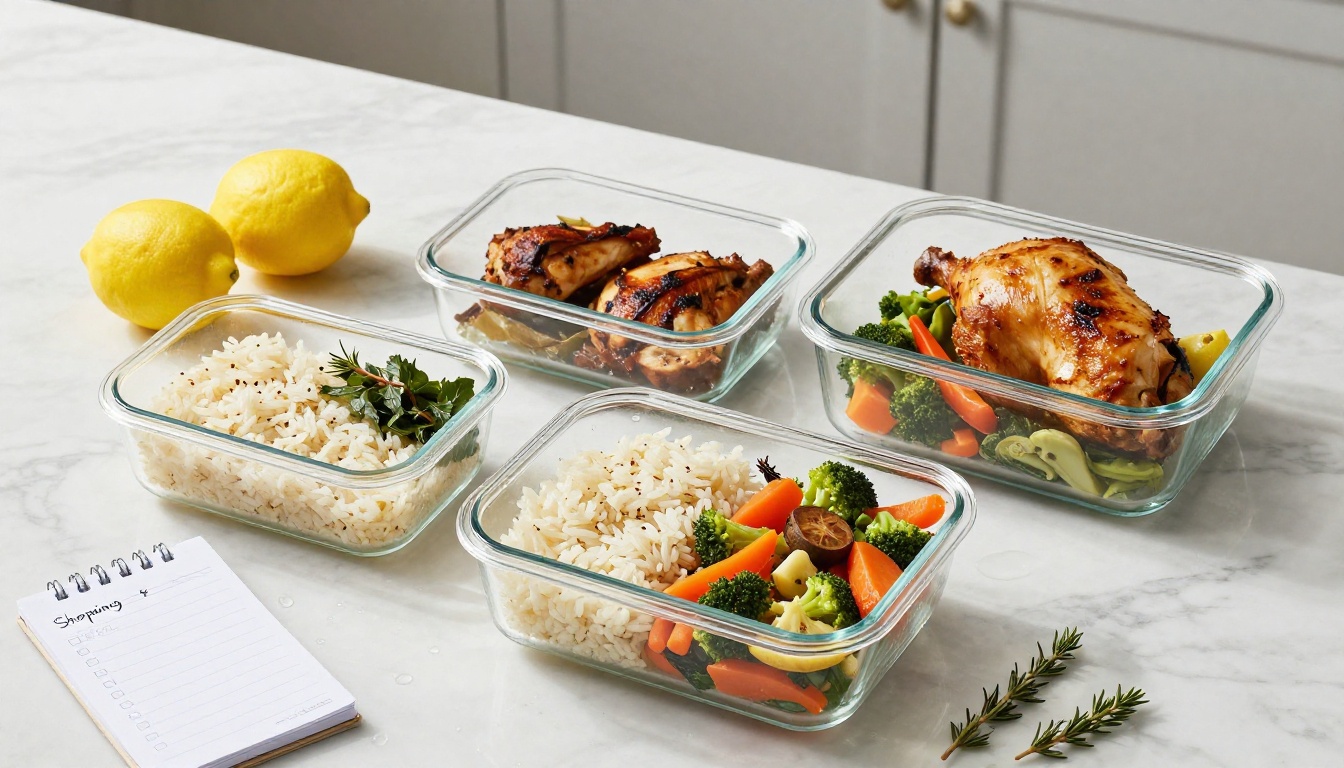
| Meal Prep Sundays | Roasted vegetables, grain bowls, soup | Saves money all week |
| Company Dinners | Lasagna, roast chicken, pie | Lets her host friends |
| Home Favorites | Your signature dishes | Keeps the family close |
Teach the Basics Between Recipes
The biggest gap for new cooks is not recipes. It is the unwritten knowledge. Slip short tip boxes between chapters to fill that gap.
Useful basics to add:
- How to tell when oil is hot enough
- What "fold" or "simmer" actually looks like
- Safe internal temperatures for chicken, pork, and fish
- How long cooked rice and leftovers last in the fridge
- Simple substitutions, like milk plus lemon juice for buttermilk
- How to rescue a dish that is too salty or too sour
✅ Best practice: Keep each tip to three lines. She will read short boxes at the stove, but she will skip long paragraphs.
A Starter Pantry Page
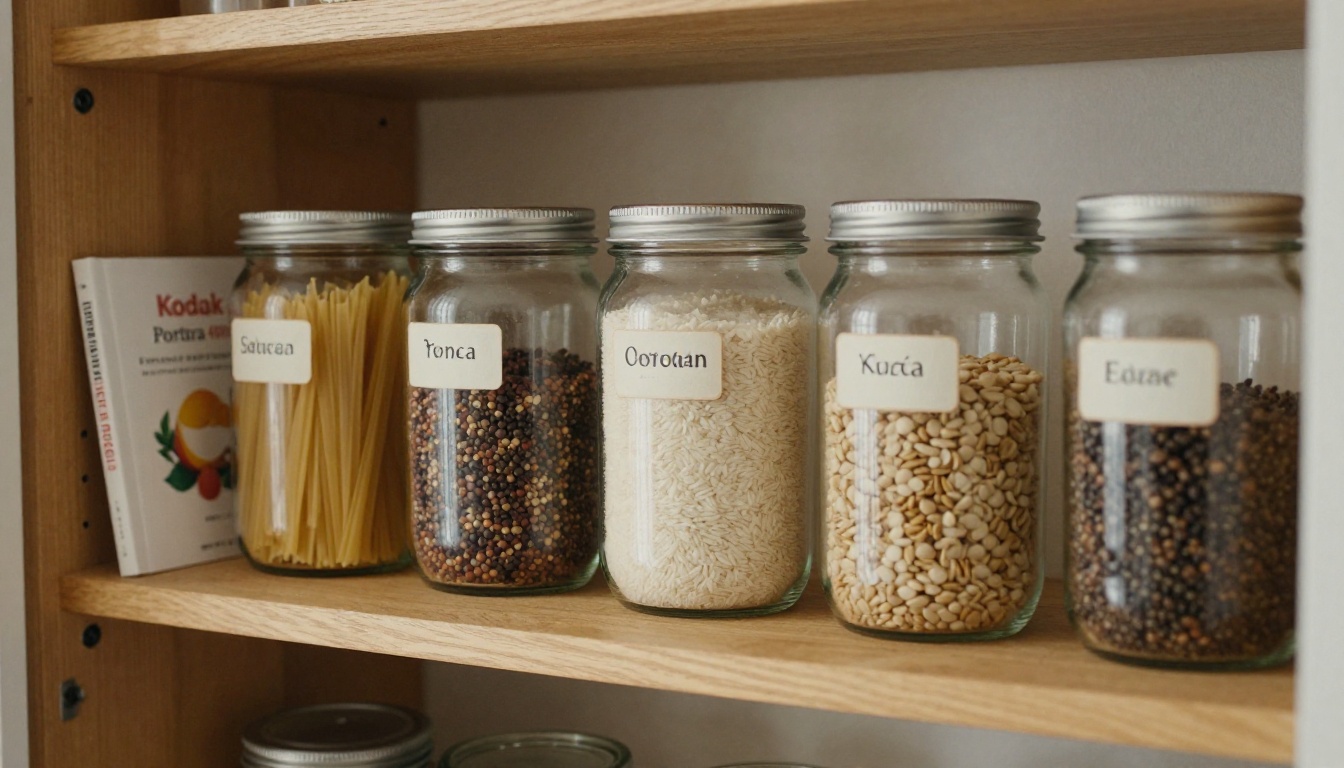
Include a one-page shopping list for her first big grocery trip: oil, salt, pepper, pasta, rice, canned tomatoes, onions, garlic, eggs, and a few spices. It saves her an hour of guessing in the aisle.
Add Your Voice and Your Stories
This is the part that makes the book yours. Under each recipe, add a short note in your own words.
- A memory: "You burned the first batch of these when you were nine and ate them anyway."
- A shortcut: "I use jarred sauce on busy nights and never tell anyone."
- A warning: "Do not walk away from the garlic."
- A swap: "No cream? Use a spoonful of cream cheese."
Write the way you talk. Imperfect is perfect here. She will hear your voice as she reads.
Include Handwriting If You Can
Scan the original recipe cards and place them next to the typed version. Seeing Grandma's handwriting beside a clean, readable copy gives her both the heirloom and the usable version.
Photos, Layout, and Small Touches
You do not need a professional studio. A phone camera near a window gives lovely results. Photograph each finished dish from above, in natural light, on a plain surface.
Layout rules that keep pages readable:
- Put the ingredient list on the left and the steps on the right when possible
- Use large, clear fonts, at least 11 points for body text
- Number every step
- Leave white space around photos
- Add prep time and servings at the top of each recipe
Small touches make the book feel personal: a family photo on the opening page, a dedication, a blank "My Notes" section at the end of every chapter, and a final page of empty recipe templates she can fill in.
How to Create a Recipe Flipbook With Flipbooks AI
Once your recipes are written, turning them into a digital book takes about ten minutes. Here is the process.
- Write your pages. Use any word processor or design tool. Export the finished book as a PDF.
- Open the tool. Go to the Recipe Book Flipbook page, or create an account to save your projects.
- Upload the PDF. The PDF to Flipbook Converter turns each page into a realistic page-turning spread.
- Customize the look. Choose a background color that matches your kitchen, add a cover image, and pick page-flip effects. You can also add custom branding such as a family name.
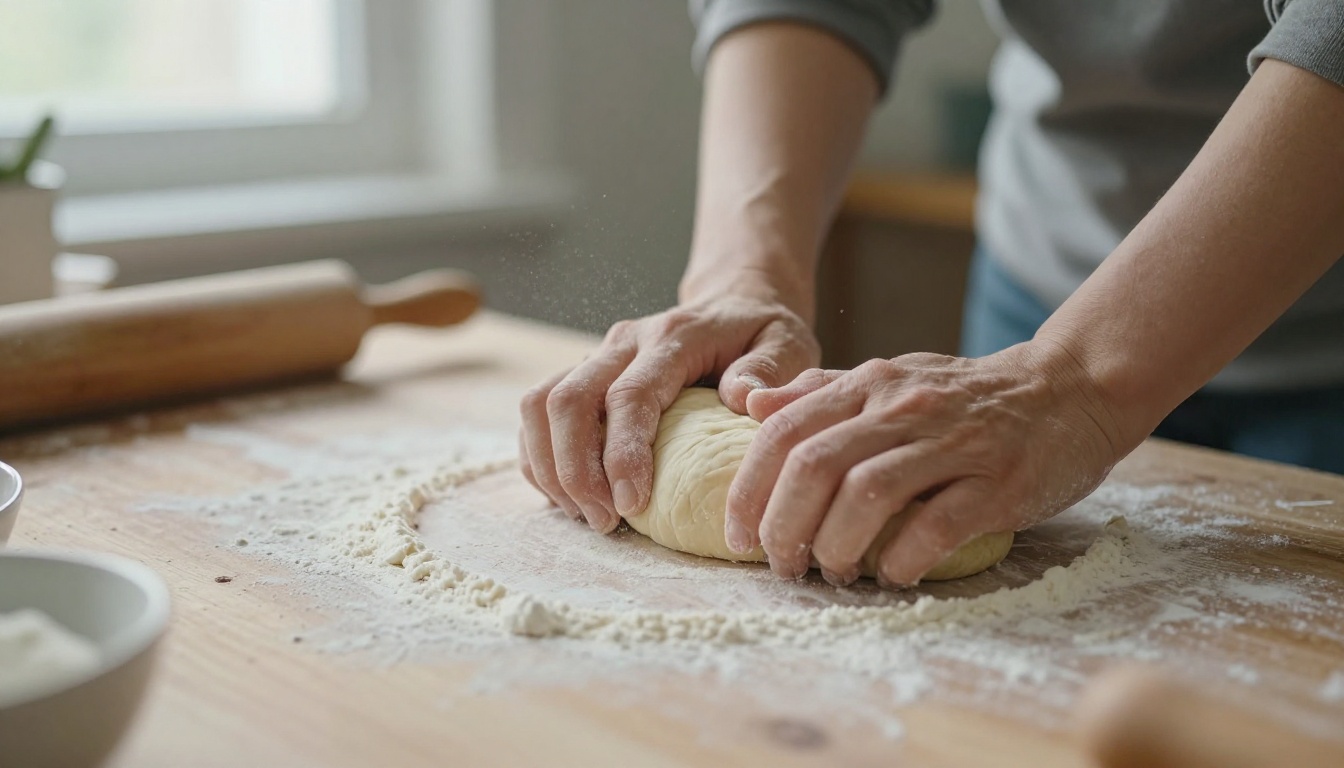
- Add extras. Embed a short video of you showing how to knead the dough, or an audio message that plays on the first page.
- Share it. Send a direct link, or embed the flipbook on a website if the whole family shares a page. Add password protection if you want to keep the book private.
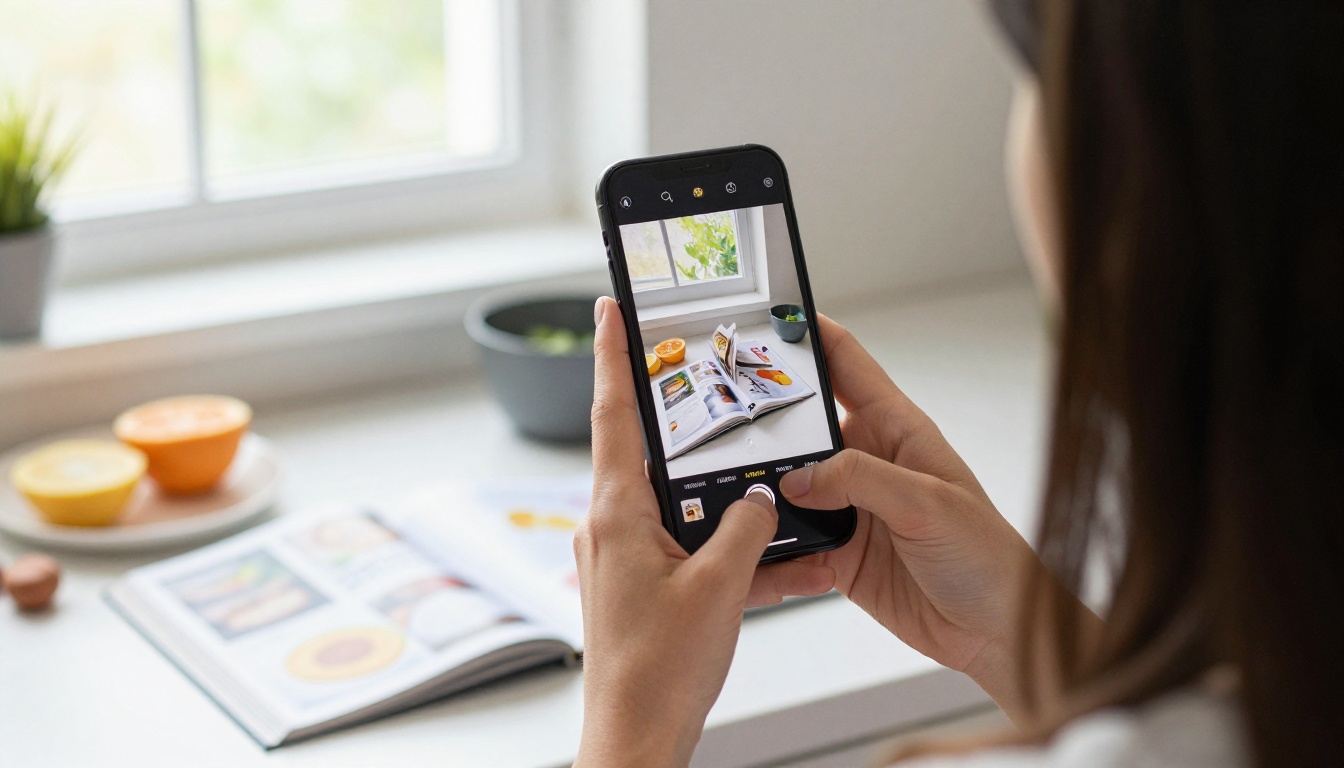
💡 Pro tip: Offline downloads are available, so she can cook from the book even if her new apartment has weak Wi-Fi.
Why Digital Works for a New Cook
| Need | Printed Book | Flipbook |
|---|
| Always with her | Only if packed | On her phone |
| Fix a typo later | Reprint required | Update and re-share |
| Share with roommates | Photocopy | Send one link |
| Watch a technique video | Not possible | Embedded in the page |
| Survives a spill | Often ruined | Unaffected |
| Mobile-responsive reading | Not applicable | Yes |
Many families pair the two. For a plan comparison, check the pricing page. The Standard plan and above includes unlimited flipbooks, which is handy if you want to make one for each sibling.
Theme Ideas to Make It Special
If a general recipe book feels too plain, pick a theme. Here are ideas parents have loved.
The First Apartment Cookbook
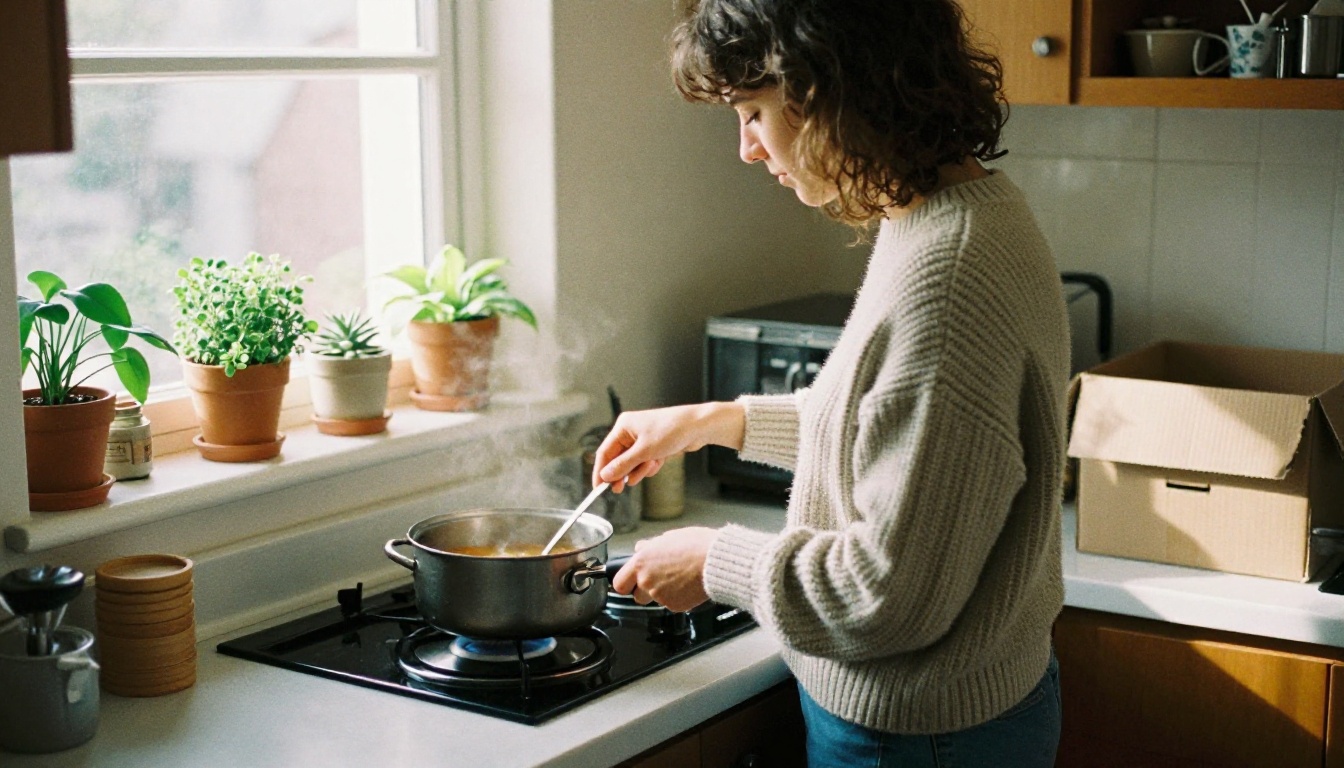
Built entirely around small kitchens: one pot, one pan, and a microwave. Every recipe lists the exact equipment needed, so she never gets halfway through and finds she lacks a tool.
The Budget Student Edition
Meals that cost under five dollars per serving, plus a page on how to shop sales and use leftovers. Include a table of cost per recipe if you want to go the extra mile.
The Dinner With Friends Edition
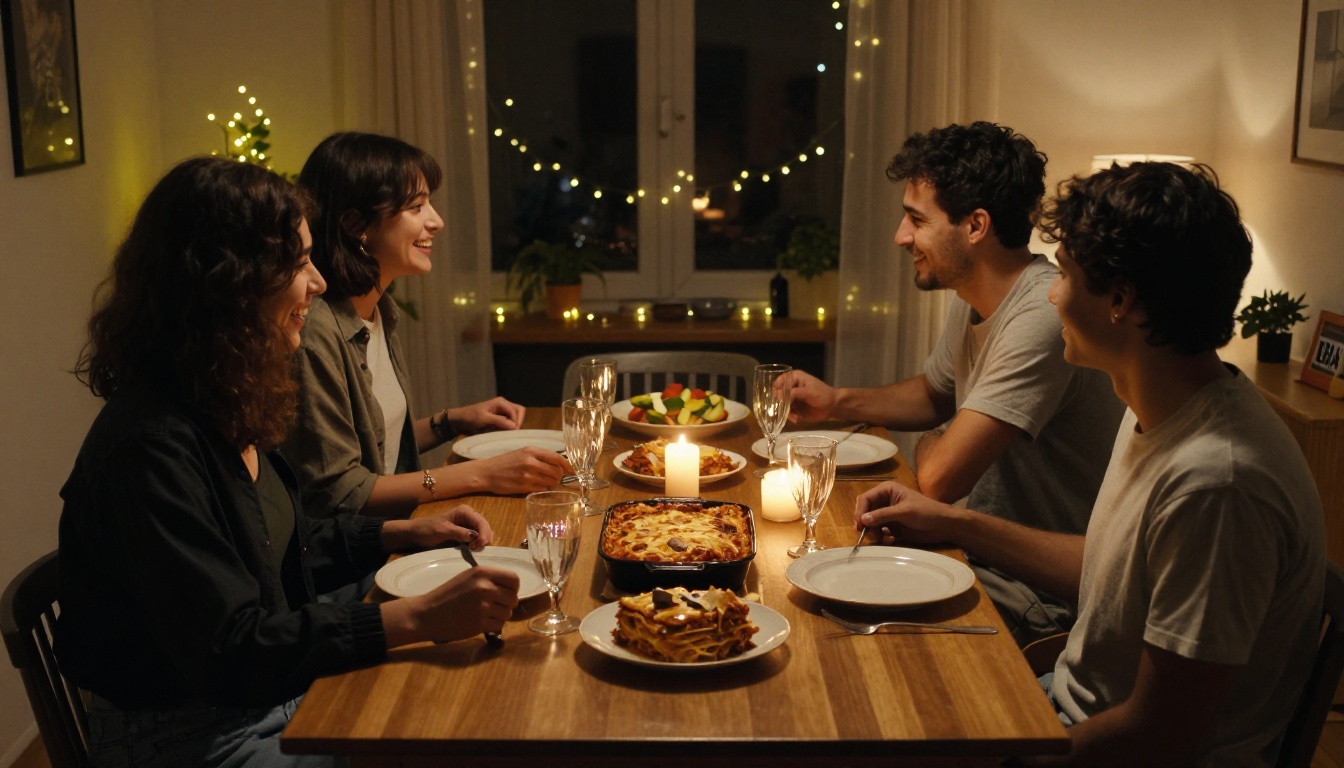
Recipes that scale up for six: big pasta bakes, tray roasts, and desserts that look better than they are difficult. These help her build a social life around her own table.
The Heritage Edition
If your family comes from another country, this book can preserve dishes that exist nowhere else. Write the original name of each dish, how to pronounce it, and where it comes from. Add translations for ingredients she may need to hunt down.
The Baking Memories Book
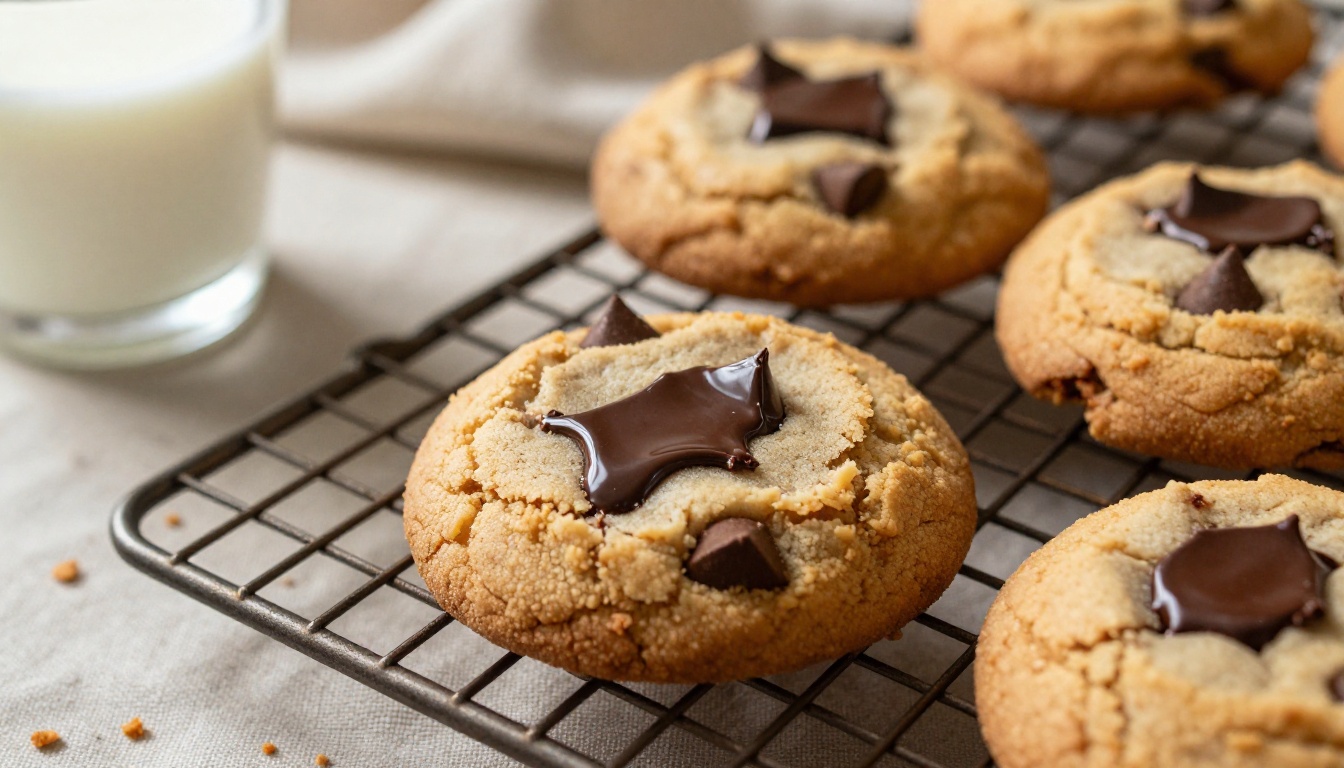
Cookies, birthday cakes, and holiday breads. Baking recipes are precise, so include grams as well as cups, and mention oven quirks.
Common Mistakes to Avoid
Parents often make the same errors when building a first recipe book. A little planning prevents them.
- Vague measurements. "A handful" and "until it looks right" mean nothing to a beginner. Cook the dish once while measuring everything.
- Too many recipes. A bloated book becomes intimidating.
- No photos. She needs to know what done looks like.
- Skipping the leftovers plan. Tell her how to store and reheat each dish.
- Waiting until the last week. Start a month ahead so you can test every recipe.
⚠️ Warning: Do not copy recipes from professional cookbooks into your book to share publicly. Stick to your own family recipes and adaptations.
A Simple Timeline to Finish on Time
If moving day is close, use this schedule.
| Timeline | Task |
|---|
| 4 weeks out | Interview her and pick 25 to 40 recipes |
| 3 weeks out | Test and measure each dish, take photos |
| 2 weeks out | Write pages, add stories and tip boxes |
| 1 week out | Export the PDF, build the flipbook, print a copy |
| Moving day | Hand over the book and send the link |
Give It Before the Goodbye
Presentation matters. Wrap the printed copy with a wooden spoon, a set of measuring cups, or a small jar of your signature spice blend. Tuck a note inside the front cover that says what you hope for her first meal in the new place.
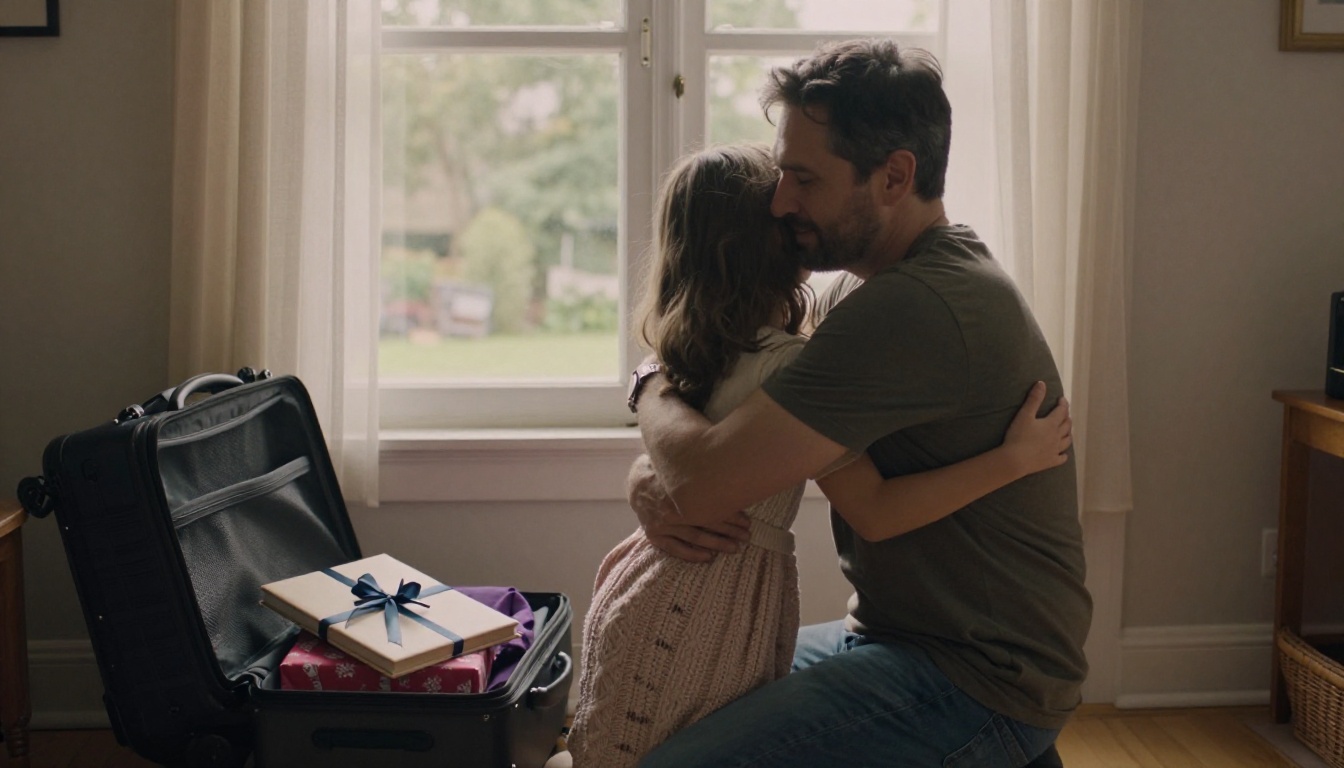
Then send the flipbook link by text so it is waiting on her phone when she gets there. The first time she cooks from it, she will feel you standing next to her.
Ready to Build Her Book?
You do not need design skills, only a few good recipes and an evening. Gather your cards, write your notes, and get started for free on Flipbooks AI. Browse the full set of flipbook tools if you want to try a related format, such as a travel album for her first trip home, or compare pricing plans to choose what suits your family.
The kitchen she walks into will be new. The recipes inside her book will taste like home.



