Every autumn, thousands of parents sit at kitchen tables with a pile of brochures, a cup of tea and one question: which of these schools feels right for my child? The prospectus that wins that evening is rarely the most expensive one. It is the one that answers questions fast, shows real classrooms and real children, and makes the next step obvious. This article walks through school prospectus examples that help parents choose, explains why they work, and shows how to turn your own into a digital flipbook with Flipbooks AI so families can read it on any device.
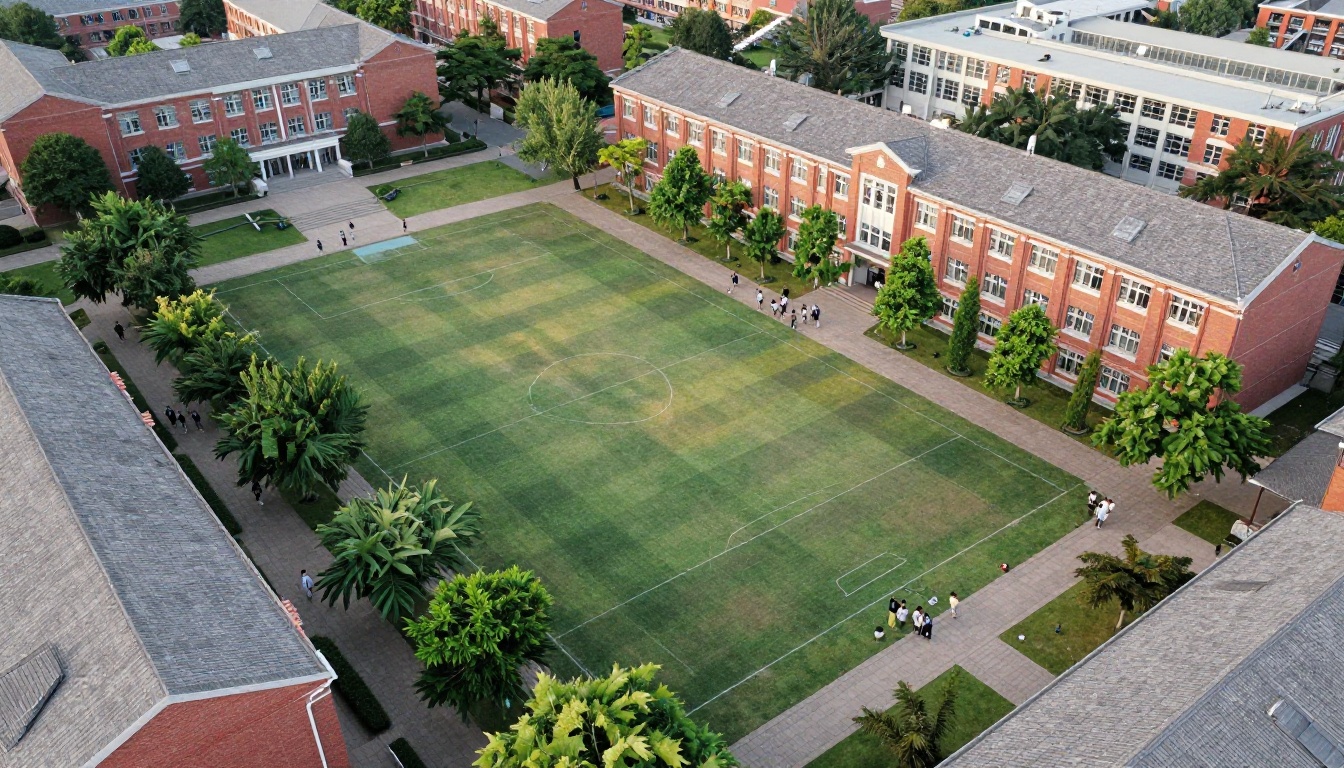
What Parents Look for First
Before you design a single page, it helps to know how parents actually read. Most do not start on page one. They flip, scan photos, hunt for fees and term dates, then go back and read the head teacher's message if something caught their eye.
A prospectus works when it respects that behavior. Parents want proof, not promises. A sentence like "we nurture every child" means little. A photo of a teacher kneeling beside a pupil, paired with a line about class sizes, means a lot.
Here is what families consistently look for:
- Safety and wellbeing: how pastoral care works day to day
- Academic results: presented honestly, with context
- Daily life: timetables, clubs, lunch, transport
- Cost and practicalities: fees, uniforms, term dates
- Culture: what the school feels like when nobody is watching
The Five Second Test
Hand your prospectus to someone who has never seen it. After five seconds of flipping, ask what kind of school it describes. If they cannot answer, the design is hiding your character behind generic stock photos and long paragraphs.
Why Photos Matter More Than Adjectives
Real photography of real pupils builds trust faster than any slogan. Parents notice staged smiles immediately. Candid shots of children concentrating, laughing or working together say more about your school than a page of mission statement.
💡 Pro tip: Book one photography morning per term and capture ordinary lessons, not just events. You will have a fresh library for every prospectus update.
School Prospectus Examples by Type
Different schools face different audiences. A nursery prospectus needs warmth and reassurance. A sixth form brochure needs to speak to teenagers as much as to parents. The table below compares what each type tends to prioritize.
| School type | Main reader | Top priority | Best opening spread |
|---|
| Nursery and pre-school | Parents | Safety, warmth, routine | A day in the life, hour by hour |
| Primary school | Parents | Happy children, strong basics | Head teacher welcome with classroom photo |
| Secondary school | Parents and pupils | Results, subjects, pathways | Outcomes and destinations page |
| Sixth form | Pupils first | Independence, university routes | Student voices and subject menu |
| Independent school | Parents | Value for fees, community | Fee overview plus scholarship options |

Example 1: The Primary School Prospectus
A strong primary prospectus feels like a warm welcome. It usually opens with a short, personal letter from the head teacher, followed by a photo spread of everyday classroom life. The best ones then show a typical day, so parents can picture their child walking through the gate at 8:45.
What makes it work:
- Short paragraphs with one idea each
- Large photos of pupils at work, with natural expressions
- A simple one page summary of curriculum by year group
- Clear contact details and the next open day date
Example 2: The Secondary School Prospectus
Secondary parents want evidence. A good prospectus here leads with outcomes, but frames them honestly: progress made by pupils, destinations after leaving, and the range of subjects offered. It also gives space to pupil voices, because teenagers increasingly influence the final decision.
A useful structure looks like this:
- Welcome from the head and a student leader
- Academic pathways by year
- Support and wellbeing
- Clubs, trips and leadership roles
- Admissions steps and dates
Example 3: The Independent School Prospectus
Fees are the elephant in the room. The best independent school prospectuses address cost directly, explaining what is included, what scholarships and bursaries exist, and how the school measures value beyond exam grades. Hiding fees in a separate PDF creates friction and suspicion.
⚠️ Warning: Vague wording around fees and extras is one of the fastest ways to lose a family's trust. State what is included and what is not.
Sections Every Prospectus Needs
Whatever your school type, certain sections appear in nearly every effective prospectus. Treat this as your checklist.
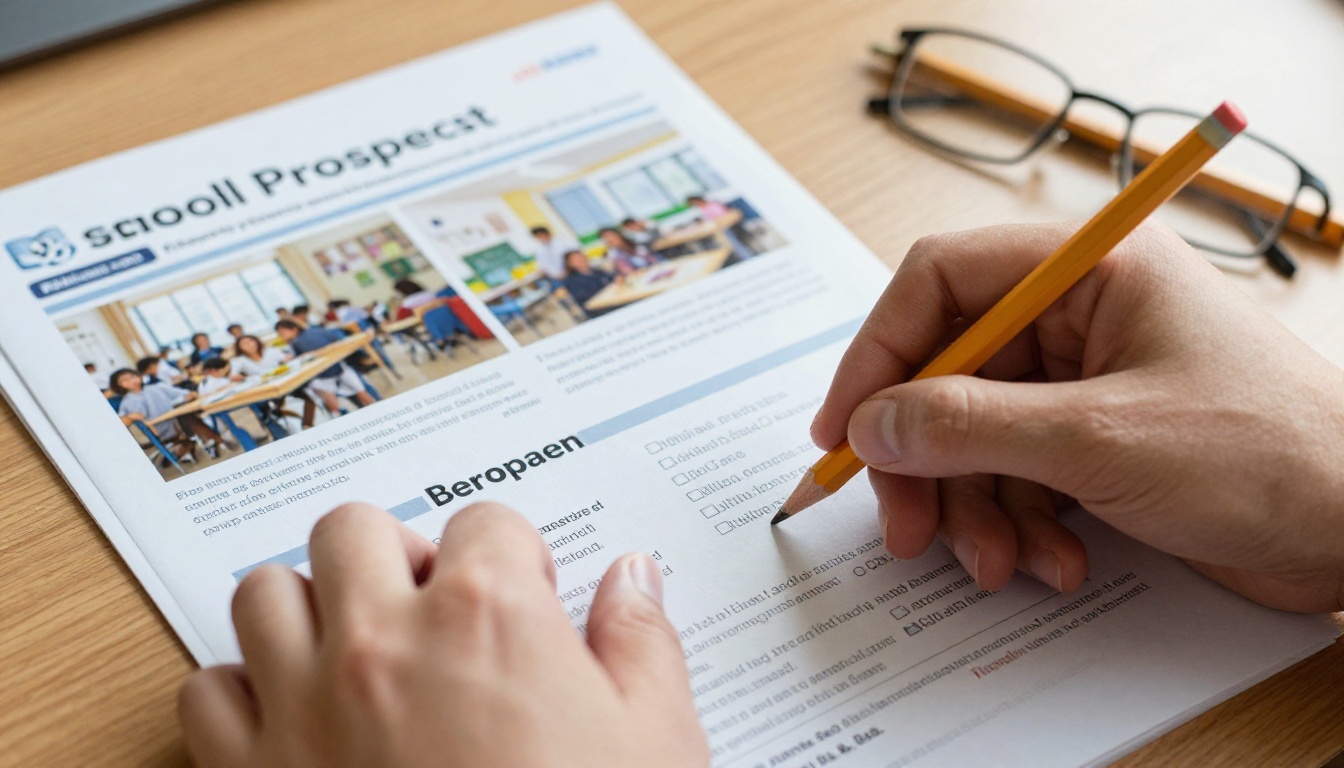
The Head Teacher's Welcome
Keep it under 250 words. Write it in plain, first person language. Mention one specific thing your school does differently, and include a natural photo of the head with pupils rather than a formal portrait alone.
Curriculum and Learning Journey
Parents do not need every syllabus detail. They need a clear picture of what their child will study in each stage and how progress is tracked. A simple timeline works better than dense paragraphs.
Pastoral Care and Safeguarding
Say who looks after children when things go wrong. Name roles, not just policies: form tutor, head of year, designated safeguarding lead. A short Q and A format makes this section easy to scan.
Clubs, Sport and Enrichment
This is where personality shows. List real clubs with days and times. A grid or table is perfect here.
| Day | Club | Year groups | Time |
|---|
| Monday | Coding club | 5 to 8 | 3:30 to 4:30 |
| Tuesday | Football | 3 to 6 | 3:30 to 4:30 |
| Wednesday | Choir | All years | 12:45 to 1:15 |
| Thursday | Art studio | 7 to 11 | 3:30 to 5:00 |
Admissions and Next Steps
End every prospectus with a clear path forward: book a visit, attend an open evening, request an application pack. Include dates, a name, an email and a QR code or link.
Design Choices That Build Trust
Layout is not decoration. It tells parents whether your school is organized, caring and confident.
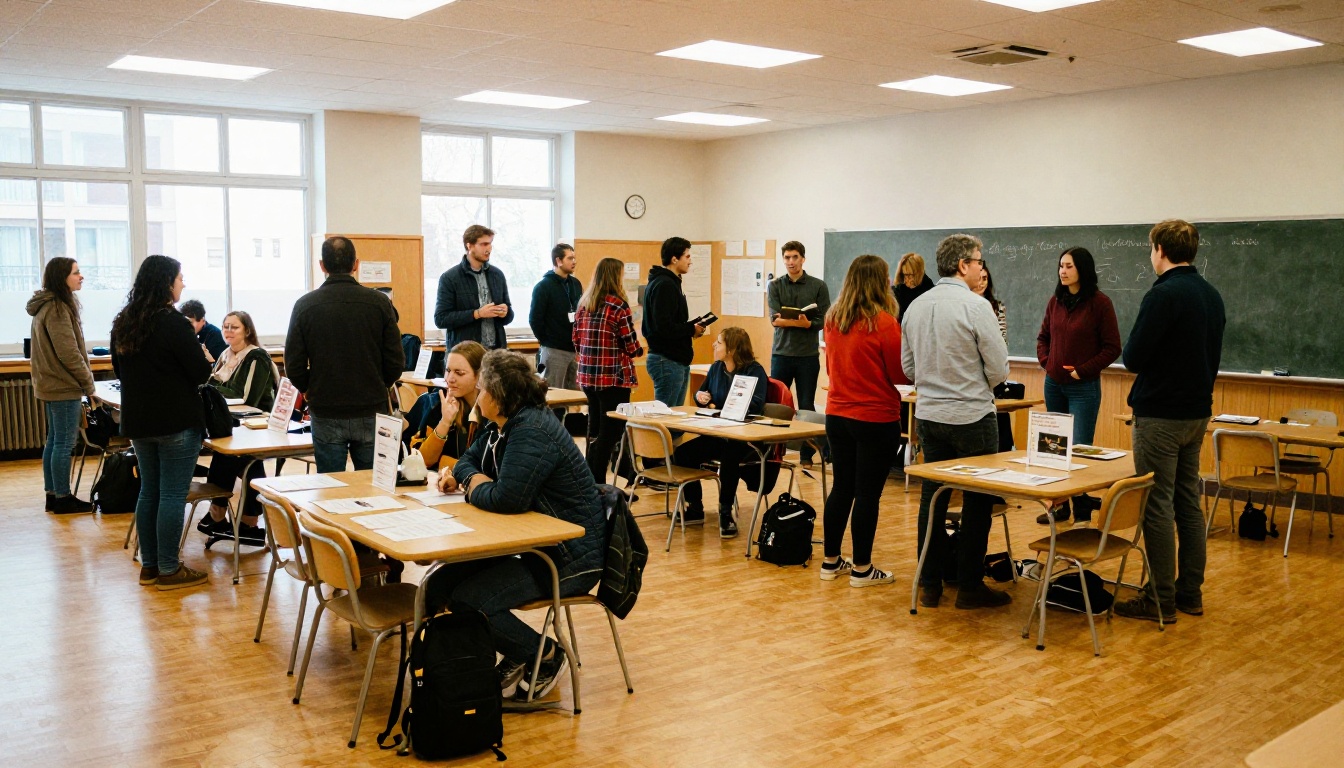
White Space and Readability
Crowded pages feel stressful. Leave room around photos and headings. Use body text of at least 10 or 11 points in print, and keep line lengths short.
Consistent Colors and Fonts
Use your school colors, but pick one or two accent shades. Two typefaces are enough: one for headings, one for body text. Consistency signals competence.
Real Quotes From Real People
Short quotes from parents and pupils break up text and add credibility. Attribute them with a first name and year group. Avoid anonymous praise, which readers tend to ignore.
✅ Best practice: Ask pupils to describe their favorite lesson in one sentence. Their unpolished answers often make the best pull quotes in the whole prospectus.
Print Versus Digital Comparison
Many schools now publish both formats. Each has strengths.
| Feature | Printed prospectus | Digital flipbook |
|---|
| Cost per copy | Printing and postage | Close to zero |
| Update speed | Next print run | Minutes |
| Reach | Local visits and mail | Anywhere, instantly |
| Video and audio | Not possible | Embedded in pages |
| Tracking | None | Views and reading data |
| Feel in hand | Tactile, memorable | Page turn effect on screen |
Print still has value at open evenings. A digital version, however, reaches families who are comparing schools from their sofa at 10 pm.
Turning a PDF Into a Digital Prospectus
If your prospectus already exists as a PDF, you are minutes away from a shareable, mobile friendly version. The PDF to Flipbook Converter turns it into a page turning experience, and the Brochure Flipbook Maker is built for exactly this kind of publication.

How to Create a School Prospectus Flipbook
Follow these steps to publish yours:
- Create your account. Go to Flipbooks AI and sign up. You can start with the free option and upgrade later from the pricing page.
- Upload your PDF. Drag your finished prospectus into the uploader. Conversion takes a short time, and every page keeps its original layout and sharp text.
- Customize the look. Add your school logo, choose background colors that match your branding, and select a page turning effect. Your flipbook has no watermarks, ever.
- Add multimedia. Embed a welcome video from the head teacher or a short audio clip from the school choir. Moving content makes a prospectus feel alive.
- Set sharing options. Copy a direct link for emails, or use an embed code to place the flipbook on your admissions page. The Embed Flipbook on Website tool explains how.
- Protect private content. If part of your admissions pack is for enrolled families only, turn on password protection.
- Track interest. On the Professional plan, analytics show which pages are read most and lead generation captures parent emails before they open the flipbook.
💡 Pro tip: If analytics show parents spending the longest on the fees page, move it earlier in the next edition. Real reading data beats guesswork.
Features Worth Using
| Feature | Why schools like it | Plan |
|---|
| No watermarks | Keeps the prospectus professional | All plans |
| Mobile responsive | Parents read on phones | All plans |
| Password protection | Safe sharing of private packs | Standard and above |
| Embedded video and audio | Brings classrooms to life | All plans |
| Offline download | Parents can read without signal | All plans |
| Analytics and lead capture | Shows what parents care about | Professional |
Schools that produce several publications can also build a termly School Newsletter, a Yearbook or a Course Material pack with the same workflow.
Content Ideas for Each Spread
If you are starting from a blank page, this spread by spread outline works for most schools.

- Cover: one strong photo of real pupils, the school name and a short line about who you are
- Spread 1: welcome letter and school at a glance
- Spread 2: a day in the life
- Spread 3: teaching, subjects and progress
- Spread 4: wellbeing and support
- Spread 5: sport, arts and clubs
- Spread 6: community, parents and pupil voices
- Spread 7: fees, term dates and practical information
- Back cover: how to visit, apply and get in touch
Show Specialist Spaces
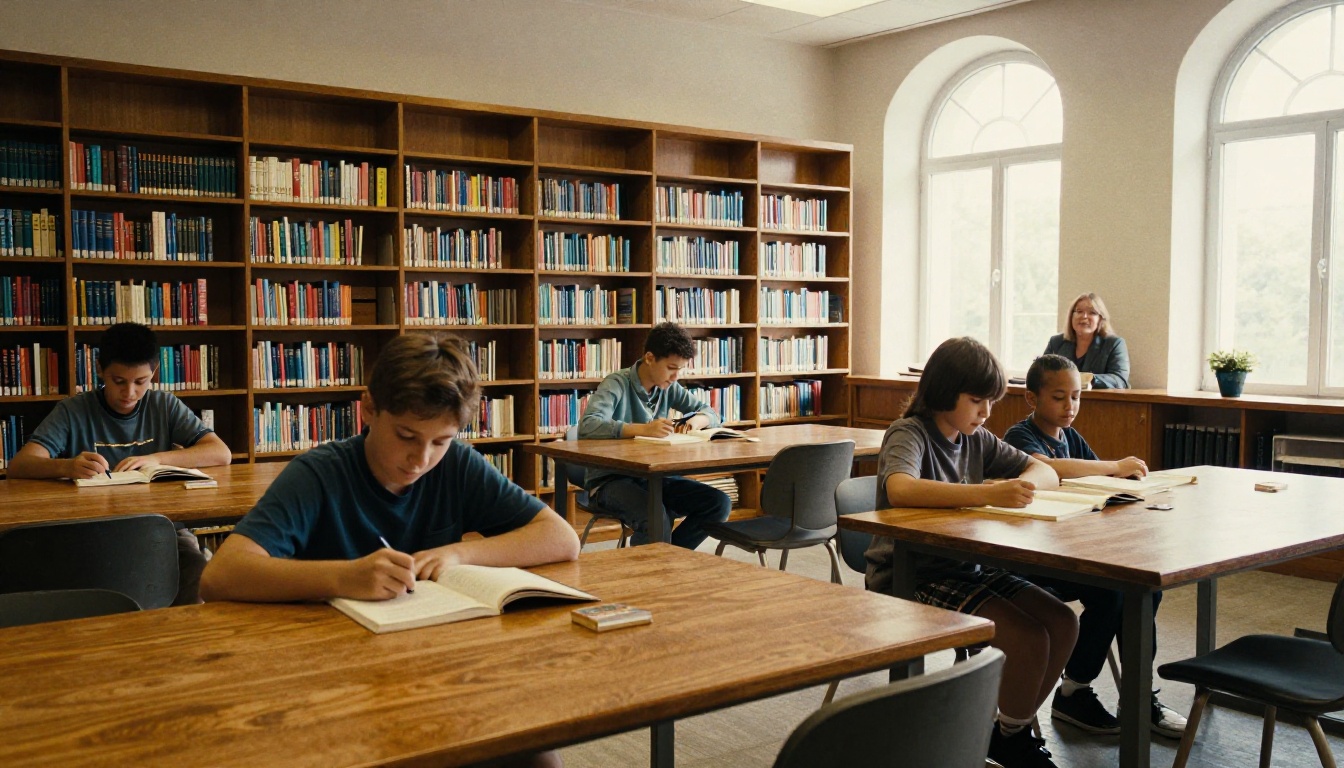
Laboratories, libraries, studios and sports facilities are strong selling points, but only if the photography shows them in use. An empty lab looks like a brochure. A lab full of pupils in goggles looks like a school.
Give Parents Numbers They Can Use
Concrete figures reduce anxiety. Consider including:
- Average class size
- Pupil to teacher ratio
- Number of clubs offered
- Percentage of pupils joining a sixth form or university
- Start and finish times
Write for Parents Who Are Tired
Remember that many readers are juggling work, children and several school visits in a single week. Use short sentences, descriptive subheadings and bullet lists. If a paragraph is longer than five lines, split it.
Common Mistakes to Avoid
Even well meaning schools repeat the same errors. Here are the ones that cost the most trust.
| Mistake | Why it hurts | Better approach |
|---|
| Stock photos | Parents sense they are not real | Photograph your own pupils |
| Jargon | Confuses new families | Plain language, short glossary |
| Hidden fees | Creates suspicion | State costs clearly |
| Outdated dates | Looks careless | Use a digital version you can edit |
| No clear next step | Parents drift away | Close with a visit booking link |
| Too many pages | Key facts get lost | Aim for 16 to 24 focused pages |
Ignoring How Parents Compare
Parents rarely read one prospectus alone. They lay several side by side and tick off what each offers. Make comparison easy for them: consistent headings, visible fees, clear dates. If they must hunt for basics, they will mark you down.
Forgetting Mobile Readers
A large share of parents will open your prospectus on a phone, often as a link shared by a partner or grandparent. Tiny text from a scaled down PDF is frustrating. A flipbook that adapts to the screen keeps them reading.
Measuring What Works
A prospectus is not finished at launch. Treat each edition as an experiment.
- Ask at open evenings: "What made you request this visit?"
- Add simple tracking: a unique link or QR code per channel shows where inquiries come from
- Review analytics: see which pages hold attention and which get skipped
- Collect feedback: a short parent survey after admissions reveals what was missing
Use those findings to refine photography, trim long sections and surface the pages parents value most. Over two or three admission cycles, small changes compound into noticeably higher visit bookings.

Ready to Publish Yours?
The best school prospectus examples share one trait: they make a parent feel they already know the school. Real faces, honest numbers, a clear structure and an easy way to say yes.
If you have a prospectus PDF today, you can have a polished, mobile friendly flipbook live this afternoon. Get started for free on Flipbooks AI, browse all flipbook tools and templates to find the right layout for your school, or compare pricing plans to see which level of analytics and protection fits your admissions team. When you are ready to commit, the account and pricing page takes you straight to the plan you need.



