The Saturday after Thanksgiving is the one day of the year when strangers walk past the big-box parking lot on purpose and head for your door. Whether you run a gift shop, a bakery, a ceramics studio or a one-person stationery brand, the right Small Business Saturday ideas for local shops and makers can turn that single day into your strongest sales weekend. This playbook gives you concrete plays, rough budgets and timelines, plus a way to put your whole offer into a shareable digital catalog with Flipbooks AI so customers can browse before they ever step inside.
Why This Saturday Matters
Small Business Saturday sits between Black Friday and Cyber Monday, and it has a different feel. Shoppers are not hunting for the cheapest television. They are looking for something with a story, a person behind it, and a reason to feel good about the purchase. That is exactly what local shops and makers sell.
Three things make the day special for you:
- Shoppers arrive with intent. Many have already decided to spend locally, so you are not convincing them, you are helping them choose.
- Gift buying peaks. Handmade and local products are popular for teachers, relatives and coworkers.
- Word of mouth moves fast. A good experience on this day gets repeated at holiday dinners all week.
💡 Pro tip: Write down one number before you plan anything: your best-ever single-day sales. Every idea below should help you beat it, and you will know within a week whether it worked.
Plan Backward From the Day
Most shops that struggle on this Saturday did not have a bad idea. They started too late. Work backward from the date and give every task an owner, even if the owner is you.
Six Weeks Out
Pick your hero products. Choose three to five items you want people to leave with, and make sure you have stock for each. Order packaging, ribbons and bags now, because supply gets tight in November.
Three Weeks Out
Announce the plan. Put it on your door, your social accounts, your email list and your receipts. People cannot show up for something they have not heard about.
One Week Out
Do a dry run. Walk through your shop as a customer, count how many people can browse at once, and set up the checkout flow. A bottleneck at the register costs more than any discount.
| Timeline | Task | Time Needed | Rough Cost |
|---|
| 6 weeks out | Choose hero products and order stock | 3 hours | Varies |
| 5 weeks out | Order packaging and signage | 2 hours | $50 to $200 |
| 3 weeks out | Announce on door, email and social | 4 hours | Free |
| 2 weeks out | Build a digital catalog of the offer | 3 hours | Low |
| 1 week out | Staff briefing and checkout dry run | 2 hours | Free |
| Day before | Set up displays and test card reader | 3 hours | Free |
Ideas That Bring People Through the Door
Foot traffic is the first problem to solve. These ideas work because they give people a reason to come at a specific time rather than "sometime this weekend."
Gift Bundles With a Story
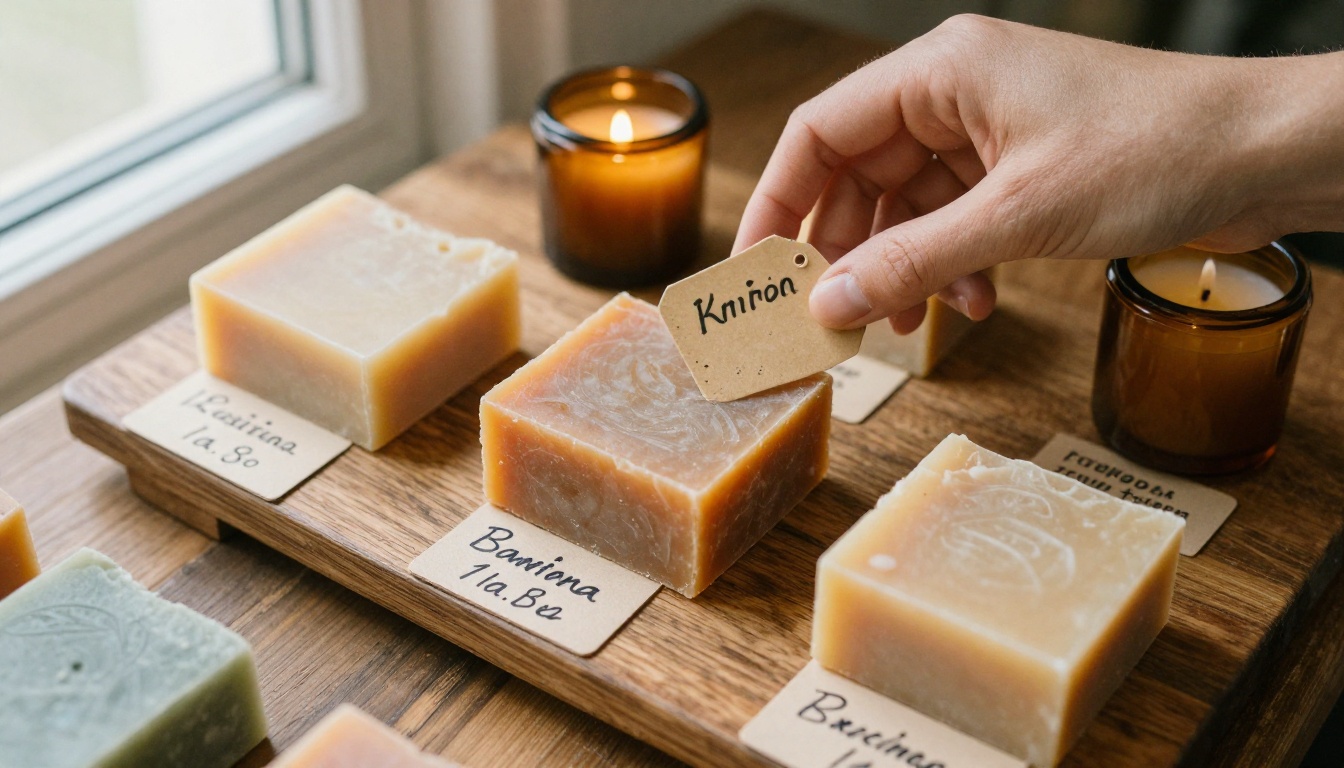
Bundles raise your average order and save the shopper from deciding. Group three products around a person: "For the Coffee Lover," "For the New Host," "For the Friend Who Has Everything." Tie each with twine and a handwritten tag that names the maker.
A candle studio, for example, can pair a soy candle, a matchbox and a small ceramic dish for a set price. The bundle sells itself because it looks like a finished gift.
A Free Gift With a Purchase Threshold
Offer a small handmade extra, such as a sample, a bookmark or a printed recipe card, once spending passes a set amount. Pick the threshold slightly above your average sale. Shoppers will often add one more item to reach it.
Early Bird Hour
Open thirty minutes early for the first twenty customers and hand out a small treat. A line outside the door at opening is the best advertising you can buy, because passersby assume something good is happening.

Live Maker Demos
If you make what you sell, show it. A potter at the wheel, a candle maker pouring wax or a leatherworker stamping a wallet keeps people in the shop longer. Longer visits mean larger baskets, and a demo gives customers a story to repeat when they give the gift.
✅ Best practice: Schedule demos at set times, for example 11:00 and 2:00, and post those times everywhere. A fixed schedule creates urgency without a discount.
Team Up With Neighbors
You do not have to carry the day alone. Shops that cluster their efforts get more visitors each, because shoppers like making a loop.
Build a Shop Hop Passport
Partner with four to eight nearby businesses. Give customers a paper or digital passport that gets stamped at each stop. Anyone with a full card enters a drawing for a basket of items donated by everyone involved.
Share a Street Market
A coffee shop, a florist and a bakery can set tables on the sidewalk and invite local makers to join. Check your city's permit rules early, since some places require them for outdoor sales.

Cross-Promote Without Spending Money
Hand each partner a stack of your cards, and take theirs. Add a line such as "Show this card next door for a free sample." The cost is printing, and the benefit is a customer who was already out spending.
| Partnership Idea | Best For | Effort | Typical Result |
|---|
| Shop hop passport | Clusters of 4 to 8 shops | Medium | Steady foot traffic all day |
| Sidewalk street market | Streets with permits available | High | Large crowds, higher visibility |
| Card swap | Any two neighbors | Low | Small but reliable referrals |
| Shared giveaway basket | Mixed shop types | Low | Email list growth |
Make Your Shop Feel Special
When a customer steps inside, the next thirty seconds decide whether they browse or leave. Treat those seconds as design work.
Reset the Window
Your window is your billboard. Show fewer items, arranged with space around them, and put one clear message on a chalkboard: "Shop Small, Gift Local." Use warm lighting in the afternoon, since daylight fades early in late November.
Put Makers on the Shelf Labels
Add small cards that tell the story of each product: who made it, where, and in how long. A shopper who reads "poured by hand in our back room this week" will pay more than one who reads nothing. It also gives them a line to use when handing over the gift.
Offer Free Gift Wrapping
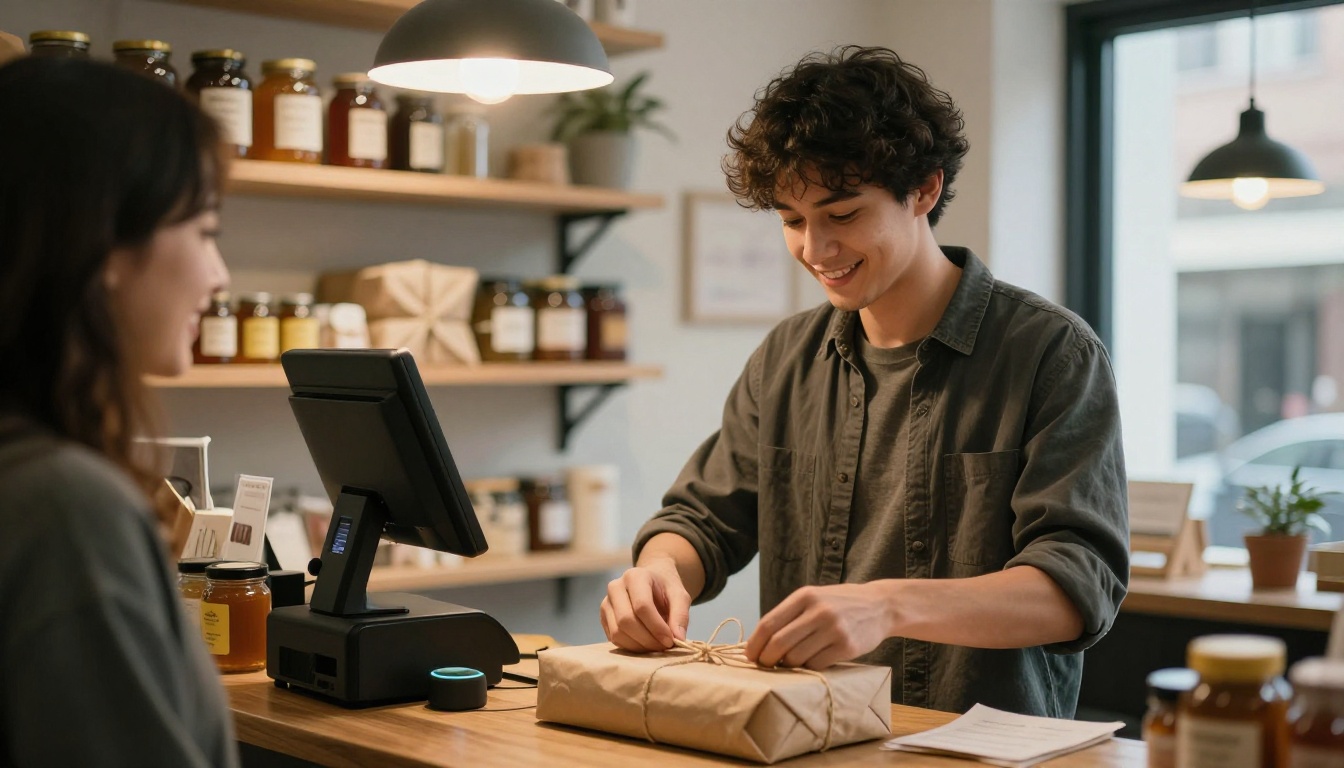
A wrapping station by the register costs a few dollars in paper and ribbon. It saves customers time and makes the purchase feel finished. Many shops see shoppers buy an extra item while waiting for their wrap.
⚠️ Warning: Do not run a deep discount just because the big stores do. Your advantage is not price. Heavy markdowns can train customers to wait, and they cut into the margin you need for the slow weeks of January.
Ideas by Business Type
A bakery and a jewelry maker need different plays. Here are options tuned to the shop in front of you.
Food and Drink Shops
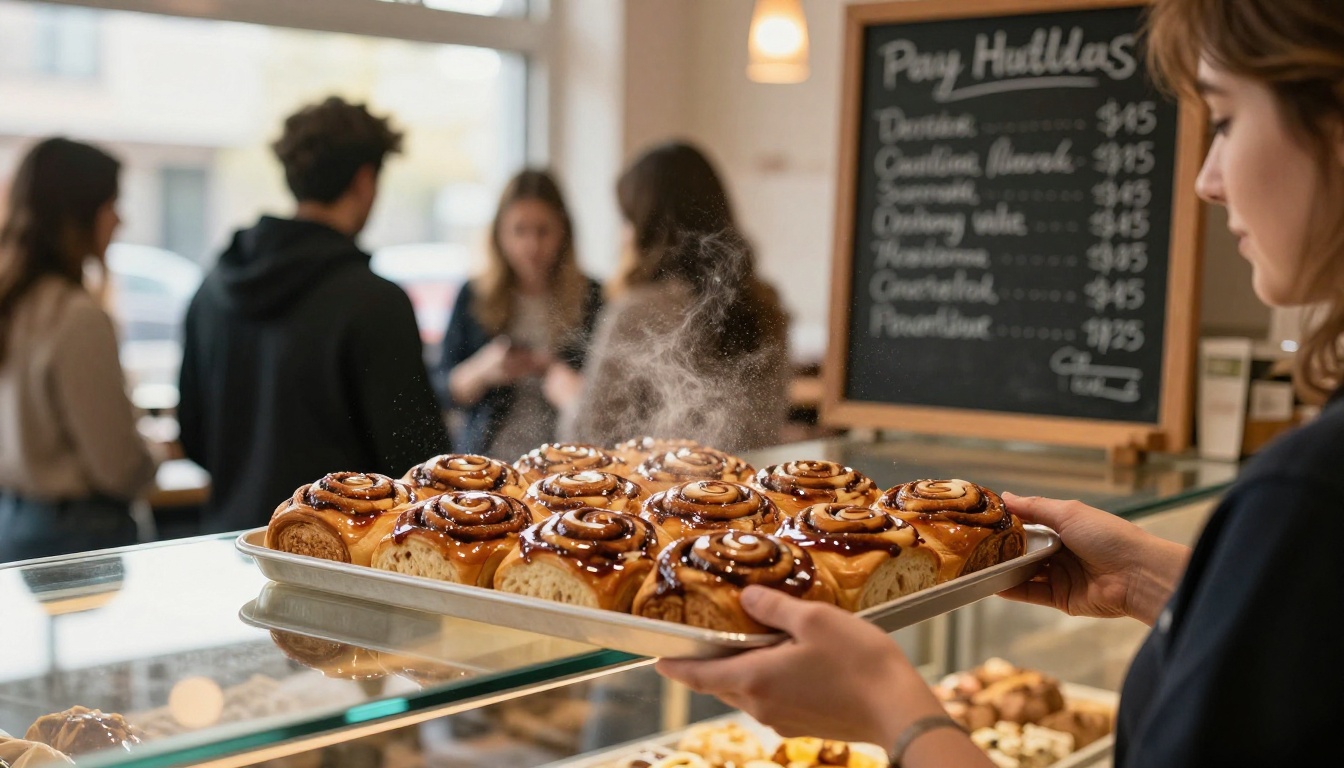
Offer a "build a box" station where shoppers choose four items for a set price. A bakery can package cinnamon rolls, cookies and a loaf into a box that works as a host gift. Add a small sign saying how long the items stay fresh, which helps people plan ahead.
Bookstores and Paper Shops
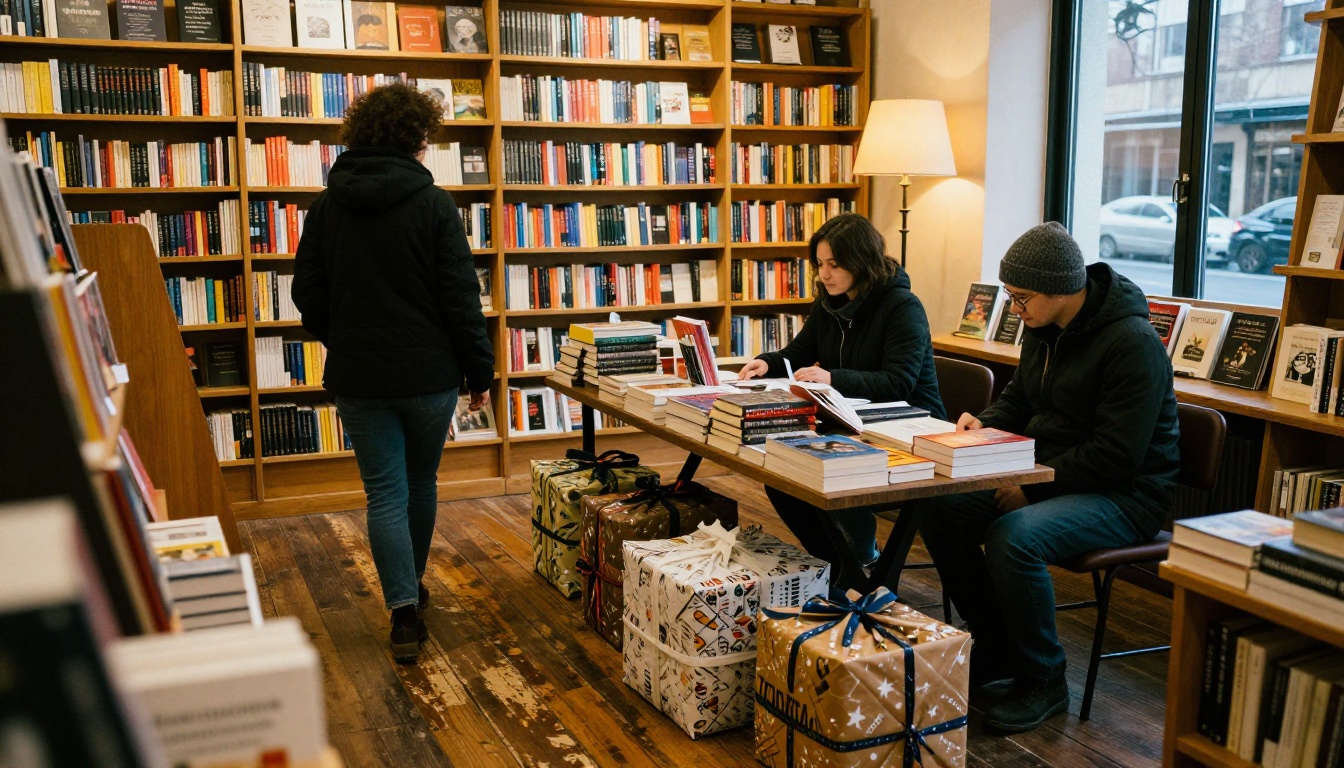
Run a "blind date with a book" table, where titles are wrapped in paper with a three-word description. Pair it with a staff picks shelf and a handwritten note. Customers love a personal recommendation they cannot get from an algorithm.
Jewelry and Craft Makers
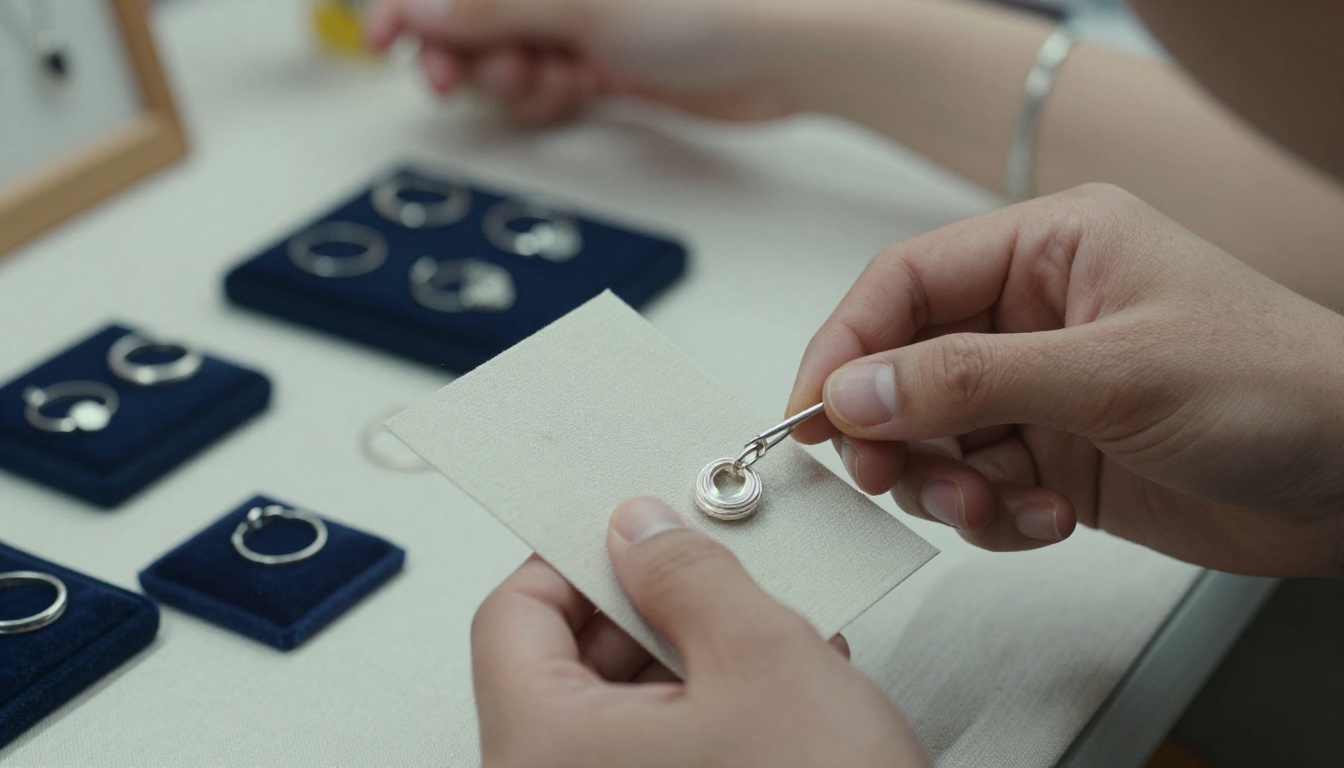
Create a "make it personal" option: initials, birthstones or engraved dates. Personalization lifts perceived value and is hard for mass retailers to copy. Take orders on the day and promise a delivery date before the holidays.
| Business Type | Best Idea | Average Prep | Main Benefit |
|---|
| Bakery or cafe | Build-a-box station | 1 week | Higher order size |
| Bookstore | Blind date with a book | 3 days | Fun, shareable table |
| Ceramics or candles | Live demo schedule | 2 days | Longer visits |
| Jewelry or accessories | Personalized pieces | 1 week | Premium pricing |
| Clothing boutique | Styling appointments | 1 week | Loyal repeat buyers |
Bring Your Offer Online With a Flipbook
Not everyone who wants to shop with you can make it to the door. A digital catalog lets people browse your holiday picks from their couch, then walk in knowing exactly what they want. It also gives you something to send by email, text and social post.
A flipbook works well here because it feels like turning pages in a printed lookbook, not scrolling a spreadsheet. You can build one with the Product Catalog Generator or the Digital Catalog Maker, and browse more options in the full tools directory.
How to Build a Holiday Catalog in Five Steps
- Design the pages. Use any tool you like, such as Canva, Google Slides or Word. Put one hero product per page with a short story, the price and the maker's name. Aim for 8 to 16 pages and export as a PDF.
- Create an account. Sign up on Flipbooks AI and open the dashboard.
- Upload the PDF. Drop the file in. The PDF to Flipbook Converter turns each page into a turnable spread with page-flip effects, and it works on phones.
- Customize it. Add your logo, pick brand colors, and embed a short video of you making a product or a clip of background music. Flipbooks AI keeps things clean, with no watermarks, ever.
- Share it. Copy the direct link into your email and social posts, print it as a QR code on your window, or use the embed option to place it on your website. Use password protection if you want to send a private preview to loyal customers first.
💡 Pro tip: Print a small QR code on your shopping bags and receipts that links to the catalog. Customers who loved their visit can send the link to a relative who wants to gift something from you.
If you want to see which pages people open most and capture emails from interested shoppers, the Professional plan adds analytics and lead generation. Compare the options on the pricing page.
| Format | Setup Time | Mobile Friendly | Shareable by Link | Tracks Views |
|---|
| Printed flyer | Days | No | No | No |
| Plain PDF attachment | Minutes | Partly | Awkward | No |
| Social media post | Minutes | Yes | Yes | Limited |
| Flipbooks AI catalog | An afternoon | Yes | Yes | Yes, on Professional |
Makers who sell mostly through a lookbook can also try the Interactive Lookbook Designer, and clothing or accessories shops can use the Fashion Catalog Creator.
Get the Word Out
A good plan means little if nobody hears about it. You do not need a big budget, only consistency across a few channels.
Email Your List First
Your subscribers already like you. Send three messages: an announcement three weeks ahead, a reminder with the catalog link the Wednesday before, and a short "doors open at 9" note on Friday evening.
Use Your Own Door and Receipts
The most underrated channel is the one customers already see. Print the event details on every receipt from November onward and tape a flyer at eye level inside the door.
Post Real Photos, Not Stock
Show your shelves, your hands and your face. Posts with real behind-the-scenes images tend to feel more trustworthy than polished graphics, and customers recognize the shop when they arrive. Use local tags and the shared Small Business Saturday hashtags so neighbors can find you.

| Channel | Cost | Reach | Best Use |
|---|
| Email list | Free | Existing fans | Announcements and reminders |
| Door and receipts | Low | Walk-in traffic | Event details |
| Social posts | Free | Local followers | Behind-the-scenes photos |
| Neighbor card swap | Low | New nearby shoppers | Referrals |
| Flipbook catalog link | Low | Anyone you send it to | Browse before visiting |
After the Day: Keep Customers
Sales on Saturday are only half the win. The other half is turning one-time visitors into regulars.
Collect Emails the Friendly Way
Place a small card by the register with a simple promise: "Join our list for early access to new products." Offer a small perk, and keep your promise to send only useful messages.
Send a Thank-You Within 48 Hours
A short email or handwritten note that says thanks goes a long way. Include the catalog link and a gentle invitation to come back before the holidays.
Review What Worked
Within a week, sit down with your numbers. Compare sales, average order size, new email sign-ups and which bundles sold out. Write these down while the day is fresh, because next year's plan starts here.

✅ Best practice: Keep a one-page "Saturday playbook" document with what you did, what it cost and what it earned. Next year you will start with a head start instead of a blank page.
Three Mistakes to Avoid
- Starting too late. Printing and ordering take longer than you think, so begin planning in October.
- Trying every idea. Pick three plays and do them well. A focused day beats a scattered one.
- Forgetting the checkout. Test your card reader, keep spare change and have a second person ready to help at the register during rush hours.
Ready to Plan Your Day?
You now have a menu of ideas: bundles, demos, partner hops, window resets, wrapping stations and a digital catalog to carry the offer beyond your four walls. Pick three, assign dates, and start this week.
When you are ready to build your holiday catalog, get started for free on Flipbooks AI, browse all available tools and templates, and compare pricing plans to see which one fits your shop. Your neighbors are looking for somewhere to spend this Saturday, so give them a reason to choose you.



