The side hustle world has a noise problem. Everyone is selling you on dropshipping, print-on-demand, or crypto trading, while quietly ignoring one of the cleanest, lowest-barrier income streams available right now: digital flipbooks. No inventory. No shipping. No upfront software costs. Just a free account, a sharp eye for design, and the willingness to show up consistently. This article breaks down exactly how to build a real flipbook side hustle with zero budget, from your first client to recurring monthly income.
Why Flipbooks Are a Real Money-Making Opportunity
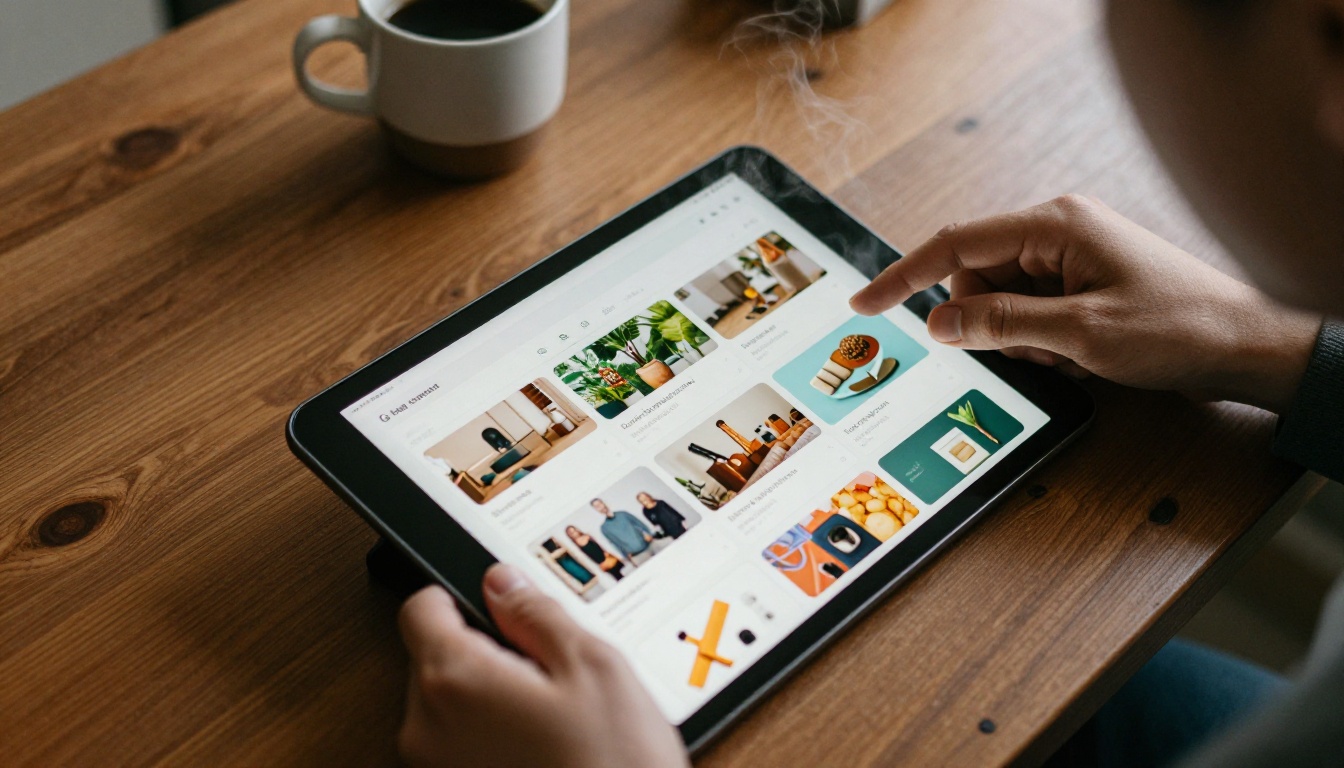
Businesses spend billions every year on printed brochures, catalogs, and company reports. Most of that material becomes irrelevant within weeks and costs a fortune to reprint. Digital flipbooks solve both problems instantly: they are interactive, shareable, updatable, and cost a fraction of print.
The opportunity is straightforward. Small businesses, restaurants, real estate agents, schools, and coaches all need professional-looking digital documents, and very few of them know how to make one. That gap is your income.
Here is what makes flipbooks uniquely attractive as a side hustle:
- Low skill floor: You do not need to be a graphic designer. If you can use Canva or Google Slides, you can create sellable flipbooks.
- Fast turnaround: A single flipbook project can be completed in two to four hours.
- Recurring potential: Clients often need updated versions quarterly, creating repeat work.
- No overhead: The tools are free. The platform is free. Your time is the only investment.
💡 The sweet spot is local businesses that already have printed materials. They have the content; they just need someone to digitize it attractively.
What You Can Actually Sell as Flipbooks
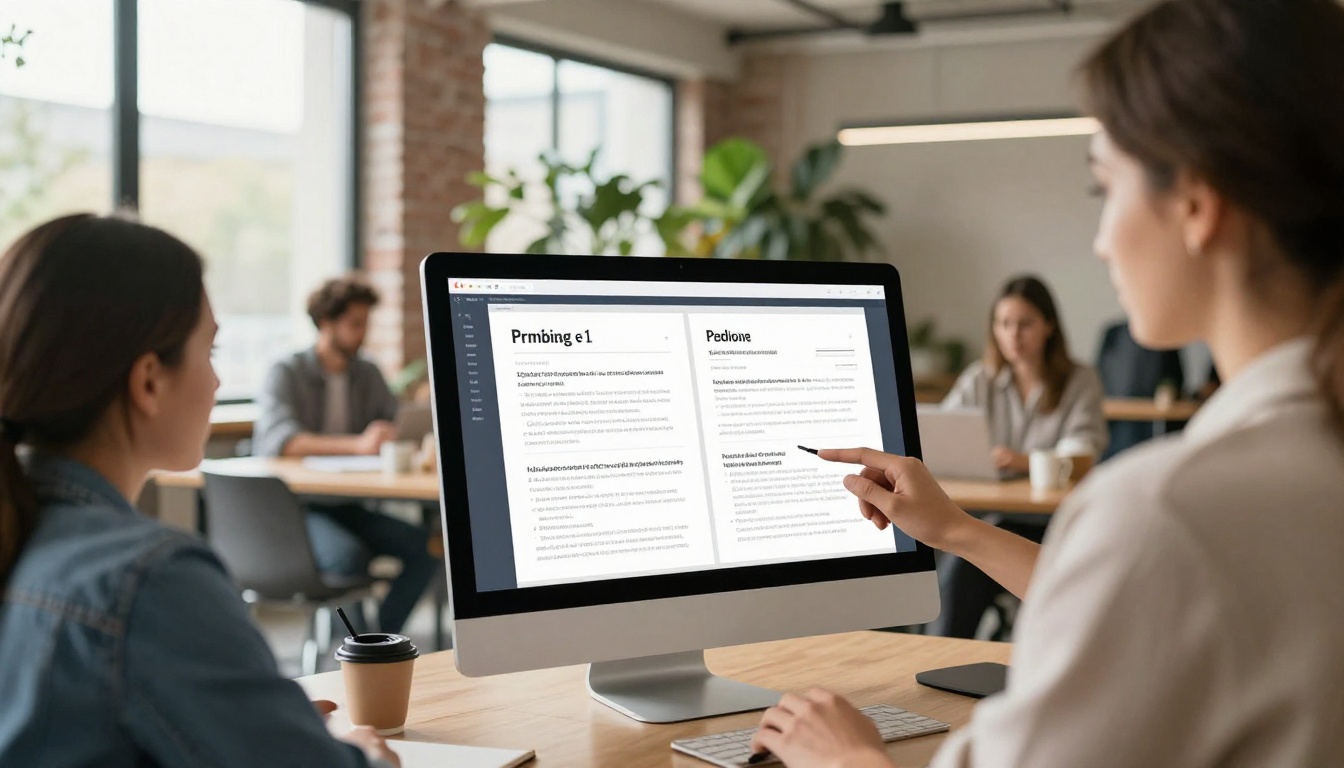
Before diving into revenue streams, it helps to understand what people actually buy. Flipbooks are not just PDF conversions. They are interactive, branded digital experiences with page-turning animations, embedded links, and mobile responsiveness. That distinction justifies real pricing.
High-demand flipbook types include:
- Product and fashion catalogs for small retailers and boutiques
- Restaurant menus with seasonal updates
- Real estate property brochures
- Digital portfolios for photographers and designers
- Course materials and training manuals for educators
- Corporate reports and press kits
- Wedding and event programs
- Recipe books and travel guides
The beauty is that each of these represents a different client vertical, which means you can specialize and build authority in one niche, or go broad and serve whoever needs you. Every single one of these has a ready-made tool waiting for you on Flipbooks AI.
5 Revenue Streams That Cost Nothing to Start

This is where most "make money online" articles go vague. Here are five concrete, proven revenue streams you can activate without spending a single dollar.
1. Freelance Flipbook Creation Services
The most direct path. Clients hire you to turn their existing PDFs, Word documents, or Canva designs into polished interactive flipbooks. You charge a project rate, deliver the final shareable link or embed code, and move on to the next client.
What to charge:
- Simple conversion (under 20 pages): $50 to $150
- Branded with custom colors and navigation: $150 to $400
- Complex catalog with product links and analytics setup: $400 to $800
2. Retainer-Based Monthly Updates
Once you have a client, offer to manage their flipbook content on a monthly basis. A restaurant that updates its menu seasonally will happily pay $75 to $200 per month for you to handle it. Stack five clients like this and you have a $375 to $1,000 monthly baseline that runs on autopilot.
3. Selling Flipbook Templates
Create a well-designed flipbook template in a popular niche (restaurant menus, real estate listings, fitness programs) and sell it repeatedly on platforms like Gumroad, Etsy, or Creative Market. One template, unlimited sales.
4. Teaching Workshops or Mini-Courses
If you have built a solid process, package it. A 60-minute workshop on "how to digitize your business brochure" sells easily to local business groups, Eventbrite audiences, or online communities at $25 to $75 per seat.
5. Referral-Based Platform Income
Flipbooks AI offers the tools your clients will use. Every client you onboard is a potential referral to the platform, which builds trust and positions you as the digital publishing expert in your market. Combine this with affiliate programs from related SaaS tools and you build a passive income layer on top of your active service work.
✅ Start with freelance services to build cash fast, then layer in templates and retainers as you gain traction.
Comparing the Revenue Streams
| Revenue Stream | Startup Cost | Time to First Dollar | Income Ceiling | Effort Level |
|---|
| Freelance services | $0 | 1 to 7 days | High | Medium |
| Monthly retainers | $0 | 7 to 30 days | High | Low (recurring) |
| Selling templates | $0 | 7 to 60 days | Medium | Low (passive) |
| Workshops | $0 | 1 to 14 days | Medium | Medium |
| Referral income | $0 | 30 to 90 days | Low-Medium | Very Low |
How to Create Professional Flipbooks for Free

The number one objection people have is: "I don't have the budget for design software." That objection disappears immediately when you understand the workflow.
Step 1: Create your content in a free tool
Use Canva (free tier), Google Slides, or Microsoft PowerPoint to design the visual layout. These tools have enough templates and design flexibility to produce work that looks genuinely professional.
Step 2: Export as a PDF
Every design tool exports to PDF. This is your working file.
Step 3: Upload to Flipbooks AI and convert
Create a free account on Flipbooks AI and use the PDF to Flipbook Converter to transform your PDF in seconds. The platform handles the page-flip animation, mobile responsiveness, and sharing infrastructure automatically.
Step 4: Customize the branding
Add your client's logo, set their brand colors, and configure the navigation. The Standard plan and above include unlimited flipbooks with no watermarks, meaning your work looks completely professional right out of the gate.
Step 5: Share or embed
Deliver the final link to your client, or use the Embed Flipbook on Website tool to drop it directly into their existing site. Done.
💡 The entire workflow from blank canvas to delivered flipbook can be completed in under three hours for a standard project.
How to Create a Flipbook With Flipbooks AI

Flipbooks AI is purpose-built for exactly this kind of work. Here is a step-by-step walkthrough of the creation process:
1. Sign up for free
Go to flipbooksai.com/account and create your account. No credit card required for the free tier.
2. Upload your PDF
Click "New Flipbook" and upload the PDF you prepared. The platform processes it automatically, preserving all layouts, images, and typography.
3. Set your branding
Under the customization panel, add a logo, set primary and secondary colors, and choose a background. For client work, match their existing brand guidelines exactly.
4. Configure page effects
Choose the page-turning style, add background music if appropriate (great for portfolio flipbooks and wedding albums), and configure the reading direction.
5. Add multimedia and links
Embed clickable links on product names in a catalog, or add a YouTube video to a training manual. This is where flipbooks outperform static PDFs entirely.
6. Set sharing options
Toggle password protection for private client documents, generate the shareable link, and copy the embed code if needed. Professional plan users can also enable lead generation forms and analytics tracking.
7. Deliver to your client
Send the link directly, or embed it. The flipbook updates in real time if the source PDF is replaced, which makes monthly retainer work seamless.
What clients will love about the output:
- ✅ No watermarks on Standard plan and above
- ✅ Unlimited flipbooks (Standard plan and above)
- ✅ Password protection for private documents
- ✅ Analytics and lead generation (Professional plan)
- ✅ Offline downloads available
- ✅ Embed videos and audio
- ✅ Mobile-responsive on every device
- ✅ Custom branding throughout
Pricing Your Flipbook Services

Pricing is where most beginners leave money on the table. They charge too little because they are nervous about rejection, then burn out from volume. Here is a realistic pricing structure based on what the market actually supports.
Project-Based Pricing
| Project Type | Pages | Recommended Rate |
|---|
| Simple PDF conversion | 1 to 15 | $50 to $100 |
| Branded flipbook | 15 to 30 | $150 to $300 |
| Full product catalog | 30 to 60 | $300 to $600 |
| Annual report or press kit | 60+ | $600 to $1,200 |
| Monthly menu update | Ongoing | $75 to $200/month |
| Quarterly catalog refresh | Ongoing | $150 to $350/quarter |
How to Anchor Your Prices
Never present a single price. Always offer three tiers: basic, standard, and premium. Clients tend to pick the middle option, which is exactly where you want them. The premium tier also makes the standard tier feel reasonable by comparison.
⚠️ Do not charge per page. Charge for the outcome (a professional, shareable, branded digital document) not the production unit. Clients do not care how many pages there are; they care about the result.
Where to Find Your First Clients

Getting clients without a budget requires three things: visibility, specificity, and social proof. Here is how to build all three from zero.
Start Local
Your most accessible clients are local businesses that still use printed materials. Walk into three restaurants, three boutiques, or three real estate offices in your area with a quick example flipbook created from their existing menu, catalog, or brochure. Show, do not tell.
Local outreach script (DM or in-person):
"I noticed your menu is only available as a PDF. I put together a quick interactive version that works on any phone or tablet. Want to see it? No cost, no commitment."
This works because you have already done the work. The barrier to saying yes is almost nothing.
Use LinkedIn
Identify marketing managers, small business owners, and operations leads at companies with 10 to 100 employees. Connect, then send a value-first message: share a relevant example flipbook, ask if their team has considered going digital with their documents. No pitch needed in the first message.
Freelance Platforms
Fiverr, Upwork, and PeoplePerHour all have active demand for flipbook and interactive PDF services. Creating a profile costs nothing. Start with a competitive rate to build reviews, then raise prices once you have five or more positive ratings.
Online Communities
Facebook groups for small business owners, Reddit communities like r/entrepreneur and r/smallbusiness, and niche forums (restaurant owners, real estate investors) are full of people who need exactly what you offer. Contribute genuinely for two weeks before mentioning your services.
Scaling From Side Hustle to Full-Time Income

Once you have three to five paying clients, the path forward becomes clearer. Here is how to grow without burning yourself out.
Build a Portfolio That Sells For You
Create five to ten sample flipbooks across different niches: a restaurant menu, a real estate brochure, an e-book, a product catalog, a wedding program. Host them as examples on a simple one-page website or a Google Sites page. When a prospect asks "have you done this before?" you have an immediate answer.
Systematize Your Workflow
Document your process from intake to delivery. Create a simple questionnaire clients fill out before you start. This reduces back-and-forth and lets you onboard new clients faster without getting bogged down in questions.
Match Clients to Specialized Tools
As your client base grows, point clients toward specialized tools on Flipbooks AI that match their exact need:
Specialization increases your perceived value and justifies higher rates.
When to Upgrade Your Plan
The free tier is enough to start and close your first clients. As volume grows, upgrading on Flipbooks AI gives you unlimited flipbooks, no watermarks, and access to analytics and lead generation features that clients will actively want.
✅ A single $400 client project more than covers the cost of a paid plan for an entire year. Treat the upgrade as a business investment that pays for itself immediately.
Real Numbers: What a Realistic First Month Looks Like
| Week | Activity | Estimated Income |
|---|
| Week 1 | Outreach to 20 local businesses, create 3 sample flipbooks | $0 |
| Week 2 | Close first 2 clients at $150 each | $300 |
| Week 3 | Deliver both projects, request referrals, add 2 Fiverr orders | $250 |
| Week 4 | Convert 1 client to monthly retainer at $100/mo, close 1 new project at $200 | $300 |
| Total Month 1 | | $850 |
This is a conservative estimate based on part-time effort (10 to 15 hours per week). Month two compounds: the retainer keeps paying, referrals arrive, and your Fiverr profile gains traction.
Start Today Without Spending a Cent
There is no inventory to order, no storefront to rent, and no software license to buy. The only thing standing between you and your first paid flipbook project is the action of starting.
Here is your zero-cost launch checklist:
- Create your free account at Flipbooks AI
- Build three sample flipbooks in niches you want to target
- Write a simple pitch message tailored to one local business type
- Reach out to ten businesses this week via email, DM, or in person
- Close your first project and deliver it within 72 hours
- Ask for a referral before the project is even finished
The income ceiling on a flipbook side hustle is not fixed. Freelancers in this space regularly hit $3,000 to $6,000 per month within six months of consistent effort. The ones who do not succeed are almost always the ones who waited for the "perfect moment" to start.
Ready to build something real? Get started for free on Flipbooks AI today, or check the pricing plans to see which tier fits your business goals. Browse all available tools and templates to find the right starting point for your first client project.



