The bus pulls away, someone is crying into a sleeping bag, and everyone swears they will stay in touch. Three weeks later, the group chat is silent and the best summer of your life lives in a blurry pile of photos. A good memory book fixes that. Whether you are a camper saving the inside jokes or a counselor collecting goodbye notes, these summer camp memory book ideas will help you build something worth keeping, and a digital version on Flipbooks AI makes it easy to share with the whole cabin.
Why Camp Memory Books Matter
Camp memories fade fast. The smell of woodsmoke, the name of the cabin ghost story, the exact song everyone sang on the last night: these details slip away within months unless you put them on a page.
A memory book does three things well:
- It preserves the small stuff, like nicknames, dares and mess hall rituals.
- It keeps friendships alive, because everyone has something to open and react to.
- It gives counselors a meaningful goodbye, with real words from kids who often never say them out loud.
Paper vs Digital
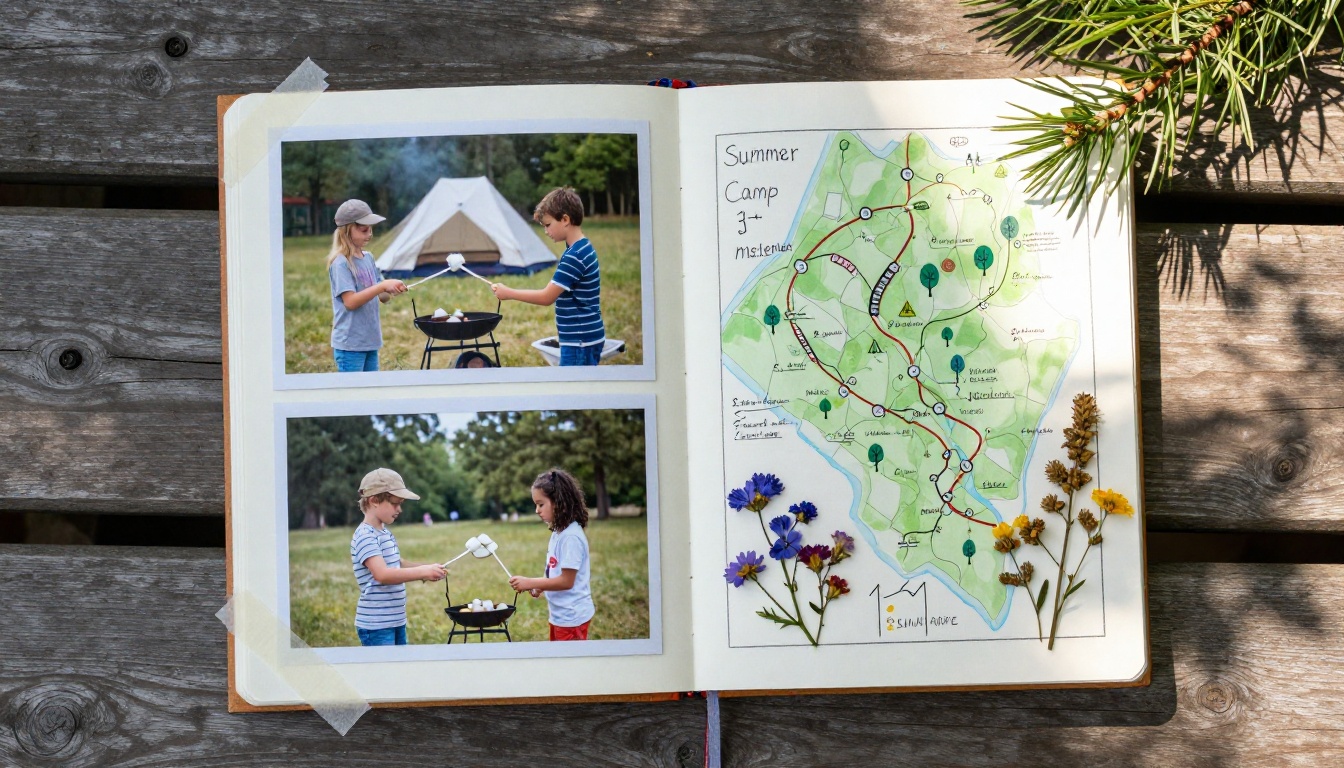
Both formats have a place. Paper feels personal, and a digital flipbook solves the problem that paper books cannot: copies for everyone.
| Feature | Paper Scrapbook | Digital Flipbook |
|---|
| Copies for the whole cabin | One book, passed around | Unlimited shareable links |
| Cost per extra copy | Printing and postage | Free to share |
| Adding videos and audio | Not possible | Easy to embed |
| Survives a lost bag | Rarely | Always online |
| Handwritten charm | Excellent | Great with scanned pages |
💡 The best approach is a hybrid. Build the pages by hand during camp, then scan them and publish the book as a flipbook after you get home.
Memory Book Ideas for Campers
Campers have the most to capture and the least time. Between swim tests and capture the flag, the book needs to be fast and fun to fill in.
The Daily Three Lines
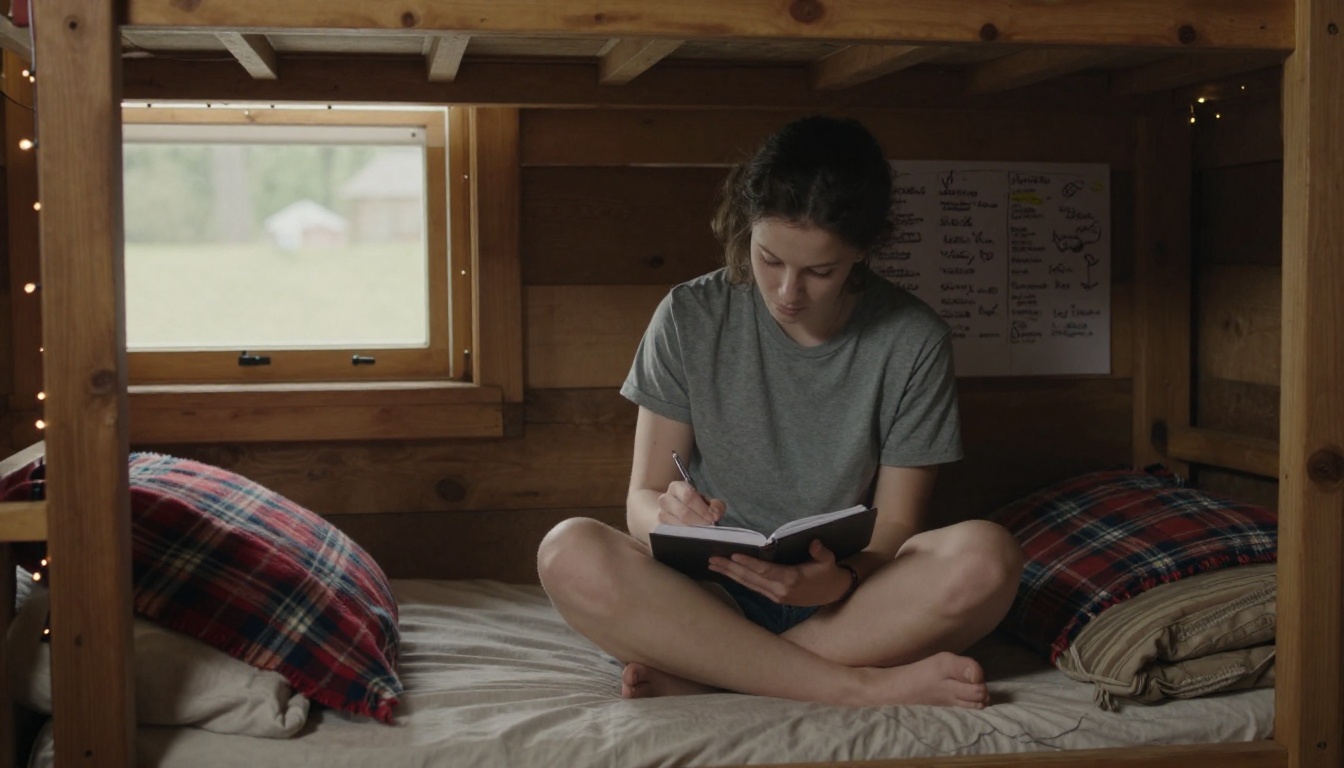
Every evening, write exactly three lines: the best moment, the funniest moment and one thing you want to remember about a person. It takes two minutes and builds a real diary by the end of the session.
Cabin Signature Pages
Give each cabin mate a full page. They write, draw, stick a photo or leave a secret message. Pass the book around on the second to last night so nobody feels rushed.
The Camp Map
Draw the grounds yourself. Mark the spot where you saw a deer, the dock where you had your first real talk with your best friend, and the tree with the carved initials. A hand-drawn map becomes the favorite page of nearly every book.
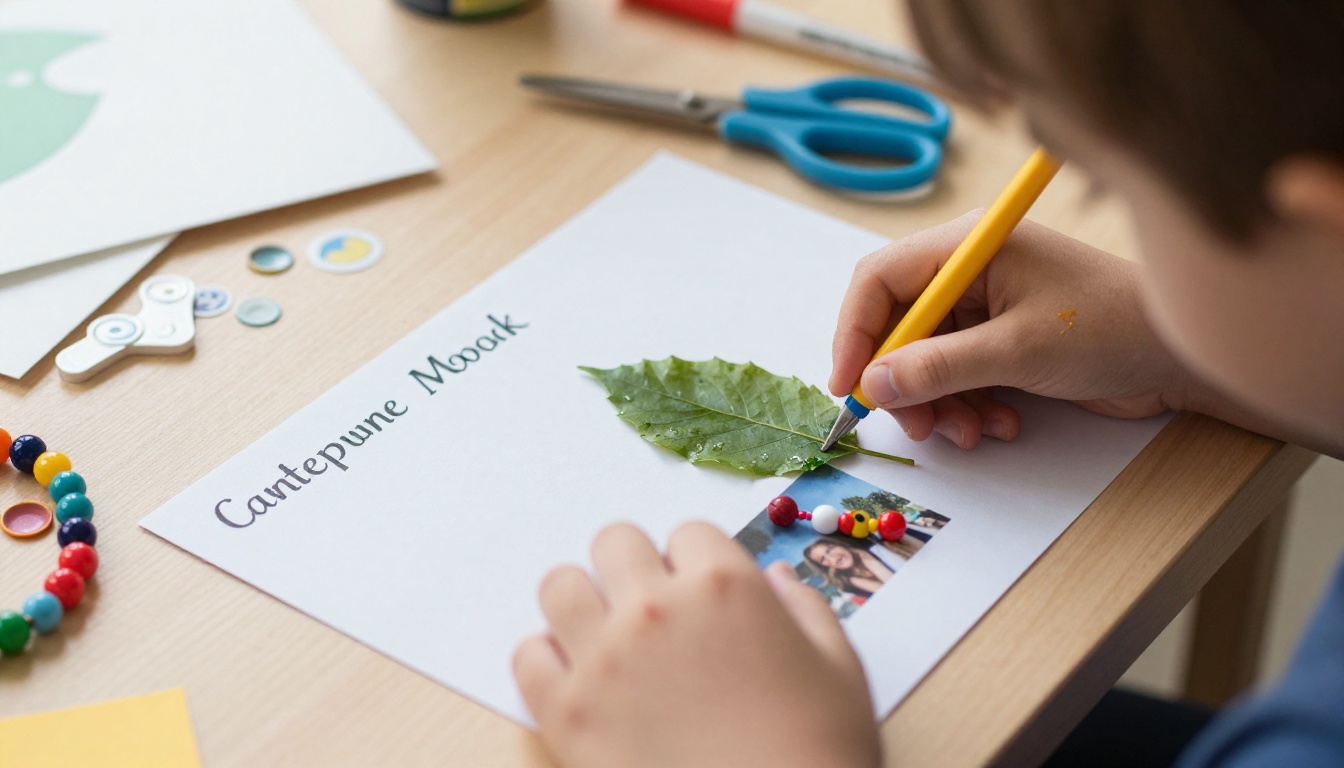
Collection Pockets
Tape small envelopes into the book for tiny treasures:
- Friendship bracelet thread
- A pressed leaf or wildflower
- A craft ticket or dining hall token
- A folded note from a counselor
- A pebble from the lake shore
Superlatives and Awards
Cabin awards are always a hit. Think "Best Campfire Storyteller," "Most Likely to Fall in the Lake" and "Kindest Cabin Mate." Make a page of awards and let the cabin vote.
✅ Best practice: Keep every award positive. A memory book should make every camper feel seen.
Memory Book Ideas for Counselors
Counselors carry a different kind of story. You watched a shy kid become a lake leader, and a good book proves that your summer mattered.
The Cabin Yearbook
Treat each cabin like a class. Give every camper a profile with their nickname, favorite activity, a funny quote and a counselor note written just for them. A tidy format keeps the writing manageable for a cabin of ten or twelve.
Letters to Future Campers
Ask returning campers to write a short letter to a first-year camper. These notes get passed down every summer and become part of camp tradition.
Counselor Staff Page
Staff members rarely get a spotlight. Add a page with each counselor's camp name, role and a favorite memory. It becomes a keepsake for the whole team.
Growth Snapshots
Take a photo of each camper on day one and day last, posed the same way, then place them side by side. The difference in confidence is often striking, and parents love it.
| Idea | Best For | Time to Prepare |
|---|
| Cabin yearbook | Cabin counselors | 2 to 3 hours |
| Staff page | Senior staff | 30 minutes |
| Growth snapshots | Any age group | 15 minutes per day |
| Letters to future campers | Returning campers | 1 evening |
| Awards page | Whole cabin | 45 minutes |
Capture the Moments Worth Keeping
Great books begin with great raw material. You do not need a professional camera, but you do need a plan.
Photo Shot List
Ask each cabin to gather these shots during the session:
- A full cabin photo on the first day
- The sunrise at the lake
- Someone mid-jump off the dock
- The messy end of a craft project
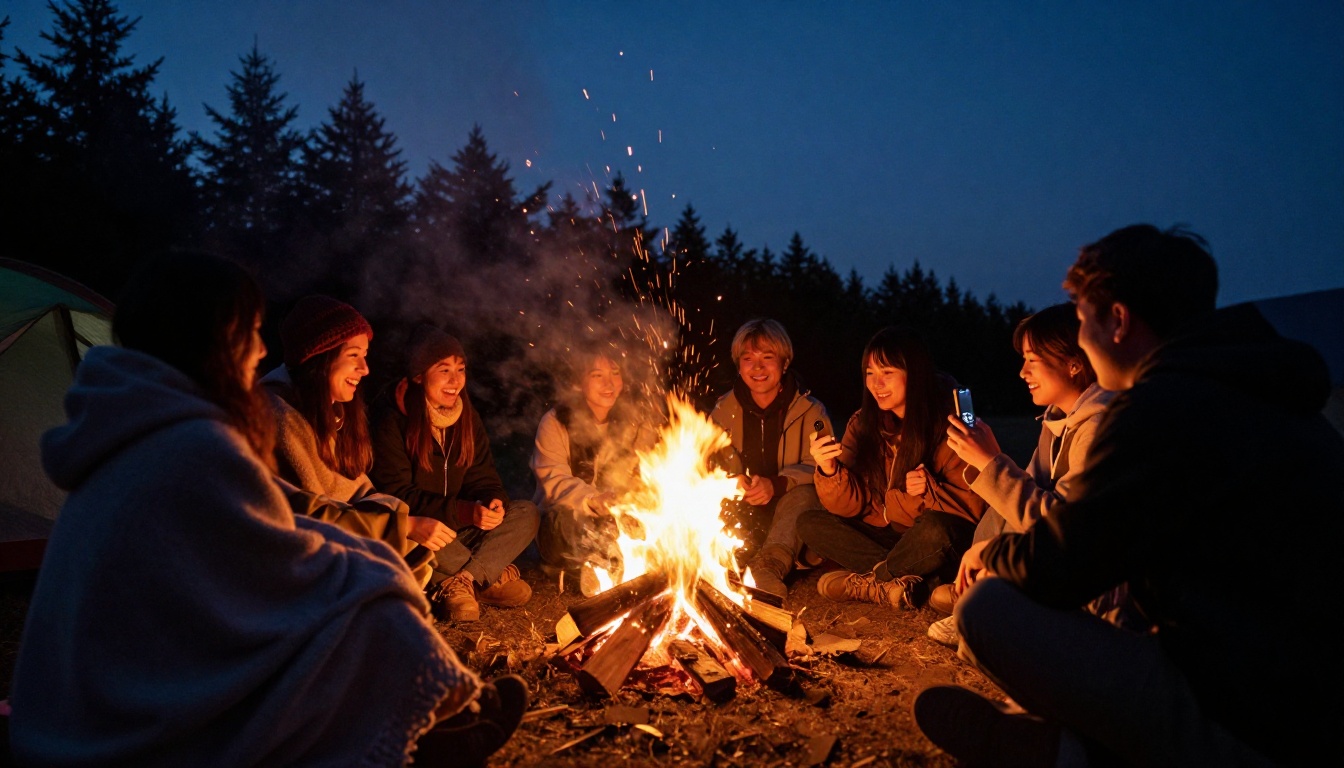
- The campfire circle in action
- A silly dining hall moment
- The goodbye hug on the last morning
Sound and Video
Record the closing song, the cabin chant or the counselor skit. A digital flipbook can include video and audio, so these clips become part of the book itself rather than lost files on a phone.
Quotes Worth Writing Down
Keep a running list in a notebook. Kids say hilarious and sincere things at camp, and a "Quote of the Day" page is one of the most reread parts of any memory book.
⚠️ Check your camp's photo policy first. Many camps limit phones or need parent permission before sharing pictures of children.
Fun Page Themes to Borrow
Themed pages make the book feel designed instead of random. Here are ideas that fit any camp.
- Field Trip Passport: one page per outing with a stamp or sticker.
- Trail Log: distance, weather and a sketch from each hike.
- Campfire Songbook: lyrics to the songs everyone sang loudly and badly.
- Mess Hall Menu: the legendary meals, rated one to five stars.
- Night Sky Page: constellations you spotted, drawn in white pencil on dark paper.
- Talent Show Playbill: the lineup, with the performers' autographs.
Make It a Group Project
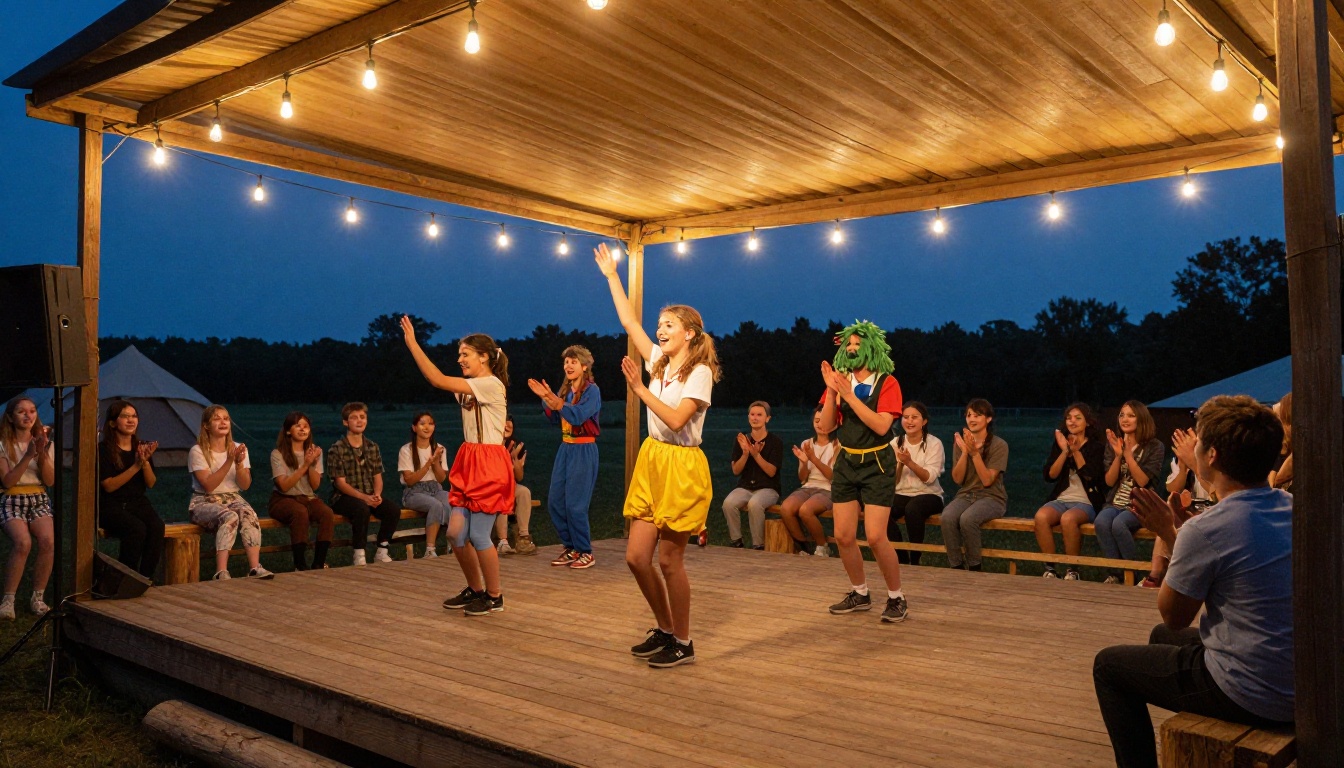
Divide the book into sections and assign each cabin or activity group one chapter. The archery team writes the archery pages, and the arts crew handles the cover and decorations. When everyone owns a piece, everyone cares about the finished book.
How to Create a Camp Flipbook
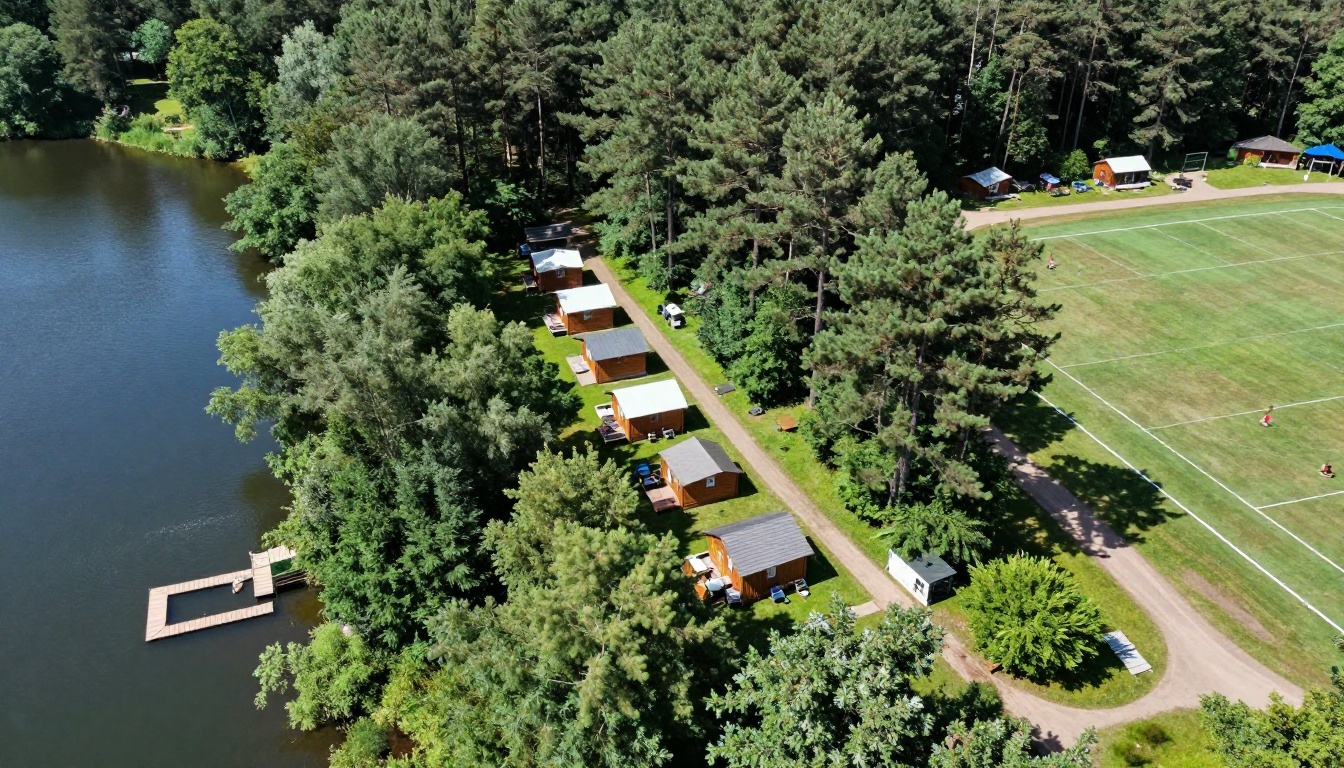
Once camp ends, a digital flipbook turns scattered pages and phone photos into one polished book anyone can open on any device. Here is how to build it with Flipbooks AI.
- Gather your pages. Scan handwritten pages or photograph them flat in good natural light. Arrange everything in a slideshow or document and export it as a PDF.
- Sign up. Create an account on Flipbooks AI. If you want to compare plans first, check the pricing page.
- Upload the PDF. Use the PDF to Flipbook Converter to turn your file into a page-turning book with realistic effects.
- Customize the look. Choose colors that match your camp, add the logo, and pick a background that feels like summer. There are no watermarks to spoil the design.
- Add multimedia. Embed the campfire song, the talent show clip or a voice message from the director.
- Share it. Send a direct link to parents and campers, or use the embed option to place the book on the camp website. Turn on password protection so only the camp family can open it.

Pick the Right Tool
Flipbooks AI offers purpose-built options that suit different camp needs.
💡 Professional plan users can see analytics on who opened the book, which helps camp directors understand how families respond.
Sharing Options That Work
- Direct link for group chats and email
- Embed code for the camp website or alumni page
- Password protection to keep photos of children private
- Offline download for families with spotty rural internet
- Mobile-responsive design so the book looks great on a phone
A Sample Timeline for Camp Directors
Timing makes the difference between a book that exists and a book that never gets finished. This schedule works for a two or three week session.
| When | Task |
|---|
| Day 1 | Hand out blank books or pages, take cabin photos |
| Week 1 | Daily three lines begin, start the camp map |
| Week 2 | Collect quotes, record the cabin chant |
| Second to last night | Signature pages passed around |
| Last day | Final photos, scan pages before bags are packed |
| One week after camp | Publish the flipbook and share the link |
Real-World Examples
- A day camp director can publish a weekly flipbook of photos for parents, then assemble all four weeks into one summer keepsake.
- A cabin counselor can scan each camper's signature page and put the notes together into a private book for the cabin.
- A teen leadership program can build a trail log and highlight reel to show next year's recruits.
Tips to Finish the Book
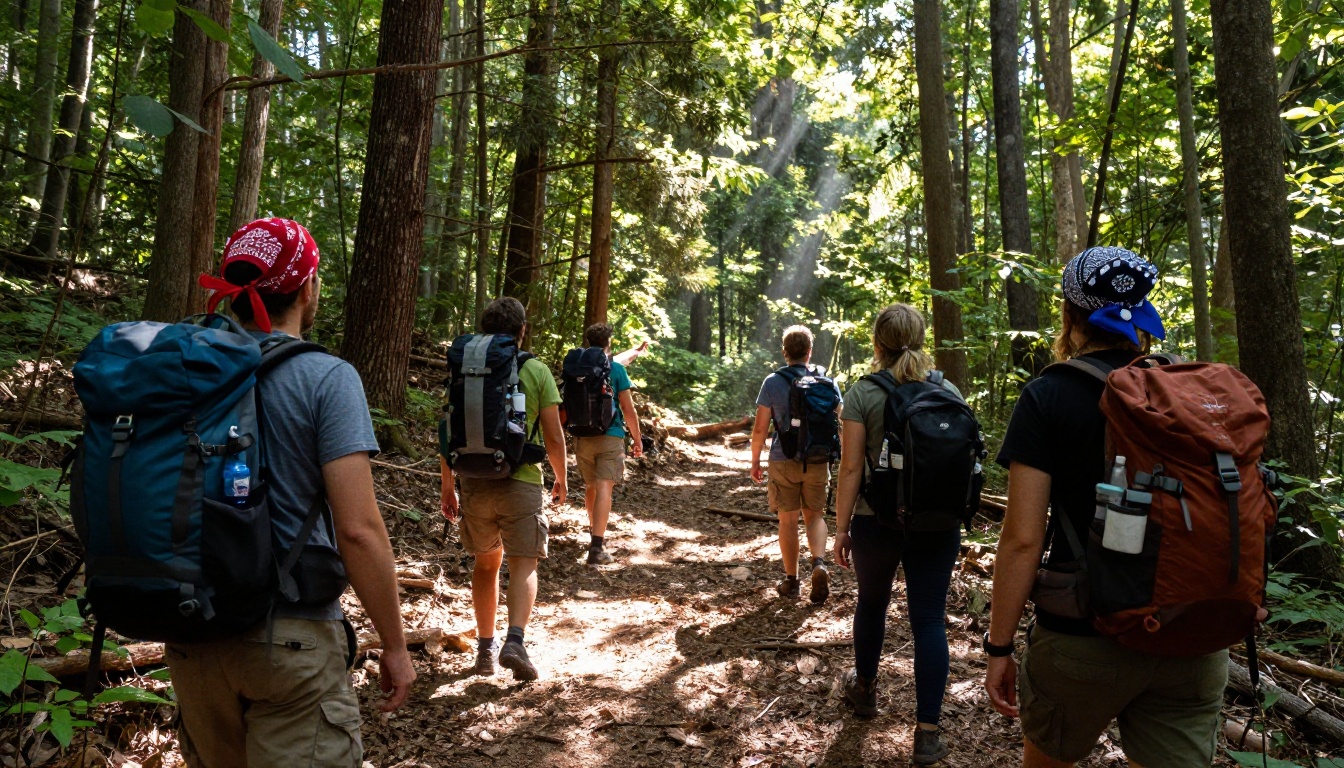
Many camp books stop at half-finished. A few habits keep yours alive.
- Set a daily reminder. Pair writing time with something that already happens, like the evening cabin meeting.
- Keep supplies simple. A pen, tape, a glue stick and a pouch for scraps is enough.
- Leave blank pages. Surprises happen, and you will want room for them.
- Scan early. Do not wait until the last day. Scan pages weekly so nothing gets lost or wet.
- Ask for help. Choose one volunteer per cabin as the book keeper.
Common Mistakes
- Waiting until the final night to start.
- Using thin paper that tears under glue.
- Skipping names and dates, which makes the memories confusing later.
- Forgetting to ask permission before sharing group photos.
Ready to Build Your Camp Memory Book?
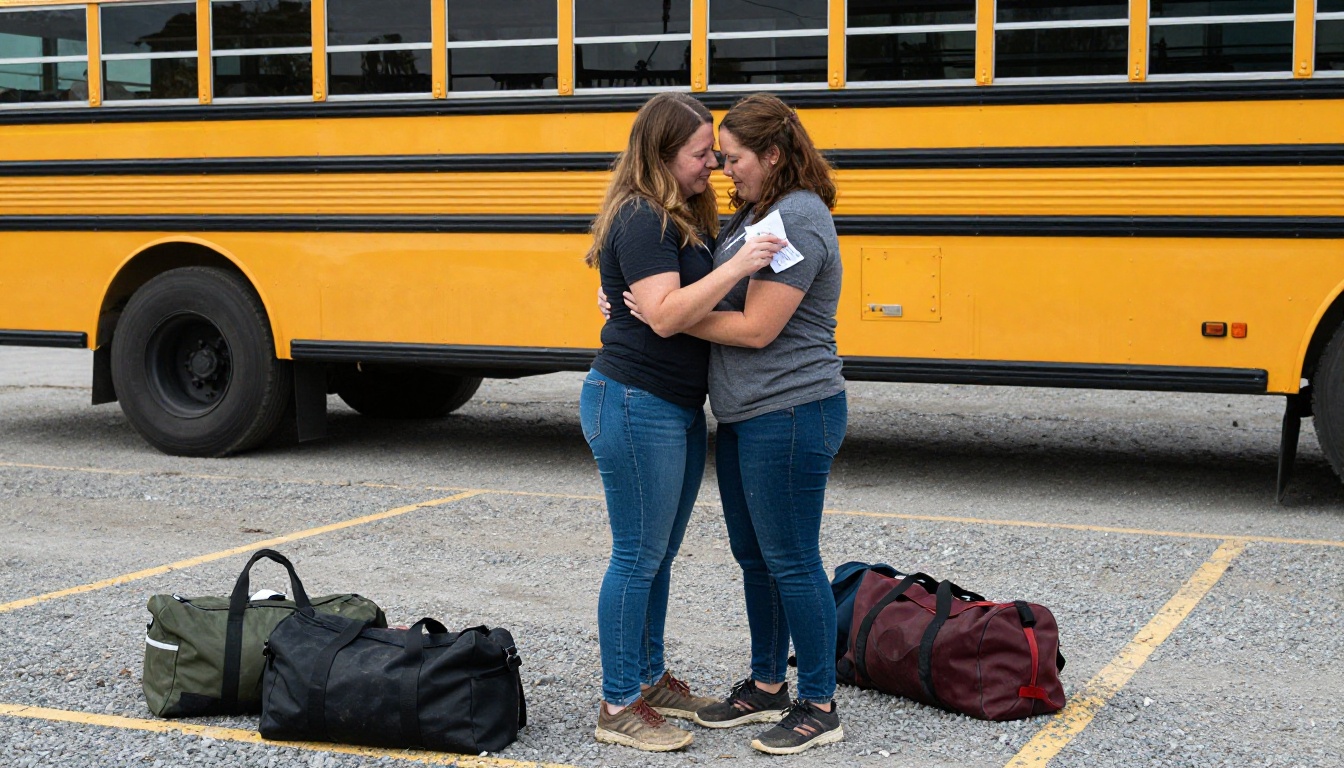
Camp is short, but a good book makes it last. Start with the three-line diary, collect signatures, and gather every photo into one place. When the session ends, create your flipbook for free on Flipbooks AI and send it to everyone who made the summer special.
Browse the full list of flipbook tools to find the best layout for your camp, or compare pricing plans if you want analytics and unlimited books for the whole season.



