Every May, teachers receive mugs, candles, and gift cards, and most of them quietly admit the same thing: the gifts they keep are the handwritten notes. A single sentence from a student, written in uneven pencil, can outlast a drawer full of lotion. This article gives you Teacher Appreciation Week ideas built around one simple project: a class book of thank you notes, collected from every child and bound into a digital keepsake. You can assemble it as a page-turning book with Flipbooks AI in about an hour, and your teacher can open it on any phone, tablet, or laptop for years.
Why a Class Book Beats a Gift
Physical presents get used up, re-gifted, or stored in a closet. A book of memories stays. When a teacher reads forty messages in a row, the effect is different from reading one card: they see the pattern of their year, the jokes the class shared, and the small moments they forgot they created.
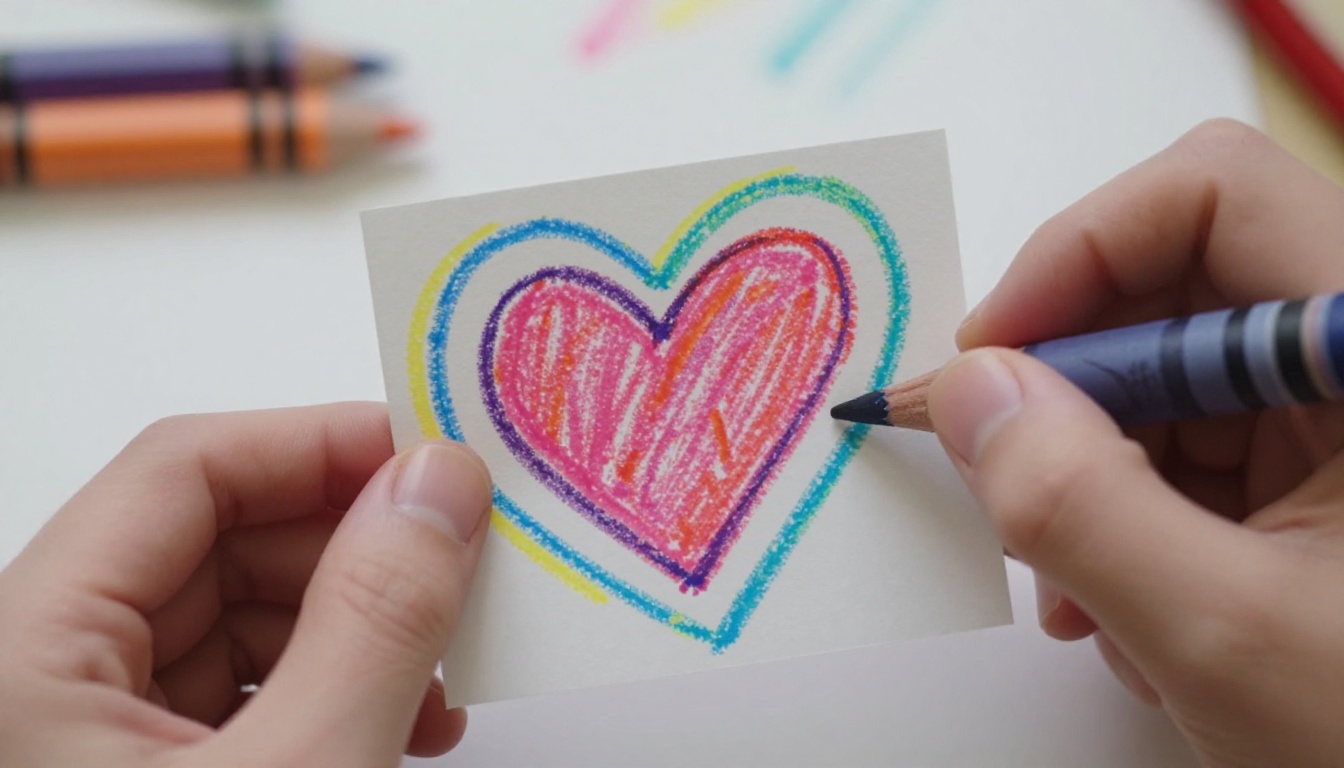
A class book also solves three common problems with appreciation week:
- Cost: it is free or close to free, so no family feels pressured.
- Inclusion: every child contributes, including the shy ones who would never hand over a gift.
- Longevity: a digital book can be reopened every time a teacher has a rough week.
💡 Pro tip: Teachers often say the notes they reread are the specific ones, like "You made fractions feel like pizza," not the generic "You are the best teacher."
Who Should Organize It
The best organizer is usually a room parent, a class representative, or the teacher's aide. If nobody volunteers, a pair of parents can split the work: one collects, one builds the book. Keep the surprise secret by asking families to send material to a separate email address instead of through the teacher's own inbox.
The Right Timing
Teacher Appreciation Week runs in early May in the United States, but many schools hold their own version in other months. Start collecting two weeks before, send one reminder halfway through, and finish building at least two days ahead of the event.
What Goes Into the Book
A strong class book has a mix of voices and formats. Plan for a variety so the pages stay lively when someone turns them.
| Page Type | What It Contains | Who Makes It |
|---|
| Cover | Class name, school year, one photo of the room | Organizer |
| Student note | One handwritten or typed message per child | Each student |
| Drawing page | A full-page picture of the teacher or a favorite lesson | Younger students |
| Photo page | Field trips, science days, class parties | Parents and organizer |
| Parent page | A short thank you from the family | Parents |
| Closing page | A group message and the date | Organizer |
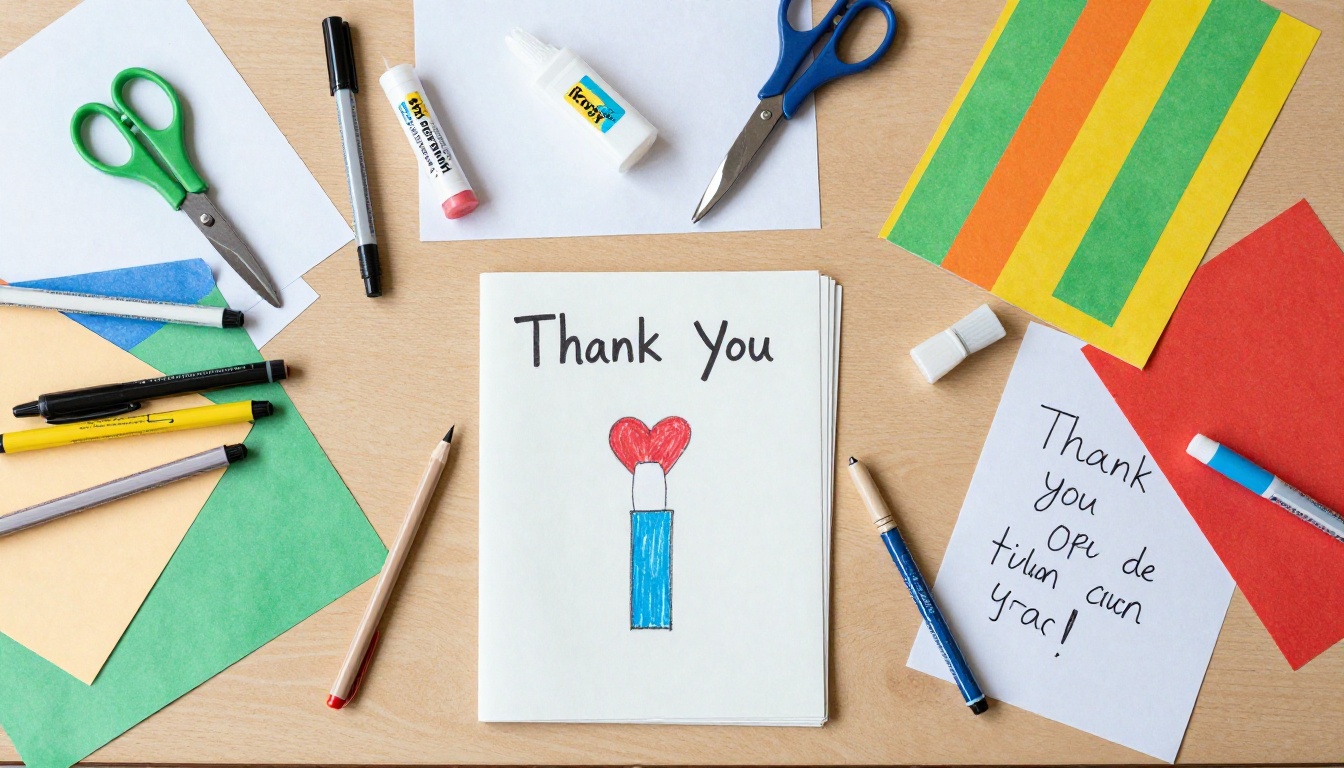
Handwritten or Typed?
Handwriting wins for younger children. The crooked letters are the charm. Older students in middle school can type, but even they enjoy adding a signature or a small sketch. A mix is perfectly fine, and the contrast makes the book feel real.
Thank You Note Prompts That Work
The hardest part of any note is the first line. Children freeze when told to "write a thank you." Give them a prompt and the blank page becomes easy.
- "Something you taught me that I still remember is..."
- "The day I felt proudest in class was..."
- "You always make me laugh when..."
- "One thing I will miss about this year is..."
- "If I could give you a superpower, it would be..."
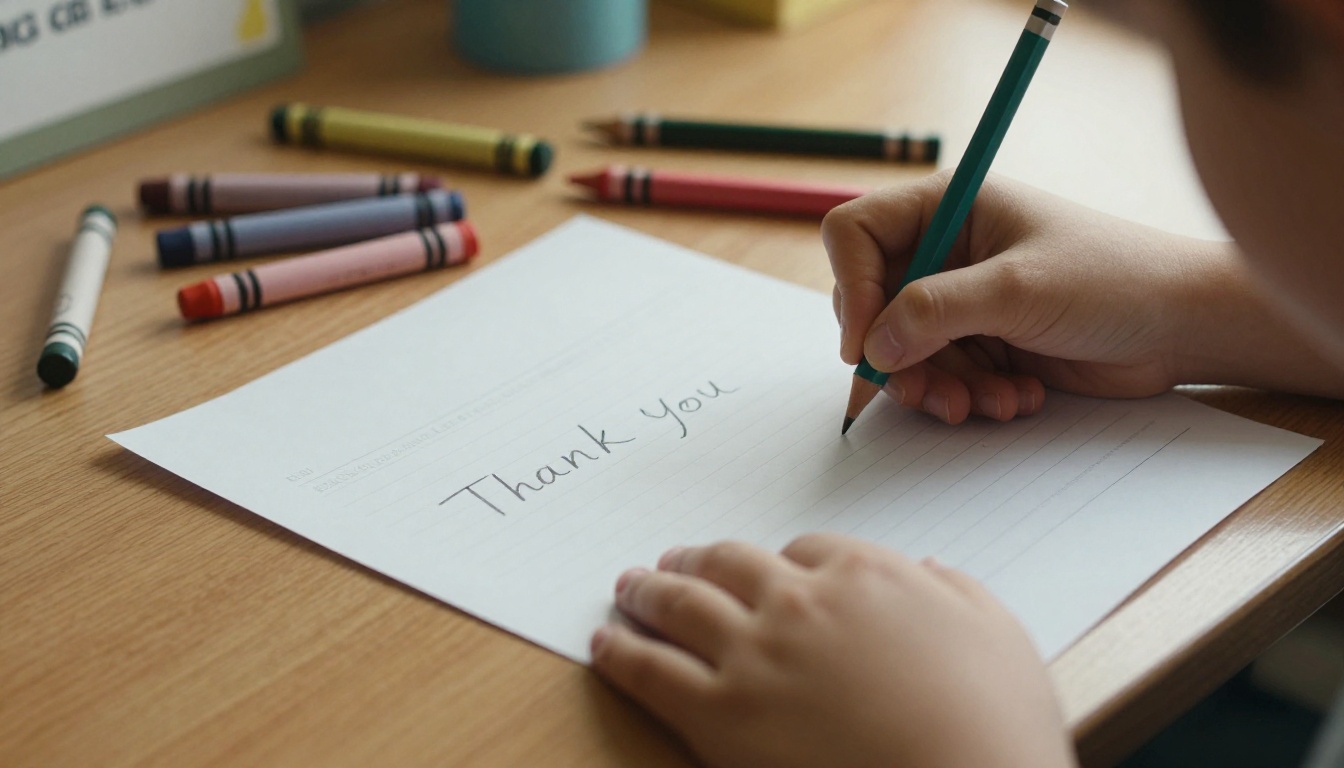
Prompts by Age Group
| Grade Level | Best Format | Sample Prompt |
|---|
| Pre-K to Grade 1 | Drawing plus one sentence | "Draw your teacher and tell us their favorite color" |
| Grades 2 to 4 | Short paragraph | "Write about your funniest moment this year" |
| Grades 5 to 8 | Letter or list | "Three things you did that made a difference to me" |
| High school | Typed message | "A lesson that changed how I think about..." |
✅ Best practice: Ask each child to include their first name at the end of the note. Teachers love matching a message to a face.
A Daily Plan for the Whole Week
You do not need to limit the project to one surprise. Spread the activity across five days so the class builds anticipation and the teacher feels celebrated all week.
| Day | Theme | What Students Do |
|---|
| Monday | Note Day | Write the first draft of the thank you note in class |
| Tuesday | Drawing Day | Create a full-page illustration |
| Wednesday | Photo Day | Parents send favorite photos from the year |
| Thursday | Treat Day | Small snack or flower for the teacher's desk |
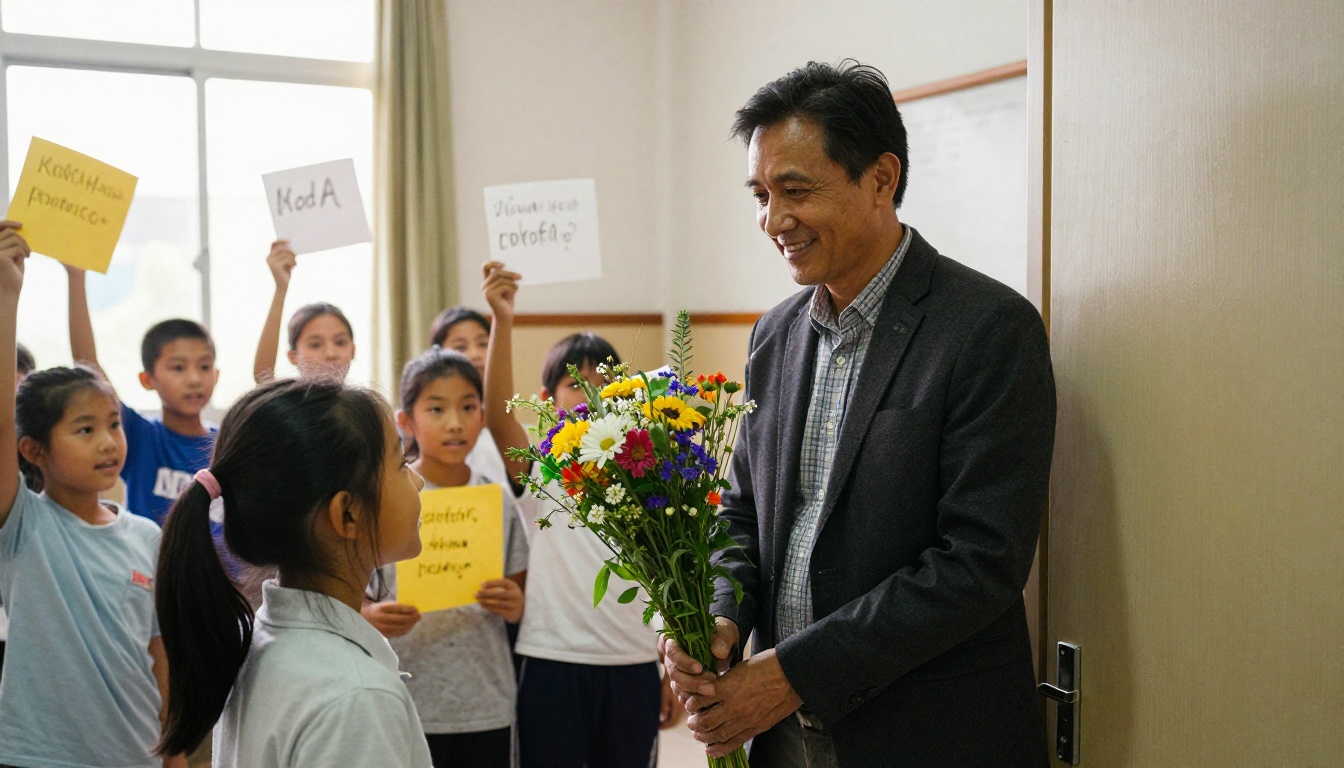
| Friday | Reveal Day | Share the finished class book on a screen |
Keep the Surprise Safe
Ask the class not to mention the book at home in the teacher's hearing, and use a private email or shared folder. A little secrecy makes the reveal Friday feel like a real event.
How to Create the Class Book with Flipbooks AI
Once the notes arrive, you need to turn a pile of scans and photos into one tidy book. A flipbook is ideal because it keeps the page-turning feel of a real scrapbook while being shareable with a single link. Here is the simple process.

Step 1: Digitize Every Page
Lay each handwritten note flat in good daylight and photograph it straight on, or use a phone scanning app. Crop the edges, keep the files in order, and name them by the student's first name so the sequence is easy to control.
Step 2: Build One PDF
Place each image on its own page in a document editor, or a slide deck, and export everything as a single PDF. Add a cover page with the class name and the school year, and a closing page with the group message.
Step 3: Upload and Convert
Create a free account at Flipbooks AI and upload the file with the PDF to Flipbook Converter. The platform turns each page into a realistic page-turn with sound, so the finished book feels like a printed keepsake. For a book that is mostly text and images, the Interactive E-Book Publisher is another good fit.
Step 4: Customize the Look
Pick background colors that match the school mascot or the teacher's favorite shade. Add the school logo if you wish. Because there are no watermarks on any plan, the book looks clean and personal. You can also embed a short video message from the class or an audio recording of the students singing.
Step 5: Share It Privately
Choose the sharing option that suits your class:
- Direct link: the simplest option, good for emailing to the teacher.
- Embed code: place the book on a classroom website using Embed Flipbook on Website.
- Password protection: keep the content private so only people with the password can open it.
- Offline download: give the teacher a copy to keep on a device with no internet.
⚠️ Warning: Children's names and faces are personal data. Use password protection and share the link only with the teacher and the families who took part.
Step 6: Check the Analytics
If you are on the Professional plan, analytics show how many people opened the book and how long they spent on each page. That is a nice way to tell the class, "Your teacher read all the way to the last page." Compare pricing plans to see which tier covers this.
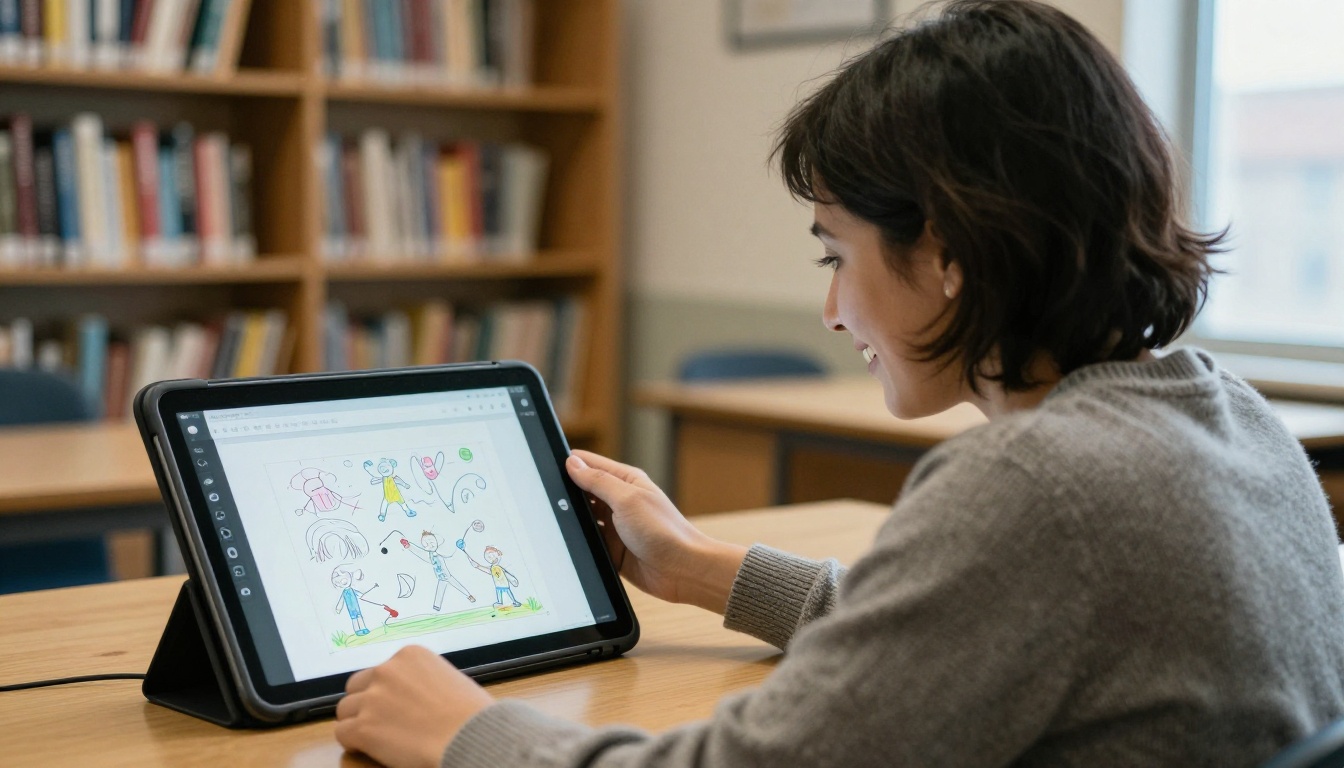
You do not have to use a flipbook. Here is an honest comparison so you can pick the right fit for your class size and budget.
| Format | Cost | Effort | Easy to Share | Lasts Years |
|---|
| Printed photo book | $25 to $60 | High | No | Yes |
| Shared slide deck | Free | Medium | Yes | Sometimes |
| Folder of scans | Free | Low | Somewhat | Yes |
| Digital flipbook | Free to low | Medium | Yes, one link | Yes |
A printed book is lovely, but it takes shipping time and money. A flipbook is faster, and you can still print the PDF later if you want a copy for the shelf.
Present the Book on Reveal Day
The reveal is half of the gift. A few simple choices make it memorable.

Read It Together
Project the book on the board and let the class stand or sit together. Some teachers prefer to read it alone, so ask beforehand if you can. For a surprise, schedule it for the last ten minutes of the day, when the room is calm.
Add a Printed Companion
If a family has a printer, a single page with the book's link and a QR code can be framed or pinned to a desk. It gives the teacher something physical to hold while the real book lives online.
Pair It with a Small Gift
A small plant, a favorite coffee, or a handwritten card pairs nicely with the book. Do not feel you must spend money. The notes are the gift.
Real-World Examples
Here are three scenarios that show how flexible this idea is.
- A first-grade class of 22: each child drew a picture and dictated one sentence to a parent volunteer. The finished book had 24 pages and took one evening to assemble.
- A middle school homeroom: students typed short letters in a shared document, and a student council member compiled them into a PDF with class photos.
- A school-wide effort: each grade built a chapter, and the office combined them into a longer book for a retiring teacher, using the School Newsletter Creator style of layout.
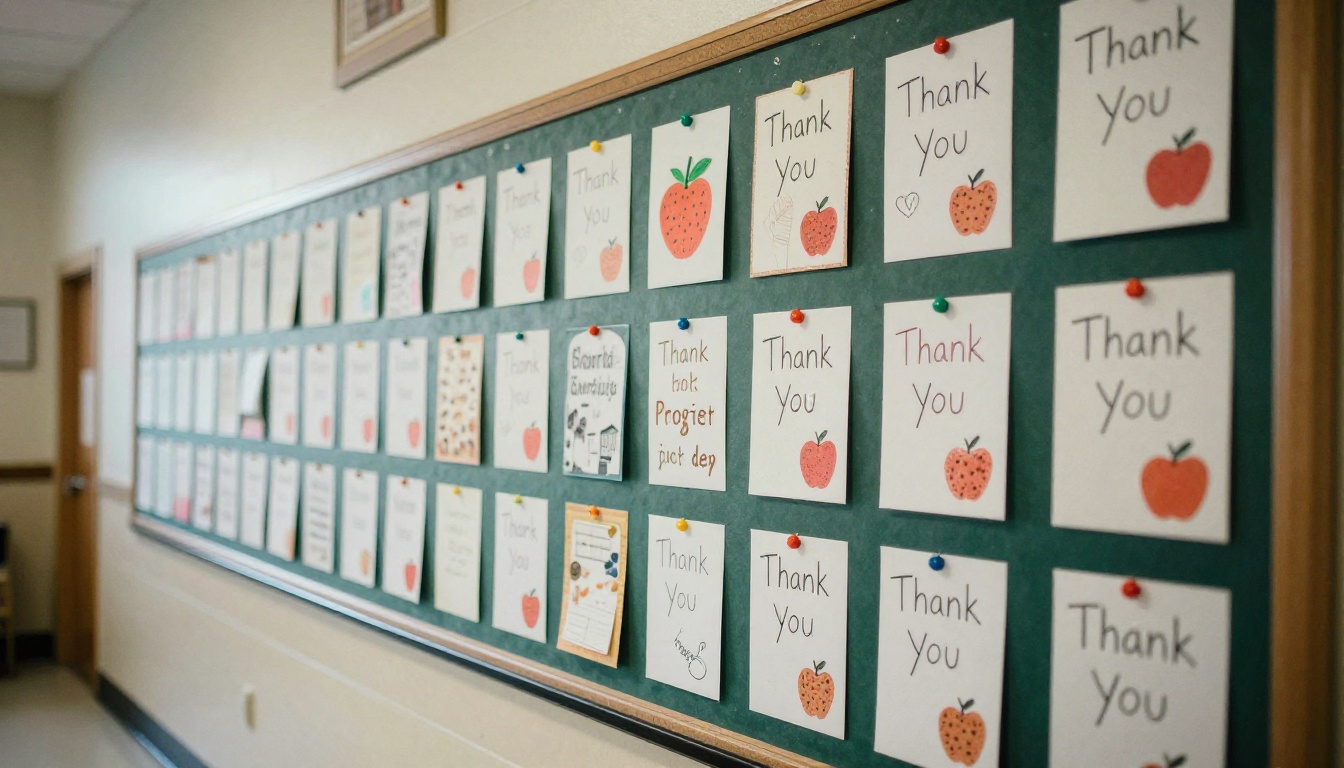
Other Teachers and Staff
The same book works for a music teacher, a bus driver, a librarian, or a school nurse. Many schools forget these people, and a short book of notes means a lot to them. Browse all flipbook tools for layouts that suit different needs.
Common Mistakes to Avoid
- Starting too late: two weeks is the minimum for collecting from every family.
- Skipping the reminder: one gentle nudge doubles the response.
- Poor photos of notes: shadows and angled shots make pages hard to read.
- Leaving out quiet students: offer a drawing option so nobody feels excluded.
- Forgetting to test the link: open the finished book on a phone before the reveal.
| Mistake | Quick Fix |
|---|
| Blurry scans | Use daylight and hold the phone directly above the page |
| Missing students | Send a private reminder to those families |
| Wrong page order | Number the files before building the PDF |
| Link will not open | Test on another device and check the password |
Make It Last Beyond One Week
A good appreciation project does not end on Friday. Keep the file in a safe folder, and consider adding a new chapter each year if the teacher stays with the school. Some classes build a yearly tradition where the previous class's book is shown to the new students, so they see how much a note can mean.

Ready to Start Your Class Book?
You have the prompts, the schedule, and the steps. The only thing left is to ask the first family for a note. Get started for free on Flipbooks AI and build the book in an evening. Browse the tools and templates for more layouts, or review the pricing plans if you want analytics and unlimited books. When Friday arrives, your teacher will have something no store sells: a year of gratitude, in the students' own words.



