Every manufacturer eventually faces the same awkward moment: a prospect asks for "more information," and your team has to decide what to send. A glossy brochure? A dense technical data sheet? Send the wrong one and the deal stalls, even when your product is the best option on the table. Tools like Flipbooks AI make it easy to deliver both in one place, but first you need to know what each document is actually for.
This article breaks down the technical data sheet vs product brochure question from the buyer's side of the desk. You will see what each format does well, where each one fails, and which one should land in the inbox at every stage of a B2B sale.
Two Documents, Two Jobs

A technical data sheet (often called a spec sheet or TDS) answers one question: will this product work in my application? It lists dimensions, tolerances, materials, certifications, operating ranges and test results. It is written for engineers, quality managers and procurement teams who must justify a purchase with evidence.
A product brochure answers a different question: why should I care about this product? It tells a story, shows the product in use, highlights benefits and builds trust in the brand. It is written for decision makers, marketing teams, distributors and first-time buyers who are still forming an opinion.
Neither document is better. They are tools for different moments. The mistake most manufacturers make is treating them as interchangeable.
💡 Pro tip: If you cannot say in one sentence what question a document answers, it is probably trying to do two jobs and doing both badly.
Side-by-Side Comparison
The table below shows how the two formats differ on the dimensions that matter most to a sales team.
| Dimension | Technical Data Sheet | Product Brochure |
|---|
| Primary reader | Engineer, QA, procurement | Executive, buyer, distributor |
| Core question | Does it meet the spec? | Why choose this product? |
| Tone | Neutral, factual, precise | Persuasive, visual, benefit-led |
| Typical length | 1 to 4 pages | 6 to 24 pages |
| Content | Tables, drawings, ratings | Photos, stories, use cases |
| Update frequency | Whenever a spec changes | Seasonally or per campaign |
| Best sales stage | Evaluation and approval | Awareness and consideration |
| Main risk | Overwhelms non-technical readers | Lacks proof for technical readers |
Notice that the strengths of one are the weaknesses of the other. That is exactly why the best sales teams use both, in the right order.
When the Data Sheet Wins
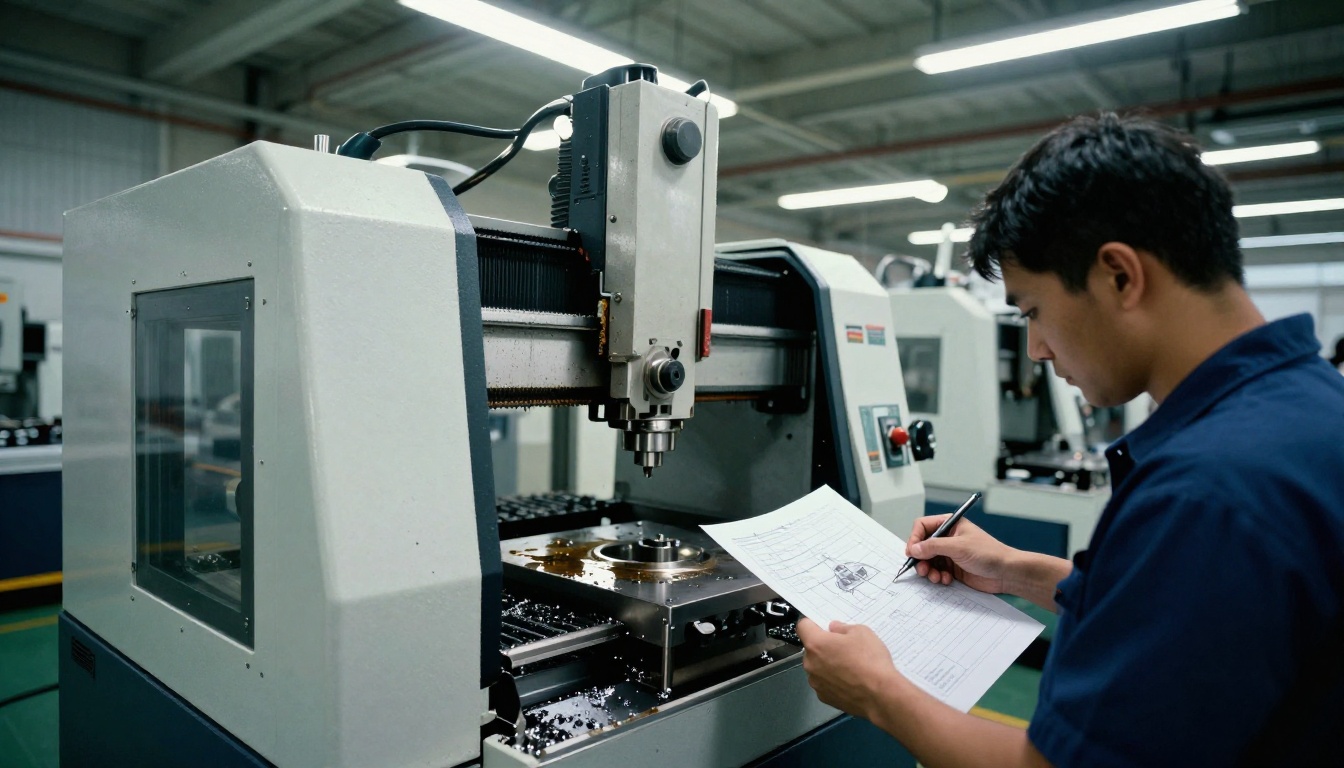
The data sheet wins whenever the buyer needs to verify rather than be convinced. Here are the situations where it does the heavy lifting.
Engineering Evaluation
When an engineer is comparing three suppliers, the first thing they do is open each spec sheet side by side. If yours is missing a pressure rating or a material grade, you are out before the conversation starts. No brochure photo can recover from a missing number.
Procurement Approval
Purchasing teams often need a document to attach to an internal approval request. A data sheet with part numbers, certifications and standards compliance gives them exactly that. It becomes the paper trail that justifies the purchase.
Tender and RFQ Responses
Formal tenders almost always require technical documentation. A clean, accurate data sheet is frequently a pass or fail requirement, not a nice extra.
Replacement and Reorder Decisions
Maintenance teams searching for a compatible part want dimensions and connection types. They skim for numbers and leave. A fast, searchable data sheet wins that sale.
⚠️ Warning: An outdated data sheet is worse than none. If a buyer orders against a spec that has since changed, you inherit the returns, the cost and the lost trust.
When the Brochure Wins

The brochure wins when the buyer needs to feel something before they will ask for numbers. Nobody requests a data sheet for a product they have never wanted.
Trade Shows and First Contact
At an exhibition, visitors collect dozens of documents. The one with a striking photo and a clear promise is the one they keep. A data sheet handed out cold usually goes straight into the recycling bin.
Distributor and Dealer Onboarding
Resellers need to understand your positioning, your range and the customer problems you solve. A brochure gives them language they can reuse when talking to their own clients.
Executive Buyers
Senior decision makers rarely read tolerance tables. They look for confidence signals: references, case studies, brand presence and a clear business benefit. The brochure supplies those.
Entering a New Market
When nobody knows your brand, you need to build credibility before anyone checks your specs. Photography, customer stories and a clear value proposition do that job.
✅ Best practice: Put one standout benefit on the brochure cover, in plain words. Buyers decide within seconds whether to keep reading.
Matching the Document to the Sales Stage

A B2B purchase is rarely one decision. It is a chain of small ones, and each link calls for a different document.
| Sales Stage | Buyer Mindset | Best Document | Why It Works |
|---|
| Awareness | "Who are these people?" | Brochure | Builds recognition and interest |
| Consideration | "Could this fit our needs?" | Brochure plus short spec summary | Connects benefit to application |
| Evaluation | "Does it meet our requirements?" | Data sheet | Provides verifiable proof |
| Approval | "Can I justify this internally?" | Data sheet plus certifications | Creates the paper trail |
| Negotiation | "Is this the right supplier?" | Brochure plus case studies | Reinforces trust and value |
| Reorder | "Which exact part do I need?" | Data sheet | Delivers speed and accuracy |
The pattern is clear: brochures lead at the edges of the journey where emotion matters, and data sheets lead in the middle where proof matters.
A Real-World Scenario
Imagine a valve manufacturer selling to an industrial plant. A plant manager sees the brochure at a trade show and likes the reliability story. Two weeks later, the plant's engineer requests the data sheet to confirm pressure class and material compatibility. Procurement then attaches that same data sheet to the purchase request. Finally, the finance director glances at the brochure's case study to feel comfortable signing.
Four different people, two documents, one sale. If either document had been missing, the deal would have slowed or died.
Common Mistakes to Avoid

Most sales document problems fall into a handful of patterns. Here are the three that cost the most deals.
Mistake 1: The Brochure That Hides Specs
Some brochures are all mood and no substance. A technical buyer who cannot find a single number will assume you have something to hide. Even a short specification strip at the back of the brochure helps.
Mistake 2: The Data Sheet That Reads Like a Manual
Cramming every detail into four pages of tiny type makes the important numbers hard to find. Group data into scannable tables, and lead with the five specs buyers ask about most.
Mistake 3: Sending PDFs That Nobody Tracks
You email a PDF, and then silence. You have no idea whether it was opened, which page was read or whether the engineer forwarded it to procurement. Static files give you zero visibility into the buying process.
💡 Pro tip: Ask your sales team which document prospects request most often, and which one they never ask for. The gap tells you where your content is failing.
Use these lists as a review before any document leaves your company.
Data sheet checklist:
- Product name, model number and revision date on the first line
- Dimensions, weights and tolerances in a clear table
- Materials, operating range and performance ratings
- Standards and certifications with reference numbers
- Dimensional drawing or diagram
- Contact details for technical support
Brochure checklist:
- One clear headline benefit on the cover
- Professional photography of the product in real use
- Short customer story or measurable result
- Range overview with a simple selection table
- Strong call to action with a direct link
- A pointer to the full technical documentation
The Hybrid Approach
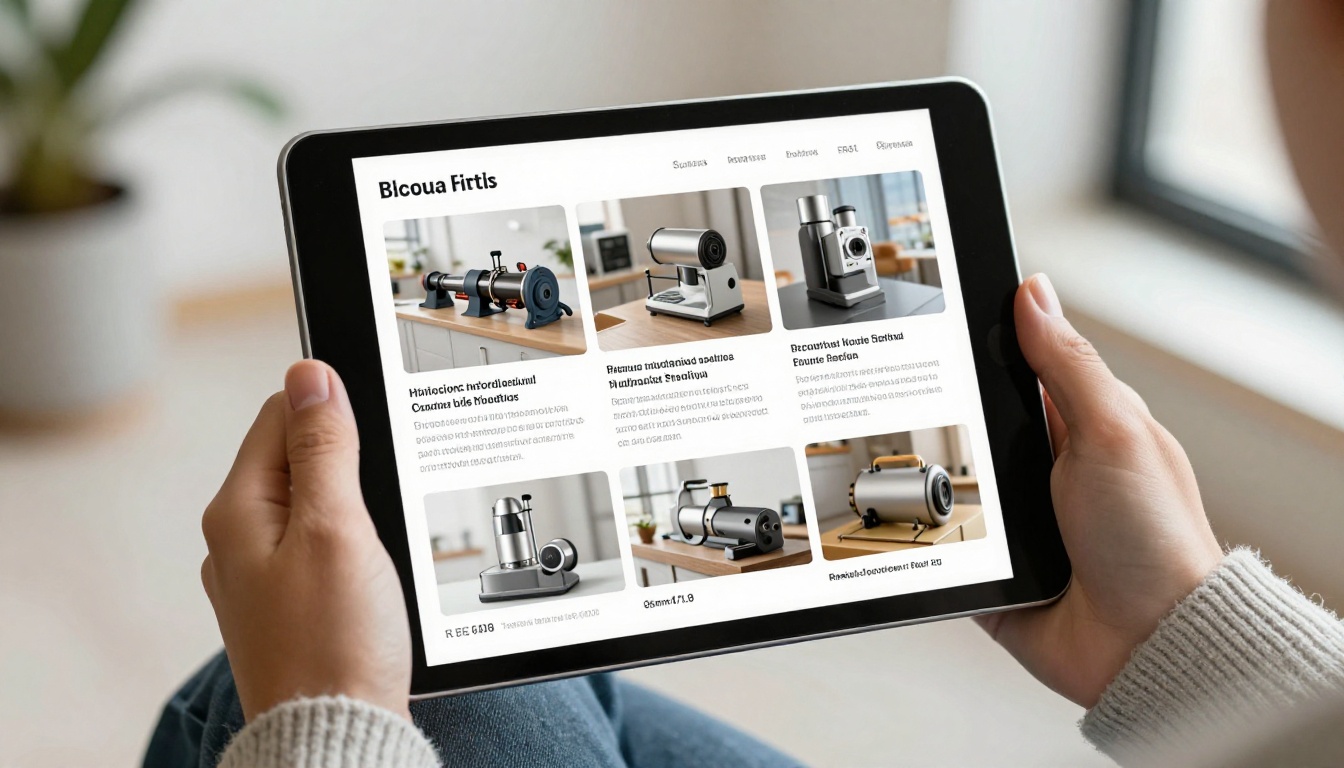
Here is where the debate changes. The either-or framing made sense when both documents lived on paper. In a digital format, you can connect them, so a reader moves from story to proof without leaving the document.
An interactive flipbook lets you place the persuasive pages up front and the technical pages behind them, with links between the two. A reader who is moved by a product photo can jump straight to its specifications. An engineer who lands on the spec table can flip back to see the product in action.
| Feature | Static PDF | Interactive Flipbook |
|---|
| Page-turning experience | No | Yes |
| Embedded video and audio | No | Yes |
| Linked jump to specs | Limited | Yes |
| Reader analytics | None | Yes (Professional plan) |
| Lead capture | No | Yes (Professional plan) |
| Mobile-friendly reading | Pinch and zoom | Responsive layout |
| Password protection | Basic | Built in |
| Instant updates via one link | No | Yes |
Because the link stays the same when you update the file, your prospects always see the current specification. That alone removes the outdated data sheet problem described earlier.
How to Build a Combined Sales Flipbook
If you want a single document that works for the whole buying committee, follow these steps. The process uses the PDF to Flipbook Converter and takes only a few minutes.
- Combine your sources. Merge the brochure pages and the data sheet pages into one PDF, brochure first and technical pages after.
- Create an account. Sign up on Flipbooks AI and open the upload screen.
- Upload the PDF. The platform converts each page into a realistic page-turning layout in seconds.
- Customize the look. Add your logo, brand colors and page effects so the flipbook feels like your company, with no watermarks, ever.
- Add multimedia. Embed a short demo video or an audio walkthrough next to the product pages.
- Set sharing options. Copy a direct link, grab an embed code for your product page, or protect confidential specs with a password.
- Turn on tracking. With the Professional plan, review which pages each reader spends time on and capture leads before they access the technical section.
- Download for offline use. Allow offline downloads so field engineers can read the file without a connection.
For manufacturers with wide ranges, the Product Catalog Generator and the Brochure Flipbook Maker are useful starting points. Teams selling to industrial buyers may also like the Sales Presentation tool for guided meetings.
✅ Best practice: Add a table of contents on page two that lets readers pick their path: "See the product" or "Check the specs." Each type of buyer then self-selects.
What Analytics Reveal

Tracking turns a guess into a decision. Once your combined flipbook is live, reader behavior shows which document is really winning.
| Signal | What It Suggests | Action to Take |
|---|
| Readers drop off on brochure page 3 | Story is losing interest | Shorten or reorder the opening |
| Heavy time on the spec table | Engineer is evaluating seriously | Alert sales to follow up |
| Spec pages skipped entirely | Reader is early in the journey | Send a nurturing message |
| Repeat visits to one product page | Strong buying intent | Offer a quote or sample |
| Forwarded link opened by new viewers | Internal sharing is happening | Prepare materials for a group |
A single insight, such as an engineer opening your spec table three times in a week, can be worth more than an entire quarter of guesswork.
Choosing Your Starting Point
If you have to start with only one improvement, pick by your biggest gap:
- Losing deals at evaluation? Rebuild your data sheet first. Make it accurate, scannable and easy to find.
- Struggling to get first meetings? Invest in the brochure. Better photography and a sharper promise open doors.
- Both are fine but results are unclear? Combine them in a tracked flipbook and let the data point you to the weak spot.
Whichever path you take, remember that the buyer should never have to ask twice. Proof should be one click from persuasion, and persuasion should be one click from proof.
Ready to Win the Next Sale?
The technical data sheet wins when a buyer needs evidence. The product brochure wins when a buyer needs a reason. The strongest sales teams stop choosing and start connecting the two.
Ready to put both in front of your prospects? Get started for free on Flipbooks AI, browse all flipbook tools to find the right template, or compare pricing plans to pick the tier that includes analytics and lead capture.



