Every November, someone at the table says "we should write down what we're thankful for," and then the pie arrives and the idea disappears. A shared gratitude book fixes that. It is one object, passed from hand to hand, that collects every voice at the table. This post lays out Thanksgiving gratitude book ideas families fill together, from page prompts for toddlers to story pages for grandparents, and shows how to turn the finished pages into a digital keepsake with Flipbooks AI.
Why a Gratitude Book Works
A gratitude book beats a spoken round of thanks for a simple reason: it lasts. Words said over dinner fade by dessert. Words written in a book can be read again next year, and the year after.
It also gives quieter people room. The teenager who groans at "go around the table" will often write three honest lines on a page. The grandfather who never talks about his past may finally fill a page about the house he grew up in.
What Makes It Different From a Journal
A journal belongs to one person. A family gratitude book belongs to everyone, and each page carries a handwriting, a mood, and a point of view. Over the years it becomes a record of who sat at the table and what mattered to them.
Who Should Fill It In
Everyone. Toddlers can scribble or stamp a handprint. Kids can draw. Adults can write short notes. Guests can add a line before they leave. The more hands on the pages, the richer the book.
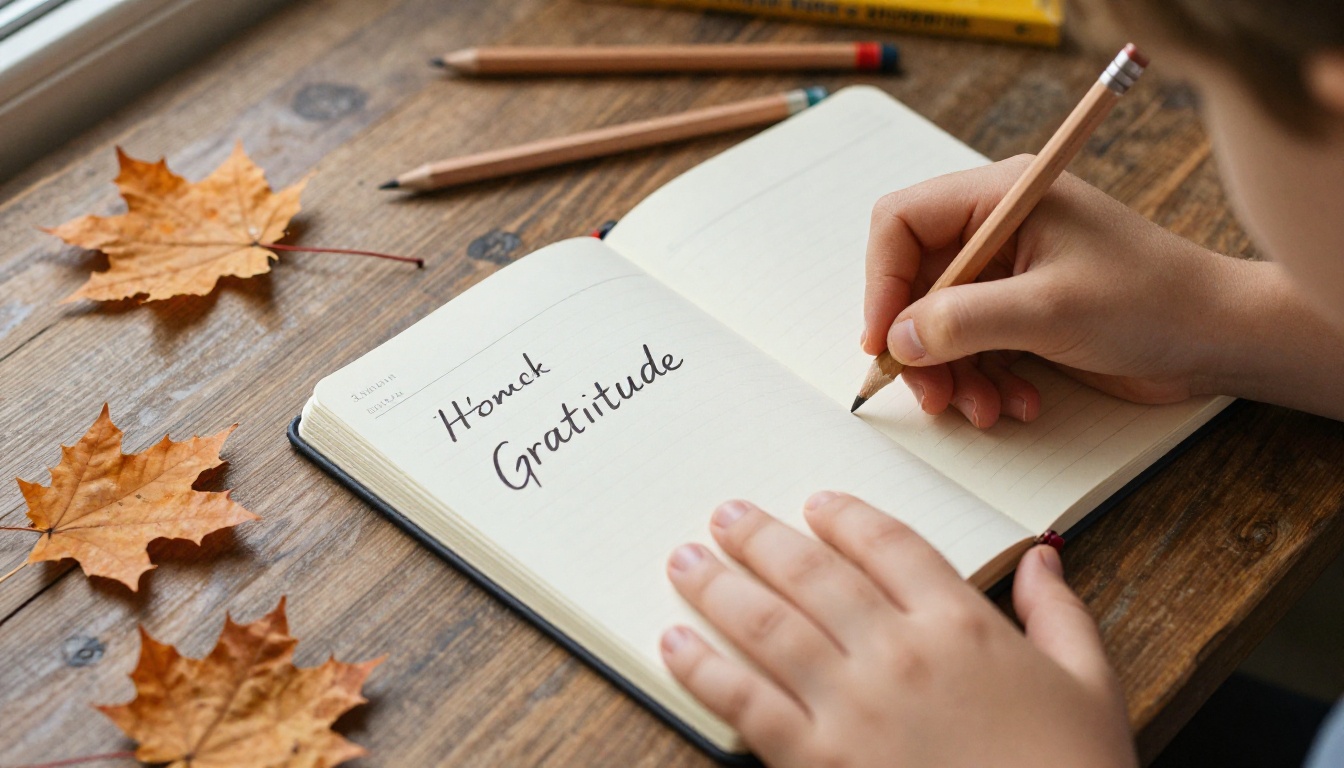
12 Page Ideas Families Love
You do not need twelve pages. Pick the ones that fit your family and skip the rest. Each idea works on a plain sheet of paper, a printed template, or a blank page in a notebook.
1. The Thankful Jar Page
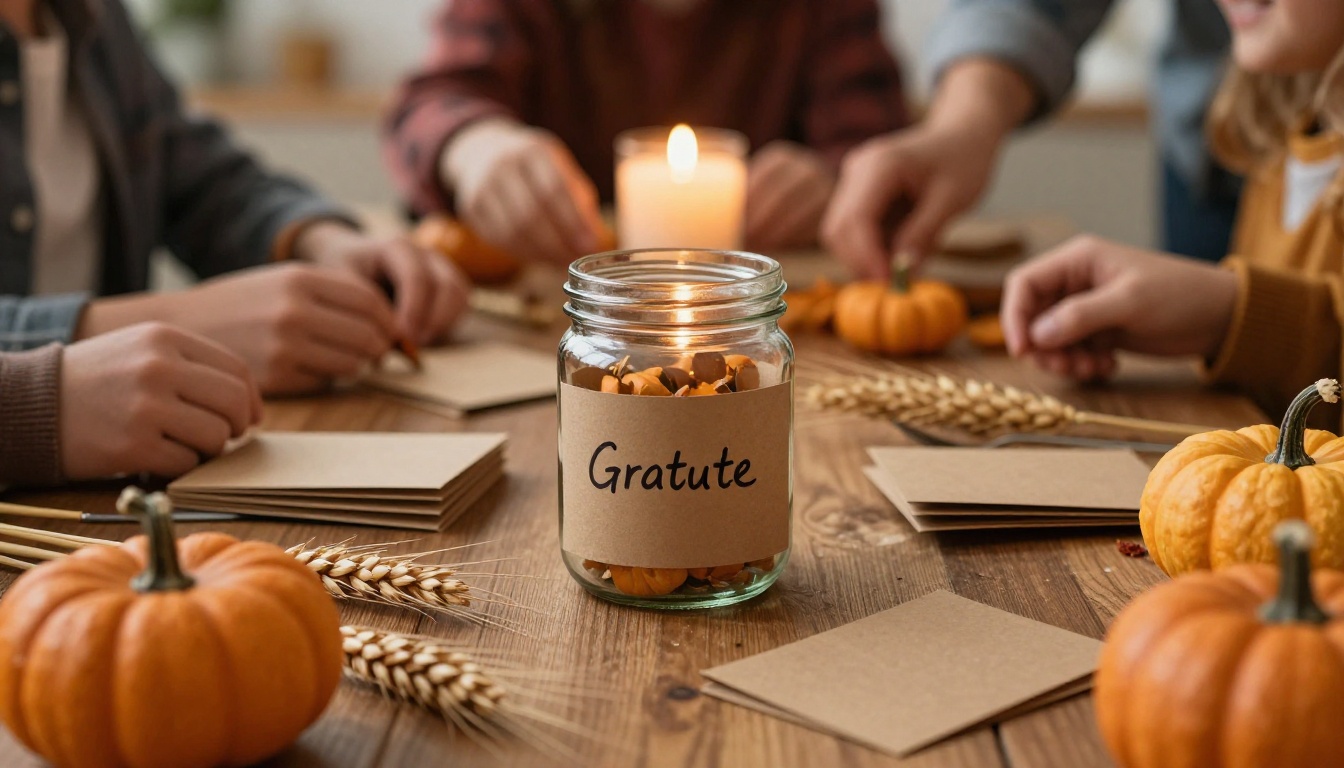
Place a jar on the table with slips of paper. Everyone writes one thing and drops it in. Before dessert, read the slips aloud, then tape each one onto a page. The mix of handwriting becomes the page's design.
2. The Alphabet of Thanks
Write A to Z down the page. Each person claims letters and fills in something they are grateful for: A for apple pie, B for Bruno the dog, Z for the zoo trip. It is funny, fast, and good for competitive cousins.
3. One Photo, One Sentence
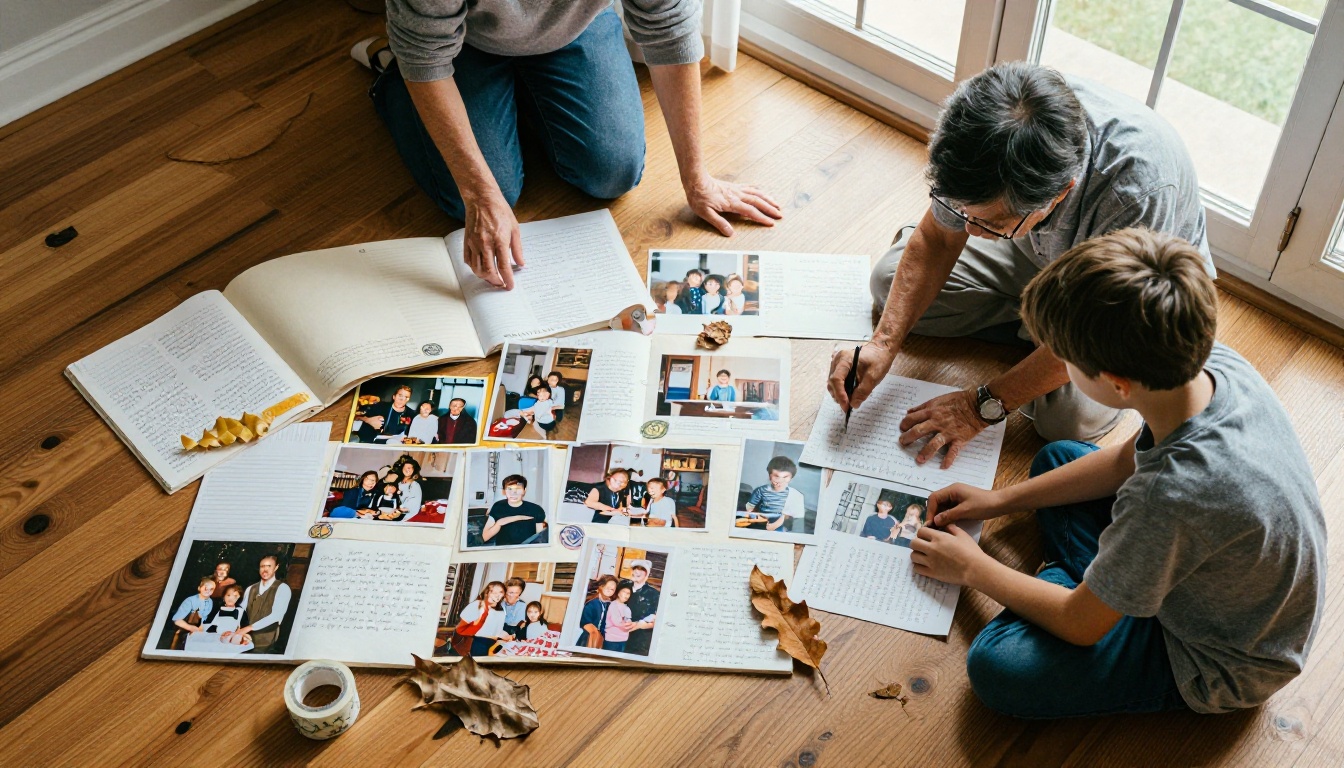
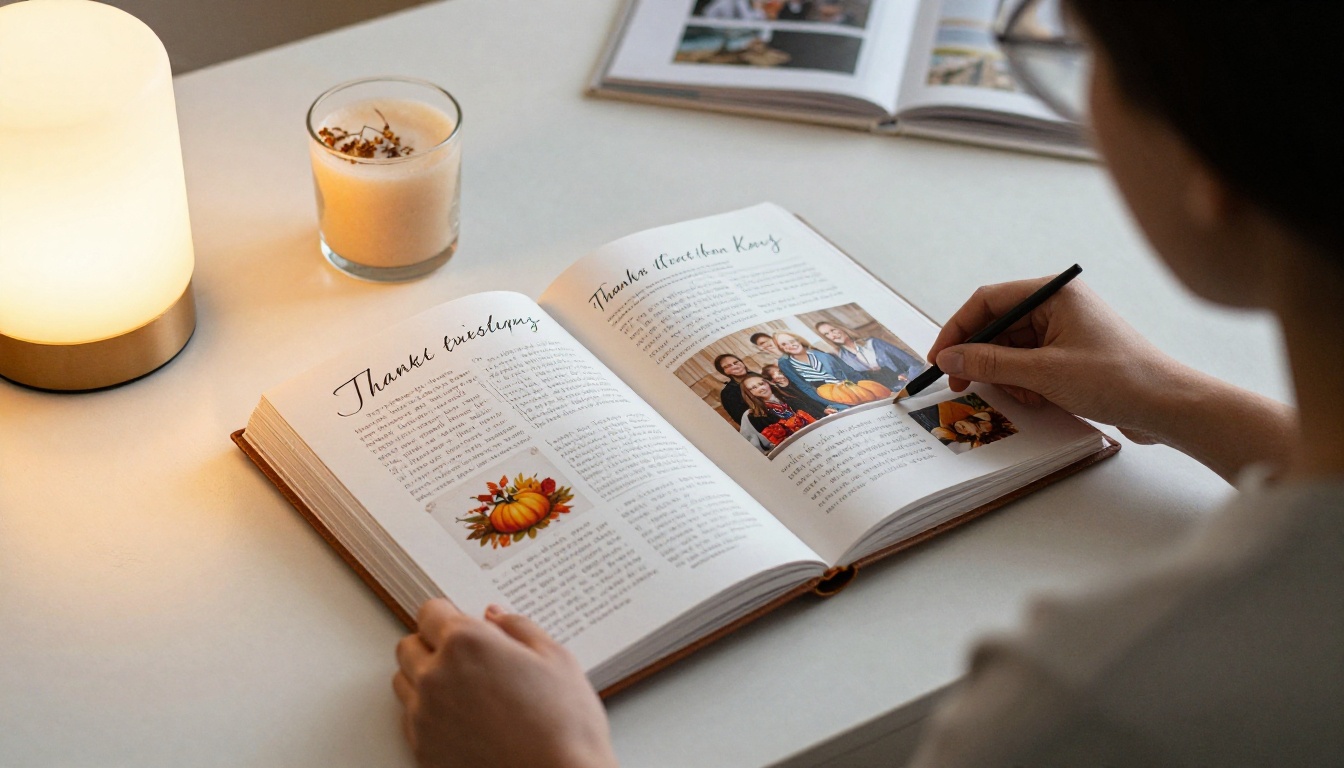
Print a family photo from the past year and leave space beneath it. Each person adds one sentence about why that moment mattered. This page is where a photo album and a gratitude book meet.
4. Grandparent Story Page
Ask a grandparent to describe a Thanksgiving from their childhood. Record it on a phone, then write the best lines on the page. Kids can add a drawing of what they imagined.
5. The Gratitude Tree
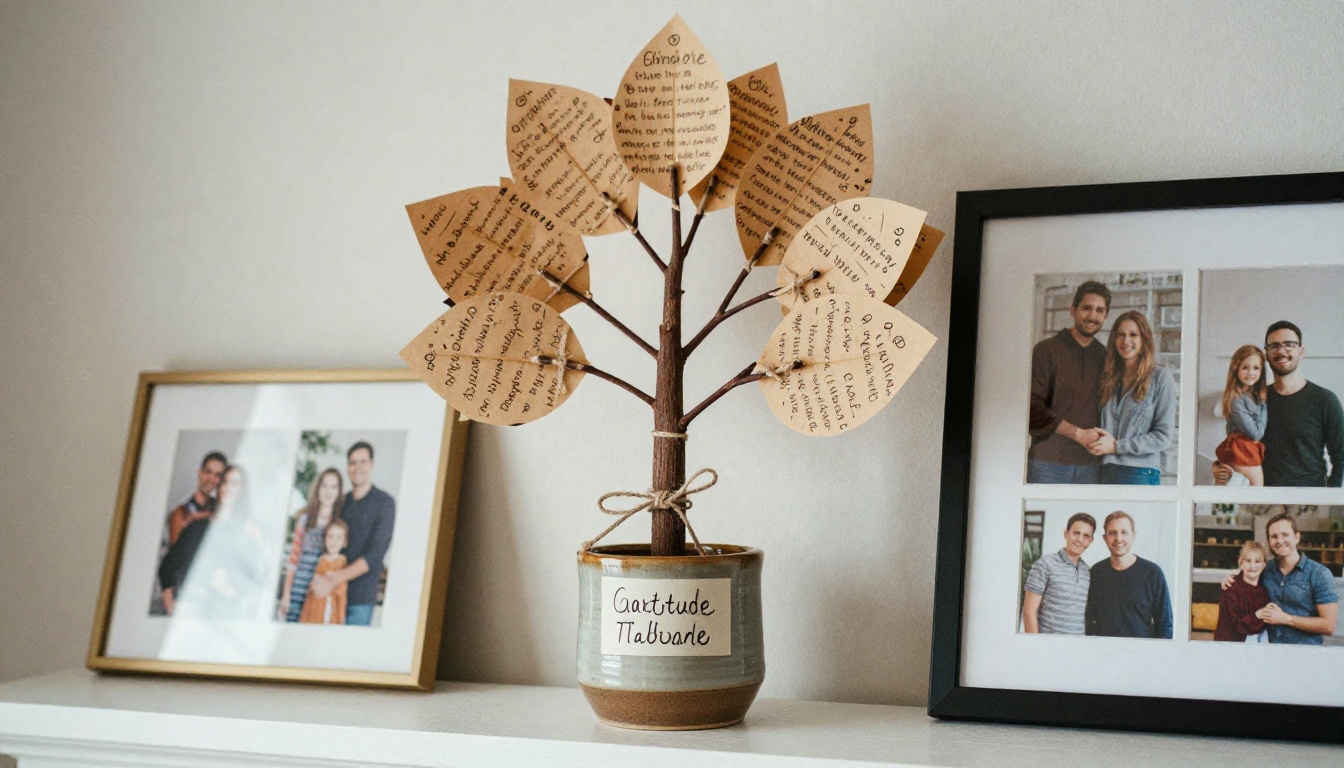
Draw a bare tree and have everyone add a leaf with a word written on it. You can also build a real one with branches in a vase, then photograph it and place the photo in the book.
6. Letters to Someone at the Table
Everyone writes two sentences to a person sitting near them. It sounds awkward, then turns into the most reread page in the book.
7. Handprint Turkey Page
For toddlers, trace and paint a handprint and let each feather carry a word, with a grown-up writing the words as the child says them. Date it, because those little hands change fast.
8. Recipe of the Year
Dedicate a page to the dish everyone loved most: ingredients, who made it, and a short note. Over time this turns into a family recipe collection. If that sounds appealing, the Recipe Book Flipbook tool is built for exactly that.
9. Three Small Things
Not "family, health, home." Ask for specifics: the smell of the first coffee, a text from a friend, a parking spot that opened up. Small details make the book feel like real life.
10. Then and Now
Each person writes what they were grateful for last year, and what has changed. This page only works from year two onward, which is a good reason to keep the book going.
11. Question of the Year
Pick one question and have everyone answer it: "Who made you laugh most this year?" or "What is one thing you finished?" Write the question at the top and the answers beneath.
12. The Table Map
Sketch the table with names in each seat. Add one word beside every name that describes what that person brought to the day. It doubles as a record of who was there.
Match the Prompt to the Age
Not every prompt suits every person. A five-year-old and a seventy-five-year-old need different invitations. Use this table to hand out the right page to the right person.
| Age group | Best page ideas | Time needed | Supplies |
|---|
| Toddlers (2 to 4) | Handprint page, sticker thanks | 5 minutes | Washable paint, stickers |
| Kids (5 to 9) | Alphabet of Thanks, drawings, thankful jar | 10 minutes | Markers, colored pencils |
| Teens (10 to 17) | Three Small Things, Question of the Year, letters | 10 minutes | Pens, phone for photos |
| Adults | Photo plus sentence, recipe page, then and now | 10 to 15 minutes | Printed photos, pens |
| Grandparents | Story page, letters, table map | 15 to 20 minutes | Large-grip pen, a helper to scribe |
💡 Pro tip: Give older relatives their prompt a day early. They get time to think, and the page comes out richer than anything written under pressure at the table.
Before you buy anything, decide what the book will be. There is no wrong answer, but each format has trade-offs.
| Format | Cost | Sharing with far-away relatives | Lasts how long | Best for |
|---|
| Blank notebook | Low | Hard, needs photos or scans | Years if stored well | Small households |
| Scrapbook with photos | Medium | Hard | Years, but photos fade | Crafty families |
| Printed template pages in a binder | Low | Medium | Years | Large groups, easy swapping |
| Digital flipbook from scanned pages | Low | Easy, one link | Indefinite | Families in different cities |
| Hybrid: handwritten, then digitized | Low to medium | Easy | Both physical and digital | Most families |
The hybrid approach is the one we recommend. Write by hand on the day, because handwriting is the whole charm. Then scan or photograph the pages and turn them into a digital version everyone can open.
A One-Evening Plan
Here is a simple schedule that fits around a normal Thanksgiving. Nothing in it requires a special occasion or a craft table.
- Before guests arrive (10 minutes). Put the book, pens, and a few printed prompt pages at one end of the table or on a side counter.
- During appetizers. Hand out the prompts. Younger kids go first, because their attention is short.
- Between main course and dessert. Do the read-aloud round. Each person shares one line from their page.
- After dessert. Take a group photo with the open book on the table. This becomes the last page.
- Next day. Scan or photograph every page while the energy is still fresh.
✅ Best practice: Keep one person in charge of the book. Without an owner, pages go missing and the pens disappear.
Make It Easy for Shy Writers
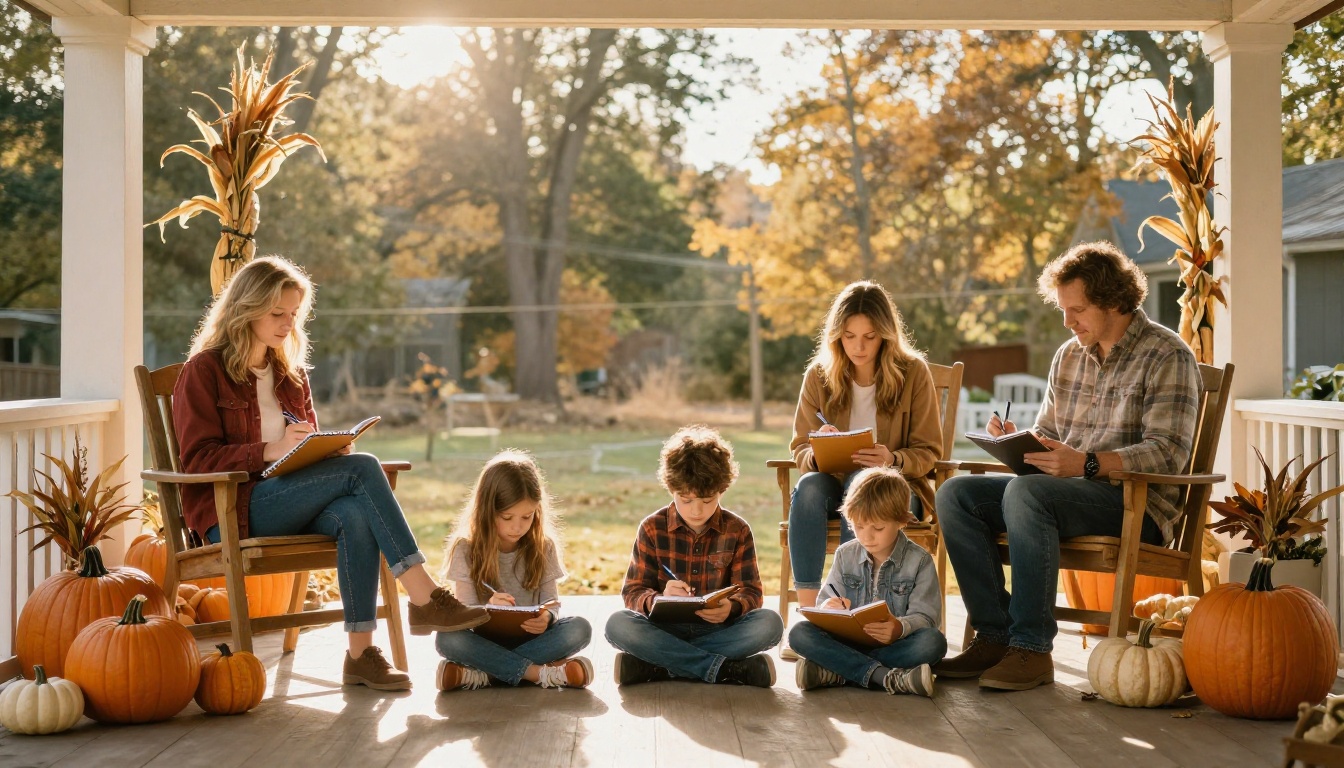
Some people freeze when handed a blank page. A few small changes fix that.
- Offer a sentence starter. "I am thankful for ___ because ___" removes the pressure of a blank line.
- Allow drawing, stickers, or a photo. Gratitude does not have to be a paragraph.
- Let someone scribe. A parent can write what a young child says, word for word. The spelling mistakes are part of the keepsake.
- Keep it short. Three lines is enough. A page filled halfway still counts.
- Skip the grading. No one is judged on neatness or depth.
What to Do With Disagreement
Some families have a hard year behind them, and not everyone feels thankful. That is fine. Offer prompts like "something that got easier" or "someone who helped me." These keep the book honest without forcing cheer.
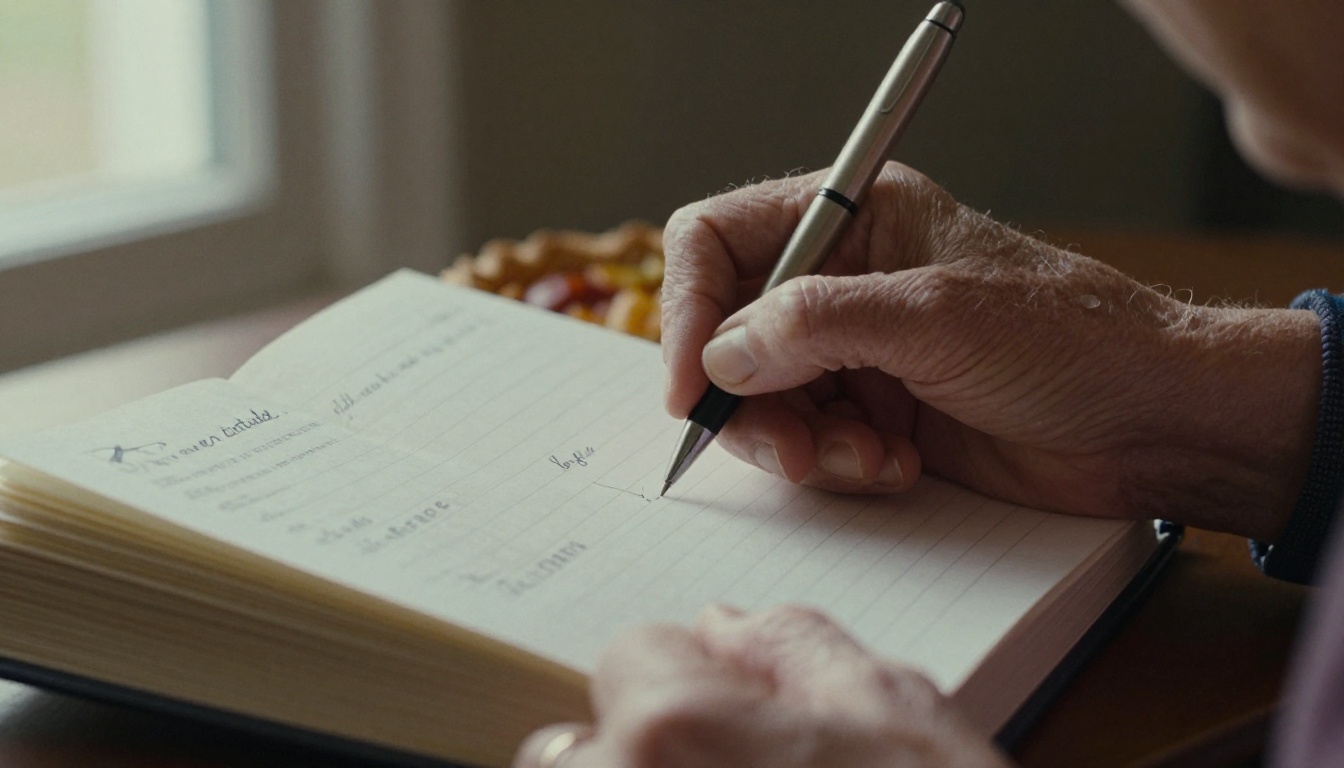
Turn the Pages Into a Flipbook
A paper book lives in one house. A digital version can live in every house at once. That is why many families scan their gratitude pages and publish them as a flipbook, which turns pages like a real book on any phone or laptop.
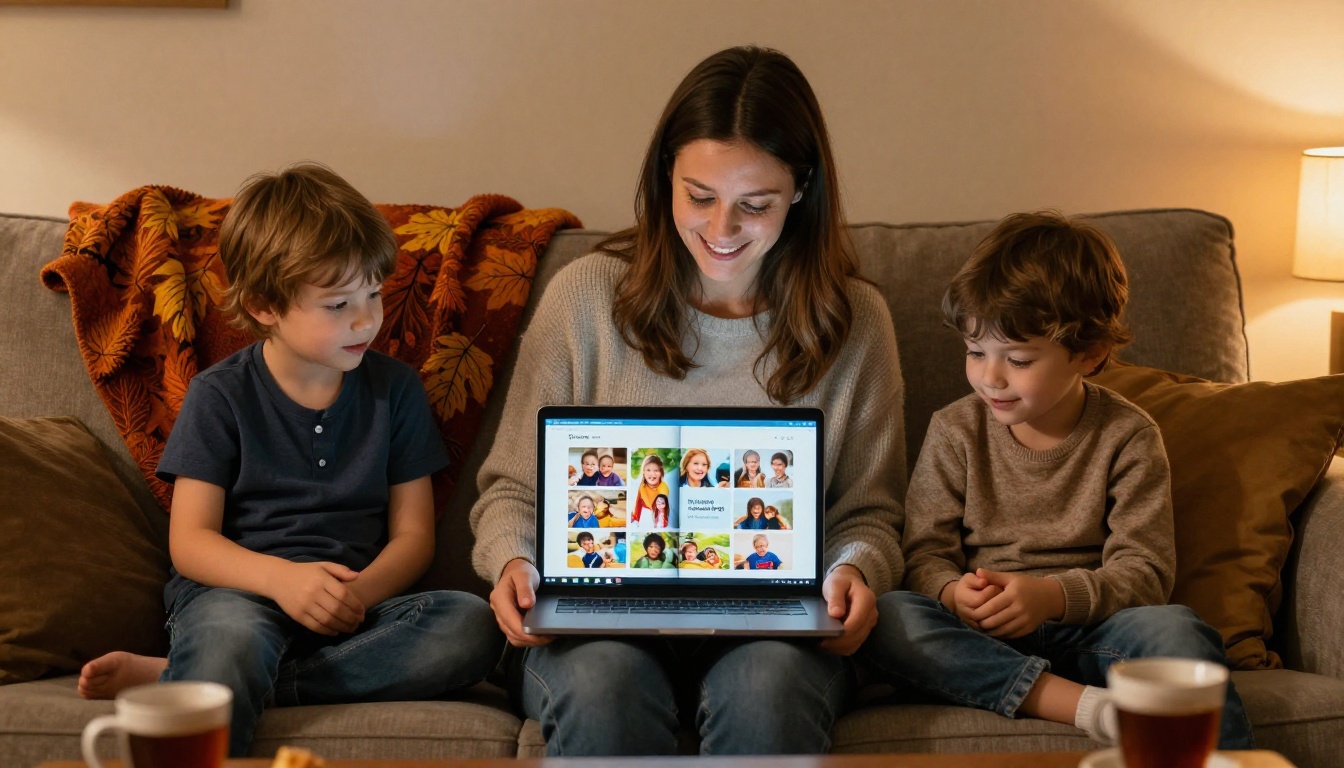
How to Create It With Flipbooks AI
The process takes about fifteen minutes once your pages are scanned.
- Scan the pages. Use a phone scanning app or take flat, well-lit photos. Combine them into one PDF in page order.
- Open the converter. Go to the PDF to Flipbook Converter and create an account if you do not have one.
- Upload the PDF. The pages convert into a flipbook with realistic page-turn effects.
- Customize the look. Pick a background color that suits autumn, such as warm cream or deep rust, and choose the page effects you like.
- Add audio or video. Embed a short clip of grandma telling her story, or a recording of everyone saying thanks. Flipbooks AI supports embedded videos and audio.
- Protect it. Turn on password protection so only family can open the book.
- Share it. Send a direct link, or embed the flipbook on a website for relatives who like a family page.
Flipbooks AI never adds watermarks, and the result works on mobile screens, which is where most relatives will open it. For a longer, more polished version, the Interactive E-Book Publisher gives you more layout control, and the Wedding Album Flipbook tool is a good model if photos dominate your pages.
| Feature | Why a family cares | Plan |
|---|
| No watermarks | The book looks like yours | All plans |
| Password protection | Keeps private memories private | See pricing |
| Embedded audio and video | Hear grandma's voice in the book | All plans |
| Offline downloads | Read it on a plane or at a cabin | See pricing |
| Analytics | See which relatives have opened it | Professional |
| Unlimited flipbooks | One per year, forever | Standard and above |
💡 Pro tip: Name each year's file the same way, such as "Thanksgiving Gratitude Book 2026." After a few years you will have a shelf of them.
Real Examples That Work
Here are three ways families have set this up, so you can borrow what fits.
The spread-out family. Siblings live in three time zones. Each household fills a few pages on their own Thursday, scans them, and one person merges the PDFs. The flipbook link goes out on Friday. Everyone sees everyone's thanks, even if no one shared a table.
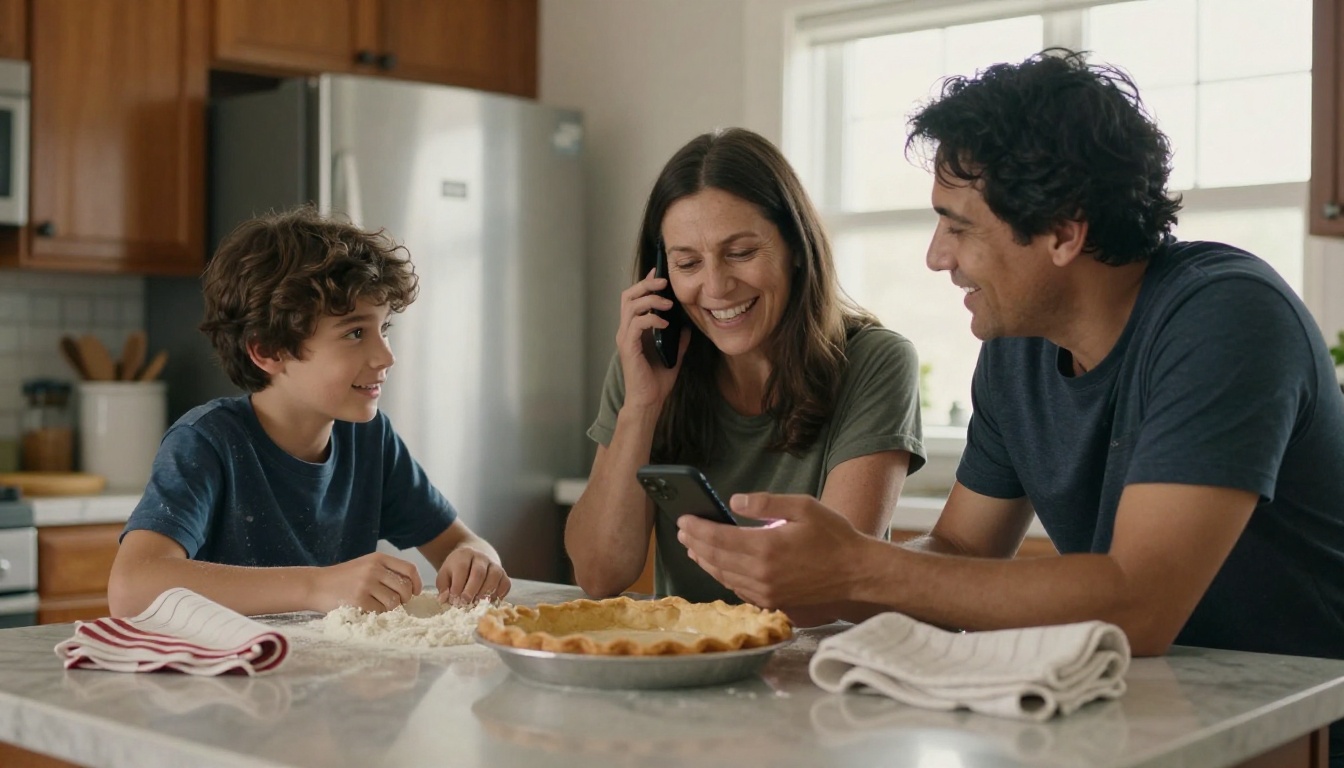
The grandparent project. A teenager interviews their grandmother over pie, records the audio, and writes the best lines into the book. The audio clip gets embedded in the flipbook. That page is the one cousins argue over who gets to open first.
The yearly series. One family keeps the same ten prompts every year and adds one new one. By year five, the "Then and Now" page almost writes itself, and the book reads like a slow-motion family portrait.
Keep It Going Next Year
The first year is easy because it is new. The hard part is year two. A few habits help.
- Store the book where you can see it. On a shelf, not in a closet.
- Add a "last year" page. Show a photo from the previous book before starting the new one.
- Set the date now. Put "gratitude book" on the calendar for next November.
- Rotate the organizer. Let a different family member run it each year.
- Share the old flipbook early. Send the link in October so the new round starts with some anticipation.
⚠️ Watch out: Do not wait until the week of Thanksgiving to buy supplies or print pages. Prep a month early and the day itself stays calm.
Ready to Start Yours?
A gratitude book does not need to be elaborate. A few pages, a few pens, and a family willing to sit still for fifteen minutes is enough. The digital step is what keeps it alive: a link everyone can open, now and in ten years.
Ready to turn your pages into something shareable? Get started for free on Flipbooks AI, browse all flipbook tools, or compare pricing plans to pick what suits your family.



