Most ad campaigns die the same death: a static image, a line of copy, and a scroll. The problem is not the product or the offer. It is the format. When every ad looks the same, nothing gets remembered. That is exactly why forward-thinking brands are converting their ad campaigns into flipbook stories, and the results are measurable.
Flipbooks AI gives marketers a direct path from a finished PDF campaign to a fully interactive, page-flipping digital story. No code. No design agency invoice. Just a campaign that actually holds attention.
Why Static Ads Fall Flat
Digital advertising has a scroll problem. The average person is exposed to thousands of ads daily, and the vast majority get processed and discarded in under a second. Banner blindness is real. PDF attachments go unopened. Static social posts blend into the feed.
The deeper issue: static formats are a monologue. They deliver a message but do not create a journey. Storytelling, by contrast, is what the human brain is wired for. We follow sequences, anticipate what comes next, and remember narratives far longer than isolated facts.
This is the gap that interactive brand content fills, and flipbook-format campaigns sit right at the center of it.
💡 Studies consistently show that sequential, story-based content generates 22x better recall than standalone ads. The flipbook format enforces exactly that sequence.

What a Flipbook Story Actually Is
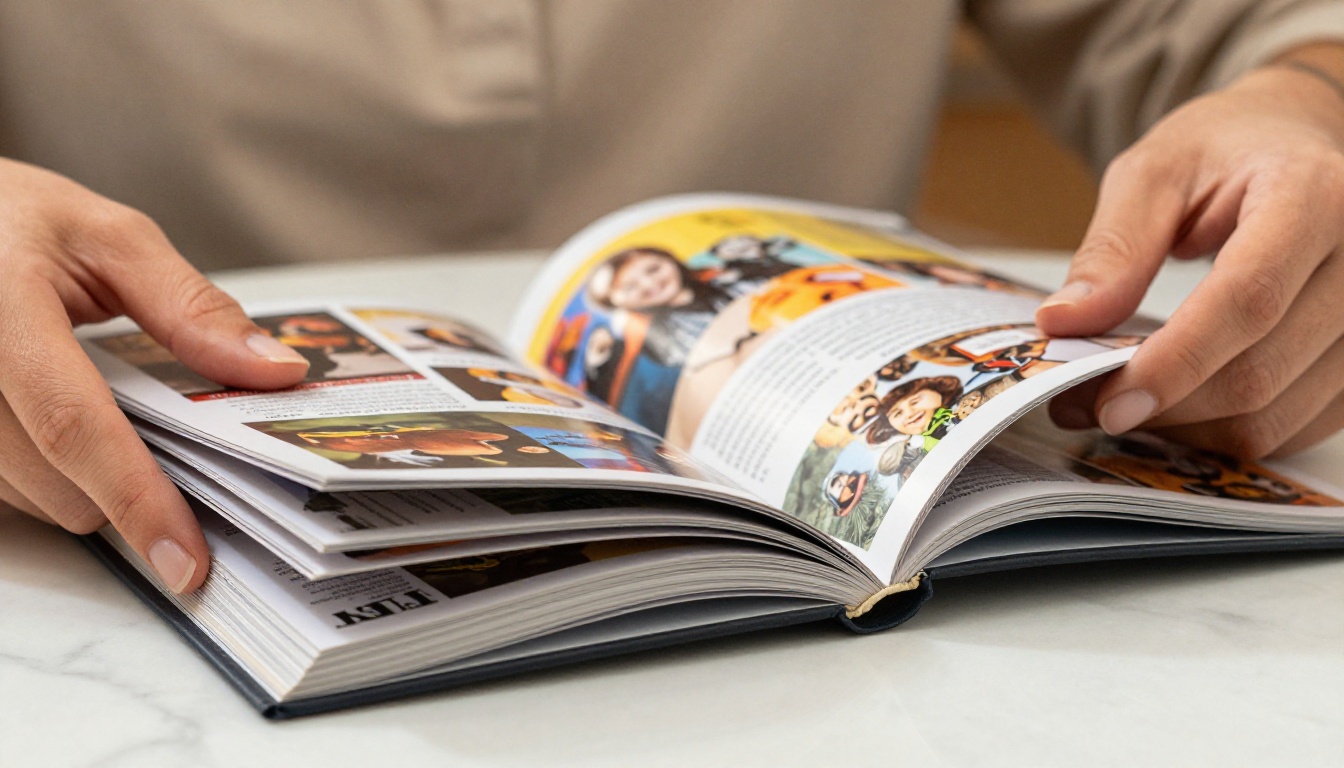
A flipbook story is a digital publication that mimics the physical act of turning pages through a browser or mobile device. When applied to an advertising campaign, it functions as a narrative arc: each page-turn advances the story, deepens the message, and leads the reader toward a specific action.
Think of it as the difference between handing someone a product photo and walking them through a showroom. The latter creates context, emotion, and intent.
A well-built brand storytelling format through a flipbook typically follows this structure:
- Pages 1-2: Hook, brand moment, or bold visual statement
- Pages 3-4: Problem identification, pain point, or situation setup
- Pages 5-6: Solution presentation, product feature highlight
- Pages 7-8: Social proof, testimonials, or real-world results
- Pages 9-10: Call-to-action, offer details, or direct response prompt
This is not just aesthetics. It is conversion architecture built into the format itself.
Before committing to a new format, it helps to see exactly what is on the table. Here is how the flipbook campaign format stacks up against the most common alternatives:
| Format | Interactivity | Storytelling Depth | Avg. Time-on-Content | Shareability | Production Cost |
|---|
| Static Banner Ad | None | Minimal | Under 1 sec | Low | Low |
| PDF Campaign Doc | None | Medium | 1-2 min | Low | Medium |
| Video Ad (30 sec) | Low | High | 0-30 sec | Medium | High |
| Social Carousel | Low | Medium | 10-30 sec | Medium | Low |
| Flipbook Story | High | Very High | 3-7 min | High | Low |
The flipbook wins on both depth and cost. It delivers a video-level narrative experience at a fraction of the production overhead, and unlike video, the reader controls the pace.
Campaign Types That Convert Well
Not every campaign translates equally to the flipbook format. Here are the types that consistently perform:
Product Launch Campaigns
Product launches need story architecture. There is a before state, a reveal, a feature walkthrough, and a purchase moment. A flipbook is a natural fit because it paginates that journey cleanly. Each page-turn reveals something new, building anticipation the way a trailer does before a film.
Seasonal Promotions
Retail, hospitality, and travel brands run seasonal campaigns with time-sensitive offers across multiple products or packages. A flipbook lets them present a full seasonal catalog-style promotion while keeping it immersive. Flipbooks AI has dedicated tools built for exactly this type of content.
B2B Proposal Campaigns
Sales teams spend hours crafting multi-page proposals that end up as PDF attachments nobody opens. Turning that same content into a flipbook story raises open rates, creates a more polished first impression, and allows performance tracking via analytics (available on the Professional plan).
Brand Awareness Campaigns
When the goal is purely attention and recall, the flipbook format extends the time a reader spends with a brand from seconds to minutes. Fashion brands, luxury goods companies, and lifestyle businesses use the Interactive Lookbook Designer to build precisely this type of immersive experience.

✅ Best Practice: Design your flipbook campaign to be readable on mobile first. Over 70% of digital content is consumed on phones, and Flipbooks AI produces mobile-responsive flipbooks by default.
How to Build Your Campaign Flipbook with Flipbooks AI
Flipbooks AI makes the creation process straightforward for any marketing team, regardless of design experience. Here is how to build your first ad campaign flipbook from scratch:
Step 1: Build Your Campaign as a PDF
Start in whatever design tool you already use: Canva, Adobe InDesign, Figma, or PowerPoint. Lay out your campaign as a multi-page PDF, treating each spread as a chapter in your story. Think in sequences, not individual slides. Each page should do one job: hook, build context, present proof, or close.
Step 2: Create Your Account
Go to flipbooksai.com/account and create a free account. No credit card is required to start. The platform is ready to receive your first upload immediately after signup.
Step 3: Upload Your Campaign PDF
Once logged in, upload your PDF. The conversion is automatic. Flipbooks AI processes the file and generates a fully interactive flipbook with smooth page-turning animations, typically in under two minutes for a standard campaign document.
Step 4: Apply Your Branding
Use the customization panel to match the flipbook to your brand identity:
- Set custom brand colors and fonts
- Upload your logo for the header
- Choose page-turn animation style
- Adjust the viewer background and interface skin
This ensures the flipbook experience feels seamless with your existing campaign visuals rather than like an afterthought.
Step 5: Embed Video and Audio
One of the strongest features of the format is multimedia support. If your campaign includes a hero video or background audio, embed it directly into the flipbook. Readers can watch video within the page without leaving the experience, which keeps dwell time high and friction low.
Step 6: Configure Sharing and Distribution
Flipbooks AI provides multiple distribution channels:
- Direct link: Share anywhere, works on all devices without any downloads
- Embed code: Drop the flipbook directly into a landing page, email template, or blog post using the Embed Flipbook on Website tool
- Password protection: Lock campaigns to specific audiences for trade previews and partner presentations
Step 7: Track Performance
With the Professional plan, you get full analytics: page views, time per page, drop-off points, and lead capture forms. This data tells you exactly which pages of your campaign story are holding attention and where readers lose interest, giving you the evidence to refine every future campaign.

💡 Pro tip: Use analytics to identify your campaign's "drop page." If readers consistently leave on page 6, that page needs a stronger hook or a visual redesign before the next campaign cycle.
Flipbooks AI Plan Comparison
Choosing the right plan depends on the scale and performance requirements of your campaigns. Here is what each tier offers for advertising teams:
| Feature | Free | Standard | Professional |
|---|
| Flipbooks per month | 3 | Unlimited | Unlimited |
| Watermark | Yes | No | No |
| Custom branding | No | Yes | Yes |
| Password protection | No | Yes | Yes |
| Video and audio embeds | No | Yes | Yes |
| Analytics dashboard | No | No | Yes |
| Lead generation forms | No | No | Yes |
| Offline downloads | No | No | Yes |
| Custom domain | No | No | Yes |
For active campaign production, the Standard plan removes watermarks and opens unlimited flipbooks. For teams running performance campaigns that require lead data and audience insights, Professional is the clear choice.
Compare all pricing plans in detail to see what works for your team size and campaign volume.

Industries Seeing the Strongest Results
The flipbook campaign format is not limited to one sector. Here is a breakdown by industry with the specific use cases that consistently see the strongest performance:
| Industry | Use Case | Recommended Tool |
|---|
| Retail and Fashion | Seasonal lookbooks, new collection reveals | Fashion Catalog Creator |
| Real Estate | Property listing campaigns, neighborhood stories | Real Estate Brochure |
| Hospitality | Hotel promotions, package deals, spa menus | Hotel Brochure Designer |
| Automotive | Model launches, feature comparisons, dealership offers | Automotive Brochure |
| B2B and SaaS | Sales proposals, case studies, press kits | Press Kit Designer |
| Food and Beverage | Seasonal menu campaigns, brand story content | Restaurant Menu Creator |
| Publishing and Media | Magazine ad campaigns, newsletter promotions | Magazine Flipbook Creator |
Every one of these use cases benefits from the same core advantage: the format demands sequential attention, which is exactly what advertising flipbook storytelling requires.
Structuring the Story Arc
The single most common mistake with flipbook campaigns is treating them like static documents with page-turning decoration added. The format only delivers its full potential when the content is structured as a story with deliberate narrative tension.
A three-act structure works reliably across categories:
Act 1: The Hook (Pages 1-3)
Open with something visually arresting. A bold full-bleed image, a provocative question, or a startling statistic. The goal is simple: earn the next page-turn. If the first spread does not do that, nothing else matters.
Act 2: The Build (Pages 4-8)
This is where you introduce context, features, and proof. Each page should do one thing well. A testimonial page. A product detail page. A comparison page. Resist cramming too much onto any single spread. White space is not wasted space, it is breathing room that makes the next page feel significant.
Act 3: The Payoff (Pages 9-12)
The payoff pages should feel inevitable. By this point the reader understands the value. The only question is how to act on it. This is where your call-to-action lives, your offer details land, and your direct link closes the loop.
Sharing Campaigns Without Losing Control
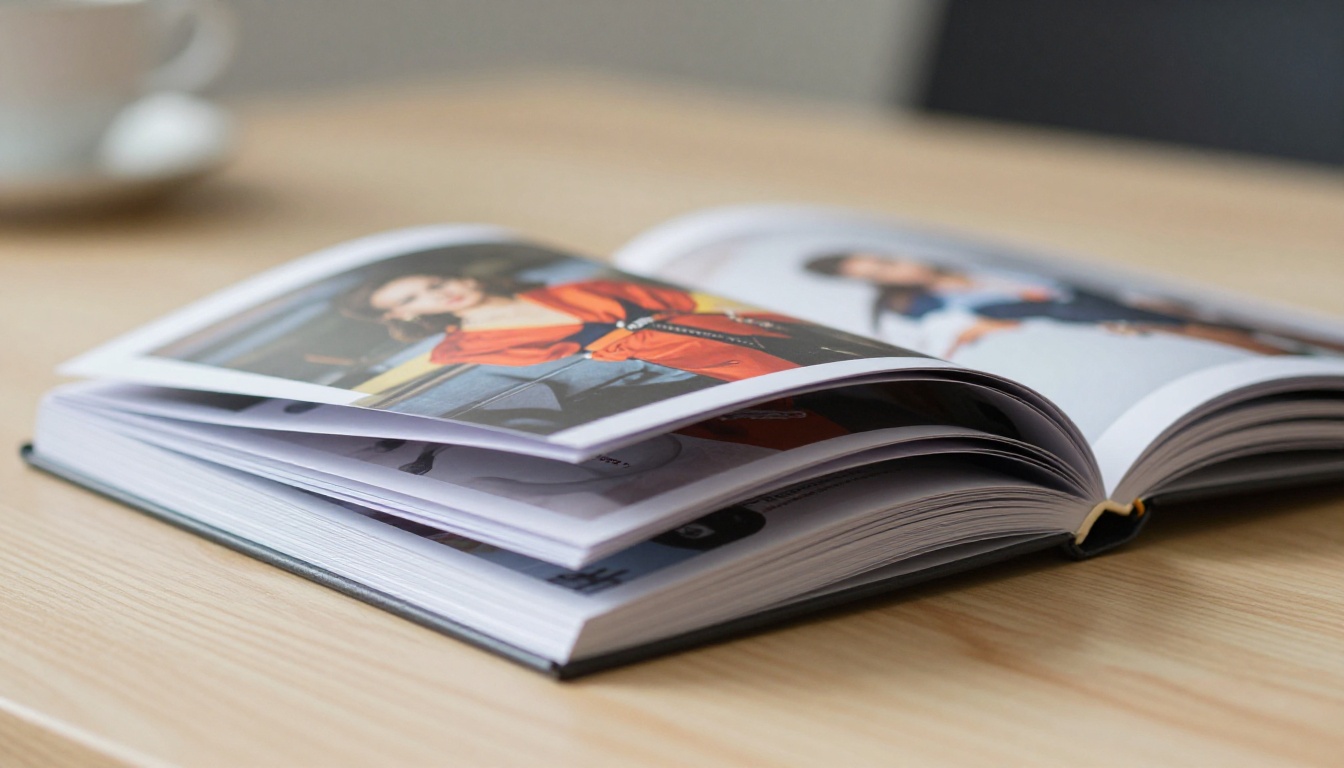
One underrated advantage of the flipbook format is how clean it is to distribute. Unlike a PDF that arrives as a download, or a video that requires a streaming platform, a flipbook lives at a URL. You share the link, the reader opens it in their browser, no app required.
This matters for advertising because it removes friction from the distribution chain. A sales rep can send the link in a LinkedIn message. A retail brand can embed it directly in a newsletter. An event sponsor can display it on a screen at a conference. The same asset, one URL, zero compatibility issues.
⚠️ Important: Always preview your flipbook on mobile before launching a campaign. While Flipbooks AI handles responsive rendering automatically, reviewing the experience on your own device takes 30 seconds and can catch any layout issues from the original PDF design.
For campaigns requiring controlled access, password protection keeps the content exclusive to intended recipients while maintaining the full interactive experience. This is particularly valuable for pre-launch teaser campaigns, investor presentations, and trade-partner previews.

From One Campaign to a Content Library
Once a brand has its first ad campaign in flipbook format, the natural next step is systematizing the process. Rather than treating each campaign as a one-off, teams that build consistently find themselves accumulating a growing library of interactive content: past campaigns available for reference, evergreen brand story flipbooks, product education pieces, and event recaps.
Flipbooks AI supports this through unlimited flipbook storage on Standard plans and above, meaning the library grows without cost pressure. When new campaigns reference or build on past ones, having archived interactive versions is far more useful than a folder of static PDFs that nobody opens.
The Sales Presentation Flipbook and Digital Portfolio Creator tools are well-suited to building that kind of institutional content alongside active campaign work, creating a full content ecosystem rather than a series of disconnected assets.
Make Your Next Campaign Worth Remembering
Advertising that gets remembered is advertising that tells a story. The flipbook format is not a novelty. It is a structure that forces narrative discipline, extends attention time, and gives brands a shareable, embeddable, trackable campaign asset that static formats simply cannot replicate.
The brands using this format today are not doing it because it looks impressive. They are doing it because it works.
Ready to build your first flipbook campaign? Create your account on Flipbooks AI and upload your first PDF today. No credit card required.
Want to see what other teams are building? Browse all available tools for catalogs, brochures, presentations, and more.
When you are ready to scale, review the pricing plans to find the option that fits your campaign volume and performance goals.



